Idaho Rules on the Number of Rods Per Angler
It’s a tale as old as time for many anglers: you’re out on the water, the bite is slow, and you start wondering if you could double your chances by dropping another line. Or maybe you want to target trout with one setup and bass with another. The question inevitably arises: "How many fishing rods can I actually use at once in Idaho?" It’s a common frustration, navigating the nuances of fishing regulations, but this guide is here to shed light on Idaho's specific rules regarding the number of rods per angler, helping you stay compliant and confident on your next outing.
Unpacking Idaho's General Rod Limit for Anglers
Let's cut right to the chase because nobody wants to accidentally break a rule. Idaho, like most states, has a foundational principle when it comes to how many rods you can fish simultaneously.
The Standard Statewide Rule
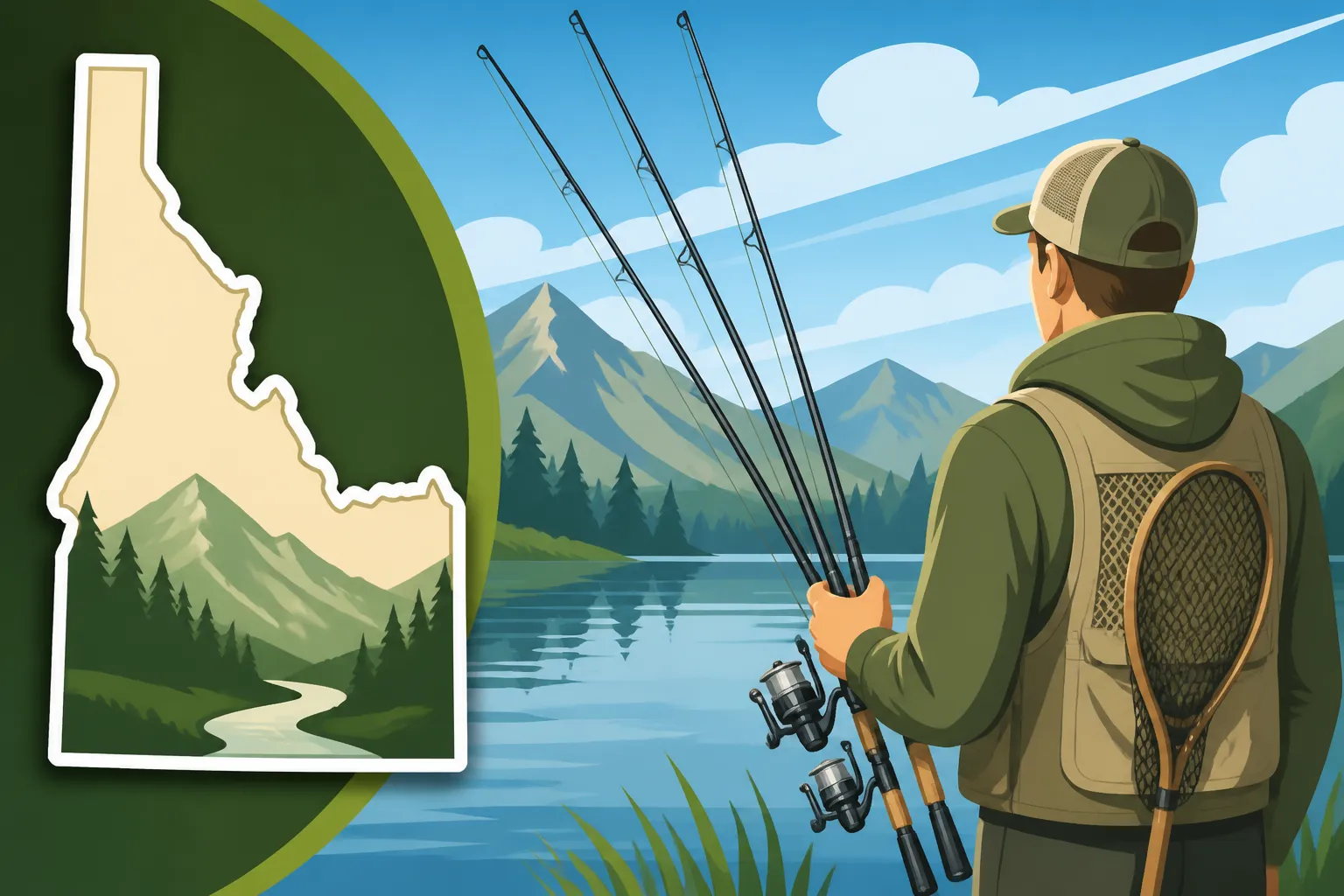
For most general fishing waters across Idaho, the standard rule is pretty clear-cut: an angler is allowed to fish with no more than two (2) rods at any given time. This isn't just a random number; it's rooted in principles of fair chase, resource management, and ensuring anglers can adequately manage their lines. Think about it: if you're trying to manage three or four lines, especially when the fish are biting, it quickly becomes chaotic. You might miss a gentle strike on one rod while you're battling a fish on another, leading to lost gear or even harm to the fish.
This two-rod limit applies to the vast majority of lakes, rivers, and streams throughout the state that aren't under special regulations. It means you can have two lines in the water, actively fishing, whether you're bank fishing the Boise River, trolling a local reservoir for kokanee, or casting flies on a mountain stream. If you're planning on expanding your setup to take advantage of this, you might want to check out some versatile rod and reel combos on Amazon that can handle various Idaho fishing scenarios. For a deeper dive into all the essential rules, our comprehensive guide on the Idaho Fishing Regulations Explained is a great resource.
Distinguishing Between Actively Fishing and Transporting
It's crucial to understand what "fishing with" or "in use" actually means in the eyes of Idaho Fish and Game. Having multiple rods in your boat, truck, or strapped to your backpack is perfectly fine. Those rods are considered "in transport" or "stored." The moment a line from a rod enters the water with a hook, lure, or bait attached, it's considered "in use."
Imagine this scenario: you're out on Lake Coeur d'Alene with your family. You've got three rods rigged for kokanee, two for Chinook, and a couple of lighter setups for panfish. That's a lot of gear! However, as long as only two of your rods have lines actively in the water, you're compliant. Your spouse, if licensed, can also have two rods in the water, and your child, if they meet the age requirements for not needing a license, can also fish. It's about the individual angler's active participation with the line, not the total number of rods you own or brought along. This distinction is important for preventing accidental violations and ensures you're ready when the fish decide to cooperate.
The Rationale Behind the Two-Rod Limit
Why two? Why not one, or three, or even more? The Idaho Fish and Game Department's regulations are designed with several key objectives in mind. Firstly, it’s about responsible resource management. Limiting the number of lines helps prevent overharvest, especially for sensitive species or in popular fishing spots. It ensures that the fish populations can remain healthy and sustainable for future generations of anglers.
Secondly, it's about the quality of the angling experience. While more rods might seem like a way to catch more fish, it can also lead to more tangled lines, missed bites, and less direct engagement with the natural environment. The two-rod limit encourages anglers to be attentive and skillful with their chosen methods, fostering a more engaging and ethical fishing experience. It's about the chase, the patience, and the connection, not just the quantity of fish caught. This balance helps maintain the integrity of Idaho's diverse fisheries, from the powerful steelhead runs to the serene high mountain lakes.
Special Circumstances and Exceptions to the Rule
While the two-rod rule is the general standard, Idaho fishing regulations do have some specific exceptions and situations where different rules apply. It’s always smart to double-check the current proclamation for the specific water you plan to visit, as things can change.
Designated Two-Rod Waters and Permits
Here's where it gets interesting: on some designated waters in Idaho, anglers actually have the option to fish with up to three rods. This isn't a free-for-all, though. To take advantage of this, you typically need to purchase a specific "Two-Rod Validation" or similar permit in addition to your regular fishing license. These waters are identified in the official Idaho Fishing Regulation Brochure and usually pertain to larger lakes or reservoirs where anglers are often trolling and can reasonably manage an additional line without negatively impacting other anglers or the resource.
For example, on vast impoundments like American Falls Reservoir or C.J. Strike Reservoir, where anglers might be targeting different species at varying depths, the extra rod can be a real game-changer. It allows for more versatility in presentation. However, remember that this third rod still needs to be actively attended. Always refer to the most current regulations to see which waters permit this and if there are any special conditions or costs involved. You can find more details about these types of validations in our guide on Idaho Fishing Permits and Stamps Explained, which clarifies various special endorsements you might need.
Ice Fishing and Multiple Holes
If you're an ice angler, you'll be happy to know that Idaho's rules are generally more liberal when it comes to the number of lines you can have in the water. For most ice fishing scenarios, an angler can use up to five (5) lines or rods. This is a fantastic advantage for ice fishing, as it allows you to cover more area under the ice, target multiple depths, or even fish for different species simultaneously from your cozy ice shanty.
Just like with open water fishing, there’s a catch: all five lines must be under your immediate control and within your sight. You can't just set up five lines and wander off for a hot cocoa. You need to be able to respond to a bite on any of them promptly. This ensures responsible angling and prevents unattended lines from becoming hazards or impacting fish negatively. Ice fishing can get pretty chilly, so if you're out there with multiple rods, make sure you've got warm gear, perhaps a robust ice auger, and a comfortable setup, all easily found on Amazon, to make managing your lines a breeze. For a comprehensive look at what's allowed on the frozen water, check out our article on Idaho Rules on Ice Fishing Licenses.
Children, Youth, and License Requirements
This is a common question, especially for families introducing kids to the joys of fishing. In Idaho, children under the age of 14 do not need a fishing license. This is wonderful for encouraging young anglers! However, they are still subject to the same rod limits as licensed adult anglers, meaning they can fish with up to two rods (or more if in a designated two-rod water with the appropriate validation purchased by an adult accompanying them, if applicable).
The important distinction is that a child's rods are their rods. If you, as a licensed adult, are fishing with two rods, and your 10-year-old child is fishing with two rods, that's perfectly legal (assuming your child is actively fishing their own lines). What you cannot do is claim your child's rod as "theirs" if they are not actively participating, just to get around your own two-rod limit. The spirit of the law requires active participation for each rod. It's a great opportunity to teach kids about fishing ethics and regulations from a young age. Our detailed guide on Idaho Fishing Rules for Kids and Families covers everything you need to know about getting your little ones hooked on fishing, and you might also find answers to specific age-related questions in Do Kids Need a Fishing License in Idaho?.
Navigating Complex Scenarios and Staying Compliant
Sometimes, the general rules feel clear until you're faced with a specific situation that makes you scratch your head. Let's delve into some common complex scenarios and how to navigate them while staying on the right side of the law.
Fishing for Multiple Species with Different Setups
It’s a fantastic strategy to target different species, especially if you're in a water body rich with diversity, like the Snake River. You might want to drop a heavy bottom rig for sturgeon or catfish and simultaneously cast a lighter spin rod for smallmouth bass or trout. The two-rod limit applies universally to you, the individual angler. So, yes, you can absolutely have one rod rigged for a big sturgeon and another for a nimble trout.
The key remains vigilance. If you've got a bait out for a sturgeon, which can sometimes involve long waits, and you're actively casting and retrieving for bass, you need to be able to manage both. If a sturgeon hits while you're focused on bass, you could miss the hook set or risk the fish running off with your gear. This is where good organizational skills come into play. Having a well-stocked tackle box or a convenient storage system for your different lures and baits, which you can easily find on Amazon, makes transitioning between setups much smoother. Remember, you're responsible for both lines, and if one needs attention, you should be able to give it.
Group Trips, Charters, and Shared Rods
Heading out on a guided fishing trip or a charter can be an incredible experience in Idaho, especially for targeting trophy fish like Lake Pend Oreille's monster rainbow trout or the feisty steelhead on the Clearwater River. When you're part of a group or on a charter, it's vital to remember that the rod limits apply per individual, licensed angler. Even if your guide provides all the rods and gear, you are still responsible for adhering to your personal rod limit.
So, if you're on a charter boat on Lake Coeur d'Alene, and there are four anglers, each of you can have up to two rods in the water (or three if the special two-rod validation is in effect for that water and you've purchased it). You can't pool your rod limits – meaning, one person can't fish with four rods because another person isn't fishing at all. Every active line must be associated with a licensed angler who is actively attending it. Guides are generally excellent at keeping everyone compliant, but ultimately, the responsibility rests with you. Our guide, Does Every Angler on a Charter Boat Need Their Own Idaho License?, delves into these specifics, as does Idaho Fishing License Rules for Group Trips and Charters.
Checking the Latest Regulations and Avoiding Penalties
The best advice any veteran angler can give is this: always check the current year's Idaho Fishing Regulation Brochure and Proclamation before you head out. Regulations are dynamic; they can and do change annually, sometimes even within a season, depending on fish populations, environmental conditions, or management decisions. What was true last year might not be true today.
These regulations are easily accessible. You can pick up a physical copy at any Idaho Fish and Game office, most sporting goods stores (like Sportsman's Warehouse or Cabela's), or licensed vendors across the state. Even easier, the Idaho Fish and Game website offers a digital version that you can access on your phone or print out. Relying on outdated information or "what you heard" can lead to serious consequences, including fines, confiscation of fishing gear, and even the suspension of fishing privileges. Ignorance of the law is never an excuse. Staying informed is your best defense against accidental violations. To help you out, we have a helpful article on Where to Find Idaho's Current Fishing Rules Brochure, and for understanding the bigger picture of regulations, take a look at our Idaho Fishing License Guide. It’s also worth noting How Often Idaho Fishing Rules Change, so a quick check before each season is always a good practice!
Here's a handy table summarizing common rod limit scenarios:
| Scenario | Standard Rod Limit Per Angler | Special Considerations | Key Reference |
|---|---|---|---|
| General Open Waters (Lakes/Rivers) | 2 | Must be attended by the angler. | Idaho Fishing Regulations Explained |
| Designated Two-Rod Waters | 3 (with additional permit) | Requires a "Two-Rod Validation" or similar special permit, purchased in addition to a fishing license. | Idaho Fishing Permits and Stamps Explained |
| Ice Fishing | 5 | All lines must be within sight and immediate control of the angler. | Idaho Rules on Ice Fishing Licenses |
| Youth Anglers (under 14) | 2 (no license needed) | No license required, but still adhere to rod limits and general regulations. Must be actively fishing their own lines. | Do Kids Need a Fishing License in Idaho? |
| Guided or Charter Trips | 2 (per licensed angler) | Each individual angler is responsible for their own limit, regardless of gear provided by the guide. | Does Every Angler on a Charter Boat Need Their Own Idaho License? |
Remember, these rules are in place to protect Idaho's incredible fishing resources and ensure a fair and enjoyable experience for everyone. A little preparation and understanding go a long way in making your fishing trips memorable for all the right reasons! For comprehensive details about getting your fishing credentials, check out our Idaho Resident Fishing License Guide.
Disclaimer
Please note that fishing regulations are subject to change. While this guide provides a comprehensive overview of Idaho's rod limit rules based on current information, it is always the angler's responsibility to consult the most recent Idaho Fishing Seasons and Rules brochure or the Idaho Fish and Game website before heading out. This content is for informational purposes only and does not constitute legal advice.