Where to Fish for Sturgeon on the Snake River
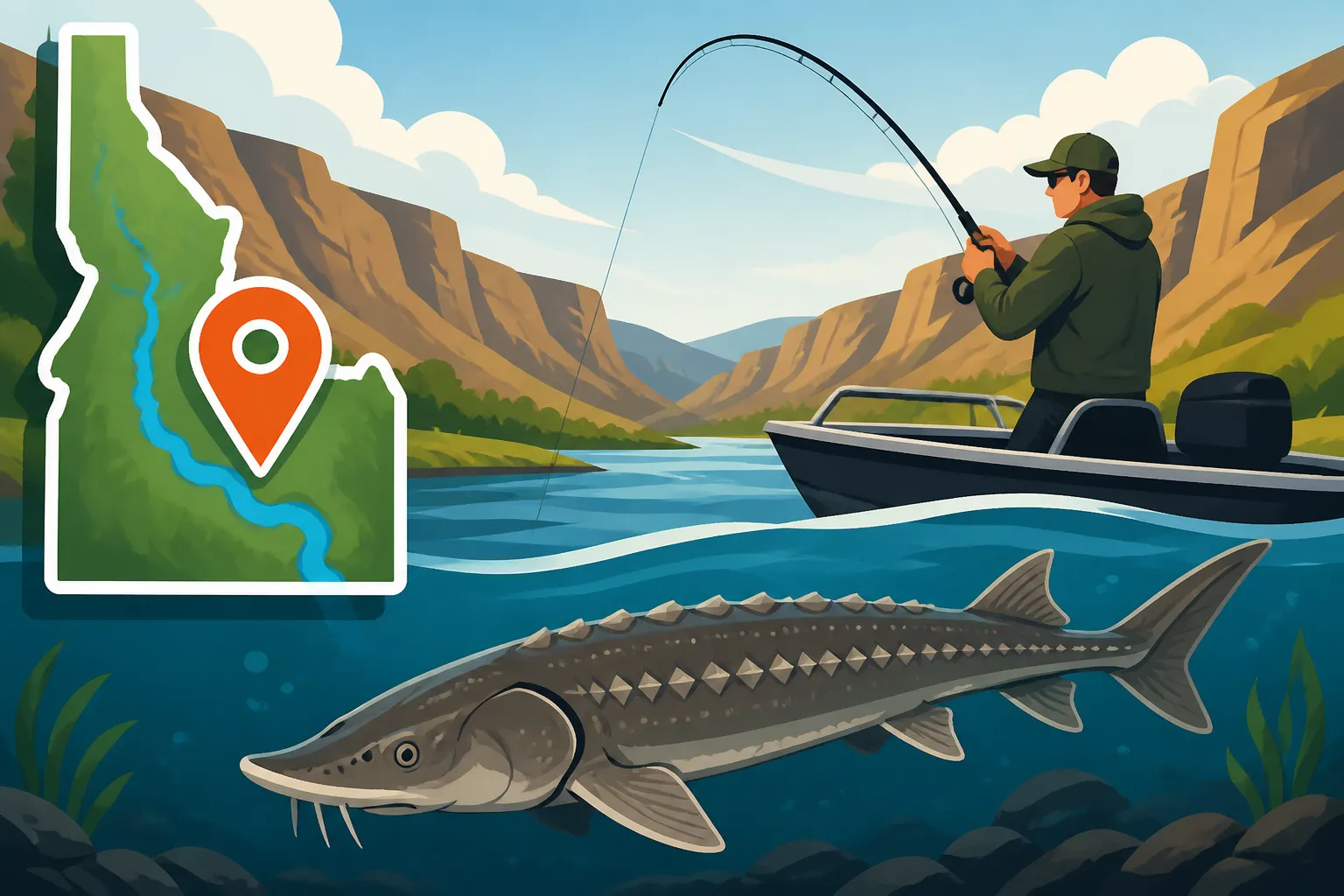
The majestic white sturgeon, with its prehistoric appearance and incredible fighting power, is truly a bucket-list fish for many anglers. But let's be honest, the Snake River is massive, and trying to figure out where these giants lurk can feel utterly overwhelming, especially if you're not a local. It's not like they hang out everywhere! This guide is designed to cut through the guesswork, giving you the real lowdown on the prime stretches of the Snake River where you have the best shot at hooking into one of these incredible fish.
Understanding Prime Sturgeon Habitats on the Snake River
Before you even cast a line, it helps to think like a sturgeon. These ancient fish aren't just swimming around aimlessly; they're creatures of habit, drawn to specific types of water that offer food, shelter, and current breaks. Knowing what to look for will drastically improve your chances of success. It's like finding a comfortable armchair in a crowded room – they're looking for their sweet spot.
Deep Holes and Submerged Canyons
Sturgeon, especially the larger ones, absolutely love deep water. We're talking about those dark, mysterious holes that drop off abruptly, often found in the outside bends of the river or where tributaries meet the main channel. These deep holes provide a sanctuary from strong currents, offer cooler water temperatures during warmer months, and act as natural ambush points for passing food.
Imagine the Snake River carving its way through the landscape; those incredible geological formations often translate to significant underwater structure. Confluences, where a smaller river or creek flows into the Snake, can create massive scour holes over time. These spots become congregation areas for sturgeon. They’ll patiently wait on the bottom, conserving energy while a buffet of smaller fish, crayfish, and anything else the current brings, drifts by. Sometimes, these deep holes are hidden in plain sight, requiring a good sonar unit or some local knowledge to pinpoint their exact location.
Current Breaks and Eddies
While sturgeon are powerful swimmers, they prefer to conserve energy whenever possible. This means they're constantly looking for areas where the current slows down, creating a natural "rest stop." Large eddies – those swirling pockets of calmer water often found downstream of prominent points, large boulders, or bridge pilings – are prime real estate.
These current breaks aren't just for resting; they're also fantastic feeding grounds. The swirling water tends to accumulate debris, including the scent and actual bits of food that sturgeon are keen to scavenge. Think about where a dead salmon might settle after a long journey downstream, or where smaller baitfish might hold to escape the main current. Sturgeon will be there, waiting. Even subtle seams where fast water meets slow water can be productive, offering a transition zone where prey fish linger and sturgeon can easily intercept them. Learning to read the river and identify these seams and eddies is a skill that comes with time and practice on the Snake River.
Rocky Substrates and Bottom Structure
Unlike some other fish that prefer soft, silty bottoms, white sturgeon have a strong preference for rocky, gravelly, or even bouldery substrates. Their barbels, which are like whiskers, are highly sensitive and used to detect food items along the riverbed. A hard bottom means better grip for them in strong currents and often indicates a stable environment where their preferred food items, like insect larvae, crayfish, and small fish, thrive or get trapped.
Areas with significant bottom structure, such as large rock piles, ledges, submerged trees, or even old bridge footings, are gold mines. These features provide cover, act as current breaks, and create pockets where food can accumulate. If you're using a fish finder, look for jagged bottom contours rather than smooth, flat expanses. These "humpy" areas often signal complex underwater topography that sturgeon love. Remember, the Snake River has a long history, and areas that once had old log booms or even sunken vessels can now be fantastic, albeit snaggy, spots.
Key Stretches of the Snake River for Sturgeon Fishing
The Snake River stretches for hundreds of miles across Idaho, offering diverse fishing experiences. When it comes to white sturgeon, however, certain sections consistently outshine others due to their unique characteristics and the health of their sturgeon populations. These are the stretches where you’re most likely to have that epic encounter.
The Hells Canyon National Recreation Area
Hands down, if you're talking about trophy sturgeon and a truly wild experience, Hells Canyon is often cited as the pinnacle. This is the deepest river gorge in North America, a place of dramatic beauty and formidable fishing. The sheer size and remoteness of Hells Canyon mean that the sturgeon population here sees less pressure, and the fish grow to incredible sizes.
The deep, cold water and abundant structure created by the canyon walls provide ideal habitat. Think about the massive holes carved out by centuries of relentless current, often reaching depths of over 100 feet in places. Specific pools and eddies within the canyon, known only to dedicated anglers and guides, hold monster fish. Access here is primarily by jet boat, often requiring a multi-day trip or a guided excursion. You might launch from Pittsburg Landing or Heller Bar. The challenge of getting there is part of the allure, but once you're in, the rewards can be truly breathtaking. Guides who specialize in this area, sometimes found through platforms like FishingBooker, can offer unparalleled expertise.
C.J. Strike Reservoir and Its Tailwaters
Moving downstream from the rugged canyons, C.J. Strike Reservoir offers a very different but equally productive sturgeon fishing experience, particularly for those looking for more accessible options. This massive reservoir, formed by the confluence of the Snake and Bruneau Rivers, is well-known for its diverse fishery, and sturgeon are a major draw.
The reservoir itself provides vast expanses of deep water, particularly near the dam and in the old river channel. Sturgeon thrive here, feeding on abundant perch, crappie, and other forage fish. Many anglers find success by anchoring in known deep holes and setting out multiple baits. Below the C.J. Strike Dam, in the tailwater section, the consistent flow and oxygenated water create another excellent environment. Fish will often stack up in the turbulent waters below the spillway or in the deeper, calmer pools just downstream. There are several well-maintained boat ramps and camping facilities around C.J. Strike, making it a popular choice for families and those looking for a slightly less arduous trip than Hells Canyon.
The Mid-Snake River Sections
Beyond these two standout areas, several other sections of the Mid-Snake River, particularly around Swan Falls Dam, Brownlee Reservoir, and even down to Oxbow Dam, offer excellent sturgeon fishing. These areas can sometimes be overlooked, but they consistently produce good numbers of fish, including some real bruisers.
Near Swan Falls Dam, both above and below, you'll find classic sturgeon habitat. The impoundment above the dam offers deep channels and slow-moving water, while the tailwaters below provide current and structure. Brownlee Reservoir, the first of three major reservoirs on the Snake River along the Idaho-Oregon border, is another fantastic option. It's a vast body of water, and finding fish can be challenging, but those who put in the time often reap significant rewards. The deep, murky waters hold enormous sturgeon, often feeding on large schools of shad and other baitfish. Exploring these stretches often reveals lesser-known honey holes, where you can have a more solitary experience. Remember to always consult the current Idaho Fishing Regulations Explained before heading out, as rules can vary by specific river section and reservoir.
Here's a quick comparison of these key sturgeon fishing areas:
| River Section | Primary Characteristics | Best Access Method | Typical Sturgeon Size | Challenges |
|---|---|---|---|---|
| Hells Canyon National Recreation Area | Deepest gorge, wild, remote, pristine habitat | Jet boat (guided often) | Often trophy-sized (>8 ft) | Remote, expensive, multi-day commitment |
| C.J. Strike Reservoir & Tailwaters | Large reservoir, accessible, varied forage | Boat (easy launch) | Good numbers, many 4-7 ft, some larger | Can be crowded, reservoir navigation |
| Mid-Snake River (e.g., Swan Falls, Brownlee) | Deep channels, varied current, less pressure than C.J. | Boat | Consistent 3-6 ft, good potential for larger | Finding specific spots can require scouting |
Seasonal Considerations for Snake River Sturgeon
Sturgeon can be caught year-round on the Snake River, but their behavior and where you find them will definitely shift with the seasons. Just like we change our wardrobe, these fish adjust their habits to suit the water temperature and food availability. Understanding these patterns can make a huge difference in your success.
Spring: Waking Giants (March – May)
As the ice retreats and the water begins to warm up in spring, sturgeon become increasingly active. This is a fantastic time to target them, as they're emerging from their winter lethargy and starting to feed heavily in preparation for spawning. You'll often find them moving into shallower areas than they occupied in winter, especially flats and submerged shelves adjacent to deep channels where the sun can warm the water faster.
Spring runoff, however, can be a major factor. High, muddy water from snowmelt can make fishing challenging, both in terms of visibility and finding stable spots to anchor. Focus on periods between runoff events, or target areas where the water clarity isn't as affected, such as deeper pockets or below dams where the flow is more controlled. Warmer, slightly stained water can actually be beneficial, as it can make the sturgeon bolder. This is a time when they are actively looking for food, so presenting a fresh, enticing bait is key.
Summer: Deep Water and Night Feeds (June – August)
Summer on the Snake River means warm weather, longer days, and active sturgeon. However, as surface water temperatures rise, sturgeon often retreat to deeper, cooler sections of the river. This means focusing your efforts on those deep holes and submerged canyons we talked about earlier.
While daytime fishing can be productive, don't overlook the power of night fishing during the summer months. Sturgeon often become more active feeders after the sun goes down, especially in areas with recreational boat traffic during the day. The cooler evening temperatures and reduced activity on the water can make them less wary and more willing to venture out for a meal. Always ensure you have proper lighting and safety gear if you venture out after dark. If you're planning a trip with a guide, many reputable outfits listed on FishingBooker offer evening or multi-day excursions that might include night fishing for these giants.
Fall: The Prime Window (September – November)
For many experienced sturgeon anglers, fall is the absolute sweet spot on the Snake River. As air and water temperatures begin to drop, sturgeon enter a pre-winter feeding frenzy. They're trying to pack on calories for the lean months ahead, making them incredibly aggressive and willing to bite. The fishing can be phenomenal during this window.
Water levels generally stabilize, and clarity improves after the summer's recreational use. The cooler temperatures also mean more comfortable fishing conditions for anglers. You'll often find sturgeon actively feeding in slightly shallower depths than in summer, but still close to those deep channels and structure. This is also a time when many other fishing seasons are winding down, meaning less competition on the water. If you're dreaming of a truly epic sturgeon catch, aiming for a fall trip to one of the key stretches on the Snake River is probably your best bet.
Winter: The Patient Angler's Reward (December – February)
Winter sturgeon fishing on the Snake River isn't for the faint of heart, but it can be incredibly rewarding for those with patience and the right gear. Sturgeon activity slows considerably in the colder water, and they tend to congregate in their deepest, most stable wintering holes. They're still feeding, but much less frequently and with less enthusiasm.
Success in winter often comes down to precise bait presentation in these known deep pockets. You'll need to be prepared for cold weather, potentially icy conditions, and long waits between bites. However, when a sturgeon does decide to bite in winter, it's often a significant fish, and the feeling of hooking into one of these giants against a backdrop of snowy canyons is truly unforgettable. Remember to dress warmly, bring plenty of hot drinks, and ensure your boat is properly equipped for cold-water operation.
Navigating Regulations and Sturgeon Conservation
Fishing for white sturgeon on the Snake River isn't just about finding the fish; it's also about being a responsible angler and respecting the critical conservation efforts in place for these magnificent creatures. Their populations faced significant challenges in the past, and strict rules are now essential for their recovery.
The Mandate for Catch and Release Fishing
Let's be absolutely clear: all white sturgeon caught on the Snake River in Idaho must be released unharmed. This isn't just a suggestion; it's a mandatory regulation, a cornerstone of the Idaho Sturgeon Fishing Guide and a vital part of protecting these long-lived fish. The Snake River's white sturgeon population is considered a species of concern, and without stringent catch and release practices, their recovery would be impossible.
This means that anglers must be prepared to handle these large fish carefully, minimize their time out of water, and ensure they swim away strong. The Idaho Catch-and-Release Sturgeon Rules Explained detail these requirements, often emphasizing the use of appropriate tackle to land fish efficiently, and avoiding excessive stress. The thrill of catching a sturgeon is immense, but the true reward comes from watching it swim away to grow even larger and continue its ancient lineage.
Essential Licensing and Permitting
Before you even think about dropping a line in the Snake River, you'll need a valid Idaho fishing license. This is non-negotiable for all anglers over the age of 14, whether resident or non-resident. You can typically purchase these online through the Idaho Fish and Game website, or at various sporting goods stores across the state. The Idaho Fishing License Guide offers a comprehensive overview of the different license types and where to obtain them.
While there isn't a separate "sturgeon permit" in Idaho like there might be for certain salmon or steelhead fisheries, it's still crucial to be aware of the general Idaho Fishing Regulations Explained. These regulations are updated annually and can include specific rules for certain sections of the Snake River, beyond the universal catch-and-release mandate for sturgeon. Always check the latest proclamation before your trip to ensure you're fully compliant.
Prioritizing Ethical Angling Practices
Beyond licenses and catch-and-release, ethical angling for sturgeon involves a commitment to their well-being. These fish can live for over 100 years, so every interaction matters. A crucial regulation in Idaho, for instance, is the Idaho Rule Against Removing Sturgeon from the Water. This means no "trophy shots" with the fish out of the water, no matter how big or exciting your catch is. You'll need to keep the fish in the water while unhooking and taking any photos.
Another critical ethical practice, which is also a regulation, is Why Barbless Hooks Are Required for Idaho Sturgeon. Barbless hooks make it much easier to remove the hook quickly and with minimal damage to the fish's mouth, increasing its chances of survival. Always use heavy tackle – stout rods, strong reels, and heavy line – to land the fish as quickly as possible, reducing the fight time and stress on the sturgeon. If you're unsure about proper handling techniques, consider booking a trip with one of the many experienced Snake River Fishing Guides you can find on platforms like FishingBooker. They are experts in sturgeon handling and can teach you best practices to ensure these incredible fish continue to thrive for generations to come.
Disclaimer
Please remember that fishing regulations, conditions, and fish populations can change. Always consult the latest Idaho Fish and Game regulations and local advisories before planning your fishing trip to the Snake River. Your safety and adherence to all laws are your responsibility.