Best Waders for Idaho River Fishing
There's nothing quite like the crisp air and rushing waters of an Idaho river, but let's be honest, staying dry and warm can be a real challenge, especially when you're wading into icy spring runoff or standing in waist-deep currents in pursuit of that elusive steelhead. Many anglers get caught off guard, ending a promising day early because of cold, wet feet or uncomfortable chafing. This guide is dedicated to helping you choose the best waders for Idaho river fishing, ensuring you stay comfortable, safe, and ready to fish longer, no matter what Idaho's diverse waters throw at you.
Why Waders Are Absolutely Essential for Idaho River Fishing
Waders aren't just an accessory; for serious river anglers in Idaho, they're a foundational piece of gear. Think about the conditions we often face: snowmelt-fed rivers like the Henry's Fork Explained that remain frigid well into spring, or the deep, powerful currents of the Salmon River where warmth and protection are paramount. Trying to fish these waters without proper waders isn't just uncomfortable; it can be downright dangerous, leading to hypothermia in extreme cases or simply cutting your valuable fishing time short.
Staying Warm and Dry in Idaho's Diverse Waters
Imagine you're targeting early-season trout on a clear, cold mountain stream, or perhaps you're waist-deep in the Clearwater River during the fall steelhead run, which can mean air temperatures hovering just above freezing. Your standard waterproof pants just won't cut it. Waders create a barrier, keeping that bone-chilling water away from your skin, allowing your body to maintain its core temperature. This isn't just about avoiding a shiver; it's about prolonged comfort that lets you focus on your presentation, not on your numb toes.
Beyond the obvious cold, waders also protect against general dampness. Even on a warmer summer day, splashing through rapids or stepping into a deep hole can leave you soaked. A good pair of breathable waders will let moisture vapor from your body escape, preventing that clammy feeling, while still repelling external water. This is crucial for multi-day trips or extended sessions where drying out isn't always an option, making your time on the water much more enjoyable.
Protecting Yourself from the Elements and Terrain
Idaho's rivers aren't just water; they're also rocks, submerged logs, abrasive sand, and sometimes even thorny vegetation along the banks. A quality pair of waders provides a tough outer layer, shielding your legs from scrapes, cuts, and punctures. Picture carefully navigating a rocky stretch of the Snake River for smallmouth bass or pushing through brush to reach a prime fishing spot; your waders are taking the abuse so your skin doesn't have to.
Furthermore, waders offer a measure of insulation against impact, making those inevitable slips and bumps on slick riverbeds a little less jarring. They also provide a barrier against insects like ticks or mosquitoes, which can be prevalent in riparian zones during certain times of the year. In essence, they transform your lower body into a more resilient, protected unit, ready to tackle the varied and often challenging landscapes that define Idaho's incredible fishing opportunities.
Key Features to Look for in Your Next Pair of Idaho River Waders
When you're shelling out for a good pair of waders, you want to make sure they'll stand up to Idaho's demanding conditions. It's not just about what they look like; it's about the materials, the construction, and the features that will keep you comfortable and effective on the water.
Material Matters: Neoprene vs. Breathable Waders
The biggest decision you'll face is choosing between neoprene and breathable waders. Each has its place in an Idaho angler's arsenal, depending on the season and specific fishing techniques.
Neoprene Waders: These are typically thicker, made from a synthetic rubber material, and are fantastic for warmth. If you're planning to brave the coldest waters, perhaps targeting winter steelhead on the Clearwater River for Steelhead or early spring trout when ice is still clinging to the banks, neoprene is your friend. They offer excellent insulation, even when fully submerged, making them ideal for stationary fishing or shorter stints in frigid conditions. However, neoprene doesn't breathe well, meaning you can get sweaty and clammy on warmer days or during strenuous hikes to your fishing spot. They're also bulkier and less flexible, which can be a drawback if you're covering a lot of ground or need a full range of motion. Think of them as your heavy-duty winter coat for your legs.
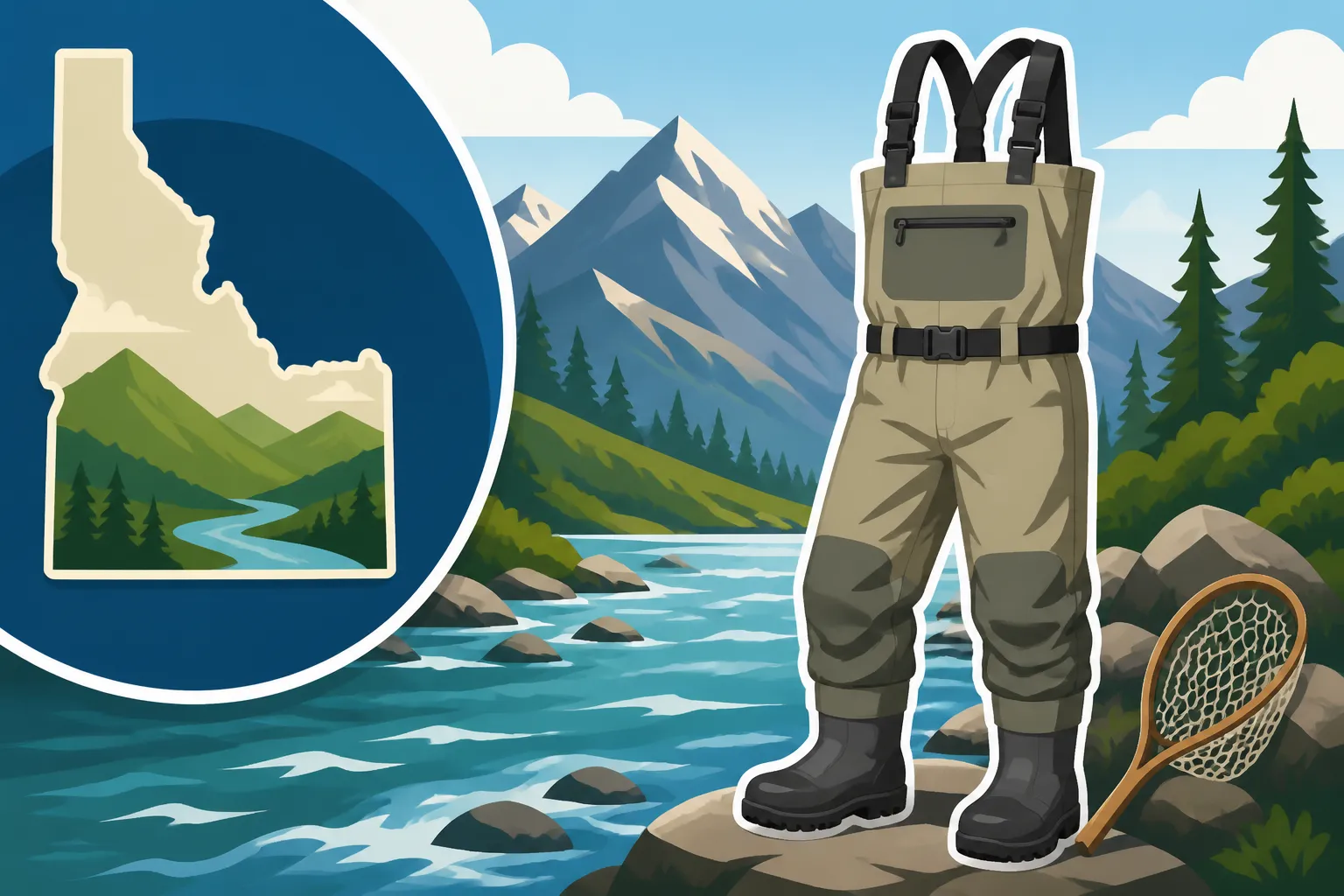
Breathable Waders: These are often constructed from multi-layered synthetic fabrics like Gore-Tex or proprietary materials from brands like Simms or Patagonia. Their superpower is their ability to allow moisture vapor (sweat) to escape while preventing water from entering. This means you stay dry and comfortable even when hiking in or fishing actively in warmer temperatures. Breathable waders are far more versatile for Idaho's changing seasons. You can layer up underneath them in cold weather and wear lighter clothing in the summer. They are generally lighter, more flexible, and pack down smaller than neoprene. While they don't offer the inherent warmth of neoprene, their breathability makes them a top choice for most year-round river fishing in Idaho, especially for active anglers who might be walking considerable distances to access different parts of the South Fork of the Snake River.
Bootfoot vs. Stockingfoot: The Footwear Debate
Once you decide on the material, you'll need to consider how your feet are covered:
Stockingfoot Waders: These waders end in neoprene booties, much like thick socks. They require you to wear separate wading boots over them. This setup offers several advantages. First, you can choose wading boots specifically designed for the terrain you'll encounter – felt soles for slippery river rocks, rubber soles for mixed terrain, or even studded boots for extra grip on challenging riverbeds. This customization means better traction and ankle support, which is crucial when navigating Idaho's often treacherous river bottoms. Stockingfoot waders are also more compact for packing and can be easier to fit precisely, as you can size your boots separately from your waders. They are the go-to for serious fly anglers and those who prioritize mobility and safety. Many anglers find their selection and reviews on sites like Amazon extremely helpful in comparing different boot and wader combinations.
Bootfoot Waders: These waders have waterproof boots permanently attached to the wader legs. The convenience factor here is huge – just pull them on, and you're ready to go! No separate boots to put on or take off, which can be a blessing on quick trips or in muddy conditions. They also eliminate the potential for gravel to get between your wader sock and boot, a common annoyance with stockingfoot setups. However, bootfoot waders are heavier, bulkier, and less packable. The attached boots might not offer the same level of ankle support or specialized traction as dedicated wading boots, and if the boots wear out, you might need to replace the entire wader. They can be a good choice for casual fishing, ice fishing (where extra insulation and ease of entry are valued), or when you're primarily fishing from a boat.
Durability and Smart Design Features
Beyond the core choices, several other features significantly impact your wader's performance and longevity:
- Reinforced Knees and Seat: Idaho's riverbanks and boat seats can be tough on waders. Look for extra layers of material or reinforced panels in high-wear areas like the knees and seat. This dramatically extends the life of your waders, preventing punctures and tears in common stress points.
- Seam Construction: Waders are only as waterproof as their seams. Taped seams, often double-taped or sonic welded, are crucial for preventing leaks. High-quality waders invest heavily in robust seam technology.
- Pockets and Storage: Practical pockets are a game-changer. Chest pockets, often waterproof, are perfect for storing fly boxes, tippet spools, leaders, and even your phone or car keys. Some waders include hand-warmer pockets, which are heavenly on a chilly morning, while others might have internal mesh pockets or attachment points for tools. Accessing your gear quickly without fumbling is part of an efficient fishing experience.
- Adjustability: Adjustable suspenders, often with quick-release buckles, ensure a comfortable fit and make bathroom breaks easier. A wading belt is essential not just for a snug fit, but more critically, for safety. In the event of a fall, a wading belt helps prevent your waders from filling completely with water, which can be incredibly dangerous in strong currents. Always wear your wading belt.
- Fit and Sizing: A proper fit is paramount for comfort and durability. Waders that are too tight will restrict movement and stress seams, while waders that are too baggy will chafe and create excess material to snag. Consult sizing charts carefully, and remember that you'll be layering clothes underneath, especially for Winter Fishing in Idaho.
Choosing the Right Waders for Different Idaho Fishing Scenarios
Idaho's fishing opportunities are incredibly diverse, from the high mountain lakes in the Sawtooths to the vast reservoirs and powerful rivers. Matching your waders to your specific angling adventure will make all the difference.
Cold Water and Winter Fishing Expeditions
When the mercury drops and you're looking to target winter steelhead or ice fish, your wader choice needs to prioritize warmth above all else. This is where neoprene waders truly shine. Their inherent insulating properties keep you cozy, even when standing in icy flows for extended periods. A 5mm neoprene wader provides excellent thermal protection, which is vital when the air temperature might be in the teens.
However, if you prefer the versatility of breathable waders, you absolutely can still use them in cold water. The key is strategic layering underneath. Think fleece pants, thermal base layers, and even insulated pants. This allows you to adapt to changing temperatures throughout the day. For instance, on an early spring morning fishing the Boise River, you might start with heavy layers, then shed them as the sun warms things up. When looking for breathable waders for cold weather, consider those with thicker, more durable face fabrics that can better withstand abrasions from ice or rough terrain, and always ensure they have ample room for those insulating layers. Don't forget, a good pair of insulated wading boots is just as important as the waders themselves for How to Stay Warm Ice Fishing in North Idaho.
Warm Weather and Summer Wading
Summer in Idaho means beautiful weather, but it can also mean strenuous hikes to remote waters and long days under the sun. For these conditions, breathable waders are the undisputed champion. You want something lightweight and highly permeable to sweat. Look for waders made with advanced breathable membranes that excel at vapor transfer, preventing you from overheating and getting that uncomfortable clammy feeling.
While you might be tempted to go without waders entirely in warm weather, remember the terrain protection and deep wading capabilities they offer. Even on a hot day, stepping into a spring-fed river like Silver Creek can still be a shock, and you might encounter sharp rocks or thorny bushes. With breathable waders, you can simply wear shorts or lightweight pants underneath, allowing for maximum comfort and flexibility. This setup is perfect for pursuing cutthroat trout in the St. Joe River for Cutthroat Trout during July, where hiking is often involved, or for fishing the upper stretches of the Salmon River for summer Chinook. A lighter-colored wader can also help reflect sunlight, keeping you cooler.
Specific River and Lake Considerations
Idaho's waters vary wildly, and your waders should ideally reflect those differences.
- Fast, Rocky Rivers (e.g., Salmon, Snake, Clearwater): For these types of rivers, durability and excellent traction are non-negotiable. Reinforced knees and seats are highly recommended, as are stockingfoot waders paired with robust wading boots that have aggressive soles and good ankle support. You'll be navigating slick, uneven riverbeds, and falling is not an option. Consider materials that can handle abrasion from rocks and debris.
- Mellow, Muddy Rivers (e.g., lower sections of the Boise River, some agricultural canals): If you're primarily fishing waters with softer, muddier bottoms, bootfoot waders can be a fantastic choice. Their integrated boots mean you won't have to deal with mud clogging your wading boot laces or getting between your wader sock and boot. Cleaning is often easier as well, as you can simply hose them off.
- Stillwaters and Lakes (e.g., Lake Coeur d'Alene, Priest Lake): For fishing from the shore or a float tube on lakes, the need for extreme mobility might be less, but staying dry is still key. Either stockingfoot or bootfoot waders can work. If you're doing a lot of bank fishing where you might encounter brush, again, reinforced waders are a good idea. If float tubing, ensure your waders are flexible enough for comfortable sitting and that your boots (if stockingfoot) fit snugly enough to prevent water from entering while kicking.
- Backcountry Adventures (e.g., high mountain lakes in the Sawtooths): Here, weight and packability are crucial. Breathable stockingfoot waders are almost always the best choice. Their lighter weight will be appreciated on long hikes, and when paired with lightweight wading boots, they won't add unnecessary bulk to your pack. Durability is still important for off-trail travel, so look for a balance between light weight and robust construction.
Cost and Value: Finding the Right Balance
Waders can range significantly in price. While a higher price often correlates with better materials, construction, and features, you don't always need the most expensive pair to have a great experience.
- Budget-Friendly Options: For casual anglers or those just getting into river fishing, more affordable breathable waders or mid-range neoprene options can be perfectly adequate. Brands often have entry-level models that still offer good performance. You can find many reliable choices on platforms like Amazon, often with helpful customer reviews to guide your decision.
- Mid-Range Waders: These often provide the best balance of features, durability, and breathability for most Idaho anglers. They'll typically have better seam construction, more comfortable fits, and a good selection of practical pockets.
- High-End Waders: If you're a serious angler who spends dozens of days on the water each year, investing in top-tier waders is often worth it. They offer the best breathability, the most durable materials, advanced seam technologies, and superior comfort. These waders are designed to withstand heavy use and often come with better warranties, providing peace of mind for years of hardcore fishing.
Consider your personal fishing frequency and the intensity of your adventures. An angler who goes out a few times a year might be perfectly happy with a budget-friendly breathable wader, while a dedicated steelhead fisherman might see a high-end pair as an investment in their passion.
Maintaining Your Waders for Longevity on Idaho's Waters
You've invested in a good pair of waders, now you need to make them last. Idaho's rivers, sun, and mud can take a toll, but with a little care, your waders will serve you well for many seasons.
Cleaning and Drying Your Waders Properly
This might seem obvious, but it's often overlooked. After a day on the river, especially if you've been in muddy areas, your waders will be caked with dirt, silt, and sometimes even algae. Neglecting to clean them can lead to fabric degradation and mildew, shortening their lifespan.
Step-by-Step Cleaning:
- Rinse Thoroughly: As soon as possible after your trip, rinse your waders inside and out with fresh, cool water. A garden hose works great. Pay special attention to the neoprene booties (if stockingfoot) and the wading boots (if bootfoot) to remove all gravel and debris.
- Gentle Washing (if needed): For stubborn dirt or odors, you can gently wash your waders. Fill a tub with cool water and add a small amount of mild, non-detergent soap (like a technical fabric wash). Submerge your waders and gently scrub any dirty areas with a soft cloth or sponge. Avoid harsh detergents, bleach, or fabric softeners, as these can break down the waterproof membranes and tapes.
- Rinse Again: Rinse thoroughly until all soap residue is gone.
- Dry Properly: This is perhaps the most critical step. Hang your waders upside down first to allow water to drain from the feet. Once the outside is dry, flip them right-side out and hang them in a well-ventilated area, away from direct sunlight or extreme heat. The inside must be completely dry to prevent mildew and unpleasant smells. This can take longer than you think, especially for the booties. Never store damp waders.
Proper cleaning not only extends the life of your waders but also prevents the spread of aquatic invasive species from one Idaho waterway to another. Be a responsible angler and always clean your gear!
Repairing Minor Leaks and Punctures
It's almost an inevitable rite of passage for river anglers: a tiny leak appears. Whether it's from a thorny bush while accessing the Middle Fork of the Salmon River or a sharp rock you didn't see, small punctures can happen. The good news is, most minor leaks are easily repairable, saving you the cost of a new pair.
Finding the Leak:
- Visual Inspection: First, carefully inspect your waders for any obvious tears or pinholes.
- The Spray Bottle Method: For tiny, hard-to-find leaks on breathable waders, turn them inside out. Spray the suspected area with rubbing alcohol. The alcohol will darken where it touches the waterproof membrane, revealing the leak.
- The Submersion Method: The most reliable way for stockingfoot waders is to turn them inside out, seal the leg openings with clamps or tape, and fill the legs with a bit of air. Then, submerge sections of the waders in a bathtub or large tub of water. Bubbles will indicate the leak. For bootfoot waders, you can fill the boots with water and look for drips on the outside, then slowly fill the leg sections.
Patching the Leak:
Most waders come with a small repair kit, or you can purchase one separately. These usually contain waterproof glue (like Aquaseal) and small patches.
- Clean and Dry: Ensure the area around the leak is clean and completely dry.
- Apply Glue/Patch: Follow the instructions on your repair kit. Usually, you apply a small amount of glue directly over the pinhole or apply a patch with adhesive. For larger tears, a patch is essential. Allow ample drying time, which can sometimes be 24 hours.
- Test: Before your next trip, re-test the repair to ensure it's completely sealed.
Proper Storage for Off-Season Care
How you store your waders when not in use significantly impacts their lifespan.
- Hang, Don't Fold: Avoid folding or crumpling your waders into a tight ball. This can create permanent creases that stress the waterproof membrane and seams, leading to premature failure. Instead, hang them loosely in a cool, dry place away from direct sunlight. A wide plastic or wooden hanger is ideal, supporting the shoulders or waist without sharp pressure points.
- Avoid Extreme Temperatures: Don't store your waders in an uninsulated garage where temperatures can swing wildly, or in the trunk of your car for extended periods. Extreme heat can degrade glues and fabrics, while extreme cold can make materials brittle.
- Keep Away from Chemicals: Store them away from harsh chemicals, solvents, or petroleum products, which can damage the wader materials.
By following these simple maintenance tips, your waders will remain a reliable part of your Idaho fishing adventures for many years, keeping you dry and comfortable whether you're chasing Idaho Trout Limits by Water or battling a mighty steelhead.
Wader Material Comparison Table
To help you visualize the differences, here's a quick comparison of the two main wader material types:
| Feature | Neoprene Waders | Breathable Waders |
|---|---|---|
| Primary Use | Cold water, winter fishing, stationary angling | Year-round, active fishing, varied temperatures |
| Warmth | Excellent, inherent insulation | Good with proper layering |
| Breathability | Poor, prone to sweating | Excellent, allows moisture vapor to escape |
| Flexibility | Limited, can feel bulky | High, excellent range of motion |
| Weight | Heavier and bulkier | Lighter and more packable |
| Durability | Good puncture resistance | Varies by denier, often reinforced in key areas |
| Seasonality | Best for cold seasons | Versatile for all seasons with appropriate layering |
| Cost | Often more affordable for basic models | Wider range, higher-end models can be expensive |
| Comfort | Warm in cold, but can be clammy when active | Comfortable across temperatures, less clammy |
No matter which type you choose, remember that the best waders are the ones that keep you dry, comfortable, and safe, allowing you to fully immerse yourself in the incredible fishing experiences Idaho has to offer. So gear up, stay dry, and enjoy the water!
Disclaimer
This article is for general informational purposes only and does not constitute professional advice. Laws, prices and regulations vary by location and change over time. Consult a qualified professional for guidance on your specific situation.