Kayak Fishing Techniques for Idaho Lakes
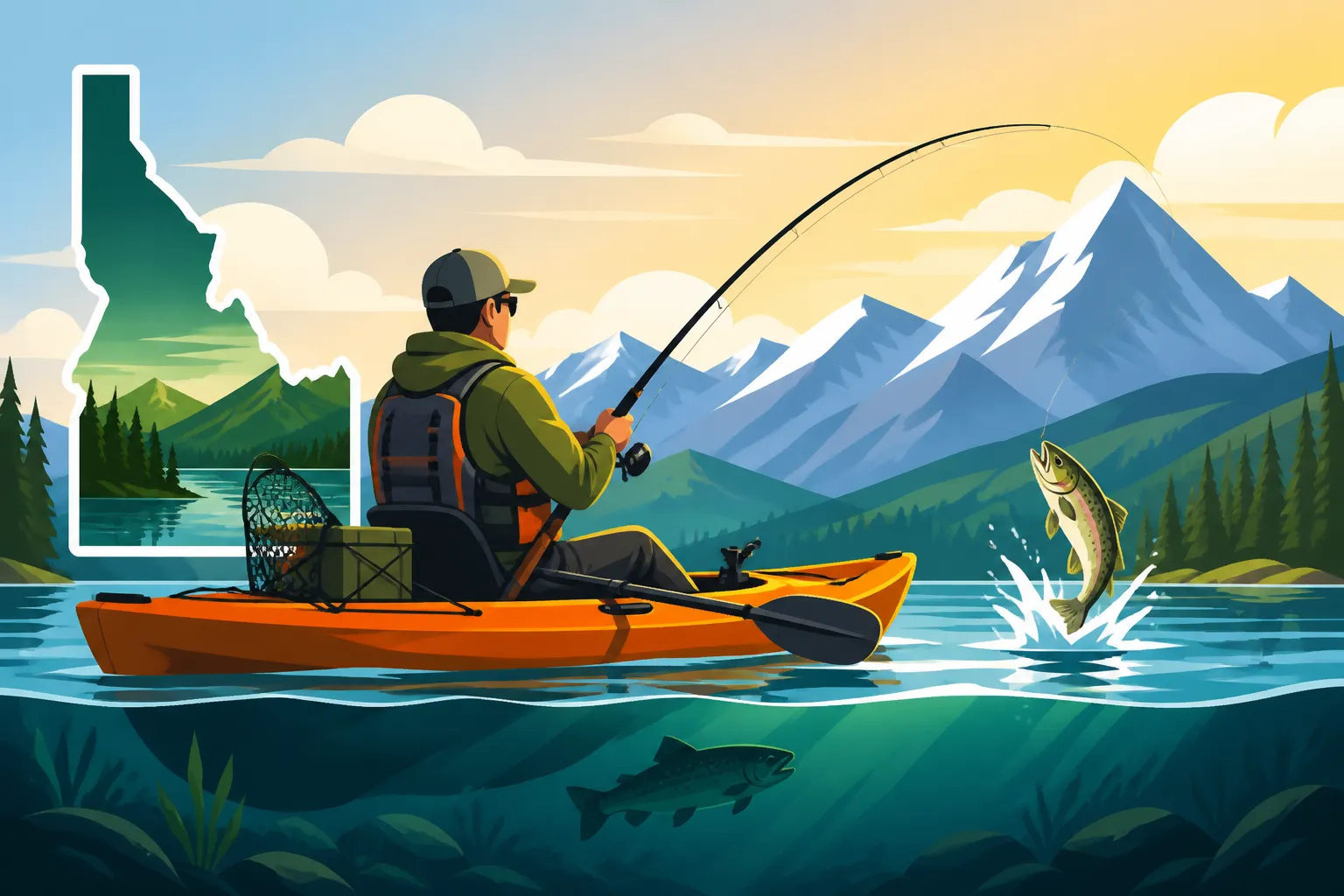
There’s nothing quite like the feeling of silently gliding across a glassy Idaho lake at dawn, your paddle barely breaking the surface, the only sound the distant call of an osprey. For many anglers, the dream of reaching those untouched coves and hidden fishing holes in Idaho often comes with the practical headache of hauling a heavy boat or navigating crowded ramps. That's where kayak fishing shines, offering unparalleled access, stealth, and an intimate connection with the water that larger vessels simply can't match. This guide is dedicated to helping you master the art and science of kayak fishing on Idaho's diverse and beautiful lakes, from choosing the right gear to specific techniques for landing your dream catch.
Why Kayak Fishing in Idaho Lakes?
Idaho is a state renowned for its incredible waterways, from winding rivers to expansive, crystal-clear lakes. While traditional boats certainly have their place, kayak fishing offers a distinct set of advantages that make it an increasingly popular choice for anglers seeking both adventure and solitude. It's a different way to experience the water, and once you try it, you might just find yourself hooked on the paddle-powered pursuit.
The Allure of Quiet Waters and Stealth
Imagine drifting silently into a secluded bay where the fish are spooky, unaccustomed to the rumble of an outboard motor. This is the everyday reality for a kayak angler. The inherent stealth of a kayak allows you to approach fish-holding structures—like submerged timber, weed lines, or rocky shorelines—without alarming your quarry. There’s a certain zen to it; you become part of the environment, not just an observer.
This quiet approach isn't just about not scaring fish; it's about a more profound experience. You hear the wildlife, feel the subtle changes in the breeze, and truly become immersed in the natural beauty surrounding you. On a busy summer day, finding peace on a popular lake might seem impossible, but a kayak can transport you away from the crowds, even if it's just a hundred yards off the main boat channel. The gentle rhythm of paddling or pedaling can be incredibly meditative, making the pursuit of fish feel like a bonus to an already rewarding day on the water.
Accessing Remote Honey Holes
One of the biggest frustrations for many anglers is seeing promising water that's just out of reach. Perhaps it's a shallow backwater too bony for a powerboat, a shoreline choked with downed trees, or a small lake with no public boat ramp. Kayaks excel in these scenarios. Their shallow draft allows them to navigate extremely skinny water, glide over submerged obstacles, and be launched from virtually any accessible shoreline, bypassing crowded public ramps entirely.
This means you can reach those "honey holes" that are pressured far less often, where the fish might be less wary and more willing to bite. Think about those hidden coves on Lake Coeur d'Alene or the tucked-away bays of Priest Lake—places where the big boats can't go, but your kayak can. You're not limited by depth or access, which dramatically expands your fishing opportunities and gives you a competitive edge. It's like having a secret key to parts of the lake others can only dream of reaching.
A Frugal and Fit Angling Choice
Let's be honest, fishing can be an expensive hobby. Boats require significant investment, maintenance, fuel, and storage. Kayak fishing, on the other hand, is remarkably economical. While you can certainly spend a lot on a high-end fishing kayak and accessories, the entry cost is far lower than even a modest jon boat. Fuel costs are non-existent unless you opt for a motor, and storage can be as simple as a garage corner or even hanging it on a wall.
Beyond the financial savings, kayak fishing is a fantastic workout. Paddling or pedaling against wind and current, or simply covering miles in search of fish, provides excellent exercise. It's a way to combine your passion for fishing with a healthy, active lifestyle. You burn calories, build upper body strength, and get fresh air, all while pursuing your favorite pastime. It’s a win-win, offering both physical and mental well-being alongside the thrill of the catch.
Essential Gear for Idaho Lake Kayak Fishing
Getting started with kayak fishing doesn't have to break the bank, but having the right gear is crucial for both safety and success, especially on Idaho's diverse lakes. Beyond the kayak itself, a few key items will make your time on the water more comfortable, safer, and more productive. Thinking ahead about your setup can make a world of difference when you're out there on the water.
Choosing the Right Kayak for Idaho Waters
The type of kayak you choose is arguably the most important decision. For fishing, a "sit-on-top" (SOT) kayak is almost always preferred over a "sit-inside" (SINK) model. SOTs are inherently more stable, easier to get in and out of (especially if you fall overboard), and offer more open deck space for gear, tackle, and standing to cast. Within the SOT category, you have options:
- Recreational SOT Kayaks: These are typically shorter (10-12 feet), lighter, and less expensive. They're great for smaller, calmer lakes and shorter trips. They're easy to transport and maneuver but might lack the stability or storage for serious multi-hour fishing expeditions or larger, choppier waters.
- Dedicated Fishing Kayaks: These are purpose-built for angling. They tend to be longer (12-15 feet), wider, and much more stable, often allowing anglers to stand up to cast. They feature integrated gear tracks, rod holders, large storage hatches, and often come with pedal drives or are designed for small electric motors. Brands like Hobie, Old Town, and Jackson Kayak are popular choices among serious kayak anglers, but you can find great options from Vibe Kayaks or Perception Kayaks on Amazon. While a bigger investment, their stability, storage, and fishing-specific features are invaluable for longer days and more ambitious trips on larger Idaho lakes like Lake Pend Oreille or American Falls Reservoir.
- Pedal Drive vs. Paddle Kayaks: Pedal drive kayaks (like those from Hobie's MirageDrive series or Old Town's Sportsman line) use your legs to power fins or propellers, freeing your hands for fishing. This is a game-changer for trolling, holding position against current or wind, and fighting fish. However, they are heavier, more expensive, and have a higher draft. Traditional paddle kayaks are lighter, simpler, and more affordable, but require you to put down your rod to reposition. Consider your budget, the type of fishing you'll do, and your desired level of exertion.
Table: Kayak Type Comparison for Fishing
| Feature | Recreational SOT Kayak | Dedicated Fishing Kayak (Paddle) | Dedicated Fishing Kayak (Pedal Drive) |
|---|---|---|---|
| Stability | Moderate | Good to Excellent | Excellent, often stand-up capable |
| Length | 10-12 feet | 12-15 feet | 12-15+ feet |
| Weight | Light | Moderate | Heavy |
| Cost | Low to Moderate | Moderate to High | High |
| Propulsion | Paddle | Paddle | Pedals (hands-free) |
| Storage | Basic | Ample, fishing-specific | Ample, fishing-specific |
| Maneuverability | Good | Good | Excellent (with rudder) |
| Best For | Calm, smaller lakes; short trips; budget-conscious | All-around lake fishing; versatile | Trolling, big water, hands-free fishing |
Must-Have Safety Equipment
Safety on the water is non-negotiable, especially on Idaho's often cold and unpredictable lakes. Never skimp on these items:
- Personal Flotation Device (PFD): You MUST wear a PFD. It's not just a good idea; it's required by law. Choose one designed for paddling, offering freedom of movement for casting and paddling. An inflatable PFD is popular for its low profile but requires manual or auto-inflation. Always check that it fits snugly and is approved by the U.S. Coast Guard.
- Whistle or Air Horn: Essential for signaling other boaters, especially in fog or low light.
- Paddle Leash: Your paddle is your primary means of propulsion; losing it can turn a fun day into a dire situation. A simple leash keeps it tethered to your kayak.
- Anchor: A small, lightweight anchor (like a grapnel anchor) with sufficient rope is vital for holding your position over structure, in wind, or when fighting a fish. A trolley system allows you to deploy the anchor from different points on the kayak, optimizing your position.
- Light Source: If there's any chance you'll be out around dawn, dusk, or in low visibility, a 360-degree white light is a legal requirement in Idaho. Headlamps are also great for rigging gear or tying knots in the dark.
- First-Aid Kit: A basic waterproof kit for minor cuts, scrapes, and other emergencies.
- Knife: For cutting tangled lines, ropes, or even emergencies. A good folding knife that can be operated one-handed is ideal.
- Communication Device: A fully charged cell phone in a waterproof bag, or a VHF radio for larger bodies of water or remote areas where cell service is spotty. Let someone know your float plan, including where you're going and when you expect to return. This is especially critical if you're exploring any of Idaho's more remote waters.
Fishing-Specific Kayak Accessories
Once you've got your kayak and safety gear locked down, a few fishing-specific accessories will dramatically improve your experience:
- Rod Holders: Most fishing kayaks come with flush-mount rod holders, but adjustable, deck-mounted holders (like those from RAM Mounts or Scotty) are incredibly versatile for trolling, holding a spare rod, or getting a rod out of the way while paddling.
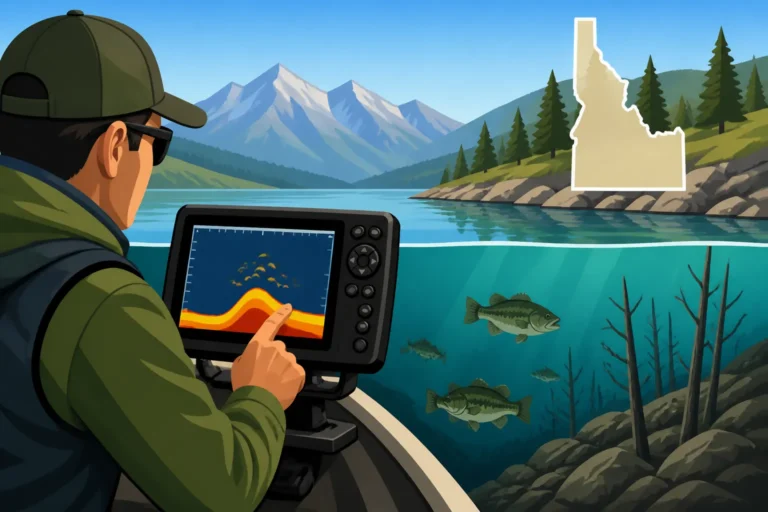
- Fish Finder/GPS: A small, portable fish finder can be a game-changer for locating structure, schools of fish, and even bottom contours. Many units now combine fish finding with GPS, allowing you to mark waypoints for productive spots or navigate back to your launch. Brands like Humminbird PiranhaMax or Garmin Striker 4 are popular choices that can be found on Amazon and easily rigged in a kayak.
- Net: A short-handled, rubberized landing net is indispensable for safely landing fish, especially larger ones, without getting hooks tangled in traditional mesh or trying to boat a feisty fish by hand from a low-profile kayak.
- Cooler/Storage: A small, soft-sided cooler for drinks and snacks, and a waterproof dry bag for extra layers, camera, or wallet. Many kayaks have bungee-equipped storage wells for these items.
- Paddle Keeper/Stash: A simple bungee or clip system to hold your paddle securely to the side of your kayak while you're fishing, preventing it from getting in the way or floating off.
- Tackle Management: Keep your tackle organized and easily accessible. Small, waterproof tackle boxes that fit into storage hatches or a small tackle bag are ideal. Minimalism is key in a kayak – bring only what you truly need for the day.
Mastering Kayak Fishing Techniques on Idaho Lakes
Kayak fishing isn't just about putting a rod in a kayak; it involves a distinct set of skills and adaptations to effectively fish from such a low-profile, human-powered craft. From how you move across the water to how you approach a fishing spot, understanding these techniques will elevate your success on Idaho's beautiful lakes.
Paddle, Peddle, or Motor: Propulsion Strategies
Your method of propulsion dictates a lot about your fishing strategy. Each has its advantages and preferred uses on Idaho's diverse waters.
- Paddling: This is the most traditional and simplest method. It's quiet, allows for subtle adjustments, and is excellent for stealthy approaches to shallow coves or weed lines. When paddling, try to use smooth, controlled strokes to minimize disturbance. For short distances or tight quarters, a quick "J-stroke" or sculling stroke with one hand on the paddle can keep you moving subtly while your other hand manages your rod. The downside is that your hands are occupied, making it challenging to fish actively while moving, especially when trolling. On larger lakes like Payette Lake, paddling long distances against a headwind can be quite a workout, so plan your routes accordingly.
- Pedaling (Pedal Drives): This method is a game-changer for many kayak anglers. By using your legs, your hands remain free to cast, reel, and manage your tackle. This makes trolling incredibly efficient – you can maintain a consistent speed while holding your rod, making minor course corrections with a rudder. Pedal drives are also fantastic for holding position in wind or current, allowing you to "hands-free" fish a specific structure or school of fish. For chasing species like trout or kokanee that often respond well to trolled lures, a pedal drive is a significant advantage. The trade-off is the added cost, weight, and sometimes a higher draft which can limit access to extremely shallow areas.
- Electric Motors (Trolling Motors): Some fishing kayaks are designed to accept small electric trolling motors, providing hands-free propulsion without the physical exertion of paddling or pedaling. This is excellent for covering vast expanses of water quickly, fighting strong winds, or extending your range on larger bodies of water such as Lake Cascade. Many modern trolling motors, like those from Minn Kota or Motorguide, offer GPS spot-lock features, allowing the kayak to hold its position automatically, which is invaluable for targeting specific underwater features or battling a strong fish. Remember that motors require batteries, which add weight and require charging, and you'll need to check specific Idaho Department of Fish and Game regulations for motor usage on certain waters. While not always necessary, an electric motor can turn your kayak into a formidable fishing machine for extensive lake exploration.
Stealthy Approaches and Casting from the Kayak
The kayak's natural stealth is one of its greatest assets, but you need to leverage it effectively. Approach your target fishing areas slowly and deliberately. Avoid sudden movements or loud noises that can spook fish, especially in clear Idaho waters.
- Approach from Downwind/Downcurrent: Whenever possible, approach your desired fishing spot from downwind or downcurrent. This allows the natural elements to push you silently towards your target, minimizing paddling or pedaling. Once you're in position, use a small anchor or a pedal drive to hold steady.
- Low Profile Casting: Casting from a kayak requires some adaptation. Practice your roll casts, sidearm casts, and accurate short-distance pitching. Since you're sitting low to the water, overhand casts can be awkward, especially with longer rods. Many kayak anglers prefer shorter rods (6'6" to 7'2") that are easier to manage in tight spaces and don't create as much leverage for tipping the kayak. When fighting a fish, keep your rod tip low and use the natural stability of the kayak. Avoid lunging or making sudden weight shifts. For standing up in a kayak, choose a highly stable model and practice in calm, shallow water first. Standing offers a better vantage point, but requires excellent balance.
- Managing Line and Rods: Kayaks don't have a lot of open deck space, so line management is key. Use rod leashes to prevent losing a valuable rod overboard. Keep your tackle boxes organized and secured in reachable hatches. A small stripping basket can be a godsend for fly fishing from a kayak, preventing line tangles around your feet or gear.
Reading Lake Structure from a Low Profile
Understanding lake structure is crucial for finding fish, and while a fish finder helps, learning to read the water from your low kayak perspective is an invaluable skill.
- Shoreline Clues: Pay close attention to the shoreline. Rocky points, fallen timber, weed beds, and abrupt depth changes visible on shore often extend underwater. These are prime fish-holding structures. Look for areas where different types of habitat meet, as these "transition zones" are often hot spots. For instance, where a rocky point transitions into a soft, weedy bottom can be excellent for bass.
- Water Color and Temperature: Subtle changes in water color can indicate different depths, bottom compositions, or even the presence of submerged springs. Darker water often suggests deeper areas or heavy vegetation. If you have a fish finder with a temperature gauge, pay attention to thermoclines, which are distinct temperature layers where many baitfish and predatory fish will stack up during warmer months.
- Birds and Baitfish: Observe your surroundings. Diving birds like terns or osprey often indicate schooling baitfish near the surface, and where there are baitfish, predatory game fish are usually not far behind. Look for subtle boils or ripples on the surface that could signify schooling bait or feeding fish. Even small groups of minnows darting at the surface can indicate a larger predator lurking below. Knowing how to interpret these signs will guide you to where the fish are hiding, giving you an advantage on any of Idaho's varied waters.
Targeting Idaho's Lake Species from a Kayak
Idaho's lakes offer a smorgasbord of fishing opportunities, from cold-water trout to warm-water bass. Kayaks are exceptionally well-suited for targeting a wide variety of these species, allowing for specialized techniques that larger boats can't easily replicate.
Chasing Trout and Kokanee from a Kayak
Trout and kokanee are quintessential Idaho lake species, and kayaks provide a fantastic platform for pursuing them. These cold-water fish often inhabit deeper, cooler parts of the lake during summer but can be found in shallows during spring and fall.
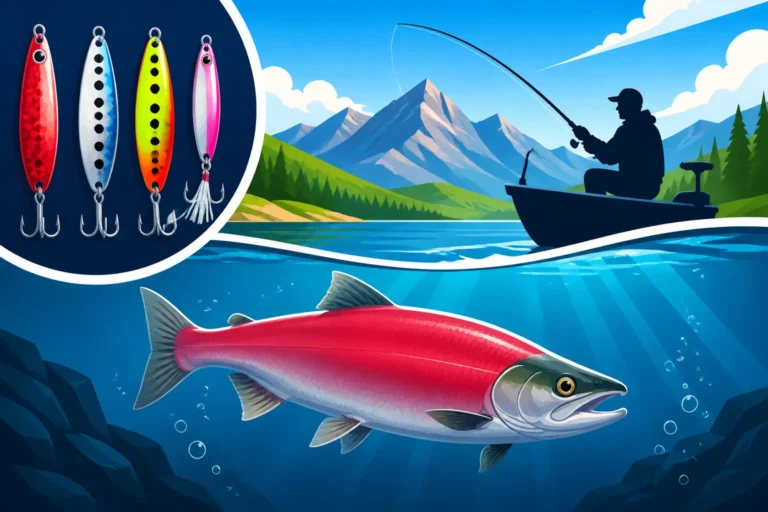
- Trolling for Success: Trolling is arguably the most effective kayak technique for both trout and kokanee. Use a pedal-drive kayak if possible, as it allows for hands-free, consistent speed control. Paddle kayaks can also troll effectively, but require more effort to maintain speed. Troll small spoons, spinners, or dodgers with a small fly or hoochie behind them. For kokanee, bright colors like pink, orange, and chartreuse are often irresistible. Trout will hit a wider variety of patterns.
- Depth Control: A critical factor is fishing at the right depth. Use downriggers (manual kayak versions are available) or lead core line to get your lures down to where the fish are. Kokanee are often suspended in schools, so a fish finder is invaluable for locating their depth. Rainbow trout and cutthroat trout might be found closer to shore or around submerged structures. On waters like Lake Coeur d'Alene, finding the right depth for kokanee can be the difference between a full stringer and an empty cooler. Remember to check out an Idaho Kokanee Fishing Guide for specific tactics.
- Casting to Structure: In spring and fall, trout will often move into shallower water, especially around rocky points, drop-offs, and submerged timber. Anchor your kayak upwind and cast small inline spinners, spoons, or soft plastics towards these structures. Fly fishing from a kayak for trout can also be incredibly productive, allowing precise presentations to rising fish in calm coves. Focus on areas where the current from an inlet or outlet brings in food, such as on sections of the Boise River or Henry's Fork, though this guide focuses on lakes, the principle holds true near lake inlets.
Bass and Panfish in the Shallows
For warm-water species like smallmouth bass, largemouth bass, perch, and crappie, kayaks are unmatched for their ability to navigate shallow, weed-choked waters where these fish love to hide.
- Targeting Cover: Bass and panfish are ambush predators and are almost always found near some form of cover – lily pads, submerged logs, weed beds, docks, or rocky banks. Your kayak's stealth allows you to quietly slip into these areas without spooking fish. Use accurate casts to place your lure right on the edge or even into the thickest cover.
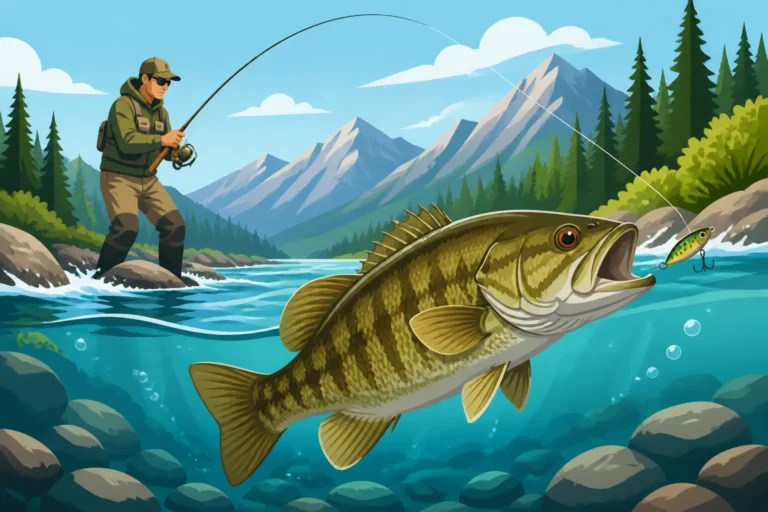
- Lure Selection: For largemouth bass, try weedless soft plastics (like Texas-rigged worms or jigs), frogs over lily pads, or spinnerbaits worked along weed lines. Smallmouth bass often prefer rocky structure, so crankbaits, tubes, or drop-shot rigs can be very effective. For panfish like crappie and perch, small jigs, grubs, or live bait (like worms or maggots) under a bobber can be irresistible. Fishing C.J. Strike Reservoir from a kayak, for instance, offers fantastic opportunities for both bass and crappie in its numerous coves and shallow flats. Read up on Idaho Smallmouth Bass Fishing for more localized advice.
- Flipping and Pitching: These short-distance, accurate casting techniques are perfectly suited for kayak fishing in heavy cover. Stand (if your kayak allows) or sit, and gently flip or pitch your bait into tight spots. The quiet entry of your lure is less likely to spook fish than a heavy splash. Being able to easily reposition your kayak with a paddle or pedal drive makes working these tight spots much more efficient.
The Thrill of Kayak Lake Trout Fishing
While not as common as river sturgeon, Idaho's larger lakes boast impressive lake trout (Mackinaw) which can offer an exhilarating fight from a kayak. Lakes like Priest Lake and Lake Pend Oreille are renowned for their trophy-sized Mackinaw.
- Deepwater Tactics: Lake trout are typically found in deeper, colder water, especially during the warmer months. This means you'll need to employ methods to get your bait down. Trolling with downriggers is the most common and effective technique. Heavy spoons, large crankbaits, or even dead bait can be trolled at significant depths. Your fish finder is absolutely essential here to locate schools of baitfish and the thermocline where the Mackinaw often feed. For more detail, check out an Idaho Lake Trout Fishing Guide.
- Vertical Jigging: Once you've located a school of lake trout or a promising structure on your fish finder, vertical jigging can be incredibly effective. Anchor your kayak directly over the spot and drop heavy jigs (metal or spoon jigs) or large soft plastics. Work the lure with an erratic retrieve, mimicking an injured baitfish. The fight from a deep-dwelling Mackinaw in a kayak is an unforgettable experience, testing both your tackle and your balance. You might even find massive lake trout while Fishing Priest Lake for Trophy Lake Trout.
- Managing Large Fish: Landing a large lake trout from a kayak requires patience and proper technique. Ensure your drag is set correctly. Use a large, rubberized net to safely scoop the fish. Avoid bringing a thrashing fish directly into the kayak; instead, subdue it alongside the boat before attempting to lift it in. If you plan to release, keep the fish in the water as much as possible for quick, healthy release.
Safety and Navigation for Kayak Anglers in Idaho
Idaho's lakes, while breathtakingly beautiful, can also be unpredictable. Sudden weather changes, cold water, and boat traffic are all factors kayak anglers need to consider seriously. Prioritizing safety and smart navigation isn't just about following rules; it's about ensuring you have a positive, memorable experience and return home safely.
Understanding Idaho Lake Conditions
Every lake has its own personality, and Idaho is no exception. Before heading out, especially on a new body of water, it's crucial to understand the specific conditions you might encounter.
- Size and Exposure: Small, sheltered ponds are very different from vast, open waters like Lake Pend Oreille or Lake Coeur d'Alene. Larger lakes can generate significant waves from wind or boat wakes, which can quickly become dangerous for a kayak. Always be aware of your kayak's limitations and avoid venturing into conditions beyond your skill level. A calm morning can turn into a choppy afternoon in a heartbeat.
- Currents and Inflows: While lakes generally lack strong river-like currents, inlets, outlets, and areas around dams or large bridges can have significant flow. These currents can make paddling difficult and create unpredictable water conditions. Always be mindful of how currents might affect your ability to get back to your launch point, especially if you're exploring areas near the mouth of the Snake River.
- Water Temperature: Idaho's lakes, particularly in the spring and fall, can have dangerously cold water temperatures. Even on a warm, sunny day, immersion in cold water can quickly lead to hypothermia. Always dress for the water temperature, not the air temperature. This often means wearing appropriate layers, including a wetsuit or drysuit, for colder months. Even in summer, a sudden capsize in deep, cold water can be a shock.
Weather Awareness and Trip Planning
The weather can change rapidly in the mountains of Idaho. Being prepared and making smart decisions based on forecasts and real-time conditions is paramount.
- Check the Forecast Religiously: Before every trip, check the local marine weather forecast, not just the general land forecast. Look for wind speed and direction, potential for thunderstorms, and temperature changes. Wind is a kayak angler's biggest nemesis, turning a leisurely paddle into a grueling struggle. A strong headwind can make returning to your launch point nearly impossible. If high winds (over 10-15 mph) are predicted, consider rescheduling or choosing a more sheltered body of water.
- Have a Float Plan: Always tell someone where you are going, when you expect to return, and what your backup plan is. This simple step can be a lifesaver if you encounter an unexpected problem. Share your launch point, intended route, and estimated time off the water.
- Pack for All Conditions: Idaho weather is notorious for its unpredictability. A sunny morning can turn into a cold, rainy afternoon with strong winds. Always pack extra layers of non-cotton clothing (wool or synthetics are best), rain gear, and a warm hat, even on seemingly nice days. A dry bag is essential for keeping these items, along with your electronics and first-aid kit, safe and dry. It's better to overpack for comfort and safety than to be caught unprepared.
Cold Water Preparedness and Emergency Gear
As mentioned, cold water is a real danger in Idaho. Preparing for an accidental capsize in cold water is vital for survival.
- Dress for Immersion: This cannot be stressed enough. If the water temperature is below 60°F (and many Idaho lakes are much colder for most of the year), consider wearing a wetsuit or drysuit. These provide thermal protection if you go into the water. Layering underneath a drysuit allows you to adjust to air temperature changes.
- Self-Rescue Practice: Know how to perform a self-rescue (re-entering your kayak after capsizing) in calm, shallow water. Practice makes perfect, and it will give you confidence should an actual incident occur. A paddle float can assist with re-entry in deeper water.
- Emergency Kit: In addition to your standard first-aid kit, consider adding an emergency blanket, a fire starter (even if you don't plan to use it, it's a good survival tool), and high-energy snacks. A repair kit for your kayak (duct tape, bungee cord, spare clips) can also come in handy for minor issues. Finally, always ensure your Idaho Fishing License Guide requirements are met and it's easily accessible (perhaps in a waterproof pouch).
Top Idaho Lakes for Kayak Fishing Adventures
Idaho is blessed with an abundance of lakes, each offering unique opportunities for kayak anglers. From the expansive waters of North Idaho to the high mountain gems, there's a perfect paddling destination for every skill level and desired catch. Remember that regulations can vary by water body, so always consult the Idaho Fishing Regulations Explained before you go.
North Idaho Gems: Priest Lake and Lake Coeur d'Alene
The Panhandle region of Idaho boasts some of the state's most iconic and productive lakes, offering incredible kayak fishing experiences.
- Priest Lake: Nestled beneath the Selkirk Mountains, Priest Lake is famous for its crystal-clear water and massive lake trout (Mackinaw). Kayak anglers can explore its numerous islands, bays, and rocky points. While the main body of the lake can get choppy, the sheltered waters around the islands, or the calm upper and lower sections, provide excellent opportunities.
- Tactics: For Mackinaw, you'll want to troll deep with downriggers, focusing on drop-offs and humps. Early mornings are often best before boat traffic picks up. Kayaks provide a stealthy advantage for these wary fish. Priest Lake also holds healthy populations of rainbow trout, cutthroat trout, and even northern pike in some areas. Paddling into the various bays allows access to areas where pike might be lurking in the weed beds. You can literally spend days exploring this magnificent lake, and it's certainly worth checking out if you're planning on Fishing Priest Lake for Trophy Lake Trout.
- Lake Coeur d'Alene: This large, bustling lake offers incredible fishing for kokanee salmon, Chinook salmon, smallmouth bass, and northern pike. While it can get busy, a kayak allows you to escape the main boat traffic and explore the countless coves and shallower arms.
- Tactics: Kayak anglers can have a field day trolling for kokanee and Chinook, especially in the early mornings or evenings. Pedal-drive kayaks are ideal here for maintaining a consistent trolling speed. Pay attention to fish finder readings to locate schools. For smallmouth bass, target the abundant rocky points and submerged structure, especially along the western shore. Pitching jigs, crankbaits, or soft plastics will be highly effective. The numerous bays and shallow flats also offer excellent pike fishing, often found lurking in weed beds. For detailed strategies, refer to Fishing Lake Coeur d'Alene for Kokanee and Chinook. Kayak fishing offers such a unique way to experience this lake, allowing you to get into waters that larger boats just can't navigate.
Central and Southern Idaho Favorites: Cascade and Lucky Peak
Moving south, Idaho continues to offer fantastic kayak fishing destinations, each with its own charm and target species.
- Cascade Reservoir: Located near the town of Cascade, this large reservoir is a multi-species hotspot, particularly famous for its abundant yellow perch and an exciting tiger muskie fishery. Its relatively shallow nature and numerous bays make it ideal for kayak exploration.
- Tactics: Perch fishing from a kayak on Cascade is fantastic. Jigging small spoons or grubs is incredibly effective, especially over submerged structure or in deeper channels. In winter, it's a prime ice fishing spot, but during open water season, your kayak provides excellent mobility to move between perch schools. For tiger muskie, focus on trolling large crankbaits or casting big bucktails along weed lines and drop-offs. While the muskie are elusive, the quiet approach of a kayak increases your odds. The sheer size of Cascade makes it a prime candidate for a kayak with a small electric motor or pedal drive to cover ground efficiently. For more specific tactics on this exciting fishery, consider checking out Fishing Cascade Reservoir for Tiger Muskie and Perch.
- Lucky Peak Reservoir: Just a short drive from Boise, Lucky Peak is a popular destination for smallmouth bass, rainbow trout, and kokanee. Its deep, clear waters and numerous coves make it a great kayak fishing spot, especially on weekdays when boat traffic is lower.
- Tactics: Smallmouth bass are the star here, and kayaks are perfect for working the rocky shorelines, bluffs, and submerged structures. Try throwing tubes, grubs, or small crankbaits. For rainbow trout and kokanee, trolling small spoons or wedding rings with bait can be productive. The quiet coves offer excellent opportunities for casting to rising trout in the evenings or early mornings. Its proximity to Boise makes it a convenient spot for a quick after-work kayak fishing trip, offering diverse opportunities from bass to trout.
Disclaimer
The information provided in this guide is for general informational purposes only. Fishing regulations in Idaho are subject to change. Always consult the latest Idaho Fish and Game rules and regulations before heading out on the water. Safety should always be your top priority.