How Long It Takes to Land a Sturgeon in Idaho
One of the most thrilling experiences an angler can have in Idaho is hooking into a mighty white sturgeon. These prehistoric giants put up an absolutely epic fight, leading many folks to wonder, "Just how long does it really take to land one of these incredible fish?" If you've ever felt your arms burn and your back ache while battling a fish, you know the frustration of not knowing when the ordeal will end. This guide is here to shed some light on the incredible battle of landing an Idaho sturgeon, explaining the factors at play and what you can expect when you hook into one of these magnificent creatures.
Understanding the Sturgeon's Power: Why They Fight So Hard
Imagine hooking into a fish that's been around since the dinosaurs, a living fossil with muscles honed over millions of years of river survival. That's essentially what you're dealing with when you target an Idaho white sturgeon. Their sheer power is legendary, and it’s why they put up such an unforgettable, and often lengthy, fight. It’s not just a matter of size; it’s their entire physiological makeup and instinct.
First off, these fish are built like tanks. Their bodies are incredibly dense and muscular, designed to navigate the powerful currents of rivers like the Snake River. When a sturgeon decides it doesn't want to come to the boat, it can use its broad tail and immense body mass to leverage itself against the current, creating a drag that feels like trying to pull a submerged log. This isn't a quick sprint; it's a marathon of brute force. If you're wondering How Big Idaho's White Sturgeon Can Grow, trust me, even the "smaller" ones pack a punch.
Beyond their physical strength, sturgeon are also incredibly intelligent and instinct-driven. They're not just passively resisting; they're actively trying to escape. This can manifest in sudden, powerful runs that strip line off your reel at an alarming rate, or deep dives to the bottom where they'll try to wedge themselves into structure or simply sit and refuse to move. You might also encounter their famous "sturgeon jump," where a massive fish will leap clear out of the water, shaking its head and trying to throw the hook. These aerial displays are breathtaking but also add to the challenge and duration of the fight. Every run, every jump, every deep sulk drains your energy and extends the time it takes to bring them alongside the boat. Understanding Idaho White Sturgeon Facts helps you appreciate just how formidable these opponents are.
Factors Influencing Fight Duration: It's Not Just Size
While the size of the sturgeon is undeniably the biggest factor in how long the fight lasts, it’s far from the only one. There are a whole host of variables that can turn a quick tussle into an hour-long epic, or vice versa. It’s a delicate dance between angler, fish, gear, and environment.
Sturgeon Size and Strength
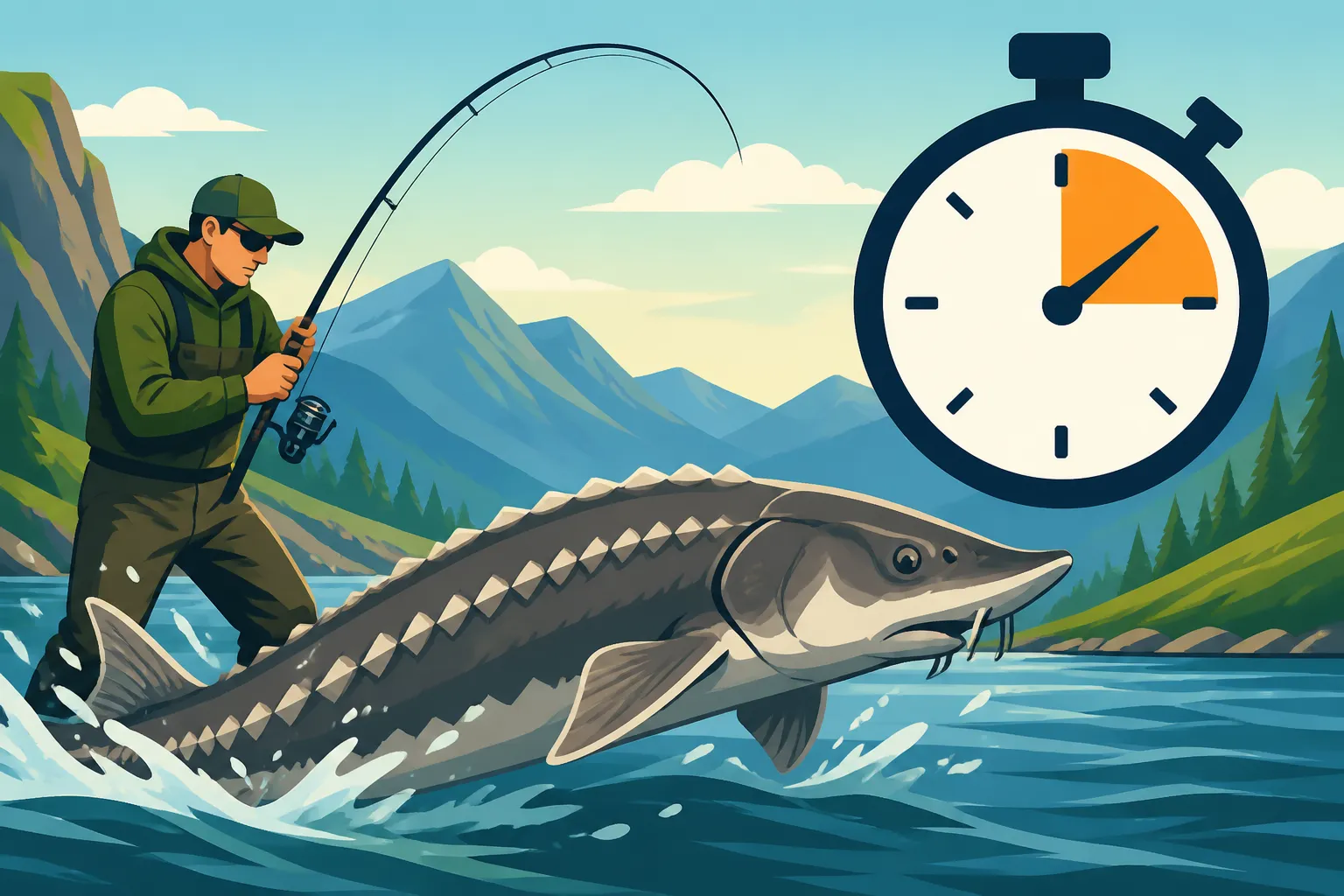
Let’s be honest, a two-foot sturgeon is going to be a much quicker battle than a ten-foot behemoth. Smaller sturgeon, perhaps in the 2-5 foot range, might be landed in 5-20 minutes with appropriate gear and technique. They still have incredible power for their size, but they tire more quickly. However, once you start getting into the 6-foot, 8-foot, or even 10-foot plus monsters that call the Snake River home, you’re looking at a completely different ballgame. These fish can weigh hundreds of pounds and possess endurance that will test every fiber of your being. A true trophy sturgeon can easily lead to a 45-minute to over an hour-long fight, sometimes even longer if conditions are tough or the fish is particularly feisty. The Total Cost to Fish for Steelhead in Idaho as a Resident might include a fight like this, but you'll certainly feel like you earned every penny.
Angler Experience and Technique
Your skill level plays a monumental role. An experienced sturgeon angler understands how to apply constant, heavy pressure without breaking the line or pulling the hook. They know when to reel, when to pump the rod, and when to just hold on and let the fish run. A beginner, on the other hand, might overtighten the drag, leading to a break-off, or not apply enough pressure, allowing the fish to rest and prolong the fight. Keeping the rod tip low and pointed at the fish during its runs helps absorb shock and prevent it from gaining leverage for those infamous head shakes. A strong, steady retrieve with smooth pumping actions is key. This is a big reason why many anglers opt for a How to Book a Fishing Guide in Idaho for their first sturgeon trip.
Quality and Setup of Your Gear
You absolutely cannot skimp on gear when targeting sturgeon. You need heavy-duty rods and reels capable of handling immense stress. A stout rod with a strong backbone allows you to put the necessary pressure on the fish. Your reel needs a smooth, reliable drag system that won't seize up under the strain of a long fight. More importantly, your line choice is critical. Braided line in the 80-120 lb test range is common for its strength and minimal stretch, allowing for direct contact with the fish. A good quality leader, often 100-200 lb mono or fluorocarbon, is also essential. Using inadequate gear will almost guarantee a broken line or a pulled hook, making the fight last indefinitely – or rather, ending it prematurely in the fish's favor. For reliable heavy-duty fishing line or a powerful reel, many anglers turn to trusted retailers like Amazon, ensuring they get equipment that can stand up to the challenge. Consider What Size Tackle to Use for Idaho Sturgeon carefully before heading out.
Environmental Conditions
The river itself is a player in this drama. Strong currents will allow the sturgeon to use the water to its advantage, making it feel even heavier and harder to move. Deep water provides more room for the fish to dive, making it harder to bring to the surface. Areas with a lot of snags, submerged logs, or rocky bottom can be problematic, as a sturgeon will instinctively try to find structure to break your line. Fishing from a boat generally offers more maneuverability than bank fishing, allowing you to follow the fish downstream or reposition yourself to gain a better angle. Conversely, if you're fishing in relatively calm, shallower water, and the fish doesn't have many places to run, the fight might be a bit shorter.
Here's a quick estimate of sturgeon fight times based on size under generally good conditions and with appropriate gear:
| Sturgeon Size (Approximate) | Estimated Fight Duration (Minutes) | Key Factors Influencing Duration |
|---|---|---|
| 2-4 feet | 5 – 20 | Angler skill, light current |
| 4-6 feet | 15 – 45 | Fish activity, gear reliability |
| 6-8 feet | 30 – 75 | Current strength, structure proximity |
| 8+ feet | 60 – 120+ | Fish health, angler endurance |
Note: These are estimates. Every fight is unique!
The Battle Plan: Techniques to Land a Sturgeon More Efficiently
Landing a sturgeon isn't just about raw power; it's about strategy, patience, and knowing your equipment. A well-executed battle plan can shave precious minutes off the fight and, more importantly, ensure the safety of both you and the fish.
Master Your Gear: Selection and Maintenance
Before you even leave the house, make sure your gear is up to snuff. We're talking heavy-action rods designed for large species, matched with reels that have a proven, smooth drag system. The drag is your best friend; it allows the fish to take line when it makes powerful runs, preventing your line from snapping, but still applies constant pressure to tire the fish out. Set your drag before you hook up – you should be able to pull line off with significant effort, but not so much that it feels locked down. Check your line for nicks and abrasions, especially if you're using braided line, which can fray over time. Using a high-quality, fresh leader is also non-negotiable. Many anglers swear by the robust options available on Amazon, from super-strong braided main lines to fluorocarbon leaders that can withstand the abrasive mouths of sturgeon. You'll definitely want to know What Size Tackle to Use for Idaho Sturgeon.
When the fish is on, keep a low rod tip. This might sound counterintuitive to some, but pointing your rod towards the fish, especially when it's running, puts direct pressure on it and minimizes leverage the fish has. When the fish pauses its run, that's your cue to "pump and reel." This technique involves raising your rod tip smoothly, reeling down as you lower it, gaining line a few feet at a time. It’s a rhythmic, steady process that constantly works to bring the fish closer. Avoid trying to winch the fish in too quickly; a steady retrieve is far more effective and less likely to break your line or pull the hook. Learning How to Fight a Sturgeon on the Snake River effectively can make all the difference.
The Role of Teamwork and Patience
If you're fishing from a boat, teamwork is paramount. The boat operator can be crucial in maneuvering the vessel to keep the fish in open water and prevent it from reaching snags. They can also help keep the boat positioned so the angler has the best angle to fight the fish. Communication between the angler and the boat operator is key. Yell "Fish on!" and then communicate what the fish is doing – "running left!" or "diving deep!" This helps the operator respond quickly.
Patience is perhaps the most undervalued tool in sturgeon fishing. These fights are marathons, not sprints. You might feel like you've been fighting the same fish for an eternity, only for it to make another blistering run. Resist the urge to crank down the drag and try to horse it in. Let the fish tire itself out. If it decides to sulk on the bottom, keep steady pressure. Sometimes, a gentle tap on the rod or a slight change in angle can coax it into moving again. Remember that Why Barbless Hooks Are Required for Idaho Sturgeon is for the fish's safety, and a good fight on these hooks shows your skill.
Post-Fight Protocol: Safe Release and Recovery
Successfully landing an Idaho sturgeon is a monumental achievement, but the battle isn't truly over until the fish is safely released. Idaho has very specific regulations surrounding sturgeon fishing, primarily focused on catch and release to protect these magnificent, long-lived creatures. Your responsibility as an angler is to ensure the fish's survival after the fight.
Prioritizing Sturgeon Conservation
The number one rule with Idaho sturgeon is Why Snake River Sturgeon Fishing Is Catch and Release Only. These fish grow slowly, live for many decades, and are a precious resource. Every effort must be made to minimize stress and injury during the fight and release. This includes using appropriate gear to shorten the fight, which reduces lactic acid buildup in the fish's muscles, and practicing careful handling. It’s not just a recommendation; it's a critical part of being a responsible angler in Idaho.
Gentle and Quick Handling
Once you've brought the sturgeon alongside the boat or to the shore, the priority is to unhook it quickly and gently. This is where those barbless hooks truly shine, as they can usually be removed with minimal effort. Keep the fish in the water as much as possible. Idaho Rule Against Removing Sturgeon from the Water is strict for a reason: taking a sturgeon out of its aquatic environment, especially a large one, can cause severe internal damage due to its immense weight and lack of skeletal support for gravity.
If you absolutely must handle the fish for a quick photo or measurement, ensure it is supported properly. For larger fish, this means multiple hands supporting its belly, keeping it low in the water or partially submerged. Never drag a sturgeon onto the bank or hold it vertically by the head or tail. A quick photo, a measurement, and then it's time for the most important part: revival.
Ensuring a Strong Recovery
After unhooking, gently hold the sturgeon upright, facing into the current. This allows fresh, oxygenated water to flow over its gills. You might need to gently move it back and forth a bit to aid respiration. You'll feel the fish start to stiffen and eventually try to swim away under its own power. Don't release it until it's ready. If it's still sluggish, continue to support it. This revival process is vital, especially after a long, strenuous fight. A strong, healthy release means that magnificent sturgeon lives to fight another day and contribute to future generations. For more in-depth guidance on this critical step, refer to How to Release a Sturgeon Safely in Idaho.
Landing a sturgeon in Idaho is an experience that will stay with you forever. While the fight can indeed be long, ranging from a brisk 5 minutes for a smaller fish to over an hour for a true monster, every minute is filled with adrenaline and respect for this ancient species. By understanding their power, preparing with the right gear, employing smart fighting techniques, and prioritizing their safe release, you're not just participating in a fishing trip—you're engaging in a thrilling, responsible adventure that respects the incredible wildness of Idaho's waters.
Disclaimer
This article is for general informational purposes only and does not constitute professional advice. Laws, prices and regulations vary by location and change over time. Consult a qualified professional for guidance on your specific situation.