Best Season to Visit Idaho for a Fishing-Focused Trip
Choosing the absolute "best" season to visit Idaho for a fishing-focused trip can feel like trying to pick your favorite child – every angler has their own strong opinion, and frankly, every season here offers something truly special. The truth is, Idaho's fishing opportunities are incredibly diverse, from tranquil high mountain lakes to roaring steelhead rivers, and the ideal time to visit really hinges on what kind of experience you're chasing. This guide will help you navigate the unique charms and challenges of each season, so you can perfectly time your adventure and make the most of your Idaho fishing dreams.
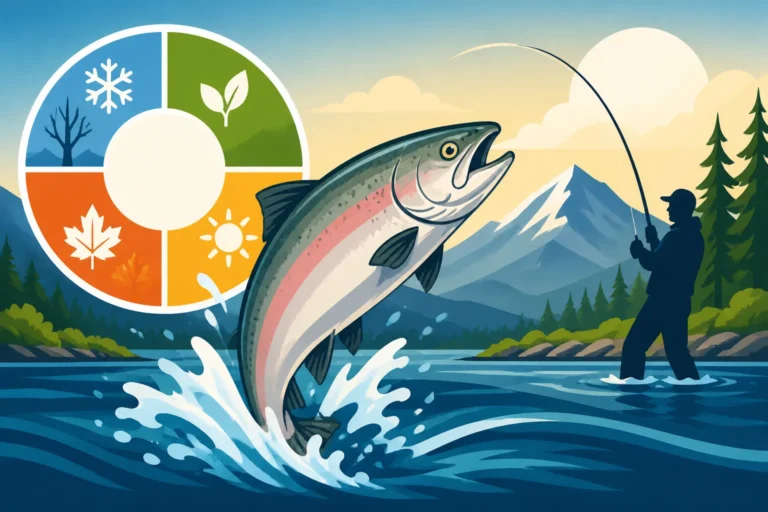
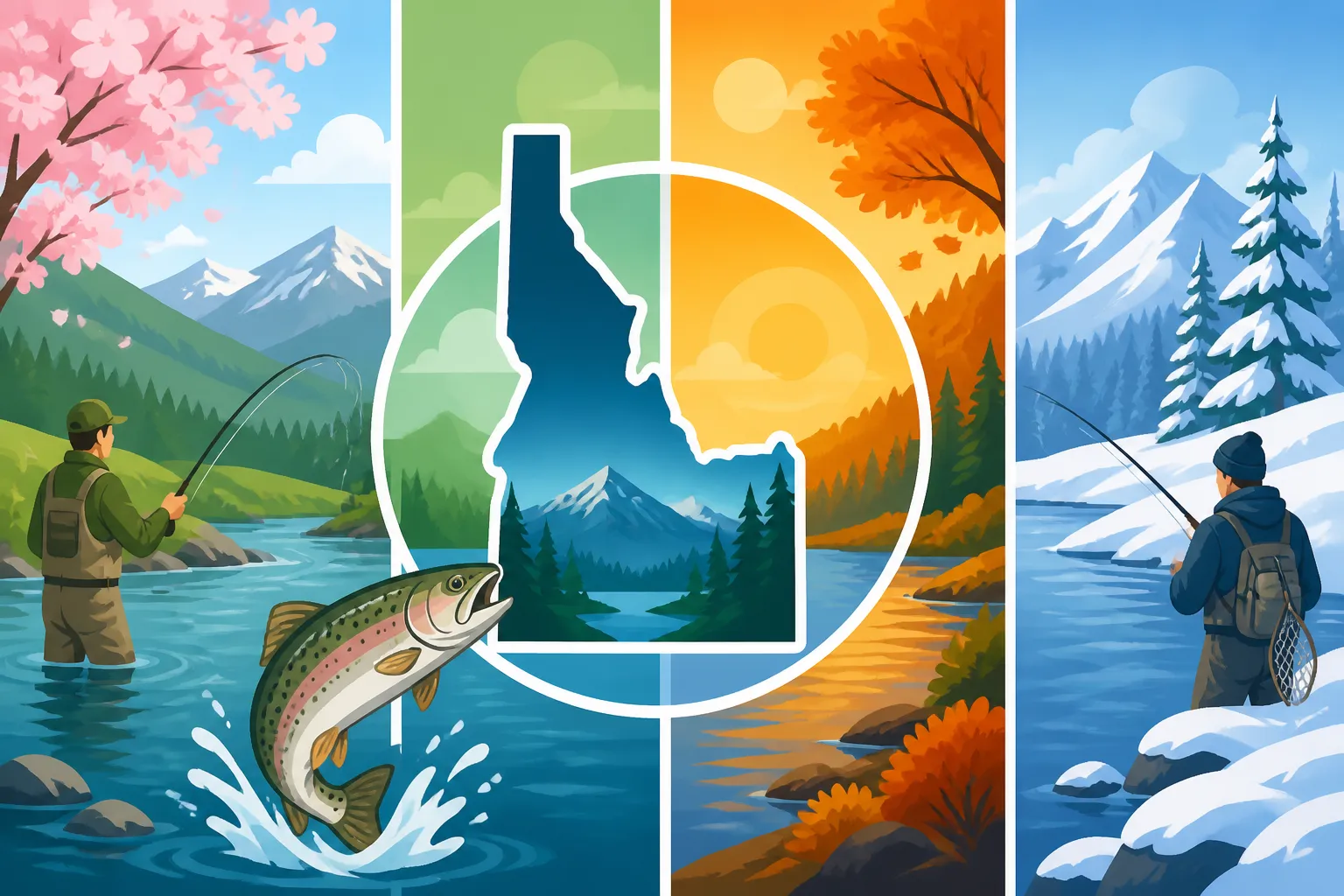
Understanding Idaho's Four Fishing Seasons
Idaho's distinct four seasons mean that the landscape, the weather, and most importantly, the fish behavior, change dramatically throughout the year. What's perfect for a fly fishing trip in July might be completely frozen over in January, and vice-versa. Understanding these shifts is key to planning a successful and enjoyable trip.
Spring: Runoff Challenges and Opportunities
Ah, spring in Idaho. It's a season of contrasts, really. One minute you're seeing snowmelt cascading down mountainsides, turning rivers into muddy torrents, and the next you're enjoying a glorious sunny day on a calm reservoir. For many, spring (roughly April through early June) can be a bit tricky for river fishing, as the notorious "runoff" makes many major waterways high and turbid. Visibility goes way down, and the sheer volume of water can make it difficult to access prime fishing spots or present a lure effectively. However, if you know where to look, spring offers incredible opportunities.
Stillwater fisheries, like many of Idaho's numerous lakes and reservoirs, often "turn on" early in the spring. As the ice recedes and water temperatures slowly climb, fish become more active, feeding aggressively after a long winter. This is a fantastic time for targeting rainbow trout, perch, and even early season bass in lakes that aren't fed by heavy runoff. Think about the smaller, warmer lakes or those reservoirs with stable water levels. Additionally, some lower-elevation rivers might clear up faster than the big ones, offering a fleeting window before summer heat sets in. You'll want to check the Idaho Fishing Season Calendar and local conditions closely for this window.
Summer: High Country and Warmwater Wonders
When late June arrives and stretches through August, Idaho truly opens up. This is the season when the high mountain passes are clear, allowing access to countless alpine lakes and remote streams that are simply inaccessible any other time of year. For many, summer means packing a backpack, hiking into the Sawtooths, and casting dry flies to eager cutthroat trout in pristine, crystal-clear water. The longer daylight hours also mean more time on the water, and the generally stable weather makes for comfortable camping and exploring.
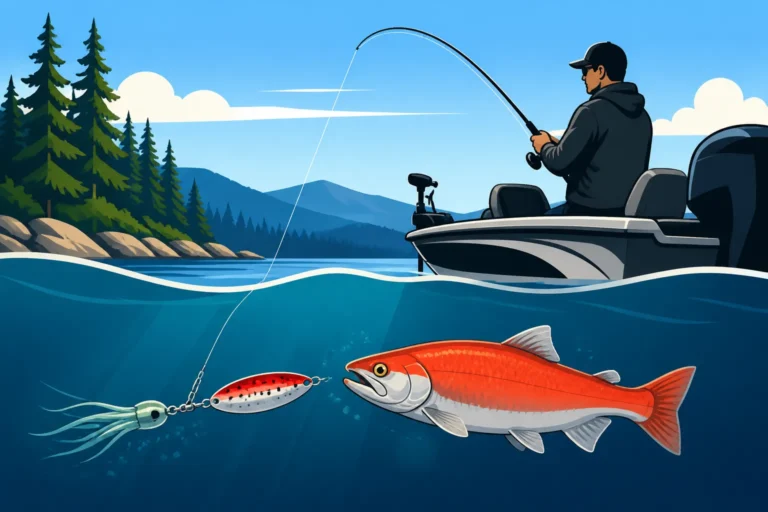
Beyond the high country, summer is prime time for warmwater species. Lakes and reservoirs across the state come alive with bass, crappie, and perch. Idaho Bass Fishing Guide information will tell you that the Snake River, for example, becomes a smallmouth bass angler's paradise, with fish aggressively chasing lures and flies. Trolling for kokanee salmon on larger lakes like Lake Coeur d'Alene or Lake Pend Oreille is also a hugely popular summer pursuit. While the major rivers can still be a bit low and warm for trout in the dog days of summer, especially in the lower sections, many spring creeks and tailwaters maintain excellent conditions and provide consistent dry fly action.
Fall: Steelhead, Salmon, and Solitude
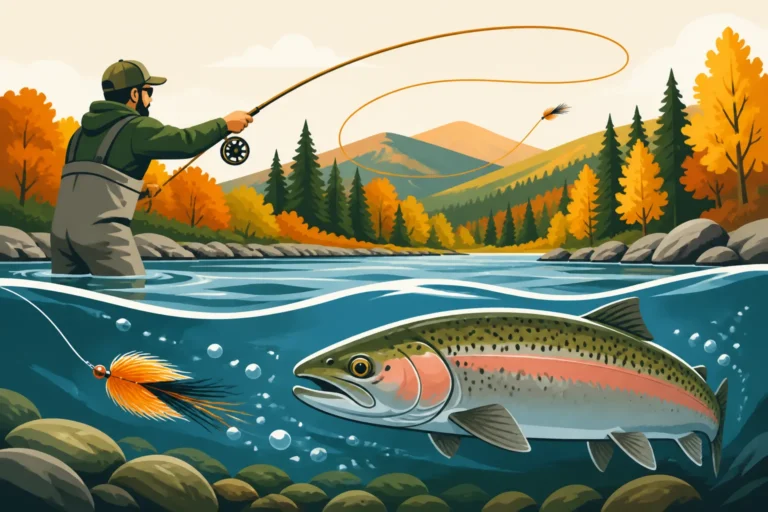
For many seasoned anglers, fall (September through November) is the gold standard for an Idaho fishing trip. As the aspens turn golden and the air takes on a crisp bite, several truly iconic fisheries come into their own. Most notably, this is prime time for steelhead, Idaho's ocean-run rainbow trout. Rivers like the Clearwater and Salmon see incredible runs of these powerful fish, offering a world-class fishing experience that draws anglers from far and wide. If you're looking for a Idaho Steelhead Fishing Guide adventure, fall is often the pick of the litter.
Beyond steelhead, bull trout become more active as water temperatures drop, and the fall brings cooler water back to many trout streams, revitalizing the bite. The crowds of summer start to thin out, offering a sense of solitude that's harder to find just a few months earlier. While the days are shorter, the fishing can be exceptionally good. Chinook salmon also have their runs in certain rivers, adding another exciting dimension to the fall fishery. If chasing powerful, migratory fish in stunning autumn scenery sounds like your ideal trip, fall is undeniably the best season. You'll want to check Fall Fishing in Idaho for more specific details.
Winter: Ice Fishing and Coldwater Pursuits
Winter in Idaho (December through March) might seem like an odd choice for a fishing trip to those not in the know, but for a dedicated segment of anglers, it's a magical time. While many rivers slow down or freeze over, lakes and reservoirs across the state transform into ice fishing havens. Payette Lake, Cascade Reservoir, and Lake Coeur d'Alene are just a few of the popular spots where anglers bundle up, drill holes, and jig for perch, trout, and even kokanee. The silence and stark beauty of a frozen lake, combined with the thrill of pulling fish through the ice, is an experience all its own.
Beyond ice fishing, some rivers remain open and fishable year-round, especially those with warmer groundwater inputs or tailwater sections below dams. These cold, clear waters can offer fantastic opportunities for robust rainbow trout and whitefish, particularly on milder winter days. Steelhead seasons often extend into the winter months on some rivers, providing a challenging but rewarding pursuit for hardy anglers. If you're comfortable with cold weather gear (check out sturdy options on Amazon, they've got everything from ice augers to heated socks!), and love the tranquility of a snowy landscape, winter can deliver a uniquely rewarding fishing adventure. For specifics, look into How to Ice Fish in Idaho.
Matching Your Target Species to the Season
Idaho's diverse aquatic ecosystems support a wide array of fish species, each with its own preferred conditions and prime biting windows. To truly maximize your fishing success and enjoyment, it's crucial to align your visit with the peak activity times of your desired catch.
Trout Across the Seasons
Trout are the bread and butter of Idaho fishing, and thankfully, you can find good trout fishing opportunities nearly year-round if you know where to look.
- Spring: As mentioned, many smaller lakes and reservoirs really shine for rainbow trout in early spring. They're hungry coming out of winter, and often found cruising shallower waters. Larger rivers can be tough due to runoff, but tailwaters below dams can offer clear water and good nymphing or streamer fishing as insects become active. Spring Fishing in Idaho has more on this.
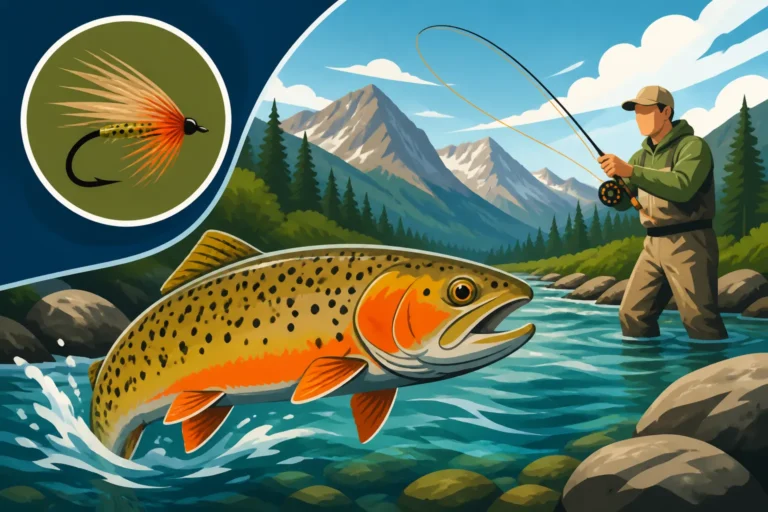
- Summer: This is classic dry fly season on high mountain streams and spring creeks for cutthroat and rainbow trout. When the hatches are on, it's an unforgettable experience. The popular "hatch-matching" on famous waters like Henry's Fork is a summer highlight. Lake trout (Mackinaw) in deeper lakes like Priest Lake are also actively feeding, though often in cooler, deeper waters, requiring different tactics.
- Fall: Fall brings cooler water temperatures to most trout streams and rivers, making trout active again before winter. Browns and large rainbows often become more aggressive, feeding heavily. This is a prime time for streamer fishing, as trout are focused on larger meals. The crowds thin out, offering more serene fishing experiences.
- Winter: For the dedicated cold-weather angler, ice fishing for rainbow trout is excellent on many frozen lakes. Some rivers, particularly tailwaters, can still offer good open-water trout fishing, often with nymphs or small streamers, especially during warmer spells.
Anadromous Fish: Steelhead and Salmon
These migratory giants are what draw many anglers to Idaho, and their seasons are much more specific.
- Steelhead: Idaho is world-renowned for its steelhead fishing. While some runs can start in late summer, the primary and most productive seasons are fall and winter. The fall run typically peaks from September through November on rivers like the Clearwater and Salmon. Many of these fish then hold over, providing excellent winter steelhead fishing well into March. It's an intense, often cold, and highly rewarding pursuit. How to Fish for Steelhead in Idaho is your go-to resource for these magnificent fish.
- Chinook Salmon: Idaho's Chinook salmon runs are also a significant draw, but their seasons are usually much shorter and more tightly regulated than steelhead. These fish typically return in late spring and early summer, with specific river sections opening for short, intense seasons. You'll absolutely need to stay on top of the Idaho Fish and Game regulations for current season dates, as they can change annually based on run forecasts.
Warmwater Species: Bass, Perch, Crappie
If you prefer warmer weather and a more relaxed pace, Idaho's warmwater fisheries are fantastic, predominantly peaking in the warmer months.
- Bass (Smallmouth and Largemouth): Summer is hands-down the best time for bass fishing in Idaho. As water temperatures rise in lakes, reservoirs, and rivers like the Snake, bass become incredibly active and aggressive. Spawning activity in late spring/early summer also provides a great window. Fall can still be good as bass feed heavily before winter. Check out the Idaho Bass Fishing Guide for prime locations.
- Perch and Crappie: These panfish are popular targets in many Idaho lakes and reservoirs. Their best activity is typically from late spring through summer and into early fall. They'll often school up, making for fast and furious action once you find them. In winter, they are prime targets for ice fishing, often schooling tightly under the ice.
- Kokanee Salmon: While technically a landlocked sockeye, Kokanee are often pursued with warmwater tactics like trolling. The best time to catch Kokanee in large numbers is typically summer. They're often found in deeper waters in the heat, requiring specific trolling setups. However, as noted, they are also a popular ice fishing target in winter. Learn more in the Idaho Kokanee Fishing Guide.
Considering Other Factors for Your Trip
Beyond the fish themselves, several practical considerations can heavily influence the "best" time for your Idaho fishing trip. Thinking through these aspects can save you a lot of frustration and enhance your overall experience.
Weather and Water Conditions
Idaho's weather can be dramatic and unpredictable, especially in the mountains. This directly impacts water conditions, which are paramount to fishing success.
- Spring: Can be a mixed bag of beautiful sunny days and sudden snowstorms, especially at higher elevations. Runoff in rivers means high, muddy water in many places. Check river flows constantly.
- Summer: Generally warm and sunny, with occasional afternoon thunderstorms, especially in the mountains. Water levels on many rivers will be lower, and water temperatures can get warm, especially in the lower sections, which can stress trout. High mountain lakes are usually ideal.
- Fall: Cool, crisp days are common, with beautiful foliage. Weather can quickly shift to cold and wet, and early snow can occur at higher elevations. Rivers are often clearing and dropping to ideal levels.
- Winter: Cold, snowy, and icy conditions are the norm. Ice thickness is a critical safety factor for ice fishing. Open-water river fishing will be cold, requiring proper gear and caution.
Always check a detailed weather forecast for your specific destination before heading out, and consider bringing layers regardless of the season. Dressing effectively, even for a quick trip, is made easier when you can get quality, diverse gear quickly through places like Amazon.
Crowds and Solitude
The experience of fishing isn't just about the fish; it's also about the peace and quiet, or the lively atmosphere, you prefer.
- Summer: Peak tourist season. Popular fishing spots, especially those easily accessible by road, will see more anglers. High mountain lakes and more remote river sections will offer greater solitude, but require more effort to reach. If you're looking for a vibrant atmosphere with lots of boat traffic and family activities, summer is great.
- Spring and Fall: Generally, these shoulder seasons offer a good balance. Crowds are significantly less than in summer, especially in mid-week. You'll find more elbow room on popular rivers, though prime steelhead spots in the fall can still draw a dedicated crowd.
- Winter: This is the season for true solitude. Besides popular ice fishing lakes, you'll often have vast stretches of open river to yourself. It's a peaceful, introspective time to be on the water.
Accessibility and Road Conditions
Getting to your chosen fishing spot is half the battle, and Idaho's terrain can make it challenging at certain times of the year.
- Spring: Some higher elevation roads and forest service roads may still be closed due to snow or mud. Rivers can be difficult to access due to high water. Plan for limited access to certain areas.
- Summer: Most roads, including high mountain passes and forest service roads, are open and accessible. This opens up the vast backcountry fishing opportunities.
- Fall: Most roads remain open, but be aware that early snows can close higher passes quickly, sometimes stranding vehicles. Always check conditions before heading into remote areas.
- Winter: Many high mountain roads and forest service roads will be closed for the season due to snow. Access is generally limited to major highways and ploughed routes. Ice fishing destinations usually have ploughed access, but be prepared for snowy conditions.
For up-to-date information on road closures and fishing regulations, the Idaho Fish and Game website and local ranger stations are invaluable resources. Knowing what's required for your trip, like your Idaho Fishing License Guide, is also crucial.
Making the Ultimate Decision: Your Perfect Fishing Window
Ultimately, the "best" season to visit Idaho for a fishing-focused trip is deeply personal, driven by your angling preferences and what kind of adventure you envision. Let's break it down based on common angler goals.
The All-Around Best Time for Variety
If you're looking for a trip that offers a little bit of everything – diverse fishing opportunities, pleasant weather, and a good balance of activity – then late spring/early summer (late May to late June) or early fall (September) often hit the sweet spot.
- Late Spring/Early Summer: As runoff subsides and rivers begin to drop and clear, trout fishing can be excellent. High mountain lakes are becoming accessible, and warmwater species are really starting to turn on. The weather is generally delightful, and while some popular spots might see crowds, it's not yet the full summer rush. You might still find some steelhead in the rivers, transitioning to trout season. You can easily find a range of gear on Amazon to suit these transitional periods.
- Early Fall: This period offers superb trout fishing as waters cool, active steelhead runs begin, and the weather is typically still mild and beautiful. Crowds have thinned from summer, and the autumn colors are breathtaking. It's truly a magical time on Idaho's waters. For example, the Idaho Fishing Season Dates and Limits will show you how many prime seasons converge in the fall.
Best for Trophy Hunters
For those who dream of landing a truly magnificent fish, your best bet will likely be focused on fall for steelhead, summer for lake trout, or year-round for sturgeon.
- Fall Steelhead: The powerful, ocean-run steelhead that return to Idaho's rivers in the fall are absolute brawlers. They are strong, acrobatic, and represent a significant challenge for any angler seeking a trophy. Idaho Steelhead Identification Guide will help you recognize these beauties.
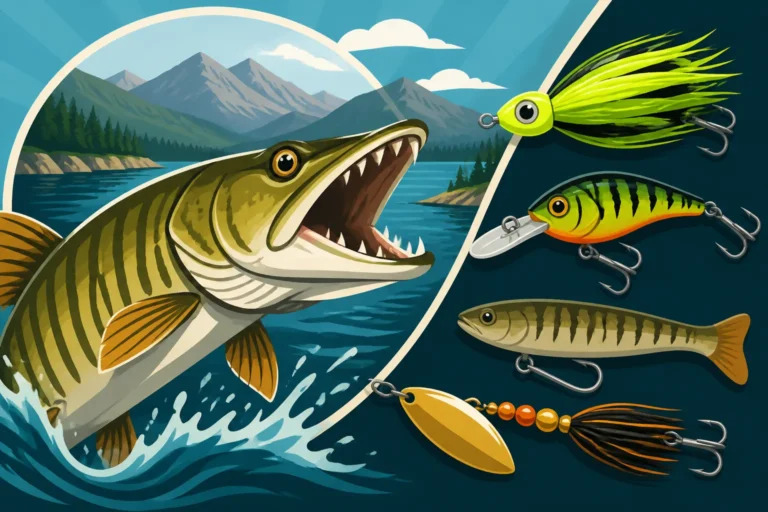
- Summer Lake Trout: Priest Lake, with its reputation for trophy Mackinaw, is a prime destination for massive lake trout in the summer months. These deepwater dwellers grow to impressive sizes, requiring heavy tackle and specialized trolling techniques.
- Snake River Sturgeon: White sturgeon in the Snake River can reach truly colossal sizes. While it's a catch-and-release-only fishery, the sheer size and power of these ancient fish make them an undeniable trophy pursuit any time of year that water conditions allow. Idaho Sturgeon Fishing Rules emphasize the care needed for these giants.
Best for Family Adventures
When planning a trip with kids or a multi-generational group, comfort, ease of access, and consistent action are often top priorities. For this, summer is usually the clear winner.
- Summer: The warm weather, long daylight hours, and widespread accessibility make summer ideal. Many lakes and reservoirs are stocked with rainbow trout, offering easy bank access and plenty of eager fish for kids to catch. Panfish like perch and crappie are also abundant and relatively easy to hook, providing consistent action that keeps young anglers engaged. There are numerous family-friendly campgrounds near fishing spots, and the opportunity to combine fishing with swimming, hiking, or boating makes for a well-rounded vacation. If you're looking for Best Lakes for Fishing in Idaho for families, you'll find plenty of summer options. Remember to pack appropriate sun protection and bug spray – Amazon has great kid-friendly options for both!
No matter when you decide to visit, remember that Idaho's wild beauty is always waiting. Just be sure to always consult the current Idaho Fishing Regulations Explained before you wet a line, as rules can change and vary significantly by specific water body and species. Happy fishing!
Disclaimer
This article is for general informational purposes only and does not constitute professional advice. Laws, prices and regulations vary by location and change over time. Consult a qualified professional for guidance on your specific situation.