Best Month to Catch Chinook Salmon in Idaho
Ah, the mighty Chinook salmon in Idaho! If you're an angler dreaming of battling one of these powerful fish in our beautiful rivers, you're not alone. But let's be honest, figuring out the best month to catch Chinook in Idaho can feel like trying to solve a cryptic puzzle, especially with all the variables involved. Unlike coastal fisheries where salmon runs might be more predictable, our landlocked state adds layers of complexity that can leave even seasoned anglers scratching their heads. This guide is going to strip away the mystery, walking you through the seasons, the science, and the savvy moves you need to make to maximize your chances of connecting with an Idaho Chinook.
Understanding Idaho's Unique Chinook Salmon Fisheries
Before we dive into specific months, it’s crucial to understand what makes Idaho's Chinook salmon fishery so distinct. These aren't your typical ocean-fresh, bright silver salmon found on the coast. Our Chinook undertake one of the longest and most arduous freshwater migrations in the world, traveling hundreds of miles from the Pacific Ocean, up the Columbia and Snake rivers, and finally into the clear, cold tributaries of Idaho. This epic journey fundamentally shapes their availability, behavior, and the very nature of the fishery.
The Incredible Journey of Idaho's Chinook
Imagine swimming over 900 miles and climbing thousands of feet in elevation, battling currents, navigating fish ladders around multiple hydroelectric dams, and dodging predators, all without eating. That's the reality for Idaho's anadromous Chinook salmon. They're born in our rivers, migrate to the ocean to grow, and then return to spawn, driven by an instinctual urge that overrides hunger. By the time they reach Idaho, these fish are lean, incredibly strong, and focused solely on reproduction. Their long journey means that the timing of their arrival and their condition can vary significantly year to year, influenced by river conditions, ocean survival, and even dam operations. This arduous migration is precisely why targeting them successfully requires a deep understanding of their movements and the factors that influence them.
Wild vs. Hatchery Chinook in Idaho
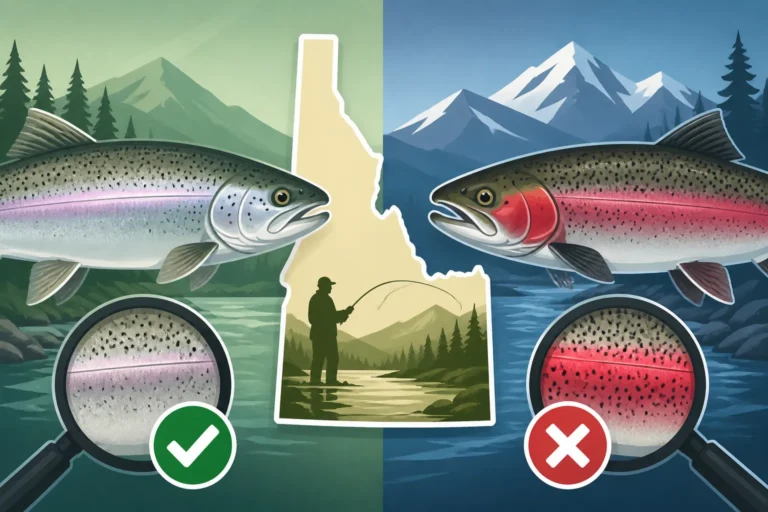
When you're out chasing Chinook in Idaho, you'll hear a lot of talk about "clipped" and "unclipped" fish. This isn't just angler jargon; it's a critical distinction driven by conservation efforts. Hatchery-raised Chinook are identified by a clipped adipose fin (a small fleshy fin on their back, between the dorsal fin and tail). These fin clips are intentional and allow anglers to differentiate between hatchery fish, which can often be harvested within specific seasons and limits, and wild fish, which are typically protected and must be released unharmed.
The regulations surrounding wild and hatchery Chinook are strictly enforced to protect naturally spawning populations. This distinction directly impacts when and where you can fish, and what you can keep. Always make sure you understand the current year's rules, as they can change based on run forecasts and actual fish returns. For a comprehensive look at how these regulations apply, it's worth checking out the Idaho Chinook Salmon Identification Guide and familiarizing yourself with the nuances before you even cast a line.
Peak Months for Chinook Salmon Fishing in Idaho
Alright, let's get down to the brass tacks: when is the best time to intercept these magnificent fish? The simple answer is that it varies, but generally, Idaho's Chinook season primarily unfolds during the late spring and summer months. However, to truly pinpoint the "best," we need to look at specific runs and river systems.
Spring/Summer Chinook in the Clearwater and Lower Salmon Rivers
The earliest and often most anticipated Chinook runs in Idaho are the Spring/Summer Chinook, typically arriving in the Clearwater River and the lower stretches of the Salmon River. These runs usually kick off in late May and continue strongly through June and into early July. This period sees a significant number of fish entering the system, having completed the bulk of their journey.
Anglers targeting these early arrivals often find success in the deep pools and runs of the Clearwater River, particularly near the towns of Lewiston and Orofino. The fish are still relatively "fresh" compared to those that will travel further upstream, and they tend to be aggressive biters. Popular techniques during this time include back-trolling plugs like Brad's Killerfish or Kwikfish, often tipped with a sardine wrap, or using bobber and jig setups with cured roe or sand shrimp. Many anglers find the intense fishing action during this window to be some of the most exciting of the year, making it a prime target for those looking for consistent opportunity.
Summer Chinook in the Upper Salmon River and Tributaries
As the season progresses and the water warms, the Chinook continue their relentless upstream migration, pushing further into the Salmon River system. The "Summer Chinook" runs, which are essentially the later waves of the same anadromous fish, become the focus for anglers in the central Idaho region, including areas near Riggins, White Bird, and even as far up as Stanley. This phase of the fishery typically heats up from mid-July through August.
Fishing for these later arrivals presents its own unique challenges and rewards. The fish have traveled even further, are often darker in color, and can be more spread out. Warmer water temperatures can make them less active, so presentation, scent, and stealth become paramount. Anglers often focus on deeper, cooler pockets of water, especially during dawn and dusk. Techniques might shift slightly, with more emphasis on drifting cured roe or clusters, often with minimal weight to allow for a natural presentation. The sheer beauty of the scenery in these upper river stretches, like those around the South Fork of the Salmon River or the mainstem Salmon, adds an incredible dimension to the experience, making the hard work of finding these fish truly worthwhile. If you're considering a trip to these areas, it's a good idea to research the Idaho Fishing Season Dates and Limits specific to these higher-elevation sections, as they can differ from the lower river.
Factors Influencing Chinook Run Timing and Success
While the late spring and summer months provide the general window for Chinook in Idaho, relying solely on the calendar can be misleading. Many environmental factors constantly influence when fish arrive and how willing they are to bite. It's truly a dynamic fishery, and understanding these variables is key to planning a successful trip and avoiding disappointment.
Water Levels and Flow Rates
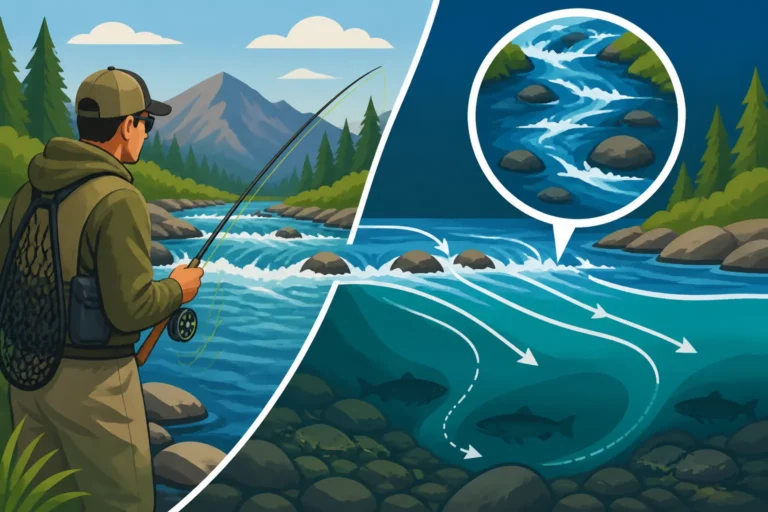
The amount of water in our rivers, and how fast it's moving, profoundly impacts Chinook migration and angling success. Heavy snowpack years can lead to prolonged, high spring runoff, delaying fish movement and making rivers turbid and unfishable for extended periods. Conversely, low snowpack years can mean earlier, clearer water, but also potentially lower, warmer water conditions later in the summer, which can stress fish and slow their migration.
Idaho Fish and Game, in conjunction with other agencies, closely monitors river flows and water levels. Anglers serious about Chinook fishing constantly check these reports. For instance, if the Clearwater River is running high and muddy in June, fish might be present but nearly impossible to catch effectively. You might need to wait for flows to drop and clarity to improve. Having a good set of waders and wading boots that you might find on Amazon can make a world of difference when navigating varying river levels and seeking out prime fishing positions.
Water Temperature
Water temperature is arguably one of the most critical factors for anadromous salmon. Chinook prefer cooler water, typically in the 50-60°F range. As river temperatures climb into the mid-60s and higher, Chinook become stressed, their migration can slow or stop, and their willingness to bite diminishes significantly. Prolonged periods of high water temperatures can even lead to "hunker down" periods where fishing is closed entirely to protect the resource.
This means that a hot summer can push the "best month" window earlier, as fish try to get upstream before conditions become too warm. Conversely, a cooler summer can extend the season. Smart anglers monitor water temperatures closely, often carrying their own thermometer. Fishing early in the morning or late in the evening when water temperatures are at their coolest can significantly improve your chances, especially during the peak summer months.
Dam Operations and Fish Passage
The numerous dams on the Columbia and Snake River system are a double-edged sword for Idaho's salmon. While they provide fish ladders to allow passage, their operation (especially for power generation or irrigation) can affect water flows and temperatures. The number of fish counted passing specific dams, such as Bonneville Dam or Lower Granite Dam, provides critical forecasting data for when fish might arrive in Idaho.
A strong count at Lower Granite Dam in early June, for example, will indicate a good run heading for the Clearwater and Salmon rivers, giving anglers a heads-up. Delays or blockages at fish ladders can impact run timing. Many state and federal agencies publish daily fish counts, which are invaluable resources for predicting peak windows. This constant monitoring of fish passage data, readily available online, helps anglers fine-tune their trip plans and choose the best week within the broader "best month" window.
Essential Gear and Techniques for Idaho Chinook
Successfully landing a powerful Idaho Chinook requires more than just good timing; it demands the right gear and a solid understanding of effective techniques. These aren't dainty trout; they're strong, determined, and will test your tackle to its limits.
Rods, Reels, and Line
For Chinook, you need robust equipment designed for heavy-duty fishing. A common setup includes a long, heavy-action baitcasting rod, typically 8.5 to 10.5 feet in length, capable of handling 15-40 lb test line. These longer rods provide better line control for drifting and back-trolling, and the backbone to turn a large salmon.
Paired with this, a reliable baitcasting reel with a strong drag system and ample line capacity is essential. Many anglers prefer reels like the Ambassadeur 7000 or Tekota 500, which are known for their durability and power. Spooling up with 30-65 lb braided main line is common, offering excellent sensitivity and strength. You'll then typically use a fluorocarbon leader of 20-30 lb test, which is less visible in clear water and more abrasion-resistant. Remember, investing in quality gear from a reputable source, like what you can find on Amazon, will pay dividends when you hook into a truly big fish.
Baits, Lures, and Scents
When it comes to enticing Chinook, a mix of natural baits and artificial lures reigns supreme. Cured salmon roe is a perennial favorite, often fished in egg clusters under a float or drifted along the bottom. Sand shrimp and prawns, either fresh or brined, are also highly effective, particularly when tipped on jigs or under a float.
For artificials, diving plugs like the iconic Brad's Killerfish and Kwikfish in various sizes and vibrant colors (chartreuse, fire-tiger, metallic finishes) are incredibly popular for back-trolling. Spin-n-Glos and large Jensen Eggs are also productive when drifted. Regardless of your choice, scent is critical. Anadromous salmon don't feed on their spawning run, but they are highly reactive to strong, natural scents. Applying powerful scents like Pautzke's Krill or sardine oil to your lures or baits can make a huge difference, especially when fish are less aggressive. You can often find a wide array of these specialized baits, lures, and scents on Amazon, making it easy to stock up before your trip.
Understanding the Regulations
This cannot be stressed enough: always consult the latest Idaho Fishing Regulations Explained before heading out on a Chinook trip. Idaho Fish and Game updates its rules annually, and often issues emergency rule changes throughout the season based on run strength, water conditions, and other factors. These regulations cover everything from open seasons, specific river sections, daily and possession bag limits, tackle restrictions (e.g., barbless hooks, number of rods), and whether you can keep adipose fin-clipped hatchery fish versus mandatory release for wild fish.
A quick visit to the Idaho Fish and Game website or picking up a physical copy of the current proclamation from a local sporting goods store is non-negotiable. Ignorance of the rules is no excuse, and violations can lead to hefty fines and loss of fishing privileges. Pay particular attention to the Idaho Salmon and Steelhead Permit requirements, as a general fishing license isn't always enough to legally pursue these specific species.
Planning Your Idaho Chinook Adventure
So, you're armed with knowledge about the best months and the factors that influence them, plus some gear insight. Now it’s time to put it all together and plan your adventure. Chinook fishing in Idaho is a serious endeavor, but with careful planning, it can be incredibly rewarding.
Consulting Idaho Fish and Game Resources
Your absolute best friend in planning an Idaho Chinook trip is the Idaho Department of Fish and Game (IDFG) website. They are the ultimate authority and provide real-time updates that are crucial for success. Here's what to look for:
- Weekly Fishing Reports: These reports often provide insights into current water conditions, fish activity, and success rates on specific rivers.
- Fish Counts: Look for information on fish passing dams, especially Lower Granite Dam. This tells you how many fish are making it into Idaho and helps predict their arrival in various river sections.
- Season Announcements & Rule Changes: IDFG frequently announces changes to seasons, bag limits, or even closures due to low returns or high water temperatures. Subscribe to their alerts or check the "News Release" section regularly.
- Species-Specific Information: Dive into sections detailing Idaho Chinook Salmon Fishing Guide for even more granular advice on where and how to fish.
Don't just glance at these resources; delve into them. Look at historical data if available to understand patterns, but always prioritize current conditions.
Hiring a Local Guide
For those new to Idaho Chinook fishing, or even experienced anglers looking to maximize their chances and learn the local nuances, hiring a local fishing guide is highly recommended. This isn't just about catching fish; it's about safety, efficiency, and learning from someone who lives and breathes these rivers.
An experienced Idaho fishing guide, like those you can find in the Idaho Fishing Guides and Charters Directory, offers invaluable advantages:
- Local Knowledge: Guides know the river like the back of their hand – where the fish are holding, what baits are working, and how to navigate changing conditions. They can tell you the best specific spots within the broader "best month" window.
- Specialized Gear: Reputable guides provide top-of-the-line gear, often including jet boats for accessing remote sections, and all the rods, reels, and tackle you'll need. This saves you significant upfront investment.
- Safety: Navigating Idaho's powerful rivers can be dangerous. Guides are experts at river navigation and prioritize client safety.
- Regulations Expertise: They are constantly up-to-date on the latest regulations, ensuring you fish legally and ethically.
- Technique Instruction: Want to learn how to back-troll like a pro or master the bobber and jig? A guide can provide hands-on instruction.
While there's a cost associated, the experience, knowledge gained, and increased chance of success often make it well worth the investment, especially for species as challenging and rewarding as Chinook. You can learn more about finding the right professional by reading How to Book a Fishing Guide in Idaho.
Chinook Salmon Run Timing Overview in Idaho Rivers
Here's a simplified table summarizing the typical prime windows for Chinook salmon in Idaho. Remember, this is a generalization, and conditions vary year-to-year. Always check current IDFG regulations and reports.
| River System | Primary Run Type | Peak Fishing Window | Key Considerations |
|---|---|---|---|
| Clearwater River | Spring/Summer Chinook | Late May – Early July | Often the earliest and most robust fishery. Fish are relatively fresh. Subject to early season high water. Check for specific closures in zones around hatcheries. Best areas generally below Dworshak Dam and upstream to the South Fork. |
| Lower Salmon River | Spring/Summer Chinook | June – Mid-July | Strong runs often mirror the Clearwater. Good access from shore and boat, particularly around Riggins and White Bird. Fish are still in good condition. Water temperatures can rise mid-July, slowing bite. Good for drift boat and jet boat trips. |
| Upper Salmon River | Summer Chinook | Mid-July – August | Fish have traveled a significant distance; may be darker and less aggressive. Focus on cooler water pockets and early/late fishing. Can be a challenging but highly rewarding fishery in beautiful wilderness settings. Often requires more specific techniques like drifting roe. Regulations can be very specific to river sections here. |
| Snake River | N/A | Limited | While Chinook migrate through the Snake River, active recreational fisheries for them within Idaho on the mainstem Snake are typically limited or non-existent due to dam impacts and fish passage. Most fishing occurs in tributaries like the Salmon and Clearwater. The Idaho Fishing Regulations Explained will clarify any specific rules if opportunities arise. |
This table provides a snapshot, but as you've seen, every year is a little different. The adventure of fishing for Chinook in Idaho is as much about the journey and adapting to conditions as it is about the catch. Being well-informed about Best Time of Year to Fish in Idaho for other species might also expand your angling options if Chinook prove elusive on a particular trip. Good luck out there!
Disclaimer
The information provided in this guide is for general informational purposes only and is subject to change. Fishing regulations, season dates, and limits are set by the Idaho Department of Fish and Game and can change frequently, sometimes on short notice. Always consult the official Idaho Department of Fish and Game website or publications for the most current and accurate regulations before planning any fishing trip.