Night Fishing Techniques for Idaho Lakes
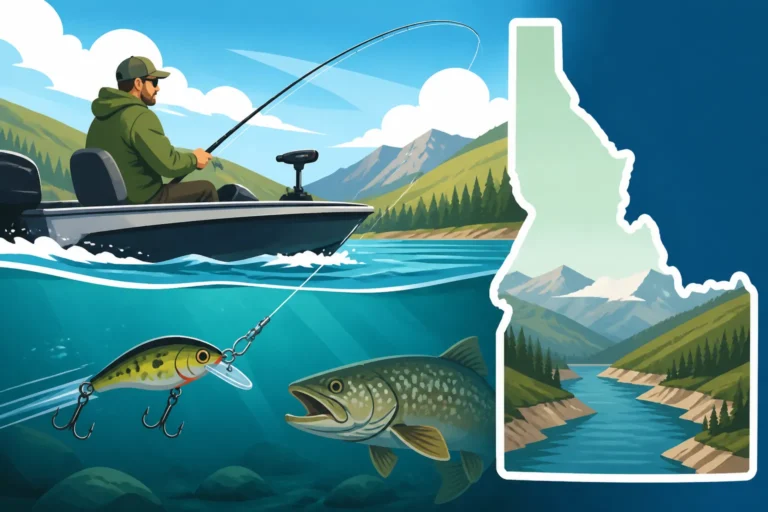
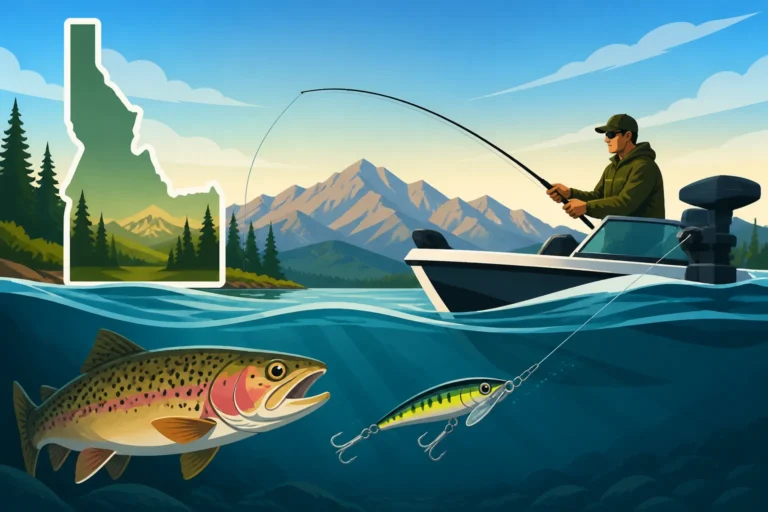
Many Idaho anglers pack up their gear and head home when the sun dips below the horizon, but for those in the know, that's often when the real magic begins on our beloved lakes. Trying to navigate the darkness, find active fish, and stay safe can feel daunting, but with the right techniques, gear, and a bit of bravery, night fishing can transform your angling experience, opening up opportunities for bigger catches and unforgettable memories. This guide will walk you through everything you need to know to confidently tackle Idaho's lakes after dark.
Why Bother with Night Fishing? Understanding the Allure and Challenges
Let's be honest, the idea of heading out onto a dark lake, navigating by moonlight or headlamp, can seem a little… well, crazy to some. But there's a profound, almost mystical draw to it that keeps seasoned anglers coming back. It’s not just about escaping the crowds, though that's certainly a perk; it’s about tapping into a different rhythm of the aquatic world.
The Nocturnal Advantage: Cooler Temps and Active Fish
One of the biggest reasons to embrace the night is the profound shift in environmental conditions. During Idaho's hot summer days, especially on shallower lakes or those with heavy recreational use, many fish species seek refuge in deeper, cooler waters or hunker down in dense cover to avoid the heat and boat traffic. But as the sun sets and air temperatures drop, surface waters cool, and the entire lake ecosystem undergoes a transformation.
This cooling trend invigorates many species, particularly those that are sensitive to bright light or prefer cooler temperatures, like trout, kokanee, and even some bass. Their metabolism picks up, and they move from their daytime hiding spots to actively feed in shallower areas, often much closer to shore. Imagine a warm summer evening on Lake Coeur d'Alene; while the daytime might be a struggle for kokanee, as night falls, these landlocked sockeye often rise closer to the surface, chasing zooplankton. The reduced light also provides an ambush advantage for predatory fish. Walleye, for instance, are notoriously light-shy and become much more aggressive hunters once darkness falls. You might also find species like crappie and catfish moving into shallower bays to forage, where they were completely absent just hours earlier. This shift in behavior means that the fish you couldn't coax into biting during the day might suddenly be on a feeding frenzy after dark, offering you a legitimate shot at a trophy you wouldn't otherwise encounter.
Overcoming the Darkness: Unique Obstacles and Safety Concerns
Of course, night fishing isn't without its unique set of challenges. The most obvious one is the darkness itself. What seems like a familiar shoreline or a clear path during the day can become a disorienting maze at night. You can't rely on visual cues for navigation, identifying structure, or even seeing your line move. This significantly impacts everything from casting accuracy to detecting subtle bites. If you've ever tried to tie a tiny knot with cold, fumbling fingers under the beam of a headlamp, you know exactly what I mean.
Safety is paramount, and it's where many potential night anglers hesitate, and rightfully so. Boating on a dark lake demands extra vigilance. Submerged hazards, other vessels, and even shorelines become invisible until you're right on them. Misjudging depth or drifting too close to rocks can lead to serious trouble. Even bank fishing has its hazards, like uneven terrain, slippery rocks, or unseen obstacles that can cause a fall. You're also more isolated at night; if something goes wrong, help might be further away and take longer to reach you. It’s crucial to acknowledge these obstacles not to deter you, but to encourage thoughtful preparation. We'll delve deeper into safety protocols later, but remember, a little extra planning goes a long way in turning potential hazards into manageable inconveniences. The peaceful solitude of night fishing is a huge draw, but it requires respecting the environment and being prepared for anything.
Essential Gear for Your Idaho Night Fishing Adventure
Stepping out onto an Idaho lake after dark isn't something you do on a whim. While your daytime gear might suffice in a pinch, having some specialized tools can make all the difference between a frustrating, fumbling experience and a smooth, successful outing. Think of it as suiting up for a different kind of battlefield – one where stealth and illumination are your best allies.
Lighting Solutions for Safety and Visibility
This is probably the most critical category for night fishing. You need light, but not just any light. You need illumination that serves multiple purposes without spooking fish or blinding you.
First and foremost, a reliable headlamp is non-negotiable. Look for one with adjustable brightness settings, including a red-light option. White light can destroy your night vision and often spooks fish. Red light, on the other hand, preserves your eyes' ability to see in the dark and is less intrusive to the fish. Brands like Petzl or Black Diamond offer excellent options you can find on Amazon. You'll use your headlamp for tying knots, rigging bait, unhooking fish, and navigating short distances on shore. Always carry spare batteries or a portable power bank if it's rechargeable.
Beyond your headlamp, consider ambient lighting for your boat or fishing area. A small, waterproof LED lantern can provide enough soft light to see your tackle box without being overly bright. Some anglers even use glow sticks or small clip-on LED lights for rod tips, especially when still fishing, so they can easily see a strike. For boaters, proper navigation lights are legally required and absolutely essential for safety. Don't rely solely on your headlamp; a dedicated bow and stern light, correctly displayed, tells other (hopefully few) boaters where you are.
Finally, think about personal safety lighting. A small, waterproof flashlight for backup is always a good idea, and having a whistle attached to your life vest can be a lifesaver in an emergency. Remember that your goal is to see without being seen too much, so strategic use of light is key.
Rods, Reels, and Lines: Specialized Setups for the Dark
While your favorite daytime rod and reel can certainly be used, there are a few considerations that can improve your night fishing success.
When it comes to rods, sensitivity is paramount. Since visual cues are limited, you'll be relying heavily on feel to detect bites. Medium-light to medium power rods with fast actions are excellent choices for most panfish and trout. For larger species like sturgeon or trophy lake trout, you'll need a heavier setup, but still, prioritize sensitivity in the tip. Graphite rods tend to transmit vibrations better than fiberglass.
Reels should be smooth and reliable. A quality spinning reel for lighter presentations or a baitcaster for heavier lures and deeper jigging will serve you well. Ensure your drag system is in top condition, as fighting a fish in the dark is an entirely different ball game – you'll want smooth, consistent pressure without worrying about sudden snags or line breaks.
Line choice is where things get interesting. Many night anglers swear by fluorescent monofilament line. While it doesn't glow on its own, it "lights up" incredibly well under a black light (UV light). You can buy a small, handheld black light and occasionally shine it on your line to easily see subtle movements, which is invaluable for detecting light bites. Other options include braided line for its incredible sensitivity and strength, though it's completely invisible at night without a light source, or fluorocarbon leader for its low visibility in the water. For certain applications, like still fishing for catfish or crappie, a high-visibility monofilament might even be helpful if you're using a lantern for ambient light. Always check your line frequently for nicks and abrasions, as unseen damage can lead to heartbreak. Considering the general Idaho Fishing Gear Guide by Season might give you ideas for adapting your existing setups.
Baits and Lures: Choosing What Glows and Attracts
This is where you truly start to embrace the darkness! Fish rely on senses other than sight at night – lateral line, smell, and hearing – but visual cues, especially glowing or reflective ones, can still be highly effective.
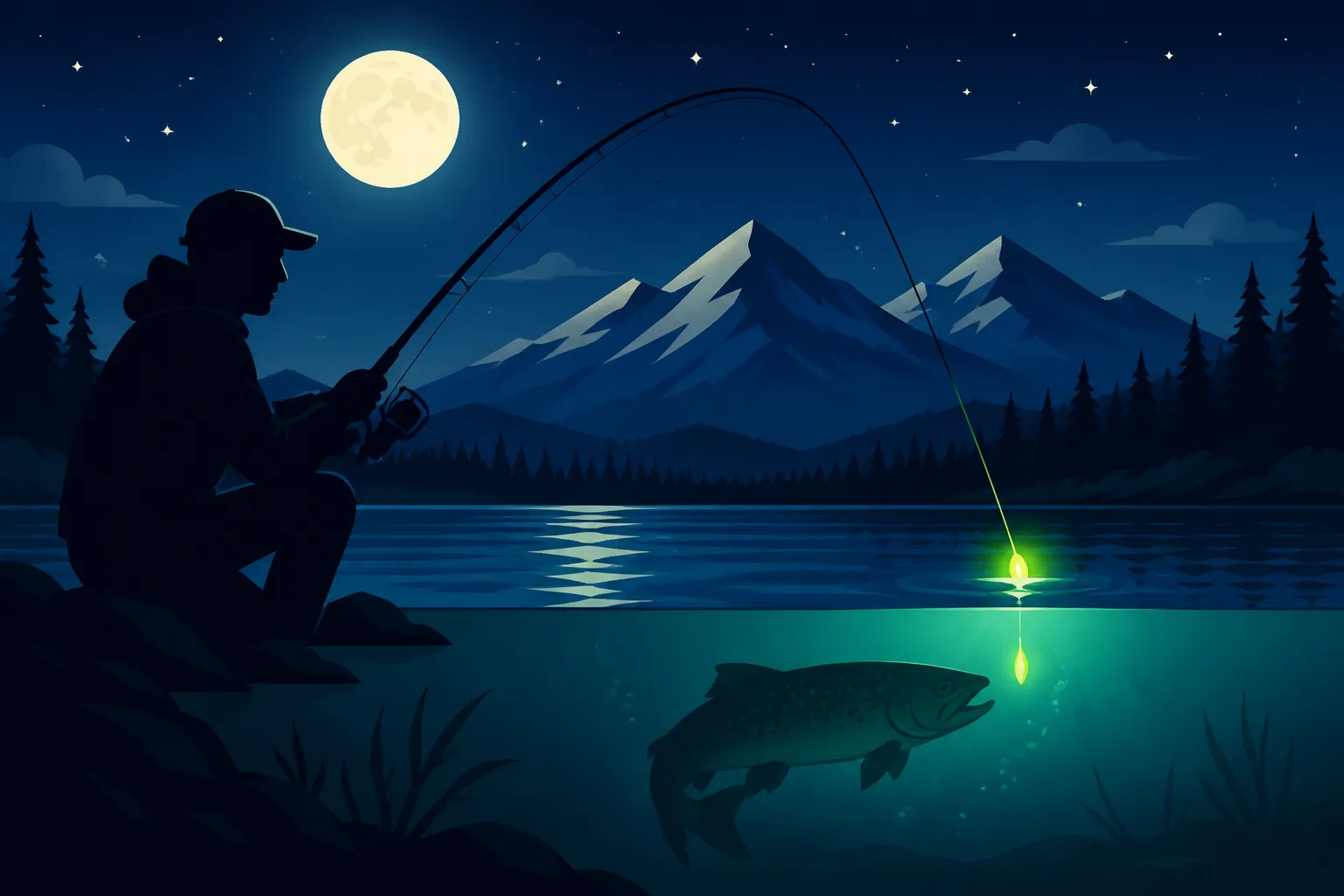
Glow-in-the-dark baits and lures are a game-changer. These come in many forms: spoons, jigs, soft plastics, and even some hard baits. You'll need to "charge" them periodically with a bright light (your headlamp or a camera flash works well) to make them glow. Imagine a glowing jig slowly descending into the dark depths of Priest Lake, tempting a lurking lake trout. Brands like Berkley PowerBait and various jig manufacturers offer glow-in-the-dark options. You can even find glow-in-the-dark paint or tape to customize your favorite lures.
Scented baits are equally crucial. Natural baits like worms, cut bait, or shrimp are always excellent choices, as their natural scent trails through the water, drawing in fish that can't rely on sight alone. PowerBait, which comes in many scented formulations, is also highly effective for trout and kokanee. For predatory species, dead baitfish or live bait (where permitted, always check local regulations as per the Idaho Fishing Regulations Explained) can be irresistible. Consider applying scent attractants to your lures too; Pro-Cure and Mike's Salmon Eggs are popular choices that can add an extra layer of allure to your artificials.
Finally, vibrating or rattling lures can trigger bites by appealing to a fish's lateral line, which detects pressure changes and vibrations in the water. Crankbaits with internal rattles, blade baits, or even spinnerbaits can be highly effective, even if the fish can't see them clearly. The noise and vibration act as a beacon in the dark water, guiding hungry predators straight to your offering. When exploring options, remember that Best Bait and Lures for Idaho Fishing provides a great overview, and many of those principles can be adapted for night use by simply adding glow or scent.
| Gear Category | Recommended Item | Key Features for Night Fishing | Why it Matters at Night |
|---|---|---|---|
| Lighting | Headlamp (e.g., Petzl, Black Diamond) | Red light mode, adjustable brightness, waterproof | Preserves night vision, less spooky to fish, hands-free |
| Small LED Lantern | Soft ambient glow, battery-powered, waterproof | General visibility, not too bright, easy on the eyes | |
| UV (Black) Flashlight | Specifically emits UV light | Activates fluorescent line and glow lures | |
| Clip-on Rod Tip Lights/Glow Sticks | Attaches to rod tip | Visual bite detection for still fishing | |
| Rods & Reels | Sensitive Graphite Rod (Med-Light/Med Action) | Fast action, good vibration transfer | Detects subtle bites without visual cues |
| Smooth Spinning/Baitcasting Reel | Reliable drag system | Crucial for fighting fish when you can't see clearly | |
| Line | Fluorescent Monofilament | "Glows" under UV light | Allows visual bite detection with black light |
| Braided Line (with fluoro leader) | High sensitivity, no stretch | Maximizes feel for light bites | |
| Baits & Lures | Glow-in-the-Dark Jigs, Spoons, Soft Plastics | Rechargeable glow | High visibility in low light, attracts curious fish |
| Scented Artificial Baits (e.g., PowerBait) | Strong scent dispersion | Appeals to fish's sense of smell, effective in dark water | |
| Natural Bait (worms, cut bait, shrimp) | Powerful natural scent trail | Irresistible to many species, especially bottom feeders | |
| Rattling/Vibrating Lures | Creates sound/vibrations | Triggers lateral line strikes from predatory fish | |
| Safety | Personal Flotation Device (PFD) | Must be worn, comfortable | Lifesaving in case of accidental fall or capsizing |
| Boat Navigation Lights | Red/Green bow, White stern light | Legal requirement, vital for avoiding collisions | |
| Whistle, Air Horn | Loud sound signal | Alerts others in emergency | |
| First Aid Kit | Comprehensive, accessible in the dark | Addresses minor injuries, always essential | |
| Map/GPS (loaded with waypoints) | Waterproof, reliable | Essential for navigation without visual landmarks |
Top Idaho Lakes for Night Fishing and What You'll Find There
Idaho is blessed with an incredible array of lakes, from vast glacial waters to expansive reservoirs. While many offer fantastic daytime fishing, some truly shine when the moon rises. The key is understanding which species are most active at night and which lakes consistently produce. You'll often find that the very attributes that make a lake challenging during the day – heavy boat traffic, clear water, intense sun – are mitigated by the cover of darkness.
Lake Coeur d'Alene: Kokanee and Chinook Under the Stars
Lake Coeur d'Alene is a gem in North Idaho, famous for its picturesque beauty and, for anglers, its incredible kokanee and Chinook salmon fishery. During the day, especially in summer, boat traffic can be intense, and the sun can drive these light-sensitive species deep. However, as night descends, Lake Coeur d'Alene becomes a prime target for those looking to hook into these silver bullets.
Kokanee salmon are a staple here, and they are incredibly active at night. They feed heavily on zooplankton, which often migrate closer to the surface after dark. This means the kokanee will follow. Trolling techniques, which we’ll discuss shortly, become very effective. You're typically looking for them in the upper water column, often 10-40 feet deep, though this can vary. Many anglers find that small, glow-in-the-dark dodgers or flashers paired with tiny squid-like lures or wedding ring spinners tipped with a kernel of shoepeg corn are absolutely deadly. The subtle glow attracts them, and the corn provides that irresistible scent. Imagine the thrill of seeing your rod tip thrum with a bite under the dim light, knowing it’s a feisty kokanee on the other end! The serene quiet of the lake at night, broken only by the hum of your trolling motor and the occasional splash, is an experience in itself. For specific tips on these species, refer to Fishing Lake Coeur d'Alene for Kokanee and Chinook.
Chinook salmon, or king salmon, are also present in Lake Coeur d'Alene and are often targeted by night anglers. While not as numerous as kokanee, they grow to impressive sizes and can offer a truly epic battle. Chinook are opportunistic predators and will be feeding on the abundant kokanee. Larger glow-in-the-dark spoons, plugs, or even herring (if legal and available) are effective. You'll typically be targeting them deeper than kokanee, but they too will often move up in the water column as darkness reduces light penetration. It's a game of patience and persistence, but the reward of landing a massive Chinook under the moonlight is unmatched.
Priest Lake: Trophy Lake Trout After Dusk
Up in the panhandle, Priest Lake stands out as a true destination for anglers seeking monstrous Lake Trout, affectionately known as Mackinaw. This deep, clear, and cold lake holds some of the largest lake trout in Idaho, and for many, the best chance at a true trophy comes after dark. During the day, these deep-dwelling predators can be elusive, often hunkering down in depths of 100 feet or more.
But as twilight fades, lake trout will often move into shallower areas, sometimes as shallow as 30-60 feet, to hunt. They become more aggressive and less wary under the cloak of darkness. Jigging large glow-in-the-dark tube jigs, spoons, or blade baits directly over underwater structure, such as humps, ledges, or submerged points, can be incredibly productive. You'll often be using heavy tackle to handle these powerful fish, and the fight in the dark is truly an adrenaline rush. The low light conditions allow these visual predators to stalk their prey with greater confidence. Many anglers will "charge" their glow lures frequently with a powerful flashlight to keep them emitting light. Drifting or slow trolling with large cut bait (often sucker meat) is another highly effective night technique. Imagine the sudden, violent strike as a 20-pound Mackinaw smashes your offering! For a deeper dive into these giants, check out the Idaho Lake Trout Fishing Guide and specifics on Fishing Priest Lake for Trophy Lake Trout.
Other Notable Lakes: Cascade Reservoir and Anderson Ranch
While Coeur d'Alene and Priest Lake are stars for specific species at night, other Idaho lakes and reservoirs offer fantastic nocturnal opportunities for different fish.
Cascade Reservoir, located in west-central Idaho, is a renowned fishery for Tiger Muskie and Perch. While muskie fishing is typically a daytime pursuit, the low light of dawn and dusk, and even into the night, can be prime times for these elusive predators. Larger, noisy topwater lures or subsurface bucktails with a bit of flash, retrieved slowly near weed lines or submerged timber, can entice a strike. The real night fishing gem here, however, is perch. These abundant panfish move into shallower bays and channels after dark to feed. Jigging small glow-in-the-dark jigs tipped with a piece of worm or even just a plain ice jig can yield incredible numbers of perch. It's a fantastic, often action-packed night fishing experience for families or those looking for consistent bites.
Anderson Ranch Reservoir, nestled in the mountains east of Boise, is another excellent option. It's known for its kokanee, perch, and even smallmouth bass. Similar to Lake Coeur d'Alene, kokanee will rise at night, making trolling a viable option. However, Anderson Ranch also holds a good population of smallmouth bass, which can be surprisingly active after dark, especially during warmer months. They'll often move from deeper rocky points to shallower flats to ambush baitfish. Fishing with dark-colored jigs, slow-retrieved plastic worms, or even topwater lures that create a good commotion can draw strikes. The quiet of the reservoir at night, often with starry skies above, adds to the appeal. Remember to check local regulations for specific species limits and rules, as outlined in the Idaho Fishing Regulations Explained.
When planning your trip to any of these lakes, it's always wise to research the specific access points that are safest and most convenient for night use. Many boat ramps may not have adequate lighting, making launch and retrieval challenging in the dark.
Effective Night Fishing Techniques for Popular Idaho Species
Now that we've covered the why and the where, let's get into the nitty-gritty of how to actually catch fish under the cover of darkness. The techniques you use during the day often need to be adapted, or sometimes completely changed, to be effective when visibility is minimal. It's all about playing to the fish's nocturnal strengths and compensating for your own limited vision.
Trolling for Kokanee and Lake Trout at Night
Trolling is arguably one of the most effective methods for covering water and finding active fish at night, especially for species that roam open water.
For Kokanee, night trolling is a staple on lakes like Coeur d'Alene and Anderson Ranch. As mentioned, these fish often rise in the water column after dark, making them more accessible. You'll want to deploy a spread of lines, typically using downriggers, lead core, or planer boards to get your lures to the desired depth. Small, glow-in-the-dark dodgers or flashers are paired with tiny squid skirts, wedding ring spinners, or Kokanee Hoochies, all usually tipped with a kernel of white shoepeg corn for scent and added visual appeal. The key is to run your offerings at depths where you're marking fish on your sonar (if you have one and are comfortable using it subtly at night) or at common feeding depths, often 10-40 feet.
Slow speeds are generally more effective at night, allowing the fish more time to react to your presentation. A speed of 1.0 to 1.8 mph is a good starting point. The glow from your dodgers and lures, combined with the scent, creates an irresistible target in the dark water. The steady vibration of the dodger also helps fish locate your offering. Pay close attention to your rod tips; with less light, a simple twitch might be your only indication of a bite. Check out How to Fish for Kokanee in Idaho for more general tips that can be adapted for night.
For Lake Trout on deep lakes like Priest Lake, night trolling can also be highly productive, especially when they move shallower to feed. You'll use heavier gear than for kokanee, often large diving plugs that have a rattles and a glow finish, or large spoons trolled on heavy mono or braided line. Downriggers are essential to get these lures down to where the big Mackinaw are hunting, which could be anywhere from 30 to 80 feet, depending on the structure and time of year. Again, slow speeds are key, and a steady, rhythmic presentation is what you're after. Some anglers even add glow tape to their heavier weights or downrigger balls to add extra attraction.
Still Fishing and Jigging for Perch and Bass
When it comes to stationary or vertical presentations, still fishing and jigging are excellent night tactics, especially for panfish and bass.
Still fishing is often a relaxing and highly effective way to target Perch, Crappie, and Catfish in Idaho lakes. Find a shallow flat, a drop-off near a weed line, or a submerged structure. Anchor quietly and cast out natural baits like worms, cut bait, or shrimp, letting them sit on the bottom or suspending them under a lighted bobber. The lighted bobber is a crucial piece of gear here; it eliminates the need for constant headlamp use and provides a clear visual indicator when a fish takes the bait. Many anglers will set up multiple rods, each with a lighted bobber, creating a festive glow around their boat or shoreline spot. These bobbers can be found at sporting goods stores or online on Amazon. Patience is a virtue, but the wait often pays off with steady action, especially for hungry catfish that become incredibly active after dark.
Jigging offers a more active approach and is fantastic for species like Perch and even Smallmouth Bass. For perch, target areas near weed edges, submerged brush, or bottom structure in 10-30 feet of water. Use small glow-in-the-dark or scented jigs, tipped with a small piece of worm, a PowerBait grub, or a live minnow (again, check regulations). The technique is simple: drop the jig to the bottom, reel up a foot or two, and impart a subtle jigging motion. Lift, drop, pause. The glow and vibration will attract perch from the surrounding darkness.
For Smallmouth Bass, especially in lakes with rocky structures or clear water, jigs and soft plastics can be effective. Try slow-retrieving a dark-colored jig-and-pig combo or a scented plastic worm along drop-offs and rocky points. The bass will feel the vibrations and be drawn to the scent. A "lift-and-drop" retrieve, allowing the lure to fall tantalizingly, often triggers strikes. Remember, sensitivity in your rod and line is key, as bites can be very subtle in the dark. For more on targeting bass, refer to the Idaho Bass Fishing Guide.
Targeting Catfish and Crappie in the Shallows
Night fishing truly shines for certain species that prefer to feed in shallow, calmer waters after the sun goes down.
Catfish are quintessential night feeders, and many Idaho lakes and reservoirs offer fantastic opportunities. Look for areas with a soft, muddy bottom, near inlets, outflows, or submerged timber, typically in water depths of 5-20 feet. These areas are rich in forage like insects, crustaceans, and small baitfish that catfish gorge on after dark. The technique is simple: use a slip sinker rig with a strong hook, baited with stink baits, chicken livers, cut bait (like pieces of sucker or shad), or even nightcrawlers. Cast it out and let it sit on the bottom. You can keep your bail open with a clicker, or use a bell on your rod tip for audible bite detection. When that bell starts ringing furiously, you know a whiskered monster is on the line! The fighting power of a big channel catfish in the dark is something to behold.
Crappie are another excellent target for night anglers. These panfish tend to congregate around submerged brush piles, standing timber, docks, or bridges that provide cover and structure. At night, they become more active, moving out from their daytime cover to feed on small baitfish and insects. The most effective technique involves suspending small jigs (often glow-in-the-dark or brightly colored) or live minnows under a lighted bobber. Position yourself quietly near known crappie cover, adjust your depth until you find the biting zone (often 5-15 feet), and wait for that telltale dip of the bobber. Some anglers use submersible lights to attract plankton and small baitfish, which in turn attract crappie. However, always check local regulations as to the legality of using lights to attract fish. For more on targeting these species, you might find useful information in the Idaho Fish Species Guide. The peaceful, quiet hunt for crappie at night can be incredibly rewarding, offering consistent action and a delicious dinner.
Safety First: Preparing for a Successful and Secure Night Trip
Alright, let's get serious for a moment. While the allure of bigger fish and serene solitude is strong, night fishing comes with inherent risks. Unlike daytime fishing where visual cues abound, at night, every little mishap can be amplified. Being prepared isn't just a good idea; it's absolutely essential for a safe and enjoyable experience. Think of it as your non-negotiable checklist before you even consider stepping foot on that dock.
Navigational Aids and Shoreline Awareness
The lake you know so well by day can transform into an entirely different, disorienting place at night. Even a familiar shoreline can look foreign in the dark. This is why reliable navigation is paramount.
For boaters, a fully charged GPS unit with pre-saved waypoints for your launch site, known hazards (rock piles, shallow bars, submerged stumps), and productive fishing spots is absolutely critical. Do not rely solely on your phone; bring a dedicated marine GPS or a chart plotter. Make sure your boat's navigation lights are functioning perfectly, are properly aligned, and are visible from all angles. Always run at a reduced speed, especially when in unfamiliar areas or close to shore. Watch for other boaters (or lack thereof) and keep an extra sharp eye out for floating debris. Before you even launch, study a detailed map of the lake and identify any potential hazards. It's also a smart idea to scout your launch and retrieval area in daylight to understand its layout.
For bank anglers, shoreline awareness means knowing your footing. Always carry a strong flashlight (in addition to your headlamp) for illuminating the path ahead. Stick to well-known, clear paths. If you're on a rocky bank, assume every rock is slippery. Wear sturdy, non-slip footwear. Avoid venturing onto unfamiliar terrain or steep, unstable slopes. It’s too easy to misjudge a step in the dark and take a nasty fall. Before you settle in for the night, take a walk around your immediate fishing area in daylight to identify obstacles like roots, holes, or sudden drop-offs. Being aware of your surroundings isn't just about finding fish; it's about making sure you can safely return home.
Emergency Preparedness and Communication
No one plans for an emergency, but every responsible night angler prepares for one. This is where planning can literally save lives.
First and foremost, communication is key. Always let someone know where you're going, when you expect to return, and who you're with. Provide them with a detailed float plan if you're boating. Carry a fully charged cell phone in a waterproof case, but also understand that cell service can be spotty or nonexistent in many remote Idaho fishing areas. Consider a satellite communication device like a Garmin inReach or a SPOT device for true off-grid emergencies, especially if you're venturing to more isolated locations. These devices allow you to send SOS signals and messages even without cell service.
A comprehensive first aid kit is non-negotiable. Ensure it's well-stocked with essentials like bandages, antiseptic wipes, pain relievers, and any personal medications. Keep it easily accessible, even in the dark. For boaters, ensure you have all mandatory safety equipment, including enough personal flotation devices (PFDs) for everyone on board – and wear them! Especially at night, a PFD isn't just a legal requirement; it's a lifeline. Cold water immersion is a serious danger, and a PFD can give you precious extra minutes or hours if you accidentally go overboard.
Finally, always carry extra supplies. This includes more water than you think you'll need, snacks, extra warm layers of clothing (Idaho nights can get surprisingly cold, even after a warm day), and a portable power bank for your electronics. A small repair kit for your boat or tackle can also be invaluable. Being stranded on a dark lake due to a dead battery or a broken piece of gear is a situation you absolutely want to avoid. Remember, the Idaho Fishing License Guide or Idaho Fishing Rules on Fishing After Dark will also contain crucial information regarding legal requirements and safety practices for night fishing.
The thrill of a big fish under a starry sky is unmatched, but it's only truly enjoyable when you can do so confidently and safely. Take the extra time to prepare, respect the power of the night, and you'll unlock a whole new dimension of Idaho fishing.
Disclaimer
Please be aware that fishing regulations in Idaho can change. Always consult the latest Idaho Fish and Game rules and regulations before heading out. This guide provides general information and techniques and should not be considered a substitute for official regulations or professional safety advice. Fish responsibly and prioritize safety on all your fishing adventures.