Idaho Rules on Fishing After Dark
Picture this: you've had a long day, the sun's setting, and you're wondering if you can still cast a line without breaking any rules. The good news is, Idaho often welcomes anglers after dark, but it's not a free-for-all. Navigating the specific regulations for fishing once the stars come out can feel a bit like trying to tie a fly in the dark – confusing and prone to mistakes. This comprehensive guide is here to illuminate all the essential Idaho rules on fishing after dark, ensuring your nocturnal angling adventures are both successful and compliant.
Navigating the Twilight: General Idaho Rules for Fishing After Dark
Many anglers find a unique tranquility and often greater success fishing under the cover of night. The peace, cooler temperatures, and the chance to target fish species that become more active in low light are truly special. However, it's crucial to understand that while Idaho generally allows night fishing, it's not a blanket permission across all waters or for all species. The Idaho Department of Fish and Game (IDFG) has specific regulations that govern when and where you can wet a line once the sun dips below the horizon.
Generally speaking, if a body of water is open for fishing, it's open 24 hours a day, including after dark, unless specifically stated otherwise in the annual Idaho Fishing Regulations Explained brochure. This is a critical point: the absence of a restriction often implies permission, but you can never assume. Always, and I mean always, double-check the current year's regulations for the specific water you intend to fish. These rules can change annually, and getting caught unaware is a surefire way to ruin a peaceful night.
Understanding Statewide and Local Water Regulations
Idaho's fishing regulations are extensive, covering everything from specific rivers to individual lakes. While many general fishing seasons, like the statewide general trout season, often imply year-round, 24-hour access, certain waters or water sections will have special restrictions. These might include designated "fly-fishing only" sections that prohibit night fishing, or waters with specific closure times to protect spawning fish or for public safety reasons. For example, some urban ponds might have park-imposed curfews that affect fishing access, regardless of state fishing laws. It's not just about fish regulations; it's about land-use rules too.
You'll typically find these special restrictions listed in detail within the "Special Regulation Waters" section of the IDFG fishing proclamation. Don't just skim it; dig in and find your specific spot. A quick check of the Idaho Fishing Season Dates and Limits will also confirm if the overall season is open for your target species. Remember, even if the general season for trout is open, specific local rules can override that for a particular river stretch.
Gear Restrictions and Rod Limits After Dark
When it comes to the nitty-gritty of what you can use and how much, the rules generally remain consistent whether you're fishing during the day or after dark. For instance, the Idaho Rules on the Number of Rods Per Angler typically permits up to two fishing rods, lines, or poles per angler. This doesn't change when night falls. So, if you're out there with two setups, one still-fishing bait and the other casting lures, you're usually good to go.
However, there are exceptions. For certain salmon or steelhead fisheries, or in specific special regulation waters, the number of rods allowed might be limited to one. This is why consulting the detailed regulations is non-negotiable. Furthermore, while the use of live bait is often allowed in Idaho, specific waters might have restrictions on bait, lures, or even types of hooks. These restrictions are usually tied to species protection, especially for threatened native species like bull trout, and apply equally during the day and night.
When the Stars Come Out: Species-Specific Considerations for Night Fishing
Fishing after dark isn't just about general rules; it often means a shift in what you're targeting and how those particular fish behave. Certain species become much more active as the light fades, while others might go dormant. Understanding these nuances, and any associated regulations, can significantly improve your success and ensure compliance.
Targeting Nocturnal Hunters: Bass and Catfish
Species like smallmouth bass and largemouth bass are well-known for their nocturnal tendencies. As the sun goes down and water temperatures cool, they often move into shallower waters to feed, making them prime targets for night anglers. Idaho's lakes and reservoirs like Lake Lowell near Nampa or C.J. Strike Reservoir can be fantastic for bass after dark. Generally, the daily bag and possession limits for bass remain the same at night as they do during the day. You'll still need to adhere to the Idaho Catch Limits and Bag Limits Explained for these species.
Catfish, particularly channel catfish, are absolute superstars of night fishing. With their keen sense of smell and barbels designed for foraging in the dark, they become incredibly active once darkness settles. Waters like the lower Snake River and parts of the Boise River can offer excellent catfishing opportunities after hours. Again, standard bag limits apply. The joy of pulling a big catfish from the dark depths, often with minimal competition from other anglers, is truly something special.
Special Rules for Salmon, Steelhead, and Sturgeon
Here's where things can get a bit more complex, and where paying close attention to the rules is absolutely vital. Fishing for anadromous species like Chinook salmon and steelhead, or ancient giants like white sturgeon, often comes with very specific regulations that can sometimes include time-of-day restrictions.
While many steelhead and salmon fisheries are open from dawn until dusk during their respective seasons, there might be specific closures or restrictions on night fishing in certain rivers or river sections, particularly during sensitive migration or spawning periods. For example, fishing might be restricted to "daylight hours only" in particular reaches of the Salmon River or Clearwater River. These are typically put in place for enforcement purposes and to protect the fish when they are most vulnerable. If you're planning a trip for these coveted species, thoroughly check the rules for the exact section of river you'll be on, as the regulations for the Salmon River Explained can vary greatly by zone.
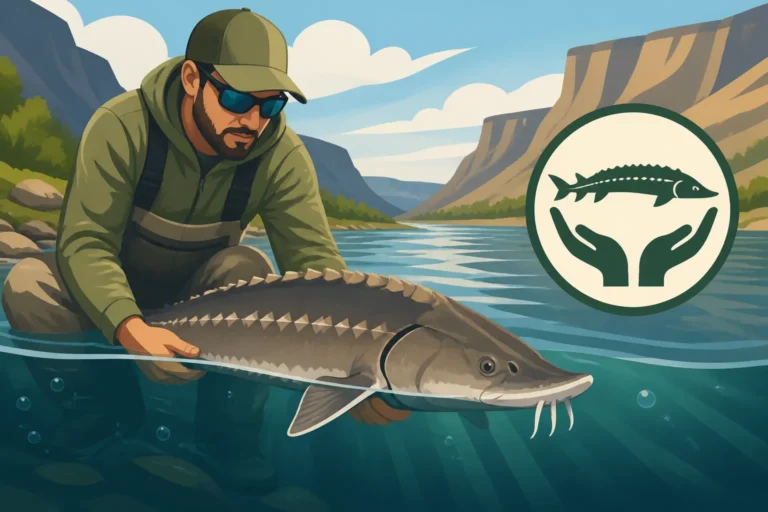
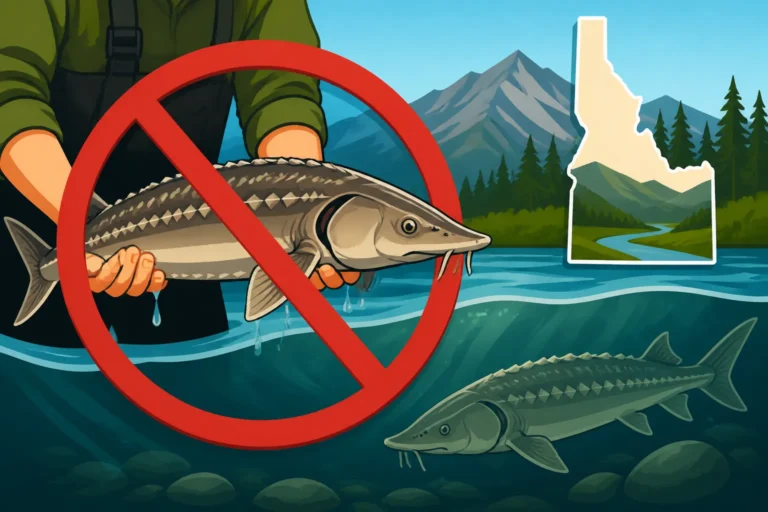
Sturgeon fishing on the Snake River, which is exclusively catch-and-release, also comes with its own unique set of stringent rules, including Idaho Sturgeon Fishing Rules. While generally permitted after dark in many sections, strict adherence to barbless hook requirements and the rule against removing sturgeon from the water are paramount, day or night. The process of landing and safely releasing a massive sturgeon in the dark requires extra caution and a clear understanding of the rules.
Trout and Panfish After Sundown
For many trout species, activity can slow down significantly in the absolute dark, but the twilight hours — both dusk and dawn — can be incredibly productive. Cooler water temperatures and reduced light can make trout less wary. Many Idaho waters with healthy populations of rainbow trout and cutthroat trout can offer good evening fishing. Panfish like yellow perch and crappie also often feed actively into the early evening and again at dawn, making them great targets for families or those looking for consistent action under a dimming sky.
Generally, for standard trout and panfish fisheries not covered by special regulations, night fishing is permitted within the larger season framework. However, some delicate spring creeks or high mountain lakes might have specific "fly-fishing only" or "daylight hours only" designations to protect sensitive ecosystems or specific fish populations. Always check the rules for the specific lake or stream you plan to visit, especially if it's a smaller, more protected fishery.
Beyond the Light: Essential Gear and Safety for Idaho Night Fishing
Fishing after dark introduces an entirely new set of considerations, primarily revolving around safety and having the right equipment. Without proper preparation, a peaceful night of fishing can quickly turn into a dangerous situation. Being well-equipped isn't just about comfort; it's about minimizing risks in an environment that naturally hides hazards.
Illuminating Your Adventure: Headlamps and Lanterns
Your most crucial piece of night fishing gear is reliable illumination. A high-quality headlamp is non-negotiable. It keeps your hands free for rigging tackle, handling fish, and navigating uneven terrain. Look for headlamps with multiple brightness settings, a red light option (to preserve night vision and avoid spooking fish), and a long battery life. Brands like Black Diamond or Petzl offer excellent options that are durable and waterproof, and you can find a wide selection of these, along with spare batteries, easily on Amazon. Consider also bringing a secondary light source, such as a compact lantern, to illuminate your immediate fishing area without constantly blinding your fishing buddies.
Specialized Night Fishing Tackle and Attractors
Fish react differently to lures and baits in low light. Glow-in-the-dark lures, jigs, and soft plastics can be incredibly effective, as can those with strong vibration or scent. Many brands offer glow or UV-enhanced baits that charge up with a quick hit from a flashlight. You can stock up on a variety of these specialized lures and baits on Amazon to ensure you're prepared for whatever species you're targeting. For bait fishermen, using strongly scented baits can be particularly effective when visual cues are limited. For fly anglers, larger, darker fly patterns that create a strong silhouette against the moonlit sky can often entice strikes.
Here's a quick reference for common night fishing gear:
| Category | Essential Items | Key Features | Where to Find (Examples) |
|---|---|---|---|
| Illumination | Headlamp | Multiple brightness, red light, waterproof, long battery | Black Diamond, Petzl (available on Amazon) |
| Portable Lantern | Area lighting, USB rechargeable, dimmable | Goal Zero, Coleman (available on Amazon) | |
| Navigation | GPS device/Smartphone with offline maps | Waterproof, good battery life, pre-downloaded maps | Garmin, Gaia GPS app |
| Whistle | Emergency signaling | Any outdoor retailer | |
| Comfort/Safety | Warm Layers (even in summer) | Moisture-wicking, insulated, waterproof outer | Patagonia, Columbia, Sitka |
| Insect Repellent | DEET or picaridin based | Off!, Sawyer | |
| First-Aid Kit | Basic wound care, pain relief, emergency contacts | Adventure Medical Kits | |
| Bear Spray/Air Horn (in bear country) | Accessible, checked expiration date | Counter Assault, UDAP | |
| Fishing Gear | Glow-in-the-dark lures/jigs | UV reactive, strong luminescence | Rapala, Berkley (available on Amazon) |
| Scented baits/attractants | PowerBait, Gulp!, Pro-Cure | Major bait brands (available on Amazon) | |
| Extra Rod/Reel | Backup in case of breakages | Your preferred brands | |
| Pliers/Hook Remover | Long-nose, sturdy, accessible | Boomerang Tool, Leatherman |
Staying Safe and Sound: Navigational Aids and Wildlife Awareness
Safety after dark goes beyond simply seeing your immediate surroundings. Before heading out, always inform someone of your fishing location and expected return time. Bring a fully charged phone, ideally with a portable power bank, and consider loading offline maps, especially if you're in an area with spotty cell service. A GPS device or a mapping app can be a lifesaver if you get disoriented.
Idaho is wild country, and many animals are most active at night. Be acutely aware of your surroundings, especially in areas known for bear, mountain lion, or moose activity. Make noise as you move, particularly when approaching dense brush or riverbanks. Carrying bear spray, an air horn, or a loud whistle can provide peace of mind and serve as an important deterrent. Dress in layers, as even summer nights in Idaho can get surprisingly chilly, especially near water. A good pair of waterproof boots or waders is essential, not just for staying dry, but for navigating slippery banks or shallow wading areas.
Planning Your Nocturnal Adventure: Best Practices and What to Know
The allure of night fishing in Idaho is strong, offering a unique solitude and often incredible angling opportunities. To make the most of it, a little strategic planning goes a long way. This isn't just about avoiding trouble; it's about maximizing your enjoyment and success.
Pre-Trip Scouting and Water Selection
One of the best practices for night fishing is to scout your chosen location during daylight hours. Familiarize yourself with the terrain, potential hazards (like steep drop-offs, submerged rocks, or tricky access points), and any obstructions that could hinder casting or landing a fish in the dark. If you're targeting a new spot, consider a shorter, exploratory trip first to get a feel for it. Many of the Best Fishing Spots in Idaho might offer different experiences at night, so choose wisely.
When selecting waters, consider those known for consistent fish populations and relatively easy access. Rivers like the Boise River through town can offer accessible night fishing, but remember to be mindful of urban park regulations. Larger reservoirs or lakes, such as Lake Coeur d'Alene, can also be excellent for night trolling or still-fishing, particularly for species like kokanee salmon which respond well to light-sensitive gear. The key is knowing the specific characteristics of your chosen water and how it changes once darkness falls.
Respecting the Resource and Fellow Anglers
Even though night fishing often means fewer people, it's still important to practice good fishing etiquette and respect the natural environment. Pack out everything you pack in, and perhaps even a little more. Dispose of all fishing line, bait containers, and other trash properly. Excessive noise can disturb wildlife and any other anglers who might be seeking quiet solitude.
For those engaging in catch-and-release, handling fish gently and efficiently is even more critical in low light. Have your camera and measuring tools ready, minimize air exposure, and ensure the fish is fully revived before release. Understanding and adhering to Idaho Fishing Regulations Explained, especially concerning catch-and-release practices for sensitive species, ensures that the fantastic fishing opportunities Idaho offers will continue for future generations. Don't forget, if you're ever in doubt about a specific rule for a particular species or water, a quick check of your Idaho Fishing Regulation Brochure and Proclamation is always your best bet.
Disclaimer
The information provided in this guide is for general informational purposes only and is not a substitute for the official Idaho Department of Fish and Game (IDFG) fishing regulations. Regulations can change frequently, and it is the responsibility of each angler to consult the current official IDFG fishing proclamation and any local ordinances before fishing. Failure to comply with regulations can result in fines or penalties.