Why Fall Is the Best Time for Salmon River Steelhead
There's a common misconception that spring is the only prime time for steelhead on the Salmon River, but I'm here to tell you that overlooking the fall run is a huge missed opportunity. If you've ever felt the frustration of crowded spring rivers or the challenge of finding unpressured fish, then this guide is for you. We're going to dive deep into why the crisp, vibrant days of autumn offer an unparalleled experience for chasing these magnificent anadromous rainbows in Idaho.
The Unique Allure of Fall Steelhead on the Salmon River
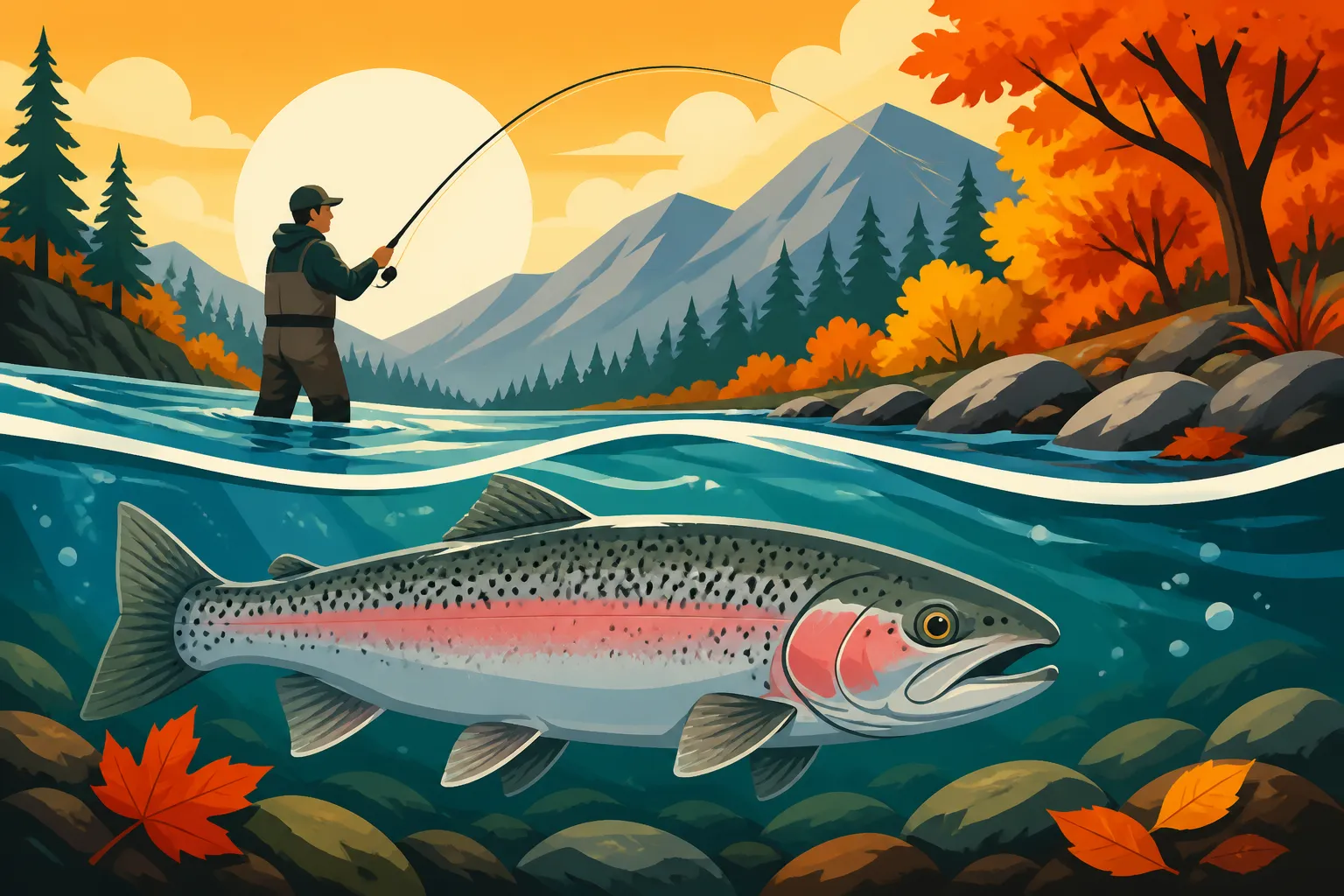
The Salmon River, often called "The River of No Return," is an iconic waterway winding through some of Idaho's most rugged and beautiful landscapes. While it sees fishing pressure year-round, there's a certain magic that descends upon its banks in the fall. It's a time when the leaves explode in fiery reds and golds, the air turns crisp, and a new wave of powerful steelhead pushes upstream. This isn't just about beautiful scenery; it's about the quality of the fish and the overall angling experience.
Why Fall is Different for Steelhead
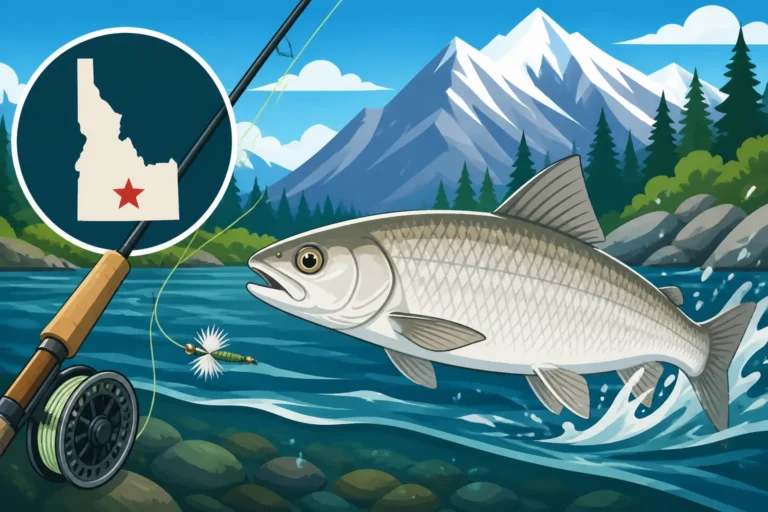
When steelhead enter the Salmon River in the fall, they're typically "fresher" than their spring counterparts. What does "fresh" mean for an angler? It means these fish have recently migrated from the ocean, they're full of vigor, well-fed, and haven't yet undergone the rigors of spawning. Their scales gleam with a silvery sheen, often showing subtle hints of green and purple, a testament to their recent saltwater lives. These fish are aggressive, hard-fighting, and often larger on average than some of the later-season fish you might encounter. They're driven by the primal urge to push upstream, making them more inclined to strike at a well-presented lure or bait as they conserve energy and move through the system. Unlike spring fish, which might be more focused on spawning activities, fall steelhead are still very much in their migration and feeding modes, albeit opportunistically. The dropping water temperatures signal to them that it's time to move, and this energy translates directly into powerful runs and aerial acrobatics when hooked.
Prime Timing and Conditions
The fall steelhead season on the Salmon River generally kicks off in late September and can run strong through November, often extending into early December depending on river conditions and specific regulations. Each of these months offers something a little different. September might still have milder weather, but as October rolls in, the air cools significantly, and the fall foliage reaches its peak. This is arguably one of the most picturesque times to be on the river. By November, the crowds thin even further, and you might find yourself with long stretches of prime water all to yourself, albeit in colder conditions.
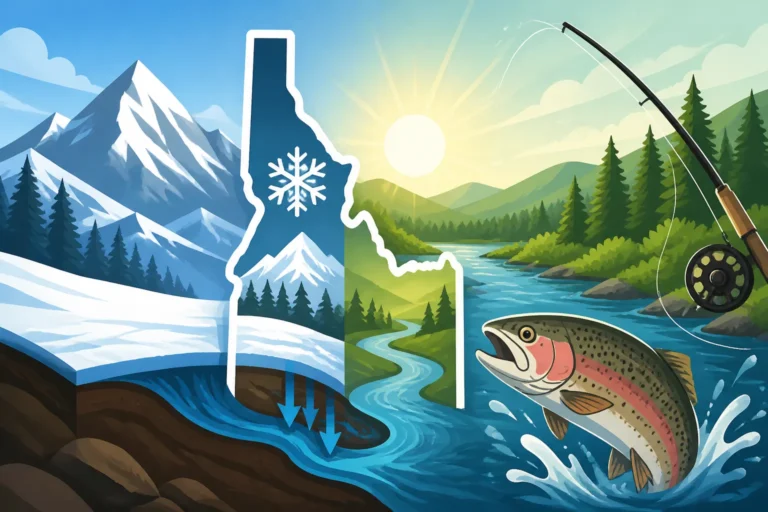
The key to prime fall fishing lies in stable water flows and dropping temperatures. As the summer heat fades and nights become cooler, the river's temperature gradually decreases, boosting oxygen levels. This is a critical trigger for steelhead migration. Ideal conditions often involve a relatively clear river that isn't too high from recent rains or too low from prolonged dry spells. A slight color, often described as "steelhead green," can actually be beneficial, offering fish a sense of security and making your presentation less conspicuous. You'll want to keep an eye on weather forecasts and Idaho Fish and Game river flow reports as you plan your trip. A good rule of thumb is to look for stable weather patterns without extreme fluctuations in temperature or precipitation, as these can drastically affect water levels and fish behavior. Remember to always consult the current year's Idaho Fishing Season Dates and Limits and the Idaho Fishing Regulations Explained for the most up-to-date information on openings and closures, as these can vary.
Navigating the Salmon River's Fall Steelhead Run
Successfully targeting fall steelhead on the Salmon River requires a blend of understanding fish behavior, selecting appropriate gear, and mastering specific techniques. It's not just about casting a line; it's about making informed decisions that align with the river's dynamic nature and the steelhead's migratory patterns.
Understanding Steelhead Movement in Autumn
In the fall, steelhead are actively migrating upstream from the confluence with the Snake River, making their way towards their spawning grounds further up the Salmon and its tributaries. This means they are constantly on the move, but they will pause and hold in specific types of water. Look for them in classic steelhead lies: tail-outs of long pools, behind large boulders or structure that break the current, seams where fast water meets slow, and current breaks along banks. These spots offer a balance of current to aid their journey, depth for security, and slower water to rest. As they travel, they'll often utilize "travel lanes" – paths of slightly slower, but still oxygenated, water that allow them to move with less effort than fighting the main current. These travel lanes are often found along gravel bars, within moderate depth seams, or closer to the riverbanks where the current isn't as brutal.
Unlike resident trout, steelhead are not typically spread throughout every riffle and run. They are concentrated in these migratory pathways and holding lies. This means covering water efficiently, whether from a drift boat or by wading, is crucial. If you're not getting bites in one spot after a reasonable amount of time, it's often best to move on and search for more active fish. Paying attention to subtle changes in water depth, current speed, and bottom structure will give you a significant advantage in locating these moving targets.
Essential Gear for Fall Salmon River Steelhead
When gearing up for fall steelhead on the Salmon River, durability, sensitivity, and the ability to handle strong fish in powerful currents are paramount.
- Rods: Many anglers opt for medium-heavy spinning rods (8'6" to 10'6") for drift fishing with jigs or bait, or longer casting rods for bobber-dogging. For fly anglers, two-hand (Spey) rods ranging from 12 to 14 feet, in 7 to 9 weights, are incredibly popular for covering vast amounts of water and managing heavy fly lines. Single-hand fly rods in 7-9 weights are also effective, especially for indicator nymphing or swinging smaller flies in more accessible runs. The longer rods, especially, help with line control and absorb the shock of a powerful steelhead's run.
- Reels: A high-quality reel with a smooth, reliable drag system is non-negotiable. Steelhead are famous for blistering runs, and a sticky drag can quickly lead to a broken line or a lost fish. For conventional gear, look for reels in the 3000-5000 size range, capable of holding plenty of line. Fly reels should be similarly robust, often a large arbor design to retrieve line quickly. You can find a fantastic selection of durable and reliable reels on Amazon, making it easy to compare features and prices to suit your budget and preferences.
- Lines: For conventional fishing, 15-20 lb braided main line is common, offering sensitivity and strength, often paired with a fluorocarbon leader (10-15 lb test) for abrasion resistance and stealth. Fly anglers might use a Skagit or Scandi style Spey line with various sink tips, or a weight-forward floating line for indicator fishing, again with stout fluorocarbon or monofilament leaders.
- Terminal Tackle & Baits/Lures: This is where the real fun begins!
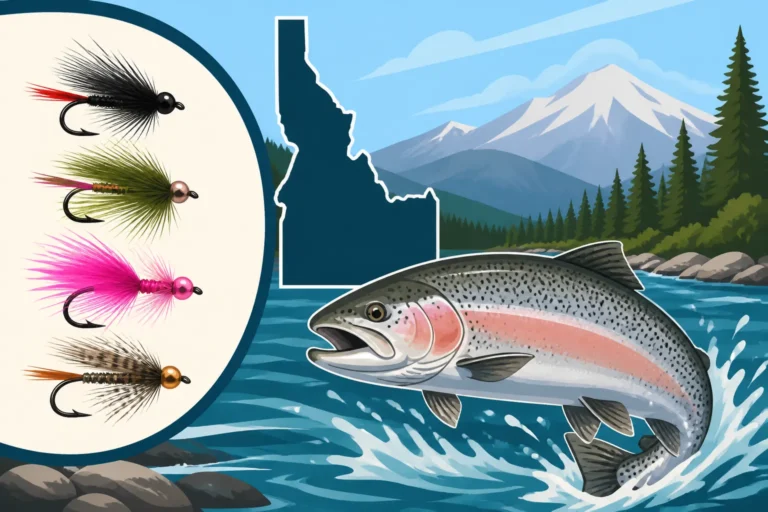
- Jigs: Marabou jigs in shades of pink, orange, black, purple, or combinations thereof, from 1/8 to 1/4 ounce, are deadly. Tipped with a small piece of shrimp or roe, they can be irresistible.
- Beads: Trout beads, mimicking salmon eggs, are increasingly popular, drifted under an indicator. Sizes 8mm-12mm in natural egg colors are a good start.
- Drift Bobbers/Floats: Essential for presenting jigs or beads effectively. Look for buoyant, high-visibility models.
- Weights: Slinky weights, pencil lead, or split shot are used to get your presentation down to the fish without snagging excessively.
- Plugs/Wobblers: Hot Shots, Wiggle Warts, or similar diving plugs in bright colors (chartreuse, orange, pink) or natural patterns (firetiger) are excellent for back-trolling from a boat.
- Spoons: Casting spoons like Little Cleos or Koho spoons can also entice aggressive biters.
- Bait: Cured roe (salmon or steelhead eggs) is a classic and highly effective bait. Shrimp, sand shrimp, or even small pieces of cured prawn can also produce.
- Hooks: Barbless hooks are often required in many steelhead fisheries in Idaho, and they certainly aid in the safe release of wild fish. Always check current regulations regarding hook types for your specific fishing area. Reliable hooks are essential, and you can easily stock up on various sizes and styles on Amazon before your trip.
For a deeper dive into tackle, check out our guide on Best Bait and Lures for Idaho Fishing and Idaho Fishing Gear Guide by Season.
Tried-and-True Fall Fishing Techniques
Fall steelhead require a methodical approach. The fish are often holding tight to structure and are less likely to chase a rapidly moving offering.
- Drift Fishing (with Jigs, Beads, or Bait): This is perhaps the most popular and effective method. From shore or a boat, you cast upstream and slightly across, allowing your weighted offering (jig, bead, or bait) to drift naturally downstream at the same speed as the current, bouncing lightly along the bottom. The goal is a "dead drift," making your presentation appear like a natural food item dislodged by the current. It requires constant line management to keep slack out and detect subtle takes.
- Bobber Dogging (Float Fishing): A variation of drift fishing, popular from boats. Anglers use specialized floats or large indicators that are designed to drift and "dog" or hold up the main line, keeping your bait or jig suspended at a precise depth. The float is allowed to drift through a run, and when it stops or dips, it's time to set the hook. This technique is incredibly effective for covering prime holding water with precision, especially where currents are complex.
- Back-Trolling Plugs: If you're fishing from a boat, back-trolling is a highly productive method, especially for covering larger, deeper pools. You motor upstream, then slowly drift downstream with the current, letting out diving plugs that "wiggle" their way through the water. The boat controls the speed and direction, allowing the plugs to work their magic right in the steelhead's face. This technique shines when fish are spread out in larger water.
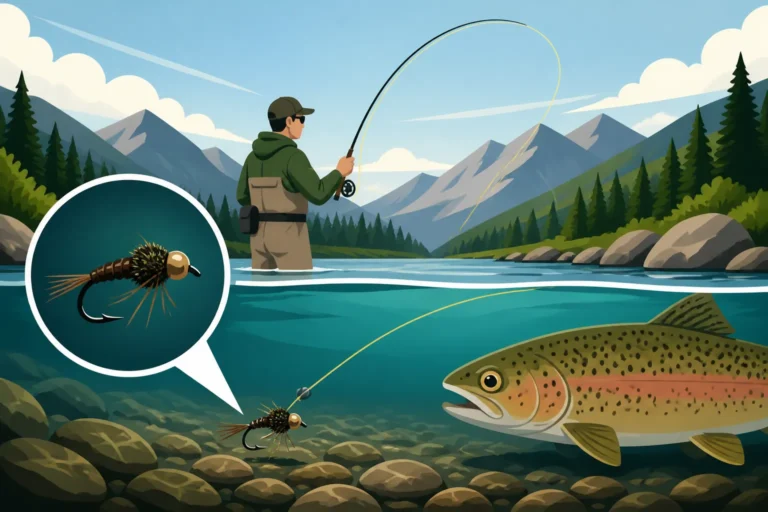
- Swinging Flies (Spey Fishing): For the fly angler, swinging flies with a two-hand rod is an art form. Using sinking lines or sink tips, you cast across the river and allow the fly to swing downstream and across the current, presenting it to fish holding near the bottom. The takes are often subtle yet powerful, a feeling that keeps many anglers coming back for more. This method covers water systematically and effectively targets aggressive fish.
Our article on Fall Steelhead Fishing Techniques on the Clearwater and Salmon Rivers offers even more detailed insights into these specific methods.
Overcoming Fall Challenges and Maximizing Success
Fishing the Salmon River in the fall is undeniably rewarding, but it comes with its own set of challenges. Being prepared for these hurdles and understanding the intricacies of the river environment will significantly enhance your success and enjoyment.
Dealing with Changing Water Levels and Temperatures
Fall is a transitional season, and the Salmon River often mirrors this variability. One week you might have crystal clear, moderate flows, and the next, a heavy rainstorm could turn the river into a chocolate milk torrent. Such changes directly impact steelhead behavior and your fishing strategy.
- High and Murky Water: If the river rises significantly and becomes turbid, steelhead often hug the banks or move into slower, shallower seams where the current isn't as intense. This is when bright, high-contrast lures and baits shine. Think fluorescent pink or chartreuse jigs, large scented baits, or plugs with rattles. Fish closer to shore, in eddies, and behind significant structure. Heavier weights might be necessary to get your presentation down.
- Low and Clear Water: Conversely, prolonged dry spells can lead to very low and clear water. In these conditions, steelhead become incredibly wary. They'll seek out deeper pools and runs, often becoming nocturnal or biting best during low-light conditions. Stealth is paramount. Use longer, lighter leaders (e.g., 8-10 lb fluorocarbon), smaller presentations, and natural color patterns. Approach fishing spots cautiously to avoid spooking fish. This is where subtle presentations, like perfectly drifted beads or natural-colored jigs, can be more effective.
- Temperature Swings: Air temperature drops significantly in the fall, which cools the water. While cooler water is generally good for steelhead, extreme drops can temporarily put fish off the bite. During cold snaps, fish might become lethargic and less inclined to chase. Focus on slower presentations, holding your bait or lure in the strike zone longer. Often, the bite picks up as the sun warms the water slightly later in the day.
Adapting your approach based on these dynamic conditions is a hallmark of a successful fall steelhead angler. Don't be afraid to change your terminal tackle, lure color, or even your fishing spot based on what the river is telling you.
Respecting the Resource and Regulations
The Salmon River's steelhead fishery is a precious resource, and responsible angling is crucial for its long-term health. Understanding and adhering to Idaho's fishing regulations is not just about avoiding fines; it's about conservation.
- Hatchery vs. Wild Steelhead: Idaho employs a "mark-selective" fishery for steelhead. This means that wild steelhead, which are crucial for the sustainability of the population, must be released unharmed. Hatchery steelhead, identified by a clipped adipose fin (the small, fleshy fin on their back between the dorsal and tail fins), can typically be retained within established bag limits. It is absolutely vital that you know How to Tell a Hatchery Steelhead from a Wild One in Idaho before you ever cast a line. Keeping a wild steelhead can result in severe penalties.
- Catch and Release Best Practices: For any fish you intend to release, minimize handling. Keep the fish in the water as much as possible, use a net with rubber mesh to protect their slime coat, and remove the hook gently with pliers or forceps. If the hook is deeply embedded, cut the line and leave the hook; it will eventually rust out. Always use barbless hooks, as they cause less damage and are easier to remove.
- Bag and Possession Limits: Be intimately familiar with the specific Idaho Steelhead Bag Limits and Idaho Catch Limits and Bag Limits Explained for the section of the Salmon River you are fishing. These limits can change year to year, and sometimes even by specific river sections or dates. Exceeding limits can lead to serious legal consequences.
- Permits and Licenses: Don't forget your Idaho fishing license and any necessary permits, such as the Idaho Salmon and Steelhead Permit. These are mandatory and directly fund conservation efforts. You can't fish without them!
Being a responsible angler means being informed and acting as a steward of the environment. The future of Idaho's steelhead fishing depends on it.
Safety Considerations for Fall River Fishing
While the beauty of the Salmon River in fall is undeniable, the season also brings unique safety concerns that every angler should be mindful of.
- Cold Weather Preparedness: Fall temperatures can be fickle. Mornings might be frosty, while afternoons can be mild. Layering is key. Wear breathable, moisture-wicking base layers, insulating mid-layers, and a waterproof/windproof outer shell. A warm hat, gloves, and wool socks are essential. Hypothermia is a real risk if you get wet in cold weather.
- Wading Safety: The Salmon River can be powerful and deceptively deep. Always wear wading boots with good grip and consider studs for extra traction on slick rocks. A wading belt is non-negotiable; it helps prevent water from filling your waders rapidly if you fall, which can be disorienting and dangerous. Use a wading staff to test depth and stability. Never wade alone in unfamiliar or fast-moving water.
- Boating Safety: If you're using a drift boat or jet boat, ensure all safety equipment is on board, including properly fitted personal flotation devices (PFDs) for everyone, oars/paddles, a throw bag, first-aid kit, and an anchor. Always be aware of hazards like submerged rocks, sweepers (trees hanging over the water), and rapids.
- Remoteness and Communication: Many sections of the Salmon River are remote, with limited or no cell service. Let someone know your float plan or fishing location and your expected return time. Consider carrying a satellite communication device (like a Garmin InReach or Zoleo) for emergencies. A well-stocked first-aid kit is also a must-have.
- Wildlife Encounters: The Salmon River corridor is home to diverse wildlife, including deer, elk, bears, and cougars. Be bear aware, especially when camping. Carry bear spray and know how to use it. Store food properly.
Prioritizing safety ensures that your fall steelhead adventure remains a positive and memorable experience.
Preparing for Your Fall Salmon River Steelhead Adventure
A successful fall steelhead trip to the Salmon River isn't just about what happens on the water; it starts long before you even cast a line. Thoughtful planning, from logistics to local insights, can make all the difference.
Planning Your Trip: Logistics and Accommodations
The Salmon River stretches a long way, and key access points vary. Popular hubs for fall steelhead fishing include towns like Riggins, White Bird, and Salmon. These towns offer a range of services from lodging to tackle shops and guide services.
- Choosing Your Base:
- Riggins: Often considered the "Steelhead Capital" of Idaho, Riggins sits at the confluence of the Salmon and Little Salmon Rivers. It offers numerous motels, cabins, and campgrounds, along with outfitters and restaurants. It's a prime location for accessing both the Main Salmon and its tributaries.
- White Bird: A smaller, quieter community north of Riggins, offering good access to lower sections of the Salmon.
- Salmon: Located much further upstream, this town provides access to different stretches of the river, especially important during different phases of the run.
- Booking Accommodations: Fall is a popular time for hunting and fishing, so if you plan on visiting a specific area, especially on weekends, it's wise to book your lodging well in advance. Many local motels and cabin rentals fill up quickly. Alternatively, numerous national forest campgrounds dot the river corridor, offering a more rustic experience, but be prepared for colder nights.
- Transportation: Most access points along the Salmon River require a vehicle, and a 4×4 or AWD vehicle can be beneficial for navigating some of the more primitive roads, especially if there's early season snow.
- Local Services: Ensure you know where the nearest gas stations, grocery stores, and medical facilities are, particularly if you're venturing into more remote areas. Local tackle shops are invaluable resources for up-to-the-minute fishing reports and local advice.
Don't underestimate the logistical details; a smooth trip off the water means more relaxed and focused time on the water.
The Local Angler's Insight: Tips from the Pros
While online resources and guidebooks are helpful, there's no substitute for local knowledge. The guides and seasoned anglers who spend countless hours on the Salmon River possess an invaluable understanding of its nuances.
- Hire a Guide: For first-time visitors or those looking to maximize their chances, hiring an experienced Best Fishing Guides in Idaho is highly recommended. A good guide not only knows where the fish are but also the best techniques for current conditions, how to safely navigate the river, and can provide all the necessary gear. They can dramatically shorten the learning curve and increase your success. Our guide on How to Book a Fishing Guide in Idaho offers excellent advice on finding the right fit for your trip.
- Talk to Tackle Shops: Local tackle shops are treasure troves of information. The folks working there often fish the river daily and can provide real-time updates on water conditions, hot baits, and productive stretches. They can also tell you about any specific regulations or nuances you might have missed.
- Observe and Learn: Pay attention to how other successful anglers are fishing. What kind of water are they targeting? What colors are they using? While you should always be courteous and respect their space, observing can provide crucial clues.
- Flexibility is Key: The Salmon River is a dynamic system. What worked yesterday might not work today. Be prepared to change your strategy, experiment with different lures, baits, or techniques. The most successful anglers are often the most adaptable.
- Patience and Persistence: Steelhead fishing is rarely easy. There will be slow periods, and there will be days when the fish just aren't biting. Persistence, coupled with the confidence that you're in the right place at the right time (fall on the Salmon River!), will eventually pay off.
The Salmon River in the fall is not just a place to catch fish; it's an experience. Embrace the challenge, soak in the stunning scenery, and enjoy the pursuit of one of Idaho's most magnificent game fish.
| Feature / Season | Fall (Sept-Nov) | Spring (March-May) | Summer (June-Aug) |
|---|---|---|---|
| Steelhead Condition | "Fresh" from ocean, aggressive, strong | Post-spawn, sometimes darker, less energetic | Very few steelhead, primarily resident trout |
| Water Temperature | Cooling, ideal for migration and oxygen levels | Warming, can trigger spawning behavior | Warmest, less ideal for steelhead |
| Crowd Levels | Moderate, less crowded than peak spring | High, especially during peak runs | Low for steelhead, high for resident species |
| Scenery | Peak fall foliage, vibrant colors | Green-up, some wildflowers | Lush green, potential for wildfire haze |
| Primary Goal of Fish | Migration upstream, opportunistic feeding | Spawning, recovering from spawning | Holding over, not actively migrating |
| Typical Weather | Crisp, cool mornings, mild afternoons, increasing rain/snow | Variable, rain, warming trends, some snow melt | Hot, sunny |
| Best Techniques | Drift fishing, bobber dogging, back-trolling, spey swinging | Drift fishing, nymphing, small plugs | Resident trout techniques |
| Safety Concerns | Cold weather, changing river levels, remoteness | High runoff, cold water, crowded access | Heat, sun exposure, low water |
Disclaimer
Please be aware that fishing regulations in Idaho can change seasonally and annually. Always consult the latest Idaho Fishing Regulations and Proclamation provided by the Idaho Department of Fish and Game before heading out. This guide is intended for informational purposes only and does not supersede official regulations. Stay safe and fish responsibly!