How to Fish for Steelhead in Idaho
You stand knee-deep in the Clearwater at dawn, fingers numb, watching your float drift past the same boulder for the fortieth time while the guy downstream lands his second fish of the morning. Steelhead fishing in Idaho can feel like a secret club. It is not. This guide explains where the fish are, when they arrive, which techniques work, and the rules you must follow to fish legally.
What Makes Idaho Steelhead Special
Idaho steelhead are some of the most remarkable fish in North America. They hatch in Idaho rivers or hatcheries, migrate to the Pacific Ocean, spend one to three years growing at sea, then swim back hundreds of miles upstream through the Columbia and Snake rivers to reach Idaho. Along the way they pass a series of large dams and navigate everything from sea lions to warm summer water. By the time they reach the Clearwater or the Salmon, they have completed one of the longest freshwater migrations of any steelhead in the world.
The Journey From the Ocean
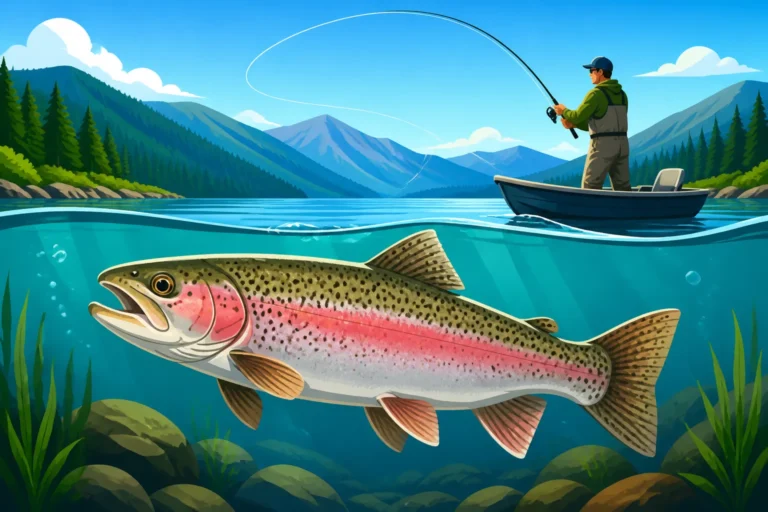
Steelhead are the sea-run form of rainbow trout. Juvenile steelhead, called smolts, head downstream in spring, pass through the dams on the lower Snake and Columbia, and enter the ocean. After feeding and growing at sea, adults return upriver, usually entering the Columbia in summer and reaching Idaho waters from late summer into fall. Many hold in Idaho rivers through the winter before spawning in spring.
That long holding period is great news for anglers. It means there are steelhead in Idaho rivers for many months of the year, from the first fall arrivals to the late winter and early spring fish moving toward their spawning areas. Our Idaho Steelhead Fishing Guide gives a broader overview of runs and destinations.
A-Run and B-Run Fish
Biologists and anglers often talk about A-run and B-run steelhead. A-run fish typically spend one year in the ocean and return at smaller sizes, often a few pounds to the high single digits. B-run fish usually spend two years at sea and return larger, sometimes well into the teens of pounds. The Clearwater River is especially famous for B-run steelhead, while the Salmon River sees large numbers of A-run fish along with some larger fish.
| Run Type | Typical Ocean Time | Typical Size Range | Well-Known Idaho Waters |
|---|---|---|---|
| A-run | About one year | Smaller, often 4 to 8 pounds | Salmon River, Snake River |
| B-run | About two years | Larger, often 10 pounds and up | Clearwater River and its tributaries |
These categories are generalizations. You will catch small fish in the Clearwater and big ones on the Salmon. But knowing the difference helps you set expectations and choose tackle.
Hatchery and Wild Fish
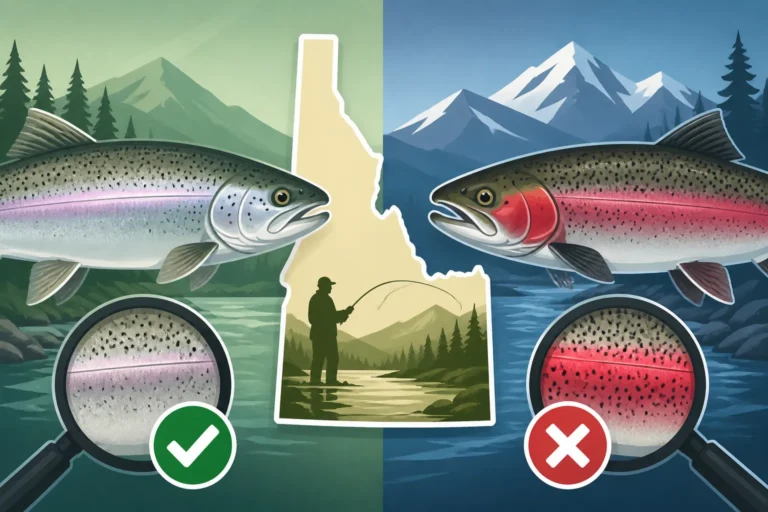
A large share of Idaho’s steelhead come from hatcheries, which were built partly to make up for losses caused by dams. Hatchery steelhead are marked by removing the small adipose fin on the back, between the dorsal fin and the tail. Wild steelhead keep their adipose fin intact. In Idaho, anglers may keep hatchery steelhead within legal limits, but wild steelhead must be released.
Learning to identify a clipped adipose fin quickly is one of the first skills every steelhead angler should master. Our How to Identify a Hatchery Steelhead guide shows what to look for, and Why Wild Steelhead Must Be Released in Idaho explains the conservation reasons behind the rule.
Licenses, Permits and Rules
Steelhead fishing in Idaho has more rules than most trout fishing. They protect wild fish, manage harvest of hatchery fish, and keep seasons open as long as possible.
What You Need Before You Fish
To fish for steelhead in Idaho, you generally need a valid Idaho fishing license and a salmon and steelhead permit. The permit includes a catch record where you write down each steelhead you keep. Prices and options differ for residents and nonresidents, and there are short-term options for visitors. Read Idaho Salmon and Steelhead Permit for details on what the permit covers.
| Requirement | Who Needs It | Key Points |
|---|---|---|
| Idaho fishing license | Nearly all anglers of license age | Resident and nonresident options |
| Salmon and steelhead permit | Anglers fishing for steelhead | Includes catch record for harvested fish |
| Catch record entries | Anyone keeping a steelhead | Record immediately after harvest |
| Barbless hooks | Steelhead anglers in most waters | Required to reduce harm to released fish |
Catch Records and Bag Limits
When you keep a hatchery steelhead, you must record it on your catch record right away, before continuing to fish. The details required usually include the date, river and location. Our How to Fill Out an Idaho Steelhead Catch Record Card guide walks through the process step by step.
Bag limits for steelhead are set each season and can change based on how many fish return. They include daily, possession and season limits, and they may vary by river or section. In years with low returns, Idaho Fish and Game has reduced limits, shortened seasons or closed certain sections. Always check the current rules before every trip.
Barbless Hooks and Fish Handling
Barbless hooks are generally required for steelhead fishing in Idaho. They make it easier to release fish quickly with less injury, which is especially important for wild steelhead. You can buy barbless hooks or simply pinch down barbs with pliers. Our Idaho Barbless Hook Requirements page explains which waters and species the rule covers.
When releasing a wild steelhead, keep it in the water as much as possible, avoid squeezing it, support it gently under the belly and near the tail, and let it swim away on its own. Avoid dragging fish onto rocks or dry ground.
Where to Fish for Steelhead in Idaho
Idaho has hundreds of miles of steelhead water. Some areas are famous for big fish, others for numbers, and others for scenery and solitude.
The Clearwater River
The Clearwater is Idaho’s most famous steelhead river, known especially for its large B-run fish. It flows west through north-central Idaho and meets the Snake River at Lewiston. Popular areas include the lower river near Lewiston, the stretch around Orofino, and the water near the confluence with the North Fork, home to a major hatchery.
The lower Clearwater is relatively accessible, with highway access, boat ramps and many bank fishing spots. It can be crowded during peak times, but it also produces some of the biggest steelhead in the state. Our Fishing the Clearwater River for Steelhead guide covers access points and seasonal patterns.
The Salmon River
The Salmon River is a long, wild river running through central Idaho, often called the River of No Return. Steelhead fishing on the Salmon ranges from the lower river near its confluence with the Snake, through the Riggins area, and upstream toward the Stanley basin. Each section has its own character, from big, roaring water downstream to smaller, clearer water higher up.
The Riggins area is a hub for steelhead anglers, with guides, lodging and plenty of access. Further upstream, spring fishing near hatchery release sites can be productive as fish move toward spawning areas. Our guide to The Best Section of the Salmon River for Steelhead discusses the pros and cons of each stretch.
The Snake River and Other Waters
The Snake River along the Idaho border, including stretches below Hells Canyon Dam, holds steelhead in fall and winter. Many anglers fish it by jet boat, though there is some bank access. The Little Salmon River and other tributaries also see steelhead runs, especially in spring, often with specific rules and seasons.
| River | Known For | Access Style | Peak Times |
|---|---|---|---|
| Clearwater | Large B-run fish | Bank and boat, highway access | Fall into winter, some spring |
| Salmon | Numbers, scenery, long river | Bank, drift boat, jet boat | Fall, late winter and spring |
| Snake | Big water, border river | Mostly boat, some bank | Fall and winter |
| Little Salmon | Smaller water, spring fish | Bank and roadside | Spring |
Seasons and Timing
Steelhead seasons in Idaho typically include a fall season and a spring season, with fish holding in rivers through the winter between them. Exact dates and rules vary by river and year.
Fall Steelhead
Fall is a favorite time for many anglers. Fish are fresh from the ocean, aggressive and bright. Water temperatures are cooling, and fish are moving upstream. Fall days are often pleasant, with crisp mornings and golden cottonwoods along the river.
In early fall, steelhead may be concentrated in lower river sections, gradually spreading upstream as the season progresses. They often hold in riffles, runs and tailouts, and they can respond well to a variety of techniques.
Winter Steelhead
As winter arrives, water temperatures drop and steelhead become less active. They tend to hold in slower, deeper runs and move less. Fishing can be slower, but dedicated anglers still catch fish, especially by slowing their presentations and fishing deeper. Our When Idaho’s Steelhead Season Runs Through the Winter guide explains how seasons and rules work during this period.
Winter fishing also brings cold, ice and snow. Dress in layers, use insulated waders and gloves, and watch for slick, icy rocks.
Spring Steelhead
In late winter and early spring, steelhead begin moving toward their spawning areas. Fish can show up in new locations, including tributaries and upper river sections. Some fish will be darker as they approach spawning, while others remain bright.
Spring can be a great time to fish, but rising water from snowmelt can make conditions unpredictable. Keep an eye on river flows and clarity, and be ready to adjust plans.
| Season | Water Temperature | Fish Behavior | Best Approach |
|---|---|---|---|
| Fall | Cooling | Active, moving, aggressive | Swinging flies, drift fishing, plugs |
| Winter | Cold | Sluggish, holding deep | Slow presentations, bobber and jig, bait |
| Spring | Warming, variable flows | Moving toward spawning areas | Covering water, fishing tributaries and upper sections |
Core Steelhead Techniques
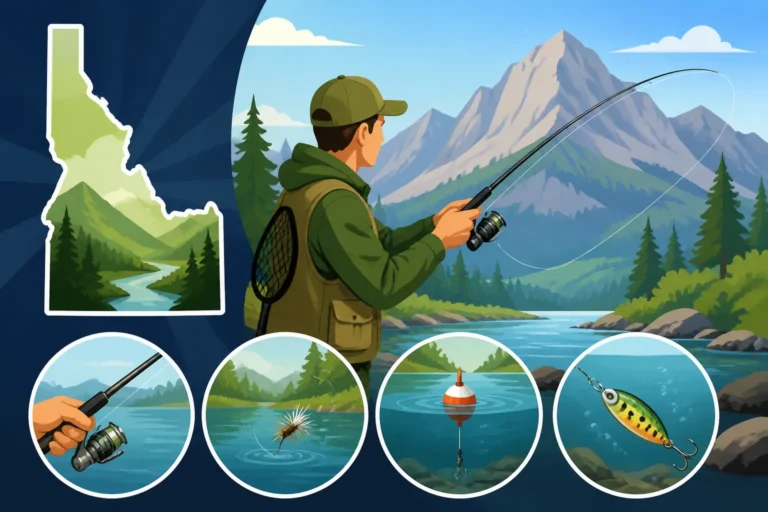
There is no single best way to catch steelhead. Idaho anglers use a range of methods depending on water type, season and personal preference.
Drift Fishing
Drift fishing involves casting a weighted line with a bait or lure upstream or across, then letting it bounce along the bottom with the current. The goal is to keep your offering near the bottom at roughly the same speed as the current, where steelhead often hold.
- Choose a run with moderate depth and current, often with some structure or seams.
- Rig a weight on your mainline, followed by a leader and a small drift bobber, yarn, bead or bait.
- Cast upstream and across, letting the rig sink and tick along the bottom.
- Follow the drift with your rod tip, keeping a slight bend to feel bites.
- Set the hook at any hesitation or unusual movement.
- Adjust weight until your rig touches bottom occasionally without snagging constantly.
Bobber and Jig
Bobber and jig fishing, also called float fishing, is a popular and effective technique for Idaho steelhead. A float suspends a small jig or bait at a set depth, drifting naturally with the current. When a steelhead takes the jig, the float dips or stops.
This method is especially useful in winter when steelhead are less active, and in water with many snags. Use a float that matches the weight of your jig, and set the depth so the jig drifts slightly above the bottom.
Plugs and Back-Trolling
Plug fishing involves using diving lures that wobble in the current. Anglers in drift boats often back-troll plugs, holding the boat in the current while letting plugs work downstream into holding water. This method can be very effective in fall when steelhead are aggressive.
Bank anglers can also fish plugs by casting across and letting them swing through runs. Many anglers buy plugs, spare hooks and split rings through Amazon or local tackle shops before the season, since having a few in different colors and sizes helps match changing water conditions. Our Best Drift Boat Techniques for Fast Water guide covers boat handling for plug fishing.
Fly Fishing and Swinging
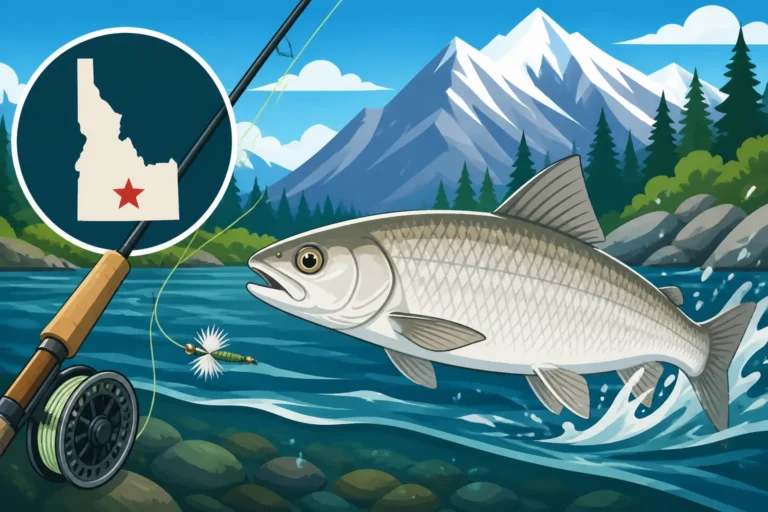
Swinging flies for steelhead is a classic approach. Anglers cast across the current and let the fly swing downstream in an arc, covering water methodically. Spey and switch rods are popular on bigger rivers like the Clearwater, while single-handed rods work well on smaller water.
Nymphing with indicators is another effective fly technique, especially in colder water. Popular flies include classic steelhead patterns, egg imitations and intruder-style flies. Our Best Flies for Idaho Steelhead page lists patterns that consistently work in Idaho rivers.
Gear and Tackle
Having the right gear makes steelhead fishing more effective, safer and more enjoyable. You do not need the most expensive equipment, but it should be reliable and suited to the water you fish.
Rods, Reels and Line
| Technique | Rod Type | Line | Notes |
|---|---|---|---|
| Drift fishing | 8 to 9.5 foot medium to medium-heavy spinning or casting rod | Mono or braid with mono leader | Sensitive tip for feeling the bottom |
| Bobber and jig | 9 to 11 foot spinning rod | Braid mainline with fluorocarbon leader | Longer rods help mend line |
| Plugs | 8 to 9 foot medium-heavy rod | Mono or braid | Rod should handle constant plug pull |
| Fly swinging | Spey or switch rod, or 7 to 8 weight single-hand | Floating or sink-tip lines | Match line to river and season |
Whatever you choose, match the reel to the rod and fill it with fresh line before the season; old, nicked line is how big fish get lost.
Terminal Tackle
Steelhead anglers use a lot of terminal tackle. Hooks, swivels, weights, beads, yarn, drift bobbers, jigs and floats all get lost to rocks and snags. Stocking up before the season saves trips to the store. Many anglers order bulk packs of barbless hooks, beads and jigs from Amazon, then supplement them with specialty items from local shops that know what is working on nearby rivers.
Waders, Clothing and Safety Gear
Comfort and safety are critical in cold, fast rivers. Use breathable waders in fall and insulated layers in winter, with a wading belt to keep water out if you slip. Felt or rubber soles with studs help on slick rocks, but check whether any regulations restrict felt soles to prevent spreading invasive species. A wading staff adds stability in fast water. Gloves, a warm hat, a waterproof jacket and hand warmers make winter days far more pleasant. Some anglers buy affordable wading staffs and hand warmers through Amazon so they can keep spares in the truck.
Reading Water and Finding Fish
Knowing where steelhead hold is just as important as how you present your lure or fly. Steelhead are travelers, and they use certain types of water to rest during their journey.
Runs, Riffles and Tailouts
Steelhead often hold in runs with steady, moderate current and depth. These areas give fish a comfortable place to rest while still providing oxygen and cover. Riffles, where water flows over rocks and becomes broken on the surface, can hold steelhead, especially in fall when fish are active. Tailouts, where a pool shallows before spilling into the next riffle, are classic spots for steelhead to rest after moving upstream.
Seams and Structure
Look for seams, where fast and slow currents meet. Steelhead often hold just inside the slower water, close to the faster current. Boulders, ledges and drop-offs create pockets of slower water where fish can rest. Learning to read these features will help you focus on the most productive parts of a run.
Adjusting to Flow and Clarity
Water levels and clarity change with rain, snowmelt and dam releases. Higher, off-colored water can push fish toward the edges and slower areas, and bright, larger lures or flies may work better. Low, clear water can make fish more cautious, calling for lighter leaders and subtler presentations. Check flow data before each trip and adjust your plan.
Common Mistakes and How to Fix Them
Most new steelhead anglers make the same handful of mistakes. The good news is that each one has a simple fix.
Fishing Too Shallow or Too Fast
Steelhead usually hold near the bottom, and they rarely chase a bait or lure that zips past them, especially in cold water. If you are not occasionally ticking bottom when drift fishing, or if your jig is riding several feet above the fish under a float, you are probably fishing over their heads. Add weight, lengthen the distance between float and jig, and slow the drift by mending line upstream. In winter, slow everything down further: smaller steps between casts, longer drifts and softer presentations.
Staying Too Long in One Spot
Steelhead are spread out and moving, and a run that held fish yesterday may be empty today. Instead of camping on one hole all morning, cover water. Make a few good drifts through each likely lie, take a step or two downstream, and repeat. When you find fish, slow down and work that area more thoroughly. Anglers who cover more productive water generally hook more fish.
Missing the Bite
Steelhead bites can be surprisingly subtle, especially in cold water. A float may simply pause, tilt or sink slowly. A drift rig may feel like it snagged a soft rock. When in doubt, set the hook. A firm, sweeping hook set downstream is better than a sharp upward jerk, which can pull the hook out of a fish facing upstream. Our How to Set the Hook on a Steelhead guide covers timing and technique.
Ignoring Conditions
Many trips are won or lost before you leave the house. A sudden rise in flow or a muddy rain event can shut a river down, while a drop and clear after a storm can turn it on. Check flow and weather data, and keep a backup river in mind. If the Clearwater is blown out, a tributary or a different section of the Salmon may still be fishable.
| Problem | Likely Cause | Fix |
|---|---|---|
| No bottom contact | Not enough weight | Add weight until you tick bottom occasionally |
| Constant snags | Too much weight or wrong water | Lighten up or switch to bobber and jig |
| Fish follow but do not bite | Presentation too fast or too big | Slow down, downsize, lighten leader |
| Missed takes | Late or weak hook set | Set firmly downstream at any hesitation |
| Long blank streaks | Fishing empty water | Cover more runs, move to a new section |
Fish Handling, Etiquette and Planning
Landing and Releasing Steelhead
When you hook a steelhead, keep steady pressure and let the fish run when it wants. Once you bring it close, use a rubber net or carefully tail it in the water. Check the adipose fin quickly to determine whether it is hatchery or wild. If wild, keep it in the water, remove the hook gently and support it until it swims away. If hatchery and you intend to keep it, record it on your catch record immediately.
River Etiquette
Steelhead rivers can be busy, especially in popular spots. Do not crowd other anglers. If someone is working a run, ask before stepping in, and usually start above or below them. Fly anglers swinging a run often move downstream a few steps after each cast; join the rotation rather than parking in one place. Be courteous to boaters, and avoid casting across someone else’s line.
Hiring a Guide
If you are new to steelhead fishing or to a particular river, hiring a guide can shorten the learning curve. Guides know the water, the techniques that are working and the best spots for each season. They also provide boats and gear, making it easier to focus on fishing and learning.
Planning Your First Steelhead Trip
- Choose a river and season that match your goals and experience.
- Buy your Idaho fishing license and salmon and steelhead permit.
- Read current regulations for your chosen river, including bag limits and barbless hook rules.
- Gather appropriate gear and terminal tackle.
- Check river flows and weather before you go.
- Start with a technique you are comfortable with, and learn others over time.
- Practice identifying hatchery and wild fish.
- Fish with respect for the river, the fish and other anglers.
Steelhead fishing in Idaho takes patience, but every fish is the end of a journey hundreds of miles long. When that float finally dives and a bright fish cartwheels across the Clearwater, all the cold mornings make sense.
Disclaimer
This article is for general informational purposes only and does not constitute professional advice. Laws, prices and regulations vary by location and change over time. Consult a qualified professional for guidance on your specific situation.