Why Lake Pend Oreille Grows Such Large Rainbow Trout
If you've ever heard tales of gigantic rainbow trout pulled from Idaho's Lake Pend Oreille, you might wonder what secret ingredient this sprawling northern lake holds. It’s not just a fishing legend; these fish are real, and their impressive size is a testament to a unique combination of genetics, a nutrient-rich environment, and dedicated fishery management. This guide will peel back the layers to explain exactly why Lake Pend Oreille is home to some of the largest rainbow trout you'll ever encounter.
The Unique Ecosystem of Lake Pend Oreille
Lake Pend Oreille isn't just any body of water; it's a colossal, deep, and complex ecosystem that provides the perfect backdrop for growing trophy-sized trout. Its distinct characteristics create a world where fish can thrive to an extent rarely seen elsewhere.
Deep, Cold Waters and Abundant Forage
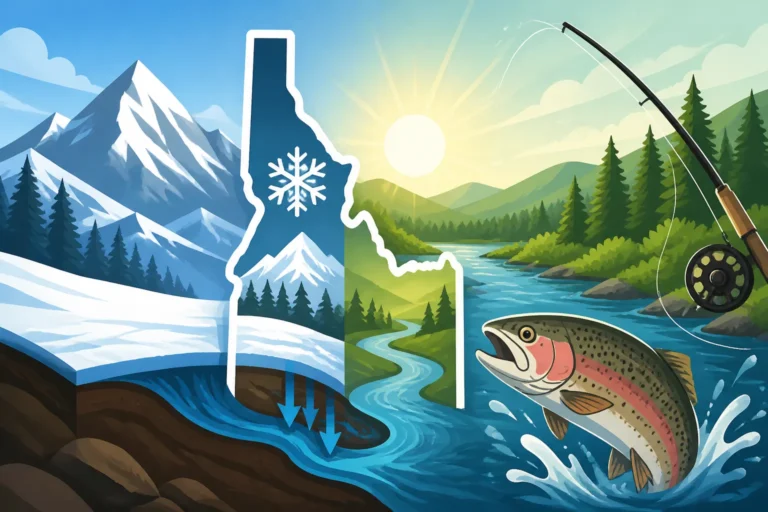
Imagine a lake so vast and deep that it feels like an inland sea. Lake Pend Oreille fits that description perfectly. It's the largest lake in Idaho, stretching over 43 miles long and reaching depths of more than 1,150 feet in some areas. These incredible depths mean the water stays exceptionally cold, even during the peak of summer. Trout, especially large rainbow trout, absolutely adore cold, oxygen-rich water. It's where they feel most comfortable, where their metabolism works efficiently, and where they can expend energy without overheating.
The sheer volume of water also provides an immense amount of habitat. This isn't a small pond where fish bump into each other; it’s an expansive territory where these powerful predators can roam freely, hunt effectively, and grow without the pressure of limited space. Furthermore, the extensive underwater topography, with its deep trenches, submerged islands, and steep drop-offs, creates diverse environments for both the trout and their prey. This complex structure offers ambush points for predators and hiding spots for forage, contributing to a robust food web that is critical for sustained growth.
The Legacy of the Gerrard Strain Rainbow Trout
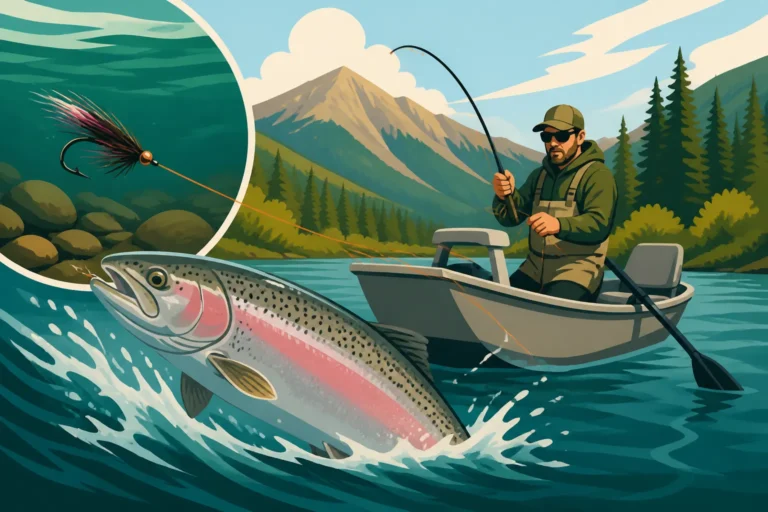
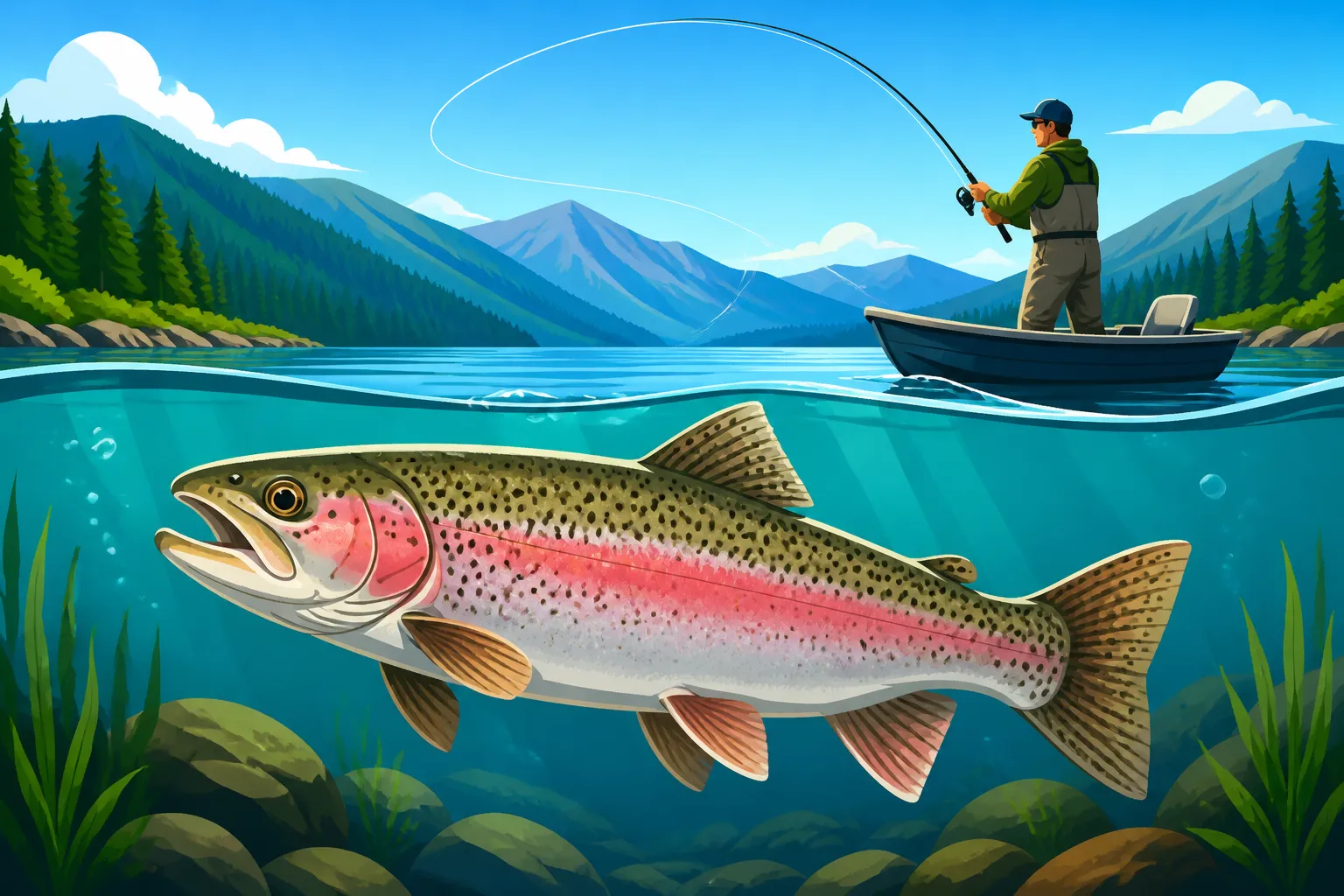
The story of Lake Pend Oreille's monster rainbow trout can't be told without mentioning the legendary Gerrard strain. These aren't just any rainbow trout; they are a distinct and remarkable lineage that originated from the Lardeau River system, a tributary to British Columbia's Kootenay Lake. The Gerrard rainbows are genetically predisposed to grow exceptionally large, a trait that makes them stand out from typical river-dwelling rainbow trout. They are highly migratory, often traveling vast distances within a large lake system, and are known for their predatory nature.
Beginning in the 1940s, Idaho Fish and Game recognized the potential of this strain for Lake Pend Oreille. They began a concerted effort to stock these trout into the lake, effectively introducing a "trophy gene" into the fishery. The idea was simple: combine a fish with the inherent ability to grow huge with a lake that offered the perfect conditions and an abundant food source. Over decades, these stocked Gerrard rainbows not only survived but thrived, adapting to the lake's unique environment and passing on their genetics to subsequent generations. This strategic stocking program has been a cornerstone of the lake's reputation for massive rainbows, creating a self-sustaining population that continues to impress anglers. If you're curious about different trout types, our comprehensive Idaho Rainbow Trout vs Steelhead, What's the Difference guide offers more insights.
A Forage Base Unlike Any Other
Even with the right genetics and perfect conditions, a fish can't grow to monstrous proportions without a virtually endless supply of high-quality food. This is where Lake Pend Oreille truly shines, offering a buffet that fuels the growth of its famous rainbow trout.
The Kokanee Connection
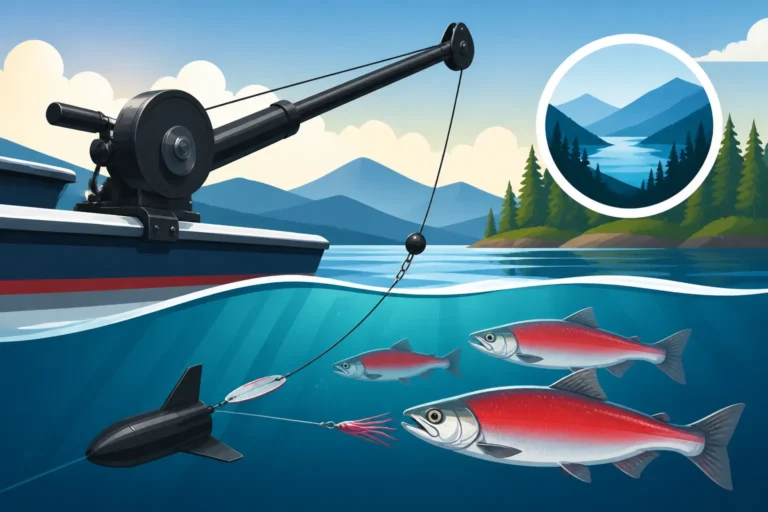
The undisputed heavyweight champion of the Lake Pend Oreille rainbow trout diet is the kokanee salmon. These landlocked sockeye salmon are small, schooling fish, incredibly rich in fats and protein, making them the perfect high-energy meal for a growing predator. Kokanee swim in massive schools, often found suspended in the open water column, making them a relatively easy target for opportunistic rainbow trout. Imagine an all-you-can-eat sushi bar, but instead of sushi, it's a school of thousands of nutrient-dense fish. That's essentially what kokanee offer to the rainbows.
Historically, Lake Pend Oreille experienced massive kokanee booms, providing an almost unlimited food source that allowed the Gerrard rainbows to pack on incredible weight. While kokanee populations can fluctuate dramatically due to various environmental factors and the pressure from predators like rainbows and chinook salmon, they remain a foundational part of the ecosystem. When kokanee numbers are high, the growth rates and overall size of the rainbow trout tend to soar. Conversely, when kokanee populations dip, trout might grow slightly slower or become more aggressive in seeking out other food sources. Understanding these dynamics is key to appreciating the complex food web at play. For anglers looking to target these silver treasures, our How to Troll for Kokanee on Lake Coeur d'Alene guide offers practical advice that can be adapted for Pend Oreille. You can find specialized kokanee trolling gear, like downriggers and specific lures, on platforms like Amazon to improve your chances.
Other Prey Species and Opportunistic Feeding
While kokanee are the primary diet, the rainbows of Lake Pend Oreille aren't picky eaters. Their opportunistic nature and the lake's diverse ecosystem mean they have a variety of backup food sources. Small baitfish like sculpins, found hiding among the rocky structures and deeper ledges, provide another rich source of protein. These bottom-dwelling fish are often overlooked but are a significant part of the diet, especially for larger trout holding in deeper areas.
Additionally, terrestrial and aquatic insects play a role, particularly for younger or smaller trout, or when large hatches occur. Even small invertebrates and crustaceans contribute to the overall biomass that these trout consume. As the trout grow larger, their diet shifts predominantly towards other fish, but they will still opportunistically feed on whatever is available. This adaptability ensures that even when one food source is less abundant, the trout can still find sustenance and continue their growth trajectory. Knowing what else these fish eat helps anglers select the Best Lures for Idaho Trout Fishing beyond just kokanee imitations.
Management Strategies and Angler Impact
The sheer size of Lake Pend Oreille's rainbow trout isn't purely a natural phenomenon; it's also a direct result of thoughtful and continuous management efforts by the Idaho Department of Fish and Game (IDFG), combined with the unique pressures and practices of the angling community.
Idaho Fish and Game's Role in a Thriving Fishery
Idaho Fish and Game plays an absolutely crucial role in maintaining and enhancing the trophy rainbow trout fishery in Lake Pend Oreille. Their efforts are multi-faceted, focusing on science-backed decisions to ensure the long-term health and productivity of this unique resource.
First and foremost are the stocking programs. While the Gerrard strain has established a wild population, IDFG often supplements this with additional stockings of rainbow trout, carefully selected for growth potential and genetic diversity. These stockings are not random; they are based on extensive research and monitoring to ensure they contribute positively to the fishery without overpopulating or stressing existing resources. If you're interested in where and when fish are stocked, reading the Idaho Fish Stocking Reports Explained can be very insightful.
Next are the harvest regulations. These are meticulously designed to protect the very largest fish, allowing them to reach their full trophy potential. Lake Pend Oreille often has special size limits and reduced bag limits specifically for rainbow trout, differing from general statewide rules. For example, there might be a one-fish limit for rainbows over a certain length, or a season in which only certain sizes can be kept. These regulations allow a significant portion of the population to grow to truly massive sizes, ensuring that the dream of catching a record-breaker remains alive for anglers. Familiarizing yourself with these specific rules is vital, and our guide on Idaho Fishing Regulations Explained is a great starting point, though always check the most current IDFG proclamation for Pend Oreille.
Finally, IDFG conducts extensive research and monitoring. Biologists regularly study the lake's ecosystem, tracking kokanee populations, rainbow trout growth rates, and overall fish health. This data-driven approach allows them to adapt management strategies as needed, responding to changes in the environment or fish populations. This proactive management is what truly sets Lake Pend Oreille apart, ensuring it remains a world-class fishery for years to come. Specialized tools for monitoring and data collection can often be found on platforms like Amazon, demonstrating the blend of science and consumer access to fishing tech.
Angler Techniques and the Pursuit of Giants
The anglers themselves contribute significantly to the legend and reality of Lake Pend Oreille's large rainbow trout. Catching these giants often requires specialized techniques and equipment, a commitment that speaks to the allure of these fish.
One of the most prevalent techniques for targeting large rainbows on Lake Pend Oreille is trolling. This involves covering vast expanses of water from a boat, typically using downriggers to get lures and baits down to the specific depths where kokanee (and thus, large rainbows) are holding. Anglers might run multiple lines at different depths, using a variety of spoons, plugs, or even bait like herring or anchovies, often dyed and scented. The gear involved is robust: heavy-duty rods, large capacity reels, and strong lines are essential to handle the powerful runs of a 20+ pound rainbow. Our Idaho Trolling Techniques Guide delves deeper into these methods.
The pursuit of these large trout also fosters a culture of conservation and respect within the angling community. Many anglers, especially those targeting the largest fish, practice catch-and-release, carefully handling and returning trophy-sized rainbows to the water. This practice, combined with responsible adherence to regulations, helps sustain the population of big fish. The constant effort by anglers to understand the lake, its fish, and the best ways to catch them – often through trial and error, shared knowledge, and even competitive derbies – elevates the fishery and ensures its continued fame. You can find a wide array of specialized trolling lures, rod holders, and other essential equipment on Amazon, making it easier for anglers to equip themselves for the challenge. If you're considering a trip, learning about Best Fishing Guides in Idaho could also be beneficial for insights into local techniques.
Here’s a quick comparison of factors influencing trout growth in Lake Pend Oreille versus a typical Idaho trout stream:
| Feature | Lake Pend Oreille (Trophy Rainbows) | Typical Idaho Trout Stream |
|---|---|---|
| Water Body Size | Massive, very deep (1,150+ ft) | Smaller, shallower, faster flowing |
| Primary Forage | Abundant, lipid-rich Kokanee salmon | Insects, small minnows, crustaceans |
| Trout Strain | Predominantly Gerrard strain (genetically large) | Native cutthroat, stocked rainbows (smaller strains) |
| Water Temperature | Consistently cold at depth | Fluctuates more with seasons/daylight |
| Growth Potential | Extremely high (20+ lbs common) | Moderate (up to 2-5 lbs generally) |
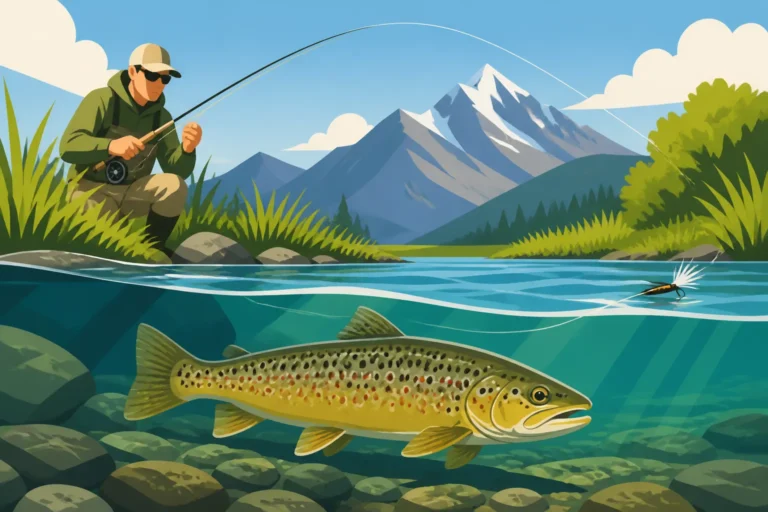
| Angling Techniques | Specialized trolling with downriggers | Fly fishing, spin fishing, bait fishing |
| IDFG Management Focus | Trophy fish regulations, kokanee management | General stocking, habitat restoration |
In conclusion, Lake Pend Oreille is a true anomaly, a perfect storm of environmental conditions, superior genetics, and dedicated management that culminates in a world-class trophy rainbow trout fishery. The massive, deep, and cold waters, combined with an unrivaled kokanee forage base, provide the ideal growth chamber. Add to that the strategic stocking of the legendary Gerrard strain and Idaho Fish and Game's commitment to protective regulations and scientific monitoring, and you have all the ingredients for these incredible fish. Anglers, with their specialized techniques and conservation ethics, complete the picture, making the pursuit of these giants a cornerstone of Idaho's fishing heritage.
Disclaimer
Please remember that fishing regulations, seasons, and fish stocking reports can change. Always consult the latest Idaho Fish and Game regulations before planning your trip to Lake Pend Oreille or any other Idaho waters. This information is for general guidance and educational purposes only.