Best Idaho Fishing Techniques for Beginners
Stepping into the world of Idaho fishing can feel a lot like trying to decipher an ancient map written in a foreign language. There are so many rivers, lakes, species, and rules that it's easy to get discouraged before you even cast a line. This guide is here to cut through all that noise, providing clear, actionable advice on the best beginner-friendly techniques so you can confidently land your first fish and truly enjoy Idaho's incredible waters.
Gearing Up Without Getting Overwhelmed
One of the biggest hurdles for new anglers is feeling like you need a whole sporting goods store's worth of equipment just to get started. The truth is, you don't. For beginners, simplicity is your best friend. Focusing on a few versatile, easy-to-use items will get you on the water faster and without breaking the bank.
Choosing Your First Rod and Reel Combo
When you're just starting, the thought of matching rods to reels, considering different weights and actions, can make your head spin. But trust me, it doesn't have to be that complicated. For most general fishing in Idaho, especially for panfish or stocked trout, a medium-light or medium action spinning rod, around 6 to 7 feet long, paired with a matching spinning reel (sizes 2000-3000 are good all-rounders), is perfect.
This setup is incredibly versatile. It's light enough to feel those gentle bites from a trout but strong enough to handle a feisty bass. You can find excellent beginner combos at most sporting goods stores or even on platforms like Amazon that come pre-spooled with line, saving you another step. Look for brands like Ugly Stik or Shakespeare for durable, affordable options that can take a bit of beginner abuse. The goal here is comfort and ease of use, not professional-grade precision.
Essential Terminal Tackle and Line
Terminal tackle refers to all the bits and pieces at the end of your fishing line: hooks, weights, and bobbers. For line, a 6 to 8-pound monofilament or fluorocarbon line is a great starting point for beginners. It's strong enough for most Idaho freshwater species, relatively easy to tie knots with, and less prone to tangles than some other line types.
When it comes to hooks, a variety pack of bait-holder hooks in sizes 6, 8, and 10 will cover most small to medium fish. For weights, an assortment of split shot sinkers will let you adjust how fast your bait sinks. And bobbers are a must-have for visual bite detection – grab a few small to medium-sized clip-on bobbers. With just these few items, you'll be rigged and ready for many different scenarios. Remember, you don't need a tackle box overflowing with gear; a small selection of essentials is more than enough for initial success.
Navigating Fishing Licenses and Basic Regulations
Before you even think about casting, you absolutely need to understand the rules of the road – or, in this case, the water. Every angler over the age of 14 needs an Idaho fishing license. It's not just a formality; it's a legal requirement and directly supports fish and wildlife conservation efforts across the state. Trust me, the Idaho Fish and Game conservation officers are out there, and they take these regulations seriously.
The easiest way to get your license is often online through the Idaho Fish and Game website. You can also pick one up at many sporting goods stores or other license vendors. Check out our guide on how to buy an Idaho fishing license for a detailed walkthrough. Beyond the license, familiarize yourself with basic statewide rules. These include things like bag limits (how many fish you can keep), possession limits (how many you can have on hand), and general gear restrictions. For a deeper dive into the specifics, our comprehensive Idaho Fishing Regulations Explained article is a great resource. Ignorance of the rules is not an excuse, and a violation can quickly turn a fun day into a costly one.
Spin Fishing Fundamentals: Your First Steps
Spin fishing is hands-down the most popular and easiest technique for beginners to learn, and for good reason. It’s versatile, effective, and doesn’t require a huge investment in specialized gear. If you’re looking to get started quickly and catch fish, this is where you should begin.
Mastering the Basic Cast
The most intimidating part of spin fishing for many newcomers is the cast itself. But with a little practice, it becomes second nature. Start by finding an open area, perhaps your backyard, without any overhead obstructions. Hold your rod with the reel stem between your middle and ring fingers. Press the line against the rod handle with your index finger and then open the bail of your spinning reel.
Next, bring the rod up and slightly back, aiming for about the 10 o’clock position (if your cast is forward toward 12 o'clock). In a fluid motion, snap the rod forward towards your target, releasing your index finger just as the rod reaches about the 1 o’clock position. The weight of your bait or lure will carry the line. It's all about smooth motion and timing. Don't try to muscle it; let the rod do the work. Practice this motion repeatedly without a hook, perhaps using a small practice weight or a piece of rubber tied to your line, until you can consistently hit a target area. It's amazing how quickly you'll build muscle memory.
Reading the Water for Likely Fish Spots
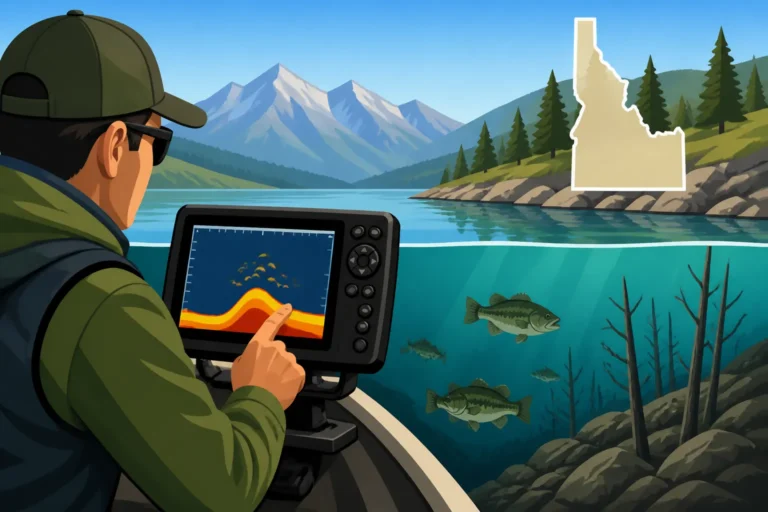
Successfully catching fish isn't just about casting; it's about casting to where the fish actually are. For beginners, this might seem like a mystical art, but it's really about common sense and observation. Fish, like us, seek comfort and food. Look for areas with structure: submerged logs, rocks, weed beds, or even changes in the bottom contour. These spots offer cover from predators, breaks from current, and often concentrate baitfish.
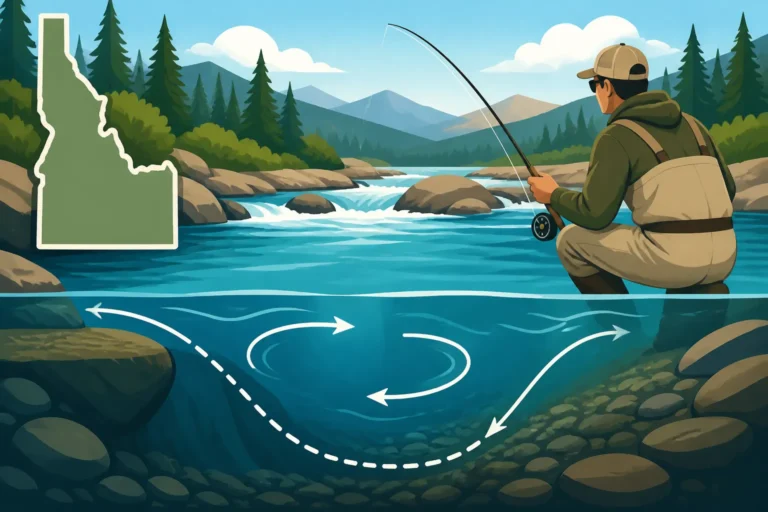
On rivers and streams, look for slower eddies behind rocks, deep pools, or the seams where fast water meets slower water. Fish often sit just out of the main current, waiting for food to drift by. On lakes and ponds, target areas around docks, submerged timber, or points where the bottom drops off. Even seemingly featureless banks can hold fish if there's a slight drop-off or some cover. Don't be afraid to move around and try different spots until you find where the fish are holding. Our guide on How to Read a Riffle on an Idaho River offers some great insights into understanding river dynamics.
Setting the Hook and Reeling in Your Catch
Feeling a bite is one of the most exciting moments in fishing, but knowing how to react is crucial. When you feel a tug or see your bobber go down, resist the urge to immediately yank the rod back. Instead, wait a second to ensure the fish has the bait firmly in its mouth. Then, make a swift, upward motion with your rod tip – this is called "setting the hook." It's not a huge, violent heave, but a firm, decisive lift to embed the hook.
Once the hook is set, keep your rod tip up, maintaining a slight bend in the rod. This bend acts as a shock absorber, preventing the line from snapping. Begin reeling in with a steady retrieve, keeping constant pressure on the fish. If the fish pulls hard, let the drag on your reel do its job – it's designed to let line out under pressure, preventing breaks. Pump the rod by lifting the tip to gain line, then lower it while reeling in the slack. Don't crank too hard or too fast; let the fish tire itself out. Landing your first fish is an incredible feeling, and practicing these steps will make it a regular occurrence.
Bait Fishing Simplicity: Natural and Effective
For many new anglers, especially those fishing with kids, bait fishing is the ultimate beginner-friendly technique. Why? Because live bait appeals to nearly every fish, and it’s often what they’re already eating naturally. It removes some of the finesse required for lure fishing and can lead to more consistent bites, which is incredibly encouraging for someone just starting out.
The Power of Worms and Other Natural Baits
When it comes to natural baits, good old worms are king. Nightcrawlers or red wigglers are readily available at bait shops, many gas stations, or even in your backyard after a rain. Fish love them. Thread a worm onto a small hook, ensuring part of it dangles enticingly. The wiggling action is irresistible to trout, bass, perch, and countless other species.
Beyond worms, there are other natural options that work wonders. Corn, especially canned sweet corn, is a fantastic bait for stocked trout and panfish. Just thread a few kernels onto a small hook. PowerBait, a dough-like trout bait, is another beginner favorite for stocked waters. It comes in various colors and scents and is designed to attract hatchery-raised trout. Crickets and grasshoppers can be deadly for panfish and smaller trout, especially in warmer months. The key is to present these baits naturally, allowing them to drift or sit where fish are likely to feed. For an even deeper look, explore our Best Bait and Lures for Idaho Fishing guide.
Simple Rigging with a Bobber or Bottom Rig
There are two primary ways to present natural bait for beginners: with a bobber or with a simple bottom rig. The bobber rig is perhaps the easiest to set up and visualize. You simply attach a bobber to your line, usually a foot or two above your hook, with a small split shot weight placed a few inches above the hook to help the bait sink.
This setup allows your bait to suspend at a predetermined depth, making it perfect for targeting fish in shallower water or over weed beds. When a fish bites, the bobber dips or goes completely underwater, giving you a clear visual cue. A simple bottom rig, on the other hand, involves tying your hook to the end of your line and then pinching a split shot or sliding an egg sinker a foot or so up the line, above the hook. This rig keeps your bait on the bottom, which is effective for species like catfish or larger trout that often feed on the riverbed or lake floor. Both are incredibly effective and easy to master for a first-time angler.
Fishing Stocked Ponds and Lakes for Easy Success
Idaho Fish and Game does an incredible job stocking numerous lakes and ponds across the state, specifically to create easily accessible fishing opportunities, especially for families and beginners. These "put-and-take" fisheries are often teeming with rainbow trout, and because these fish are raised in hatcheries, they are typically less wary and more eager to bite than their wild counterparts.
For many, these stocked waters are the ideal place to experience the thrill of catching a fish. Places like Quinn's Pond in Boise, Hyde Park Pond in Pocatello, or various community fishing ponds are perfect examples. You can often find detailed stocking reports on the Idaho Fish and Game website, which will tell you when and where fish have recently been introduced. Targeting these locations with corn, PowerBait, or worms is one of the quickest ways to guarantee a bend in your rod and a smile on your face. This is truly the Easiest Fish to Catch for Beginners and builds confidence fast.
Lure Fishing for Action: Ditching the Bait
While bait fishing is fantastic for beginners, learning to cast and retrieve lures opens up a whole new world of active fishing. Lure fishing allows you to cover more water, target different species with specific presentations, and often results in more exciting, aggressive strikes. It’s a rewarding step up from passive bait fishing.
Beginner-Friendly Lures: Spinners and Spoons
Forget the complex jigs and crankbaits for now. For lure fishing, start with two classics that have stood the test of time: spinners and spoons. Spinners, like the Panther Martin or Mepps Aglia, are designed to create flash and vibration in the water, mimicking small baitfish or insects. They are incredibly effective for trout, perch, and smallmouth bass. Simply cast them out and reel them in at a steady pace – the blade does all the work.
Spoons, like the Kastmaster or Dardevle, are also excellent. Their wobbling action when retrieved resembles a wounded baitfish, making them irresistible to predatory fish. Cast a spoon out, let it sink for a few seconds (depending on depth), and then reel it in with a slow, steady retrieve, perhaps adding a twitch or pause now and then to mimic injured prey. You can find a huge variety of these simple lures on Amazon, making it easy to experiment with different colors and sizes. These lures are fantastic because their inherent action does most of the work for you, requiring minimal retrieve manipulation from the angler.
Simple Retrieve Techniques for Success
The beauty of beginner lures is that they don't demand intricate retrieves. For most spinners, a simple, steady retrieve is all you need. The speed can vary; sometimes faster works, sometimes slower. Experiment until you find what the fish prefer on a given day. You’ll feel the spinner’s blade rotating through the water, a subtle vibration in your rod. If that vibration stops, check your lure – it might have picked up a weed or, even better, a fish!
For spoons and small jerkbaits, a steady retrieve with occasional pauses or twitches can be very effective. This stop-and-go action often triggers a strike from a fish that was just following the lure. Think about how a wounded baitfish might behave. The key is to keep the lure moving and looking natural. Don't be afraid to try different speeds and depths until you figure out the pattern. Sometimes, just changing your retrieve speed by a hair can make all the difference.
Matching Lures to Target Species
While many lures are versatile, understanding which lures excel for specific species can boost your success. For stocked rainbow trout, small inline spinners (sizes 0-2) in silver, gold, or brass are often deadly. Little spoons in similar metallic colors also perform well. For smallmouth bass, which are found in many Idaho rivers like the Snake River, larger spinners, small crankbaits (even simple ones are good for beginners), or soft plastic worms rigged on a jig head can be very effective.
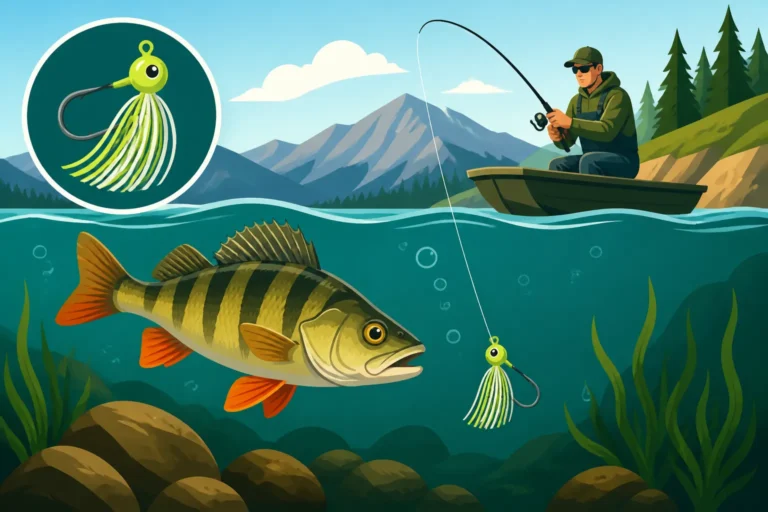
If you're after panfish like perch or bluegill, tiny spinners or micro-jigs (small weighted hooks with soft plastic bodies) are perfect. These require light line and a gentle touch, but they can be incredibly fun to catch. The important thing is to match the size of your lure to the size of the fish you're targeting and to what they're naturally feeding on. Don't throw a huge bass lure if you're hoping for small trout. This strategic matching is a fundamental concept that will serve you well as you gain experience.
Easy-Access Fishing Spots for Newbies
Idaho is blessed with an incredible diversity of waters, from vast lakes to meandering rivers and countless high mountain streams. But for a beginner, knowing where to start without feeling intimidated or overwhelmed can be tough. The good news is, there are plenty of fantastic, accessible spots designed for anglers of all skill levels.
Community Fishing Ponds and Urban Waters
Many Idaho cities and towns boast dedicated community fishing ponds that are perfect for beginners. These ponds are often regularly stocked by the Idaho Department of Fish and Game, making success rates high, especially for rainbow trout. They typically have easy access, paved parking, restrooms, and sometimes even fishing piers, making them ideal for families or those with mobility challenges.
Examples include Esther Simplot Park in Boise, Dierkes Lake in Twin Falls, or Becker Pond in Caldwell. These urban oases are incredibly convenient and remove many of the logistical challenges of a remote fishing trip. The fish in these ponds are often less wary, making them excellent places to practice your casting, test out new baits, and experience the thrill of a catch without battling crowds or challenging terrain. This is where Idaho Fishing Rules for Kids and Families are often designed to be very accommodating.
Shore Fishing Opportunities on Lakes and Rivers
You don't need a fancy boat or even a kayak to enjoy some fantastic fishing in Idaho. Many of the state's larger lakes and rivers offer abundant shore fishing opportunities, allowing you to walk right up to the water's edge and cast. Lake Coeur d'Alene, for example, has numerous public access points and parks where you can cast for kokanee or rainbow trout from shore. The Boise River, flowing right through the state's capital, provides excellent urban fishing for trout and bass from its greenbelt path.
When choosing a shore spot, look for areas with clear access to the water, where you can safely cast without snagging trees behind you. Pay attention to structure like submerged rocks, fallen trees, or even changes in water depth near the bank, as these are prime fish holding areas. Being able to access great fishing without needing a vessel means you can get out more often and truly hone your skills. Our article Idaho Waters You Can Fish Well from Shore offers even more prime locations.
Idaho Waters with Year-Round Accessibility
One of the great things about fishing in Idaho is that it's often a year-round sport, even for beginners. While some specific seasons close or change, many general regulation waters remain open throughout the colder months, offering unique opportunities like ice fishing or cold-weather river angling. This means you don't have to pack away your gear just because summer is over.
For instance, many community ponds and sections of larger rivers, like parts of the Snake River or the lower Boise River, stay open year-round, often providing surprising action even in winter. Ice fishing, a popular winter pastime, can be incredibly beginner-friendly on lakes like Cascade Reservoir or Horsethief Reservoir, where perch and trout are abundant. Just be sure to check ice safety conditions! Having these options means you can practice and enjoy fishing whenever the mood strikes, turning it into a consistent hobby rather than just a seasonal one.
Understanding Idaho's Calendar: When and Where to Start
Idaho's fishing opportunities can change dramatically with the seasons. What works well in spring might not be effective in summer, and vice versa. As a beginner, understanding these general patterns can save you a lot of frustration and significantly increase your chances of success. It's about being in the right place at the right time with the right technique.
Spring Fishing: Post-Thaw Opportunities
As the snow melts and ice recedes, spring brings a renewed energy to Idaho's waters. For beginners, this can be a fantastic time to hit the low-elevation lakes and ponds that are the first to thaw. Fish that have been dormant under the ice become more active, feeding aggressively after a long winter. This is often when Idaho's Trout Season Opening Weekend occurs for many waters, drawing crowds but also ensuring good numbers of active fish.
Targeting stocked trout in these accessible waters with PowerBait, worms, or small spinners can lead to quick action. Rivers, however, can be challenging in early spring due to high, muddy "runoff" conditions from snowmelt, which can make fishing difficult. It’s often best to stick to lakes and ponds initially during this period until river levels stabilize and clear up. Early spring days can be chilly, so remember to dress in layers!
Summer Fishing: Warm Waters and Diverse Species
Summer in Idaho means warm weather and a wide array of fishing possibilities. While some trout species might head to deeper, cooler waters, many other fish become very active. This is prime time for species like smallmouth bass in rivers such as the Snake River and Clearwater River, or largemouth bass and panfish in warmer lakes and reservoirs like C.J. Strike Reservoir or Lake Lowell.
For beginners, summer offers abundant opportunities for shore fishing at various parks and reservoirs. Simple spinnerbaits or plastic worms for bass, or even just a bobber and worm for panfish, can yield great results. High mountain lakes, once inaccessible due to snow, become prime destinations for cutthroat trout, offering a beautiful setting for a hike-in fishing adventure. Remember that bright, sunny days might push fish into deeper, shadier areas, so early morning or late evening often prove more productive.
Fall Fishing: Cooler Temps and Active Fish
As autumn paints the landscape in vibrant hues, fishing can enter one of its most productive phases. The cooling water temperatures invigorate fish, causing them to feed heavily in preparation for winter. This means many species become more aggressive and easier to catch. Fall is often considered a fantastic time for trout fishing across Idaho, as these fish become less lethargic.
Rivers like the Boise River or the South Fork of the Snake River can offer excellent trout fishing opportunities using small spinners, flies, or worms. It's also a prime season for targeting larger anadromous species like steelhead in rivers like the Clearwater River and Salmon River, though these require specialized techniques and permits, so it might be something to work up to after gaining more experience. For the beginner, focusing on trout in local rivers or lakes with spinners and bait can be very rewarding.
Winter Fishing: Ice and Open Water Opportunities
Don't let the cold keep you indoors! Idaho offers plenty of winter fishing, especially if you're willing to try ice fishing. Lakes like Cascade Reservoir, Priest Lake, and Payette Lake become popular spots for perch, trout, and even tiger muskie once the ice is thick enough. Ice fishing involves drilling a hole, dropping a line, and jigging a small lure or bait. It's a surprisingly social and fun activity, and beginner-friendly, especially if you go with someone experienced.
For those who prefer open water, many of Idaho's larger rivers and tailwater fisheries remain ice-free and fishable year-round. While the bite can be slower, determined anglers can still find success, often targeting trout with small jigs, worms, or even tiny flies. Remember to bundle up with warm, waterproof layers, and always prioritize safety on the ice. Understanding these seasonal shifts helps you plan your trips and manage expectations, ensuring a more enjoyable experience regardless of the time of year.
Table of Beginner-Friendly Idaho Fish and Techniques
To help you get started, here's a quick reference guide for some of the most accessible fish species in Idaho and the simplest techniques to catch them. This isn't exhaustive, but it covers the common targets for new anglers.
| Fish Species | Primary Location Type | Best Beginner Technique | Recommended Baits/Lures | Key Tip for Beginners |
|---|---|---|---|---|
| Rainbow Trout | Stocked Ponds, Small Lakes, Rivers | Bait Fishing (Bobber or Bottom) | PowerBait, Worms, Corn, Small Spinners (Mepps, Panther Martin) | Check Idaho Fish Stocking Reports Explained for recent stocking locations. |
| Yellow Perch | Lakes, Reservoirs (e.g., Lake Coeur d'Alene, Cascade Reservoir) | Bait Fishing (Bobber) or Jigging | Small Worms, Crappie Jigs, Cut Bait, Maggots | Look for schools in moderate depths, often near drop-offs or structure. |
| Bluegill / Panfish | Small Ponds, Warm Lake Coves | Bait Fishing (Bobber) | Small Worms, Crickets, Bread, Small Poppers (fly fishing) | Fish tight to cover like docks, lily pads, or submerged brush. |
| Smallmouth Bass | Rivers (e.g., Snake River, Clearwater River) | Lure Fishing (Spinning) | Inline Spinners, Small Crankbaits, Soft Plastic Grubs/Worms | Cast near current breaks, rocky areas, and submerged structure. |
| Cutthroat Trout | Mountain Streams, High-Elevation Lakes | Bait Fishing (Bottom) or Lure (Spinning) | Worms, Grasshoppers, Small Spinners, Dry Flies (simple patterns) | Be stealthy in smaller streams; don't spook them with heavy footsteps. |
Keeping It Safe and Sustainable on the Water
As you embark on your Idaho fishing adventures, it's not just about catching fish – it's also about being a responsible angler. This means respecting the environment, understanding local regulations, and practicing good fish handling to ensure the health of Idaho's aquatic ecosystems for years to come.
Practicing Catch and Release Effectively
Catch and release is a vital practice, especially when fishing for protected species or when you've already reached your bag limit. The goal is to release the fish unharmed so it can swim away and contribute to the population. When practicing catch and release, handle the fish as little as possible. If you must touch it, wet your hands first to protect the fish's protective slime coat.
Avoid touching the gills or eyes. Use needle-nose pliers or a hook remover to quickly extract the hook, especially if it's deeply set. Barbless hooks can make this process much easier and are often required in certain waters, particularly for species like sturgeon. If the fish appears stressed, hold it gently in the water, facing into the current, until it regains its strength and can swim away on its own. Remember, the fish’s survival is in your hands.
Basic Water Safety and Etiquette
Water safety is paramount, whether you're fishing from shore or a boat. Always let someone know where you're going and when you expect to return, especially if you're heading to a more remote location. Wear a life jacket if you're on a boat, kayak, or float tube, and consider one even when bank fishing near deep or swift water. Be aware of your surroundings, including weather changes, slippery banks, and other water users.
Beyond safety, practicing good etiquette makes the experience better for everyone. Give other anglers plenty of space; don't crowd someone's fishing spot. Pack out everything you pack in – leave no trace. If you see trash, consider picking it up. Being respectful of fellow anglers and the environment ensures that Idaho's beautiful waters remain enjoyable and pristine for all.
Understanding and Respecting Idaho's Fishing Regulations
We've touched on licenses, but diving a bit deeper into the regulations is crucial for a sustainable and legal fishing experience. Idaho's fishing regulations can be complex, often varying by water body, species, and time of year. Things like Idaho Catch Limits and Bag Limits Explained or Idaho Barbless Hook Requirements are specific rules that must be followed.
Before each trip, grab the current Idaho Fishing Seasons & Rules brochure, available online or at license vendors. Pay close attention to any special regulations for the specific lake, river, or even section of a river you plan to fish. For instance, some waters are "catch-and-release only" or have restrictions on bait types. These rules are put in place for a reason – to protect fish populations and ensure healthy fisheries. As a beginner, committing to understanding and following these rules is the mark of a truly responsible angler.
Disclaimer
The information provided in this guide is for general informational purposes only and is subject to change. Always consult the most current official Idaho Fish and Game regulations and advisories before heading out to fish. Fishing conditions can vary significantly, and personal safety should always be your top priority.