Best Technique for Fishing a New Idaho Lake You’ve Never Tried
Stepping up to a new lake in Idaho can feel like a grand adventure, but it often comes with a dose of overwhelm. You're staring at acres of water, wondering where to even cast a line, what species might be biting, and if your usual tricks will even work here. This comprehensive guide is all about equipping you with a systematic, smart approach to break down those unknowns and confidently tackle any unfamiliar Idaho lake, ensuring you spend less time guessing and more time reeling in fish.
Understanding the Challenge of a New Idaho Lake
That moment when you arrive at a sprawling, unknown body of water can be both exciting and daunting. You've heard whispers of big trout or feisty bass, but where are they? How do you catch them? The sheer vastness and the absence of familiar landmarks or tried-and-true spots can make even the most seasoned angler feel a little lost. It's a universal struggle, really, but one that can be overcome with a bit of strategy.
The "Blank Slate" Feeling
Imagine pulling up to the boat launch at Lake Coeur d'Alene for the very first time, or perhaps a remote high mountain lake in the Sawtooths that you hiked into. There are no familiar points of reference, no "honey holes" whispered by friends, and certainly no immediate understanding of the bottom structure or fish patterns. This "blank slate" feeling can lead to aimless casting, frustration, and ultimately, a less productive day on the water. It's easy to fall into the trap of just tossing out your favorite lure and hoping for the best, but that's rarely the most effective strategy when you're exploring new territory.
This initial sense of being overwhelmed is perfectly normal. Idaho boasts an incredible diversity of lakes, from vast, deep glacial lakes to shallow, weedy reservoirs and tiny alpine gems. Each one is its own ecosystem with unique characteristics, and what works wonders on one might be completely ineffective on another. Instead of letting this feeling paralyze you, embrace it as an opportunity for discovery and an exciting challenge to sharpen your angling instincts.
The goal isn't to instantly find the "best" spot, but to develop a methodical approach to gather information and make informed decisions, transforming that blank slate into a detailed fishing map in your mind. This process is part of the true joy of fishing—the puzzle-solving, the observation, and the eventual reward of cracking the code.
Hidden Variables and Unknowns
Beneath the shimmering surface of any new Idaho lake lie countless hidden variables that influence fish behavior. What kind of forage is available? Are there deep thermal layers (thermoclines) where fish prefer to hang out? What does the bottom look like—is it rocky, silty, weedy, or full of submerged timber? What about currents, especially in larger reservoirs fed by rivers like American Falls Reservoir? These aren't things you can see from the shore, but they are absolutely critical to understanding where fish might be holding and what they might be feeding on.
Beyond the physical structure, there's the biological aspect. What are the predominant fish species? Are they active predators like rainbow trout and smallmouth bass, or more sedentary bottom feeders? Are there specific hatches of insects that draw fish to the surface, or baitfish schools that attract larger predators? Each species has its preferred habitat, depth, and feeding patterns, and without prior knowledge, you're essentially fishing blind.
Consider also the seasonal and daily fluctuations: water temperature, clarity, wind, cloud cover, and even barometric pressure can shift fish activity. A clear, calm day might call for subtle presentations, while a choppy, overcast day could mean aggressive retrieves with noisy lures. The challenge is not just in identifying where the fish are, but why they are there and how to entice them given the conditions.
Pre-Trip Reconnaissance: Your Secret Weapon
Before you even tie a knot or load your gear, the most effective technique for fishing a new Idaho lake begins long before you arrive at the water's edge. Think of it as detective work, gathering clues and building a hypothesis about where the fish might be. This pre-trip reconnaissance can dramatically increase your chances of success and turn a potentially frustrating outing into a productive one.
Mapping and Satellite Imagery
In this modern age, detailed maps and satellite imagery are goldmines for anglers. Start by exploring bathymetric (depth contour) maps of the lake. These maps, often available online or in physical form, reveal underwater structures like drop-offs, humps, points, submerged islands, and old river channels that are invisible from the surface. Fish, especially predatory species, love structure because it provides cover, ambush points, and access to varying depths and food sources. A deep trench running through a flat, shallow bay, for instance, could be a highway for fish moving between feeding grounds and deeper, cooler water.
Satellite imagery, like what you find on Google Maps or specialized fishing apps, can show you shorelines, prominent points, weed lines, rock formations, and even areas of submerged timber or brush near the banks. Look for changes in bottom color visible from above, which can indicate transitions from rocky to sandy or weedy areas. Identify potential access points, boat launches, and areas that might be fishable from shore. For example, when targeting rainbow trout, rocky points or areas with deeper access close to shore are often excellent places to start. You can even find specific map resources or fishing apps through retailers like Amazon that specialize in providing detailed contour maps for popular Idaho lakes.
By combining contour maps with satellite views, you can virtually "scout" the entire lake, highlighting promising areas before you ever get there. Circle potential hotspots: submerged islands, sudden depth changes, creek mouths, or even just long, tapering points that extend far into the water. This pre-visualization allows you to arrive at the lake with a plan, rather than just a hope.
Tapping into Local Knowledge
While maps are invaluable, nothing quite beats the insights of those who frequent the water. Seek out local knowledge whenever possible. This could mean chatting with staff at a local tackle shop near the lake, joining online fishing forums dedicated to Idaho fishing, or even just striking up a conversation with anglers you see at the boat launch. Ask about common baitfish, typical depths for certain species, recent stocking reports, and any particular quirks of the lake. Often, a quick, friendly chat can reveal valuable information, like "the kokanee have been holding around 40 feet near the north end" or "the bass usually hang out in the lily pads on the west side of Lucky Peak Reservoir."
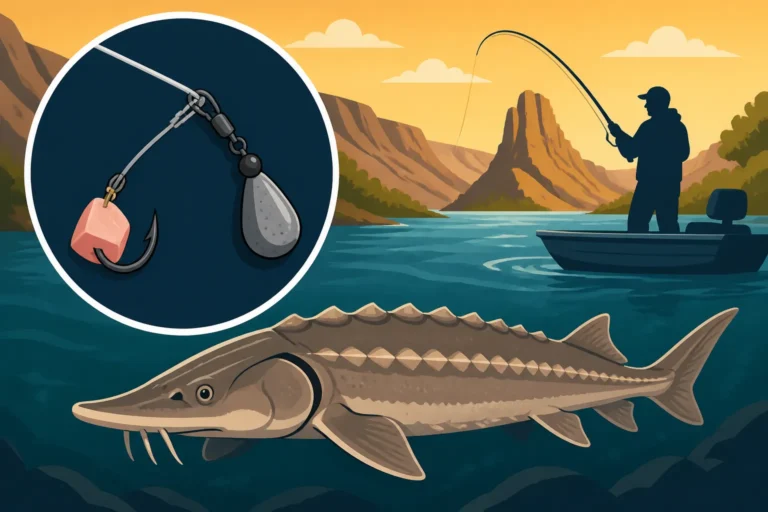
However, remember that local knowledge isn't always gospel, and some folks like to keep their secrets. Take what you learn with a grain of salt and cross-reference it with your own research. Also, be respectful of local anglers and don't expect them to reveal their exact secret spots. Instead, focus on general patterns, techniques, and species information. If you're heading to a popular spot like the Snake River for sturgeon, for example, a guide service might offer valuable insights, or even just reviews of local tackle shops can clue you into current conditions.
Another excellent resource is the official Idaho Fish and Game website. They often publish weekly or monthly fishing reports that detail recent success, species caught, and effective techniques for various waters, including popular lakes and reservoirs. These reports are updated regularly and provide a factual, science-backed perspective on what's biting.
Checking Official Resources and Reports
Beyond local chatter, official resources provide invaluable, reliable data. The Idaho Fish and Game department is your best friend here. Their website is a treasure trove of information, including detailed Idaho fishing regulations explained, fish stocking reports, and species-specific guides. Reviewing these reports before your trip can tell you exactly what species are present, when they were last stocked (especially helpful for rainbow trout), and sometimes even which parts of the lake were targeted for stocking. Understanding Idaho Fish Stocking Reports Explained can give you a significant advantage, guiding you to areas where newly stocked fish might still be congregating.
Additionally, check for specific water body regulations, as some lakes have unique rules regarding bag limits, tackle restrictions, or season dates. For instance, a lake known for trophy lake trout, like Priest Lake, might have different size restrictions than a smaller, put-and-take pond. Knowing these details ensures you're fishing legally and responsibly.
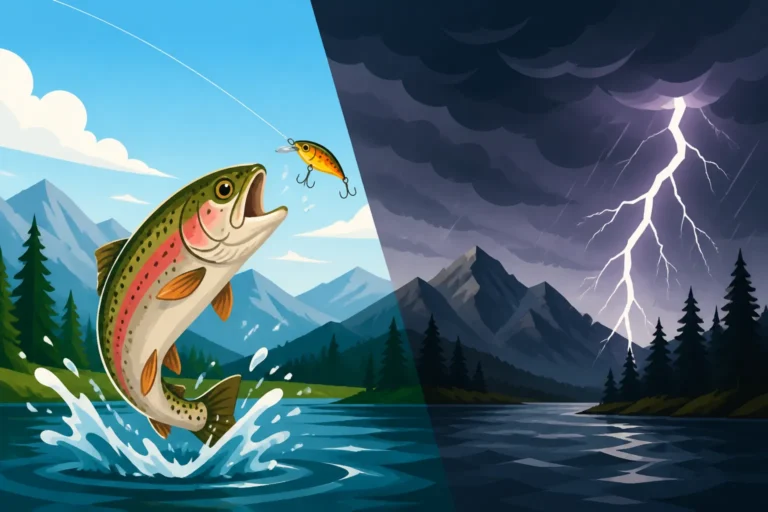
Environmental factors are also crucial. Websites like the U.S. Geological Survey (USGS) can provide real-time water levels and flows for major rivers and connected reservoirs, which can greatly impact fish behavior. Weather forecasts are obvious but critical—a sudden cold front or a dramatic change in pressure, detailed in How Weather Fronts Affect Idaho Trout Fishing, can shut down a bite or move fish to deeper water. A table summarizing your pre-trip checklist can be a huge help:
| Category | Action Item | Where to Look | What to Look For |
|---|---|---|---|
| Mapping & Structure | Get detailed depth contours | NOAA charts, fishing apps, online mapping tools | Drop-offs, humps, points, submerged features, weed lines |
| Local Intel | Talk to local experts | Tackle shops, online forums, local anglers | Current bite, effective baits, common species, unique lake quirks |
| Official Reports | Review state wildlife data | Idaho Fish and Game website | Stocking reports, regulations, species presence, water temps |
| Weather/Water | Check current conditions | Weather apps, USGS, local news | Temperature, wind, precipitation, water levels, clarity |
| Gear Prep | Ensure diverse tackle | Your tackle box, Amazon for specific lures | Range of lures/baits, rods for different techniques |
On-the-Water Strategy: Initial Approach
Once you've done your homework and are finally standing by the water or launching your boat, it's time to put your plan into action. The key now is efficient searching and systematic testing, turning your pre-trip assumptions into real-time observations. Don't be afraid to cover a lot of water initially; think of yourself as a detective gathering clues.
The Importance of Observation
When you first arrive at a new Idaho lake, before even making your first cast, take a moment to observe. Look for any signs of fish activity: rising trout indicating a hatch, splashing predators chasing baitfish, or even subtle ripples. Notice the prevailing wind direction and how it might be pushing baitfish or insects, and consequently, predatory fish. Observe the water clarity—is it crystal clear, slightly stained, or murky? This will influence your lure color and size choices.
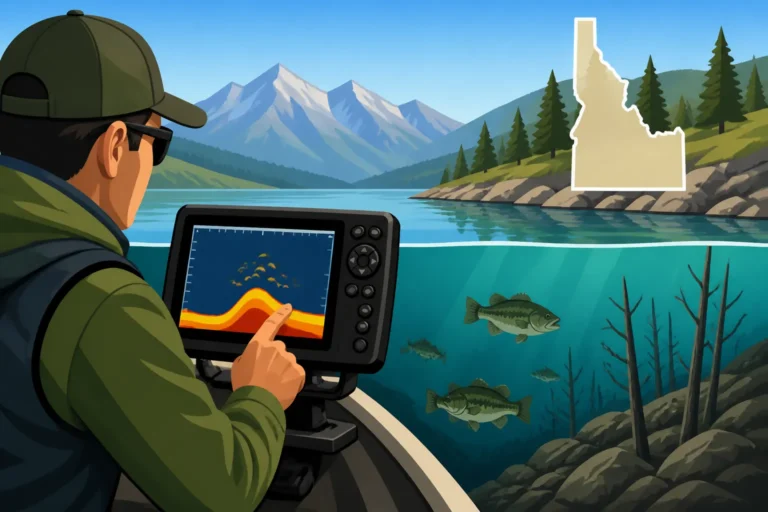
If you have a boat and a fish finder, this is where it truly shines. Don't just motor straight to your mapped "hotspot." Instead, slowly cruise through different areas, scanning for baitfish schools, individual fish arches, and interpreting the bottom structure. A fish finder can quickly confirm those drop-offs or humps you saw on the map and show you if fish are actively holding on or near them. Understanding How to Use a Fish Finder on an Idaho Reservoir can drastically cut down your search time. Even from shore, watch for birds diving—this often indicates baitfish schooling, and where there's bait, there are usually bigger fish.
Pay attention to your surroundings: emergent vegetation, submerged logs that might be visible in clear water, or even the type of insects buzzing around. These observations provide real-time data that complements your pre-trip research and helps you adjust your initial strategy.
Starting with Search Baits and Covering Water
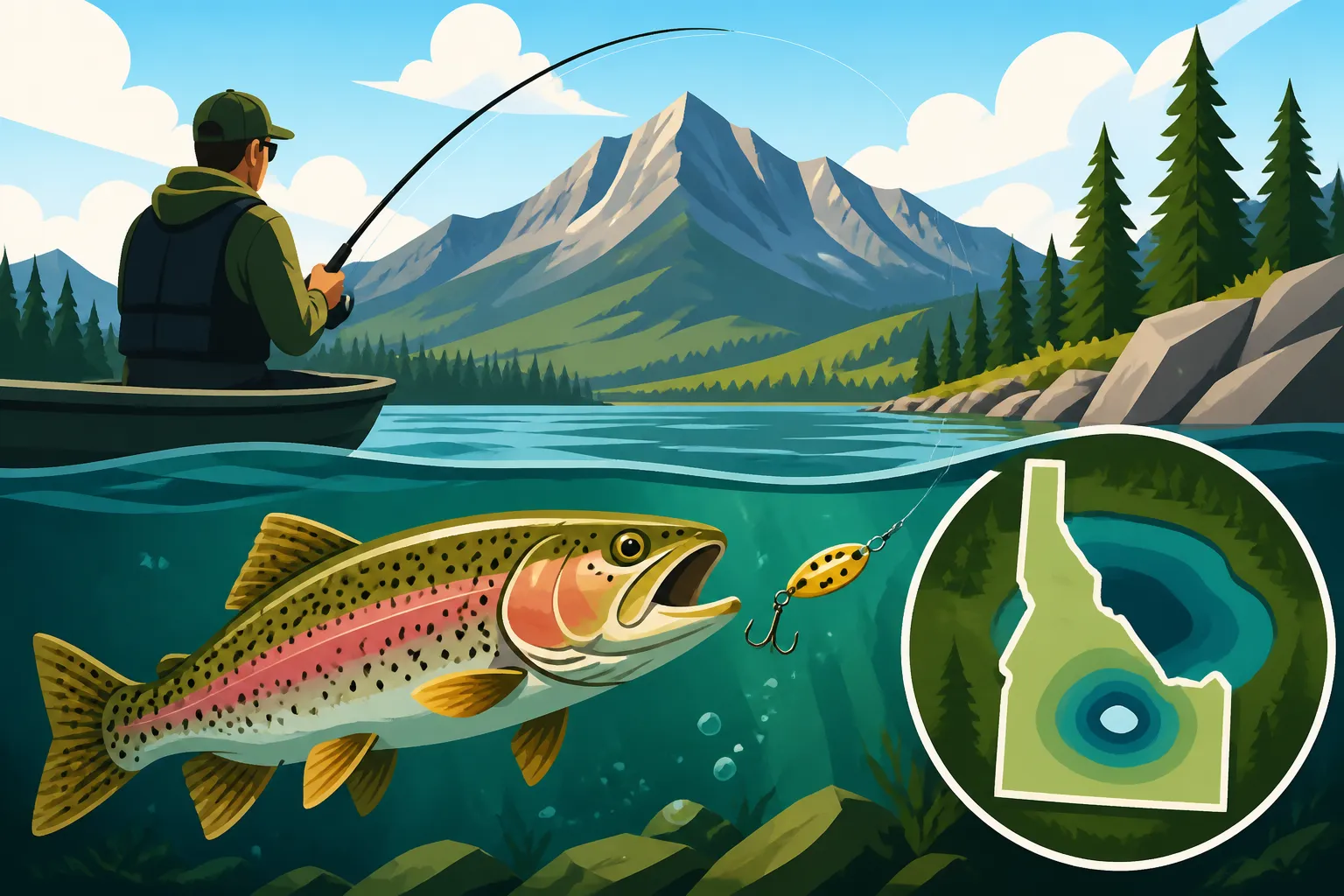
When fishing a new lake, you don't yet know what the fish want, or even where they are. This is where "search baits" become your best friend. A search bait is designed to cover a lot of water quickly and efficiently, eliciting a reaction strike rather than perfectly imitating a specific forage. Think crankbaits, spinnerbaits, spoons, or even large soft plastic swimbaits. The goal is to cast often, retrieve at varying speeds, and work through different depths to identify active fish and determine their preferred presentation.
For example, if you're targeting bass on a lake like C.J. Strike Reservoir, start by throwing a lipless crankbait or a spinnerbait that allows you to cover vast flats or weed edges. If you're after trout in a mountain lake, a casting spoon or an inline spinner can be effective for covering open water or exploring points. Don't spend too long in one spot if you're not getting bites. Keep moving, casting in a fan pattern to explore different angles and depths from each position. This active searching helps you eliminate unproductive water and home in on areas where fish are likely to be holding.
Having a diverse selection of search baits is crucial. Many anglers stock up on versatile options from Amazon to ensure they have a variety of colors, sizes, and actions. This allows you to quickly switch if one isn't producing, giving you the flexibility to adapt to the fish's mood without constantly re-tying.
Varying Depths and Presentations
Fish are often depth-oriented, meaning they'll prefer a specific water column based on temperature, light, and food availability. When approaching a new lake, you need to systematically explore different depths until you find where the fish are holding. Start by fishing the surface layer, then work your way down. If you're on a boat, use your fish finder to identify active depths. If fishing from shore, fan cast and count down your lure to different depths on each retrieve.
For example, on a cool morning, trout might be feeding near the surface, making topwater lures or shallow-running crankbaits effective. As the sun rises and temperatures climb, they might retreat to deeper, cooler water, requiring you to switch to jigs, spoons, or even bottom-bouncing rigs. When fishing for species like kokanee, knowing What Depth Kokanee Hold at in Summer on Idaho Lakes is crucial, often requiring downriggers or weighted lines.
Varying your presentation is equally important. Sometimes a fast, erratic retrieve triggers a strike, while other times a slow, methodical retrieve with pauses is more effective. Experiment with different jigging actions, retrieve speeds, and pauses. If using bait, try different ways of rigging it or different weights to achieve various fall rates. The fish will tell you what they prefer through their bites (or lack thereof). Don't be afraid to try something completely different if your initial strategy isn't working; sometimes, a small change in retrieve or depth can make all the difference.
Adapting and Dialing In Your Approach
Fishing is a constant process of experimentation and adaptation. Even after finding some success, conditions can change, and fish patterns can shift. The true "best technique" on a new Idaho lake is not a single method, but a flexible, responsive approach that allows you to continually refine your strategy.
Interpreting Bites and Non-Bites
Every twitch, tap, or sudden slack in your line is a piece of information. A solid, aggressive strike usually means a committed fish, while a subtle peck or a missed bite suggests they might be wary or just testing the lure. Pay close attention to when and where you get these bites. Did they come on the fall, during a pause, or on a specific part of your retrieve? Were they concentrated in a particular depth range or near a certain type of structure? These details help you build a mental map of what's working.
Equally important is interpreting the absence of bites. If you've been fishing a spot for a reasonable amount of time with no action, and your fish finder shows nothing, it's a strong signal to move. Don't get stuck in unproductive water. Sometimes, a lack of bites means the fish aren't in that area, or they're not interested in your current presentation. This is when you re-evaluate your initial assumptions and consider a change. Perhaps the fish have moved to deeper water due to a shift in light, or maybe they're just not feeding on what you're offering.
Learning to read these subtle cues, whether they are bites or simply a quiet line, is a fundamental skill that improves with experience. It allows you to make calculated adjustments rather than just blindly hoping for a different outcome.
Environmental Factors and Adjustments
Idaho's weather can be notoriously unpredictable, and environmental factors play a massive role in fish behavior. How Water Temperature Affects Idaho Trout Fishing is a perfect example: a few degrees difference can move fish from shallow feeding flats to deeper, cooler sanctuaries. Similarly, heavy cloud cover can encourage fish to roam more actively and feed at different times than on a bright, sunny day. Wind direction and strength can push baitfish into certain coves or against rocky points, creating prime feeding opportunities.
Be prepared to make adjustments based on these factors throughout your fishing day. If a cold front moves in, try slowing down your retrieve and focusing on deeper structure. If the wind picks up, consider fishing the wind-blown side of the lake, as it often concentrates bait and therefore predators. Changing your lure color to match decreasing light or increasing water clarity can also be highly effective. For example, in murky water, bright or dark colors with strong silhouettes might be better, while in clear water, naturalistic patterns are usually preferred.
Keeping a small log or mental note of conditions and how they impacted your success (or lack thereof) will build your knowledge base for future trips to that specific lake, and even transfer to other similar bodies of water in Idaho.
When to Change Locations or Techniques
Knowing when to stick with a strategy and when to pivot is a crucial part of becoming a proficient angler. If you've spent a significant amount of time in an area, covering various depths and trying different presentations without a single bite or even a sniff, it's probably time to move to a new location. Trust your reconnaissance and head to the next promising spot you identified on your map or satellite imagery. Sometimes, fish are simply not present in one area, even if it looks perfect on paper.
If you are getting bites but not hooking up, or if the bites are very tentative, it's a strong signal to change your technique or lure. This might mean sizing down your bait, switching to a different color, altering your retrieve speed, or even trying a completely different bait profile (e.g., from a jig to a soft plastic worm). For instance, if you're getting short strikes on a crankbait, try a plastic worm rigged weightless or a jig with a trailer; these offer a slower, more subtle presentation that might entice wary fish.
Ultimately, fishing a new Idaho lake is an iterative process. You gather information (reconnaissance), form a hypothesis, test it (initial on-the-water approach), observe the results (bites/non-bites), and then adapt your strategy based on what the fish are telling you. This continuous cycle of learning and adjusting is the most effective "technique" you can employ. Whether you're fishing a popular reservoir or exploring one of Idaho's Most Remote Fishing Water, this systematic approach will put you in a much better position for success.
Disclaimer
This article is for general informational purposes only and does not constitute professional advice. Laws, prices and regulations vary by location and change over time. Consult a qualified professional for guidance on your specific situation.