Why Lake Pend Oreille Is Known for Record Rainbow Trout
Anglers often hear tales of monstrous rainbow trout, but it's usually with a healthy dose of skepticism. However, when the name Lake Pend Oreille comes up in conversation among serious trout enthusiasts, the skepticism melts away. This enormous, majestic body of water in Idaho's Panhandle isn't just known for its beauty; it holds a reputation, earned through decades, for growing rainbow trout of truly epic proportions. This guide will delve deep into the unique confluence of factors that make Lake Pend Oreille a world-renowned trophy rainbow trout fishery.
The Unique Ecosystem of Lake Pend Oreille
Lake Pend Oreille isn't your average fishing hole; it's a geological marvel that provides the perfect incubator for colossal trout. Understanding its fundamental characteristics is key to grasping why it consistently produces such giants.
Glacial Origins and Immense Depth
Imagine a lake carved by ancient glaciers, leaving behind a basin of staggering dimensions. That's Lake Pend Oreille. At roughly 43 miles long and up to 6 miles wide, it's Idaho's largest lake. But its most critical feature for trout isn't just its surface area; it's its incredible depth, plunging over 1,150 feet in some areas. This profound depth is a game-changer. It means the lake maintains vast expanses of cold, oxygenated water year-round, even during the heat of summer. For a cold-water species like rainbow trout, especially those genetically predisposed to grow large, this provides ideal thermal refuge and an expansive, comfortable habitat where they can thrive without the stress of warmer, shallower waters. Unlike many lakes that stratify dramatically, Pend Oreille's immense volume allows deep-dwelling trout to roam freely, finding both comfort and abundant food.
The sheer scale of the lake presents both endless possibilities and significant challenges for anglers. You can spend days exploring different sections, from rocky points to vast open water, each holding its own secrets. The structure of the lake, with its deep trenches and submerged ledges, offers countless hiding spots and ambush points for predatory fish.
A Rich Forage Base: The Kokanee Connection
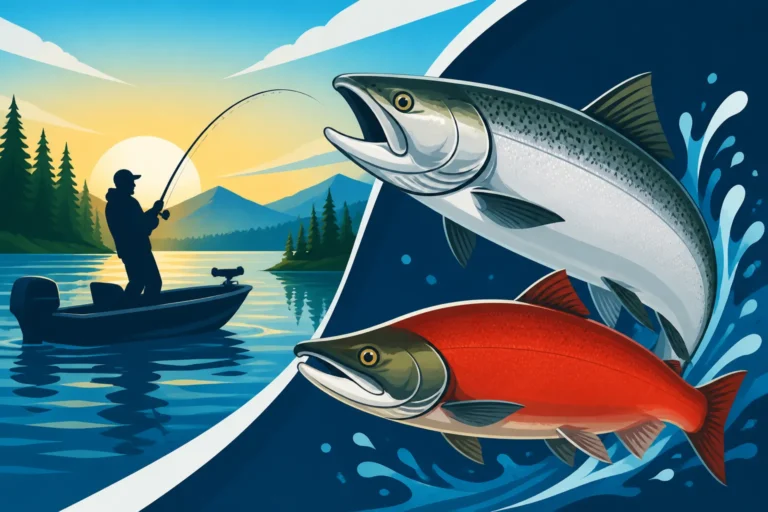
No fish grows to an exceptional size without an equally exceptional food source, and for Lake Pend Oreille's rainbow trout, that food source is primarily kokanee salmon. These landlocked sockeye salmon are incredibly abundant in the lake, though their populations do fluctuate over time. Kokanee are the perfect forage fish: they school in vast numbers, making them an easy target for hungry predators, and they are packed with the high-fat content necessary for rapid growth. The relationship between the kokanee population and the size of the rainbow trout is direct and undeniable; when kokanee numbers are robust, the rainbows flourish.
Anglers targeting kokanee will find themselves immersed in a different but equally rewarding fishery. The guide to Idaho Kokanee Fishing Guide elaborates on techniques to target these silver bullets, which in turn offers insights into where the trophy rainbows might be lurking. The abundance of these smaller, protein-rich fish ensures that the top predators, the Kamloops rainbow trout, have a consistent and high-quality diet, allowing them to pack on pounds at an astonishing rate.
Water Quality and Habitat Diversity
Beyond its depth and food base, Lake Pend Oreille boasts exceptionally pristine water quality, fed by snowmelt and mountain streams from the surrounding national forests and wild lands. This clean, clear water is vital for the health of the entire ecosystem, from the microscopic organisms up to the apex predators. Healthy water means healthy fish, and Lake Pend Oreille delivers. The clarity also influences fishing techniques, often requiring longer leaders and more subtle presentations, especially on bright days.
Furthermore, the lake offers a remarkable diversity of habitats. From the steep, rocky drop-offs along its shores to extensive submerged structure, deep flats, and shallower bays, this varied environment supports not only the robust kokanee population but also provides essential spawning grounds and nursery areas for other species. This biodiversity creates a resilient and productive ecosystem. When you explore Lake Pend Oreille's Grounds for Trophy Rainbow Trout, you quickly understand that its vastness isn't just empty space, but a complex tapestry of underwater terrain crucial for these magnificent fish.
The Legendary Kamloops Rainbow Trout Strain
While the lake itself is a perfect environment, the specific genetic makeup of the rainbow trout residing within its waters is perhaps the most defining factor in its trophy fish reputation.
Introduction of a Specialized Strain
The true secret to Lake Pend Oreille's world-class rainbow trout fishery lies in its unique resident: the Kamloops strain of rainbow trout. Originating from large, deep lakes in British Columbia, particularly the Kamloops region, these fish are genetically predisposed to grow larger and feed more aggressively than typical rainbow trout found in other waters. Their introduction to Lake Pend Oreille began in the 1940s, a deliberate effort by Idaho Fish and Game to cultivate a trophy fishery. These weren't just any rainbows; they were specifically selected for their growth potential, hard-fighting nature, and ability to thrive in a large, deep lake environment with abundant forage like kokanee.
Comparing them to the standard rainbow trout often stocked in smaller ponds or rivers, the Kamloops are a different breed entirely. They exhibit a pelagic lifestyle, meaning they often suspend in open water, chasing schools of baitfish, rather than hugging shorelines or riverbeds. This behavior, combined with their inherent drive to grow, sets the stage for truly exceptional fish.
The Growth Potential and Record Breakers
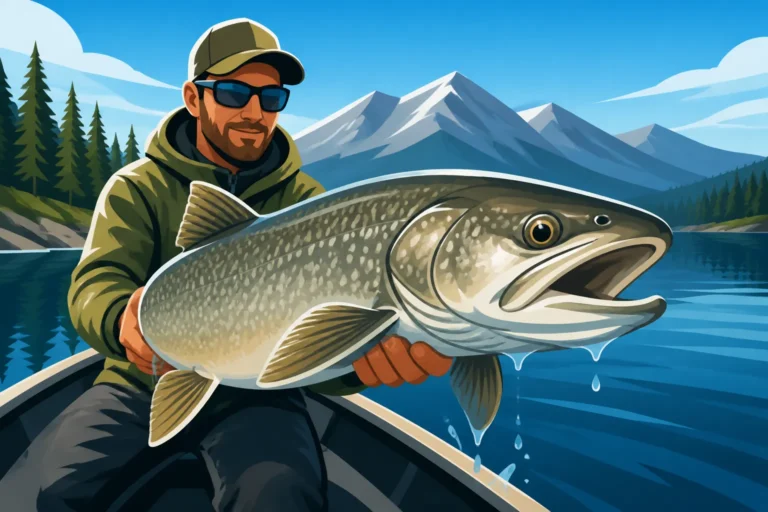
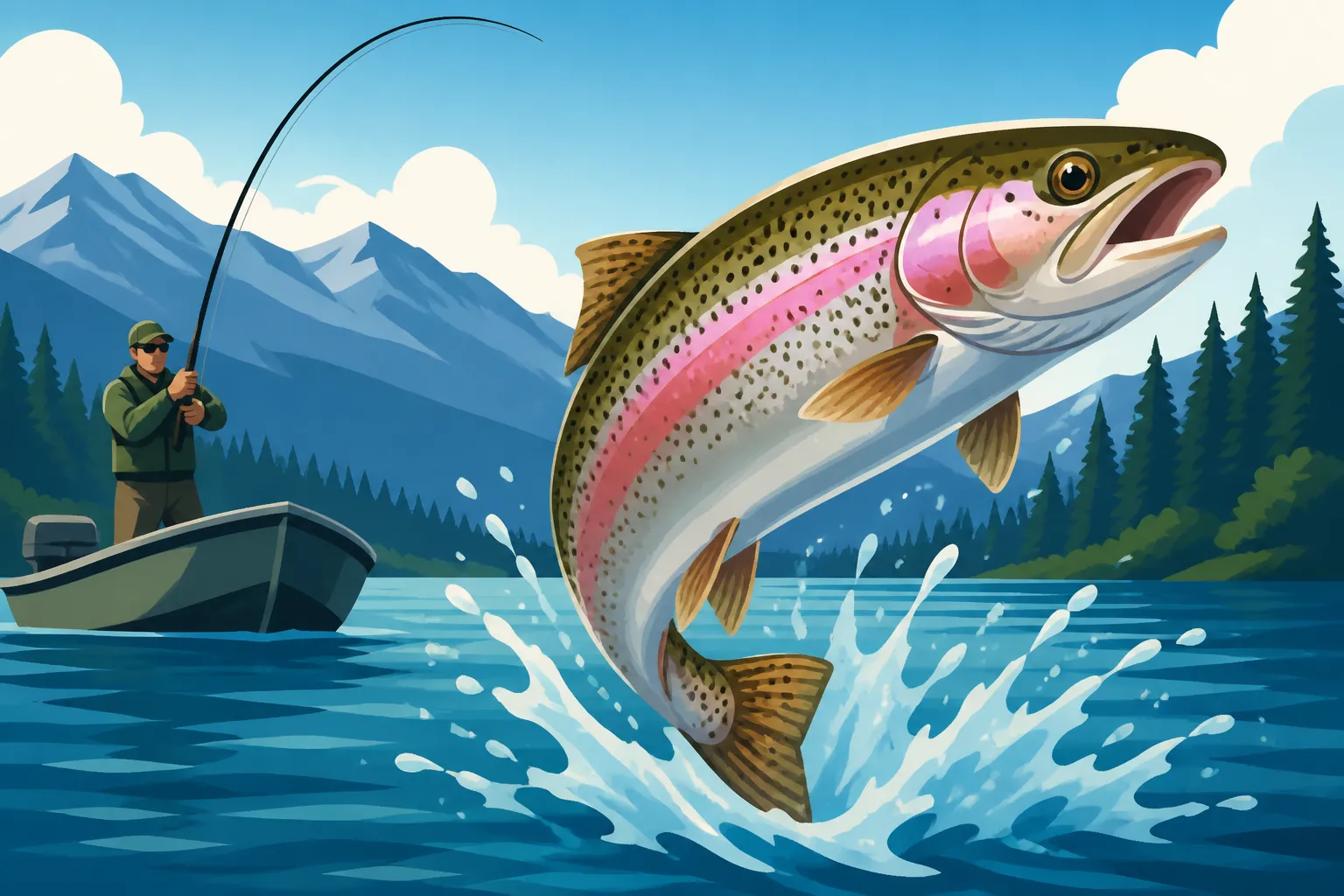
The most compelling testament to the Kamloops strain's potential is the astonishing world record. In 1947, angler Wes Hamlet pulled a colossal 37-pound, 0-ounce rainbow trout from the waters of Lake Pend Oreille. That record has stood for decades, making Lake Pend Oreille a legendary destination in angling circles worldwide. While catching a fish of that exact magnitude is a rare feat, the lake consistently produces rainbow trout weighing in the 20-pound range, year after year.
This incredible growth isn't just about food; it’s a synergy of superior genetics and an ideal environment. The Kamloops' metabolism and genetic blueprint allow them to convert the rich kokanee diet into muscle and mass with remarkable efficiency. They mature at a slower rate than many other trout strains, investing their energy into sustained growth over several years. This combination ensures that when you see a list of Idaho's Record Fish by Species, Lake Pend Oreille features prominently for its monster rainbow trout.
Ongoing Management and Stocking
Maintaining such a premier fishery requires dedicated effort, and Idaho Fish and Game plays a crucial role in managing the Kamloops rainbow trout population in Lake Pend Oreille. Strategic stocking programs are essential to supplement natural reproduction, especially after periods of fluctuating kokanee numbers or environmental shifts. These stocking efforts specifically introduce fingerlings of the Kamloops strain, ensuring the genetic integrity of the trophy fishery is preserved.
The management approach involves careful monitoring of both predator and prey populations. This includes studies on kokanee abundance, trout growth rates, and angler catch data. The goal is always to strike a delicate balance that allows the trophy rainbows to flourish while also supporting the health of the broader ecosystem. These thoughtful, science-based interventions ensure that the legacy of massive rainbows continues for future generations of anglers.
Angling Strategies for Targeting Trophy Rainbows
Catching one of Lake Pend Oreille's legendary rainbow trout is an immense challenge, but one that dedicated anglers embrace. It requires specific techniques and a deep understanding of the lake's nuances.
Trolling as the Primary Method
Given the immense size and depth of Lake Pend Oreille, and the pelagic nature of the Kamloops rainbow trout, trolling is by far the most effective method for targeting these elusive giants. Anglers typically employ specialized gear designed for covering vast amounts of water and presenting lures at precise depths. This includes sturdy boats equipped with powerful engines, advanced fish finders, and most importantly, downriggers. Downriggers allow lures to be precisely placed anywhere from 50 to 200 feet deep or more, mimicking the depths where kokanee schools often congregate. Planer boards are sometimes used to spread multiple lines horizontally, covering a wider swath of water.
Understanding the principles outlined in an Idaho Trolling Techniques Guide is crucial here. Varying trolling speeds, patterns, and depths are often necessary to discover what the fish are responding to on any given day. The goal is to imitate a solitary, vulnerable kokanee separated from its school, making it an irresistible target. For those unfamiliar with the lake or trophy trolling, hiring a guide is an excellent option; many anglers find guides through platforms like FishingBooker, leveraging their local expertise and specialized equipment.
Preferred Baits and Lures
When it comes to lures, the key is imitation and attraction. Trophy Kamloops rainbows primarily feed on kokanee, so the most effective lures closely mimic the size, shape, and flash of these baitfish. Large spoons, often in the 4- to 6-inch range, are popular choices. Brands like Luhr-Jensen Kwikfish, Bay Rat Lures, and various sizes of Rapala Magnums are frequently used. The color patterns often involve chrome, silver, blue, green, and chartreuse, reflecting the iridescent scales of kokanee. Some experienced anglers also use large bucktail flies trolled behind an dodger or flasher for added attraction.
The guide on Best Lures for Idaho Trout Fishing provides a broader overview, but for Lake Pend Oreille's trophy rainbows, it’s all about matching the hatch – or rather, matching the kokanee. Scent is another critical factor; many anglers apply commercial attractants or even use strips of real kokanee meat to enhance their lures. Experimentation with presentation and depth, based on where the kokanee are holding (which you can learn more about in What Depth Kokanee Hold at in Summer on Idaho Lakes), is paramount.
Patience and Persistence
Make no mistake: catching a record-class rainbow trout from Lake Pend Oreille is not a beginner's luck scenario. It demands immense patience, unwavering persistence, and often, a bit of luck. The lake is vast, the fish are often deep, and strikes can be few and far between. Anglers might spend entire days, or even multiple trips, meticulously working their gear and monitoring their electronics without a single bite. But it's that anticipation, that knowledge that a 20-pound-plus fish could hammer your lure at any moment, that keeps them coming back.
Success on Lake Pend Oreille comes from being prepared for that one explosive strike, and then having the skill and tackle to land a fish that will fight like a freight train. Many veteran anglers, who consistently post impressive catches, often started their journey on services like FishingBooker to learn from seasoned pros who understand the lake's rhythm. It's a mental game as much as a physical one, but the reward of a truly magnificent trout is an experience that few other fisheries can offer.
| Feature | Standard Rainbow Trout (Typical Idaho Waters) | Lake Pend Oreille Kamloops Rainbow Trout |
|---|---|---|
| Genetic Predisposition | Moderate growth potential | High growth potential, naturally larger |
| Typical Habitat | Rivers, smaller lakes, varied depths | Deep, cold pelagic waters of large lakes |
| Primary Diet | Insects, small fish, aquatic invertebrates | Primarily kokanee salmon, other baitfish |
| Average Adult Size | 10-20 inches, 1-3 pounds | 20-30+ inches, 5-20+ pounds (trophy) |
| Record Potential | Rarely exceeds 10-15 pounds | World record (37 lbs) and many 20+ pounders |
| Aggression | Moderate | Highly aggressive, powerful fighters |
Conservation and the Future of Lake Pend Oreille's Rainbow Fishery
The legendary status of Lake Pend Oreille's rainbow trout fishery is not taken for granted. Continuous conservation efforts and careful management are vital to ensure its future.
Balancing Prey and Predator
Managing an ecosystem as dynamic as Lake Pend Oreille requires a delicate balancing act. The relationship between the trophy Kamloops rainbow trout and their primary food source, kokanee salmon, is complex. If the rainbow population becomes too large, it can depress kokanee numbers, which in turn impacts the growth of the rainbows. Conversely, a thriving kokanee population supports larger, healthier trout. Idaho Fish and Game regularly monitors these populations, sometimes implementing targeted predator control (such as focused removal of smaller, non-trophy rainbow trout) to ensure the kokanee numbers remain robust.
This ongoing ecological dance requires constant scientific assessment and adaptive management strategies. Anglers often consult resources like How to Fish for Kokanee in Idaho not just for fishing tips, but to better understand the health of the entire forage base that underpins the trophy trout fishery. It's a reminder that every part of the ecosystem is interconnected.
Regulations and Responsible Angling
To protect this unique fishery, strict regulations are in place. These often include specific bag limits, size restrictions (sometimes slot limits to protect prime breeding-age fish), and gear restrictions. For example, some areas or seasons might require single, barbless hooks. It's absolutely critical for any angler heading to Lake Pend Oreille to be intimately familiar with the current Idaho Fishing Regulations Explained and to review the Idaho Catch Limits and Bag Limits Explained before casting a line. These rules are not arbitrary; they are designed to safeguard the fish population, especially the wild spawning components, ensuring that future generations can also experience the thrill of pursuing these magnificent trout.
Many anglers who pursue these trophy fish practice catch and release, particularly with the largest, most valuable breeding stock. Proper handling techniques for large fish, minimizing their time out of water, and using appropriate tools for hook removal are all part of responsible angling that contributes to the long-term health of the fishery. Understanding your Idaho Fishing License Guide requirements is the first step, followed by a commitment to ethical fishing practices.
Community Involvement and Tourism
The trophy rainbow trout fishery of Lake Pend Oreille is not just a biological success; it's also a significant economic and recreational asset for northern Idaho. The allure of catching a true giant draws anglers from around the world, benefiting local businesses in towns like Sandpoint, Sagle, and Hope, from tackle shops to lodging and dining establishments. Fishing tournaments and derbies, while exciting, also often incorporate conservation messaging and promote sustainable angling practices, celebrating the lake's heritage while looking to its future.
Local organizations, environmental groups, and passionate anglers often contribute to habitat improvement projects, youth fishing programs, and educational initiatives. The very reputation of the lake, amplified by stories of its monster rainbows, is a powerful draw. Many visitors planning their Idaho fishing adventure might initially seek out guides through platforms like FishingBooker specifically because of the incredible stories and potential for a trophy catch that Lake Pend Oreille offers, highlighting its profound impact on both local economy and the broader angling community.
Disclaimer
Please remember that fishing conditions, regulations, and fish populations can change. Always consult the latest Idaho Fish and Game regulations and local advisories before planning your trip to Lake Pend Oreille or any other fishing destination. This guide is for informational purposes only and should not be considered legal advice or a substitute for official regulations.