Fishing in Hells Canyon
Hells Canyon isn't just a fishing destination; it's an epic journey into the deepest river gorge in North America. Anglers often feel a mix of excitement and apprehension when considering a trip here, daunted by its remoteness, powerful waters, and the sheer scale of the landscape. This guide aims to demystify fishing Hells Canyon, providing you with the knowledge and practical advice needed to plan an unforgettable adventure in this wild and awe-inspiring part of Idaho.
Understanding Hells Canyon's Unique Fisheries
Hells Canyon, carved by the Snake River, is a place where time seems to slow down, and the fishing opportunities are as immense as the canyon itself. It's a truly wild and challenging environment, demanding respect and preparation, but the rewards are often legendary catches and unforgettable experiences. The ecosystem here is incredibly diverse, offering a range of species that thrive in its varied depths and currents.
The Mighty Snake River and Its Tributaries
The Snake River, a true titan among North American waterways, is the lifeblood of Hells Canyon. This isn't your average placid fishing stream; it's a powerful, free-flowing river for much of its length through the canyon, characterized by deep pools, swift currents, and formidable rapids. The river here is not only deep but also retains a substantial amount of its wild character, even below the dams that regulate its flow further upstream. This environment is perfect for robust fish species that can handle the strong flows and access the ample food sources available.
Beyond the main stem of the Snake, numerous smaller tributaries feed into the canyon, particularly during spring runoff or after significant rain. While many of these are too small or steep for direct fishing, they provide crucial spawning grounds and nutrient input, enriching the entire ecosystem. The water clarity can vary depending on the season and recent weather, with spring runoff often bringing higher, murkier water, while late summer and fall typically offer clearer, more manageable conditions. Understanding the river's character, including its unique geology with sheer basalt walls and hidden coves, is paramount to successful fishing here. You'll find sections where the river is wide and relatively calm, offering excellent trolling opportunities, and other stretches where it bottlenecks into powerful rapids, making for a thrilling drift fishing experience.
Key Fish Species to Target
Fishing in Hells Canyon is renowned for a diverse range of species, each offering a unique challenge and reward. Anglers come from all over to pursue these incredible fish, often hoping for a once-in-a-lifetime catch.
One of the most iconic species sought after in these waters is the White Sturgeon. These prehistoric giants can grow to incredible sizes, often exceeding 10 feet in length and living for over a century. Catching a sturgeon is a test of strength and endurance, requiring specialized heavy tackle and a deep understanding of their habits. The entire Hells Canyon section of the Snake River is managed as a catch-and-release fishery for sturgeon, emphasizing the conservation of this magnificent species. Anglers must adhere to strict Idaho fishing regulations explained regarding handling and immediate release.
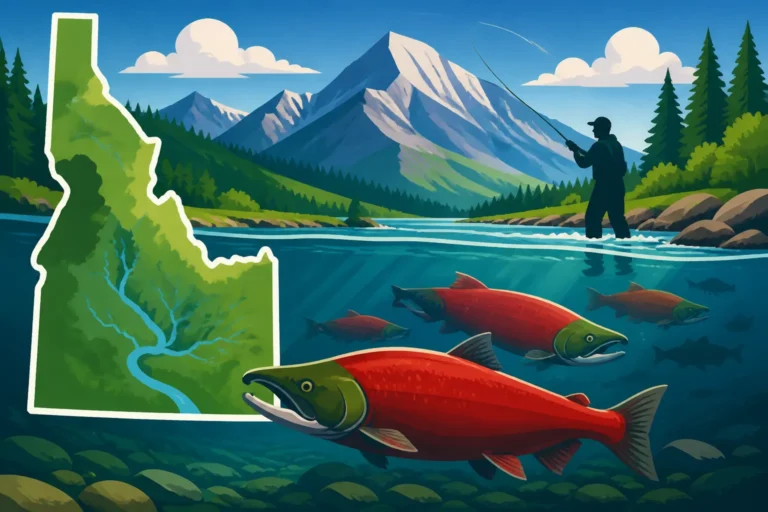
Another prime target, especially for those seeking migratory fish, is the Steelhead. These ocean-run rainbow trout make epic journeys from the Pacific Ocean back to their natal streams in Idaho, passing through Hells Canyon. Steelhead fishing is a passionate pursuit for many, with both fall and spring runs offering opportunities. Techniques often involve drift fishing, bobber and jig, or even spey casting in suitable stretches. If you're planning on chasing these chrome beauties, make sure you understand the specific rules for these anadromous fish, including the requirement for an Idaho Salmon and Steelhead Permit.
While not as prevalent as in the past due to damming, Chinook Salmon also make their appearance, albeit in more limited numbers and with highly regulated seasons. Anglers need to pay close attention to the Idaho Chinook Salmon Fishing Guide and specific regulations, as seasons can be very short and often close without much notice, depending on fish returns. When open, Chinook offer a powerful fight and are a highly prized catch.
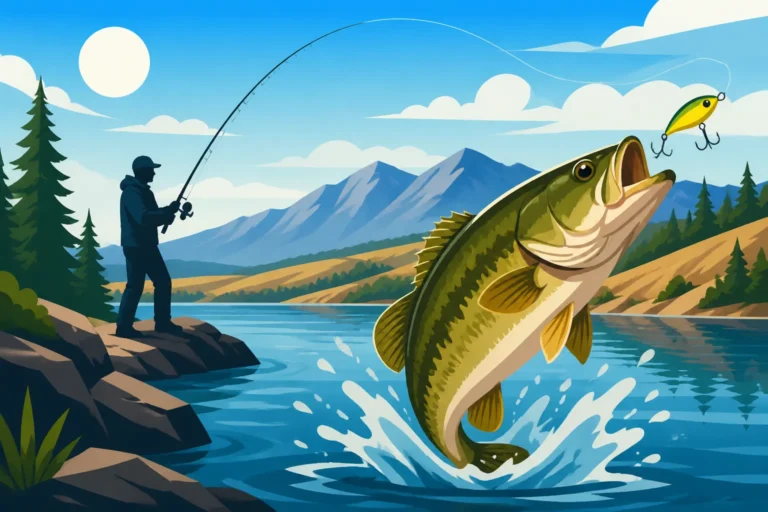
Beyond these marquee species, Hells Canyon is also home to robust populations of Smallmouth Bass and Channel Catfish. Smallmouth bass provide fantastic action during the warmer months, often found around rocky structure, submerged timber, and current breaks. They are aggressive biters and put up an impressive fight, making them a favorite for many anglers. Catfish, particularly Channel Cats, thrive in the deeper, slower sections of the river and offer excellent eating opportunities. They can also grow quite large, providing a fun challenge on lighter tackle. You can learn more about targeting these species in our Idaho Bass Fishing Guide.
Here's a quick look at some of the primary species and the best times to target them in Hells Canyon:
| Species | Primary Target Season | Best General Technique | Notes |
|---|---|---|---|
| White Sturgeon | Year-round (best Spring/Fall) | Bottom fishing with bait | Catch & Release ONLY. Requires heavy tackle. |
| Steelhead | Fall (Sept-Dec), Spring (Feb-Apr) | Drift, Bobber & Jig, Plugs | Highly regulated; specific permits required. |
| Chinook Salmon | Summer (Highly Variable) | Trolling, Drift fishing | Very specific, short seasons. Check regulations before you go. |
| Smallmouth Bass | Late Spring to Early Fall | Lures (cranks, jigs), Bait | Excellent sport fish; found near structure. |
| Channel Catfish | Summer to Early Fall | Bottom fishing with smelly bait | Good eating fish; can reach substantial size. |
Accessing Hells Canyon: Getting There is Half the Adventure
Reaching Hells Canyon isn't like driving to your local pond. It's a commitment, an undertaking that rewards those willing to put in the effort. The canyon's remote nature is part of its allure, preserving its wild beauty and phenomenal fishing. However, it also means careful planning for transportation and access is crucial. This isn't a place for spontaneous trips without doing your homework.
Boat Access and Ramps
For most serious anglers and visitors, accessing Hells Canyon means by boat. The sheer, steep walls and limited roads make boat travel the most practical, and often only, way to truly explore and fish the heart of the canyon. There are several key access points along the Snake River, but not all are created equal.
One of the primary gateways to the lower section of Hells Canyon is Hells Canyon Dam itself, near Oxbow, Oregon (though the fishing is primarily on the Idaho side). From here, jet boats are the workhorse of the canyon, capable of navigating the swift currents and occasional rapids. These powerful vessels can take you deep into the canyon, providing access to miles of prime fishing water that would otherwise be unreachable. Public boat ramps at Hells Canyon Dam and Pittsburg Landing (near White Bird, Idaho) are popular launch points. Pittsburg Landing, in particular, is a well-known put-in for both day trips and multi-day float trips further downriver.
Upriver, access points like those near Lewiston, Idaho, allow for trips into the upper reaches of the canyon, particularly for steelhead and salmon runs when conditions are right. However, the true essence of fishing in the deepest parts of Hells Canyon often involves launching further south or booking with a guide who operates out of the dam area.
When considering boat access, remember:
- Jet Boats are King: Due to the powerful currents and shallow areas, conventional prop boats are often unsuitable, especially further into the canyon. If you don't own a jet boat, consider a guided trip.
- Ramp Conditions: Ramps can be steep and require careful maneuvering, especially for larger boats. Always check current conditions before heading out.
- Permits: Depending on how far into the wilderness you plan to go, or if you're doing an overnight float trip, specific permits from the U.S. Forest Service or Bureau of Land Management may be required, particularly for the Wild and Scenic River sections.
- Fuel and Supplies: Once you're in the canyon, there are no gas stations or grocery stores. Carry all your fuel, food, water, and emergency supplies.
Navigating Hells Canyon by boat requires experience and a healthy respect for the river. The currents can be deceptive, and submerged rocks are a constant hazard. If you're unfamiliar with the waters, hiring an experienced guide is not just a convenience; it's a safety imperative.
Hiking and Remote Access Points
While boat access dominates, some intrepid anglers and hikers do venture into Hells Canyon via land. This is an option for those seeking true solitude and a backcountry experience, but it comes with significant challenges and is certainly not for the faint of heart or unprepared.
The main land access points are few and far between, typically involving long, winding drives on sometimes unpaved roads to trailheads that descend steeply into the canyon. Places like the Imnaha River drainage on the Oregon side or certain trailheads near Pittsburg Landing offer paths into the canyon. However, reaching the Snake River itself often involves miles of strenuous hiking, sometimes with significant elevation changes, carrying all your gear.
For those attempting remote access:
- Physical Fitness: This is not a leisurely stroll. Expect demanding terrain, steep descents and ascents, and potentially extreme temperatures.
- Water and Food: Carry more water than you think you'll need, especially during warmer months. Reliable water sources can be scarce.
- Navigation: Topographic maps, a compass, and a GPS device are essential. Trails can be overgrown or difficult to follow.
- Emergency Preparedness: Cell service is virtually nonexistent. Carry a satellite communication device for emergencies. Let someone know your itinerary.
- Limited Fishing Access: While you might reach the river, finding prime fishing spots accessible from shore can still be difficult due to the powerful currents and rugged banks. This type of trip is often more about the journey and the wilderness experience, with fishing as a bonus.
Ultimately, whether by boat or foot, accessing Hells Canyon requires thoughtful preparation. Don't underestimate the power and isolation of this incredible place. It's truly one of the Best Fishing Spots in Idaho, but it demands respect.
Essential Fishing Techniques for Hells Canyon
Fishing in Hells Canyon isn't a one-size-fits-all endeavor. The diverse species and challenging environment mean you need a variety of techniques in your angler's toolbox. While some methods overlap, successfully targeting different fish often requires specialized approaches. Having a versatile set of skills will significantly increase your chances of success and make your trip more rewarding.
Trolling and Drifting for Salmonids
For species like steelhead and, when seasons allow, Chinook salmon, trolling and drift fishing are incredibly effective methods, especially when covering large sections of the powerful Snake River. These techniques allow you to present your bait or lure naturally to fish holding in various parts of the water column.
Trolling is a popular choice, particularly in the wider, more open stretches of the river or in some of the larger pools. This involves using a boat to slowly pull lures or bait through the water. For steelhead, popular trolling setups might include diving plugs (like Kwikfish or FlatFish) or spinner setups fished behind a diver or lead weight to reach the desired depth. For Chinook, larger diving plugs, wobblers, or bait rigs often come into play. The key to effective trolling in Hells Canyon is maintaining the right speed and depth, adjusting to the current, and experimenting with different lures until you find what the fish are hitting. Using a fish finder to locate schools of baitfish or thermal breaks can be incredibly advantageous when trolling for these migratory species.
Drift fishing is perhaps the most iconic method for steelhead in Hells Canyon, especially from a drift boat or jet boat. This technique involves allowing your bait or lure to drift naturally with the current, mimicking a free-floating food source. Anglers often use Slinky weights, pencil lead, or flat weights to get their offerings down to the fish zone, typically near the bottom where steelhead often hold. Common baits include cured roe, shrimp, or yarnies, often paired with a small Cheater or Spin-N-Glo. The art of drift fishing lies in "reading the water" – understanding where fish might be holding behind current breaks, in seams, or along drop-offs. A well-executed drift presents your offering tantalizingly close to a waiting fish, often resulting in a sharp, powerful strike. Mastering the subtle feel of a bite versus a snag requires practice, but the reward of a hard-fighting steelhead is well worth the effort. Learn more about effective techniques in our Idaho Fishing Techniques Guide.
Bottom Fishing for Sturgeon and Catfish
When you're chasing the truly monstrous White Sturgeon or the robust Channel Catfish in Hells Canyon, you're going to be focusing on bottom fishing. These species are primarily scavengers or bottom feeders, and presenting your bait directly on the riverbed is the most effective approach.
Sturgeon fishing is in a league of its own. It requires extremely heavy tackle – think stout rods, large reels spooled with heavy braided line (80-150 lb test), and strong leaders. The bait needs to be substantial and smelly to attract these giants. Popular choices include cured salmon roe, lamprey eels, cut bait (like pike minnow or shad), or even squid. The setup typically involves a heavy pyramid or flat sinker (often 8-16 ounces or more, depending on current) to hold the bait on the bottom, with a strong, sharp circle hook (usually 10/0 to 20/0) on a short leader. Anglers often fish from an anchored boat, setting multiple rods and waiting patiently for a sturgeon to pick up the scent. The bite can range from a gentle tap to a rod-bending thud. When a sturgeon takes the bait, be prepared for a long and arduous fight! Remember, sturgeon are strictly catch and release, and careful handling is critical for their survival. Refer to the Idaho Sturgeon Fishing Guide for detailed rules.
Catfish fishing in Hells Canyon also focuses on the bottom, but generally requires lighter tackle than sturgeon. Medium-heavy rods with baitcasting or spinning reels spooled with 15-30 lb monofilament or braid are usually sufficient. Catfish are attracted to strong scents, so "stinky baits" are the name of the game. Popular options include chicken livers, cut bait, shrimp, or commercially prepared stink baits. A standard bottom rig with a sliding sinker (like an egg sinker or a flat no-roll sinker) and a baited hook (often a wide gap or circle hook in sizes 1/0 to 5/0) is highly effective. Target deeper holes, slow-moving eddies, or areas with submerged wood structure. Catfish bites can be subtle at times, but once hooked, they put up a surprisingly strong fight, especially the larger specimens. They're also excellent table fare, making them a popular target for anglers looking to bring home a meal.
In both cases, finding the right holding water is paramount. Look for areas where the current slows down, such as deep pools below rapids, eddies behind large rocks, or channels along the bank. These are the places where these bottom dwellers feel comfortable and where food tends to accumulate.
Planning Your Hells Canyon Fishing Expedition
A trip to Hells Canyon is an expedition, not just a casual outing. Proper planning can mean the difference between an epic adventure and a frustrating ordeal. The remoteness and challenging environment demand a thorough approach to gear, safety, and logistical arrangements.
Gear, Supplies, and Safety Considerations
When packing for Hells Canyon, think "prepared for anything." The weather can change rapidly, and the isolation means you need to be self-sufficient.
Fishing Gear:
- Rods and Reels: Bring a variety. For steelhead and salmon, medium-heavy to heavy casting or spinning rods (8-10 ft) are common, capable of handling strong fish and heavy lines. For sturgeon, you'll need dedicated heavy-duty rods and large conventional reels. For bass and catfish, medium-heavy gear will suffice.
- Line: Spool reels with fresh, strong line. Braided line is popular for its sensitivity and strength, often with a fluorocarbon or monofilament leader.
- Terminal Tackle: An assortment of weights (slinky, pencil, pyramid, egg), hooks (circle, Octopus, wide gap), swivels, and leader material is crucial.
- Lures/Bait: Pack a variety specific to your target species. For sturgeon and catfish, bring plenty of smelly bait. For steelhead and bass, a good selection of plugs, spinners, jigs, and soft plastics.
- Net: A large, sturdy landing net is essential, especially for bigger fish like sturgeon (a cradle or sling is better for sturgeon to keep them in the water).
- Tools: Pliers, line cutters, hook removers, and a sharp knife are invaluable.
General Supplies:
- Navigation: GPS, detailed maps (topographic), and a compass. Cell service is unreliable.
- Communication: A satellite messenger or satellite phone for emergencies is highly recommended.
- First Aid Kit: A comprehensive kit, and knowledge of how to use it, is non-negotiable.
- Water: Carry plenty of drinking water. If planning a multi-day trip, a reliable water filter or purification tablets are wise.
- Food: Non-perishable, high-energy foods.
- Shelter/Clothing: Layered clothing suitable for hot days and cool nights. Rain gear is a must. Sun protection (hat, sunglasses, sunscreen) is critical. If camping, appropriate gear.
- Lighting: Headlamp or flashlight with extra batteries.
- Tools: Basic boat repair kit if bringing your own vessel, duct tape, zip ties, multi-tool.
- Trash Bags: Pack out everything you pack in. Hells Canyon is a Leave No Trace area.
Safety Considerations:
- Life Jackets: Everyone on board a boat must have a properly fitted life jacket readily accessible. Wear it. The Snake River is powerful.
- Know the River: Be aware of rapids, currents, and potential hazards. If you're unfamiliar, stay within your comfort zone or hire a guide.
- Weather: Monitor forecasts closely. Sudden storms can create dangerous conditions.
- Wildlife: Be aware of rattlesnakes, bears, and other wildlife. Store food properly.
- Heat: Summer temperatures can be extreme. Stay hydrated and avoid strenuous activity during the hottest parts of the day.
- Permits and Licenses: Ensure you have a valid Idaho Fishing License Guide and any necessary permits (e.g., Salmon/Steelhead permit, access permits).
Hiring a Professional Guide
For many, the best way to experience fishing in Hells Canyon, especially for the first time, is by hiring a professional fishing guide. The benefits are numerous, significantly increasing your safety, comfort, and chances of success.
Expertise and Local Knowledge: Hells Canyon guides spend countless hours on the river. They know the best spots, the prevailing conditions, what the fish are biting, and how to navigate the complex currents and rapids. Their knowledge is invaluable for targeting specific species like steelhead or sturgeon. They understand the nuances of the Best Time of Year to Fish in Idaho for different species in the canyon.
Specialized Equipment: Hells Canyon requires specific boats (typically jet boats) and heavy-duty fishing gear that many anglers don't own. A guide will provide all the necessary equipment, from the boat to the rods, reels, and often even bait and tackle. This saves you significant investment and ensures you're properly equipped for the challenge.
Safety: This is paramount. Experienced guides are trained in river safety, first aid, and emergency procedures. They know the river's hazards and how to handle unexpected situations, allowing you to focus on the fishing and enjoy the scenery.
Maximizing Your Time: With a guide, you don't waste precious fishing time trying to figure out where to go or what to use. They'll take you directly to productive spots and instruct you on the most effective techniques.
Conservation and Regulations: Guides are well-versed in Idaho fishing regulations explained, ensuring you stay compliant with catch limits, species identification (e.g., wild vs. hatchery steelhead), and handling requirements, especially for catch-and-release species like sturgeon.
How to Find a Guide:
You can find reputable Hells Canyon fishing guides through several avenues. Many established outfitters operate out of towns like Lewiston, Riggins, or White Bird in Idaho, or from the Oxbow area in Oregon. Websites like FishingBooker are a fantastic resource for researching and booking guided trips. You can browse different guides, read reviews from other anglers, and compare offerings to find the perfect fit for your trip and target species. Make sure to check their licensing and experience, especially if you're looking for a multi-day trip deep into the wilderness. Refer to our Idaho Fishing Guides and Charters Directory for more information on finding the right professional. Don't hesitate to ask questions about their experience in Hells Canyon specifically, what's included in the trip, and their cancellation policies. While the upfront cost of an Idaho Fishing Guide Cost Guide might seem steep, the experience, knowledge, and safety they provide are truly invaluable for a Hells Canyon adventure.
Disclaimer
Please remember that fishing regulations in Idaho can change. Always consult the latest Idaho Fish and Game regulations brochure or website before heading out on your fishing trip to ensure you are compliant with all current rules, limits, and licensing requirements.