Fishing the Owyhee River Canyon
For many anglers, the thought of fishing in true wilderness, far from the crowds and everyday hustle, is the ultimate dream. But often, the remote, rugged beauty of places like the Owyhee River Canyon can feel daunting to approach. This guide is here to untangle the complexities of fishing Idaho's magnificent Owyhee River, providing you with the insights you need to confidently plan and execute an unforgettable fishing adventure into its spectacular depths.
The Untamed Allure of the Owyhee River Canyon for Anglers
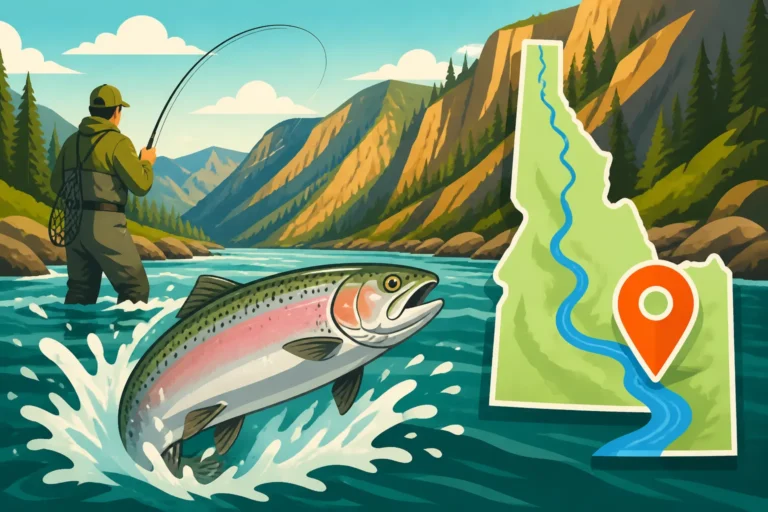
The Owyhee River Canyon isn't just a place to fish; it's an experience. Located in the southwestern corner of Idaho, spilling into Oregon and Nevada, this remote and rugged landscape is a world away from the more manicured fisheries closer to urban centers. Its isolation, dramatic volcanic scenery, and the sheer challenge of accessing its pristine waters are precisely what draw a certain kind of angler – those seeking solitude, adventure, and the chance to test their skills against truly wild fish. You won't find bustling campgrounds or easily accessible boat ramps in most sections, which for many, is exactly the point.
A True Wilderness Fishing Experience
What truly sets the Owyhee apart is its profound sense of wilderness. Cell service is virtually nonexistent in many parts of the canyon, forcing you to disconnect and fully immerse yourself in nature. This isn't a river where you can just pull off the highway, hop out, and start casting. Reaching the best stretches often involves navigating rough, unmaintained dirt roads that demand high-clearance, four-wheel-drive vehicles, and a solid understanding of backcountry travel. The quiet you find here is unparalleled, broken only by the rush of the river, the call of a raptor, or the splash of a rising trout. It’s an environment that encourages self-reliance and rewards those willing to put in the effort.
The Owyhee's appeal lies not just in the fish but in the journey itself. Imagine waking up to a crisp morning, the canyon walls glowing with the sunrise, and having an entire stretch of river to yourself. This isn't an exaggeration; it's the norm here. For anglers who feel a deep connection to wild places, the Owyhee offers a spiritual experience as much as a fishing one. It's a place where you can truly understand what it means to be a part of the natural world, without distraction.
Unique High Desert Ecosystem and Its Fishery
The Owyhee River's environment is a fascinating paradox: a vibrant, cold-water fishery thriving in a high-desert landscape. The river cuts deep through ancient volcanic rock, creating dramatic canyons, basalt cliffs, and unique geological formations. This geology heavily influences the river's character, providing abundant structure like deep pools, turbulent riffles, and undercut banks that serve as prime habitat for fish. The water itself often runs clear and cold, especially outside of runoff periods, fed by a watershed that retains its wild character.
This specific ecosystem supports a diverse range of aquatic insects and forage, from various caddis and stoneflies to scuds and baitfish, which in turn fuels a healthy population of game fish. The nutrient cycles in this high-desert river, though perhaps different from a spring creek or a mountain freestone, are robust enough to sustain impressive fish growth. Understanding this delicate balance and how the fish react to these conditions is key to unlocking the Owyhee’s fishing potential. It's a river that teaches you to observe, adapt, and appreciate the resilience of nature.
Target Species: What You'll Find Biting in the Owyhee
When you venture into the Owyhee River Canyon, you're primarily going after some truly special fish. This isn't a numbers game for most, but rather a pursuit of quality, wild specimens that thrive in this challenging environment. The main stars of the show are the brown trout and native redband trout, with smallmouth bass making an appearance in some warmer sections.
Wild Brown Trout
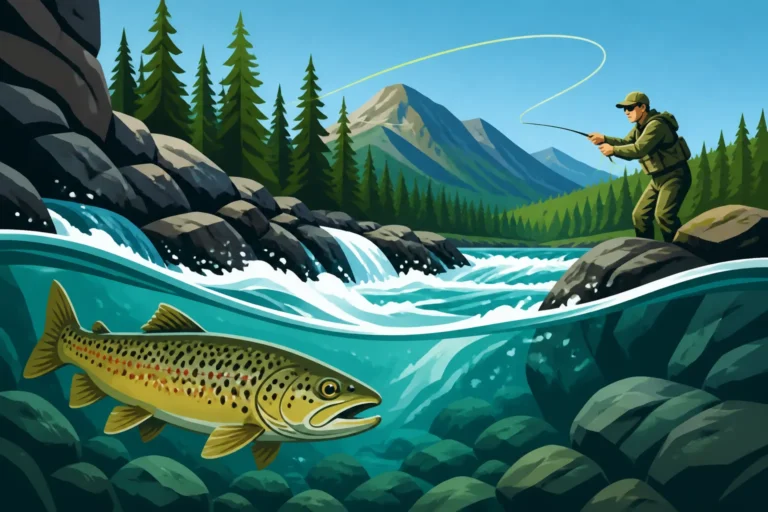
The Owyhee River has developed a well-deserved reputation for its population of wild brown trout. These fish are absolute beauties, often displaying vibrant golds, olives, and deep reds, with distinct red and black spots haloed in lighter colors. Unlike their hatchery-raised counterparts, Owyhee browns are incredibly wary and opportunistic, making them a formidable challenge for any angler. They tend to be strong fighters, often hugging the bottom or making powerful runs for cover when hooked, pushing your tackle and technique to the limit.
These wild browns typically prefer the deeper, slower pools, the shadows of undercut banks, and the protective cover of large rocks and woody debris. They're often most active during low light conditions – dawn, dusk, and even into the night – when they'll cruise for larger meals. While you might encounter browns ranging from 12 to 16 inches, the Owyhee holds genuine trophy potential, with fish exceeding 20 inches not uncommon. It’s this chance at a truly exceptional, wild brown trout that keeps many anglers coming back. For more on these magnificent fish, check out our guide on Idaho Brown Trout Fishing.
Native Redband Trout
Alongside the brown trout, the Owyhee River is also home to native redband trout. These are a unique subspecies of rainbow trout, perfectly adapted to the arid and fluctuating conditions of the intermountain west. Redbands are characterized by their striking red-orange lateral stripe, often more pronounced than on typical rainbows, and their generally lighter, more golden coloration. They are notoriously finicky and easily spooked, requiring a stealthy approach and precise presentations.
Redbands thrive in the river’s faster, oxygenated riffles and pocket water, often holding behind structure where they can dart out to intercept drifting insects. While generally smaller than the largest browns, a 14-inch Owyhee redband is a feisty fish that will put up a spectacular aerial fight. Catching one of these native gems feels like a true accomplishment, a testament to both your skill and the pristine nature of the Owyhee’s ecosystem. To learn more about the broader family these fish belong to, you might find our Idaho Rainbow Trout Fishing Guide interesting, understanding that redbands represent a distinct regional variant.
Smallmouth Bass
While the upper and middle sections of the Owyhee are primarily cold-water trout fisheries, as the river flows further downstream and enters warmer, slower stretches, smallmouth bass begin to appear. These hard-fighting warm-water fish offer a different kind of challenge and a welcome alternative for anglers when trout might be less active, especially during the hotter summer months. Owyhee smallmouth are known for their aggressive strikes and powerful, acrobatic fights.
You’ll find smallmouth bass gravitating towards rocky structure, current breaks, and submerged ledges in the warmer, often wider, parts of the river. They'll readily hit a variety of lures and flies, making them a fun target. While perhaps not the primary draw of the Owyhee for most, finding a robust smallmouth population in these lower reaches adds another exciting dimension to the canyon’s fishing opportunities. For those keen on targeting these feisty fish, our Idaho Smallmouth Bass Fishing guide offers more general tips.
Essential Techniques and Gear for Owyhee Success
Fishing the Owyhee requires specific approaches, given its unique environment and the wary nature of its fish. Whether you prefer fly fishing or spin fishing, a thoughtful selection of techniques and gear will significantly enhance your chances of success. This isn't a place for heavy-handed tactics; finesse and adaptability are your best friends. To further improve your overall strategy, consider exploring our comprehensive Idaho Fishing Techniques Guide.
Fly Fishing the Owyhee
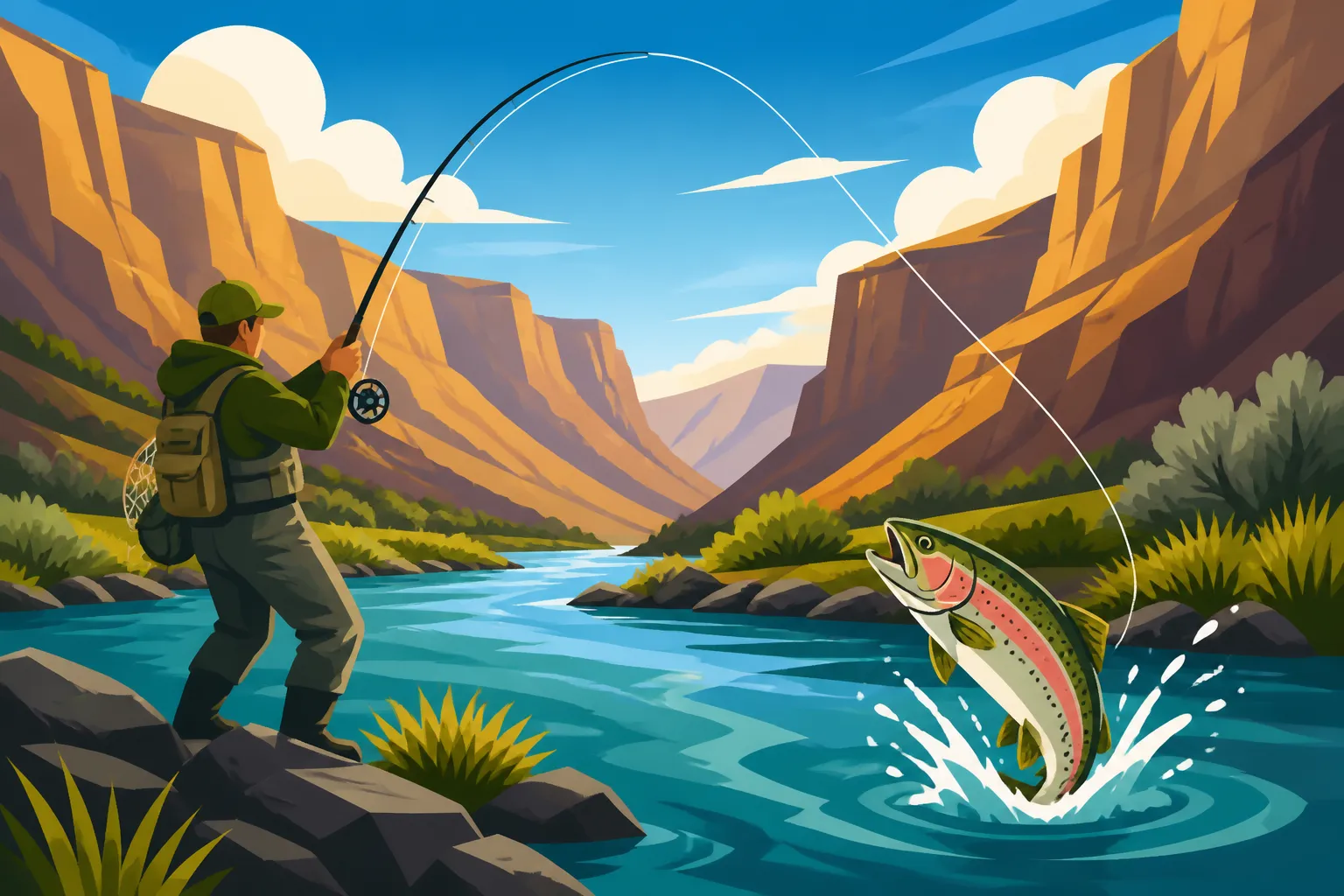
The Owyhee River Canyon is, for many, a fly angler's paradise. The clear water demands precise presentations, and the diverse insect life provides ample opportunity for matching the hatch.
- Dry Fly Fishing: When hatches are on, dry fly fishing can be spectacular. Look for caddis, various mayflies (like Blue-winged Olives and Pale Morning Duns), and terrestrials such as grasshoppers, ants, and beetles, especially during summer and early fall. A precise cast and delicate presentation are crucial to avoid spooking the wary Owyhee trout. Larger, foam-bodied patterns like Chubby Chernobyls can also be very effective for aggressive browns, especially in faster water, imitating larger terrestrial insects.
- Nymphing: Nymph fishing is consistently productive on the Owyhee. Patterns that imitate stonefly nymphs, caddis larvae, and scuds are staples. Using a strike indicator and split shot to get your flies down to the fish's feeding lanes in deeper pools and runs is key. Dead-drifting nymphs along current seams and through pocket water often elicits strikes from both brown and redband trout.
- Streamer Fishing: For those seeking the biggest brown trout, streamer fishing can be incredibly rewarding, particularly during low light or when water levels are a bit higher and off-color. Patterns like Woolly Buggers, Sculpzillas, and articulated streamers in olive, black, or brown can mimic baitfish and aggressive prey, enticing larger trout out of their hiding spots. Stripping these flies with an erratic retrieve often triggers violent strikes. To hone your fly-fishing skills for this unique environment, our How to Fly Fish in Idaho guide can provide a solid foundation.
Spin Fishing Options
While fly fishing dominates the Owyhee narrative, spin anglers can absolutely find success with the right approach and tackle. The key is to think light and subtle, avoiding anything that creates too much disturbance.
- Light Tackle: Opt for ultra-light or light spinning rods (6-7 feet) paired with small reels spooled with 4-6 lb test line. Fluorocarbon leaders are highly recommended for their invisibility in the clear water.
- Small Lures: Small spinners (like Mepps, Panther Martin, or Rooster Tail in sizes #0 to #2), small spoons (such as Kastmasters or Little Cleos), and tiny jerkbaits (like Rapala countdowns) can be highly effective for trout. For smallmouth bass in warmer sections, small crankbaits, soft plastic tubes, or grubs rigged on light jig heads work well.
- Presentation: Focus on casting upstream and allowing your lure to drift naturally downstream through promising lies, imparting subtle action with your rod tip. Target eddies, current seams, and the edges of deeper pools. Just like with fly fishing, a stealthy approach and minimizing splashing are vital.
Wading vs. Floating the River
How you traverse the Owyhee will largely dictate your fishing experience and what sections you can access.
- Wading: Many anglers choose to wade fish the Owyhee, especially in its more accessible upstream areas. This allows for a very intimate experience with the river. However, the Owyhee's bottom can be slick with algae-covered rocks, and currents can be deceptively strong. Sturdy wading boots with good ankle support and felt or studded soles are essential for safety. A wading staff is also a highly recommended piece of gear for stability. Wading offers the flexibility to explore specific runs and pools thoroughly but limits how much water you can cover in a day.
- Floating: For a truly immersive experience and to access miles of otherwise unreachable canyon water, floating the Owyhee in a drift boat, raft, or inflatable kayak is the preferred method for many. This allows anglers to cover vast stretches of river, hitting numerous productive spots that are inaccessible from the bank. However, floating trips require significant logistical planning, including shuttle arrangements for vehicles at the put-in and take-out points, and specialized equipment suitable for navigating potential rapids. Many anglers opt to hire a licensed guide for floating trips, as they provide the necessary gear, expertise, and handle all the complex logistics.
Navigating the Owyhee: Access, Logistics, and Guided Trips
The remoteness that gives the Owyhee its charm also presents its biggest challenges. Getting there, knowing where to go, and ensuring your safety require careful planning. It's not a spur-of-the-moment destination.
Remote Access Points and Rough Roads
Access to the Owyhee River is typically gained via long stretches of unpaved, often rough, and sometimes unmarked dirt roads. Key access points can include areas around Three Forks (where the North, South, and East Forks of the Owyhee converge), and various points downstream towards the community of Rome, Oregon. However, "access" often means simply reaching the canyon rim, from which a challenging hike might be required to reach the river itself.
These roads are frequently remote, lack signage, and can become impassable after heavy rain or snow, even with a 4×4 vehicle. It's not uncommon to encounter washouts, deep ruts, or sections of deep sand. Always carry extra fuel, spare tires, a shovel, recovery gear, and plenty of water and food. Inform someone of your itinerary and expected return time, as help can be a long way off. Trust me, getting stuck out here is no picnic. Researching specific road conditions and mapping your route meticulously before you leave is non-negotiable.
Permit Requirements and Regulations
Before you even think about wetting a line in the Owyhee, you'll need the proper licensing. An Idaho fishing license is mandatory for all anglers 14 years and older. These can be purchased online through the Idaho Fish and Game website or at various vendors across the state. It's crucial to understand the specific regulations for the Owyhee River, as they can vary by section and species. Many stretches are managed as wild trout fisheries with strict catch-and-release rules and mandatory use of barbless hooks to minimize harm to the fish.
Always consult the most current Idaho Fishing Regulations brochure, often referred to as the "proclamation," which is updated annually. Pay close attention to any special regulations for the Owyhee drainage. Ignorance of the rules is not an excuse, and violations can result in significant fines. Our comprehensive Idaho Fishing Regulations Explained and Idaho Fishing License Guide resources can help you ensure you're fully compliant before your trip.
Hiring an Experienced Guide for the Owyhee
Given the Owyhee's challenging nature, limited access, and technical fishing, many anglers, especially those new to the area, find immense value in hiring an experienced fishing guide. A local guide brings an unparalleled depth of knowledge about the river's ever-changing conditions, the best fishing spots, effective techniques, and crucial safety protocols.
An Owyhee guide will typically provide all the necessary fishing gear, including rods, reels, and flies or lures, expertly rigged for the conditions. More importantly, they handle all the complex logistics of a remote trip, such as transportation in rugged vehicles, shuttle services for float trips, and often provide meals. Their expertise can transform a potentially frustrating and unsafe trip into a highly successful and enjoyable one.
When looking for a guide, seek out those who specialize in the Owyhee River and have a proven track record. Platforms like FishingBooker can be an excellent resource for finding reputable, licensed guides who operate in the Owyhee region. A good guide will not only put you on fish but will also teach you about the unique ecosystem and history of the canyon, enriching your entire experience. For an idea of what to expect regarding costs, our Idaho Fishing Guide Cost Guide can offer some perspective, and don't forget to review Idaho Fishing Guide Tipping and Etiquette to ensure you're prepared.
Seasonal Strategies for Owyhee Anglers
Timing your Owyhee River adventure is critical, as conditions and fishing opportunities can vary dramatically throughout the year. The high desert environment means extreme temperatures are common, influencing both fish behavior and access.
Spring (March – May)
Spring on the Owyhee is a period of transition, often heralded as one of the best times to fish for trout, but it also comes with its challenges.
- Early Spring (March – April): As water temperatures begin to rise, trout become more active after their winter sluggishness. Blue-winged Olive (BWO) hatches can be prolific on overcast days, offering fantastic dry fly opportunities. Nymphing remains highly effective as trout feed on subsurface insects. However, this is also when runoff from snowmelt can begin. High, cold, and often muddy water can make fishing difficult or impossible. It's crucial to monitor river flows before planning a trip during this window.
- Late Spring (May): This can be a sweet spot if runoff is manageable or has begun to recede. Caddis hatches typically kick into high gear, and stonefly nymphs become increasingly active. Water levels may still be elevated, making wading challenging but potentially ideal for floating trips. This period often sees very active trout, eagerly feeding on the abundance of insects.
Summer (June – August)
Summer in the Owyhee Canyon brings warm, often scorching temperatures, which significantly impact fishing strategy.
- Trout Fishing: Trout fishing can still be good in early summer, especially in the cooler mornings and evenings, but as water temperatures rise, trout seek out deeper, cooler water and become less active. Focusing on shady banks, deep pools, and the mouths of cooler tributaries can still yield results. Terrestrial patterns (hoppers, ants, beetles) become important dry fly choices. However, for the sake of the fish, many dedicated trout anglers will avoid fishing the Owyhee's mainstem in the heat of July and August, as fighting fish in warm water can be lethal to them.
- Smallmouth Bass: This is prime time for smallmouth bass in the lower, warmer sections of the river. They thrive in the heat and are typically aggressive, hitting a variety of topwater lures, crankbaits, and soft plastics. If you're looking for a good fight and don't mind the heat, shifting your focus to smallmouth can provide excellent action.
Fall (September – November)
Fall is widely considered the prime fishing season on the Owyhee River, particularly for trophy brown trout.
- Ideal Conditions: As air temperatures cool, so does the water, re-energizing the trout. Fall brings consistent hatches of Blue-winged Olives, midges, and various caddis. Terrestrial fishing can remain strong through September. This is when the largest brown trout become incredibly aggressive as they prepare for spawning, making streamer fishing highly effective.
- Spectacular Scenery: Beyond the fishing, the Owyhee Canyon in fall is visually stunning, with vibrant autumn colors adding to the dramatic landscape. The crowds are typically smaller than in peak summer tourist spots, enhancing the wilderness feel. This is the season when anglers dreaming of big Owyhee browns often plan their trips. Due to its popularity, if you plan to hire a guide for a fall trip, it's wise to book well in advance, and FishingBooker can assist you in connecting with guides who specialize in this coveted season. For a deeper dive into seasonal dynamics, our Best Time of Year to Fish in Idaho guide offers broader context.
Winter (December – February)
Winter fishing on the Owyhee is a niche pursuit, appealing to the most dedicated and hardy anglers.
- Challenges: Access can be severely limited by snow and ice on the remote roads, and river conditions can be harsh. Water temperatures are very cold, and fish activity slows considerably.
- Opportunities: On milder winter days, a stealthy nymphing approach with small midge patterns can still entice lethargic trout in deeper pools. The solitude, however, is absolute, making it an appealing time for those seeking pure peace and quiet, often willing to brave the cold for a chance at a winter brown.
Here’s a quick overview of what you might encounter by species:
| Fish Species | Preferred Habitat | Typical Size Range (inches) | Recommended Technique | Best Time of Year |
|---|---|---|---|---|
| Wild Brown Trout | Deep pools, undercut banks, woody debris | 12-20+ | Streamers, nymphs, dries | Fall, Spring, low light |
| Native Redband Trout | Faster riffles, pocket water, current seams | 10-16 | Nymphs, dries, small spinners | Spring, Fall |
| Smallmouth Bass | Rocky structure, current breaks, submerged ledges (lower river) | 8-15 | Crankbaits, jigs, soft plastics | Summer |
Conservation and Responsible Angling on the Owyhee
The Owyhee River is a precious and fragile ecosystem, and its wild fishery depends entirely on responsible angling practices. As visitors, we have a collective responsibility to protect this remote gem for future generations.
Embrace Catch and Release
For trout and redband trout especially, practicing catch and release is paramount. Most of the Owyhee's prime trout water is managed under strict catch-and-release regulations to sustain the wild populations. Even where keeping a fish is technically permitted, many anglers choose to release all trout to help maintain the quality of the fishery.
When practicing catch and release, handle fish minimally, with wet hands, and keep them in the water as much as possible. Use barbless hooks, which are often required by regulation anyway, to ensure easy and quick release. Avoid prolonged fights, especially in warmer water, and ensure fish are revived and swim away strongly before letting them go.
Leave No Trace Principles
Given the Owyhee's wilderness character, adhering to Leave No Trace principles is more important here than almost anywhere else. Pack out everything you pack in, including all trash, food scraps, and even fish entrails. Minimize your impact on vegetation and soil, especially along riverbanks and at campsites. Use existing campsites where possible, and avoid creating new fire rings or disturbing the natural landscape.
Respect wildlife by observing from a distance and never feeding animals. The beauty of the Owyhee lies in its untouched nature, and it’s up to every angler to help keep it that way. Being prepared for your trip means not just having the right fishing gear, but also being equipped to minimize your environmental footprint.
Disclaimer
The information provided in this guide is for general informational purposes only. Fishing conditions, regulations, and access can change rapidly in remote areas like the Owyhee River Canyon. Always consult the official Idaho Fish and Game regulations, current weather forecasts, and local authorities before planning your trip. Safety in the backcountry is your responsibility.