Fishing the Clearwater River for Fall Steelhead
There's a unique thrill, a kind of primal draw, that comes with the thought of chasing fall steelhead on Idaho's legendary Clearwater River. Many anglers dream of it, but when it comes to actually planning a trip, the sheer scale of the river, the unpredictable nature of the fish, and the sometimes-finicky conditions can feel utterly overwhelming. You might find yourself wondering where to even start, what gear you absolutely need, or how to navigate those vast stretches of water. This guide is designed to cut through that confusion, giving you a detailed, empathetic roadmap to successfully target fall steelhead on the Clearwater, making your dream trip a tangible reality.
Why the Clearwater River is a Fall Steelhead Mecca
The Clearwater River isn't just another river in Idaho; it's practically synonymous with fall steelhead fishing. For generations, anglers have flocked to its waters, drawn by the promise of battling these powerful, ocean-going rainbow trout. But what makes this particular river such a standout, and why do these fish hold such a revered status among the angling community? It's more than just the fish themselves; it's the entire experience of the Clearwater that captivates.
The Legendary Runs of Clearwater Steelhead
When we talk about steelhead on the Clearwater, we're discussing one of the most robust and accessible runs of anadromous fish in the Lower 48. These aren't just big trout; they're magnificent creatures that migrate hundreds of miles from the Pacific Ocean, up the Columbia and Snake Rivers, and finally into the Clearwater and its tributaries. Their journey imbues them with incredible strength and fighting spirit, making every hook-up an unforgettable encounter. The fall run, in particular, is highly anticipated, as fresh, chrome-bright fish begin to enter the system as early as late August and continue pushing in through the fall months, offering prime opportunities well into winter. The sheer volume of fish can be impressive, and the potential for a trophy-sized steelhead is a very real possibility, with fish often exceeding 10 pounds.
The River's Diverse Character
What truly sets the Clearwater apart is its incredible diversity. From its broad, sweeping lower sections to the more intimate, riffle-filled stretches of its forks, the river offers a range of habitats that cater to different fishing styles and preferences. The main stem of the Clearwater, especially below Orofino and upstream to Kooskia, offers ample space for jet boats and drift boats to cover significant water, accessing deep holes and broad runs where steelhead congregate. As you move into the North Fork, Middle Fork, and South Fork, the river often becomes more wadeable in certain areas, with distinct features like boulder gardens, swift currents, and defined holding lies. This varied landscape means that whether you prefer casting from shore, drifting in a boat, or carefully wading a riffle, the Clearwater has a piece of water that will challenge and reward you. Understanding these different sections is key to planning your approach, as detailed in our guide to Idaho Fishing Techniques Guide.
Understanding the Fall Steelhead Run on the Clearwater
Successfully targeting fall steelhead on the Clearwater isn't just about showing up with a rod; it's about understanding the nuances of their migration and behavior. The "fall" run isn't a single, static event; it's a dynamic period influenced by a multitude of factors, from river conditions to the fish's own biological clock. Patience and adaptability are your best allies here.
Timing and River Conditions
The fall steelhead run typically kicks into high gear around late September and can extend well into December, even January, before transitioning into the winter fishery. Early fall fish are often more aggressive, having just arrived from the ocean. As the water temperatures drop, fish might become more lethargic but still bite. Key factors that dictate fish movement and behavior include:
- Water Temperature: Steelhead are cold-water fish, and their activity levels are directly tied to water temps. Ideal temperatures often hover between 45-55°F. Too warm, and they can be sluggish; too cold, and they might slow their metabolism.
- Water Levels and Clarity: This is huge. The Clearwater can fluctuate significantly, especially after heavy rains or snowmelt. Higher, muddier water can make fishing difficult, pushing fish into slower, softer water closer to the banks. Conversely, very low, clear water can make fish spooky and less willing to bite. The sweet spot is often dropping or stable flows with good visibility – typically 2-4 feet of clarity is a good target.
- Fish Counts: Keeping an eye on the fish counts at Bonneville, McNary, Ice Harbor, and Lower Granite dams (all downstream on the Columbia and Snake rivers) can give you a general idea of how many fish are headed your way. While not an exact science for the Clearwater specifically, it provides valuable insight into the overall run strength. You can often find this information on the Idaho Department of Fish and Game (IDFG) website.
Steelhead Behavior and Holding Lies
Fall steelhead are primarily focused on migrating upstream to their spawning grounds, but they do pause, rest, and feed opportunistically along the way. Understanding where they hold is crucial. They favor areas that offer cover, current breaks, and access to deeper water, while still allowing them to conserve energy for their arduous journey.
- Tailouts of Pools: As water flows out of a deep pool and begins to shallow, creating a faster current, steelhead often stack up in the seam where the faster water meets the slower water. These "tailouts" are prime ambush points.
- Deep Runs and Channels: Anywhere the river carves a deeper path, especially with a consistent current, is a likely holding spot. These can be particularly productive for boat anglers who can effectively drift through them.
- Confluence Areas: Where tributaries like the Lochsa or Selway rivers meet the main Clearwater, these confluences create unique current dynamics and often warmer water (especially in early fall) which can attract migrating steelhead.
- Structure: Submerged logs, large boulders, or even sharp bends in the river that create current breaks can be magnets for steelhead. They use these features to hide and rest.
It's important to remember that these fish are often in motion. What was a productive spot one day might be empty the next. This is why covering water and being observant of changing conditions are so vital. For more on how to identify these areas, check out our guide on Reading Water on Idaho's Rivers.
Key Fishing Techniques for Clearwater Fall Steelhead
Fishing for fall steelhead on the Clearwater can involve a variety of techniques, each with its own advantages depending on the water conditions, specific location, and your preferred angling style. Flexibility is key; don't get locked into one method if it's not producing.
Drift Fishing with Bait or Beads
Drift fishing is arguably the most classic and effective method for fall steelhead on the Clearwater. It involves presenting a natural bait or an imitation (like a bead) to the fish in a natural, free-drifting manner, mimicking what the current would naturally carry. This technique is particularly effective in runs, riffles, and the deeper sections of pools.
- The Setup: A typical drift fishing setup uses a medium-heavy spinning or baitcasting rod (8.5-10 feet), a durable reel spooled with 15-20 lb monofilament or braid with a fluorocarbon leader (10-15 lb), and pencil lead or Slinky weights to get your offering to the bottom. The key is to use just enough weight to bounce along the bottom without dragging.
- Bait Selection: Cured roe (salmon or steelhead eggs) is a perennial favorite, often drifted in an egg loop or small spawn sack. Other popular options include sand shrimp, small pieces of prawn, or even colored beads that imitate a single egg.
- The Drift: Cast slightly upstream and across the current, allowing your weight to tick the bottom as your bait or bead drifts downstream. The goal is to keep a slight tension on the line, feeling for those subtle "taps" or "stops" that indicate a bite. This technique is incredibly effective for steelhead holding tight to the bottom in flowing water.
Bobber Dogging and Float Fishing
Bobber dogging, or float fishing with a longer leader and more weight, has gained immense popularity on the Clearwater, especially for those fishing from boats. It allows anglers to present baits or jigs in a controlled manner, suspending them at a precise depth just off the bottom.
- The Setup: This method typically uses a longer, sensitive rod (10-12 feet or more) to control the drift and absorb shocks from powerful fish. Large Drennan or Raven floats are common, paired with enough split shot or pencil lead to balance the float. Your leader, often 4-8 feet of fluorocarbon, will connect to a jig, bead, or bait presentation.
- Bobber Dogging vs. Traditional Float Fishing: "Bobber dogging" often refers to using a fixed float from a boat, allowing it to "dog" or walk along the bottom with your offering, covering water as the boat drifts. Traditional float fishing, particularly from shore, involves casting a free-drifting float down a run. Both rely on the float to suspend your offering and signal bites.
- Presentations: Small marabou jigs in colors like pink, cerise, orange, or black are deadly, as are beads. Cured eggs or shrimp can also be fished under a float. The visual strike indication from a bobber disappearing is exhilarating! Many guides specializing in Clearwater River Steelhead Guides utilize this method heavily.
Pulling Plugs and Wiggler Fishing
For boat anglers, especially those back-trolling or side-drifting, pulling plugs or "wigglers" is a highly effective technique. These are artificial lures designed to dive and wobble, imitating wounded baitfish or simply aggravating a steelhead into striking.
- The Lures: Popular choices include Brad's Killerfish, Mag Lips, Wiggle Warts, and various flatfish-style plugs. Colors vary wildly, from bright chartreuse and orange to more natural silver and black. Scent is often added to enhance attraction.
- The Method: Typically done from a boat, plugs are deployed upstream and allowed to dive as the boat slowly backs downriver, maintaining a speed just slightly slower than the current. This makes the plugs "wiggle" in place, often right in the face of holding steelhead. The vibrations and visual presentation can trigger aggressive strikes.
- When to Use It: This technique excels when fish are aggressive, water clarity is decent, and you're covering long stretches of river. It's a great search pattern to locate active fish.
Fly Fishing for Fall Steelhead
While spin gear is prevalent, the Clearwater also offers excellent opportunities for fly anglers, especially in certain stretches and during specific conditions. Fly fishing for steelhead is often a more active and nuanced approach.
- Spey and Two-Handed Rods: For covering vast amounts of water and casting heavy sink tips, two-handed Spey rods (12-14 feet, 7-9 weight) are often preferred. They allow for long casts and efficient swinging of flies through likely holding water.
- Single-Handed Rods: In more intimate, wadeable sections or when nymphing, a strong single-handed 7 or 8-weight rod can be very effective.
- Flies: Streamers that imitate baitfish or larger aquatic insects, often in black, purple, blue, or pink, are swung through the current. Intruders, weighted leeches, and various general attractor patterns are also popular. For nymphing, large stonefly imitations, caddis, or even egg patterns can be effective when drifted under an indicator.
- Techniques: Swinging flies on a Spey rod involves casting across and down, letting the current animate the fly as it swings to the bank. Nymphing is similar to drift fishing with spin gear, but using a fly rod and typically smaller weights or heavier flies. The challenge and reward of catching a steelhead on a fly rod are immense.
Here's a quick comparison of popular techniques:
| Technique | Primary Target Areas | Ideal Conditions | Pros | Cons |
|---|---|---|---|---|
| Drift Fishing | Deep runs, tailouts, riffles | Moderate to fast current, good visibility | Very effective, natural presentation | Can lose tackle in rocky bottoms, requires feel |
| Bobber Dogging/Float | Runs, pools, current seams | Varied current speeds, especially from boats | Precise depth control, visual strike | Requires longer rods, can be slow covering water |
| Pulling Plugs | Long, consistent runs, deeper water | Aggressive fish, moderate clarity, boat access | Covers lots of water, triggers aggressive bites | Less effective in slow or very clear water, boat-dependent |
| Fly Fishing (Spey) | Broad runs, swinging water | Moderate current, wadeable access | Elegant, active, strong connection to fish | Steeper learning curve, limited by access and conditions |
Navigating the Clearwater: Access and Logistics
The Clearwater River is a big system, and knowing where to go and how to access it is crucial for a successful trip. You've got options, from hopping on a guided trip to exploring public access points on your own.
Popular Fishing Zones
The Clearwater River stretches for miles, but certain sections are renowned for their fall steelhead fishing.
- Below Lewiston: This section, particularly where the Clearwater meets the Snake River, can be productive, especially in early fall as fish first enter the system. Access is good, with multiple boat ramps.
- Orofino to Dworshak Dam: This stretch, often referred to as the "Dworshak stretch," is incredibly popular. The section immediately below Dworshak Dam is known for attracting a high concentration of fish, especially when water is being released. Above Orofino, you'll find numerous public access points and boat launches. The town of Orofino is a hub for anglers, offering services and supplies.
- Above Kooskia (Middle and South Fork): As you move further upstream, past Kooskia and into the Middle and South Forks of the Clearwater, the river changes character. These sections are often more wadeable in places, with classic riffle-pool habitat that can be fantastic for fly fishing or drift fishing. However, fish numbers can be more spread out here, and access might require more local knowledge or hiking.
Boat vs. Bank Fishing
The decision to fish from a boat or from the bank largely dictates your strategy and the water you can cover.
- Boat Fishing: A jet boat is the most common and effective way to fish the main stem of the Clearwater, allowing you to quickly move between productive runs and access stretches of water unreachable by foot. Drift boats are excellent for covering specific runs systematically. Many of the most productive techniques, like pulling plugs or bobber dogging, are optimized for boat fishing. If you don't own a boat, consider hiring one of the many experienced Idaho Fishing Guides and Charters Directory. They provide all the gear and expertise. Websites like FishingBooker can be a great resource to find reputable guides who specialize in Clearwater steelhead.
- Bank Fishing: Don't discount bank fishing! There are numerous public access points, particularly around Orofino, Lenore, and Cherry Lane, that offer excellent opportunities for shore anglers. Casting jigs under a float, drift fishing, or even swinging flies can be productive from the bank. Look for areas with current breaks, deeper water close to shore, or tailouts of pools where fish might rest. Remember, patience is key, and getting there early to claim a good spot can make a difference.
Hiring a Fishing Guide
For many, especially first-timers or those wanting to maximize their chances, hiring a guide is an excellent investment. A professional guide brings invaluable local knowledge, years of experience, and specialized equipment. They know precisely where the fish are holding, what techniques are working best, and how to navigate the river safely. Services like FishingBooker list many qualified Clearwater River steelhead guides, making it easy to compare options and book your trip. A guided trip typically includes all the necessary gear, bait, and invaluable instruction. This can drastically shorten your learning curve and significantly increase your odds of success. They can also help you understand complex regulations, like those for the Idaho Salmon and Steelhead Permit.
Essential Gear for Your Clearwater Steelhead Adventure
Having the right gear is crucial for enjoying your time on the Clearwater and effectively battling these powerful fish. While specific setups can vary by technique, a few core items are universally important.
Rods, Reels, and Line
- Rods: For drift fishing or float fishing, a medium-heavy spinning or casting rod, 8.5 to 10.5 feet in length, is a good all-around choice. This length provides leverage for casting, line control, and fighting strong fish. Fly anglers often opt for 7-9 weight single-handed rods or 7-9 weight Spey/two-handed rods for swinging flies.
- Reels: Pair your rod with a high-quality reel known for its smooth drag and durability. A size 3000-4000 spinning reel or a similar sized baitcasting reel will handle the hard runs of a steelhead. Fly reels should have a strong, smooth drag system and enough capacity for your fly line plus ample backing.
- Line: For conventional gear, 15-20 lb monofilament or braided mainline is common, often with a 10-15 lb fluorocarbon leader. Fluorocarbon is nearly invisible underwater and has excellent abrasion resistance, which is vital in a river with rocks and debris. Fly lines will vary depending on the technique – floating lines for nymphing, and various sink tips or sinking lines for swinging flies.
Tackle and Terminal Gear
Beyond the rod and reel, a well-stocked tackle box is essential.
- Weights: An assortment of pencil lead, Slinky weights, and split shot will allow you to adapt to different current speeds and depths when drift fishing or float fishing.
- Hooks: Sharp, strong hooks are non-negotiable. Sizes can range from #1 to 2/0, depending on your bait. Be sure to check regulations for specific hook requirements, such as Idaho Barbless Hook Requirements.
- Jigs, Beads, and Plugs: Carry a variety of colors and sizes. For jigs, think pink, orange, chartreuse, black, and white. For beads, 8mm to 12mm in natural egg colors or bright attractors. For plugs, have a few different styles and colors like Brad's Killerfish or Mag Lips.
- Swivels and Leaders: Quality barrel swivels prevent line twist, and a variety of fluorocarbon leader material (8-15 lb test) is a must.
Waders and Layered Clothing
The Clearwater in fall can be cold, wet, and unpredictable. Dressing in layers is crucial for staying comfortable and safe.
- Waders: Breathable chest waders are essential, allowing you to stay dry whether you're wading a shallow riffle or launching a boat. Neoprene booties and wading boots with good grip will keep your feet warm and secure.
- Layering: Start with a moisture-wicking base layer, add insulating layers like fleece or down, and top it off with a waterproof and windproof outer shell. Bring a warm hat, gloves, and waterproof rain gear.
- Safety Gear: Don't forget polarized sunglasses (for spotting fish and protecting your eyes), a good fishing vest or pack to organize your gear, and a first-aid kit. If you're fishing from a boat, always wear a life jacket.
Investing in quality gear will enhance your experience and increase your chances of success.
Conservation and Regulations on the Clearwater River
Fishing for steelhead on the Clearwater is a privilege, and it comes with the responsibility of understanding and adhering to Idaho's fishing regulations. These rules are in place to protect the fishery and ensure sustainable populations for future generations.
Understanding Your Idaho Fishing License and Permits
Before you even make your first cast, you need to ensure you have the proper documentation.
- Idaho Fishing License: Every angler aged 14 and older must possess a valid Idaho Fishing License Guide. Residents and nonresidents have different license types and costs, so be sure to get the correct one. Kids under 14 typically don't need a license, but it's always wise to check the current regulations.
- Steelhead Permit: On top of your general fishing license, a separate Steelhead Permit is required to fish for steelhead in Idaho. This permit is crucial and helps fund conservation efforts. Ensure you purchase this before hitting the water. You can find comprehensive details in our Idaho Fishing Permits and Stamps Explained article.
- Catch Record Card: With your steelhead permit, you'll receive a Catch Record Card. This card is legally required and must be filled out immediately after retaining a hatchery steelhead. It tracks your catch and is vital for Idaho Fish and Game to monitor harvest rates and manage the fishery. Failure to properly fill out or return your catch card can result in fines.
Daily Bag Limits and Identification
Idaho has strict rules regarding the number of steelhead you can keep, and it's absolutely critical to be able to distinguish between hatchery and wild steelhead.
- Hatchery vs. Wild Steelhead: All wild steelhead in Idaho must be released unharmed. Only hatchery steelhead, identified by a clipped adipose fin (the small, fleshy fin on their back between the dorsal and tail fins), can be legally retained. It's a quick visual check that every angler must master. Our guide on How to Tell Hatchery Steelhead from Wild Steelhead by Sight provides detailed instructions.
- Daily Bag Limits: The daily bag limit for hatchery steelhead can vary by river section and season, but typically it is 3 hatchery steelhead per day. The possession limit (how many you can have in your possession, including at home) is often twice the daily limit. Always consult the most current Idaho Fishing Regulations brochure for the specific section of the Clearwater you are fishing, as these rules can change annually. You can learn more in Idaho Catch Limits and Bag Limits Explained.
- Catch-and-Release Best Practices: Even for hatchery fish you intend to keep, and especially for wild fish you must release, handling them properly is paramount to their survival.
- Minimize handling: Keep the fish in the water as much as possible.
- Use wet hands: If you must touch the fish, wet your hands first to protect its slime coat.
- Support the fish horizontally: Never hold a steelhead vertically by its tail, as this can damage internal organs.
- Remove hooks gently: Use pliers or a dehooking tool. If a fish is deeply hooked, cut the line as close to the hook as possible.
- Revive the fish: Hold the fish gently in the current, facing upstream, until it can swim away under its own power.
Responsible angling practices ensure that the incredible fall steelhead fishery on the Clearwater River remains vibrant for years to come. Always check the latest Idaho Fishing Regulations Explained before you head out.
Final Thoughts on Your Clearwater Steelhead Journey
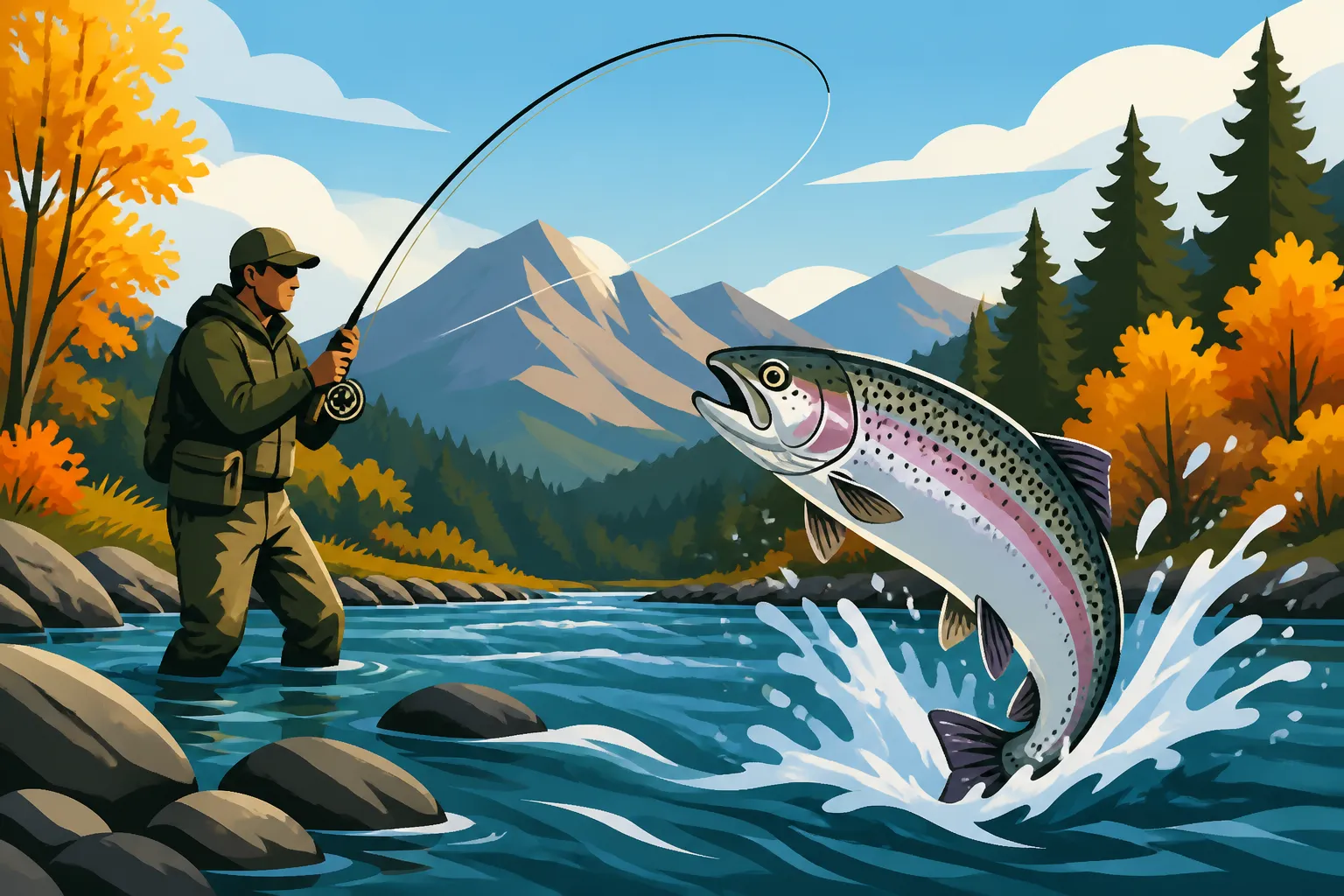
Chasing fall steelhead on the Clearwater River is more than just fishing; it's an immersive experience that connects you to Idaho's wild heart. It can be challenging, humbling, and incredibly rewarding, often all within the same day. There will be days when the fish seem to have vanished, when your casts are off, and the weather is less than ideal. But then, there will be those magical moments: the fierce tug on your line, the screaming reel, and the sight of a chrome-bright steelhead leaping against the backdrop of changing autumn leaves.
Remember to prioritize safety, respect the river, and adhere to all regulations. If you're feeling overwhelmed, don't hesitate to book a trip with an experienced guide, many of whom can be found through platforms like FishingBooker, who can provide invaluable insights and put you on fish. Embrace the learning curve, savor the journey, and enjoy the unparalleled beauty and thrill that fishing the Clearwater River for fall steelhead has to offer.
Disclaimer
The information provided in this guide is for general informational purposes only and is subject to change. Anglers are responsible for consulting the most current Idaho Department of Fish and Game regulations, seasons, and licensing requirements before engaging in any fishing activities.