Idaho Rules on Transporting Live Fish
It can be incredibly frustrating to navigate all the nuanced regulations when you just want to enjoy a day on the water, and among the most confusing topics for many anglers in Idaho are the rules surrounding transporting live fish. You might catch a beautiful trout and think, "Wouldn't this look great in my pond?" or you're heading to a new fishing spot with live bait and wonder if you're allowed to move it. This guide is here to clear up that confusion, explaining Idaho's strict policies on live fish transport, why they exist, and how you can stay on the right side of the law.
The Critical Reasons Behind Idaho's Live Fish Transport Laws
It might feel like the Idaho Department of Fish and Game (IDFG) is just trying to make things complicated with all these rules, but trust me, there are some incredibly vital reasons behind every single regulation, especially when it comes to moving live fish. These aren't arbitrary hoops to jump through; they're essential safeguards for the delicate ecosystems that make fishing in Idaho so special.
Preventing the Spread of Devastating Invasive Species
One of the biggest concerns, and frankly, a nightmare scenario for any wildlife manager, is the introduction of invasive species. Imagine moving a bucket of minnows from one lake to another, completely unaware that a few unwanted hitchhikers, like quagga mussels or New Zealand mudsnails, are lurking amongst them. These tiny invaders can quickly take over, outcompeting native species for food and habitat, altering water quality, and even clogging infrastructure like dams and irrigation systems. Once established, invasive species are almost impossible to eradicate, causing irreversible damage to fisheries and costing millions of dollars in control efforts. For instance, species like Eurasian watermilfoil can choke out native plants in just a few years, making fishing incredibly difficult and harming the entire food web. Preventing this kind of ecological disaster is paramount, and strict rules against moving live fish are a crucial first line of defense.
Controlling the Proliferation of Fish Diseases
Beyond physical invaders, moving live fish can also unintentionally spread diseases that can wipe out entire fish populations. Think about it: a fish that looks perfectly healthy to the naked eye might be a carrier for a nasty pathogen, like whirling disease, viral hemorrhagic septicemia (VHS), or even specific bacterial infections. If you move that fish, or even just the water it was in, to another body of water, you could be introducing a disease that has no natural predators or immunities in the new environment. These diseases can devastate native fish stocks, impacting not only the angling opportunities we cherish but also the broader health of our aquatic ecosystems. For instance, some diseases specifically target salmonids, meaning our prized trout, salmon, and steelhead populations could be at serious risk. These rules protect our wild populations from unseen threats that could quickly turn a vibrant fishery into a ghost town.
Protecting Idaho's Unique Native Fish Ecosystems
Idaho is home to some truly magnificent native fish species, from the tenacious Westslope Cutthroat Trout to the colossal White Sturgeon. These species have evolved over millennia to thrive in Idaho's specific environmental conditions, and their continued health is a testament to the state's natural heritage. Introducing non-native fish, even seemingly harmless ones, can disrupt this delicate balance. They might compete with native fish for food, introduce new parasites, or even hybridize with native populations, diluting their genetic integrity. The stunning biodiversity of places like the Snake River and the high mountain lakes relies on these protections. When you consider the effort and resources that go into conserving species like the Westslope Cutthroat Trout in Idaho or managing the careful catch-and-release rules for Idaho White Sturgeon Facts, you begin to understand just how seriously Idaho takes the protection of its indigenous aquatic life. Every rule, including those on live fish transport, is designed to keep our wild places wild and our native fish populations robust for generations to come.
Decoding Idaho's Regulations on Live Fish Transport
Alright, let's get down to brass tacks: what exactly are the rules? The core principle in Idaho is quite straightforward, though the nuances can sometimes trip people up. When in doubt, err on the side of caution. It's always better to be safe than sorry when dealing with wildlife regulations. For a complete overview of all the rules, it's a good idea to consult the official Idaho Fishing Regulations Explained brochure each year.
The General Prohibition and Limited Exceptions
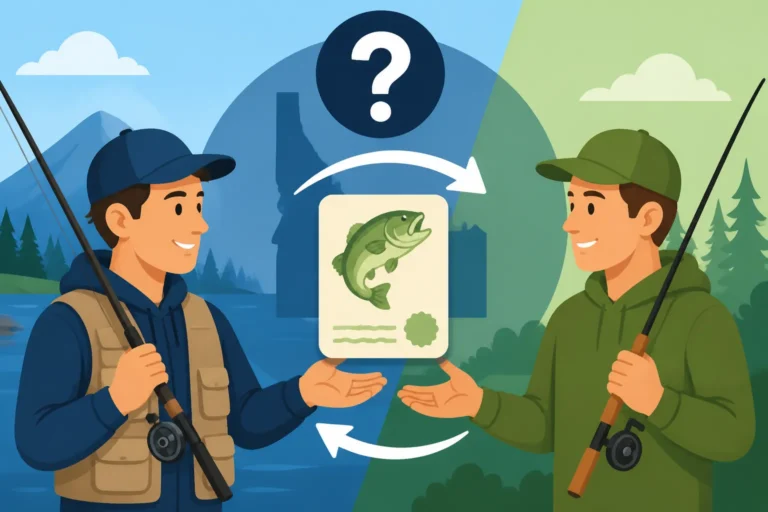
Here's the golden rule: it is generally illegal to transport live fish from one body of water to another in Idaho. This means if you catch a bass in Lake Lowell, you cannot take it alive and release it into the Boise River. If you catch a fish and want to keep it, you must either kill it immediately or consume it on site if allowed by local regulations. This applies to almost all game fish, non-game fish, and even aquatic organisms like crayfish.
However, there are a few very specific, highly regulated exceptions, primarily concerning commercially raised fish. These exceptions are typically for:
- Licensed Aquaculture Facilities: Businesses that are permitted by the state to raise and sell fish for stocking purposes. These operations adhere to strict biosecurity protocols and require special permits from the IDFG for any transport.
- Private Pond Stocking (with permits): If you own a private pond that is completely isolated from any natural waterways, you might be able to stock it with fish purchased from a licensed aquaculture facility. This always requires specific permits from the IDFG, ensuring the fish are disease-free and appropriate for the environment. You can't just buy fish online and dump them in your pond without state approval.
- Approved Live Baitfish: This is a big one for many anglers and has its own set of very specific rules, which we'll dive into next.
Any other form of live fish transport by the general public is almost certainly illegal. This includes moving fish you've caught, even if you intend to release them elsewhere, or moving wild baitfish you've trapped from one location to another.
Specific Regulations for Live Baitfish
Live bait is a whole different ballgame, and it’s where many anglers get confused. The good news is that you can use live bait in many Idaho waters, but the source and transport are heavily regulated. Generally, you cannot collect live bait (like minnows or crayfish) from one body of water and use it in another. This is to prevent the introduction of both invasive species and diseases that might be present in the source water.
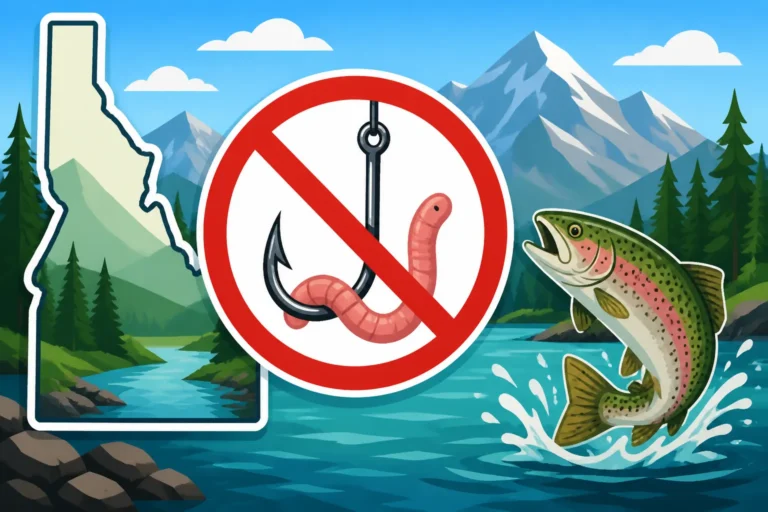
The IDFG provides clear guidelines on what constitutes legal live bait and where it can be used. For example, common legal live baits include worms, crickets, and mealworms, which are usually purchased from bait shops and are not considered a risk for spreading aquatic invasives or diseases. Some specific non-game fish, typically purchased from a licensed dealer, are allowed as live bait in certain waters. However, these often come with caveats:
- Source: The baitfish must be purchased from a licensed bait dealer within Idaho. This ensures the fish are certified disease-free and are from approved species.
- Species: Only certain species of fish are allowed for use as live bait. Species like redside shiners or certain dace might be permitted, but it's crucial to check the current regulations, as these can change. You can find detailed information in the Idaho Rules on Using Live Bait section of the annual regulation booklet.
- Water-Specific Rules: Even if a species is allowed as live bait, its use might be restricted to specific waters. For instance, live baitfish might be permitted in a large reservoir but strictly prohibited in a pristine trout stream or alpine lake. This prevents the accidental introduction of non-native species into sensitive habitats.
- No Release: A critical rule is that any unused live bait, including legal baitfish, cannot be released into any public water. You must either dispose of it on land (not in the water!) or take it home and keep it for future use in a private, contained system. This prevents accidental introductions.
Failing to adhere to these rules can result in significant penalties, even if your intentions were good.
Aquarium Fish and Private Pond Stocking Considerations
Many people have home aquariums, and the thought might cross your mind to release some of your fish into a local pond or river. Do not do this. Releasing aquarium fish into the wild is illegal and incredibly harmful to native ecosystems. Many common aquarium species are non-native and can become invasive, outcompeting native fish, introducing diseases, or altering habitats. The simple act of releasing a goldfish, for example, can lead to it growing to enormous sizes and wreaking havoc on local aquatic environments.
For those with private ponds, the rules for stocking are also strict. If your pond is completely self-contained, with no inlet or outlet connected to natural waterways, you may be able to stock it. However, you must first obtain a stocking permit from the IDFG. This permit ensures that:
- The pond is indeed isolated and poses no risk of escapement into public waters.
- The species you intend to stock are approved and will not cause ecological harm if they somehow escape.
- The fish you purchase come from a certified, disease-free aquaculture facility.
It's a common misconception that if you own the land, you own the water and can do what you please. While land ownership grants certain rights, the waters within Idaho are considered a public resource, and the health of the aquatic environment is protected by state law. Always check with the IDFG before moving any fish, even to what you believe is a private pond. Ignoring these rules can have serious consequences, both legally and environmentally, as detailed in How Idaho Handles Illegally Introduced Fish Species.
Practical Strategies for Navigating Live Fish Transport Legally
Understanding the "why" and the "what" of the regulations is a huge step, but what about the "how"? How can you, as an angler who might want to use legal live bait or is simply trying to understand what's okay, navigate these rules without running afoul of the law? It really comes down to knowledge, careful planning, and having the right (legal) tools.
Approved Methods for Legally Acquired Live Bait Transport
When you're dealing with live bait that you've legally purchased from a licensed dealer, your primary goal is to keep it alive and healthy until you use it, without any risk of escape or unauthorized release. This is where good equipment comes into play.
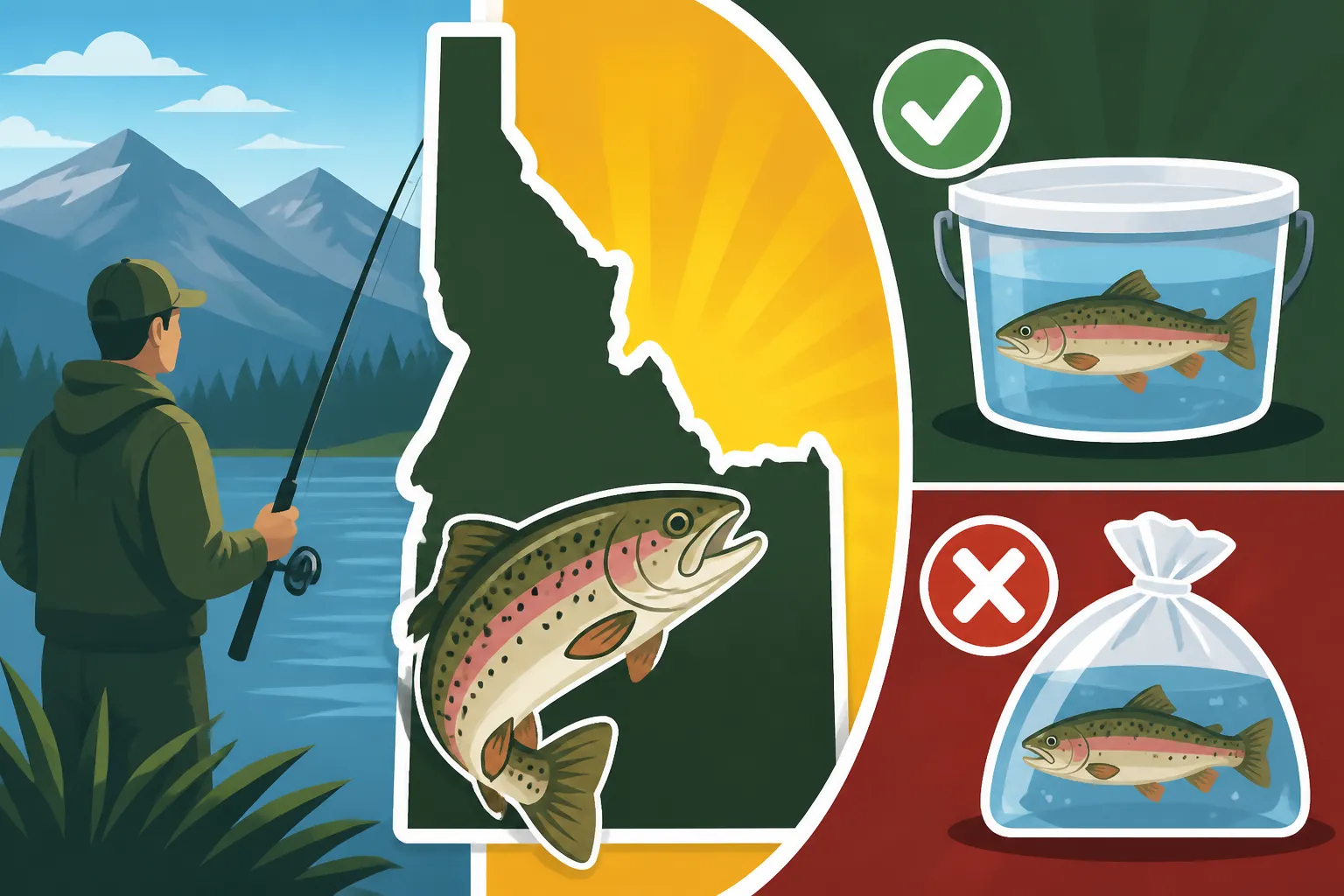
- Bait Buckets and Aerators: For live baitfish, shrimp, or crayfish that are legally allowed, a good quality bait bucket with an aerator is essential. These can be found readily on platforms like Amazon, and they ensure your bait remains oxygenated and vigorous. Look for models that are robust and have secure lids to prevent any accidental spills or escapes during transport, especially when driving over bumpy roads to your favorite fishing spot.
- Temperature Control: Just as important as oxygen is temperature. Hot summer days can quickly kill live bait. Consider using an insulated bait cooler or adding a frozen water bottle to your bait bucket to keep the water cool, especially for species like minnows or legal baitfish. Again, insulated options are plentiful online, and keeping that water stable will ensure your bait is lively when you hit the water.
- Water Source: If you need to change the water in your bait bucket, use water from the same source you're fishing in, or use treated tap water. Never introduce water from a different natural body of water into your bait bucket, as this can still transfer microscopic invasive organisms or disease agents.
Remember, even with legal live bait, the moment you decide you're done fishing, any remaining live bait must be properly disposed of on land, in a trash can, or taken home in a sealed container—never released into the water!
Understanding When You Can Move Fish (And When You Absolutely Cannot)
The simple answer for the average recreational angler is: you almost never can transport live fish you've caught from one body of water to another. The general rule is catch-and-release in the same water, or harvest and kill if you intend to keep your catch according to Idaho Catch Limits and Bag Limits Explained.
However, for very specific, non-recreational purposes, some fish can be moved:
- Commercial Aquaculture: As mentioned, licensed aquaculture facilities are permitted to transport live fish for stocking, breeding, or commercial sale. They operate under stringent IDFG regulations and require specific permits for each transport. These are professionals with specialized equipment and certifications.
- Scientific Research or Management: The IDFG, or approved research entities, might transport live fish for scientific studies, population management, or rescue operations. These are highly controlled movements supervised by experts.
- Private Ponds (with permits): If you have obtained a valid stocking permit for an isolated private pond, you can transport legally purchased fish directly from the licensed aquaculture facility to your pond. The permit will specify the source, species, and quantity of fish allowed.
Any deviation from these very narrow exceptions is illegal. A common scenario is someone catching an interesting fish and wanting to move it to a home aquarium. This is illegal for wild-caught fish. If you want a fish for your home aquarium, it must be purchased from a reputable pet store, not caught from a public waterway.
The Responsible Disposal of Unused Live Bait
This point cannot be stressed enough: never release unused live bait into any Idaho waters. This applies to everything from worms and mealworms to minnows and crayfish, even if you bought them from a reputable dealer. It’s a simple rule with massive implications.
- Why it's so important: Releasing unused bait is a primary pathway for introducing non-native species, fish diseases, and parasites into new environments. Even seemingly harmless worms can introduce foreign bacteria or organisms. Imagine you bought a container of crickets, and a tiny, almost invisible plant seed or insect egg was mixed in. Releasing those crickets could accidentally introduce a new problem into a pristine lake.
- How to dispose responsibly:
- Kill and Trash: The simplest method is to kill any unused live bait (e.g., by freezing or drying) and dispose of it in a trash can.
- Compost: Some natural baits like worms can be added to a home compost pile, but ensure they won't escape.
- Take Home: If you have a suitable, contained environment at home (like an aquaculture setup or a worm farm), you can take unused bait home, but again, ensure there's no risk of them entering natural waterways.
Being a responsible angler means understanding that your actions, however small, can have a ripple effect on the entire aquatic ecosystem. Checking the Idaho Statewide General Fishing Rules each season is a vital habit to cultivate.
The Serious Consequences of Ignoring the Rules
I know, it's easy to think, "What's the harm? It's just one fish," or "No one will ever know." But when it comes to transporting live fish without proper authorization in Idaho, the stakes are genuinely high, both for you personally and for the environment we all love. Idaho takes these rules incredibly seriously, and for very good reason.
Penalties and Fines for Illegal Transport
The Idaho Department of Fish and Game (IDFG) has dedicated enforcement officers who patrol our waterways, and they are well-versed in these regulations. If you are caught illegally transporting live fish, you can face substantial penalties. These aren't just a slap on the wrist; they can hit you hard in the wallet and impact your ability to fish in the future.
- Fines: Depending on the severity of the violation and the species involved, fines can range from several hundred to several thousand dollars. Introducing an invasive species, for example, could result in particularly hefty fines due to the potential ecological damage.
- License Revocation: Beyond monetary penalties, you could face the suspension or permanent revocation of your fishing license. This means no more fishing in Idaho, and potentially, in other states that honor such revocations. Imagine losing your privilege to enjoy the very activity you cherish, all because of an oversight or an intentional violation. This often happens alongside other penalties listed under Idaho Fishing License Guide.
- Confiscation of Equipment: Your fishing gear, boat, and even your vehicle could be subject to confiscation if used in the commission of a serious wildlife violation.
- Criminal Charges: In egregious cases, particularly those involving the deliberate introduction of harmful invasive species or multiple offenses, you could even face criminal charges, leading to jail time.
These consequences aren't meant to be punitive for the sake of it. They reflect the immense value Idaho places on its natural resources and the seriousness of actions that threaten them. It’s a stark reminder that ignorance of the law is not a valid excuse.
The Irreversible Environmental Impact of Violations
Beyond the personal legal repercussions, the real tragedy of illegal live fish transport lies in the lasting, often irreversible damage it inflicts upon Idaho's precious aquatic environments. Every single time a non-native fish or disease-carrying organism is introduced into a new body of water, it's a gamble with potentially catastrophic results.
- Ecological Cascades: Introducing a new species can create an "ecological cascade," where the impact ripples throughout the entire food web. A new predator might decimate native prey fish, or a new competitor might outcompete native species for food, leading to population crashes. We've seen this happen in countless places worldwide. For example, if someone moves a Walleye into a lake where they are not native, these voracious predators could significantly impact native trout or kokanee populations. This is why knowing about Invasive Fish Species Found in Idaho Waters is so important.
- Habitat Degradation: Some introduced species can directly alter habitats. For instance, common carp, if illegally introduced, can stir up bottom sediments while feeding, making the water turbid and destroying aquatic vegetation that other fish and invertebrates rely on.
- Disease Epidemics: As discussed, a single diseased fish can trigger an epidemic that decimates entire native populations, often without any effective way to stop it once it starts. The effects of such epidemics can linger for decades, severely impacting the fishery and local tourism.
- Genetic Dilution: If a non-native fish species is introduced and can interbreed with a native species, it can lead to "genetic dilution" of the native stock. This weakens the native population's unique adaptations to its environment, making it less resilient to future changes. This is a particular concern for native species like the Westslope Cutthroat Trout in Idaho.
The effort to undo or mitigate these impacts costs millions of dollars and often falls on the taxpayers. The IDFG works tirelessly to protect these resources, and every angler has a responsibility to be part of that solution, not inadvertently part of the problem. If you ever come across an invasive species or suspect an illegal introduction, remember What to Do If You Catch an Invasive Fish in Idaho and report it immediately to the IDFG. Preserving Idaho's fishing heritage is a collective effort, and adhering to these simple, yet critical, regulations on transporting live fish is one of the most impactful ways you can contribute.
Scenario for Live Fish Transport in Idaho Is it Allowed? Important Considerations & Rules
Idaho fishing regulations regarding the transport of live fish are stringent, and for good reason. It's not uncommon for anglers to wonder if they can move a particularly good baitfish they've caught, or if they can use live minnows from a local bait shop in any river. However, these seemingly simple actions can have profound ecological consequences. This guide will walk you through the specifics of these rules, explaining why they exist and how you can avoid serious legal and environmental issues.
Why Idaho Restricts Live Fish Transport So Heavily
It might feel like the Idaho Department of Fish and Game (IDFG) is just piling on more rules, but when it comes to moving live fish, their caution is entirely justified. The integrity of Idaho's stunning aquatic ecosystems, from its high mountain lakes to its mighty rivers, hinges on preventing accidental introductions that could devastate native populations.
The Menace of Invasive Species Introductions
Imagine a perfectly healthy, vibrant Idaho lake, teeming with native trout and kokanee. Now, picture someone innocently moving a bucket of water containing a few minnows from another location, perhaps another state, or even just another part of Idaho. This seemingly harmless act could introduce an invasive species that was lurking unseen. These might be tiny organisms like New Zealand mudsnails, which can reproduce rapidly and outcompete native invertebrates, or aggressive fish species that quickly dominate a new environment. Once an invasive species like the northern pike, for instance, gets a foothold in a lake not accustomed to its predatory nature, it can decimate populations of desirable sport fish and native species, altering the entire food web. These invaders often have no natural predators in their new home, allowing them to spread unchecked and causing irreversible damage to the fishery and the ecosystem, a problem Idaho takes very seriously, as outlined in Invasive Fish Species Found in Idaho Waters.
Stopping the Spread of Aquatic Diseases and Parasites
Beyond visible invaders, live fish transport is a significant vector for spreading invisible threats: diseases and parasites. A fish that appears healthy to the naked eye could be carrying a pathogen that is deadly to other fish species. Take whirling disease, for instance, which can deform the spines and skulls of salmonids, making it impossible for them to feed or swim properly. Once introduced to a new watershed, it can quickly decimate trout and salmon populations, rendering once-thriving fisheries unproductive for years. Another example is Viral Hemorrhagic Septicemia (VHS), a highly contagious and often fatal disease that affects many different fish species. By prohibiting the movement of live fish, the IDFG is essentially quarantining different watersheds, preventing a local disease outbreak from becoming a statewide ecological catastrophe. This is a critical public health measure for fish populations, protecting the future of angling.
Protecting Idaho's Unique Native Fish and Ecosystems
Idaho is home to a magnificent array of native fish, including several subspecies of cutthroat trout, bull trout, and the incredible white sturgeon. These species have evolved over thousands of years to thrive in specific, often unique, Idaho habitats. The introduction of non-native species, even those not considered "invasive" in the strictest sense, can still disrupt this delicate balance. They might compete with native fish for limited resources, introduce novel parasites, or even interbreed with native populations, leading to genetic dilution. For instance, the introduction of rainbow trout into waters historically dominated by Westslope Cutthroat Trout in Idaho can lead to hybridization, threatening the genetic purity of the native stock. Every rule regarding live fish transport is a carefully considered measure to preserve the genetic integrity and ecological balance of these unique and irreplaceable aquatic ecosystems, ensuring that future generations can experience the same pristine fishing opportunities we cherish today.
Understanding Idaho's Specific Live Fish Transport Regulations
So, what are the actual rules for anglers when it comes to live fish? The general principle is quite strict: don't move them. However, there are nuances, especially concerning legal baitfish and approved stocking practices. Knowing these specifics is key to staying compliant.
The General Prohibition: "Catch and Release in Place" or "Harvest and Kill"
The overriding rule for recreational anglers in Idaho is that it is generally illegal to transport live fish you have caught from one body of water to another. This applies to all species, whether game fish or non-game fish, and even invertebrates like crayfish, unless specifically permitted. The intent is clear: whatever lives in one water body stays in that water body.
If you catch a fish and intend to release it, you must release it back into the same body of water from which it was caught. The concept of "catch and transport to another spot for release" is strictly prohibited. If you wish to keep your catch, you must dispatch it immediately and humanely once it's legally in your possession (i.e., you've kept it as part of your Idaho Catch Limits and Bag Limits Explained). Transporting a live fish for consumption at home or elsewhere is not permitted unless it is already deceased. This rule eliminates the risk of accidental escape during transport or deliberate illegal stocking.
This general prohibition also extends to wild-caught bait. You cannot catch minnows, sculpins, or any other small fish from a stream, transport them alive, and then use them as bait in another lake or river, even if those species already exist in the destination water. The risk of disease or subtle genetic transfer is simply too high.
Special Rules for Live Baitfish and Aquatic Invertebrates
Idaho does allow the use of live bait in many waters, but with very strict controls on their source and transport. This is often where anglers get confused because while you can use live bait, you can't just collect and move it freely. For detailed information, always refer to the Idaho Rules on Using Live Bait section in the current IDFG fishing regulations.
Here's the breakdown:
- Allowed Live Bait: Common, commercially purchased baits like worms, grubs, crickets, and mealworms are generally permitted statewide, provided they are not aquatic species collected from different waters. These are considered low-risk for spreading aquatic diseases or invasive species.
- Approved Live Baitfish: The use of live baitfish (like minnows) is highly restricted and only permitted in specific waters.
- Source: If live baitfish are allowed, they must be purchased from a licensed Idaho bait dealer. These dealers are regulated to ensure their baitfish are disease-free and are of approved species. You cannot collect your own wild baitfish and transport them for use.
- Species: Only certain species of baitfish are approved for use, and this list can change. Always check the current regulations.
- Water-Specific Use: The most critical aspect is that the use of live baitfish is restricted to specific water bodies or geographical areas. For instance, live baitfish might be allowed in certain reservoirs but strictly prohibited in trout streams. It's your responsibility to know the rules for the specific water you are fishing.
- Aquatic Invertebrates (e.g., crayfish): Similar to baitfish, collecting aquatic invertebrates (like crayfish or aquatic insects) from one body of water and transporting them alive to use as bait in another is generally illegal. If you want to use crayfish as bait, they must typically be dead or purchased from an approved source.
Crucially, any unused live bait, whether worms or approved baitfish, must never be released into any body of water. They must be disposed of on land or in the trash. This single rule is a vital safeguard against unintended introductions.
Permits for Private Pond Stocking and Commercial Operations
For those looking to stock a private pond or involved in aquaculture, the rules are different but still highly regulated.
- Private Pond Stocking: If you have a private pond that is completely contained and has no inflow or outflow connected to public waterways, you may be able to stock it. However, this is not a free-for-all. You must first apply for and receive a Stocking Permit from the IDFG.
- Purpose of the Permit: This permit ensures that your pond is genuinely isolated, preventing any stocked fish from escaping into native habitats. It also verifies that the fish species you intend to introduce are appropriate and that they come from a certified disease-free source.
- Source of Fish: Fish for private pond stocking must be purchased from an approved, licensed aquaculture facility. You cannot use wild-caught fish or fish from unauthorized sources. The permit will specify the species, quantity, and source of fish you are allowed to stock.
- Commercial Aquaculture: Licensed aquaculture operations (fish farms) are legally permitted to transport live fish for commercial purposes (e.g., selling fish for human consumption, stocking approved ponds, or for other commercial activities). These businesses operate under rigorous state and federal regulations, including strict disease testing and transport protocols. They hold specific permits for every aspect of their operation, including live fish transport, which are far more complex than any recreational angler would encounter.
In summary, for the vast majority of anglers, the message is clear: do not move live fish from where you caught them, and if using live bait, ensure it's from an approved source and never release unused bait. When in doubt, call the IDFG.
Navigating Live Fish Logistics: Practical Advice for Anglers
Given Idaho's strict stance on live fish transport, it's essential for anglers to be prepared and make informed decisions on the water. It's not about making fishing harder, but ensuring that our incredible fisheries remain healthy and vibrant for generations to come.
Safely and Legally Transporting Approved Live Bait
When you're heading out to fish with legal live bait, like worms, crickets, or commercially purchased approved baitfish (where permitted), your focus should be on keeping them alive for their intended use and preventing any accidental escape.
- The Right Tools: For worms and crickets, a simple, breathable bait container is usually sufficient. For approved live baitfish, however, a more sophisticated setup is required. You'll want a durable bait bucket or a portable livewell equipped with an aerator. Many brands offer excellent options, and a quick search on Amazon will show you a variety of choices, from basic aerated buckets to more advanced insulated livewells that can run on D-cell batteries or 12V power from your boat. The key is consistent oxygen and stable water temperature.
- Preventing Escape: Always ensure your bait containers have secure, tightly fitting lids. Even a small opening can lead to accidental spills or, worse, bait escaping into unintended waters. This is especially crucial when driving or navigating choppy water in a boat.
- Responsible Disposal at the End of the Day: This cannot be stressed enough: NEVER release unused live bait into any water body, even if it's "just" worms. If you have leftover bait, kill it humanely (e.g., by freezing or drying) and dispose of it in a trash can. Alternatively, you can take it home for future use if you have a suitable, contained environment (like a worm farm) where there is zero risk of escape into natural waterways. This simple act of prevention is one of the most powerful tools we have to prevent invasive species and disease spread. For more on this, check out What to Do If You Catch an Invasive Fish in Idaho.
Understanding the Limited Times You Can Move Fish
As a recreational angler, the occasions where you are legally allowed to transport live fish are virtually non-existent for wild-caught fish. The rule is incredibly simple: if you catch a fish, it either stays in that water body (catch and release) or it is immediately killed if you intend to keep it (harvest).
The only scenarios involving live fish transport are highly specialized and require specific permits from the IDFG:
- Direct from a Licensed Aquaculture Facility to a Permitted Private Pond: If you have an approved IDFG permit to stock an isolated private pond, you can transport the specific fish species and quantity directly from a state-licensed aquaculture facility to your pond. The permit will dictate the exact parameters, ensuring the fish are disease-free and pose no ecological threat. This is a very controlled process.
- IDFG and Research Operations: Idaho Fish and Game personnel, or authorized scientific researchers, will transport live fish for management purposes, stocking programs (like those detailed in Idaho Fish Stocking Reports Explained), or scientific studies. These operations utilize specialized equipment and follow stringent biosecurity protocols to prevent unintended ecological impacts.
Any attempt to move a live fish outside of these very specific, authorized scenarios will result in a violation. This includes moving fish from a public waterway to a home aquarium; pet fish must be purchased from pet stores, not caught in the wild.
Never Transport Water with Fish from One Body to Another
Even if you're not directly moving fish, transporting water from one body of water to another can be just as harmful. Microscopic larvae, spores, or disease-causing organisms can easily hitchhike in even a small amount of water.
- Drain All Water: When moving your boat, kayaks, canoes, float tubes, or any fishing gear between different water bodies, it is absolutely essential to Drain, Clean, and Dry everything. This means draining all water from your boat, live wells, bilge, and bait buckets.
- Clean Gear: Thoroughly clean all gear, including waders, boots, rods, and nets, to remove any mud, plants, or aquatic organisms. A good scrub and rinse, especially with hot water, can make a huge difference.
- Dry Completely: Allow all your gear to dry completely before using it in a different water body. This can take several days for some items. Sunlight is a natural sterilizer, so letting items air dry in the sun is highly effective.
Following the "Drain, Clean, Dry" protocol is critical for every angler in Idaho. It's not just a good idea; it's a vital part of being a responsible steward of our aquatic resources and helping to enforce Idaho Statewide General Fishing Rules. By taking these simple, proactive steps, you contribute significantly to the health and future of Idaho's fisheries.
Disclaimer
This article is for general informational purposes only and does not constitute professional advice. Laws, prices and regulations vary by location and change over time. Consult a qualified professional for guidance on your specific situation.