What to Do If You Catch an Invasive Fish in Idaho
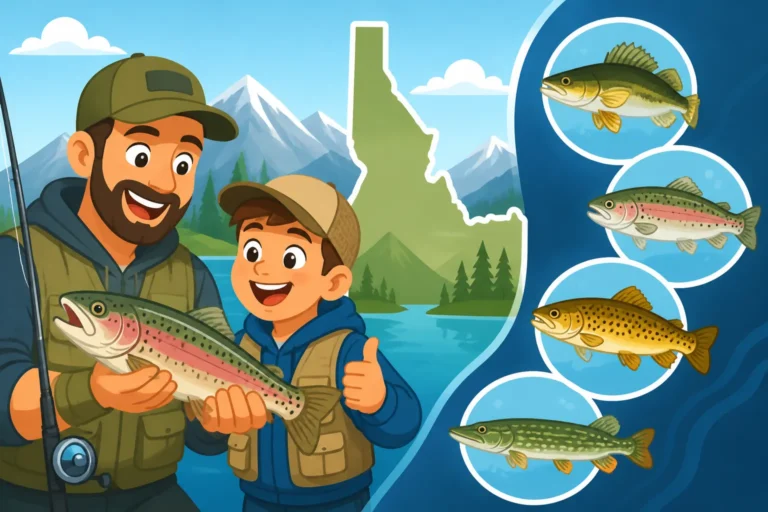
There’s a unique thrill to casting a line into Idaho’s pristine waters, waiting for that tell-tale tug, and reeling in a beautiful catch. But sometimes, that excitement can quickly turn to confusion, or even a little dread, when the fish on the end of your line isn't what you expected – or worse, it's a species that doesn't belong here at all. This guide will walk you through exactly what to do if you find yourself with an invasive fish in Idaho, ensuring you protect our precious native fisheries.
The Unwanted Catch: Why Invasive Fish Are a Problem in Idaho
Idaho boasts an incredible diversity of fish, from the anadromous steelhead making their epic journeys to the high mountain cutthroat in alpine lakes. Our native species are perfectly adapted to their environments, forming a delicate ecological balance that has existed for millennia. When an invasive species shows up, it's like an uninvited guest crashing a carefully planned party, and they can cause a serious ruckus, throwing the whole system out of whack.
Understanding the Threat to Native Ecosystems
The problem with invasive fish isn't just that they're "different"; it's that they often outcompete, prey upon, or introduce diseases to native populations that simply aren't equipped to handle them. Imagine a small, tranquil stream where native trout have always thrived on a certain insect population. An invasive species, perhaps one that grows faster, reproduces more quickly, or tolerates a wider range of conditions, moves in. This newcomer might eat all the available food, leaving the native trout to starve. Or, it might directly prey on the native trout's fry, decimating the next generation. It’s a classic case of an introduced species lacking natural predators or environmental controls in its new habitat, allowing it to multiply unchecked.
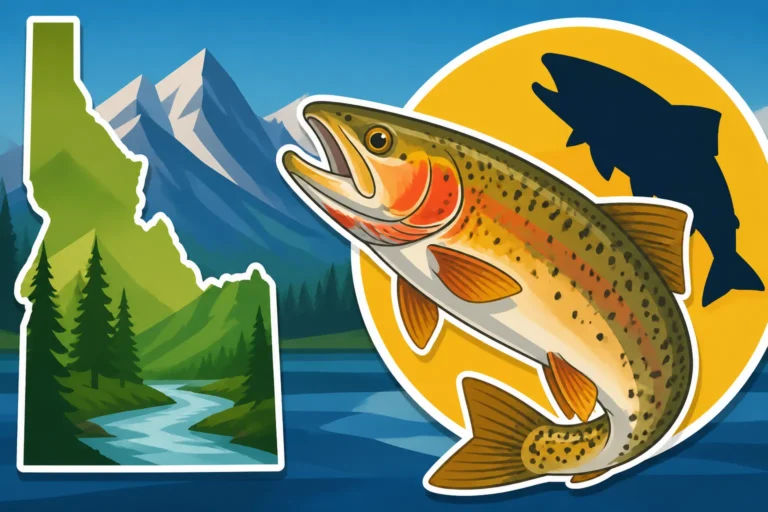
Consider the impacts on iconic species like the Westslope Cutthroat Trout in Idaho or the Yellowstone Cutthroat Trout in Idaho. These native fish often face threats from hybridization with rainbow trout in some areas, or direct competition from other introduced species. Invasive fish can completely alter food webs, degrade water quality through excessive foraging, or even spread parasites and diseases that native fish have no immunity to. This isn't just an abstract biological concept; it translates directly to fewer healthy fish for us to enjoy catching and a less vibrant, resilient ecosystem overall. That's why every angler has a role in safeguarding Idaho's unique aquatic heritage.
Common Invasive Species You Might Encounter
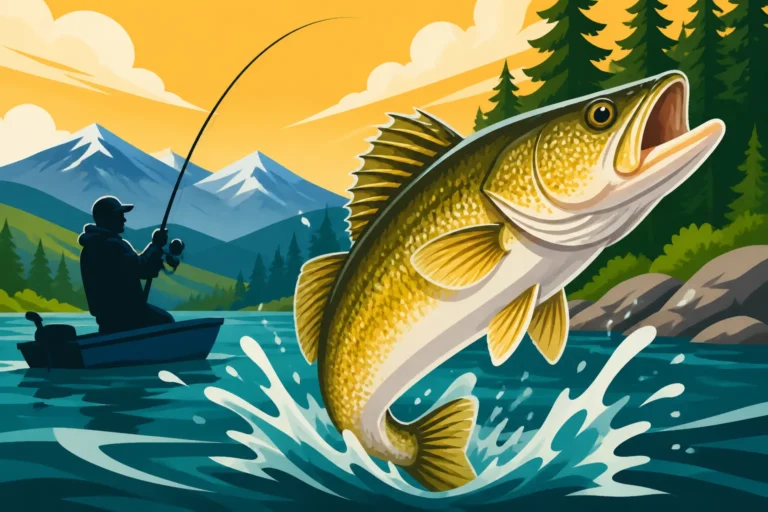
While Idaho has a wealth of desirable game fish, there are several invasive species that anglers might encounter, often to their dismay. One of the most talked-about invasive species, particularly in eastern Idaho waters, is the Walleye. While popular elsewhere for its table fare and sport, Walleye can decimate native trout and kokanee populations in Idaho's reservoirs and rivers. They are aggressive predators and reproduce prolifically, quickly gaining a foothold and shifting the ecological balance. You might find Walleye in reservoirs like American Falls, where their presence is a management concern for native trout. Idaho Walleye Fishing is a real thing, but it's often framed around controlling their numbers in certain areas.
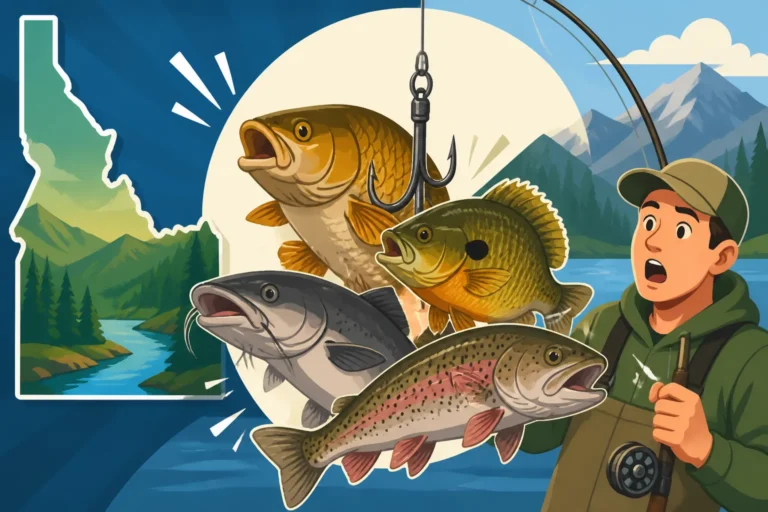
Another group of concern includes certain species of bass, particularly Largemouth Bass, in waters where they are not native and compete with trout. While Idaho Bass Fishing Guide shows that bass are a popular game fish in their designated waters, their illegal introduction into cold-water trout habitats can be disastrous. Similarly, species like Common Carp, while present in many waters, can degrade habitat for other fish by stirring up bottom sediments. In some areas, illegally stocked fish like Northern Pike, though providing an exciting fight, can become apex predators that severely impact salmonid populations. The key is understanding that "invasive" isn't about the fish itself being "bad," but about it being in the wrong place.
Identifying Your Catch: Is It Truly Invasive?
Before taking any action, it's crucial to be absolutely sure that the fish you've caught is, in fact, an invasive species. Mistakes happen, and you certainly don't want to accidentally dispatch a protected native fish. The waters of Idaho are home to a diverse array of species, and some native fish might look similar to invasive ones at first glance. Taking a moment for positive identification is a responsible and necessary step for every angler.
Key Characteristics to Look For
When you pull a fish out of the water that looks unfamiliar, take a moment to observe its distinct features. For Walleye, look for their prominent, glassy eyes (hence the "walleye" name, as they appear to have a large, reflective iris), sharp teeth, and often a milky-white belly contrasting with a mottled brown or olive back. They also have two separate dorsal fins, with the front one being spiny. Comparatively, most native Idaho trout have a single adipose fin (a small, fleshy fin between the dorsal and tail) and different color patterns. Idaho Fish Species Guide can be a great reference.
For carp, they're typically identifiable by their large scales, often a golden-brown color, and characteristic barbels (whisker-like sensory organs) around their mouths, which they use to forage along the bottom. Northern Pike are long and slender with a duck-bill shaped snout, very sharp teeth, and distinct light spots on a dark body. If you're unsure, comparing your catch to pictures in a reputable field guide—you can find many excellent ones on Amazon—or using a fish identification app can be incredibly helpful. Pay attention to fin count, body shape, mouth structure, and coloration patterns, as these are critical identifiers.
Resources for Positive Identification
In this age of smartphones, you've got some powerful tools at your fingertips. Many anglers carry field guides specific to Idaho or the Pacific Northwest, which offer detailed descriptions and photos of both native and non-native species. These physical guides, readily available from local tackle shops or online retailers like Amazon, are invaluable for quick comparisons on the water. If you're out of cell service, a printed guide is your best friend.
However, if you have signal, a quick search online for "Idaho fish identification" or visiting the Idaho Department of Fish and Game (IDFG) website can provide excellent resources. IDFG often publishes printable guides or lists of species to watch out for, along with distinguishing characteristics. Don't be shy about snapping a clear photo of your catch from multiple angles, especially if you're truly stumped. You can often share these photos with seasoned anglers, local tackle shop owners, or even directly with IDFG officials who can help confirm the identification. It’s always better to be certain, especially when the health of our local ecosystem is at stake.
| Characteristic | Native Trout (e.g., Rainbow, Cutthroat) | Walleye (Invasive) | Common Carp (Invasive) | Northern Pike (Invasive) |
|---|---|---|---|---|
| Dorsal Fins | 1 (plus adipose) | 2 distinct (1 spiny, 1 soft-rayed) | 1 long dorsal fin | 1 dorsal fin (far back, near tail) |
| Mouth/Teeth | Small teeth, terminal mouth | Large mouth, sharp canine teeth | Small, toothless, protrusible mouth | Large, duck-bill snout, sharp teeth |
| Barbels | None | None | 2 pairs of barbels around mouth | None |
| Scales | Small, smooth | Moderately sized, rough | Large, prominent | Small, almost invisible |
| Eyes | Proportional to head | Large, often glassy/cloudy | Proportional to head | Proportional to head |
| Body Shape | Streamlined, trout-like | Torpedo-shaped | Deep-bodied, stout | Long, slender, cylindrical |
| Distinguishing Mark | Adipose fin, specific spot patterns | White belly, dark mottled back | Often golden/bronze, thick caudal peduncle | Light spots on dark background |
Your Immediate Action Plan: What to Do After the Catch
Okay, you've identified it: you've got an invasive fish on your line. Now what? This is where your actions become critical for helping to protect Idaho's native fisheries. It's not enough to simply release it back; in most cases, that's exactly what we're trying to prevent. The steps you take next can make a real difference in preventing the spread and establishment of these unwelcome guests.
Humane Dispatch and Containment
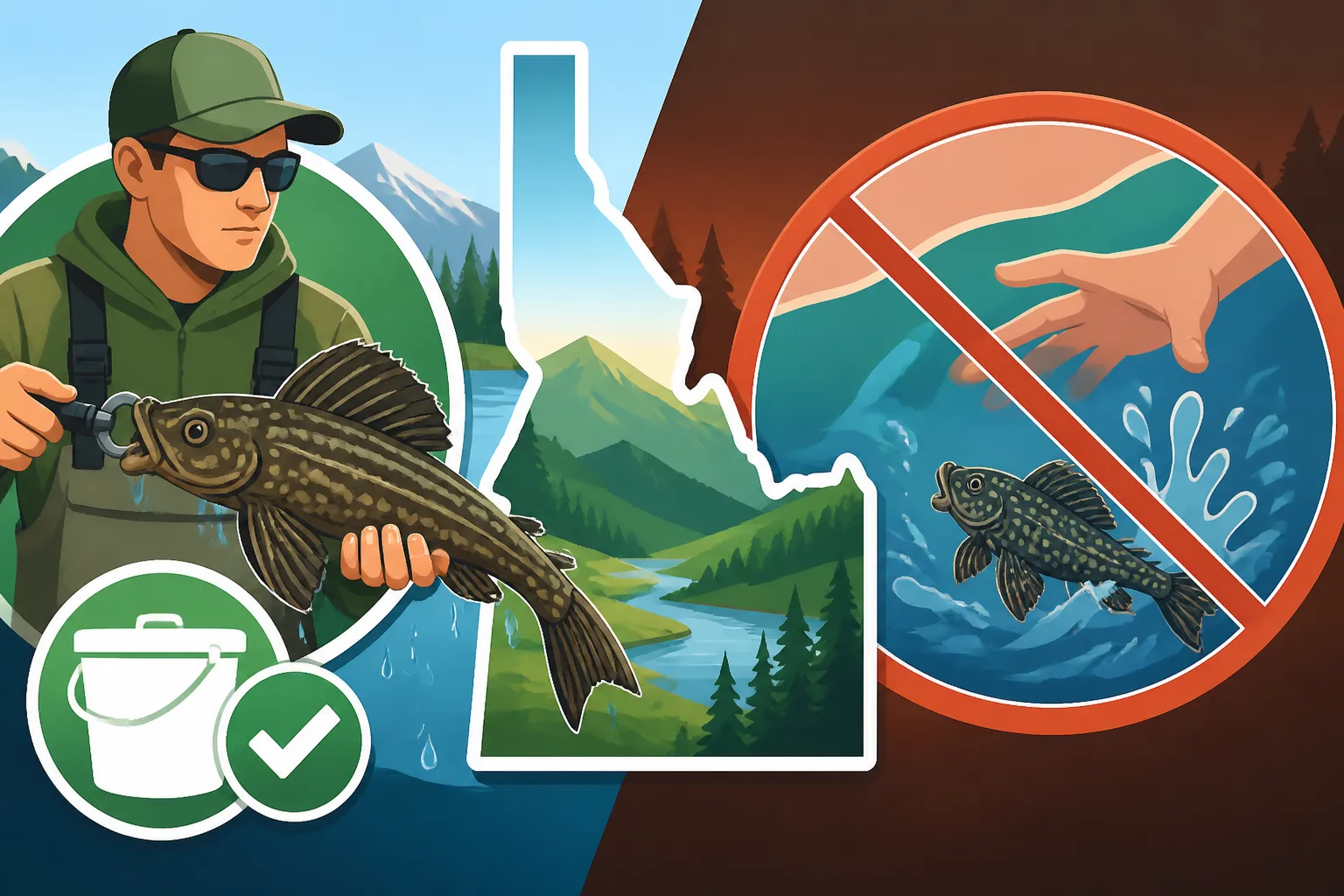
The general rule for confirmed invasive fish in Idaho is to not release them back into the water. Instead, you are typically required to humanely dispatch them. This means killing the fish quickly and efficiently to minimize suffering. A sharp blow to the head with a priest or blunt object is a common method. Another effective method is to sever the gills or bleed the fish out quickly. The goal is to ensure the fish is deceased before you handle it further or transport it. This might sound harsh, but it's a necessary step to prevent further ecological damage.
Once dispatched, it's crucial to contain the fish properly. Don't just toss it on the bank where it might be scavenged and potentially spread disease or eggs. Keep it separate from any native fish you might be keeping. A cooler or a sturdy bag is ideal. The idea is to ensure that the invasive fish, its eggs, or any potential parasites it carries cannot re-enter the water system, either directly or indirectly. What to Do If You Catch an Invasive Fish in Idaho isn't just about the act of catching, but the responsible follow-through.
The Critical Step of Reporting
Beyond dispatching the fish, reporting your catch is an incredibly important step. Idaho Fish and Game relies heavily on angler observations to track the presence and spread of invasive species. Your report provides valuable data that helps biologists understand where these fish are establishing themselves, how many there are, and what management strategies might be needed. Think of yourself as an essential part of the early warning system.
How do you report it? The easiest way is to contact the Idaho Department of Fish and Game directly. You can find their contact information on their official website. Many regional offices have specific phone numbers or email addresses for reporting invasive species. When you report, be ready to provide details: the species you caught (if you're confident in your identification), the exact location (GPS coordinates are ideal, but a precise description of the body of water and nearest landmarks works too), and the date and time of the catch. If you took photos, these can be immensely helpful for verification. This information allows IDFG to investigate further, potentially implement targeted removal programs, or adjust regulations to help contain the issue. Remember, even a single report can be the first clue to a larger problem brewing. How Idaho Handles Illegally Introduced Fish Species is often driven by angler reports.
Responsible Disposal and Long-Term Prevention
Your role doesn't end with dispatching and reporting. The final step is responsible disposal, and then, looking at the bigger picture, understanding how you can prevent the introduction and spread of invasive species in the first place. Every angler has a part to play in protecting Idaho's incredible aquatic resources for generations to come.
Proper Disposal Methods
After you've dispatched and reported the invasive fish, you need to dispose of it properly. The absolute worst thing you can do is throw it back in the water or dump it on the bank where it might decompose and release eggs or contaminants. The goal is to prevent any chance of re-entry into any waterbody. The best method is to take the fish home and dispose of it in your household trash. Double-bagging it can help contain any odors and prevent wildlife from getting into it before trash collection.
Another option, if allowed in your area, is to bury the fish deeply away from any water source. Some anglers choose to clean and consume certain invasive species like Walleye or Northern Pike, as long as it's legal and safe to do so. This can be a great way to put your catch to good use, but always check local regulations and consumption advisories before eating any fish. The key takeaway is: never dispose of an invasive fish in or near a natural waterbody. Your diligence here is crucial.
Playing Your Part in Prevention
Beyond dealing with a catch, anglers are on the front lines of preventing invasive species introductions. The core principle is "Clean, Drain, Dry." This mantra applies to all your fishing gear, boats, waders, and equipment. Before you leave a body of water, and especially before moving to another, take the time to:
- Clean all visible mud, plants, and debris from your boat, trailer, waders, boots, and fishing gear. Pay special attention to crevices where small organisms might hide.
- Drain all water from your boat, livewell, bilge, and bait buckets. Don't transport water from one lake or river to another.
- Dry everything thoroughly. Invasive species, their eggs, or larvae can't survive long out of water in dry conditions. If you can't dry it completely, consider freezing items, especially waders, for a few days.
Another critical preventative measure is never transporting live fish from one waterbody to another. This is illegal and one of the primary ways invasive species are introduced. The idea might seem harmless, like moving some perch from one pond to another, but it has catastrophic consequences. Even a "native" fish moved to a different watershed can act like an invasive one if it disrupts the local genetic integrity or ecosystem balance. Always purchase bait from reputable local sources, and dispose of unused bait in the trash, not the water. By following these simple rules, you become a responsible steward of Idaho's amazing fisheries, helping to ensure they remain vibrant for years to come.
Disclaimer
This article is for general informational purposes only and does not constitute professional advice. Laws, prices and regulations vary by location and change over time. Consult a qualified professional for guidance on your specific situation.