Invasive Fish Species Found in Idaho Waters
It’s a tough pill to swallow when you realize that not all the fish swimming in Idaho’s pristine rivers and tranquil lakes are meant to be there. Invasive fish species pose a genuine threat to our beloved native trout, salmon, and other aquatic life, throwing delicate ecosystems out of balance and impacting the very fishing experiences we cherish. This guide will walk you through what these unwelcome guests are, which ones are causing trouble in Idaho, and, most importantly, how every angler can play a vital role in protecting our state's natural waters.
The Silent Threat: What Are Invasive Fish Species?
When we talk about invasive species, it's not just about a fish being in a place it wasn't originally. It's about how that presence disrupts everything else, often with devastating consequences for the native populations we hold so dear. Understanding this distinction is the first step in becoming a responsible steward of Idaho's waters.
Defining "Invasive" in the Aquatic World
An "invasive" species isn't simply a fish that was introduced from another area. The crucial part of the definition is that it causes, or is likely to cause, harm. This harm can be environmental, economic, or even to human health. In the aquatic world of Idaho, we're primarily concerned with the environmental havoc they wreak. These invaders often have a competitive edge over native species; they might reproduce faster, grow larger, tolerate a wider range of conditions, or simply have no natural predators in their new environment.
Imagine a newcomer moving into a neighborhood, but instead of just living there, they start eating all the food, taking over all the best spots, and making it impossible for the original residents to thrive. That’s what invasive fish do. They can outcompete native fish for food resources, prey directly on native eggs or young, introduce diseases, or alter the habitat itself. For instance, some bottom-feeding invasives can stir up sediment, reducing water clarity and harming aquatic vegetation that native fish rely on for food and cover. This constant pressure can lead to declining populations of cherished native species, like our various trout species or the iconic Idaho Chinook Salmon Fishing Guide.
How Invasive Species Get into Idaho Waters
It’s often not a malicious act, but rather a lack of awareness, that leads to invasive species taking root. The ways these fish find their way into Idaho's waters are varied, but they mostly boil down to human activity.
One of the most common vectors is through accidental introduction. A classic scenario involves anglers using live bait from one water body and then dumping unused bait, or even accidentally transferring small fish, into another. A minnow used for bait in a pond with an invasive species might end up in a pristine trout stream, bringing an unwanted guest with it. Similarly, boats and fishing gear can unknowingly transport microscopic eggs or larvae, or even aquatic vegetation fragments, from an infected lake to a clean one. This is why the "Clean, Drain, Dry" protocol is so incredibly important for all boaters and anglers moving between different waters. You can find helpful tools for thoroughly cleaning your gear, like stiff brushes and drying racks, on sites like Amazon to make sure you’re not an unwitting accomplice in spreading these threats.
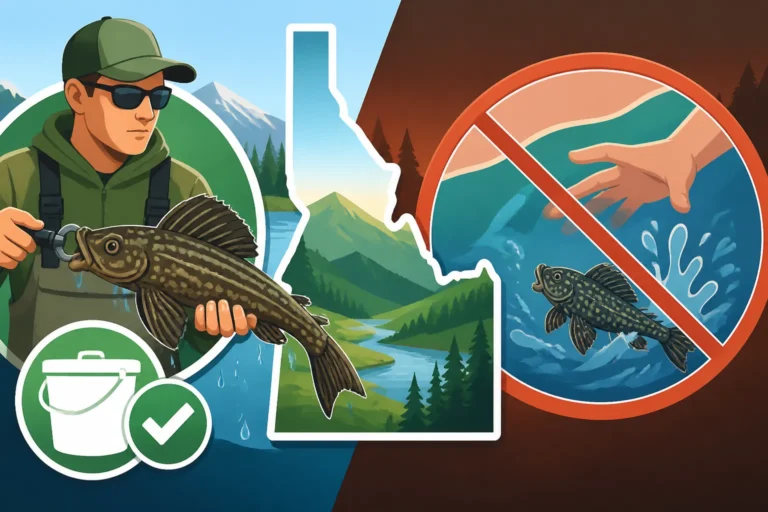
Another, more concerning, method of introduction is illegal stocking, sometimes called "bucket biology." This is when individuals intentionally release fish into waters where they don't belong. This might be someone releasing an unwanted aquarium pet, or perhaps an angler thinking they're "improving" a fishing spot by adding a species they prefer. The intentions might be innocent, but the consequences are anything but. These actions can introduce new pathogens, alter the genetic makeup of native populations through hybridization, or, most commonly, lead to an invasive species dominating the ecosystem and pushing out native fish. Understanding the delicate balance of Idaho Fish Species Guide helps underscore why such introductions are so detrimental.
Common Invasive Fish Species Plaguing Idaho
Idaho is a big state with diverse aquatic habitats, and unfortunately, several non-native fish species have established themselves, creating challenges for fisheries managers and native fish alike. Let's look at some of the main culprits.
Northern Pike: The Apex Predator Problem
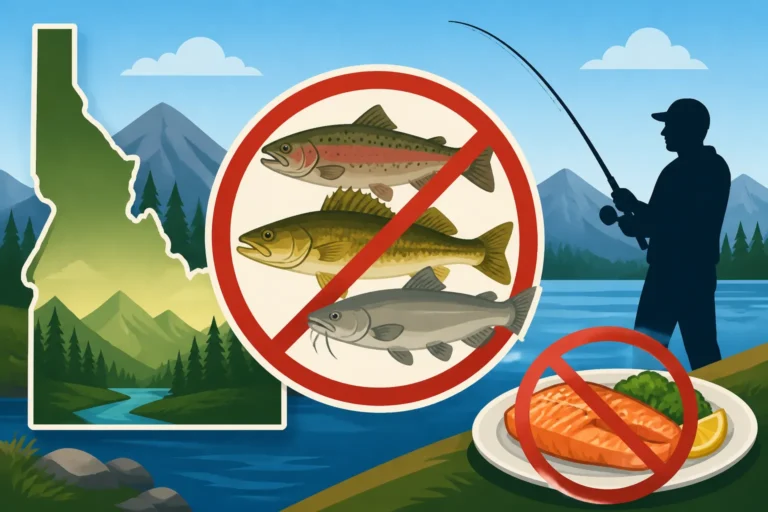
Northern Pike are a formidable species known for their aggressive predatory nature and rapid growth. While they are a popular sport fish in many parts of the country, in Idaho, especially in certain lakes of the Panhandle region, they are often considered an invasive threat, particularly to native salmon and trout populations. They are incredibly effective ambush predators, lying in wait among aquatic vegetation before launching lightning-fast attacks on unsuspecting prey. Their sharp teeth and voracious appetite mean they can decimate populations of smaller native fish, including juvenile trout and kokanee, and even target larger adults.
Imagine a lake where delicate Idaho Kokanee Fishing Guide populations are already under pressure. Introducing Northern Pike into this environment is like unleashing a wolf into a sheep pasture. They can quickly become the dominant predator, altering the entire food web. Efforts have been made in some areas to manage pike populations, sometimes even encouraging anglers to harvest them to reduce their numbers and mitigate their impact on native species. Anglers targeting pike in these waters are often performing a valuable service to the ecosystem, helping to bring balance back to troubled waters.
European Carp: Bottom Feeders Stirring Trouble
European Carp, often simply called Common Carp, are another widespread invasive species with a significant, though different, ecological impact. These large, hardy fish are bottom-feeders, constantly rooting around in the substrate for insects, crustaceans, and plant matter. While this might seem harmless, their feeding behavior causes a huge amount of disturbance. As they churn up the bottom, they release sediment and nutrients into the water column. This leads to increased turbidity (cloudiness) which reduces light penetration, hindering the growth of aquatic plants that provide critical habitat and food for native fish and other wildlife.
These carp thrive in warmer, slower-moving waters, such as many of Idaho's reservoirs and lower river sections. Their ability to tolerate poor water quality and reproduce prolifically allows them to establish strong populations quickly. The murky waters they create can make it difficult for sight-feeding fish to hunt, and the loss of vegetation can remove spawning grounds for other species. While they can be a fun and challenging fish to catch, often targeted by bowfishermen or those seeking a tough fight, their environmental cost is considerable. Their presence can profoundly affect the overall health and aesthetics of a water body, making it less hospitable for native fish and less enjoyable for recreational users.
Smallmouth and Largemouth Bass: Introduced, But Not Always Benign
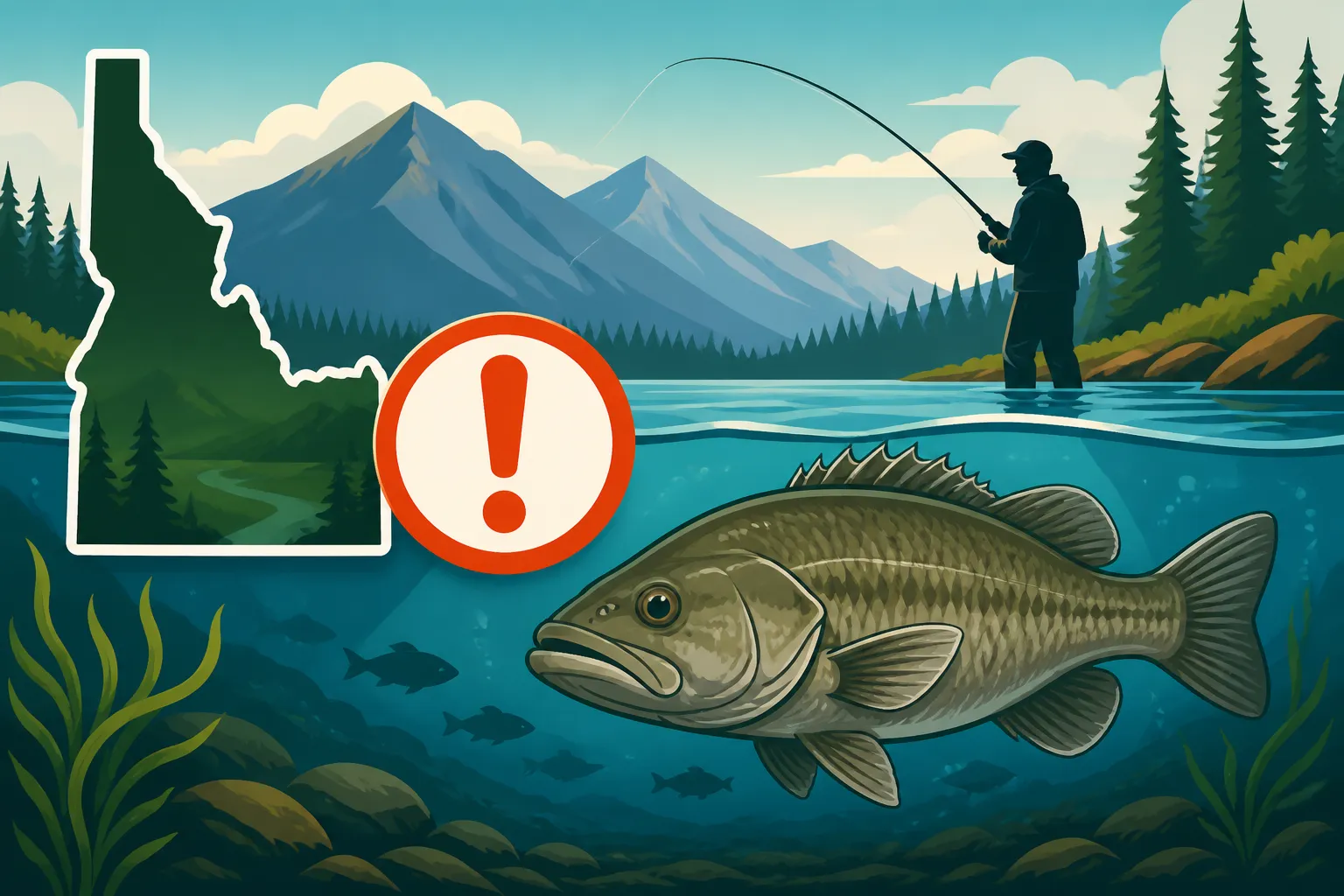
Now, this is where it gets a little nuanced. Smallmouth Bass and Largemouth Bass are hugely popular game fish in Idaho, and for good reason—they're aggressive, fun to catch, and thrive in many of our warmer lakes and reservoirs. However, it's important to remember that these bass species are not native to Idaho. They were introduced, and while they've created fantastic recreational fisheries, their presence can become problematic when they expand into areas traditionally inhabited by native cold-water species, particularly trout and salmon.
In many lakes and warm-water reservoirs, bass are a welcome addition, providing excellent sport fishing opportunities. Places like C.J. Strike Reservoir are renowned for their bass fishing. The challenge arises when bass populations push into cooler waters or river sections that are critical habitats for native trout or anadromous fish like steelhead. Here, they can compete for food and habitat, and even prey on juvenile native fish. For example, if bass establish strong populations in the lower reaches of a river that serves as a migratory corridor or spawning ground for Idaho Steelhead Fishing Guide, they can become a significant predatory threat to vulnerable young steelhead.
It's a balance. We appreciate the recreational value these species bring, but responsible management means understanding where they fit into the ecosystem and preventing their spread into sensitive native fish habitats. This is a classic example of why Native vs Introduced Fish Species in Idaho is such a complex topic; a fish that's a prized game species in one area can be an ecological concern in another.
| Invasive Fish Species | Primary Impact on Idaho Waters | Where They Often Thrive | Angler Action |
|---|---|---|---|
| Northern Pike | Predation on native fish (trout, kokanee), disrupting food webs. | Cooler lakes and reservoirs, especially in North Idaho. | Targeted harvest often encouraged; check local regulations. |
| European Carp | Increase water turbidity, destroy aquatic vegetation, outcompete native bottom feeders. | Warmer, slow-moving rivers, reservoirs, and ponds. | Bowfishing, targeted angling; do not release back into other waters. |
| Smallmouth/Largemouth Bass | Competition with native cold-water species for food/habitat, predation on juveniles. | Warmer lakes, reservoirs, and river sections. | Enjoy the excellent sport fishing, but understand their non-native status and potential impact in sensitive areas. |
Your Role in Protecting Idaho's Native Fisheries
The health of Idaho's waterways isn't solely the responsibility of Fish and Game. Every angler has a crucial part to play in preventing the spread of invasive species and protecting our native fish populations. Your actions on and off the water truly make a difference.
"Clean, Drain, Dry" – The Golden Rule for Anglers
This isn't just a catchy phrase; it's a critical protocol that every responsible angler and boater must follow, every single time they move between water bodies. It's the most effective defense against the spread of aquatic invasive species, including tiny organisms, plant fragments, and even fish eggs or larvae that you might not even see.
Here's how to implement it thoroughly:
- Clean: Before leaving any water body, inspect your boat, trailer, waders, boots, fishing rods, tackle, and any other gear that came into contact with the water. Remove all visible mud, plants, and aquatic organisms. This might seem tedious after a long day of fishing, but it's essential. Pay special attention to anchors, propellors, and crevices. You might even find it useful to carry a stiff brush and a spray bottle with you – a quick search on
Amazonor at your local sporting goods store can help you find boat brushes, boot cleaners, and other essential cleaning tools. - Drain: Pull the drain plugs on your boat and completely drain all water from the bilge, live wells, bait wells, and any other water-holding compartments. Don't forget to drain your cooler if it contained water from the lake or river. If you use inflatable devices like float tubes or kayaks, make sure they are completely deflated and dry before transport.
- Dry: Allow all your equipment to thoroughly dry for an extended period before using it in another water body. If possible, aim for at least 5-7 days of drying time in direct sunlight, especially for items that are difficult to clean, like felt-soled wading boots. The heat and lack of moisture are effective at killing any lingering invasive hitchhikers. If you can't allow for a full dry, a thorough rinse with high-pressure, hot water (140°F/60°C or hotter) can also be effective. Following these steps helps keep our waters healthy, ensuring future generations can enjoy Best Fishing Spots in Idaho.
Never Stock Your Own Fish or Release Bait
This point cannot be stressed enough. The practice of "bucket biology," where individuals release fish into waters where they don't belong, is one of the most damaging actions an angler can take. Whether it's releasing a goldfish from a pet store into a pond, dumping a live bait bucket into a new fishing spot, or even trying to introduce a popular game fish into a remote lake, the consequences are often catastrophic.
The fish you release, no matter how benign it seems, can introduce diseases, compete with native fish, or even become an invasive predator, completely altering the ecosystem. It's a gamble that almost always has negative outcomes for the natural environment. Beyond the ecological damage, it's also illegal and can carry significant fines. Always dispose of unused bait in the trash, never into the water or onto the shore where it can wash back in. Check out the Idaho Fishing Regulations Explained for more details on what's permissible. Similarly, if you catch an unwanted fish, understand What to Do If You Catch an Invasive Fish in Idaho by checking current regulations.
Reporting Suspected Invasive Species
You are the eyes and ears on the ground, or rather, on the water. If you encounter a fish that you believe is an invasive species, particularly in a location where it hasn't been officially documented, reporting it is crucial. This proactive approach can lead to early detection and potentially prevent a small problem from becoming an uncontrollable ecological disaster.
When you suspect an invasive species, here’s what to do:
- Do not release it if regulations allow removal. Many invasive species, like Northern Pike in specific control areas, are encouraged to be harvested. Check the current Idaho Catch Limits and Bag Limits Explained or the Idaho Fish and Game proclamation.
- Document: Take clear photographs of the fish from multiple angles. Note its size, color, and any distinguishing features.
- Location: Accurately record the precise location where you found the fish. GPS coordinates are best, but detailed descriptions of landmarks or nearby roads are also very helpful.
- Contact: Immediately contact the Idaho Department of Fish and Game. They have dedicated staff and resources for identifying and managing invasive species. You can usually find their regional office contact information on their official website or in the Where to Find Idaho's Current Fishing Rules Brochure. Early reporting can be the difference between containment and widespread infestation. Your vigilance is a key component in protecting our natural heritage.
Disclaimer
This article is for general informational purposes only and does not constitute professional advice. Laws, prices and regulations vary by location and change over time. Consult a qualified professional for guidance on your specific situation.