Idaho Waters with No Bait Allowed
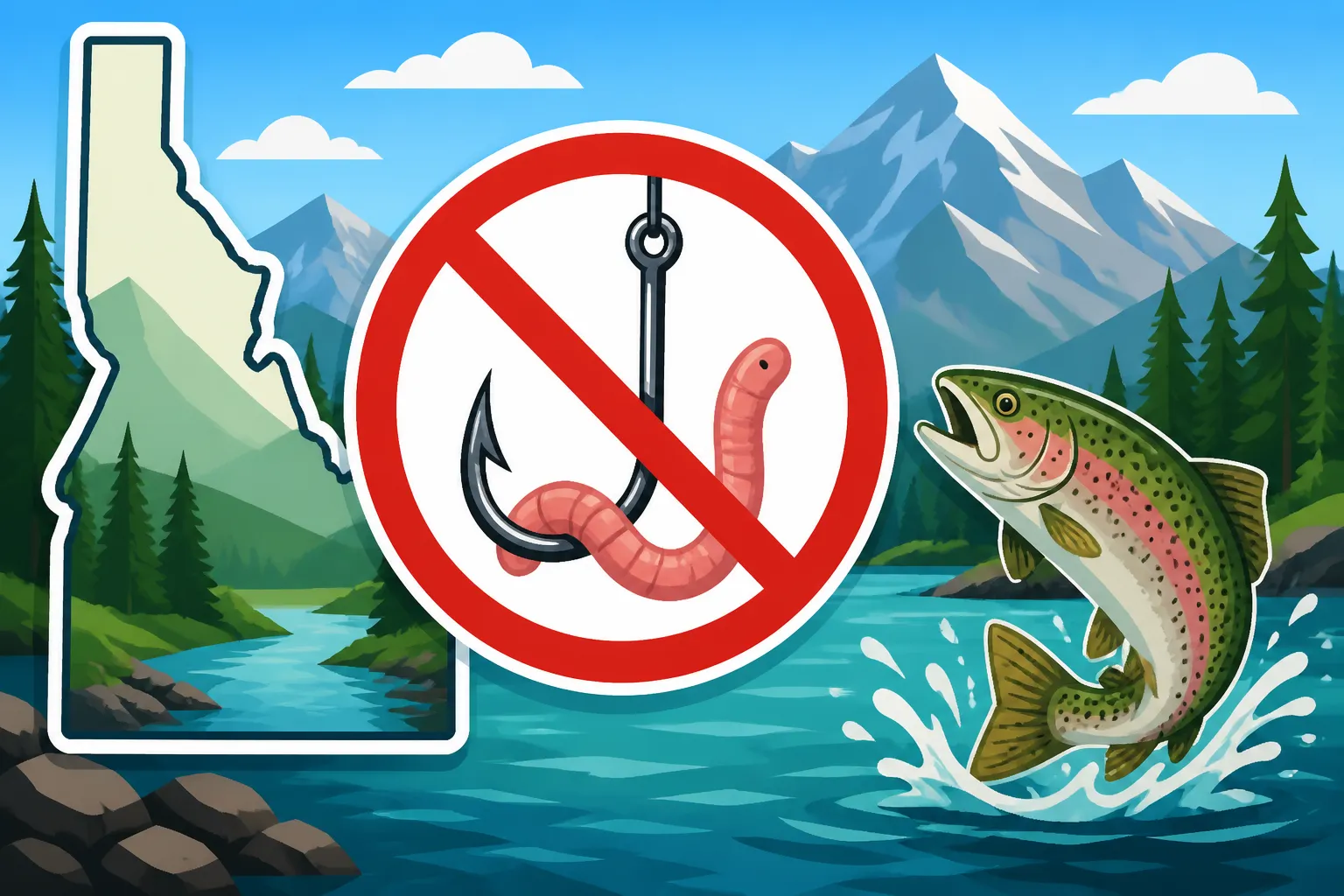
Stepping out onto a pristine Idaho river, anticipation high, only to realize that your carefully selected bait is strictly prohibited can be a real punch to the gut. It's a common frustration for many anglers who just want to enjoy the beautiful waters of the Gem State, but specific rules, like "no bait allowed," can feel confusing and restrictive. This guide is here to unravel those complexities, pinpointing exactly which Idaho waters fall under bait restrictions and equipping you with the knowledge and techniques to fish them successfully and legally.
Understanding "No Bait" Regulations in Idaho
The concept of "no bait allowed" in certain fishing waters isn't about making your life harder, but rather a carefully considered strategy by the Idaho Department of Fish and Game (IDFG) to protect and enhance specific fisheries. These regulations are designed with conservation in mind, ensuring the long-term health and vitality of Idaho's diverse aquatic ecosystems.
Why Certain Waters are Bait-Free
The primary reason for bait-free zones often revolves around protecting vulnerable fish populations, particularly native trout and salmon species. When fish are caught with bait, especially smaller, swallowed hooks, the chances of injury or mortality upon release are significantly higher. Artificial lures and flies, on the other hand, tend to hook fish in the mouth, making for easier, less harmful release. This is crucial in waters managed for catch-and-release, or those supporting fragile wild fish populations like the stunning Westslope Cutthroat Trout or native Bull Trout (which are protected and must always be released).
Another key factor is maintaining the genetic integrity of wild fish. Many of Idaho’s most cherished waterways, like the legendary Henry's Fork of the Snake River, boast self-sustaining populations that have adapted perfectly to their environment. Introducing bait, which can sometimes attract non-native species or inadvertently lead to the spread of disease, could disrupt these delicate balances. By limiting anglers to artificial presentations, IDFG aims to preserve these unique fish and their habitats, ensuring that future generations can experience the thrill of catching wild Idaho fish. These zones often become critical havens for biodiversity, where nature's delicate balance is prioritized above all else.
Defining "Bait" Under Idaho Regulations
The definition of "bait" in Idaho fishing regulations can sometimes be a point of confusion for anglers. Generally, Idaho Fish and Game defines bait as anything that can be ingested by a fish. This includes natural, organic materials like worms, maggots, grubs, crickets, grasshoppers, or minnows, whether live or dead. But it doesn't stop there. Processed baits, such as power bait, salmon eggs, corn, cheese, dough balls, and even scented artificial lures or soft plastics that are designed to be eaten, often fall under the "bait" category.
It's critical to understand this distinction because an artificial lure, like a spinner or a jig, is typically designed to entice a strike through action and appearance, not ingestion as a food source. However, if that artificial lure is treated with scent or made from an edible, dissolvable material, it might be classified as bait in regulated waters. Always check the specific regulations for the water you plan to fish, as some areas might specify "artificial flies and lures only" while others might get even more granular, specifying "no organic baits" or "scent-free artificials only." When in doubt, err on the side of caution and assume anything edible or scented is prohibited.
The Impact of Bait Restrictions on Fishing Experience
For anglers accustomed to traditional bait fishing, venturing into "no bait" waters presents a unique challenge and, for many, a deeply rewarding shift in approach. The impact on your fishing experience is profound, moving the focus from "waiting for a bite" to actively "hunting" for fish with skill and strategy. You'll find yourself paying much closer attention to reading the water, understanding currents, identifying insect hatches, and perfecting your casting and retrieval techniques.
This shift fosters a deeper connection with the environment and the fish you're pursuing. Without the scent and taste of natural bait to lure fish, success hinges on presenting your artificial offering in a way that mimics natural prey, requiring precision, stealth, and a keen eye. Many anglers find this more demanding style of fishing incredibly satisfying, turning each catch into a testament to their angling prowess rather than just a lucky draw. It also encourages a greater appreciation for the health of the fishery, knowing that your efforts are contributing to the conservation goals rather than potentially harming the fish.
Key Idaho Waters with Bait Restrictions
Idaho is a vast state with an incredible variety of fishing opportunities, and while many waters allow bait, some of its most renowned fisheries have specific restrictions to preserve their unique character and sensitive populations. Knowing these spots ahead of time is key to a successful and compliant outing.
Famous Fly-Fishing Only Waters
When you think of "no bait allowed" in Idaho, iconic fly-fishing destinations often come to mind first. These waters are legendary among fly anglers and are strictly managed to protect their wild trout populations.
One of the most famous examples is the Henry's Fork of the Snake River, particularly the sections within Harriman State Park and the Box Canyon. These stretches are world-renowned for their technical dry fly fishing and incredibly selective trout. Here, the rule is generally "artificial flies only," and often even barbless hooks are required to ensure minimal harm to the fish. The clarity of the water and the sheer abundance of insects mean the fish are often highly educated, making a precise presentation with the right fly pattern paramount. Fishing the Henry's Fork is an experience that challenges even seasoned fly anglers, demanding an understanding of entomology and delicate casting. For those keen to try their hand at this revered river, understanding the specific regulations is critical, as violating them can lead to significant penalties. Anglers frequently consult resources like the Henry's Fork Fishing Guides article to find experts who specialize in navigating these nuanced waters.
Another gem is Silver Creek, often referred to as a "spring creek paradise" near Sun Valley. This water is almost entirely "artificial flies and lures only," with many sections specifically designated as "fly-fishing only." Silver Creek's slow, clear waters and abundant aquatic insect life create a challenging but incredibly rewarding experience for the technical fly angler. The trout here are famously wary, demanding long leaders, fine tippets, and impeccable drifts. The beauty of Silver Creek is matched only by the precision required to fish it effectively. Similarly, certain high-elevation lakes in the Sawtooth Wilderness, managed for native Cutthroat Trout, may also have "artificial lures and flies only" rules to protect those fragile, often rare, populations.
Special Regulation Waters with Limited Bait Use
Beyond the famous fly-fishing-only rivers, Idaho has numerous other waters with more nuanced bait restrictions. These "special regulation waters" might not be entirely bait-free but impose significant limitations on what you can use. This often happens in areas where certain species are particularly vulnerable, or where managers are trying to encourage specific angling methods.
For instance, certain stretches of the South Fork of the Snake River may have "artificial flies and lures only" regulations, particularly in prime trout habitat. While the main stem might allow some bait, tributary streams or specific canyons could be restricted to protect native Yellowstone Cutthroat Trout. It’s always important to check the current Idaho Fishing Regulations Explained for the exact section you plan to fish, as these can change annually or even by river mile.
Other examples include specific catch-and-release sections on rivers like the St. Joe River in North Idaho, or portions of the Main Salmon River. These areas often focus on preserving the quality of the fishing experience and ensuring the survival of released fish. In some cases, you might encounter regulations that allow certain types of artificial lures but prohibit anything scented or organic, even if it's manufactured. This means that while a shiny spoon might be fine, a scented soft plastic worm might not be. The nuances can be subtle, so having the latest Idaho Fish and Game proclamation handy is non-negotiable.
Seasonal Bait Restrictions
Sometimes, bait restrictions aren't permanent but rather apply only during certain times of the year, usually to protect spawning fish or juvenile populations. While less common than year-round bans, these seasonal rules are crucial to understand. For example, during Steelhead or Salmon spawning seasons, specific river sections might implement "artificial lures and flies only" or even "barbless hooks only" to minimize stress and injury to these migrating anadromous fish.
The goal here is often to ensure successful reproduction and the safe passage of these important species. Even if a water usually allows bait, these seasonal changes mean you must adapt your approach. Imagine planning a trip for fall steelhead on the Clearwater River, only to find out that during a particular run peak, only artificial lures are permitted. It’s a good example of why staying up-to-date with the Idaho Fishing Season Dates and Limits is so important; the regulations are dynamic, designed to respond to biological needs and conservation goals throughout the year. Always consult the official Idaho Fish and Game rules to confirm current seasonal stipulations for your chosen fishing spot.
Navigating Bait-Free Waters: Gear and Techniques
So, you've identified an incredible "no bait" water you want to explore. Don't despair! This isn't a dead end for your fishing dreams; it's an opportunity to expand your skillset and discover new ways to entice Idaho's abundant fish species.
Essential Artificial Lures and Flies
Successfully fishing bait-free waters means embracing artificial presentations. For those who spin fish, this typically involves a shift to a variety of lures that mimic natural prey through action and vibration rather than scent. Think small spinners like Rooster Tails or Mepps, which create flash and rotation. Spoons such as Kastmasters or Little Cleos can imitate injured baitfish with their wobbling action. Jigs, especially those tipped with small soft plastics (non-scented, of course!), can be incredibly effective when worked along the bottom, simulating aquatic insects or small fish. Even small crankbaits that dive and dart can draw aggressive strikes from trout and bass. Many anglers find a good selection of these versatile lures readily available on popular online retailers like Amazon, ensuring they're well-equipped before heading out.
For fly anglers, the world of artificial flies is virtually limitless. You'll need a range of patterns to "match the hatch" – imitating the specific insects that fish are feeding on at any given time. This includes dry flies (like Parachute Adams, Caddis, or Hoppers) that float on the surface, nymphs (like Hare's Ears, Prince Nymphs, or Pheasant Tails) that imitate larval insects drifting underwater, and streamers (like Woolly Buggers or Clouser Minnows) that mimic baitfish or larger aquatic creatures. Having a fly box stocked with a diverse array of these patterns, often sourced from specialty fly shops or even a broad selection found on Amazon, is key to success on these technical waters. Understanding when and how to present each type of fly is a lifelong learning process and part of the allure of fly fishing in Idaho.
Recommended Gear for Bait-Free Fishing
Your gear choice will largely depend on whether you're fly fishing or spin fishing, but in bait-free waters, precision and sensitivity become even more crucial.
For spin fishermen, a lightweight spinning rod (6-7 feet, light to medium-light power) paired with a small, smooth spinning reel spooled with 4-6 lb test monofilament or fluorocarbon line is ideal. This setup allows for accurate casting of small lures and provides the sensitivity needed to detect subtle strikes. Using fluorocarbon leader material is often a good idea, as it's nearly invisible underwater and can make a big difference with wary fish. You might also consider a tackle box designed for organizing a variety of small lures, making it easy to switch patterns quickly based on what the fish are responding to.
Fly fishermen will need a matching rod and reel setup. For most trout fishing in Idaho's bait-free rivers, a 4-weight or 5-weight fly rod (8.5-9.5 feet) paired with a matching reel and weight-forward floating line is a versatile choice. For larger fish or to throw bigger streamers, a 6-weight might be more appropriate. Essential accessories include a good pair of waders and wading boots (for safe river access), a vest or chest pack to hold your fly boxes, tippet spools (various sizes), and nippers for cutting line. A reliable pair of polarized sunglasses is also invaluable for spotting fish and reading water. Investing in quality gear, perhaps even browsing highly-rated options on Amazon, can significantly enhance your experience and success on these challenging waters. For more detailed insights into specific gear, check out our guide on Best Lures for Idaho Trout Fishing.
Effective Techniques When Bait is Prohibited
Fishing without bait demands a more active and strategic approach. You're not just waiting for a fish to smell or taste your offering; you're actively trying to convince it to strike based on sight and instinct.
For spin fishing, casting accuracy is paramount. You need to present your lure precisely where fish are likely holding – behind rocks, in current seams, near submerged structure, or under overhanging banks. Vary your retrieve speed and depth until you find what triggers a strike. Sometimes a fast, erratic retrieve mimics an escaping baitfish, while other times a slow, steady retrieve is more effective. Experiment with twitching the rod tip or pausing the retrieve to impart an irresistible action to your lure. Pay close attention to current seams and eddies, as these are natural feeding lanes where fish lie in wait.
Fly fishing in bait-free waters is an art form focused on presentation. For dry fly fishing, "matching the hatch" is key: identifying the size, shape, and color of the insects currently emerging and presenting a fly that closely imitates them. A drag-free drift is crucial; the fly must float naturally with the current, as if it were a real insect. For nymphing, understanding how to get your flies down to the fish's feeding level and detecting subtle takes are vital. Using strike indicators and split shot can help control depth, while learning to "read the water" for subsurface currents is essential. Streamer fishing involves actively stripping your fly through the water to imitate baitfish, often triggering aggressive predatory strikes. Each of these techniques requires practice and patience, but mastering them on Idaho's bait-free waters offers unparalleled satisfaction.
How to Stay Informed About Idaho's Fishing Rules
Navigating Idaho's fishing regulations, especially when it comes to specific restrictions like "no bait allowed," can feel like a moving target. Rules can change annually, and some waters have highly localized stipulations. Staying informed is your best defense against inadvertently breaking the rules and ensures you have a compliant and enjoyable fishing trip.
Official Resources: Idaho Fish and Game Proclamation
The absolute, undeniable, go-to source for all Idaho fishing regulations is the official Idaho Fish and Game Fishing Seasons and Rules brochure, also known as the "Proclamation." This document is updated annually and contains every single regulation, including general statewide rules, specific waterbody rules (which is where you'll find "no bait" or "artificial flies and lures only" details), special limits, and seasonal changes.
You can usually pick up a physical copy of the proclamation at any Idaho Fish and Game office, most sporting goods stores, or wherever Idaho Fishing Licenses are sold. However, the most up-to-date version is always available digitally on the official Idaho Fish and Game website. Before any fishing trip, especially to a new or unfamiliar water, take the time to download and review the current proclamation for that specific body of water. Don't rely on old brochures or hearsay; the official document is the only source that matters. You can often find a digital copy by searching "Idaho Fish and Game fishing regulations" on their website.
Local Knowledge and Online Forums
While the official proclamation is paramount, local knowledge can provide invaluable real-time insights that complement the written rules. Before heading out, consider stopping by a local tackle shop or fly shop near your destination. These establishments are often run by passionate anglers who are intimately familiar with the local waters, current conditions, recent regulation changes, and what the fish are biting on (or not biting on!). They can offer tips on specific areas, recommended flies or lures, and clarify any ambiguities in the regulations.
Online fishing forums and social media groups dedicated to Idaho fishing can also be a great resource. Anglers often share recent experiences, success stories, and warnings about challenging conditions or regulatory changes. Just remember to cross-reference any information found online with the official IDFG proclamation, as informal advice, while helpful, is not always 100% accurate or up-to-date. However, these communities can provide a pulse on where and how people are fishing legally and successfully.
Consequences of Non-Compliance
It's easy to think a small infraction might go unnoticed, but fishing with bait where it's prohibited in Idaho can lead to serious consequences. Idaho Fish and Game conservation officers are highly trained and regularly patrol popular and remote fishing areas. The penalties for violating fishing regulations are designed to deter illegal activity and protect the state's natural resources.
At a minimum, you could face significant fines, potentially hundreds of dollars depending on the severity and nature of the violation. For more serious or repeat offenses, you could have your fishing license suspended or even revoked, meaning you wouldn't be able to legally fish in Idaho for a period of time. In some cases, particularly if native or endangered species are harmed, equipment seizure (like your rod, reel, or boat) and even jail time could be on the table. Ignorance of the law is generally not considered an excuse, so it's your responsibility as an angler to know and abide by the regulations. Fishing legally and ethically ensures that these special waters remain vibrant for everyone to enjoy for years to come.
Navigating Idaho's Bait Restrictions
To help you keep track of some of Idaho's prominent waters with bait restrictions, here's a quick overview. Always consult the current Idaho Fish and Game Fishing Seasons and Rules booklet for the most up-to-date and complete information before your trip, as regulations can vary by specific section or season.
| Waterbody/Section | General Location | Primary Restriction | Common Target Species | Notes |
|---|---|---|---|---|
| Henry's Fork (Box Canyon & Harriman State Park) | Eastern Idaho (Island Park) | Artificial Flies Only | Rainbow Trout | World-renowned fly-fishing, often barbless hooks required. Highly technical water. |
| Silver Creek | Central Idaho (Sun Valley) | Artificial Flies & Lures Only | Rainbow Trout, Brown Trout | Famous spring creek, incredibly clear and challenging water. Some sections strictly "fly-fishing only." |
| South Fork of the Snake River (specific sections) | Eastern Idaho | Artificial Lures & Flies Only | Yellowstone Cutthroat Trout, Rainbow Trout | Restrictions often apply to protect native cutthroat. Check current proclamation for specific river stretches. A great place to explore Idaho Cutthroat Trout Fishing Guide content. |
| St. Joe River (upper stretches) | North Idaho | Artificial Flies & Lures Only | Westslope Cutthroat Trout | Focus on native cutthroat conservation. Check for specific zones and seasonal changes. |
| High Mountain Lakes (select) | Various wilderness areas | Artificial Flies & Lures Only | Cutthroat Trout, Brook Trout | Rules designed to protect fragile ecosystems and native fish. Often remote, hike-in locations. |
Disclaimer
The information provided in this guide is for general informational purposes only and is not a substitute for the official Idaho Fish and Game Fishing Seasons and Rules proclamation. Fishing regulations can change frequently. Always consult the current official Idaho Fish and Game regulations before engaging in any fishing activities to ensure compliance.