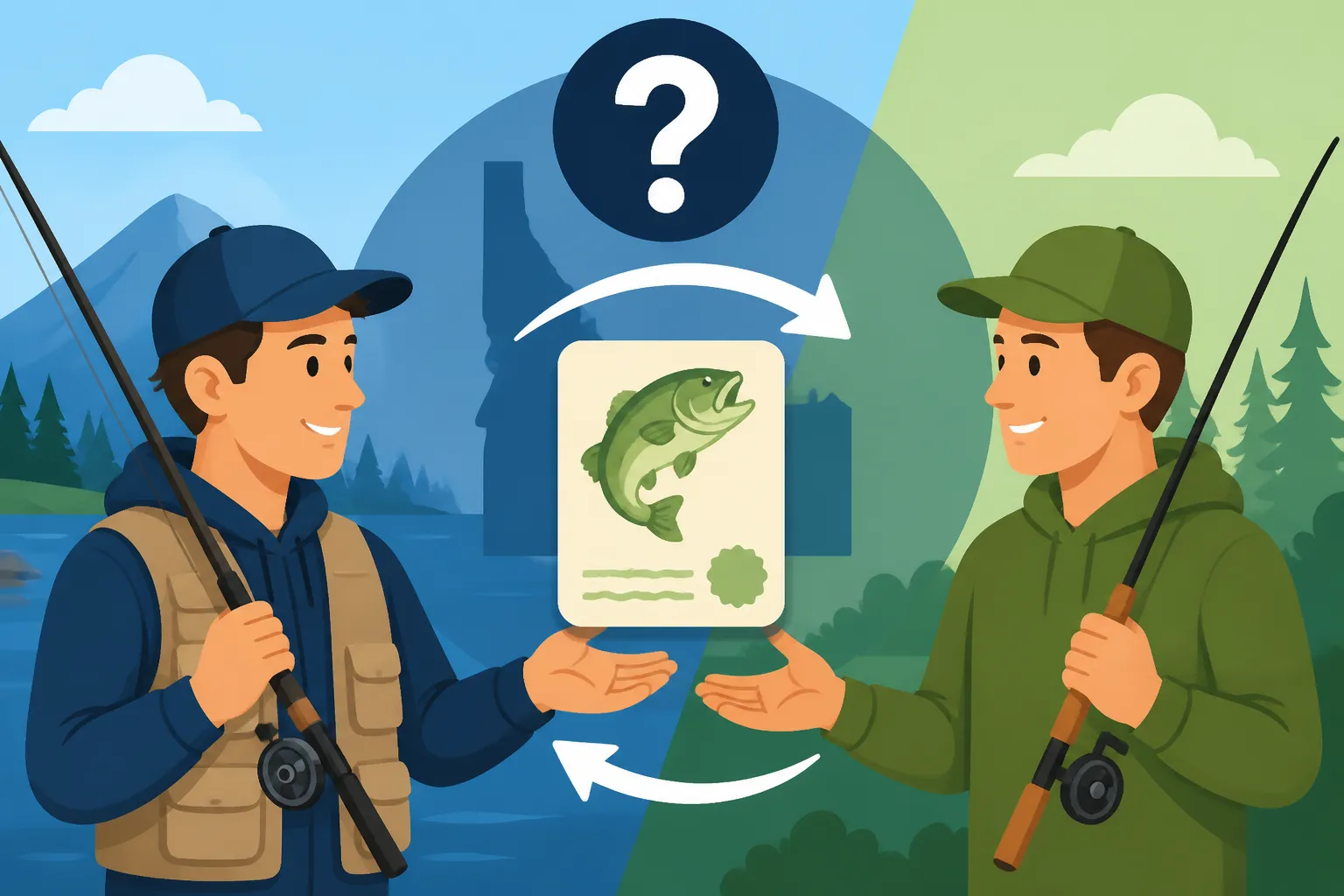
Can You Transfer an Idaho Fishing License to Someone Else?
It's a common thought, especially when plans change or a buddy can't make the trip: "Can I just transfer my Idaho fishing license to someone else?" We've all been there, holding onto a perfectly good license, wishing it could be put to use instead of going to waste. Unfortunately, this convenient idea runs straight into the firmly established rules of Idaho's wildlife management, and the simple answer is no, you absolutely cannot transfer an Idaho fishing license to another individual. This guide will walk you through exactly why this is the case, the implications of attempting to do so, and the correct ways to ensure everyone fishing legally has their own valid permit.
The Personal Nature of Idaho Fishing Licenses
When you purchase an Idaho fishing license, you're not just buying a piece of paper or a digital record; you're acquiring a personal permit tied directly to you. This fundamental principle is crucial for the Idaho Department of Fish and Game (IDFG) to manage fisheries, ensure compliance, and fund vital conservation efforts.
Understanding Idaho's Personal License System
Every single Idaho fishing license is issued to a specific individual, linked by their unique customer identification number, name, and date of birth. This system allows IDFG to accurately track who is fishing, where they are fishing (through various permits and validations), and for what species. Think of it like a driver's license or a passport – it's proof that you are authorized to perform a specific activity, and that authorization cannot simply be handed off to someone else.
The rules are clear across the board, whether you're looking at an annual resident license, a non-resident option, or even specialized permits. The system is designed to identify the angler, making it impossible to share. This strict personal assignment is not unique to Idaho; it's a standard practice across most state wildlife agencies in the U.S. It ensures accountability and helps prevent misuse of fishing privileges. Without this personal tie, it would be impossible to enforce bag limits, season restrictions, or even collect accurate data on angler participation. If you're looking for more details on the general rules, our comprehensive Idaho Fishing License Guide covers all the basics.
Common Misconceptions About License Sharing
Many anglers, especially those new to Idaho or just starting out, might mistakenly believe that certain situations would allow for a license transfer or sharing. Let's clear up some of those common misunderstandings:
- Family Members: No, you cannot transfer your license to a spouse, child, or parent, even if they are fishing with you. Each family member who needs a license must possess their own. While kids under certain ages may not require a license, once they hit the Idaho Fishing License Age Requirements, they'll need their own.
- Temporary Use: There's no such thing as "borrowing" a license for a day or even an hour. The name on the license must match the person holding the rod and reel.
- Unused Licenses: If you bought an annual license but ended up not going fishing as much as you planned, you can't just give it to a friend for their use. It's tied to you for its Idaho Fishing License Validity Period.
- Gifting a License: While you can purchase a license for someone else, the license itself will still be issued in their name, for their personal use. We'll dive into how to properly gift a license a bit later.
These misconceptions are understandable, especially if you're thinking about a simple exchange. However, the regulatory framework around fishing licenses is quite rigid precisely because it serves critical functions beyond just collecting a fee.
Why Idaho Fishing Licenses Are Strictly Non-Transferable
The non-transferable nature of Idaho fishing licenses isn't arbitrary. It's a cornerstone of effective wildlife management, financial stability for conservation, and equitable access for all anglers.
IDFG's Rationale for Personal Licenses
The Idaho Department of Fish and Game has several compelling reasons for maintaining a strictly personal, non-transferable license system:
- Conservation and Management: Licenses are a primary tool for managing fish populations. By tracking who is fishing, IDFG can estimate angler pressure, collect data on catch rates (especially for species requiring a Idaho Catch Record Card Requirements), and assess the overall health of Idaho's fisheries. If licenses were transferable, this data would become wildly inaccurate, making it nearly impossible to set appropriate bag limits or manage special regulation waters effectively.
- Revenue for Conservation: The funds generated from fishing license sales directly support IDFG's work. This includes fish stocking programs, habitat restoration, scientific research, enforcement, and public access improvements. Every dollar from a license sale contributes to maintaining the incredible fishing opportunities Idaho offers. If licenses could be shared freely, a significant portion of this vital revenue would be lost, jeopardizing the very resources anglers cherish.
- Enforcement and Compliance: Law enforcement officers rely on the personal license system to ensure everyone is adhering to Idaho's fishing regulations. When an officer checks an angler's license, it must match their identity. This allows them to verify residency (e.g., distinguishing between an Idaho Resident Annual Fishing License and an Idaho Nonresident Annual Fishing License), age-based discounts, and confirm that the individual hasn't had their privileges revoked. Without this, enforcing rules like Idaho Catch Limits and Bag Limits Explained or Idaho Barbless Hook Requirements would be nearly impossible.
- Fairness and Equity: A non-transferable system ensures that everyone who wishes to fish contributes equally to the resource management efforts and obtains their own legal right to do so. It prevents a scenario where a single license could be passed around indefinitely, undermining the entire system.
Legal Consequences of Attempted Transfer
Attempting to transfer or use a fishing license issued to someone else is a serious violation in Idaho, and the consequences can be significant. This isn't just a minor infraction; it's considered unlawful and can lead to penalties that can ruin your fishing trip and potentially impact your future ability to fish in the state.
- Fines and Penalties: If caught fishing with a license not issued in your name, you can face substantial fines. These fines are often comparable to, or even higher than, the cost of purchasing a proper license. For instance, fishing without any license can result in a fine of over $150, plus court costs. Using someone else's license falls under similar unlawful activity.
- License Suspension/Revocation: Beyond monetary fines, a conservation officer has the authority to seize your equipment and recommend the suspension or revocation of your fishing privileges. This means you could be banned from fishing in Idaho for a period, or even permanently in severe cases. This suspension might also be recognized by other states through interstate compacts, meaning you could lose fishing privileges elsewhere too.
- Misdemeanor Charges: In some cases, depending on the severity and intent, using another person's license could lead to misdemeanor charges, which can carry even higher fines and potential jail time, though this is less common for a first offense of this nature. It's simply not worth the risk. Our guide on What Happens If You Fish in Idaho Without a License delves deeper into these consequences.
It’s always best to have your own valid license in hand. You can find detailed information on costs in our Idaho Fishing License Cost Guide.
Legitimate Ways to Get an Idaho Fishing License for Someone Else
While you can't transfer a license, you absolutely can purchase a license as a gift for another person, ensuring they have their own valid permit. This is the correct, legal, and hassle-free way to facilitate fishing for friends and family.
Gifting a License: The Right Way
If you want to treat a loved one to the joy of fishing in Idaho, purchasing a license in their name is a thoughtful and perfectly legitimate gesture.
- Online Purchase: The easiest way to do this is through the official Idaho Department of Fish and Game website. When you go to How to Buy an Idaho Fishing License Online, you'll typically have an option to purchase for "myself" or "another individual." Select "another individual," and you'll need to input their personal information: full name, date of birth, and possibly their address. This ensures the license is correctly issued directly to them. They will then receive a confirmation and can print their license or display it digitally.
- At a Vendor: Many sporting goods stores, county auditors, and other licensed vendors across Idaho sell fishing licenses. Brands like Sportsman's Warehouse or Cabela's are common places. If you visit one of these locations, you can simply tell the clerk you wish to purchase a license for someone else. You'll need to provide their personal details, just as you would online, so make sure you have that information handy.
- Gift Cards for Gear: While you can't buy an actual license as a generic gift card from, say, Amazon, you can certainly purchase gift cards for outdoor retailers. These gift cards can then be used by the recipient to buy their own fishing license, or to stock up on essential gear like rods, reels, or lures. This allows them the flexibility to choose their license type (e.g., an Idaho One-Day Fishing License versus an annual one) and ensures they go through the proper steps to get it issued in their name.
Remember, the key is that the license is issued in their name from the start. This makes it their personal authorization to fish.
Licenses for Specific Demographics
Idaho offers various license types and discounts tailored to different demographics, but each remains strictly personal.
- Youth Fishing Licenses: Children often have different license requirements or even exemptions up to a certain age. For example, in Idaho, resident and nonresident youth under 14 generally do not need a license to fish. However, rules change at specific ages, and a 13-year-old might need one depending on the exact regulations. Our Idaho Youth Fishing License Rules guide provides specifics, but once a license is required, it must be in their name.
- Senior Discounts: Idaho residents who are 65 or older are eligible for discounted fishing licenses. This is a fantastic benefit for seasoned anglers. However, this discount is tied to their age and residency status. A younger angler cannot use a senior's discounted license, nor can a non-resident senior use a resident senior discount. Details on this can be found in our Idaho Senior Fishing License Discount article.
- Combination Licenses: For those who enjoy both angling and hunting, Idaho offers a convenient Idaho Combination Hunting and Fishing License. This license also remains strictly personal and cannot be transferred or shared.
The table below summarizes the key differences in how fishing licenses are handled:
| Aspect | Transferring a License (Illegal) | Gifting a License (Legal & Recommended) |
|---|---|---|
| Who uses the license? | Person other than the one named on it. | The person whose name is on the license. |
| Legality | Unlawful. Can result in fines, license suspension. | Fully legal and encouraged. |
| IDFG Tracking | Disrupts accurate angler data and enforcement. | Maintains accurate angler data for conservation. |
| Revenue Impact | Circumvents revenue collection for conservation. | Directly supports IDFG's vital conservation programs. |
| Process | Attempting to hand over a physical license. | Purchasing a new license issued in the recipient's name. |
| Example | Giving your unused annual license to a friend. | Buying an annual license for your child's birthday. |
What to Do If You Have an Unused License
It's a bummer to buy a fishing license with good intentions and then have your plans fall through. This can happen for many reasons, from unexpected travel to sudden illness or even just a change of heart. When this happens, it's natural to wonder about getting your money back or putting that license to use somehow.
Idaho Fish and Game's Refund and Exchange Policy
Unfortunately, the Idaho Department of Fish and Game (IDFG) generally has a very strict "no refund" policy for licenses once they have been purchased and issued. This policy is in place for several reasons:
- Administrative Costs: Processing refunds can be administratively burdensome and costly for the department, diverting resources from their core mission of wildlife management.
- System Integrity: Once a license is generated in the system, it's considered valid for that individual, and allowing widespread refunds or exchanges could complicate tracking and enforcement.
- Duration Options: IDFG offers various license durations, including daily, multi-day, and annual options. The expectation is that anglers will choose the option that best fits their planned fishing schedule, mitigating the need for refunds due to short-term changes. For example, if you're only planning a quick trip, an Idaho One-Day Fishing License is a great, affordable option that minimizes risk if plans change.
So, if you find yourself with an unused license, it's highly unlikely you'll be able to get a refund or exchange it for another type of license or for a different person. Our article on Can You Get a Refund on an Unused Idaho Fishing License? goes into more specific details about the very limited circumstances where a refund might be considered (e.g., a processing error on IDFG's part), but these are rare exceptions. This is quite different from returning a fishing rod or a tackle box you purchased from Amazon or a local sporting goods store, which typically have generous return policies.
Planning Ahead to Avoid Unused Licenses
The best strategy for avoiding the frustration of an unused license is proactive planning. Here are a few tips:
- Confirm Plans: Before purchasing, especially for a trip with others, confirm everyone's availability and commitment. If it's a group trip, make sure everyone is clear on the dates and species you'll be targeting, as specialized permits like the Idaho Salmon and Steelhead Permit are additional costs.
- Choose Appropriate Duration: If you're unsure about making multiple trips throughout the year, opt for a shorter-duration license first. While an annual license might seem more cost-effective if you fish frequently, a multi-day or Idaho One-Day Fishing License Cost for Nonresidents might be a better choice for sporadic anglers. You can always upgrade or purchase additional short-term licenses if you find yourself fishing more than expected.
- Check Regulations: Always review the current Idaho Fishing Regulations Explained before your trip. This ensures you're aware of season dates, bag limits, and any special requirements for the waters you plan to visit. Sometimes, changes in regulations might impact your desire to fish certain areas.
- Consider Travel Insurance for Trips: If you're planning a significant fishing vacation, especially one involving guided trips or lodging, consider travel insurance. While it won't refund your fishing license directly, it can cover other non-refundable costs associated with your trip if you have to cancel for a covered reason.
- Purchase Close to the Date: While it's good to be prepared, you don't necessarily need to buy your license months in advance if your plans are still tentative. Licenses are available year-round and can be purchased quickly online or at various vendors right up until you head out.
By understanding that your Idaho fishing license is a personal authorization and planning accordingly, you can avoid disappointment and ensure every angler is legally equipped to enjoy Idaho's amazing waters. After all, the goal is to spend more time casting and less time worrying about paperwork.
Disclaimer
The information provided in this guide is for general informational purposes only and is not intended as legal advice. Fishing regulations in Idaho are subject to change by the Idaho Department of Fish and Game (IDFG). Always consult the most current official Idaho fishing regulations brochure or the IDFG website before engaging in any fishing activities to ensure compliance with all applicable laws and rules.