How Idaho Handles Illegally Introduced Fish Species
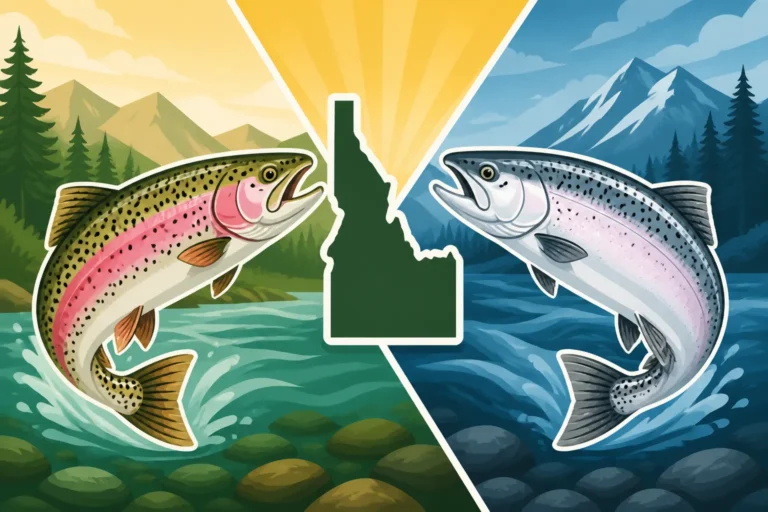
It's incredibly frustrating, isn't it? You head out to your favorite Idaho fishing spot, eager for a tug on the line from a beautiful native trout or a hard-fighting steelhead, only to hear whispers or even see evidence of fish that just don't belong. Illegally introduced fish species can wreak havoc on delicate ecosystems and disrupt the balance of the waters we cherish. This guide will walk you through exactly how Idaho approaches this serious issue, from the strict regulations in place to the active measures taken by Idaho Fish and Game, and most importantly, what you, as a responsible angler, need to know and do.
The Problem of Illegally Introduced Fish Species in Idaho
The beauty of Idaho's waters lies in their unique blend of native species and carefully managed fisheries. But when unauthorized fish show up, it's not just a minor inconvenience; it's a direct threat to that delicate balance. These "rogue" fish can quickly become a huge problem, competing with our beloved native populations for resources and sometimes even predating on them. It’s a challenge that takes constant vigilance and understanding from everyone who loves Idaho's outdoors.
Why Anglers Illegally Introduce Fish
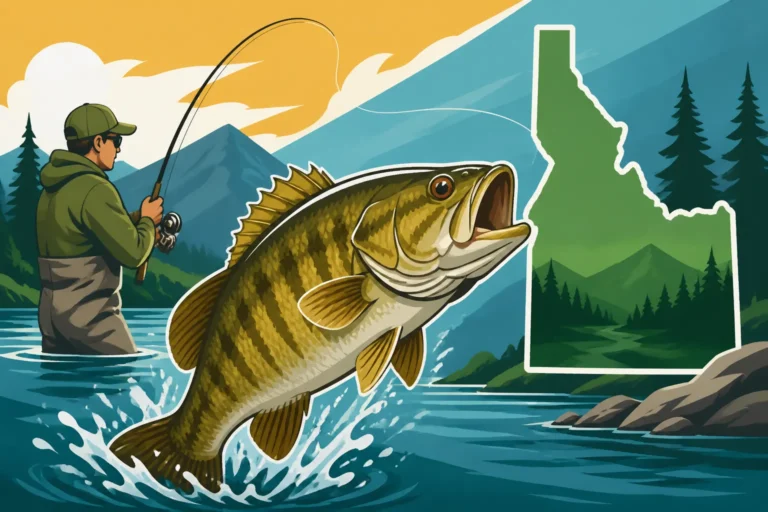
You might wonder why anyone would intentionally introduce a fish where it doesn't belong. Often, it comes from a place of misguided intentions or simply a lack of understanding. Some anglers, perhaps hoping to create a new, exciting fishery, might move a species from one lake or river to another, thinking they're "improving" the fishing. They might have experienced great success with a particular type of fish in their home state or a different region and want to replicate that success in Idaho. For example, someone might love catching bass and, finding a local pond without them, decide to introduce a few from another water body, unaware of the potential ecological disaster they're unleashing.
Others might do it out of sheer ignorance, perhaps dumping leftover live bait that includes small fish into a new water body, not realizing those baitfish could establish a breeding population and outcompete native species for food. Sometimes, it's just a misunderstanding of how interconnected these aquatic environments truly are. They might see a seemingly empty stretch of water and assume that adding a new species couldn't possibly do any harm. But the truth is, even a handful of introduced fish can quickly multiply and create an irreversible problem, leading to long-term consequences for generations of native fish.
The Devastating Impact on Idaho's Ecosystems
The consequences of illegally introduced fish are far-reaching and often catastrophic for Idaho's natural aquatic systems. Think of it like this: every species in an ecosystem has a role, a niche it fills, evolved over thousands of years. When a new player is suddenly thrown into the mix, it disrupts everything. These non-native species often have an unfair advantage. They might be more aggressive, grow faster, or reproduce more quickly than the native fish.
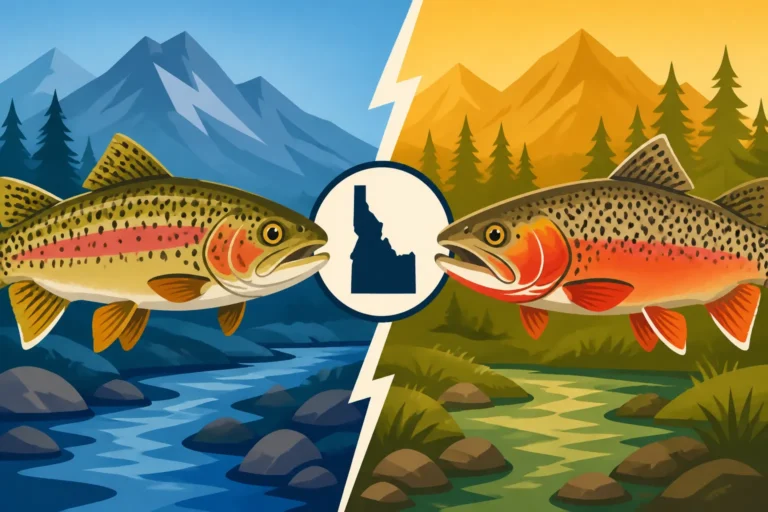
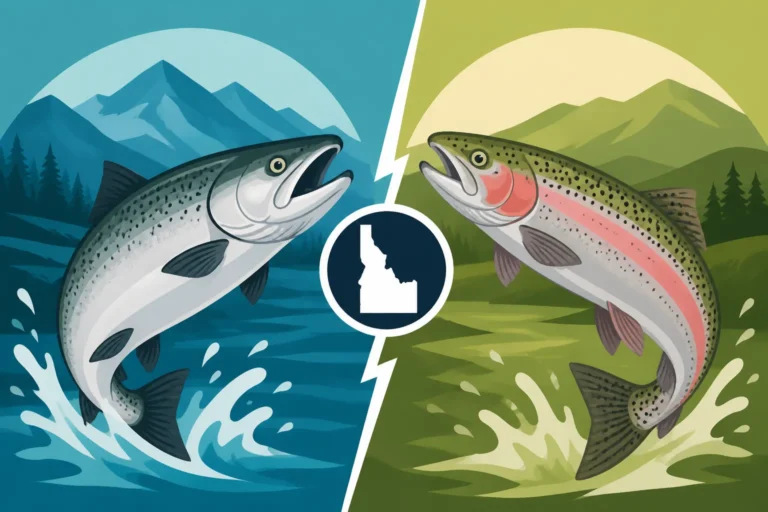
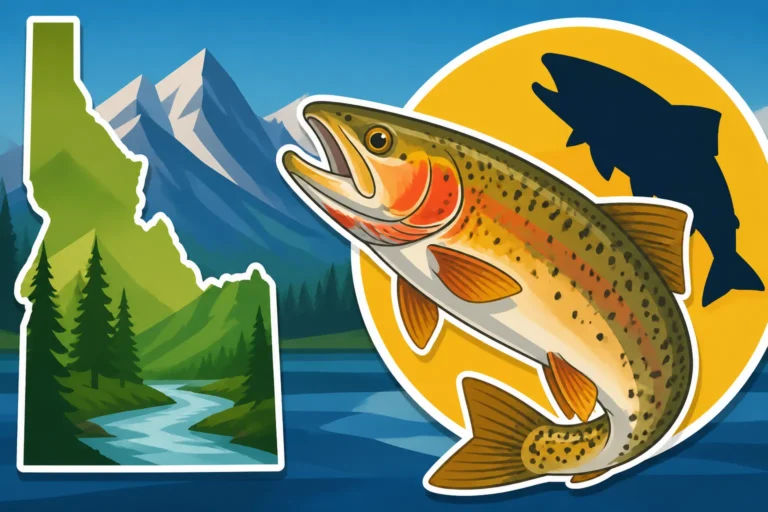
One of the most immediate impacts is direct competition. Introduced fish compete with native species for essential resources like food, spawning grounds, and habitat. If a new, aggressive species of sunfish is introduced into a lake primarily home to native trout, those trout might suddenly find their insect food sources dwindling because the sunfish are faster or more numerous. The native populations, like our precious Westslope Cutthroat Trout in Idaho or Yellowstone Cutthroat Trout in Idaho, which are highly adapted to their specific environments, can be outcompeted to the point of decline or even local extinction.
Beyond competition, there's predation. Many illegally introduced fish are predatory and can decimate populations of native fish, especially smaller species, juveniles, or eggs. Imagine a lake where a non-native pike or bass species is introduced. These fish can quickly become apex predators, preying on everything from trout fry to adult native fish, completely altering the food web. This can have a ripple effect, impacting other wildlife that rely on native fish as a food source, such as osprey, eagles, and otters.
Disease transmission is another silent but deadly threat. Introduced fish can carry pathogens, parasites, and diseases that native populations have no natural immunity to. A seemingly healthy bucket of fish from one river could carry a virus that, when released into another, wipes out an entire native fish population that has never encountered it before. This is a huge concern because once a disease takes hold, it's incredibly difficult, if not impossible, to eradicate.
Finally, illegally introduced fish can cause habitat alteration. Some species might stir up sediment, increase turbidity, or even introduce new vegetation, making the water less hospitable for native fish and aquatic insects. For instance, common carp, often introduced for food or sport, are notorious for rooting around on lake and river bottoms, destroying aquatic plants and muddying the water, which impacts sight-feeding fish and plant-dependent insects. The integrity of Idaho's pristine waters is seriously at stake when these unauthorized introductions occur.
Idaho's Legal Framework and Penalties for Illegal Introductions
Idaho takes the threat of illegally introduced fish incredibly seriously, and for good reason. The potential for irreversible damage to our natural resources means that there are strict laws in place, and the penalties for violating them are far from trivial. It’s not just a suggestion; it’s a legal imperative.
Understanding Idaho Fish and Game Regulations
The core principle here is that Idaho's aquatic ecosystems are public trust resources, managed by the state for the benefit of all. This means you can't just decide to "plant" new fish wherever you like. Idaho Fishing Regulations Explained clearly state that it is illegal to transport live fish, eggs, or even aquatic organisms from one water body to another, or to introduce them into any waters, public or private, without explicit written permission from Idaho Fish and Game. This includes everything from a small bucket of minnows to larger game fish.
This regulation isn't about being bureaucratic; it's about protecting Idaho’s unique biological diversity. Every time a non-native species is introduced, it creates an uncontrolled experiment with potentially devastating outcomes. That's why Idaho Fish and Game has a rigorous process for any authorized fish stockings, meticulously researching and evaluating potential impacts before a single fish is released. Any introduction outside of this controlled, scientific process is considered illegal and harmful. You can always consult resources like Where to Find Idaho's Current Fishing Rules Brochure to stay up-to-date on these vital regulations.
The Consequences for Violators
Let's be very clear: illegally introducing fish in Idaho is not a slap on the wrist. It’s a serious offense that can carry significant penalties. We're talking about fines that can run into thousands of dollars, potential jail time, and the loss of your hunting and fishing privileges for extended periods. Imagine losing your ability to even buy an Idaho Fishing License Guide for years, all because of a reckless decision. These aren't just minor infractions; they are criminal acts that directly undermine the health of our public resources and the efforts of countless conservationists and responsible anglers.
For instance, if someone were caught intentionally moving smallmouth bass from one river section where they are common to a high mountain lake that is supposed to be exclusively native trout habitat, they could face substantial financial penalties. The cost of trying to eradicate an established invasive species can be astronomical, often requiring extensive chemical treatments, trapping programs, or even draining entire water bodies. When these costs are incurred by the state, they can and often do seek restitution from the responsible parties. So, while the immediate gratification of introducing a new fish might seem appealing to some, the long-term legal and financial repercussions are severe and serve as a strong deterrent. The state aims to send a clear message: Idaho's waters are not your personal playground for unauthorized biological experiments.
How Idaho Fish and Game Actively Manages and Controls Invasive Species
Idaho Fish and Game isn't just sitting back, hoping these problems go away. They are actively engaged in a multi-faceted approach to combat illegally introduced fish and other invasive aquatic species. It’s a constant battle, but one they are committed to fighting to protect the integrity of our beloved waterways.
Prevention: The First Line of Defense
As the old saying goes, an ounce of prevention is worth a pound of cure, and this couldn't be truer when it comes to invasive species. Idaho Fish and Game heavily invests in public awareness campaigns to educate anglers and outdoor enthusiasts about the dangers. You’ll see signs at boat ramps, information in fishing pamphlets, and articles online all emphasizing the importance of not moving live fish or aquatic plants. They want everyone to understand the severe consequences of even seemingly small actions.
A crucial part of prevention involves rigorous rules surrounding bait. In many areas, it's illegal to use live fish as bait, or only specific, permitted species of baitfish are allowed, and even then, they must be acquired through authorized dealers to prevent the accidental introduction of unwanted species. Anglers are encouraged to properly dispose of unused bait, either by taking it home or by killing it and putting it in the trash, never dumping it into the water.
Beyond fish, there’s a strong emphasis on the "Clean, Drain, Dry" protocol for boats and fishing gear. This practice, while often highlighted for preventing the spread of things like zebra mussels, is equally critical for preventing the transport of fish eggs, larvae, or small organisms that could hitch a ride from one water body to another. Every time you pull your boat out, or even move your waders and nets from one river to the next, taking the time to inspect, clean, and thoroughly dry your equipment is an act of conservation. You can find more details on this in Native vs Introduced Fish Species in Idaho.
Eradication and Control Strategies
When prevention fails and an invasive species becomes established, Idaho Fish and Game shifts into response mode with various control and eradication strategies. The approach depends heavily on the scale of the invasion, the type of water body, and the specific species involved.
For smaller, isolated waters like ponds or small lakes, chemical treatments are sometimes employed. Rotenone, a naturally derived compound, is often used to completely remove all fish from a water body, allowing it to be restocked with native species or desirable game fish. This is a drastic measure, but sometimes necessary to reset an ecosystem that has been overrun. Of course, this is done under strict scientific oversight and careful planning to minimize impact on other wildlife.
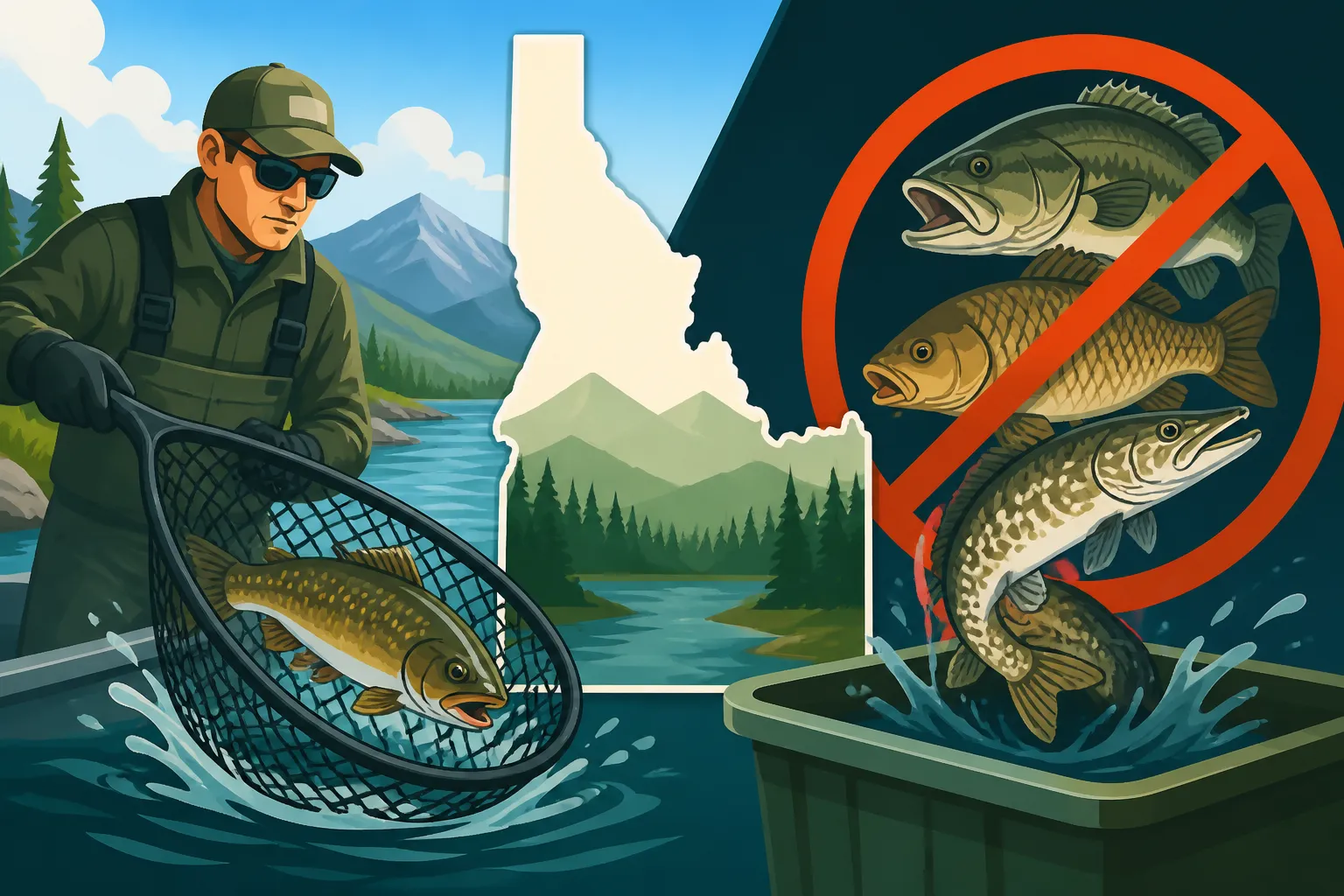
For larger rivers or lakes where chemical treatment isn't feasible, a combination of physical removal methods might be used. This can include intensive netting operations, electrofishing (where electric currents temporarily stun fish for removal), or even encouraging targeted angling efforts with specific bag limits to reduce the invasive population. For example, if a certain non-native species like northern pike is found in a lake known for prized native trout, Idaho Fish and Game might implement liberal or even unlimited bag limits for that pike species, encouraging anglers to remove as many as possible to protect the native population. This is where understanding Idaho Catch Limits and Bag Limits Explained becomes particularly important.
Long-term monitoring programs are also critical. After any control effort, or in areas vulnerable to invasion, scientists will regularly sample the water, conduct surveys, and monitor fish populations to detect any resurgence of the invasive species or new introductions early on. This continuous surveillance allows for quick intervention and helps gauge the success of control measures.
The Role of Anglers in Protecting Idaho's Waters
You, the angler, are truly on the front lines of this fight. Your actions, or inactions, can make all the difference. The most fundamental rule is never, ever move live fish between waters. This means no taking a crappie from Lucky Peak Reservoir and putting it in a small pond in your backyard, and certainly no moving baitfish from one river to another. Your tackle box is not a fish taxi!
Beyond that, actively practicing "Clean, Drain, Dry" with all your gear—boats, waders, nets, buckets, and even your fishing line—is non-negotiable. Inspect your gear thoroughly. Think about how much easier it is to buy a new, clean landing net on Amazon if your old one is showing signs of potential contamination rather than risking a biological catastrophe in a pristine river.
Another crucial role is reporting suspicious activity. If you see someone dumping fish into a lake, or hear about someone planning to move fish, don't hesitate to contact Idaho Fish and Game. You can make an anonymous tip, and your vigilance could prevent a major ecological disaster. It's tough to be a "naysayer," but when it comes to the health of our fisheries, it's essential. Understanding the general Idaho Fishing Regulations Explained and knowing what looks out of place is vital. Your eyes and ears on the water are invaluable in this ongoing effort.
What to Do If You Catch an Illegally Introduced Fish
So, you’re out on the water, you cast your line, and you pull in something that just doesn't look right. It's bigger, smaller, or shaped differently than any fish you'd expect to see in that particular body of water. What then? This situation can be confusing and even a little unsettling, but knowing what to do is critical for protecting Idaho's native fish.
Identifying Potential Invasive Species
Sometimes, an invasive fish is unmistakable. A northern pike showing up in a pristine, native trout stream, for example, is a clear red flag. Other times, it might be more subtle – perhaps a certain species of sunfish or carp that you know isn't supposed to be in that specific lake. The key is to be observant and informed. Keep a copy of your Idaho Fishing Regulation Brochure and Proclamation handy, or even a basic Idaho Fish Species Guide you can find online or buy on Amazon, to help identify common fish. If a fish seems out of place or you can't readily identify it as a native or legally stocked species for that water, treat it with caution. Many non-native species, like certain types of perch or bass, can look similar to native fish, but their presence in unauthorized waters is still a problem.
For instance, catching a common carp in a high-elevation alpine lake known only for cutthroat trout would be a clear sign of an illegal introduction. Similarly, discovering certain aggressive panfish in a delicate spring creek could signal trouble. The more you familiarize yourself with the common fish species in Idaho's waters and the rules for specific locations, the better equipped you'll be to identify an interloper. If you're ever unsure, it's always better to err on the side of caution.
Reporting Procedures and Angler Responsibility
This is where your direct action becomes crucial. If you catch a fish that you strongly suspect is an illegally introduced species and it is legal to retain it according to current regulations, do not release it back into the water. This is perhaps the most important directive. Releasing it simply perpetuates the problem. Instead, keep the fish. Some regulations specifically require the immediate killing or retention of certain invasive species, so check those rules carefully when you’re out fishing.
The next step is to report your catch to Idaho Fish and Game as soon as possible. You can often find contact numbers on your fishing license or in the regulation booklet. When you report, be ready to provide key details:
- Location: Be as precise as possible. GPS coordinates are best, but detailed landmarks work too (e.g., "about a mile upstream from the main boat ramp on Lake [X]").
- Date and Time: When did you catch it?
- Species Identification: Your best guess, but don't worry if you're not 100% sure.
- Photographs: If you can, take clear photos of the fish, especially showing any distinguishing features. Take a few from different angles. This visual evidence can be incredibly helpful for biologists.
- Size and Number: Note the approximate size and if you caught more than one.
Idaho Fish and Game biologists will then investigate. They might ask you to keep the specimen for closer examination. Your report helps them track the spread of Invasive Fish Species Found in Idaho Waters and formulate a response. Sometimes, if the species is particularly destructive or prevalent, the regulations might even encourage anglers to harvest as many as possible. This is why it’s so important to understand Why Idaho Discourages Keeping Illegally Introduced Fish and why they might sometimes encourage it for specific invasive species. You can find gear for safely dispatching and retaining fish on Amazon if you plan to do so. Your vigilance and prompt reporting are vital in protecting Idaho’s waters from these damaging unauthorized introductions.
Here's a quick reference for what to do:
| Situation | Action | Why |
|---|---|---|
| Suspect you've caught an illegally introduced fish | Do NOT release it back into the water if current regulations permit retention. Keep the fish. | Prevents further spread and establishment of the invasive species. Releasing it simply adds to the problem and undermines conservation efforts. |
| Identify as an invasive species (e.g., northern pike where not authorized, specific carp species) | Retain the fish (check local regulations, as some invasive species require immediate kill). Take clear photos. | Positive identification helps biologists. Some invasive species must be removed from the ecosystem upon capture. Photos provide crucial evidence for Fish and Game. |
| Unsure if it's an invasive species but it looks "wrong" | Take photos, note location details, and consider retaining it (if legal and feasible) until you can report. | It's better to be safe than sorry. If it turns out to be an invasive species, you've prevented its re-release. If it's a native, it can be identified, and you've learned something. |
| After catching a suspected invasive fish | Immediately report the catch to Idaho Fish and Game (IF&G) via phone or online reporting tool. | Prompt reporting allows IF&G to assess the situation, verify the species, determine the extent of the introduction, and plan control or eradication strategies before the problem escalates. |
| When reporting | Provide precise location (GPS if possible), date/time, description of fish, number caught, and photos. | Specific details are crucial for IF&G to pinpoint the area of concern and investigate effectively. Photos are often the most helpful piece of evidence for initial assessment. |
| Moving between different water bodies | Always "Clean, Drain, Dry" your boat, trailer, waders, and all fishing gear thoroughly. | Prevents the accidental transport of fish eggs, larvae, aquatic plants, or other organisms that could become invasive in a new location, safeguarding native species and habitats. Don't forget to check for hidden hitchhikers on anything from a used tackle box to fishing waders, which you can always inspect and clean with solutions readily available on Amazon. |
Idaho's natural waters are a precious resource, offering incredible fishing opportunities for everyone from the seasoned fly angler on the Henry's Fork to families teaching kids to cast a line in a local pond. However, the integrity of these waters is constantly under threat from the careless or intentional introduction of non-native fish species. It's a battle that Idaho Fish and Game fights diligently, but one they cannot win alone.
Your role as a responsible angler is paramount. By understanding the severe ecological consequences of illegal introductions, familiarizing yourself with Idaho's strict regulations, and knowing what to do if you encounter a suspicious fish, you become an indispensable steward of our aquatic environments. Let's work together to ensure that Idaho's fish populations thrive for generations to come, protecting the wild beauty that makes fishing in this state so special.
Disclaimer
This article is for general informational purposes only and does not constitute professional advice. Laws, prices and regulations vary by location and change over time. Consult a qualified professional for guidance on your specific situation.