Idaho Possession Limits Explained
It's easy to get excited about fishing in Idaho. You cast your line, you feel that familiar tug, and before you know it, you've got a stringer full of beautiful fish. But then the nagging thought creeps in: "How many of these am I actually allowed to keep?" The regulations can feel like a maze, especially when you're trying to differentiate between what you can catch today and what you can have on hand. This guide is here to clear up that confusion, diving deep into Idaho's fishing possession limits so you can enjoy your time on the water without worry.
Understanding the Basics of Idaho Fishing Possession Limits
Idaho, like all responsible fishing destinations, has rules in place to ensure that our incredible fisheries remain healthy and productive for generations. These rules often come down to two key concepts: daily bag limits and possession limits. Many anglers, especially those new to the state or those coming from areas with simpler rules, often mix these up, and that's where trouble can start. Let's break down the difference.
Daily Bag Limits vs. Possession Limits: What's the Difference?
Imagine you're out on Lake Coeur d'Alene, and the kokanee are biting like crazy. The daily bag limit is simply the maximum number of fish of a particular species or group of species that you are allowed to harvest and reduce to your possession within a 24-hour period, typically from midnight to midnight. So, if the daily bag limit for kokanee is 25, you can keep up to 25 kokanee between 12:00 AM and 11:59 PM on any given day. Once you reach that number, you either need to stop fishing for that species or switch to strictly catch-and-release for the remainder of the day. It's about how much you can take off the water in a single day.
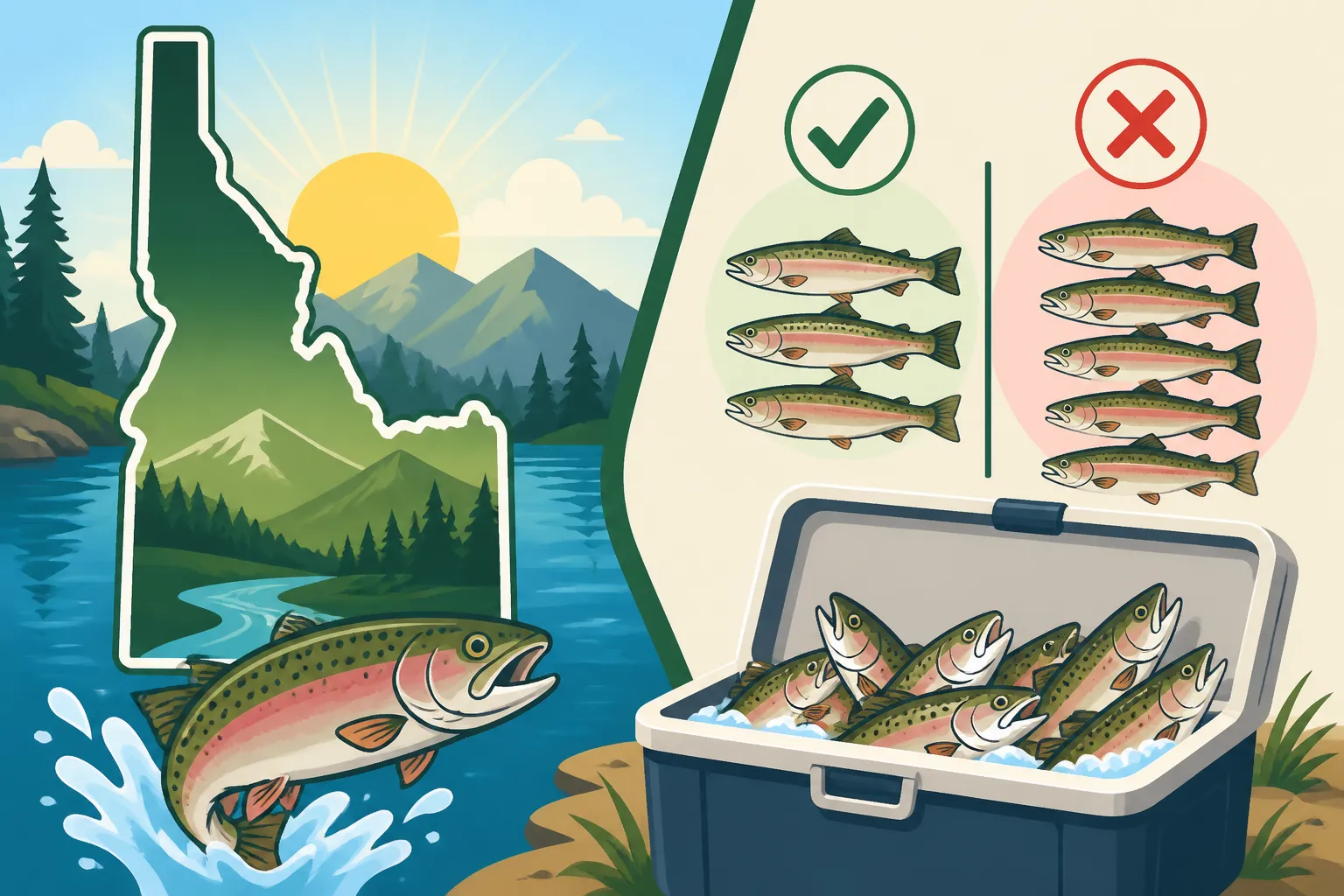
Now, the possession limit is where things often get a little murky for people. This is the total number of fish of a particular species that any one individual is allowed to have in their possession at any given time. This includes fish you just caught, fish in your cooler, fish in your vehicle, fish stored in your freezer at your home or cabin, or fish being transported. Think of it as the grand total. If the statewide possession limit for trout is, say, 6, you can only ever have 6 trout under your control. It doesn't matter if you caught 3 yesterday and 3 today, or all 6 today, or 6 last week that are now frozen. The moment you have 7 trout in any form (fresh, frozen, filleted, whole), you're exceeding the possession limit. This rule is particularly crucial for anglers on multi-day trips, which we'll discuss in more detail later. This distinction is a fundamental part of Idaho's broader Idaho Catch Limits and Bag Limits Explained.
Why Idaho Has Possession Limits
You might wonder why Idaho Fish and Game bothers with a possession limit on top of a daily bag limit. Isn't the daily limit enough to protect the fish? Well, not always. Possession limits are a critical conservation tool, designed to serve several vital purposes that directly benefit our cherished Idaho fishing experiences.
Firstly, they are paramount for conservation and preventing overharvest. Without possession limits, an angler could, in theory, fish for several days, accumulating many daily limits, and effectively deplete a local fish population. Imagine one person taking home 25 kokanee every day for a week from a popular spot on Lake Pend Oreille. That's 175 fish! A possession limit prevents this kind of rapid accumulation, distributing the harvest more equitably among all anglers and protecting the long-term viability of the fish stocks. It helps ensure that there are enough fish left to reproduce and grow, maintaining a healthy ecosystem.
Secondly, possession limits help manage biological resources more effectively. Different fish species have varying reproductive cycles, growth rates, and vulnerabilities to fishing pressure. By setting specific possession limits, Idaho Fish and Game can fine-tune regulations to protect species that are more sensitive or those whose populations are struggling. For instance, species like the White Sturgeon have catch-and-release rules precisely because their numbers are precarious, and any harvest could be detrimental.
Finally, these limits contribute to fairness and responsible angling ethics. They promote a mindset where anglers take what they need and leave the rest for others and for the future. It encourages anglers to be mindful of their impact and to appreciate the resource rather than simply focusing on accumulating the largest possible haul. Adhering to these limits is a cornerstone of responsible fishing in Idaho, as outlined in the comprehensive Idaho Fishing Regulations Explained.
Navigating Specific Possession Limits for Popular Idaho Species
Idaho's waters are teeming with a fantastic diversity of fish, from cold-water trout and anadromous salmonids to numerous warmwater species. However, just as diverse as our fish are the regulations governing their harvest, especially when it comes to possession limits. It’s not a one-size-fits-all situation; specific rules often apply to certain species and even particular bodies of water. Knowing these specifics is key to staying legal and enjoying your fishing trip.
Trout Species: Rainbows, Cutthroats, Browns, and Brooks
When it comes to trout in Idaho—which include the ubiquitous Rainbow Trout, our native Cutthroat Trout, and the introduced Brown and Brook Trout—the regulations can vary widely depending on where you're fishing. Generally, for most waters, the statewide daily bag limit for trout is 6, and the possession limit is also 6. This means that if you're fishing a general regulation lake or river, you can only have a total of six trout in your possession at any given time, whether they're fresh or frozen. This general rule for rainbow, cutthroat, brown, and brook trout is often what anglers assume applies everywhere. However, this is where it gets tricky.
Idaho has numerous special regulation waters that deviate from these general limits. These might include specific rivers, lakes, or even stretches of a river. For example, some stretches of the legendary Henry's Fork or the famed Silver Creek might be designated "catch-and-release only" for certain species or all trout, meaning your possession limit for those fish from those specific waters is zero. Other areas might have reduced limits, perhaps allowing only two trout, or mandating specific slot limits (e.g., only keeping fish within a certain size range) or gear restrictions (like fly-fishing only or single barbless hooks).
It's absolutely essential to check the current Idaho Fishing Regulation Brochure and Proclamation before heading out. You can usually find a digital version on the Idaho Fish and Game website, or pick up a physical copy at most sporting goods stores or license vendors. The brochure provides detailed maps and specific rules for different waters, often listing them by region or river system. Ignoring these special regulations, even inadvertently, can lead to serious consequences. For a deeper dive into specific areas, consult guides like Idaho Trout Limits by Water.
Salmon and Steelhead: Unique Rules and Permits
Fishing for Steelhead and Chinook Salmon in Idaho is a truly iconic experience, but it also comes with some of the most complex regulations, particularly concerning possession limits. These anadromous fish, which migrate from the ocean to spawn in Idaho's rivers, are highly managed due to their conservation status and the immense angling pressure they face.
First and foremost, to legally fish for Steelhead or Chinook Salmon in Idaho, you need more than just a general Idaho fishing license. You must also purchase a separate Steelhead Permit or Chinook Salmon Permit, depending on the species you're targeting. These permits are crucial for monitoring harvest and funding conservation efforts.
For Steelhead, the possession limits are typically tied to the daily bag limit, but with additional nuances, especially concerning hatchery vs. wild fish. Most Steelhead fishing in Idaho is managed to target hatchery-raised fish, which are identifiable by a clipped adipose fin (a small fleshy fin on their back). Wild Steelhead, which are vital for natural reproduction, must almost always be released unharmed. The possession limit for Steelhead often mirrors the daily limit, for example, 3 hatchery Steelhead. However, once you've reached your daily limit, those fish contribute to your possession limit. You can only possess up to the stated possession limit at any time. So if the daily and possession limit is 3, you can only have 3 hatchery Steelhead in your cooler, freezer, or vehicle, even if you fished multiple days. This is further detailed in Idaho Steelhead Bag Limits.
Similarly, Chinook Salmon seasons are highly regulated, usually opening only on specific rivers or sections when sufficient returns are predicted. These seasons are often short and intense. The possession limits for Chinook are also separate from other species and are strictly enforced. They're typically quite low, often 1-2 fish, and these also contribute to your overall possession. Again, you cannot accumulate multiple daily limits if your total possession exceeds the set limit. It's critical to check the specific emergency orders and rules for the particular section of river you plan to fish, as these can change rapidly. The Idaho Chinook Salmon Season Permit also outlines these rules.
Both Steelhead and Chinook Salmon require a Catch Record Card. This physical card is where you punch out or record each fish kept, providing vital data for Idaho Fish and Game. Understanding Idaho Catch Record Card Requirements is non-negotiable for these fisheries. Forgetting to validate your catch or exceeding your possession limit as recorded on your card can lead to severe penalties.
Warmwater Species: Bass, Perch, Crappie, and Catfish
Idaho's warmwater fisheries, particularly in its many reservoirs and slower-moving rivers, offer fantastic opportunities for species like Smallmouth Bass, Largemouth Bass, Yellow Perch, Crappie, and Channel Catfish. Generally, the possession limits for these species tend to be more generous than for trout or salmonids, reflecting their different population dynamics and management strategies.
For Smallmouth Bass and Largemouth Bass, many waters will have a statewide daily bag limit of 6 and a possession limit of 6. However, like with trout, specific reservoirs or ponds may have special regulations, including slot limits (e.g., all bass between 12 and 16 inches must be released) or reduced limits to protect trophy fisheries. It's always best to check the regulations for your specific body of water. You can find more details in Idaho Daily Bag Limit for Smallmouth Bass.
Yellow Perch and Crappie are often abundant in Idaho's reservoirs, making them popular targets, especially for families and ice anglers. Due to their prolific nature, these panfish often have very generous daily and possession limits. It's not uncommon to see limits of 25 or even 50 for perch and crappie in certain waters. This allows anglers to harvest a good number for consumption while still maintaining healthy populations. These high limits reflect their faster reproductive rates and ability to withstand higher fishing pressure.
Channel Catfish, found in warmer rivers and reservoirs, also typically have more generous limits compared to trout, often with a daily and possession limit of 10 or 25, depending on the water. Catfish are excellent eating and provide a unique angling experience, particularly at night.
The key takeaway for warmwater species is that while limits are often higher, they are still limits. Always confirm the specific regulations for the water you intend to fish, as even subtle differences can apply.
Sturgeon and Other Unique Species
Idaho is home to the mighty White Sturgeon, an ancient and incredibly impressive fish found in the Snake River and its tributaries. Fishing for White Sturgeon is a truly unique experience, but it comes with perhaps the most stringent possession rule of all: all White Sturgeon fishing in Idaho is strictly catch-and-release only.
This means the possession limit for White Sturgeon is effectively zero. You cannot keep any White Sturgeon. Furthermore, there are strict rules about how you handle these fish once caught, including specific guidelines about not removing them from the water. This regulation is in place because White Sturgeon populations have faced significant challenges due to habitat loss and historical overharvest. Idaho Fish and Game, in conjunction with other agencies, is dedicated to their recovery and conservation. Therefore, any angler targeting sturgeon must be prepared to release them safely and immediately. For an in-depth understanding, refer to Idaho Sturgeon Fishing Rules and Idaho Rule Against Removing Sturgeon from the Water.
Beyond the major game fish, Idaho waters also hold other interesting species like Mountain Whitefish, bullheads, and various rough fish. For most of these, general statewide limits often apply, or in many cases, there are no limits, allowing for generous harvest. However, even for these species, it's prudent to consult the current regulations, especially if you're fishing in a special regulation area. When in doubt, always refer to the official Idaho Fishing Regulation Brochure and Proclamation, which you can easily access digitally or purchase a physical copy from retailers, sometimes even through online stores like Amazon for quick delivery if you're planning ahead.
Here's a quick reference table for general statewide daily and possession limits for common Idaho fish species. Always remember to consult the most current Idaho Fish and Game regulations for the specific water you are fishing, as these are general guidelines and special rules often apply.
| Species Category | Typical Daily Limit | Typical Possession Limit | Notes |
|---|---|---|---|
| Trout (General) | 6 | 6 | Rainbow, Cutthroat, Brown, Brook; highly variable by water. |
| Steelhead (Hatchery) | 3 | 3 | Requires a Steelhead Permit; wild Steelhead are catch-and-release. |
| Chinook Salmon | 1-2 (highly variable) | 1-2 (highly variable) | Requires a Chinook Salmon Permit; seasons are very specific and short. |
| Smallmouth Bass | 6 | 6 | Can vary by water with slot limits. |
| Largemouth Bass | 6 | 6 | Can vary by water with slot limits. |
| Yellow Perch | 25-50 | 25-50 | Often generous limits, especially in reservoirs. |
| Crappie | 25-50 | 25-50 | Often generous limits, especially in reservoirs. |
| Channel Catfish | 10-25 | 10-25 | Limits vary by water. |
| White Sturgeon | 0 (Catch & Release) | 0 (Catch & Release) | Must be released unharmed and kept in water. |
| Mountain Whitefish | 25 | 25 | Generally consistent, but check specific regulations. |
Practical Scenarios and Tips for Adhering to Limits
Understanding the definitions of daily bag and possession limits is one thing, but applying them correctly in real-world fishing situations is another challenge entirely. Many common misconceptions and tricky scenarios arise, especially for those venturing out for more than a single day. Let's tackle some of these practical considerations to help you stay compliant and enjoy your fishing experience.
The Multi-Day Trip Dilemma
This is perhaps the biggest source of confusion for anglers when it comes to possession limits. You've planned a fantastic three-day fishing trip to Anderson Ranch Reservoir, hoping to fill your cooler with kokanee and perch. On day one, you catch your daily limit of 25 kokanee. Great! On day two, you catch another 25. And on day three, another 25. By the end of the trip, you have 75 kokanee, all caught legally within the daily bag limits each day. So, is this okay?
Here's the often-misunderstood truth: No, this is generally not okay if the possession limit is lower than your accumulated total. The possession limit applies to the total number of fish you have at any given time, regardless of how many days it took you to catch them. If the possession limit for kokanee is, for example, 50 (double the daily limit, which is a common scenario for abundant species), then even if you caught 25 each day, by the end of day three, you would be 25 fish over your possession limit. The fish you caught on day one, which are still in your cooler, count towards your possession limit when you're out fishing on day two and day three.
This means that for multi-day trips, you need to manage your catch carefully. Once you reach your personal possession limit, you have a few options:
- Stop fishing for that species: This is the simplest and safest option. Once you've hit your possession limit, you can switch to targeting other species with different limits or simply enjoy the scenery.
- Consume your catch: If you're camping or staying at a cabin with cooking facilities, consuming some of your fish can reduce your possession count. If you eat six trout on night one, those six no longer count towards your possession limit for day two's fishing.
- Process and send home: For some longer trips, anglers might fillet and freeze fish, then ship them home via a reputable carrier. However, be mindful of rules regarding fish identification during transport.
- Fish Catch-and-Release: Embrace the joy of catch-and-release fishing once your possession limit is reached. It allows you to continue enjoying the sport without adding to your kept fish count.
The crucial point to remember is that you cannot simply accumulate daily limits over multiple days if that accumulation exceeds the stated possession limit. The guide on Idaho Fishing Season Dates and Limits will give you a broader context for planning your trips around these rules.
Transportation and Storage Considerations
Once you've caught your fish and adhered to the limits, how you transport and store them is equally important. Idaho Fish and Game has rules to ensure that harvested fish can be properly identified and are handled responsibly.
First, fish identification is key. Generally, when transporting fish, you must keep them in a state that allows for species identification and counting. For many species, this means keeping a portion of the skin attached if filleted, or keeping them whole until you reach your final destination (like your home or a processing facility). This allows a Fish and Game officer to easily identify the species and count the number of fish to verify compliance with bag and possession limits. Trying to transport a cooler full of indistinguishable fillets without any identifying features could raise red flags.
Second, proper storage prevents spoilage and preserves quality. Idaho's climate can be warm, especially in summer. Having good coolers, plenty of ice, or even portable refrigeration is essential to maintain the quality of your catch. High-quality coolers help keep your catch fresh for extended periods, reducing waste. Nobody wants to be cited for possessing spoiled fish, let alone eating them!
Finally, if you're traveling across state lines, always check the regulations of any state you will be passing through, as well as your destination state. Idaho's possession limits are only valid within Idaho. Other states may have different limits or specific rules about transporting fish, especially certain species. You might buy your Idaho Fishing License Online Purchase and get the regs, but those won't cover Montana or Washington.
What Happens If You Exceed Idaho's Bag Limit?
Exceeding Idaho's bag or possession limits, whether intentionally or accidentally, is a serious matter. Idaho Fish and Game officers are vigilant in patrolling our waters and can issue citations with significant penalties. These aren't just minor slaps on the wrist.
The consequences for exceeding limits can include:
- Fines: These can range from hundreds to thousands of dollars, depending on the severity of the violation and the species involved.
- Forfeiture of catch: Any illegally possessed fish will be confiscated.
- Confiscation of gear: In some cases, your fishing gear (rods, reels, even boats) could be seized.
- Suspension of fishing privileges: You could lose your right to fish in Idaho for a period of time, which can range from months to several years. This is a particularly harsh penalty for passionate anglers.
- Criminal charges: In extreme cases, repeated offenses or large-scale violations could lead to criminal charges.
Idaho Fish and Game takes these violations seriously because exceeding limits directly harms the resource they are tasked with protecting. An angler who knowingly or negligently exceeds limits undermines the efforts of everyone working to maintain healthy fisheries.
The best defense is always a good offense: know the rules before you go. Read the current Idaho Fishing Regulation Brochure and Proclamation thoroughly. If you're unsure about a specific regulation, especially for a new area or species, contact Idaho Fish and Game directly. Their wardens and regional offices are there to help clarify the rules. Ignorance of the law is generally not considered a valid excuse. Understanding "What Happens If You Exceed Idaho's Bag Limit?" is crucial for every responsible angler.
Disclaimer
Please remember that fishing regulations are subject to change. While every effort has been made to provide accurate and up-to-date information in this guide, it is your responsibility as an angler to consult the latest official Idaho Fish and Game regulations and emergency rules before you head out on the water.