What to Expect on a Guided Idaho Fishing Trip
Heading out for a guided fishing trip in Idaho is an incredible experience, but if you've never done it before, it's completely normal to feel a little unsure about what to expect. Many anglers wonder about everything from what gear they need to bring, to how much interaction they'll have with their guide, and even what happens if the fish aren't biting. This comprehensive guide is here to walk you through every aspect of a guided Idaho fishing adventure, helping you feel prepared and excited for your time on the water.
Why Choose a Guided Fishing Trip in Idaho?
Idaho is a vast state, brimming with diverse fishing opportunities, from raging steelhead rivers to serene high mountain lakes and sprawling reservoirs. While the allure of exploring on your own is strong, the complexities of navigating these waters and their often-specific regulations can quickly become overwhelming. This is where a seasoned Idaho fishing guide truly shines, transforming a potentially frustrating outing into a productive and memorable experience.
Navigating Complex Regulations
Idaho's fishing regulations can be quite intricate, often varying from one river section to another, or even between different lakes in the same region. You might encounter specific rules for certain species, like the mandatory catch-and-release for wild steelhead or the use of barbless hooks for sturgeon. Understanding bag limits, season dates, and even what constitutes legal tackle can feel like studying for a test, and a misstep can lead to hefty fines or, worse, harm to the fishery.
A professional guide lives and breathes these regulations. They're up-to-date on the latest proclamations and special rules for the specific waters you'll be fishing. Imagine being on the Clearwater River Steelhead Guides trying to distinguish between a hatchery and a wild steelhead under pressure; your guide will know the exact clipping patterns and nuances. Their expertise ensures you're always fishing legally and responsibly, allowing you to focus purely on the joy of the catch. They can explain rules like Idaho Barbless Hook Requirements or Idaho Catch Limits and Bag Limits Explained in real-time.
Accessing Remote Waters
Some of Idaho's most pristine and productive fishing grounds are tucked away in remote wilderness areas, accessible only by arduous hikes, specialized boats, or even bush planes. These aren't your typical drive-up fishing holes. Getting to them requires local knowledge, proper equipment, and often, a specific understanding of river flows or backcountry trails. Without a guide, you might spend more time trying to figure out access than actually fishing.
Guides often possess specialized boats, like jet boats for navigating shallow rivers or drift boats for silent, precise presentations on delicate trout streams. They know the hidden launch points, the safest routes, and how to get you to those honey holes that see less pressure. This access opens up possibilities you simply wouldn't have on your own, whether it's floating the Middle Fork of the Salmon River Fishing Outfitters or reaching an alpine lake after a comfortable ATV ride.
Learning Local Techniques and Hotspots
Every body of water has its secrets, and every fish species has its preferred presentation. What works for trout on the Henry's Fork might not be effective for bass on the Snake River, or for kokanee in Lake Coeur d'Alene. Guides spend countless hours on the water, observing fish behavior, testing different lures, and mastering specific techniques that are most productive in their home territory.
They can teach you everything from how to read river currents to identifying the subtle takes of a picky trout. You'll learn the best flies, the perfect retrieve, and when to switch tactics based on conditions. This invaluable, hands-on instruction accelerates your learning curve and significantly increases your chances of success. It's like getting a masterclass in Idaho Fishing Techniques Guide tailored to the exact conditions you're facing that day.
Before You Book: Planning Your Idaho Guided Adventure
The excitement of planning an Idaho fishing trip is half the fun! But before you jump in and book the first guide you find, a little preparation can go a long way in ensuring you select the perfect trip and guide for your specific goals. Taking the time to research and understand your options will pay dividends on the water.
Researching Reputable Guides and Outfitters
Finding a good guide is paramount to a successful trip. Look for guides with strong reputations, extensive local knowledge, and a commitment to client safety and satisfaction. Online reviews, testimonials, and referrals from trusted sources are excellent starting points. Many guides specialize in certain species or types of water, so match their expertise to your fishing ambitions. For instance, if you're dreaming of trophy trout, you wouldn't book a guide who primarily focuses on bass.
Platforms like FishingBooker can be incredibly useful for exploring a wide array of licensed guides and charters across Idaho. They often provide detailed profiles, customer reviews, and information on specialties, allowing you to compare options and find a good fit. Don't be shy about reaching out to a few different operations to gauge their communication style and availability. Asking about their experience level with the target species or specific waters you're interested in is always a good idea.
Understanding Different Trip Types
Guided trips in Idaho come in various forms, each offering a unique experience. Understanding these differences will help you choose the one that best suits your fishing style, physical ability, and what you hope to achieve.
- Wade Trips: These involve walking and fishing rivers or streams from the bank or by wading into the water. They are typically less expensive, offer a more intimate connection with the environment, and are common for fly fishing trout streams like Silver Creek or smaller sections of the Boise River. Guides often provide instruction on casting and reading water.
- Drift Boat Trips: Popular on many Idaho rivers like the South Fork of the Snake or sections of the Salmon, drift boat trips involve floating downriver in a specialized, oar-powered boat. This allows for stealthy approaches to fishing spots, covering more water than a wade trip, and comfortably reaching areas inaccessible by foot. Anglers usually fish from the boat, though sometimes they may get out to wade prime spots.
- Jet Boat Trips: For larger, faster rivers, especially when targeting powerful species like steelhead or Chinook salmon, jet boats are king. These powerful boats can navigate shallow rapids and cover long distances quickly, getting you to prime fishing holes efficiently. They're often used for Idaho Steelhead Fishing Guides on the Clearwater or Salmon rivers.
- Lake Charters: If you're looking to target species like kokanee, lake trout, or even Chinook salmon on Idaho's larger lakes like Coeur d'Alene or Priest Lake, a lake charter is your best bet. These trips typically involve trolling with specialized gear from a larger motorboat, often equipped with advanced fish finders and downriggers.
Here's a quick comparison of common Idaho guided trip types:
| Trip Type | Access / Method | Typical Target Species | Physical Demands | Best For |
|---|---|---|---|---|
| Wade | Foot / Wading in river, intimate exploration | Trout, smaller streams, fly fishing | Moderate | Anglers who enjoy walking, hands-on instruction, connecting with nature |
| Drift Boat | Oar-powered boat / Floating rivers, quiet approach | Trout, Steelhead, smaller Salmon species, diverse rivers | Low to Moderate | Covering more water, stealthy fishing, comfortable ride, scenic floats |
| Jet Boat | Motorized boat / Fast travel on larger rivers | Steelhead, Chinook Salmon, Sturgeon | Low | Reaching remote river sections quickly, targeting strong migratory fish |
| Lake Charter | Motorized boat / Trolling, open water fishing | Kokanee, Lake Trout, Chinook, Perch, Bass (on reservoirs) | Low | Targeting deep-water species, larger groups, specialized trolling equipment |
Asking the Right Questions Before Committing
Once you've narrowed down your choices, don't hesitate to contact the guide or outfitter directly. This is your chance to clarify details and ensure there are no surprises. A reputable guide will be happy to answer all your questions thoroughly.
Consider asking: "What's included in an Idaho Guided Fishing Trip?" beyond just the guide's time. Inquire about whether they provide all necessary fishing gear (rods, reels, tackle, flies, bait), what type of boat they use, and if they supply lunch, snacks, or drinks. Confirm if your Idaho Fishing License Guide and any special permits, like an Idaho Salmon and Steelhead Permit, are your responsibility or if the guide assists with them. Always ask about their cancellation policy, especially regarding weather, and how far in advance you should book, especially for peak seasons. Many anglers use resources like FishingBooker to compare these details across different guides before making a final choice.
What's Typically Included (and Not Included) in Your Trip
Understanding what you're getting and what you're still responsible for is crucial for a stress-free guided fishing trip. While guides aim to make your experience seamless, there are usually a few items you'll need to handle yourself.
Gear, Bait, and Flies
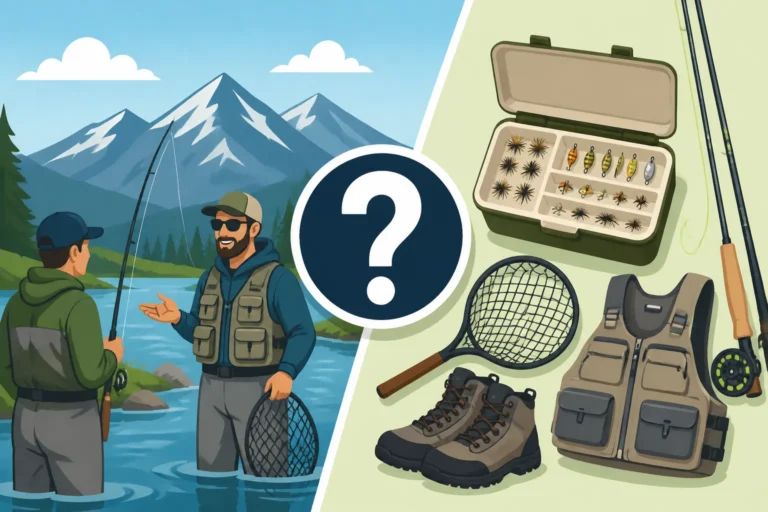
One of the biggest advantages of a guided trip is the specialized equipment. Most reputable Idaho fishing guides will provide all the necessary fishing gear, including rods, reels, lines, leaders, and an array of terminal tackle, lures, and flies. This is incredibly helpful, especially for targeting specific species like steelhead, sturgeon, or lake trout, which might require heavy-duty or very specialized setups you wouldn't typically own. They'll have the right bait for sturgeon on the Snake River or the perfect flies for picky trout on the Henry's Fork.
However, it's always wise to confirm this when booking. Some fly-fishing guides might expect you to bring your own waders and boots, or even your preferred fly rod if you have one. For spin fishing, they almost always provide everything needed for the technique they'll be using. If you have a specific lucky lure or a favorite rod you like to use, feel free to ask if it's appropriate to bring along.
Meals and Refreshments
The culinary aspect of a guided trip can vary widely. Many full-day guided trips, especially drift boat or jet boat excursions, will include a hearty shore lunch. This might be a riverside BBQ, delicious deli sandwiches, or a warm meal cooked right there on the bank. Snacks and non-alcoholic beverages (water, soda) are also commonly provided throughout the day. This is a fantastic perk, as it means one less thing for you to pack and worry about.
For half-day trips, lunch is typically not included, but guides often still provide water and a few snacks. Always confirm what food and drink provisions will be on your trip, especially if you have dietary restrictions or preferences. It's a good idea to bring your own favorite snacks or drinks if you have specific needs, just in case.
Licenses, Permits, and Other Fees
This is a critical area where anglers often get confused. In nearly all cases, your Idaho fishing license and any required special permits (like an Idaho Salmon and Steelhead Permit or a two-rod validation) are your responsibility to purchase before the trip. Guides cannot typically purchase these for you, and fishing without them is illegal. Make sure you understand Idaho Fishing License Age Requirements and if children need a license (they do, starting at age 14 for residents and non-residents).
Beyond the base license, you might need additional tags or endorsements depending on what you're targeting. For instance, if you're planning to fish for salmon or steelhead, you'll need the specific permit. There also might be an Idaho Access and Depredation Fee Explained which helps fund access projects. Your guide can certainly clarify exactly what you'll need for your specific trip, but you'll be the one making the purchase.
The Day of Your Guided Trip: From Dawn to Dusk
This is it! The day you've been looking forward to. Knowing the general flow of a guided fishing trip can help you relax and fully immerse yourself in the experience. While every guide has their own rhythm, some elements are pretty consistent.
Meeting Your Guide and the Pre-Trip Briefing
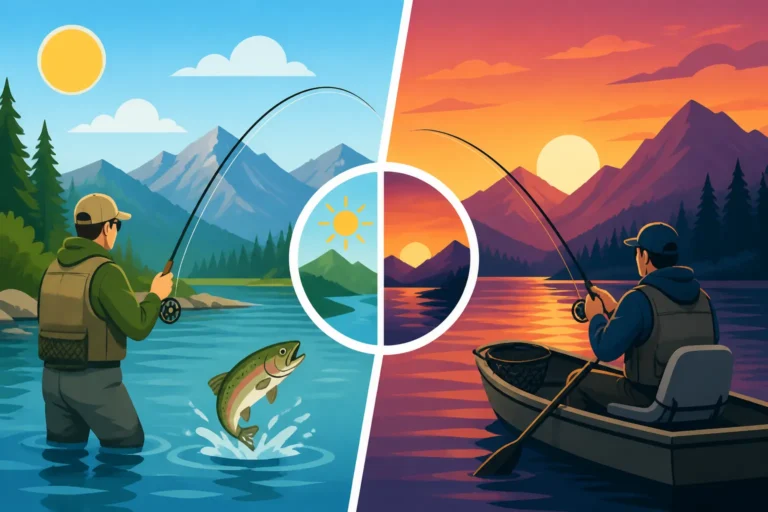
Your day typically begins bright and early, often before sunrise, at a pre-arranged meeting spot. This could be a boat ramp, a local tackle shop, or even your lodging if the guide offers a pickup service. Be punctual! Guides often have a tight schedule to hit the best fishing windows. Upon meeting, your guide will usually introduce themselves, confirm your names and fishing goals for the day, and do a quick check to make sure everyone has their valid How to Buy an Idaho Fishing License and any necessary permits.
Before heading to the water, there will usually be a brief safety talk. This covers essential safety instructions, like how to wear a life vest, what to do in case of an emergency, and how to safely move around the boat or navigate uneven terrain if it's a wade trip. They'll also give you an overview of the day's plan, the target species, and the general fishing conditions. This is your last chance to ask any lingering questions before the adventure truly begins.
On the Water: Instruction, Safety, and Fishing Action
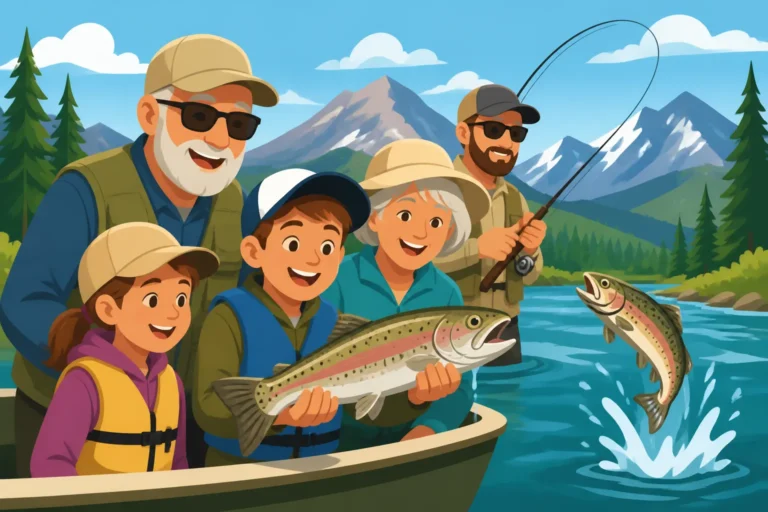
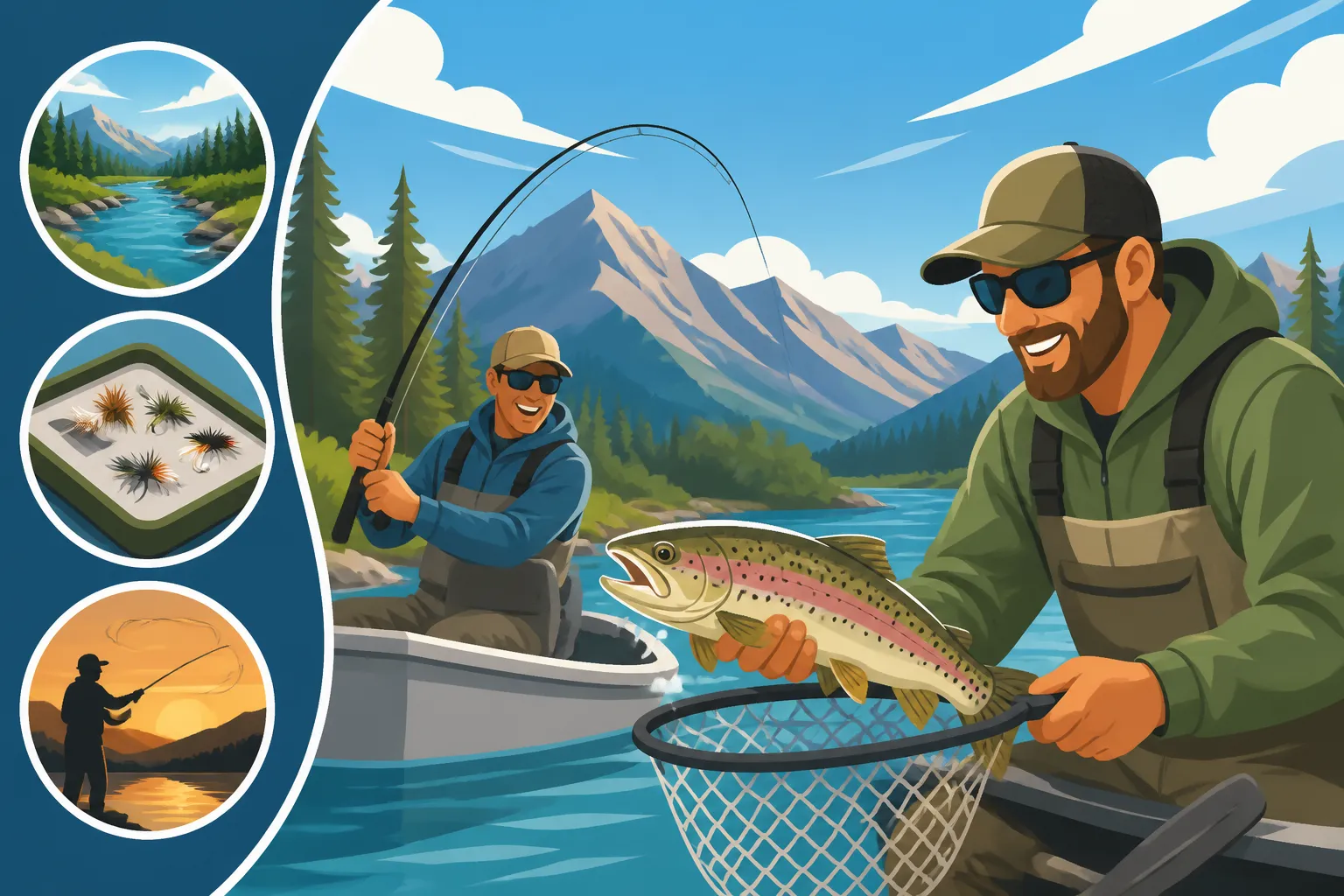
Once you're on the water, the real fun begins. Your guide will handle the boat, navigate to prime fishing spots, and set up your gear. They'll give you instructions on casting techniques, lure presentation, and what to look for in the water. Don't be afraid to ask for clarification or more help – that's what they're there for! A good guide is an excellent teacher, adapting their instruction to your skill level.
They'll actively work to put you on fish, moving between spots, changing tackle, and offering constant advice. Safety is always a top priority, especially on rivers with strong currents or when navigating through rapids. Listen to your guide's instructions regarding boat movement, casting zones, and handling fish. When you hook into a fish, they'll often coach you through the fight, helping you land it successfully. This is where you'll be putting into practice some of the Best Idaho Fishing Techniques for Beginners or refining skills you already possess.
Shore Lunch and Mid-Day Breaks
Most full-day trips include a break for lunch, often at a scenic riverside spot. This is a chance to stretch your legs, refuel, and share stories from the morning's fishing. It’s a highlight for many, allowing you to appreciate Idaho’s stunning scenery and connect with your guide on a more personal level. During this time, your guide might also share some local lore, point out wildlife, or give you a rundown of the afternoon's strategy.
Beyond lunch, guides will often incorporate shorter breaks throughout the day to re-tie lines, change locations, or simply give everyone a moment to rest. These aren't just practical pauses; they're part of the overall experience, offering opportunities to soak in the surroundings and prepare for the next round of fishing action.
Types of Fish You Might Target with a Guide in Idaho
Idaho's waters are teeming with a variety of game fish, and choosing what to target is part of the fun of booking a guided trip. Guides specialize in different species and regions, making it easier to pursue your angling dreams, whatever they may be.
Steelhead and Salmon Adventures
If you're looking for a powerful, migratory fight, Idaho's steelhead and salmon runs are legendary. Steelhead, which are sea-run rainbow trout, offer an incredible challenge, especially on rivers like the Salmon and Clearwater. Guides specializing in Idaho Steelhead Fishing Guide trips will use jet boats to access prime water, and employ techniques like bobber dogging, side-drifting, or back-trolling plugs. The season dates and specific regulations for these fish, including whether you can keep hatchery fish and must release wild ones, are highly specific and vary by river and time of year. Your guide will be an expert in these nuances.
Chinook salmon also make their journey up Idaho's rivers, offering another exciting opportunity. These powerful fish are targeted similarly to steelhead, often with jet boats and heavy tackle. The Idaho Chinook Salmon Season Permit is crucial for these trips. Guides are invaluable for these species, not just for their fishing expertise but for their deep understanding of the regulations, allowing you to focus on the thrill of connecting with these incredible fish.
Trout Fishing in Rivers and Lakes
Idaho is a trout angler's paradise, boasting a diverse population including rainbow, cutthroat, brown, brook, and lake trout. Many guided trips focus exclusively on trout, especially fly fishing experiences on famous rivers like the Henry's Fork, Silver Creek, or the South Fork of the Snake. Here, guides will teach you entomology, fly selection, delicate casting, and how to "read the water" to find feeding fish. Whether you're after a native Westslope Cutthroat Trout in Idaho or a wild rainbow, a trout guide will know the best techniques for How to Fly Fish in Idaho.
Lake fishing charters also target trout, particularly large rainbow trout in Lake Pend Oreille or huge lake trout (Mackinaw) in Priest Lake. These trips often involve trolling with downriggers in deep water, a specialized technique that guides have mastered. Whether you prefer the solitude of a wade trip for small stream cutthroat or the excitement of trolling for monster lake trout, there's an Idaho trout guide for you.
Battling Sturgeon or Lake Monsters
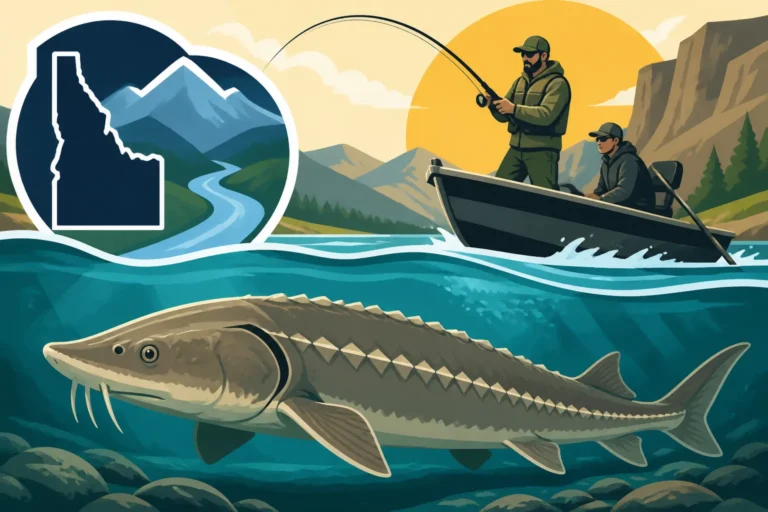
For a truly unique and powerful angling experience, a guided sturgeon trip on the Snake River is hard to beat. Idaho's white sturgeon are ancient, magnificent fish that can grow to enormous sizes, offering a prolonged, muscle-burning fight. Guides for Idaho Sturgeon Fishing Rules know the prime holes on the Snake River, the specific heavy tackle required, and, critically, all the stringent catch-and-release regulations that ensure these protected giants are handled with the utmost care. You'll learn Why Sturgeon Fishing on the Snake River Is Catch and Release Only and Idaho Rule Against Removing Sturgeon from the Water.
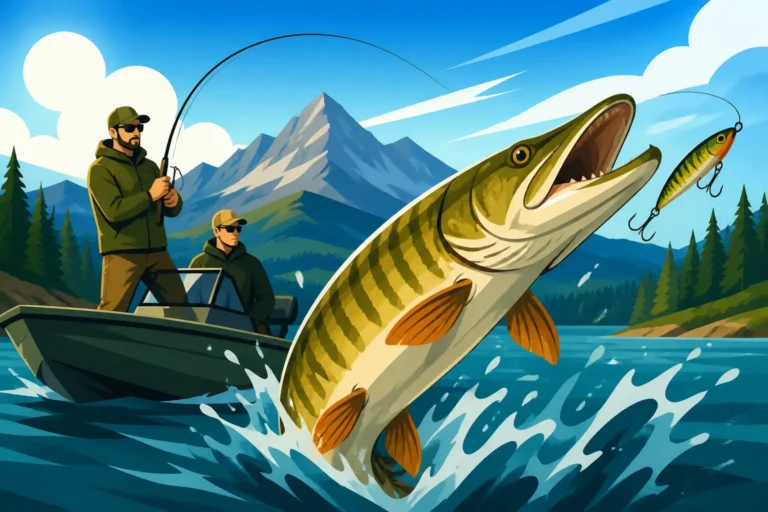
Beyond sturgeon, some reservoirs like Cascade offer guided trips for tiger muskie, a hybrid sport fish known for its aggressive strikes and challenging nature. These "lake monsters" require specialized casting techniques and heavy lures, and a guide will know exactly where and how to find them. Targeting these large, powerful fish with a guide adds a layer of safety and expertise that is invaluable for success and conservation.
Etiquette and Expectations: Making the Most of Your Experience
A guided trip is a partnership between you and your guide. Understanding proper etiquette and having realistic expectations will ensure a positive experience for everyone involved. Remember, your guide is working hard to give you a great day on the water.
Communication with Your Guide
Effective communication is key. Be clear about your expectations for the day. Do you want to learn a new technique? Are you hoping to catch a trophy fish of a specific species? Is the focus more on a relaxing day on the water with some fishing mixed in? Let your guide know. If you're feeling unwell, need a break, or have a question, speak up! They can't read your mind.
Similarly, be open to their advice and instructions. They are the experts on that water and those fish. Even if you're an experienced angler, different regions and conditions often call for different approaches. Listen to their guidance on casting, presentation, and fish handling, as it's all designed to improve your success and ensure the safety of both you and the fish.
Gratuity and Appreciation
Tipping your fishing guide is standard practice and a significant part of their income, akin to tipping service staff in other industries. While not mandatory, it's a way to show appreciation for their hard work, knowledge, and effort in making your day enjoyable and successful. A common guideline for gratuity is 15-20% of the trip's total cost, assuming satisfactory service.
If you had an exceptional day, or if the guide went above and beyond (e.g., helped with a beginner, dealt with difficult conditions, or was incredibly patient), consider tipping more generously. Present the tip directly to the guide at the end of the trip, perhaps with a sincere thank you. It’s also thoughtful to offer positive feedback online if you used a booking service like FishingBooker or directly on their website.
Respecting the Environment and Regulations
Idaho boasts some of the most beautiful and pristine natural environments. As an angler, you are a steward of these resources. Always follow the "leave no trace" principles: pack out everything you pack in, and dispose of any trash properly. Your guide will reinforce this, and it's essential to comply.
Furthermore, strictly adhere to all Idaho Fishing Regulations Explained and your guide's instructions regarding fish handling, especially for protected or catch-and-release species like sturgeon or wild steelhead. Handling fish gently, minimizing their time out of water, and using proper release techniques are critical for conservation. Your guide will demonstrate the correct methods, and it's important to follow them diligently to ensure the health of Idaho's fisheries for future generations.
After the Trip: Memories and Future Adventures
The fishing doesn't stop when you step off the boat. The memories, the lessons learned, and the potential for future trips are all part of the guided fishing experience in Idaho.
Handling Your Catch
If you were fortunate enough to keep some fish, your guide will typically assist you with cleaning and preparing your catch for transport. They'll show you how to properly fillet fish or prepare them for the cooler, ensuring they stay fresh until you can cook them. Many guides have specific systems for managing fish, so follow their lead. It's not uncommon for guides to have experience with cleaning dozens of fish in a single day, making the process quick and efficient for you.
Remember to factor in how you'll transport your fish home, especially if you're traveling a long distance. Bringing a cooler with ice is always a good idea. Some guides might even have packaging services available or recommend local processing facilities, particularly for larger catches of salmon or steelhead. Enjoying your catch at home is a fantastic way to extend the memory of your Idaho fishing adventure.
Staying in Touch and Rebooking
If you had a fantastic experience with your guide, don't be shy about telling them so and considering them for future trips. Many anglers form strong relationships with their guides, becoming repeat clients who book year after year. Not only does this secure your spot with a trusted expert, but guides often reward loyalty with preferred booking times or even slight discounts.
You can also ask your guide for recommendations for other types of trips they might offer or other guides they respect in different areas of Idaho. They are a wealth of information about the local fishing scene. Giving positive feedback, whether through a personal thank you or an online review on platforms like FishingBooker, helps them attract new clients and supports their business. Your positive experience can directly help another angler find their perfect Idaho fishing adventure.
Disclaimer
This article is for general informational purposes only and does not constitute professional advice. Laws, prices and regulations vary by location and change over time. Consult a qualified professional for guidance on your specific situation.