Idaho Steelhead Fishing Guides
For many anglers, the dream of hooking into a powerful Idaho steelhead feels like chasing a ghost. These elusive, hard-fighting fish are legendary, but the rivers they call home can be complex, and the regulations ever-changing, leaving even seasoned fishermen feeling overwhelmed. This comprehensive guide is designed to cut through the confusion, helping you understand the immense value of hiring an Idaho steelhead fishing guide and how to make the most of your incredible adventure.
Why Hire a Steelhead Fishing Guide in Idaho?
Let's be honest, steelhead fishing isn't like casting a worm in a local pond. It’s a pursuit that demands a deep understanding of river systems, fish behavior, and specific techniques. For many, the sheer learning curve, combined with limited vacation time, makes going it alone a daunting prospect. That's where a knowledgeable guide becomes an invaluable asset, transforming a potentially frustrating trip into a memorable and often successful experience. They’re not just taking you fishing; they’re unlocking years of accumulated wisdom and local secrets.
Navigating Complex Regulations and Seasons
One of the biggest headaches for any angler planning a trip to Idaho, especially for species like steelhead, is deciphering the rulebook. Idaho's fishing regulations are extensive and can vary significantly not just by river, but even by specific sections of a river, time of year, and whether you're targeting hatchery or wild fish. There are often special permits, specific gear restrictions, and varying bag limits that can be incredibly confusing. Imagine spending hours researching, only to find you missed a crucial detail that could lead to a fine or, worse, harm the fishery.
A professional guide lives and breathes these regulations. They know the current rules inside and out, from the specific opening and closing dates for various steelhead runs on different rivers to the nuances of Idaho Fishing Season Dates and Limits. They understand the difference between a clipped adipose fin (hatchery fish) and an unclipped one (wild fish) and the mandatory catch-and-release rules for wild steelhead. They ensure you have the correct Idaho Fishing License Guide and any necessary Idaho Salmon and Steelhead Permit before you even set foot in the boat or on the bank. This expertise not only keeps you legal and ethical but also frees you up to focus on the joy of fishing, not the anxiety of compliance.
Accessing Prime Steelhead Waters
Idaho's steelhead rivers are vast and rugged, often with limited public access points or stretches that are best fished from a specific type of boat. Without local knowledge or the right equipment, you could easily spend days driving around, looking for a spot that's both open to fishing and actually holds fish, wasting precious time and effort. Many of the most productive steelhead runs are in remote canyons or require expert boat handling to navigate treacherous currents and rapids.
Guides, on the other hand, have specialized equipment like drift boats or jet boats perfectly suited for these challenging waters. They know the hidden access points, the secret stretches of river that hold fish during different conditions, and how to safely maneuver through sections that would be impassable or dangerous for an unexperienced boater. They understand how factors like water levels, temperature, and recent rainfall influence where steelhead are likely to hold. This unparalleled access means you're not just fishing any water, you're fishing the best water at the best time, dramatically increasing your chances of an encounter with one of these magnificent fish. They understand the intricacies of Idaho Fishing Regulations Explained and where to find the fish within those constraints.
Mastering Specialized Techniques and Gear
Steelhead are notoriously finicky, and the techniques used to catch them are often highly specialized, evolving with conditions and angler innovation. From delicate fly presentations with tiny nymphs to heavy gear used for bait-fishing in powerful currents, there's a lot to learn. Buying all the necessary gear can be a significant investment, especially for a first-time steelhead angler, and understanding which lure or fly to use, at what depth, and with what presentation, is a craft developed over years.
When you hire a guide, you're not just getting their expertise; you're also getting access to their professional-grade gear. They'll provide high-quality rods, reels, lines, and an extensive array of terminal tackle, baits, and flies that are proven to work on their specific stretches of river. More importantly, they'll teach you how to use them effectively. They'll show you how to properly mend your line, how to detect subtle bites, and how to fight a powerful steelhead without losing it. Whether you're interested in learning How to Fish for Steelhead in Idaho with a fly rod or perfecting your bobber-dogging technique, a guide provides hands-on instruction that no video or article can truly replicate. This on-the-water mentorship is invaluable for accelerating your learning curve and enjoying immediate success.
Types of Idaho Steelhead Guided Trips
Idaho's diverse steelhead rivers call for different approaches, and accordingly, guides offer a variety of trip types tailored to the specific water and your preferred fishing style. Understanding these options will help you choose the best experience for your adventure, ensuring you're comfortable and targeting fish in the most effective way possible. Each type offers a unique perspective and set of advantages, catering to different skill levels and desires.
Drift Boat Trips for Intimate River Experiences
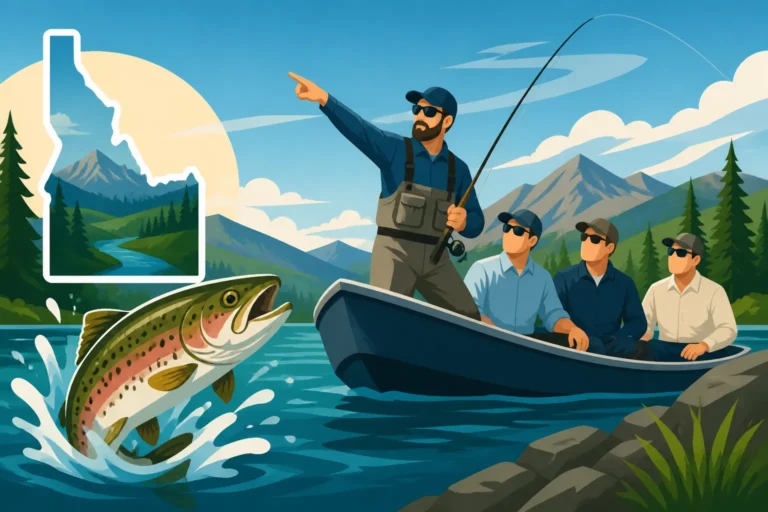
Drift boat trips are quintessential Idaho steelhead adventures, particularly popular on rivers where stealth and precise presentation are key. These specialized boats are designed to float silently downriver, propelled by oars or the current, allowing anglers to cover miles of prime water in a controlled, unhurried manner. The guide skillfully navigates the boat, positioning you perfectly to cast into promising runs, riffles, and pools.
This type of trip offers a truly immersive and intimate experience with the river. You're often fishing from the boat itself, casting to specific targets, or the guide might pull over to a productive bank and allow you to wade a particularly promising section. Drift boat trips are excellent for both fly fishing and conventional gear, offering the flexibility to switch techniques as conditions dictate. They are also ideal for those who enjoy a slower pace, appreciate the scenery, and want to learn the subtle art of reading water from a master. Many guides operating on rivers like the Salmon River or the Grande Ronde prefer drift boats for their quiet approach and ability to access challenging water.
Jet Boat Trips for Covering More Water
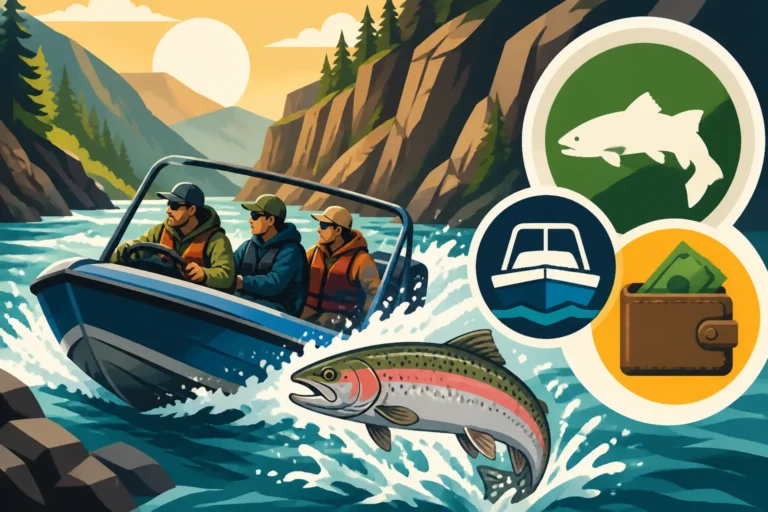
When you want to cover significant distances on a big river, or when the fish are spread out, jet boat trips are the way to go. These powerful boats, equipped with jet drives (which have no exposed propellers), can navigate shallow water and push upstream against strong currents, allowing guides to quickly transport you to distant fishing grounds. This means more time with your line in the water and less time commuting.
Jet boat trips are especially popular on larger rivers such as the Clearwater and parts of the Snake and Salmon, where vast stretches of water can hold steelhead. A guide using a jet boat can run upstream to fresh water, hit multiple productive spots throughout the day, and chase moving schools of fish. While they might not offer the same "quiet float" experience as a drift boat, they excel at putting you on fish efficiently. These trips are fantastic for anglers who want to maximize their fishing time, explore diverse sections of a river, and are comfortable with a bit more speed and action. It’s also often the preferred method for Clearwater River Steelhead Guides during peak seasons when fish are migrating.
Wade Trips for Fly Fishing Enthusiasts
For the purist who loves the feeling of rubber on rock and the challenge of wading into the river, wade trips offer a truly hands-on steelhead experience. While less common for covering vast distances, these trips are perfect for accessing specific runs, pockets, and riffles that are best approached on foot, often with a fly rod in hand. The guide will lead you to productive stretches of river, teach you how to safely wade, and provide instruction on casting, presentation, and reading the water.
Wade trips allow for a deeper connection to the environment and the fish, demanding stealth, patience, and precise technique. They are particularly well-suited for smaller, more intimate rivers or specific sections of larger rivers where fish tend to hold in more concentrated areas. If you're looking to refine your fly-fishing skills, understand river dynamics from a bank-side perspective, or simply prefer the freedom of wading, a dedicated wade trip might be your ideal choice. These trips can be less expensive than boat trips but often require more physical exertion.
| Trip Type | Primary Advantage | Best For | Typical Rivers | Gear Often Provided |
|---|---|---|---|---|
| Drift Boat | Stealth, intimate access | Fly fishing, conventional, precise casts | Salmon, Grande Ronde, smaller sections of larger rivers | Rods, reels, tackle |
| Jet Boat | Covers vast distances | Fast access, multiple spots, chasing fish | Clearwater, larger sections of Salmon, Snake | Rods, reels, tackle |
| Wade Trip | Hands-on, stealth, immersion | Fly fishing, bank access, learning techniques | Smaller streams, specific river sections | Flies, some tackle |
Key Steelhead Rivers and Their Guide Services
Idaho is blessed with several world-class steelhead rivers, each with its own unique character, challenges, and thriving guide community. Knowing a bit about these rivers can help you decide where to focus your efforts and which type of guide service will best suit your angling aspirations. From the wild, remote stretches to the more accessible runs, Idaho offers a steelhead experience for every adventurer.
The Legendary Clearwater River
The Clearwater River, particularly its lower and middle sections, is arguably Idaho's most famous steelhead destination. Known for its incredible runs of large "B-run" steelhead, anglers flock here from all over the world. The river is wide and powerful, often requiring jet boats to effectively access and fish its prime holding waters. The fish here are renowned for their size and strength, offering truly epic battles.
Guide services on the Clearwater are abundant and highly specialized. These guides are experts at running jet boats, understanding the river's constantly changing currents, and knowing exactly where the steelhead are holding. They primarily focus on conventional gear, utilizing techniques like bobber-dogging, side-drifting, and back-trolling plugs to entice strikes. Booking a Clearwater River Steelhead Guides trip is highly recommended, especially for first-timers, as navigating this vast river and understanding its nuances can be overwhelming. These guides often work out of towns like Orofino, Lewiston, or Kamiah, and their seasons typically revolve around the fall and spring runs.
The Iconic Salmon River
The Salmon River, often called "The River of No Return," is another legendary Idaho waterway that offers diverse steelhead fishing opportunities. From its lower, more accessible sections to its wild, remote canyons, the Salmon provides a different kind of steelhead adventure compared to the Clearwater. While some sections are suitable for jet boats, many guides utilize drift boats to quietly navigate its runs, especially in the more wilderness-oriented stretches.
Steelhead on the Salmon River are incredibly strong and beautiful, mirroring the rugged landscape they traverse. Guide services here often cater to a wider range of techniques, including fly fishing in certain sections, alongside conventional methods. Whether you're looking for an adrenaline-pumping Salmon River Group Charter Cost jet boat experience or a peaceful drift boat float through pristine wilderness, the Salmon River delivers. Guides operating on the Salmon often work from towns like Riggins, Salmon, or White Bird, and they are intimately familiar with the river's various flows and optimal fishing conditions. The remote stretches of the Salmon can offer truly wild and unforgettable experiences, often requiring multi-day guided trips.
Other Notable Steelhead Waters
While the Clearwater and Salmon Rivers steal much of the spotlight, Idaho has other fantastic steelhead fishing opportunities that skilled guides can unlock for you. These waters might be smaller, more seasonal, or require a different approach, but they offer equally rewarding experiences for those seeking an alternative to the main two. The beauty of Idaho is its diverse offerings.
The Grande Ronde River, flowing from Oregon into Washington but with accessible sections in Idaho, is a renowned fly-fishing destination for steelhead. Its intimate character makes it ideal for drift boat and wade trips. Guides here are often fly-fishing specialists, teaching you the delicate art of swinging flies or nymphing for these elusive fish. The Snake River, particularly in its lower sections, also sees steelhead runs, and guides in areas like Hells Canyon can offer unique opportunities, often combining fishing with scenic tours. Even smaller tributaries can hold hidden gems during specific windows. Exploring these lesser-known, but equally productive, waters with a guide can sometimes lead to less crowded experiences and unique angling challenges.
What to Expect on a Guided Steelhead Trip
Booking a guided steelhead trip is an investment, and like any investment, knowing what to expect can help you prepare and get the most out of your experience. From the initial contact to the final goodbye, there's a flow to a guided trip that ensures your safety, maximizes your fishing time, and makes the whole adventure enjoyable. It's not just about catching fish, it's about the journey and the memories you create.
Pre-Trip Communication and Preparation
Once you've decided on a guide service, the communication process begins. A good guide or outfitter will reach out to you, or you'll initiate contact to discuss details. This is the time to openly communicate your expectations, skill level, and any physical limitations. Don't be shy! This helps the guide tailor the trip to your needs. They'll confirm dates, discuss pricing, and outline what is and isn't included in the Idaho Fishing Guide Cost Guide. They’ll also typically advise you on what type of Idaho Fishing License Age Requirements you'll need, along with any necessary permits, and how to acquire them. Many also recommend checking out platforms like FishingBooker to confirm their availability and reviews.
You'll receive a list of things to bring, which usually includes appropriate clothing (layers are key in Idaho!), sunglasses, a hat, sunscreen, and any personal snacks or drinks. They’ll also remind you about obtaining your fishing license and salmon/steelhead permit well in advance. Some guides might suggest specific gear if you prefer to use your own, but generally, they provide all the rods, reels, tackle, and bait. This pre-trip dialogue is crucial for setting expectations and ensuring you arrive prepared for a fantastic day on the water.
A Typical Day on the Water
The day of your trip typically starts early, often before dawn, at a pre-arranged meeting spot – usually a boat launch or a local coffee shop. You'll meet your guide, get settled in the boat (or geared up for a wade), and receive a safety briefing. Depending on the river and conditions, you might have a short boat ride to the first fishing spot or begin fishing immediately. Your guide will provide instruction on casting, presentation, and how to detect a strike, constantly offering tips and adjustments throughout the day.
The day will involve moving between different runs and holes, with the guide constantly assessing conditions and looking for the most productive water. Lunch is usually a streamside affair, provided by the guide on full-day trips, offering a chance to relax, refuel, and swap stories. You'll learn about the river, the fish, and maybe even a few local tales. The focus is always on putting you in the best position to catch a steelhead, but also on ensuring you have a fun and educational experience. A full day on the water is generally 8-10 hours, winding down as dusk approaches or when the fishing slows, returning you to the original meeting point. It’s an immersive experience, not just a casual outing.
Post-Trip Etiquette and Next Steps
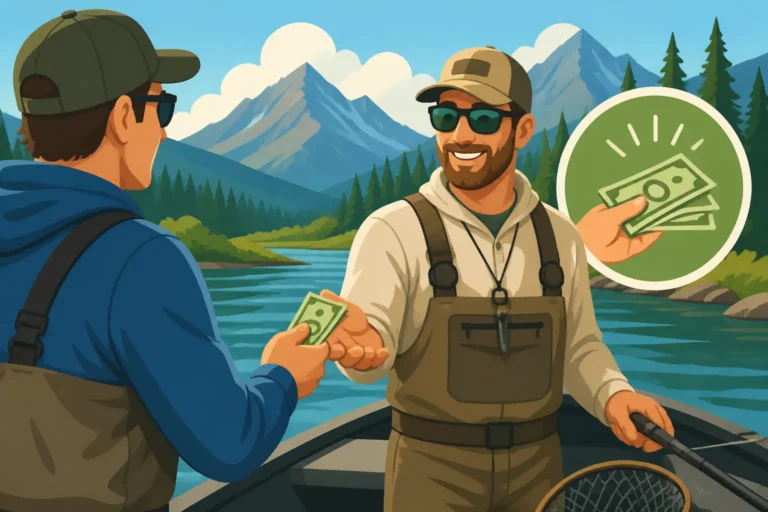
As the day concludes, your guide will typically take care of cleaning up the boat and gear. This is your opportunity to thank them, and if you had a good experience, express your gratitude through a tip. Tipping is customary in the guiding industry and is a significant part of a guide's income. A good rule of thumb is 15-20% of the trip cost, depending on the level of service and your satisfaction. You can learn more about Idaho Fishing Guide Tipping and Etiquette to ensure you're prepared.
If you caught any hatchery steelhead within the legal limits, your guide might assist with cleaning and bagging your fish. They'll also reiterate any specific regulations regarding the reporting of your catch, such as filling out a Idaho Catch Record Card Requirements. Before you part ways, it’s a great time to ask any lingering questions, get recommendations for future trips, or even book your next adventure. Many guides develop strong relationships with their clients, and a good experience often leads to repeat bookings and referrals. Don't forget to take a moment to savor the day's memories and appreciate the wild beauty of Idaho.
Choosing the Right Idaho Steelhead Guide
Picking a fishing guide can feel a bit like dating – you want someone knowledgeable, compatible, and who will help you have a great time! With so many options out there, especially for a popular pursuit like steelhead, it's easy to get overwhelmed. Taking the time to research, ask the right questions, and understand the logistics will ensure you find a guide who perfectly matches your expectations and helps you achieve your fishing goals.
Researching Reputable Guides and Outfitters
The first step in finding the right guide is doing your homework. Start by looking for guides who specialize in steelhead fishing on the specific river you want to fish. Online reviews, testimonials, and fishing forums are excellent resources for hearing about other anglers' experiences. Websites like FishingBooker can be very helpful platforms to browse various guides, compare services, and read verified reviews from past clients, giving you a good overview of their reputation and expertise. Word-of-mouth recommendations from fellow anglers or local tackle shops are also golden.
Look for guides who are licensed, insured, and have a proven track record. Many experienced guides have their own websites or social media pages showcasing their catches, boat setups, and teaching style. Pay attention to how long they’ve been guiding in the area and their specific expertise – some guides are fly-fishing gurus, while others excel at conventional techniques. A guide's reputation is built on client satisfaction and safety, so seek out those with consistently positive feedback.
Questions to Ask Before Booking
Once you've narrowed down a few potential guides, it's time to pick up the phone or send an email. Don't hesitate to ask questions; a professional guide will appreciate your thoroughness. Here are some key questions to consider:
- What's included in the trip price? (e.g., tackle, bait, lunch, drinks, fish cleaning, Idaho Fishing License Cost Guide – usually not the license itself).
- What is your experience guiding on this particular river for steelhead?
- What type of boat do you use, and how many anglers can you accommodate?
- What techniques will we be using, and are you comfortable teaching them? (If you have a preference, state it!)
- Do you primarily focus on catch-and-release, or can we keep hatchery fish if legal?
- What's your cancellation policy, especially regarding weather or river conditions?
- What should I bring (clothing, snacks, etc.)?
- Do I need to purchase my Idaho Salmon and Steelhead Permit beforehand, or can you assist?
- How far in advance should I book? (Popular guides, especially for Best Time of Year to Book a Steelhead Guide in Idaho, fill up quickly).
Asking these questions upfront ensures there are no surprises and that both you and the guide are on the same page regarding expectations.
Understanding Pricing and Inclusions
The cost of an Idaho steelhead fishing guide can vary widely depending on the river, the duration of the trip (half-day vs. full-day), the type of boat, and the guide's reputation. Generally, a full-day trip will cost more but offers significantly more fishing time and a more comprehensive experience. Some guides offer a flat rate per boat, while others charge per person, especially for Salmon River Group Charter Cost. It's crucial to clarify this when booking.
Be aware that the listed price typically covers the guide's time, expertise, boat, fuel, and usually all fishing gear (rods, reels, tackle, bait/flies). It almost never includes your fishing license, special permits, or gratuity for the guide. Some guides might provide lunch and drinks on full-day trips, while others expect you to bring your own. Always confirm these inclusions and exclusions before committing to a booking. Remember, a cheaper guide isn't always the best value if they lack experience, gear, or professionalism. Investing in a reputable guide often pays dividends in terms of a safer, more enjoyable, and more successful fishing trip.
Preparing for Your Idaho Steelhead Adventure
A successful guided steelhead trip isn't just about showing up with a wallet and a smile. A little pre-trip preparation on your part can make a huge difference in your comfort, enjoyment, and overall success. Thinking ahead about your gear, documentation, and even your physical state will ensure you're ready to tackle whatever the Idaho rivers throw at you.
Essential Gear and Clothing
Idaho weather, especially in the mountains and river canyons, can be unpredictable and change rapidly. Layering is not just a suggestion; it’s a necessity. Think in terms of a system:
- Base Layer: Moisture-wicking material (synthetic or wool) to keep sweat away from your skin.
- Mid-Layer: Insulating fleece or down for warmth.
- Outer Layer: Waterproof and windproof jacket and pants (rain gear) to protect against the elements. Even on sunny days, rain can roll in, or boat spray can soak you.
- Footwear: Waterproof boots are ideal. If you’re doing a wade trip, waders and wading boots will be essential, which your guide might provide or advise you to bring.
- Headwear: A warm hat (beanie) for cold mornings and a brimmed hat (baseball cap or wide-brimmed) for sun protection.
- Gloves: Fingerless fishing gloves can provide warmth and sun protection while maintaining dexterity.
- Eyewear: Polarized sunglasses are non-negotiable. They protect your eyes from hooks and glare, and allow you to see into the water, potentially spotting fish.
Beyond clothing, remember personal items like sunscreen, lip balm with SPF, any personal medications, and a camera to capture those unforgettable moments. Your guide will provide the fishing tackle, but having your personal comfort items makes a big difference.
Securing Your Idaho Fishing License and Permits
This is perhaps the most crucial pre-trip task. Fishing without a valid license and the necessary permits is a sure way to ruin your trip and incur a hefty fine. For steelhead fishing in Idaho, you'll need a standard Idaho fishing license, and you will almost certainly need a separate Idaho Salmon and Steelhead Permit. These permits are mandatory even if you only plan on catch-and-release fishing for these species.
You can typically purchase your license and permits online through the Idaho Department of Fish and Game website, or at authorized vendors like sporting goods stores and many small-town general stores. It’s highly recommended to do this before your trip. Don't wait until the morning of your trip, as technical issues or closed vendors could put a wrench in your plans. Carry both your physical license and permit, or have them readily accessible on your phone if allowed, as conservation officers do check regularly. Your guide will expect you to have these in order.
Physical Preparation and Mindset
While a guided trip is designed to be accessible, steelhead fishing can still involve some physical demands. Depending on the trip type, you might be standing in a boat for several hours, walking along uneven riverbanks, or making numerous casts. Being reasonably fit will enhance your enjoyment and endurance.
More importantly, cultivate the right mindset. Steelhead are often called "the fish of a thousand casts" for a reason – they can be incredibly challenging to catch. There will be slow periods. There will be missed strikes. A good attitude and patience are paramount. Trust your guide, listen to their advice, and enjoy the entire experience, not just the potential for a trophy fish. Focus on learning, appreciating the stunning Idaho scenery, and the camaraderie of the day. A positive attitude is contagious and will make the trip more enjoyable for everyone involved, including your guide. Remember, even if the fish aren't biting, you're still in some of the most beautiful places on Earth.
Maximizing Your Guided Steelhead Experience
You've done your research, booked your guide, and shown up prepared. Now, how do you make sure you get the absolute most out of your valuable time on the water? It's about more than just fishing; it's about being an engaged client, a respectful guest, and an eager learner. A great guided trip is a partnership, and your role in it is significant.
Being a Good Client and Communicator
The relationship between angler and guide is a unique one, built on trust and shared passion. Being a good client means being punctual, polite, and communicative. When your guide gives instructions, listen carefully. They're telling you what works for this river, this time of year, and these conditions. If you have questions, ask them! If you need a break, speak up. If something isn't comfortable, let them know.
Your guide is a professional, but they aren't a mind-reader. Open and honest communication helps them tailor the day to your preferences and needs, ensuring everyone has a positive experience. Avoid distractions like constantly checking your phone, and instead, immerse yourself in the moment. A respectful and engaged client often receives extra effort and insight from their guide, making the entire trip more rewarding. Remember, the goal is mutual enjoyment, and being a pleasant companion goes a long way.
Learning and Adapting from Your Guide
One of the greatest benefits of hiring a steelhead guide is the opportunity to learn from a local expert. Every cast, every presentation, every move the guide makes is an educational moment. Pay attention to how they rig tackle, how they read the water, and how they anticipate fish behavior. Ask "why" questions – "Why are we casting there?" "Why that fly/lure?" "What does that ripple mean?"
Be open to trying new techniques or adjusting your own. Steelhead can be incredibly selective, and what worked yesterday might not work today. Your guide has spent countless hours on that river and understands its nuances. They might suggest a different casting angle, a slower retrieve, or a subtle change in bait. Being adaptable and willing to learn will not only increase your chances of catching fish but will also build your own skills as an angler. Think of it as a master class in steelhead fishing, where the classroom is one of Idaho's stunning rivers. This kind of experiential learning is invaluable for understanding How to Tell a Hatchery Steelhead from a Wild One in Idaho or Idaho Steelhead Identification Guide.
Capturing Memories Responsibly
While landing a magnificent steelhead is often the highlight, the entire experience, from the stunning scenery to the shared laughter, creates lasting memories. Don't forget to capture these moments, but do so responsibly and respectfully. If you plan to take photos of fish, discuss best practices with your guide beforehand. They can help ensure the fish is handled gently and returned to the water quickly and safely, especially for wild, protected steelhead.
Many guides are excellent photographers themselves and are happy to snap a few pictures for you, allowing you to focus on the fish. Avoid bringing heavy, cumbersome camera gear that might get in the way or get damaged. A simple waterproof phone or point-and-shoot camera is often sufficient. Remember that the beauty of Idaho's wilderness is fragile, and ethical angling practices, including proper catch-and-release and leaving no trace, ensure these experiences remain available for future generations. Cherish the time on the water, the lessons learned, and the raw beauty of fishing in the Gem State.
Disclaimer
This article is for general informational purposes only and does not constitute professional advice. Laws, prices and regulations vary by location and change over time. Consult a qualified professional for guidance on your specific situation.