Idaho Chinook Salmon Season Permit
It can be incredibly confusing to navigate all the different permits and licenses required for fishing in Idaho, especially when you're targeting specific, highly sought-after species like Chinook salmon. You’re not alone if you’ve found yourself scratching your head, wondering if your general fishing license is enough or if there’s yet another piece of paper you need to carry. This comprehensive guide is here to clear up all that confusion about the Idaho Chinook Salmon Season Permit, detailing exactly why you need it, how to get it, and what it covers so you can hit the water with confidence.
Decoding the Idaho Chinook Salmon Season Permit
Fishing for Chinook salmon in Idaho isn't just about having the right gear or knowing the best spots; it's also about understanding the specific regulatory hoops you need to jump through. One of the most important of these is the Idaho Chinook Salmon Season Permit. This isn't just an arbitrary fee; it's a critical component of Idaho's salmon management efforts, directly contributing to the conservation and recovery of these incredible fish.
Why a Special Permit for Chinook Salmon?
The primary reason Idaho Fish and Game requires a separate permit for Chinook salmon is to help manage and conserve these anadromous fish. Chinook, like steelhead, are migratory species that spend part of their lives in the ocean before returning to Idaho's freshwater rivers to spawn. This journey is incredibly arduous and their populations face numerous challenges, from habitat loss to hydropower dams. The funds generated from these permits are vital for conservation programs, fish hatcheries, habitat restoration projects, and monitoring efforts that ensure future generations can also experience the thrill of catching a salmon.
It's easy to feel like it's just another charge, but consider the bigger picture: without these dedicated funds, the very runs we cherish could be in much more precarious positions. This permit helps ensure Idaho's waters remain vibrant fisheries for these magnificent fish. Plus, it helps Idaho Fish and Game track angler participation and harvest, which is crucial data for setting future seasons and bag limits. Think of it as your direct contribution to keeping Idaho’s salmon legacy alive and well.
What the Permit Covers and Doesn't Cover
The Idaho Chinook Salmon Season Permit grants you the legal right to attempt to catch Chinook salmon during open seasons, provided you also possess a valid general Idaho fishing license. It's an endorsement on your license, not a standalone document. This permit covers the Chinook salmon season, but it does not cover other anadromous species like steelhead. If you plan to fish for steelhead, you'll need a separate Idaho Salmon and Steelhead Permit, which is a common source of confusion for many anglers.
Furthermore, this permit doesn't automatically grant you access to every stretch of every river at all times. Specific river sections often have their own unique regulations, season dates, and catch limits, which are detailed in the annual Idaho Fishing Regulations Explained brochure. Always check the current proclamation before you go, as rules can and do change frequently. The permit is essentially your entry ticket, but local rules are the map you follow once you're on the river.
Who Needs the Idaho Chinook Salmon Season Permit?
Navigating the requirements for fishing licenses and permits can be a maze, especially when you consider age, residency, and what specific fish you're targeting. The Idaho Chinook Salmon Season Permit has its own set of rules, and understanding them is crucial before you even think about casting a line for these powerful fish.
Age and Residency Requirements
Generally speaking, any angler aged 14 and older who wishes to target Chinook salmon in Idaho must possess a valid Idaho fishing license AND the specific Chinook Salmon Season Permit. This applies to both residents and nonresidents. For those younger than 14, while they don't always need a general fishing license, if they are actively participating in the harvest of Chinook salmon and those fish count towards their individual limit (or the boat's combined limit in some cases), they will need the permit. It’s always best to err on the side of caution and check the latest regulations for youth fishing license rules.
The cost of the permit, like a general Idaho Fishing License Cost Guide, can vary depending on whether you are an Idaho resident or a nonresident. Residents typically enjoy lower fees as they contribute to the state's tax base, while nonresidents pay a bit more to access Idaho's renowned fisheries. This distinction is standard across most state-managed fishing programs and is designed to fairly distribute the costs of resource management.
Scenarios Requiring the Permit
Let's look at some common scenarios to make this clearer.
- You're an Idaho resident, 35 years old, and you want to fish for Chinook on the Salmon River. You will need your Idaho Resident Annual Fishing License AND the Idaho Chinook Salmon Season Permit.
- You're visiting from out-of-state, 40 years old, and planning a dream trip to fish for Chinook on the Clearwater River. You'll need your Idaho Nonresident Annual Fishing License (or a shorter duration license) AND the Idaho Chinook Salmon Season Permit.
- You're 12 years old, an Idaho resident, and you're going with your dad who has all his permits. If you are simply assisting and not keeping fish that count toward your individual limit, you might not need your own permit, but this is one of those nuanced areas where checking the current Idaho Fishing Rules for Kids and Families is essential. If you want to keep a fish as part of your own limit, you definitely need the permit.
- You're targeting smallmouth bass on the Snake River but accidentally hook a Chinook. While you didn't intend to catch a Chinook, if you plan to retain it (and it's within season and legal limits), you would need the permit. However, if you immediately release it unharmed, then it's generally not an issue, as long as you adhere to all other catch-and-release rules for incidental catches. The key is intent to harvest.
It’s crucial to understand these distinctions to avoid any legal trouble or fines. Ignorance of the law is never an excuse, and Idaho Fish and Game officers are diligent in checking for proper licensing and permits on the water.
How to Acquire Your Idaho Chinook Salmon Season Permit
Getting your hands on an Idaho Chinook Salmon Season Permit is thankfully a straightforward process these days, whether you prefer the convenience of online shopping or the personal touch of a local vendor. Knowing your options means you can quickly secure what you need and focus on the exciting part: fishing!
Purchasing Online through Idaho Fish and Game
The easiest and often quickest way to obtain your permit is directly through the Idaho Fish and Game website. Their online licensing system is user-friendly and accessible 24/7, which is a huge bonus for those last-minute trip planners or folks living far from a physical vendor. You'll simply select your general fishing license (annual, daily, or multi-day, resident or nonresident), and then you'll be prompted to add any necessary permits, including the Chinook Salmon Season Permit.
Once purchased, you'll receive a digital copy that you can print out at home, or even better, carry on your smartphone or other mobile device. Idaho Fish and Game accepts electronic copies of licenses and permits, making it incredibly convenient. Just make sure your device is charged and protected, perhaps with a waterproof case you might find on Amazon, because losing access to your permit on the water can lead to an early end to your fishing day. Remember, the online system is secure and efficient, ensuring your information is protected while you get ready for your fishing adventure.
Authorized Vendors and Retailers
For those who prefer a more traditional approach or want to pick up some last-minute bait and tackle, you can also purchase your Idaho Chinook Salmon Season Permit at numerous authorized vendors across the state. These typically include sporting goods stores, local tackle shops, some grocery stores, and even some small convenience stores in fishing-heavy areas. Brands like Cabela's, Sportsman's Warehouse, and many local independent shops are usually reliable places Where to Buy an Idaho Fishing License and permits.
When purchasing from a vendor, you'll need to provide some personal identification, and they will process your permit directly through the Idaho Fish and Game system. It’s a great opportunity to chat with local experts about current conditions, hot spots, or the best lures for the season. Plus, you get a physical copy of your permit right then and there, which some anglers prefer to a digital version. Just be sure to call ahead during peak season or in smaller towns to confirm their hours and if they stock the specific permits you need.
Understanding Chinook Salmon Fishing Seasons and Limits
The allure of Chinook salmon fishing in Idaho is strong, but successfully (and legally) pursuing these fish requires a detailed understanding of their complex seasons and stringent limits. These aren't set arbitrarily; they're carefully managed to balance angling opportunity with the critical need for conservation, especially for wild populations.
General Season Dates and River-Specific Regulations
Unlike trout or bass, Chinook salmon seasons in Idaho are highly variable and often quite short, dictated by fish returns and specific management goals. There isn't a single statewide "Chinook season" that covers all waters. Instead, seasons are typically announced by specific river systems or even specific stretches of rivers, and these dates can change annually based on run forecasts. For instance, the Clearwater River might have a different season than the Salmon River or sections of the Snake River.
The Idaho Fishing Regulations Explained brochure is your absolute bible for these details. You’ll find specific opening and closing dates, often broken down by river sections, and sometimes even daily or weekly adjustments are announced. It’s not uncommon for a season to open for a short period, then close, and potentially reopen if fish returns allow. This dynamic management reflects the delicate balance of Chinook populations, particularly for wild fish which are often protected. Before planning any trip, always consult the most current Idaho Fish and Game proclamation for the exact waters you intend to fish.
Daily and Season Bag Limits
The bag limits for Chinook salmon are also tightly controlled and can vary significantly depending on the river and the specific season. These limits are usually quite conservative, often allowing for only one or two adult hatchery Chinook per day, and sometimes a specific limit for jack salmon (smaller, early-returning males). A "hatchery" salmon is identified by a clipped adipose fin, a small fleshy fin on its back that is removed when the fish is young at the hatchery. Wild Chinook, which retain their adipose fin, are almost always protected and must be released immediately and unharmed.
The daily bag limit is the number of fish you can legally keep in a single day, while the possession limit refers to the total number of fish you can have in your possession, including those at your campsite, vehicle, or home, usually spanning multiple days of fishing. It’s critical to know the difference between these limits to stay compliant. For instance, if the daily bag limit is one hatchery Chinook, and you catch and keep one on Monday, you cannot catch and keep another until Tuesday. Exceeding these limits, even by accident, can lead to severe penalties. For a more detailed breakdown of all species, check out the Idaho Catch Limits and Bag Limits Explained guide.
The Role of Catch Record Cards
Beyond your permit, a crucial component of Chinook salmon fishing in Idaho is the catch record card. This card is not just a formality; it's a vital tool for Idaho Fish and Game to monitor the harvest of anadromous fish. Each time you retain a Chinook salmon, you are required to immediately and accurately record the catch on your card, including the date, location, and whether it was a jack or an adult. This information is then used to track the overall harvest and inform management decisions.
You receive a catch record card when you purchase your Chinook Salmon Season Permit (and your Salmon and Steelhead Permit). It's your responsibility to carry this card with you at all times while fishing and to fill it out correctly. Failure to do so can result in citations. At the end of the season, regardless of whether you caught any fish, you are usually required to return your catch record card to Idaho Fish and Game. This data is indispensable for biologists working to ensure sustainable fisheries. For a deeper dive into these requirements, consult the Idaho Catch Record Card Requirements guide.
Essential Regulations Beyond the Permit
While obtaining your Idaho Chinook Salmon Season Permit and understanding the seasons and limits are paramount, there's a whole host of other regulations that contribute to a responsible and successful fishing trip. Ignoring these can lead to fines, loss of fishing privileges, or worse, harm to the very fish populations we cherish.
Gear Restrictions and Bait Rules
When targeting Chinook salmon, particularly in rivers, there are often specific rules about the type of gear you can use. This is especially true for anadromous fisheries, where the goal is to reduce snagging (foul-hooking fish, often accidentally, outside the mouth) and protect wild fish. Common restrictions include:
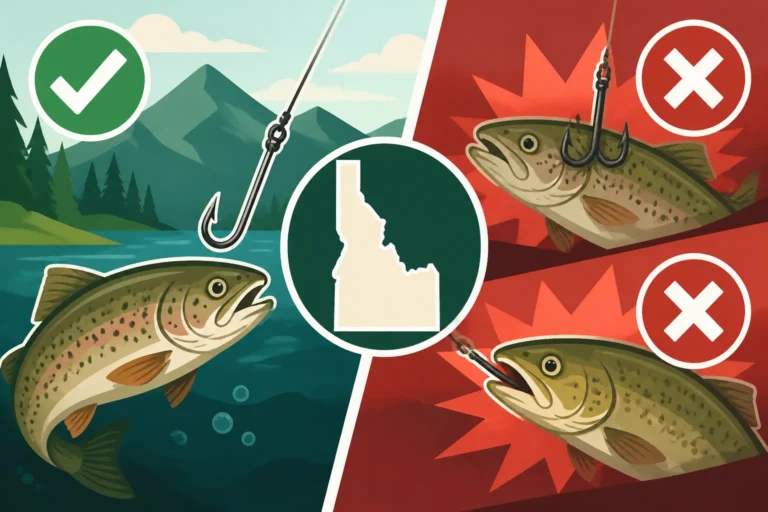
- Barbless Hooks: Many salmon and steelhead waters require the use of barbless hooks. This rule is designed to minimize injury to fish that are caught and released, particularly wild fish that must be returned to the water. Removing a barbless hook causes far less damage than a barbed one. If you're fishing with barbed hooks where barbless are required, even if you release the fish, you could be in violation.
- Weight Restrictions: In some areas, there are limitations on how much weight you can use on your line, again, to deter snagging. This might mean no more than a certain number of ounces, or specific setups that ensure your bait or lure is drifting naturally rather than dragging the bottom.
- Number of Rods: Generally, a single angler is allowed to fish with only one rod and line at a time. While some states allow multiple rods with an additional permit, Idaho generally restricts it to one rod for anadromous species unless explicitly stated otherwise for specific waters.
Bait rules are another critical area. Some waters, particularly those with strong wild fish populations, may be "fly-fishing only" or "artificial lures and flies only," prohibiting the use of natural baits. For Chinook, however, natural baits like roe (salmon eggs), shrimp, or even worms are often allowed and highly effective in many areas. Always double-check the specific regulations for the river section you plan to fish, as these can change by time of year or even by day. Stocking up on appropriate gear, maybe even browsing specialty items on Amazon, before your trip will save you headaches on the water.
Hatchery vs. Wild Chinook Identification
This is arguably one of the most crucial regulations for Chinook salmon fishing: being able to correctly identify a hatchery Chinook from a wild Chinook. As mentioned, most Idaho Chinook seasons are structured to allow harvest of hatchery fish while protecting wild fish. Keeping a wild Chinook can result in very substantial fines and penalties, including loss of fishing privileges.
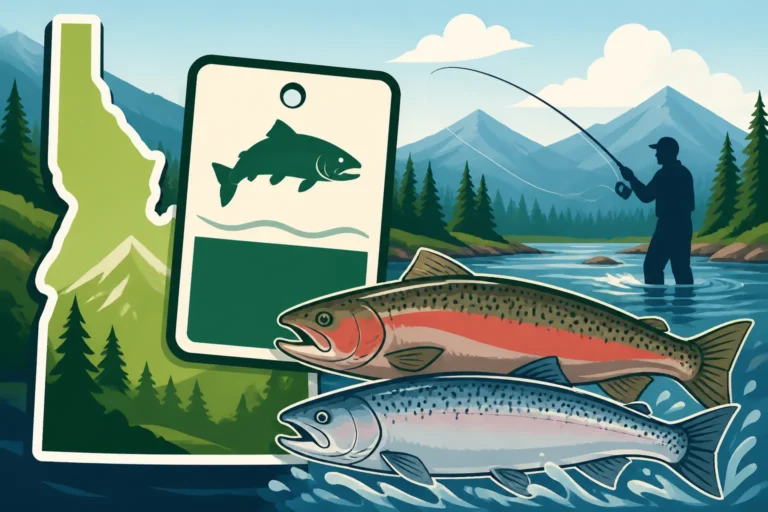
The primary identifier is the adipose fin. Hatchery-raised Chinook salmon are typically marked by having their adipose fin removed (clipped) when they are very young. This small, fleshy fin is located on the back of the fish, between the dorsal fin and the tail. If the adipose fin is present, it's a wild fish and must be released immediately and unharmed. If the adipose fin is absent, it's a hatchery fish and can be legally retained during an open season and within bag limits. This distinction is critical not only for Chinook but also for steelhead. For visual aids and more detailed information, refer to the Idaho Chinook Salmon Identification Guide. It's a skill every salmon angler in Idaho needs to master.
Ethical Angling and Conservation Practices
Beyond the letter of the law, ethical angling practices are paramount for the long-term health of Idaho's fisheries. This means more than just having the right permits; it's about how you interact with the environment and the fish.
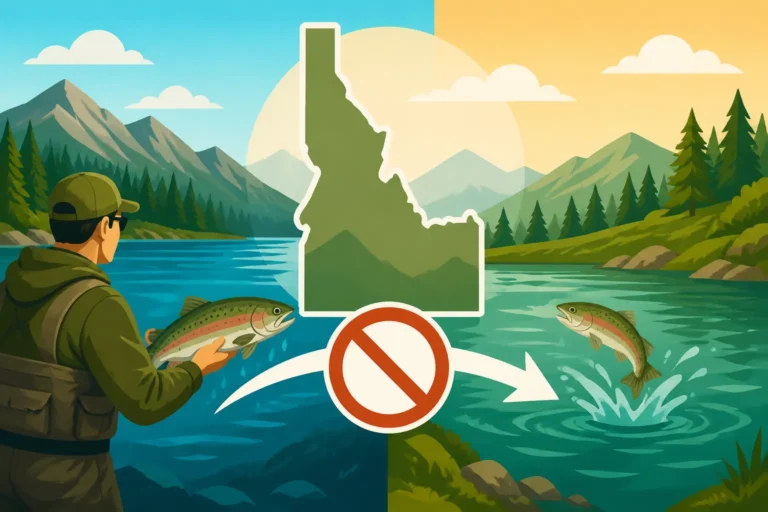
- Handle Fish with Care: For any fish you intend to release, minimize handling time. Keep the fish in the water as much as possible, use wet hands to avoid removing their protective slime layer, and use de-hooking tools if necessary. Chinook are powerful, and a prolonged fight, especially in warmer water, can stress them to the point of mortality even if released.
- Respect Private Property and Access Points: Always be aware of land ownership. Many prime fishing spots are adjacent to private property. Respect fences, signs, and landowners. Utilize designated public access points and boat ramps.
- Leave No Trace: Pack out everything you pack in. This includes fishing line, bait containers, food wrappers, and anything else you bring. Litter not only detracts from the beauty of Idaho's wild places but can also be harmful to wildlife.
- Report Violations: If you witness illegal fishing activity, such as exceeding bag limits, keeping wild fish, or fishing out of season, report it to Idaho Fish and Game. Conservation is a collective effort, and responsible anglers play a key role in protecting these resources.
Being a good steward of Idaho's fishing resources ensures that these incredible opportunities remain available for generations to come. It's about more than just catching fish; it's about valuing and preserving the entire experience.
Planning Your Chinook Salmon Trip: Beyond the Permit
Securing your Idaho Chinook Salmon Season Permit is a major step, but it's just one piece of the puzzle for a successful and memorable trip. To truly make the most of your time on Idaho's rivers, you need to think about when and where to go, and whether a professional guide might enhance your experience.
Best Times and Locations for Chinook Salmon
Timing is everything when it comes to Chinook salmon in Idaho. Their runs are seasonal, primarily occurring in the spring and summer months as they migrate upstream from the Pacific Ocean to their spawning grounds. However, the exact peak of the run can vary by river system and even year to year. Generally, you can expect:
- Spring/Summer Chinook: These runs typically enter Idaho rivers in late spring (May-June) and continue through summer (July-August). Famous destinations for these runs include the Salmon River (especially the lower and main stem), the Clearwater River, and sometimes certain sections of the Snake River. The "fishing reports" section on the Idaho Fish and Game website is your most up-to-date source for run timings and river conditions.
- Fall Chinook: While less common or targeted than spring/summer Chinook, some rivers, like parts of the Snake River, can see fall Chinook runs. Again, specific dates and regulations will apply, so always check the current proclamation.
When it comes to location, Idaho boasts several renowned Chinook salmon rivers. The Clearwater River is famous for its powerful spring Chinook, drawing anglers from all over. The Salmon River, often called "The River of No Return," is another legendary destination, with vast stretches offering opportunities. Parts of the Snake River, particularly below dams, can also hold Chinook. Lake Coeur d'Alene, while not a river, is unique in that it hosts a landlocked population of Chinook salmon, offering a completely different fishing experience, usually involving trolling. For a broader overview of spots, check out our guide on the Best Fishing Spots in Idaho.
| River System / Water Body | Typical Season (General) | Notes | Common Techniques |
|---|---|---|---|
| Clearwater River | May – August | Famous for Spring Chinook. Wild fish release required. | Drifting bait, lures, plugs, bobber fishing. |
| Salmon River | May – September | Various sections open at different times. Wild fish release required. | Back-trolling, bobber fishing, drifting. |
| Snake River | Sporadic, check regs | Can have both Spring/Summer and Fall Chinook. | Trolling, drifting. |
| Lake Coeur d'Alene | Year-round (landlocked) | Offers a unique landlocked Chinook fishery. | Trolling with downriggers, flashers. |
Note: This table provides general timelines. Always consult the current Idaho Fish and Game regulations for exact, up-to-date season dates for specific river sections.
Considering a Guided Chinook Fishing Trip
For many anglers, especially those new to Chinook fishing in Idaho or visiting from out-of-state, hiring a professional fishing guide is an invaluable investment. Chinook fishing can be complex, involving specialized techniques, gear, and an intimate knowledge of river dynamics.
- Expert Knowledge: A good guide knows the river like the back of their hand. They know where the fish are holding, what baits and lures are working, and how to navigate the ever-changing river conditions. They'll also be completely up-to-date on all the latest regulations, saving you the headache of poring over dense legal texts.
- Specialized Equipment: Chinook salmon are powerful fish that require robust tackle. Guides typically provide all the necessary high-quality rods, reels, and terminal tackle, saving you from having to purchase expensive gear you might only use once or twice.
- Safety and Experience: Navigating Idaho's rivers can be challenging, especially in jet boats or drift boats. Guides are experienced boat operators, ensuring your safety throughout the trip.
- Increased Success Rates: While there are no guarantees in fishing, a guide significantly increases your chances of hooking into a Chinook, and more importantly, landing it successfully. They teach you the nuances of fighting these strong fish.
Many reputable guides operate on the Clearwater and Salmon Rivers. It's often worth checking out services like White Cloud Outfitters, Hells Canyon Sport Fishing, or many local, independent operations that specialize in these anadromous runs. You can find more details on finding and booking guides in our comprehensive Idaho Fishing Guides and Charters Directory. Booking well in advance is highly recommended, especially during peak season, as the best guides fill up quickly.
Disclaimer
The information provided in this guide is intended for general informational purposes only and does not constitute legal advice. Fishing regulations in Idaho are subject to change by the Idaho Department of Fish and Game. While we strive to provide accurate and up-to-date information, it is the angler's sole responsibility to consult the most current official Idaho Fishing Seasons and Rules brochure and any in-season emergency closures or announcements before engaging in any fishing activity. Failure to comply with all applicable laws and regulations may result in penalties.