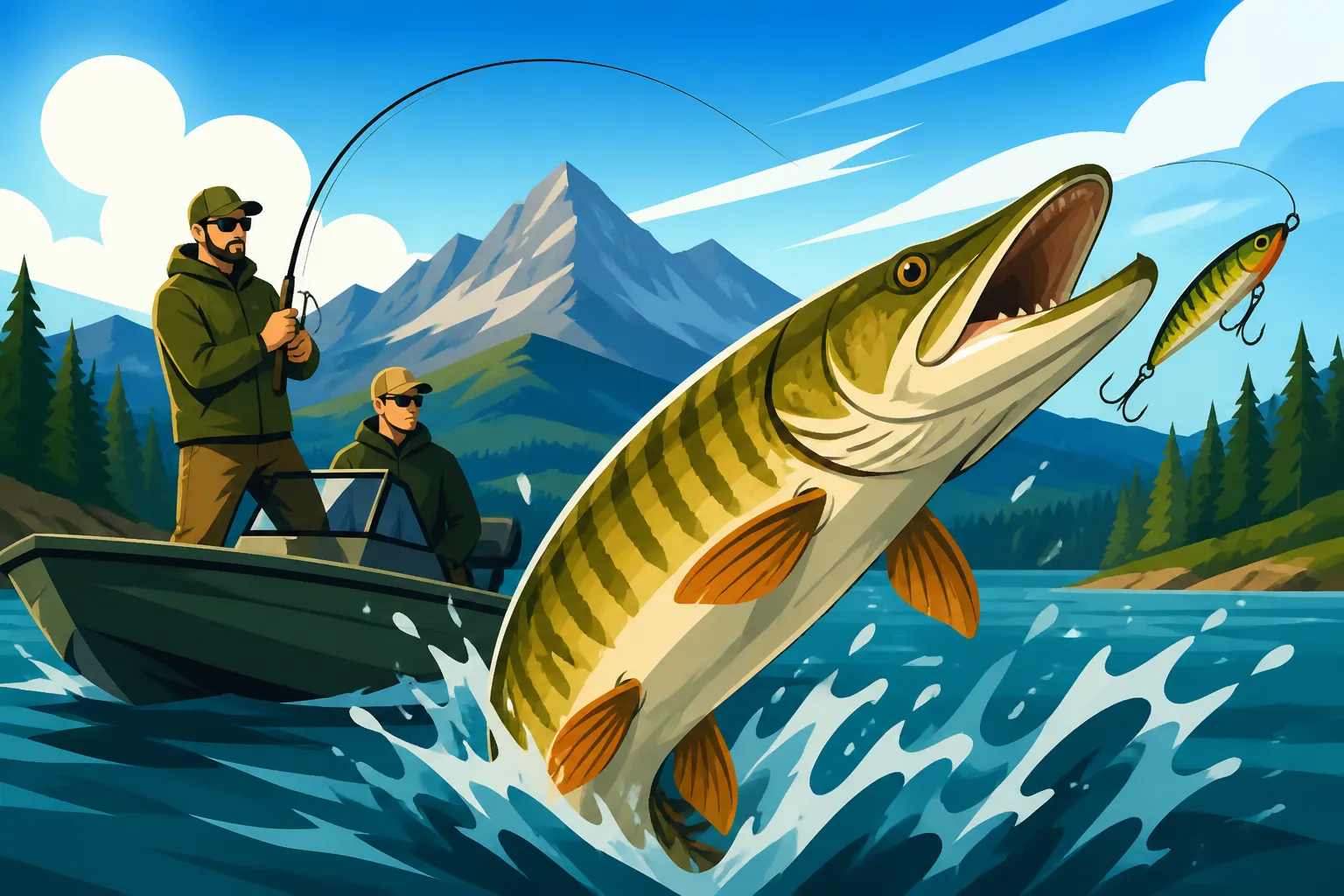
Best Guided Trips for Catching Tiger Muskie at Cascade Reservoir
The dream of catching a massive tiger muskie from Cascade Reservoir is a powerful pull for many anglers, but the reality is these fish are famously elusive, often leading to frustrating days on the water. This comprehensive guide is designed to help you navigate the specialized world of tiger muskie fishing, focusing on how a guided trip can transform your experience and dramatically increase your chances of landing one of Idaho's most sought-after freshwater predators.
Why a Guided Trip for Tiger Muskie at Cascade Reservoir is a Game Changer
Let's be real: chasing tiger muskie is not for the faint of heart, or for the ill-prepared. These fish have earned their nickname, "the fish of 10,000 casts," for a reason. Tackling them at a large, diverse body of water like Cascade Reservoir requires a level of insight and specialized equipment that most recreational anglers simply don't possess. That's where a knowledgeable guide truly shines, turning what could be a long, disheartening endeavor into a focused and educational adventure.
The Elusive Nature of Tiger Muskie
Tiger muskie are a hybrid species, a cross between northern pike and muskellunge, and they inherit the best (or most challenging, depending on your perspective) traits from both. They are apex predators with an incredible predatory instinct, but they are also notoriously finicky. They might follow a lure for what feels like an eternity, only to turn away at the last second, leaving you with nothing but a racing heart and a story about "the one that got away." In a vast reservoir like Cascade, finding these fish can feel like searching for a needle in a haystack. They roam expansive waters, often lurking in weed beds, along drop-offs, or near submerged timber, moving with the seasons and even the time of day. Their habits are complex, influenced by everything from water temperature to barometric pressure, making consistent success a monumental challenge without deep local knowledge.
Local Expertise and Specialized Knowledge
This is arguably the biggest advantage of hiring a guide for tiger muskie on Cascade Reservoir. These aren't just general fishing guides; the best ones are muskie specialists who live and breathe this specific fishery. They spend countless hours on the water, meticulously tracking muskie movements, understanding their feeding patterns, and identifying prime ambush points. A top guide knows which bays are holding fish in the spring, where they retreat when the summer heat kicks in, and the critical areas they patrol as fall approaches. They understand the nuances of the reservoir's structure, the thermoclines, and the forage base (primarily kokanee and yellow perch) that these tigers are keying in on. This isn't information you can just pick up from a weekend trip; it's a lifetime of dedication to Cascade Reservoir's Tiger Muskie Fishery. They can put you on fish when others are struggling, precisely because they've developed an intimate understanding of this particular ecosystem and its apex predators.
Specialized Gear and Techniques
If you've ever seen muskie tackle, you know it's a different beast entirely. We're talking heavy-action rods, robust reels, stout braided line, and monstrous lures that can weigh several ounces. Casting these all day long is a workout, and presenting them correctly requires practice. A guided trip means all this specialized, expensive gear is provided for you. You won't have to invest hundreds, if not thousands, of dollars in equipment you might only use once or twice a year. More importantly, the guide brings the knowledge of how to use it. They'll teach you the proper casting techniques for massive bucktails and crankbaits, how to work a jerkbait, and the crucial "figure-eight" maneuver at the side of the boat that often triggers a strike from a following fish. They'll also have a diverse array of lures, constantly changing to match the conditions, water clarity, and the mood of the fish – something you'd be hard-pressed to manage on your own. Best Lures for Cascade Reservoir Tiger Muskie are often specific and change with the season.
What to Look for in a Cascade Reservoir Tiger Muskie Guide
Choosing the right guide is paramount to a successful and enjoyable tiger muskie trip. You're not just hiring someone to drive a boat; you're investing in their expertise, their passion, and their ability to put you on fish while also teaching you the ropes. Do your homework, ask the right questions, and don't be afraid to be a little picky.
Proven Experience and Track Record
This is non-negotiable for tiger muskie. You want a guide who specializes in muskie, ideally specifically in Cascade Reservoir. There are many fantastic trout and bass guides in Idaho, but muskie fishing is a niche within a niche. Look for guides who prominently feature muskie on their websites or in their client photos. Check out online reviews and testimonials – platforms like FishingBooker are excellent resources for finding guides and seeing what past clients have to say about their experiences. Pay attention to how often they're catching muskie, and just as importantly, how they talk about the process. A good muskie guide understands that it's not just about catching fish every time, but about the hunt, the technique, and the constant pursuit. They should be transparent about the challenges and realistic about expectations, rather than promising a fish a minute. Also, inquire about their years of experience specifically targeting tiger muskie on Cascade. A guide who has been working that water for a decade will have accumulated invaluable knowledge that a newcomer simply can't match.
The Right Equipment and Boat Setup
As mentioned, muskie fishing requires serious tackle. Ensure your guide provides high-quality, heavy-duty rods and reels capable of handling these powerful fish and the large lures needed to tempt them. They should have a wide selection of muskie-specific lures – bucktails, jerkbaits, glide baits, soft plastics, and topwaters – in various sizes and colors. The boat itself is also critical. A stable, spacious boat with plenty of room to cast and move around is essential for an all-day muskie hunt. Look for boats equipped with reliable, powerful motors for covering large expanses of water, and advanced electronics like GPS mapping and sonar to identify structure and fish. Crucially, they should have proper muskie handling tools: extra-long needle-nose pliers, bolt cutters (in case a hook is deeply embedded), a large landing net with a deep, rubberized mesh (safer for the fish's fins and slime coat), and a release cradle or sling. These tools demonstrate a commitment to both client success and the health of the fishery.
Guiding Style and Client Comfort
Think about what kind of experience you're looking for. Are you a complete beginner who needs patient, step-by-step instruction on casting and retrieving? Or are you an experienced angler looking to refine your techniques and simply want someone to put you on the fish? Discuss your expectations with potential guides beforehand. A good guide should be a teacher, a motivator, and a patient companion. They should prioritize safety, clearly communicate what to expect throughout the day, and be genuinely enthusiastic about the pursuit, even on slow days. Some guides are very hands-on, offering constant tips and adjustments, while others might be more laid-back, letting you fish at your own pace. Finding a personality match can significantly enhance your enjoyment of the trip. Remember, you'll be spending a full day (or more!) in close quarters with this person, so choose wisely.
Planning Your Tiger Muskie Guided Trip to Cascade Reservoir
Once you've decided on the adventure and identified potential guides, it's time to iron out the details. Planning ahead ensures you get the most out of your investment and arrive prepared for the unique challenge of tiger muskie fishing.
Best Time of Year for Tiger Muskie
Timing is critical when targeting tiger muskie at Cascade Reservoir. While they can be caught year-round, certain seasons offer better opportunities due to the fish's behavior and metabolism.
- Spring (Post-Spawn, typically late May to June): After the ice comes off and the water begins to warm, muskie become more active and are often found in shallower areas as they recover from spawning. This can be an excellent time for aggressive topwater and shallow crankbait presentations. However, some guides might wait until they've fully recovered from the spawn to ensure healthier fish.
- Summer (July to August): As water temperatures rise, muskie often move to deeper water, congregating near thermoclines or around structure where cooler water and baitfish are found. Early mornings and late evenings can be prime, but even midday can produce if you know where to look. Trolling or casting deeper diving baits are common tactics.
- Fall (September to November): This is often considered prime time for muskie, as they enter a "feeding frenzy" phase to bulk up for winter. They become incredibly aggressive, and big lures often yield big fish. As water temperatures drop, they can be found shallower again, often near weed lines that are still green. This is when many of the true trophy fish are caught.
- Winter (Ice Fishing): While less common for guided trips focused solely on muskie, tiger muskie are caught through the ice at Cascade. However, this is a highly specialized pursuit and not typically what people mean by a "guided trip" for muskie.
Your guide will be the best resource for pinpointing the exact optimal windows, as conditions can vary year to year. Make sure to discuss Best Time of Year to Fish in Idaho with a focus on muskie specifically.
Booking Your Guide and What to Expect on Trip Day
Booking well in advance is crucial, especially if you're targeting peak seasons like fall. Good guides get booked up quickly. Many guides require a deposit to secure your date. When booking, clarify what's included in the price – typically, this covers the boat, guide's time, specialized tackle, and sometimes non-alcoholic beverages. You'll need to confirm that you have an Idaho Fishing License Guide and any necessary endorsements; your guide cannot provide this for you.
On the day of your trip, expect an early start. Your guide will meet you at a designated boat ramp or other meeting point around Cascade Reservoir. They'll give a safety briefing, explain the day's plan, and get you acquainted with the tackle. Be prepared for a full day of casting – sometimes thousands of casts – so dress in layers suitable for varying weather, bring sunscreen, a hat, polarized sunglasses, and plenty of snacks and water. It's also wise to bring a camera to capture those potential trophy moments! Remember, the guide's job is to put you in the best position to catch a fish, but ultimate success still relies on your effort and a bit of luck. Learning How to Catch Tiger Muskie at Cascade Reservoir will be a hands-on lesson throughout the day.
Understanding Costs and Tipping Etiquette
Guided muskie trips tend to be on the higher end of the spectrum for fishing charters. This is due to the specialized nature of the fishing, the significant investment in heavy-duty gear, the extensive knowledge required, and the sheer effort involved in chasing these elusive fish all day. Prices can vary based on whether you opt for a half-day or full-day trip, and if it's a private trip or part of a small group. Always confirm the total cost upfront. For a general understanding, you can refer to the Idaho Fishing Guide Cost Guide.
| Trip Type | Duration | Typical Focus | Effort Level (Angler) | Cost Implication |
|---|---|---|---|---|
| Half-Day | 4-5 hours | Introduction to muskie fishing, specific spots | Moderate | Lower upfront cost, less time on water for potentially elusive fish |
| Full-Day | 8-10 hours | Comprehensive hunt, multiple locations | High | Higher upfront cost, maximized time and opportunity for a trophy muskie |
Tipping your guide is standard practice and highly appreciated, especially given the dedication involved in muskie fishing. A common range for a good guide is 15-20% of the trip cost. This gratuity acknowledges their hard work, expertise, and commitment to making your day successful and enjoyable. Factor this into your budget when planning your trip. For more detailed information, check out Idaho Fishing Guide Tipping and Etiquette. Guides often rely on these tips as a significant part of their income.
Maximizing Your Guided Tiger Muskie Experience
You've invested your time and money in a guided trip; now let's make sure you get the absolute most out of it. It's not just about showing up; it's about engagement, persistence, and a willingness to learn.
Be Prepared to Cast, and Cast A Lot
This cannot be overstated when it comes to muskie fishing. These fish are called "the fish of 10,000 casts" for a reason. You might literally cast for hours without a single follow, let alone a strike. The key is persistence, positive attitude, and maintaining proper technique with every cast. It's physically demanding, as you'll be throwing large, heavy lures, often using powerful retrieve methods. Think of it less as conventional fishing and more like hunting. Every cast is an opportunity, and you need to be ready to commit to the grind. Your guide will be there to encourage you and keep spirits high, but ultimately, your own determination will be your best ally. Remember that even a follow, where a muskie tracks your lure to the boat, is a victory and can give you a burst of adrenaline. This is part of What to Expect on a Guided Idaho Fishing Trip.
Learn from Your Guide and Ask Questions
A guided trip isn't just about catching fish; it's a masterclass in muskie fishing. Take full advantage of your guide's knowledge. Watch how they cast, how they retrieve different lures, how they position the boat, and how they read the water. Ask questions! Why did they choose that lure? Why are they fishing this specific depth or structure? What does that mark on the sonar mean? A good guide loves to share their passion and knowledge, and understanding the "why" behind their actions will deepen your appreciation for the sport and improve your own skills for future trips, whether guided or solo. This is your chance to absorb years of experience in a single day.
Safe Handling and Release Practices
Tiger muskie are a fragile resource, and many are caught through catch and release. Proper handling is absolutely critical for the survival of these magnificent fish, especially the larger, older specimens. Your guide will be an expert in this, but it's important for you to be prepared too. They should have all the necessary tools on board: a large, rubberized landing net, long-nosed pliers, and often jaw spreaders and bolt cutters for deeply hooked fish.
Here are key elements of safe muskie handling:
- Minimize Time Out of Water: Get photos quickly, but the fish's priority is to get back into the water to breathe.
- Support the Fish Properly: Always support the muskie horizontally with two hands – one under the head/gill plate (being careful not to insert fingers into the gills themselves) and one under the tail. Never hold a large muskie vertically by the jaw; this can cause severe internal damage.
- Use the Right Tools: Long-nose pliers are essential for removing hooks. If hooks are deeply embedded or in a dangerous spot, your guide may use bolt cutters to snip the hooks and allow for easier, safer removal.
- Revive the Fish: Hold the fish gently in the water by the tail, facing into a mild current if possible, until it kicks strongly and swims away on its own.
Your guide will demonstrate these techniques, and it's vital to follow their instructions to ensure the fish's best chance of survival. This conservation mindset helps maintain the incredible Idaho Fish Species Guide for future generations.
Disclaimer
This article is for general informational purposes only and does not constitute professional advice. Laws, prices and regulations vary by location and change over time. Consult a qualified professional for guidance on your specific situation.