Are Idaho’s White Sturgeon Endangered?
It’s a question that weighs on the minds of many anglers who marvel at the sheer size and ancient presence of Idaho's white sturgeon: are these magnificent fish endangered? It's a valid concern, as the health of such an iconic species often reflects the overall well-being of our rivers and ecosystems. This guide aims to clear up the confusion, explaining their conservation status, the challenges they face, and how every angler can play a vital role in their continued survival.
Understanding White Sturgeon in Idaho
White sturgeon are truly living dinosaurs, having patrolled our freshwater systems for millions of years. Their immense size, impressive longevity, and unique appearance make them one of Idaho's most captivating fish species. But like many long-lived creatures, they are particularly vulnerable to environmental changes and human pressures, which has led to serious concerns about their numbers.
A Glimpse into the Past: Sturgeon History in Idaho
For centuries, white sturgeon thrived in the vast, free-flowing rivers of Idaho, particularly the mighty Snake River. Historical accounts speak of enormous fish, often exceeding ten feet in length and living for over a hundred years. They were a significant part of the ecosystem, and to some indigenous cultures, they held deep spiritual and cultural importance. However, the late 19th and 20th centuries brought immense changes. Overharvesting for their meat and roe (caviar) took a heavy toll, but perhaps the most devastating impact came with the construction of large dams. These dams fragmented their habitat, blocked their migration routes to spawning grounds, and altered the natural flow and temperature of the rivers, severely impacting their ability to reproduce and survive. It was a perfect storm that pushed many populations to the brink.
What Makes White Sturgeon Unique?
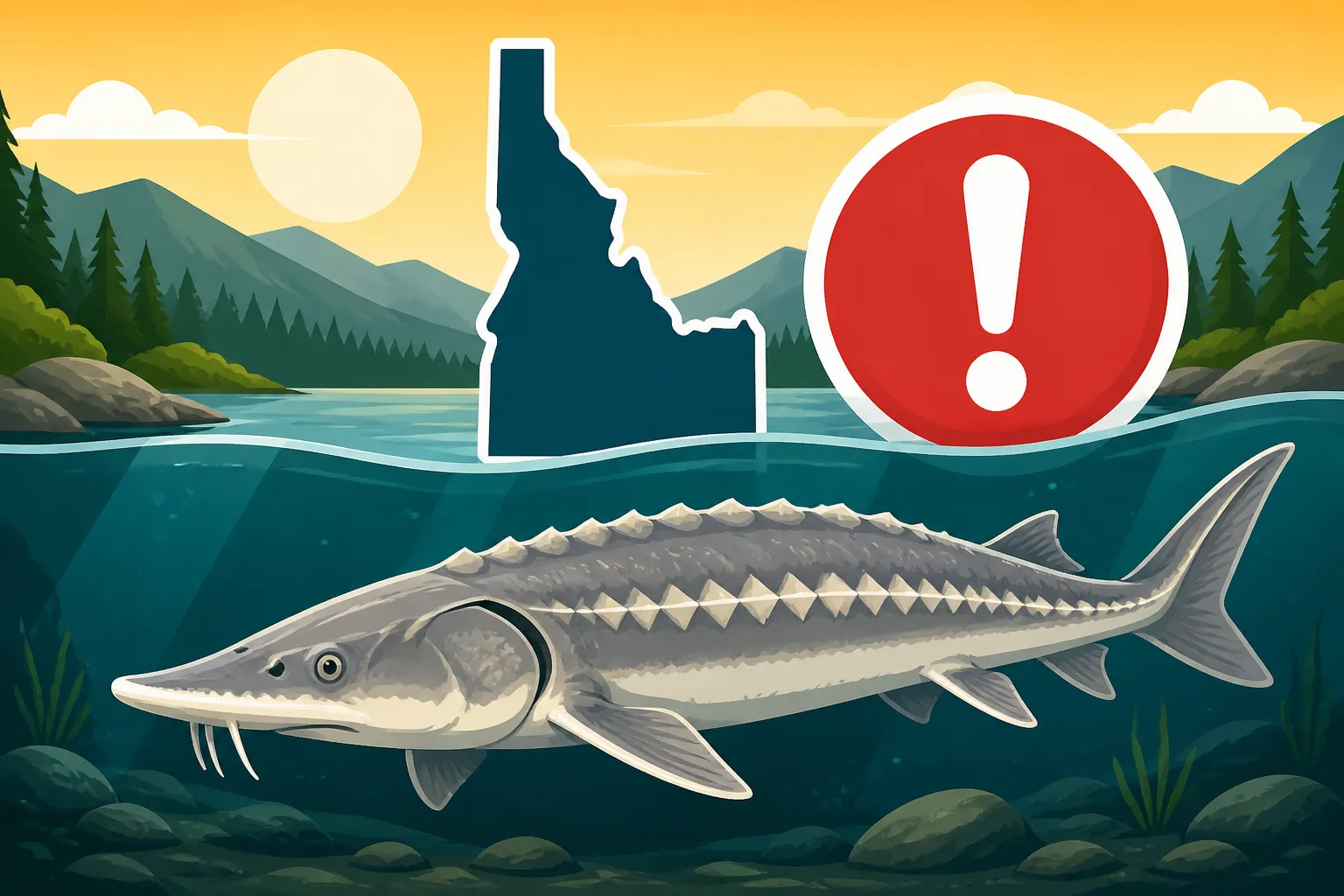
Imagine a fish that can outlive your grandparents, grow to the size of a small car, and looks like it swam straight out of the Jurassic period – that's the white sturgeon. They are characterized by their elongated bodies, rows of bony plates (scutes) instead of scales, and four barbels near their shovel-shaped snout, which they use to detect food along the river bottom. These fish are slow-growing and late to mature, often not reproducing until they are 15-20 years old, and some can live well over 100 years. This slow life history means that population recovery, once numbers decline, is an incredibly long and arduous process, requiring decades of dedicated conservation efforts. Their unique adaptations have allowed them to persist for eons, but these very traits also make them highly susceptible to modern pressures.
The Legal Landscape: Protected Status
Given their dramatic decline, white sturgeon in Idaho have long been recognized as a species needing significant protection. While specific federal classifications can be complex and vary by distinct population segment, the overarching sentiment at both state and federal levels is one of intense conservation. In Idaho, wild white sturgeon populations are considered a species of concern or designated as protected. This means that while you might not always hear the word "endangered" applied uniformly across every stretch of river, the management practices and regulations are certainly geared towards the strictest forms of protection to prevent them from reaching that critical threshold, or to aid in the recovery of those that have. For anglers, this translates directly into strict Idaho Sturgeon Fishing Rules and absolute adherence to catch and release principles.
Are Idaho's White Sturgeon Endangered? Delving into the Details
The question of whether Idaho's white sturgeon are "endangered" isn't a simple yes or no, as it often depends on which specific population segment you're discussing and the exact legal definition being applied. However, the intent behind all current management is to treat them with the utmost care, reflecting the severe risks they face.
Federal and State Classifications
Nationally, the U.S. Fish and Wildlife Service, under the Endangered Species Act (ESA), assesses species for endangered or threatened status. For white sturgeon, certain distinct population segments (DPSs) in other states have indeed been listed as endangered or threatened. In Idaho, while a statewide "endangered" listing for white sturgeon as a whole isn't universally applied in the same way as, say, a sockeye salmon run, many of our discrete white sturgeon populations are classified as "species of special concern" or are managed with similar stringent protections due to their vulnerable status. For instance, populations in areas like the Kootenai River Basin have specific recovery plans and are treated with the highest level of conservation effort, bordering on or effectively being managed as an endangered species. Other populations in the Snake River, particularly below impoundments, face different challenges but are still under strict conservation management. This nuanced approach acknowledges that not all populations face the exact same threats or are at the same recovery stage, but all require serious protection.
Key Threats to Sturgeon Populations
The challenges facing Idaho's white sturgeon are multifaceted and persistent. The primary threats include:
- Habitat Fragmentation and Loss: The construction of numerous dams along the Snake River, for instance, has been catastrophic. These dams block upstream and downstream migration, preventing sturgeon from reaching historical spawning and rearing grounds. They also change the river's hydrology, altering water flow, temperature, and sediment transport, which are crucial for successful sturgeon reproduction. What were once long, contiguous river systems are now a series of isolated reservoirs and short river sections.
- Altered River Flows and Temperatures: Dams regulate water flow in ways that are unnatural for sturgeon. Spawning cues, which often rely on specific flow regimes, can be disrupted. Water temperatures in reservoirs can also be significantly different from natural river temperatures, negatively impacting egg development and juvenile survival.
- Pollution and Water Quality: While improvements have been made, historical and ongoing pollution from agriculture, industry, and municipal sources can still impact water quality, harming sturgeon and their food sources.
- Historical Overharvesting: Prior to modern regulations, sturgeon were heavily fished for their meat and caviar. While this is largely controlled now, the historical impact on their long-lived, slow-reproducing populations was severe and contributed significantly to their initial decline.
- Poaching and Illegal Harvest: Despite strict regulations, illegal fishing can still pose a threat, particularly given the high value of sturgeon roe.
These factors combined have created a perilous situation for these ancient fish, underscoring why strong conservation measures are absolutely critical.
Conservation Efforts in Idaho
Idaho has been at the forefront of white sturgeon conservation for decades. A multi-pronged approach has been implemented to help these fish recover:
- Catch-and-Release Only Regulations: This is perhaps the most direct and crucial measure. All sturgeon fishing in Idaho is strictly catch-and-release, with specific rules designed to minimize stress and injury to the fish. This includes mandates like Idaho Rule Against Removing Sturgeon from the Water and the requirement for Why Barbless Hooks Are Required for Idaho Sturgeon.
- Hatchery Programs: In some areas where natural reproduction is severely impaired, such as below dams, hatchery programs play a vital role. Sturgeon are carefully reared in controlled environments and then released into the wild to supplement natural populations and maintain genetic diversity. These programs are complex and require significant resources, but they have proven effective in preventing local extinctions.
- Habitat Restoration: Efforts are underway to restore critical habitats, including improving water quality, managing river flows to mimic natural conditions where possible, and sometimes even exploring innovative ways to bypass dams.
- Research and Monitoring: Scientists continually monitor sturgeon populations, studying their movements, spawning success, and overall health. This data is essential for adapting management strategies and understanding what works best for their recovery.
- Public Education: Educating anglers and the public about the importance of sturgeon conservation and proper handling techniques is a cornerstone of the recovery effort. Awareness helps foster a culture of respect and responsibility.
These efforts, spearheaded by organizations like Idaho Fish and Game, aim to reverse the historical declines and ensure that future generations can continue to marvel at Idaho's white sturgeon.
The Role of Anglers in Sturgeon Conservation
If you're heading out to fish for white sturgeon in Idaho, you're not just going on an adventure; you're becoming a temporary guardian of a truly precious resource. Your actions on the water have a direct impact on the survival of these fish, and understanding responsible angling practices is non-negotiable.
Catch and Release Protocols
This is the golden rule, the absolute, non-negotiable foundation of sturgeon fishing in Idaho. Every single white sturgeon caught, regardless of size, must be released unharmed. This isn't just a suggestion; it's a legal requirement designed to protect a vulnerable population. To ensure the highest chance of survival for the fish you catch, adhere to these critical guidelines:
- Minimize Fight Time: While thrilling, a prolonged fight can exhaust a sturgeon. Use appropriate gear to land the fish as quickly and efficiently as possible.
- Stay in the Water: As per Idaho Rule Against Removing Sturgeon from the Water, it is strictly prohibited to remove sturgeon from the water. Keep the fish submerged at all times. This supports their massive bodies, protects their delicate internal organs from crushing under their own weight, and ensures their gills continue to function properly.
- Barbless Hooks Only: This is another strict requirement. Barbless hooks greatly reduce tissue damage and make hook removal quick and easy. If you don't have barbless hooks, you can crimp down the barb on a regular hook with pliers. It’s a simple step that makes a huge difference, as outlined in Why Barbless Hooks Are Required for Idaho Sturgeon.
- Gentle Handling: Support the fish horizontally with both hands, especially if it's large, to avoid stressing its spine and internal organs. Avoid placing fingers in the gills or eyes.
- Quick Release: Once the hook is removed, allow the sturgeon to recover in the water. Hold it gently facing into the current until it vigorously swims away on its own power. Do not simply toss it back; ensure it's strong enough to make its escape.
Proper Gear and Techniques
The gear you choose plays a significant role in ethical sturgeon fishing. You need tackle that is strong enough to handle these powerful fish without causing undue stress or prolonged fights, but also designed to minimize harm.
- Heavy-Duty Rods and Reels: Think robust, saltwater-grade equipment. A heavy-action rod paired with a large, strong conventional reel spooled with high-test braided line is essential. This allows you to put maximum pressure on the fish, bringing it to hand (or rather, boat-side) swiftly. You can find excellent options for specialized sturgeon rods and reels on platforms like Amazon, ensuring you're ready for the fight.
- Strong Line and Leaders: Braided line, with a breaking strength appropriate for the size of sturgeon you might encounter, is preferred for its sensitivity and power. A strong leader material is also crucial. For specific recommendations on rigging, consult guides like How to Rig a Line for Snake River Sturgeon.
- Circle Hooks: While not always explicitly required, circle hooks are highly recommended for sturgeon. They are designed to hook in the corner of the fish's mouth, greatly reducing the chance of deep hooking, which can be fatal. Many ethical anglers swear by them.
- Specialized Bait: Sturgeon are bottom feeders. Common baits include cut bait (like pieces of squawfish or other legal species), worms, or commercially prepared sturgeon baits. Always check current regulations for bait restrictions in your specific fishing area.
- Sturdy Net (if used carefully): If you're planning to net a sturgeon for brief handling and hook removal, use a very large, knotless, rubber-coated net. These minimize slime coat removal and fin damage. However, remember the rule about not removing them from the water – a net is for in-water handling only. Look for these specialized nets on sites like Amazon or at your local tackle shop.
- Pliers/Hook Removers: A good pair of long-nosed pliers or a specialized hook remover is indispensable for quickly and safely dislodging hooks from a sturgeon's mouth, especially when you're keeping the fish submerged. Having a sturdy pair of these on hand, perhaps from a brand you trust on Amazon, will make the process much smoother.
- For more detailed advice on what to bring, check out What Size Tackle to Use for Idaho Sturgeon.
Reporting and Responsible Angling
Beyond the immediate act of fishing, responsible angling for sturgeon includes a broader commitment to their welfare.
- Know the Regulations: Always, always read and understand the current Idaho fishing regulations before you head out. These rules can change, and ignorance is no excuse. The Idaho Fish and Game website is your best resource.
- Report Violations: If you witness someone violating sturgeon fishing rules – whether it's keeping a fish, using illegal gear, or improper handling – report it to Idaho Fish and Game. Conservation is a community effort, and protecting these fish requires everyone to be vigilant.
- Participate in Citizen Science: Some conservation programs might involve tagging sturgeon. If you catch a tagged fish, follow the instructions on the tag for reporting the information. This data is invaluable for researchers.
- Pack It In, Pack It Out: Leave no trace. Ensure all your trash, including discarded line and bait containers, is removed from the fishing site. Pollution affects water quality and can harm fish and wildlife.
By adopting these responsible practices, you become an active participant in the ongoing efforts to conserve Idaho's white sturgeon, ensuring these majestic fish continue to thrive for generations to come.
Where to Find and Fish for Sturgeon in Idaho
While white sturgeon are found in various river systems, certain areas in Idaho are particularly known for their populations and offer prime angling opportunities, all under the umbrella of strict conservation.
Prime Sturgeon Waters
When most people think of sturgeon fishing in Idaho, their minds immediately go to the mighty Snake River. This river, particularly in its lower and middle sections, is renowned for its white sturgeon populations.
- The Snake River: Stretching across much of southern Idaho, the Snake River offers some of the best sturgeon fishing. Sections below major dams, where sturgeon can get concentrated but are also isolated, are particularly productive. Areas like the stretch below C.J. Strike Dam, and further downstream towards Hells Canyon, are well-known. For a deeper dive into the specific hotspots, explore resources like Where to Fish for Sturgeon on the Snake River. The fishing can be phenomenal, with anglers regularly encountering fish that measure several feet long. It's a truly humbling experience to connect with such a powerful, ancient creature.
- Hells Canyon: This deepest river gorge in North America holds some truly impressive sturgeon. The remote and rugged nature of Hells Canyon often requires specialized jet boat access, and many anglers opt for guided trips here to navigate the waters safely and effectively. The pristine environment contributes to a healthy sturgeon population, offering a unique opportunity to fish in a truly wild setting. You might also want to look into The Best Stretch of the Snake River for Sturgeon for more precise locations.
- Kootenai River: In North Idaho, the Kootenai River hosts a distinct population of white sturgeon that is critically endangered. Fishing here is highly restricted, often requiring special permits or being entirely closed to angling, to aid in recovery efforts. Always check the very latest regulations if you are considering this area, as the conservation status here is particularly sensitive.
Understanding Special Regulations
Idaho's sturgeon regulations are designed to be extremely protective, reflecting the vulnerable status of these fish. It is absolutely crucial to be familiar with the rules for the specific body of water you intend to fish, as they can vary.
- Catch-and-Release Only: As emphasized earlier, this is universal for white sturgeon in Idaho. There are no harvest opportunities. This is not just a general guideline; it's a legal mandate that carries significant penalties for violation.
- Barbless Hooks Required: Another universal rule. Ensure your hooks are truly barbless to facilitate easy and safe release.
- No Removal from Water: You cannot take a sturgeon out of the water. This means no hero shots on the bank, no bringing it into the boat. All unhooking and measuring (if allowed and necessary for data collection) must happen with the fish fully submerged.
- Bait Restrictions: In some areas, there may be specific restrictions on what baits can be used to prevent accidental hooking of other protected species or to minimize environmental impact. Always verify this before your trip.
- Seasonal and Area Closures: Certain sections of rivers or specific times of year may be closed to sturgeon fishing to protect spawning fish or critical habitats. These closures are vital for their reproductive success.
- Sturgeon Catch Card Requirements: Some areas might require anglers to obtain a special Idaho Catch Record Card Requirements for sturgeon. These cards help Idaho Fish and Game collect valuable data on fishing pressure and catch rates. If required, you must accurately fill out and return the card as instructed.
Always consult the latest Idaho Fishing Regulations and Proclamation booklet, which can be found on the Idaho Fish and Game website, or at license vendors. This document is your definitive guide to staying legal and responsible. For more comprehensive information on the specific rules, refer to Idaho Catch-and-Release Sturgeon Rules Explained.
By understanding and respecting these regulations, you're contributing directly to the recovery and sustained health of Idaho's magnificent white sturgeon.
Idaho White Sturgeon Conservation Overview
| Feature | Description | Angler Responsibility |
|---|---|---|
| Conservation Status | Many populations are "species of special concern" or managed with endangered species protections. | Strict adherence to all regulations. |
| Fishing Method | Strictly Catch-and-Release Only. | Never remove fish from water; use barbless hooks. |
| Key Threats | Dams (habitat fragmentation), historical overfishing, altered flows. | Use proper gear; minimize fight time; report violations. |
| Unique Biology | Long-lived (100+ years), slow to mature (15-20 years), slow growth. | Understand delicate nature; gentle handling is paramount. |
| Primary Habitat | Snake River (especially below dams, Hells Canyon), Kootenai River (highly restricted). | Know specific area rules; respect closures. |
| Gear Importance | Heavy-duty rods/reels, strong line, circle hooks, specialized bait. | Invest in appropriate gear to reduce harm and ensure quick release. |
In conclusion, while it's a complex picture, many of Idaho's white sturgeon populations are indeed in a precarious state, leading to their management under strict conservation protocols similar to or mirroring endangered species protections. Their status is a stark reminder of the delicate balance of our ecosystems and the lasting impact of human activity. By educating ourselves, embracing responsible angling practices, and actively participating in conservation, we can help ensure these incredible fish continue their ancient journey through Idaho's waters for generations to come. It’s a privilege to share the rivers with them, and a responsibility to protect them.
Disclaimer
This article is for general informational purposes only and does not constitute professional advice. Laws, prices and regulations vary by location and change over time. Consult a qualified professional for guidance on your specific situation.