Why It’s Illegal to Remove a Sturgeon from the Water in Idaho
There's a specific moment for many anglers out on Idaho's rivers, especially the mighty Snake, when they finally hook into a White Sturgeon. It's a fight unlike any other, a true test of strength and patience. But then the giant fish is boat-side, or on a sandy bank, and the question invariably comes up: "Can we get it out of the water for a quick picture?" The answer is a firm, unwavering no, and understanding why this rule exists is crucial for every angler. This guide dives deep into the conservation science and protective measures behind Idaho's strict "no removal" policy for sturgeon, helping you protect these magnificent, prehistoric fish for generations to come.
The Core Rule: Why Sturgeon Stay Wet in Idaho
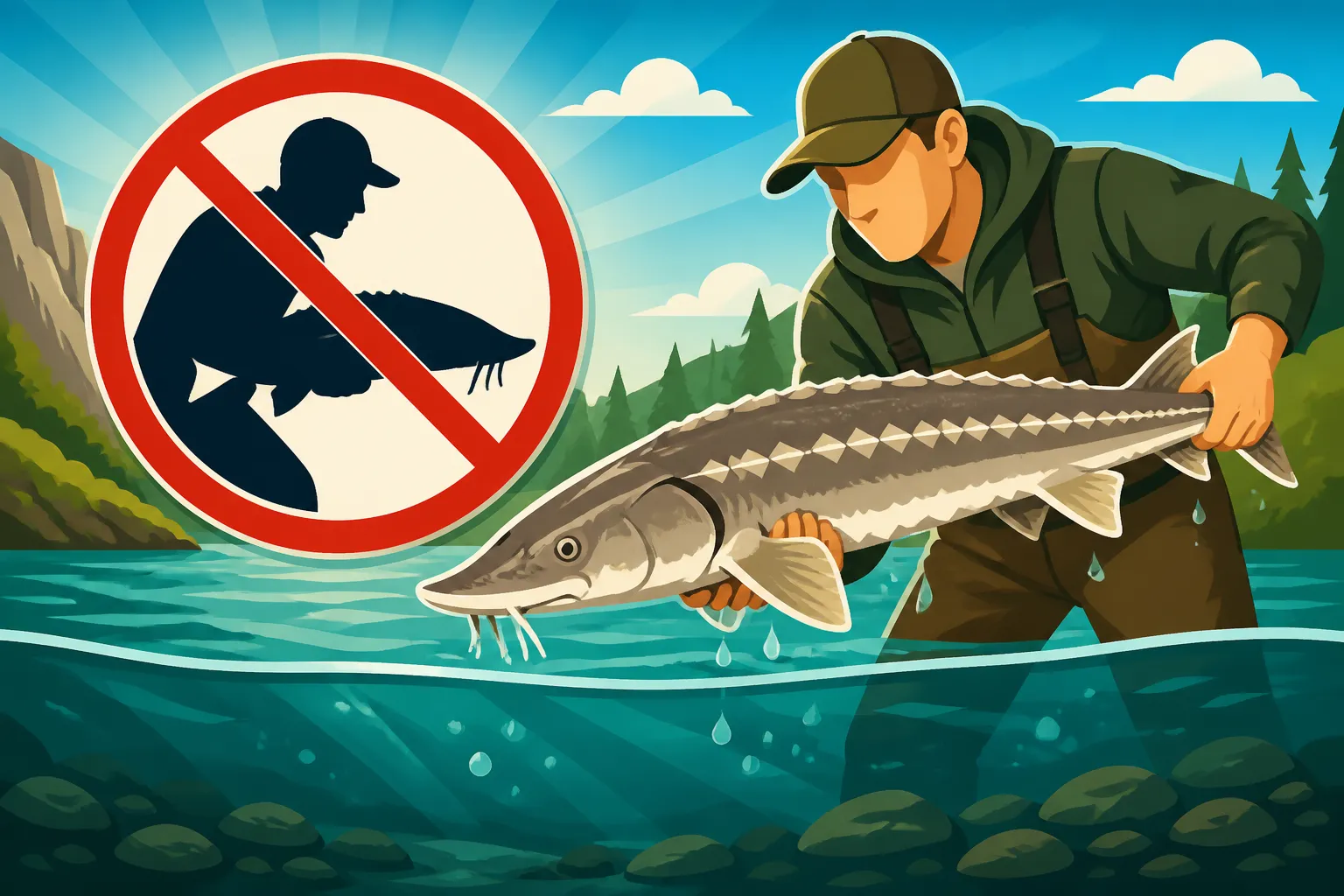
It might seem counterintuitive for such a robust, ancient fish, but removing a sturgeon, even briefly, from the water can have severe, often fatal, consequences. Idaho's regulations are designed to give these incredible creatures the best possible chance of survival after they’ve been caught and released. It's not about making things harder for anglers; it's about safeguarding a species that needs all the help it can get. When you're out there, a simple glance at the Idaho fishing regulations will quickly confirm this critical "keep 'em wet" directive for sturgeon.
Understanding the Vulnerability of White Sturgeon
While sturgeon look incredibly tough with their armored plates (scutes) and massive size, they are surprisingly delicate when it comes to air exposure. Unlike some fish that can tolerate short periods out of water, sturgeon are particularly susceptible to physiological stress when they're pulled onto land or held aloft. Their internal organs, especially their gills, are not designed to support their immense weight out of water. Imagine trying to lift a car by its roof – the structure isn't made for that kind of strain.
Their entire circulatory and respiratory system is adapted for a fully aquatic environment. When a sturgeon is removed, the delicate gill filaments, which are essential for oxygen exchange, can collapse and stick together, making it incredibly difficult for the fish to "breathe" once returned to the water. This can lead to oxygen deprivation and a slow, agonizing death long after the fish swims away. Beyond that, the act of fighting such a large fish already puts them under immense stress, depleting their energy reserves. Adding air exposure on top of that is often the final straw. Think about how exhausted you are after a strenuous workout; now imagine trying to hold your breath while someone takes your picture. It’s simply too much.
The Physical Trauma of Air Exposure
The weight of a sturgeon, which can range from dozens to hundreds of pounds, puts incredible pressure on its internal organs and skeletal structure when it's not supported by water. When you lift a sturgeon, gravity is not its friend. Its spine and internal organs can be damaged, leading to internal hemorrhaging or ruptured tissues. Even if there are no immediate visible signs of injury, this internal trauma can compromise the fish's ability to feed, reproduce, or evade predators in the long term, ultimately shortening its lifespan.
Moreover, sturgeon have a protective slime coat, much like a first line of defense against parasites and bacteria. Handling them roughly, or dragging them across rough surfaces like rocks, gravel, or even the dry floor of a boat, can strip away this crucial slime coat. This leaves them vulnerable to infections and diseases, turning a seemingly harmless photo opportunity into a potential death sentence. It’s similar to how a cut on your skin makes you more susceptible to infection; for a fish, their entire body is essentially exposed. This is a big part of Idaho Sturgeon Catch and Release Rules Explained.
A Legacy of Conservation: Protecting a Prehistoric Giant
Idaho's strict sturgeon regulations aren't arbitrary. They are the result of decades of careful observation, scientific study, and dedicated conservation efforts to bring this majestic species back from the brink. The White Sturgeon, often called a "living dinosaur," has been around for millions of years, but human impact in the last century pushed them to critical levels.
Historical Decline and the Road to Recovery
Historically, White Sturgeon populations in the Snake River, particularly downstream from Hells Canyon, faced severe declines due to overfishing, habitat alteration, and the construction of dams that blocked their migration routes and altered water flows. Dams fragmented their populations, preventing them from accessing crucial spawning grounds and juvenile rearing habitats. Pollution also took its toll, as these long-lived fish accumulate toxins in their systems over many decades.
By the late 20th century, the numbers were alarming, and it became clear that without drastic intervention, Idaho's White Sturgeon might vanish entirely. Conservation groups, state agencies like Idaho Fish and Game, and even dedicated anglers recognized the need for change. This led to comprehensive management plans focused on protecting the remaining fish, restoring habitat where possible, and instituting strict catch-and-release practices. The recovery has been slow, but thanks to these efforts, we're now seeing more of these incredible fish in our waters. Understanding Idaho White Sturgeon Facts truly highlights their journey.
Idaho's Catch-and-Release Only Mandate
This is where the "keep 'em wet" rule truly comes into play. To allow populations to rebound and sustain themselves, virtually all White Sturgeon fishing in Idaho is strictly catch-and-release only. This means that every single sturgeon caught, regardless of size, must be immediately and safely returned to the water. The rule against removing them from the water is a critical component of this catch-and-release philosophy.
It emphasizes that the welfare of the fish takes absolute precedence over any angler's desire for a trophy photo. Agencies have learned through research that even short periods of air exposure significantly decrease a sturgeon's post-release survival rate. Therefore, the rule isn't just a suggestion; it's a non-negotiable part of responsible sturgeon angling in Idaho. It's about respecting the fish and the tremendous effort that has gone into their conservation. If you're wondering Why Snake River Sturgeon Fishing Is Catch and Release Only, this is the core reason.
Practical Implications for Anglers: What This Means on the Water
So, you've battled a massive sturgeon and brought it to hand (or at least, boat-side). What next? Knowing the rules and having the right approach is paramount. This isn't just about avoiding a citation; it's about acting as a responsible steward of Idaho's natural resources. Preparing beforehand can make all the difference in ensuring a quick and safe release for these magnificent fish.
Safe Handling Techniques for Sturgeon
Even with the "no removal" rule, you can still get amazing photos and have a memorable experience. The key is to keep the fish in the water at all times. Here's how:
- Use Appropriate Gear: Heavy-duty rods, reels, and strong lines are essential. You want to land the fish as quickly as possible to minimize its exhaustion. On sites like Amazon, you can find robust sturgeon-specific gear that can handle the power of these fish. You might also want to explore What Size Tackle to Use for Idaho Sturgeon.
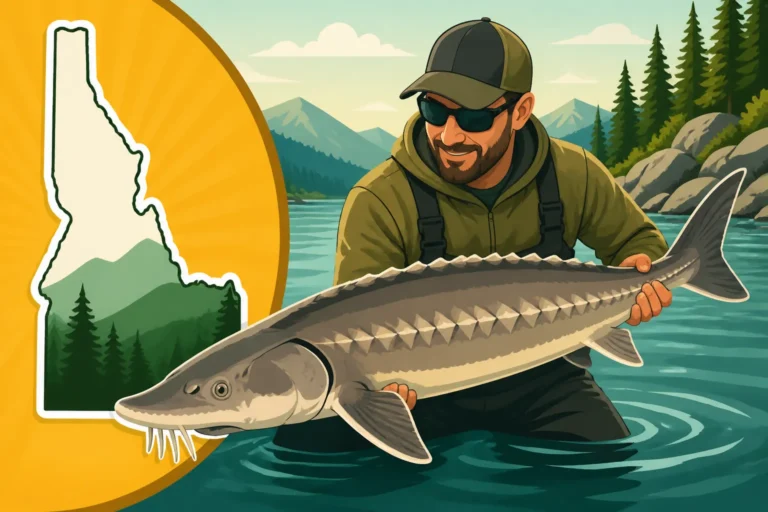
- Boat Fishing: If fishing from a boat, guide the sturgeon alongside. Have a large, knotless, rubberized landing net ready to secure the head and front of the fish. If it's too large for a net, use large, wet gloves to grip the pectoral fins. Keep its head submerged. For photos, the angler can lean over the boat, with the fish still in the water, for an excellent "grip and grin" shot.
- Bank Fishing: If fishing from shore, find a shallow, sandy, or muddy area to bring the fish in. Avoid sharp rocks or gravel. Angle the fish so its head and gills are still submerged in water while you unhook it. For photos, kneel in the water next to the fish. Never drag it up onto dry land.
- Unhooking: Always have pliers or a hook remover readily available. Use barbless hooks, as they are required for sturgeon fishing in Idaho and make unhooking much easier and less traumatic for the fish. This is Why Barbless Hooks Are Required for Idaho Sturgeon. Many anglers also find that cutting the line is sometimes less stressful for the fish than trying to extract a deeply set hook.
- Reviving: After unhooking, gently hold the fish upright in the water, facing into the current if possible, until it regains its strength and can swim away under its own power. This might take a few minutes, especially for a large fish after a long fight.
What to Do If You Accidentally Remove One
While the goal is to never remove a sturgeon from the water, accidents can happen. Perhaps a fish thrashes unexpectedly, or an inexperienced angler makes a mistake. If a sturgeon accidentally comes out of the water, the priority is to get it back in immediately.
- Act Quickly: Don't pause for a photo or to admire it. Gently but swiftly guide it back into the water, ensuring its head and gills are submerged.
- Handle Gently: Use wet hands or gloves to minimize damage to its slime coat. Support its body as much as possible to avoid putting strain on its internal organs.
- Observe and Revive: Once back in the water, hold it upright and allow it time to recover before releasing it. Watch for strong tail kicks, indicating it's ready to swim off.
It's important to remember that ignorance of the law is not an excuse. Even an accidental removal can lead to a conversation with Idaho Fish and Game officials if observed. The best approach is always prevention through careful planning and adherence to best practices. Being prepared, perhaps with a large landing mat or cradle that you keep wet on the shore or in the boat (you can find options on Amazon), can help mitigate risk during those intense moments.
Beyond the Rule: The Greater Vision for Idaho's Sturgeon
The "keep 'em wet" rule for Idaho's sturgeon is more than just a regulatory hurdle; it's a testament to a broader vision for the health and sustainability of this unique fishery. It speaks to a commitment to coexistence, where human recreation can thrive alongside thriving wildlife populations. Every angler who adheres to this rule plays a direct and vital role in realizing that vision.
The Role of Anglers in Sturgeon Survival
Anglers are often the first line of defense and observation on the water. By understanding and following regulations, you become an active participant in conservation. Your careful handling of sturgeon, your use of appropriate gear, and your quick, safe releases contribute directly to the individual fish's survival and, collectively, to the species' long-term health.
Furthermore, responsible anglers often report illegal activities or unusual observations to Idaho Fish and Game, providing critical intelligence that helps manage the fishery. Your passion for fishing can be channeled into being a powerful advocate for these magnificent creatures. When you share your knowledge with fellow anglers, especially those new to sturgeon fishing, you extend the reach of these crucial conservation ethics. Think of it as a shared responsibility for a shared resource. You can often find educational posters or brochures on Amazon that reinforce these messages to help spread awareness.
The Future of Idaho's Sturgeon Fishery
The future of Idaho's White Sturgeon fishery looks brighter than it once did, precisely because of the diligent efforts of conservationists and the increasing awareness and compliance among anglers. As populations slowly but steadily recover in sections of the Snake River, the opportunity to encounter these giants remains a truly unique experience.
While the specific rules and regulations might evolve as the science advances and fish populations change, the core principle of minimizing harm to the fish, especially the "keep 'em wet" mandate, is likely to remain. It's a foundational element of ensuring that these prehistoric fish continue to thrive in Idaho's waters for centuries to come, offering future generations the same awe-inspiring chance to battle a living dinosaur. So, next time you're planning a trip to fish for sturgeon, remember that the best trophy isn't a picture of a fish out of water, but the knowledge that you've done your part to help a truly incredible species endure. Planning your gear correctly, including heavy leaders and circle hooks available from tackle suppliers on Amazon, will improve your chances of a clean fight and release. You might find even more detailed advice in Idaho Sturgeon Fishing Rules.
| Sturgeon Handling Best Practices | What to Avoid (Risks) |
|---|---|
| Keep fish fully submerged in water. | Lifting fish out of water. |
| Use knotless, rubberized nets. | Using abrasive nylon nets. |
| Employ barbless hooks. | Using barbed hooks. |
| Use wet hands/gloves for handling. | Dry hands, rough surfaces. |
| Release quickly after unhooking. | Prolonged fighting or handling. |
| Revive fish until it swims strongly. | Releasing an exhausted fish. |
| Take photos with fish in the water. | Taking photos with fish suspended in air. |
Disclaimer
This article is for general informational purposes only and does not constitute professional advice. Laws, prices and regulations vary by location and change over time. Consult a qualified professional for guidance on your specific situation.