Why the Cutthroat Trout Is Idaho’s State Fish
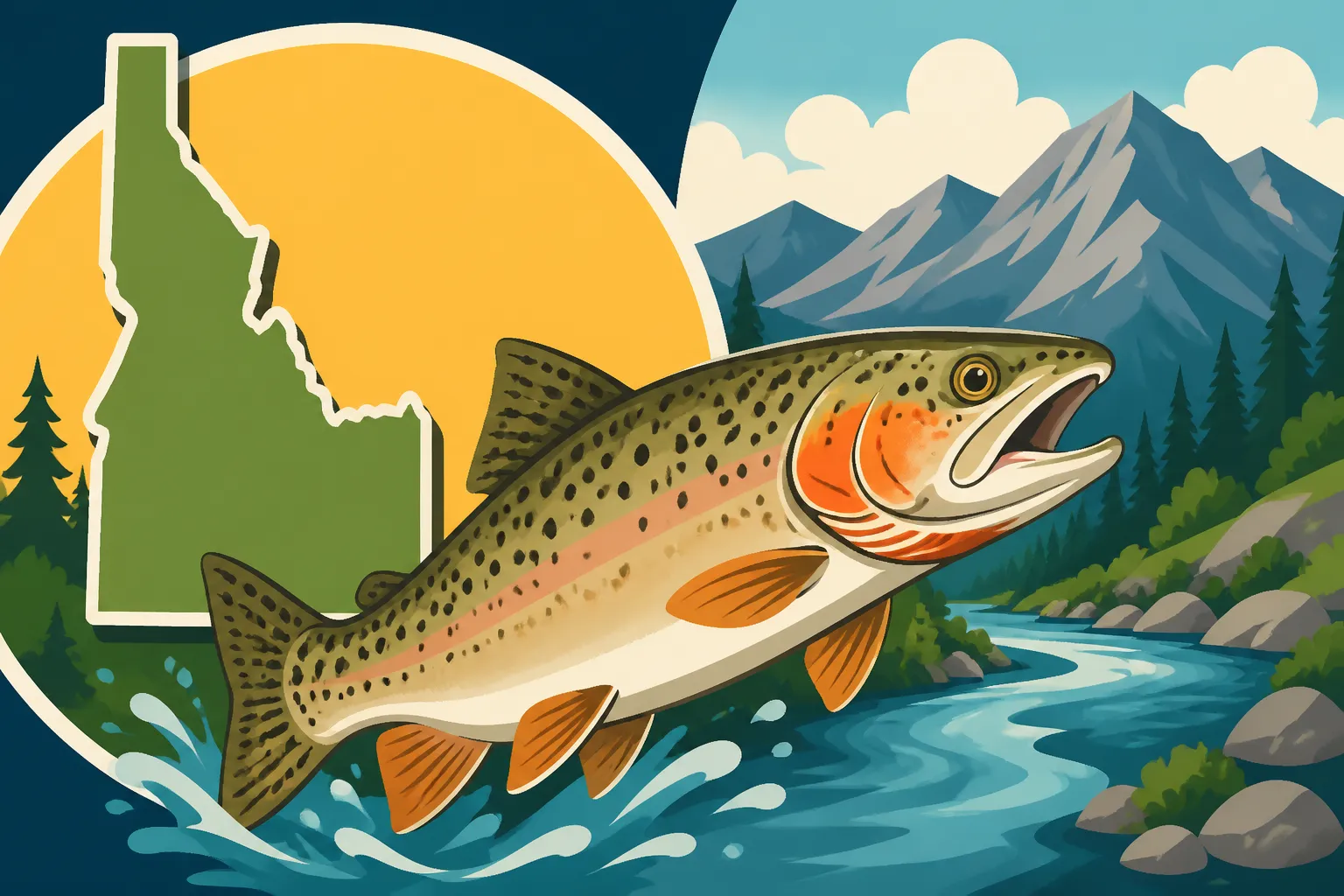
If you've spent any time exploring Idaho's pristine rivers and sparkling high-mountain lakes, you've likely encountered the majestic cutthroat trout. But have you ever stopped to wonder why this particular fish holds such a special place in the heart of the Gem State, earning it the esteemed title of Idaho's official state fish? It's more than just a ceremonial designation; it’s a story woven deep into the fabric of Idaho's wild landscapes and angling culture. This guide will take you on a journey to understand the profound connection between Idaho and its aquatic ambassador, the cutthroat trout.
A Legacy Written in Scales: The Cutthroat Trout's Deep Roots in Idaho
The cutthroat trout isn't just a fish in Idaho; it's the fish, an embodiment of everything wild and wonderful about this state's aquatic environments. Its presence tells a story of clear, cold waters, vibrant ecosystems, and a deep connection to the land itself. For generations, this native species has thrived here, becoming an indelible part of Idaho's identity.
More Than Just a Fish: A Symbol of Wilderness
When you think of Idaho, images of rugged mountains, towering pines, and crystal-clear streams often come to mind. The cutthroat trout fits seamlessly into this picture, not just as an inhabitant, but as a living symbol of that untamed wilderness. Unlike many other species that have been introduced to Idaho's waters over the years, the cutthroat trout is truly native, having evolved alongside the very landscapes we cherish today. This native status gives it a gravitas that other, non-native fish simply can't match. It's an indicator species, meaning that a healthy population of cutthroat trout often points to a healthy, balanced ecosystem around it. If the cutthroat are thriving, chances are the water quality is good, the habitat is intact, and the broader environment is in excellent shape. This natural heritage makes it far more than just a creature swimming in the rivers; it’s a living testament to the wild spirit of Idaho.
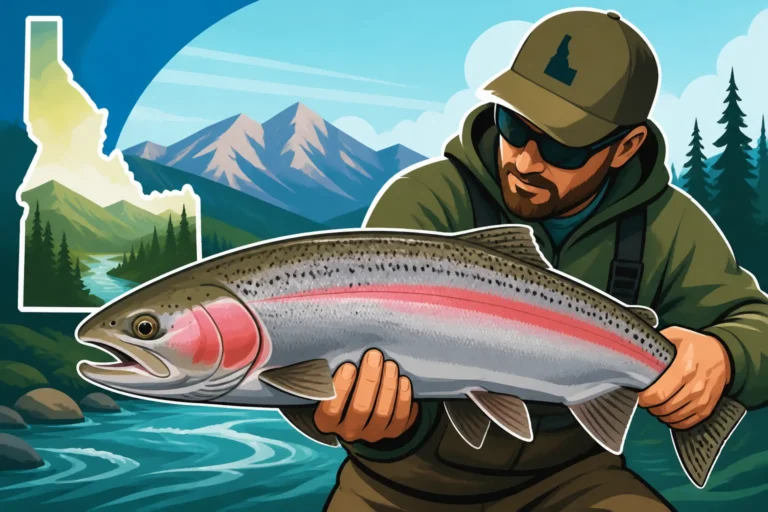
Imagine hiking deep into the backcountry, far from any paved road, and casting a line into a remote alpine lake. When a vibrant cutthroat trout rises to your fly, it's not just a fish you've caught; it's a piece of that ancient, wild Idaho that has existed for centuries. Its distinctive crimson slash beneath its jaw – from which it gets its name – is like a badge of honor, a reminder of its unique place in the natural order. This deep, historical presence gives the cutthroat a symbolic power that resonates with anyone who values the wild heart of Idaho.
Two Iconic Subspecies: Westslope and Yellowstone Cutthroat
Idaho is unique in that it is home to two prominent native subspecies of cutthroat trout, each with its own distinct charm and geographical stronghold. These aren't just minor variations; they are significant populations that define different regions of the state's fishing experience. Understanding their differences helps us appreciate the biological diversity that makes Idaho so special.
First, we have the Westslope Cutthroat Trout, often found in the northern and central parts of the state. These fish are typically characterized by smaller, more defined spots concentrated towards the tail, and generally have a somewhat slimmer build. They are incredibly adaptable, inhabiting a wide range of stream and river environments, from small mountain trickles to larger, more braided river systems. The pure strain of Westslope cutthroat is a treasure, representing the pristine headwaters of rivers like the Clearwater and Salmon. For more detailed information, you can explore Westslope Cutthroat Trout in Idaho.
Then, there's the Yellowstone Cutthroat Trout, predominant in eastern and southeastern Idaho, particularly in the Yellowstone River system and its tributaries. These fish tend to have larger, more irregularly shaped spots that are spread more evenly across their bodies. They are often found in larger river systems and lakes, and historically, they undertook long spawning migrations up tributary streams. While their populations have faced challenges, they remain a vital part of the region's natural heritage. Learning more about their unique characteristics can be found in Yellowstone Cutthroat Trout in Idaho. Both of these subspecies are native to Idaho, having evolved within the specific drainage basins of the state, a testament to their deep-rooted legacy.
Ecological Significance: A Vital Role in Idaho's Ecosystems
Beyond their symbolic value and distinct appearances, cutthroat trout play a critical, often unseen, role in maintaining the health and balance of Idaho's aquatic ecosystems. They are not merely inhabitants but active participants in the intricate web of life that defines these environments. Without them, the entire system would suffer.
Keystone Species in Mountain Streams
The cutthroat trout often functions as a keystone species in the high-altitude streams and pristine rivers where it thrives. What does that mean? It means their presence, or absence, can have a disproportionately large effect on the ecosystem. As opportunistic feeders, they consume a variety of aquatic and terrestrial insects, smaller fish, and even small amphibians. This predation helps to control populations of invertebrates and smaller fish, preventing any single species from dominating and ensuring a healthier balance.
At the same time, cutthroat trout serve as an important food source for other wildlife. Ospreys, bald eagles, otters, and even bears rely on these fish as part of their diet, especially during spawning seasons. This dual role—as both predator and prey—cements their position at the heart of the food web. When cutthroat populations are robust, it signals a thriving and interconnected environment. Conversely, a decline in cutthroat numbers can indicate broader ecological problems, affecting everything from insect populations to apex predators. They are, in essence, the pulse of Idaho's wilderness waters.
Habitat Requirements and Conservation Efforts
Cutthroat trout are not just beautiful; they are incredibly sensitive to their environment, demanding specific conditions to survive and flourish. They thrive in cold, clean, well-oxygenated waters, typically associated with pristine mountain streams, clear rivers, and alpine lakes. These habitats usually have plenty of shade from riparian vegetation, which helps keep water temperatures low, and a complex structure of rocks, logs, and undercut banks, providing crucial cover from predators and strong currents.
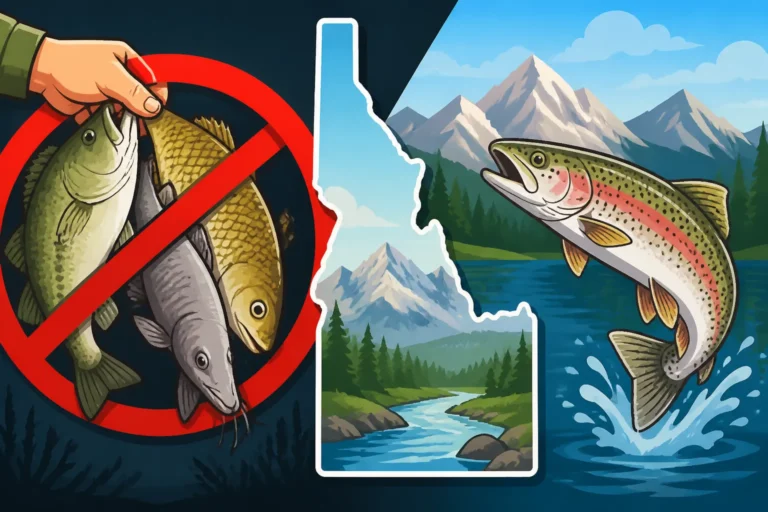
However, these ideal habitats are increasingly under threat. Historical logging practices, mining, agricultural runoff, and poorly managed land use have all contributed to habitat degradation. One of the most significant challenges is hybridization with non-native rainbow trout. Where rainbow trout have been introduced, they can interbreed with cutthroat, leading to hybrid offspring that dilute the pure genetic strains of the native cutthroat. This is a serious concern for the long-term survival of genetically pure populations. Many anglers often wonder, Are Idaho's Cutthroat Trout Native or Stocked? and while some stocking occurs, preserving native, self-sustaining populations is a key goal.
Because of these threats, extensive conservation efforts are underway across Idaho to protect and restore cutthroat populations. These efforts range from habitat restoration projects, such as planting riparian vegetation and stabilizing stream banks, to fish barrier installations that prevent non-native species from entering critical cutthroat spawning grounds. Genetic testing is also used to identify pure strains, guiding targeted conservation strategies. These initiatives are not just about saving a fish; they are about preserving Idaho’s natural heritage and the integrity of its wild landscapes for future generations to enjoy. The commitment to these efforts underscores just how important the cutthroat trout is to the state.
Angler's Delight: Why Fishermen Cherish the Cutthroat
For many who pick up a rod and reel in Idaho, the cutthroat trout isn't just an ecological marvel or a state symbol—it's the target of choice, a fish that offers a uniquely rewarding experience. There's a certain magic to pursuing cutthroat, one that goes beyond the simple act of catching a fish.
A Challenging Yet Rewarding Catch
Ask any seasoned Idaho angler about the cutthroat trout, and they'll likely tell you a story about a hard-earned catch or a memorable day on a pristine stream. These fish, particularly the wild, native strains, can be incredibly wary. They often inhabit crystal-clear waters where they have an excellent view of their surroundings, making a stealthy approach and a delicate presentation essential. This makes them a fantastic challenge for fly fishermen, who appreciate the art of matching the hatch and fooling a finicky trout. Many anglers consider learning How to Fly Fish in Idaho to be the ultimate way to pursue these intelligent fish.
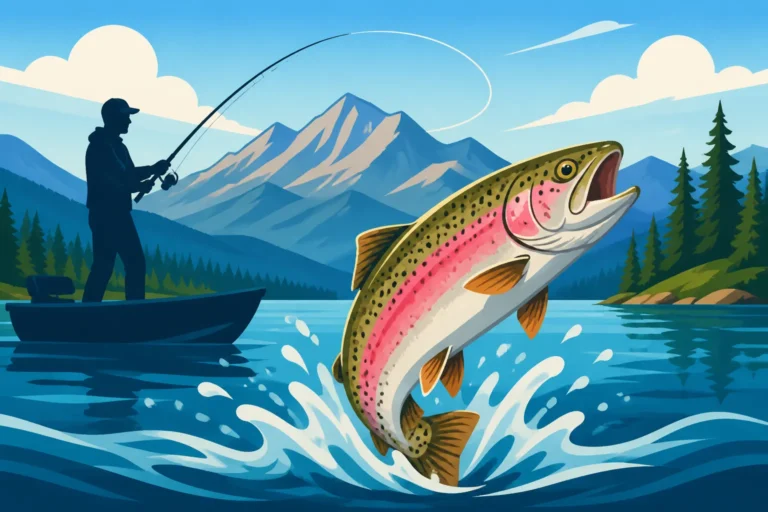
While they can be challenging, cutthroat are also known for their eager bite, especially to well-presented dry flies. There’s nothing quite like watching a beautiful cutthroat rise gracefully to sip an artificial insect from the surface. The fight, while not always as powerful as a steelhead or Chinook salmon, is spirited and acrobatic, making for an exhilarating experience on lighter tackle. The vibrant colors of a freshly caught cutthroat, with its signature red slashes, are a sight to behold before a careful release. This combination of challenge, reward, and visual appeal makes the cutthroat a perennial favorite among Idaho's angling community, cementing its place as a truly cherished species. It's a fish that demands respect but gives back immensely in the satisfaction of the catch.
Accessibility and Stunning Scenery
One of the greatest appeals of fishing for cutthroat trout in Idaho is not just the fish itself, but the breathtaking environments in which they are found. These are often the same places that draw hikers, campers, and nature enthusiasts: remote, stunning, and utterly peaceful. From the vastness of the Frank Church Wilderness to the rugged peaks of the Sawtooths, cutthroat thrive in settings that feed the soul as much as they challenge the angler. You can find them in the crystal-clear waters of high mountain lakes, nestled deep within granite cirques, requiring a good hike and proper gear to reach. For those willing to put in the effort, these trips offer unparalleled solitude and some of the most rewarding fishing experiences. You can find some incredible opportunities by exploring Best High Mountain Lakes in Idaho for Fishing.
They also inhabit many of Idaho's iconic rivers, winding their way through canyons and forests, providing ample opportunities for both wade fishing and floating trips. Think of the pristine stretches of the St. Joe River, or certain sections of the Salmon River—these are prime cutthroat waters, set against backdrops of dramatic natural beauty. It’s an experience where the journey and the scenery are as much a part of the reward as the fish at the end of your line. For anyone planning such a trip, remember that preparing for remote conditions is key; reliable gear, from durable waders to quick-drying clothing, can make all the difference. Many anglers find that sites like Amazon offer an extensive selection of the specialized, lightweight fishing and camping equipment needed for these backcountry adventures, making it easier to gear up no matter how remote your destination. Discovering the magic of these wild places and their finned inhabitants is a core part of the Idaho fishing experience. Don't forget to check out guides like Best Rivers for Fishing in Idaho for more ideas on where to find these magnificent fish.
The Official Designation: How and Why It Happened
The decision to name the cutthroat trout as Idaho's state fish was not a casual one. It was a formal recognition, deeply rooted in the species' profound connection to the state's natural history, ecology, and recreational culture. This wasn't merely a popularity contest; it was an affirmation of a truly iconic resident.
The Process of Choosing a State Fish
The process of officially designating a state symbol, whether it's a tree, a bird, or a fish, typically involves a combination of public sentiment, educational initiatives, and legislative action. Often, it begins with grassroots efforts, perhaps from school children learning about their state's natural resources, or from conservation groups advocating for a particular species. These proposals then move through the legislative process, where elected officials debate and vote on the designation. It's a way for a state to formally recognize and celebrate the unique aspects of its natural environment and heritage.
For the cutthroat trout, its designation was a reflection of overwhelming consensus. It wasn't just a beloved fish by anglers; it was a species with deep scientific importance and historical significance to Idaho. The discussions likely highlighted its native status, its role in healthy ecosystems, and its representation of the pristine wilderness Idaho is known for. This thoughtful process ensures that the chosen symbol truly embodies the spirit and values of the state, making the cutthroat trout an ideal choice to represent Idaho's aquatic life. The designation of Idaho's State Fish Explained covers many of the nuances of this honor.
Solidifying a Natural Icon
The official designation of the cutthroat trout as Idaho's state fish wasn't just about picking a mascot; it was about solidifying its status as a natural icon. This particular trout, with its distinctive markings and preference for clean, cold water, epitomizes the wild character of Idaho. It represents the state's commitment to preserving its natural resources and celebrating its unique biodiversity. When you see a cutthroat, you're looking at a living piece of Idaho's history, a creature that has thrived here for millennia.
This choice speaks volumes about Idaho's values: a love for the outdoors, an appreciation for pristine environments, and a recognition of the delicate balance of nature. It’s a symbol that resonates with both residents and visitors alike, inviting everyone to explore, cherish, and protect the very waters that sustain this magnificent fish. Whether you're an avid angler seeking a challenging catch or simply someone who appreciates the beauty of Idaho's wild places, the cutthroat trout serves as a constant, vibrant reminder of what makes the Gem State truly special. It encourages responsible angling, such as understanding Idaho Catch Limits and Bag Limits Explained, and appreciating species like this beautiful trout. When preparing for any fishing trip in Idaho, especially those targeting specific species like the cutthroat, ensuring you have the correct gear and knowledge is paramount. Many experienced anglers often turn to resources like Amazon for specialized fly-tying materials or unique lure patterns that might be difficult to find locally, helping them prepare for success on the water.
In essence, the cutthroat trout isn't just Idaho's state fish because it's pretty or popular. It's because it embodies the very essence of Idaho: wild, resilient, and deeply connected to its stunning natural landscapes. It reminds us of the importance of clean water, healthy habitats, and the thrill of discovery in the great outdoors. For those looking to delve deeper into the rich tapestry of Idaho's aquatic life, a good starting point is the comprehensive Idaho Fish Species Guide, which provides an overview of all the incredible fish that call these waters home. And of course, before you head out, make sure you understand all the requirements in the Idaho Fishing License Guide.
Disclaimer
This article is for general informational purposes only and does not constitute professional advice. Laws, prices and regulations vary by location and change over time. Consult a qualified professional for guidance on your specific situation.