Best Rivers for Fishing in Idaho
Trying to figure out which of Idaho’s incredible rivers to cast your line into can feel like an overwhelming task. With so many legendary waterways winding through our beautiful state, from roaring whitewater canyons to gentle spring creeks, it’s tough to know where to start, especially when you’re dreaming of that perfect catch. This guide is here to untangle that complexity, giving you a detailed breakdown of Idaho's best rivers for fishing, what makes them special, and what you can expect when you drop a line in their waters.
Why Idaho's Rivers Are a Mecca for Anglers
Idaho, the "Gem State," isn't just known for its potatoes or stunning mountain ranges; it's a true paradise for anyone who loves to fish, largely thanks to its incredible river systems. Anglers from all over the world flock here, and for good reason. The sheer variety of river environments, coupled with an almost unmatched diversity of fish species, creates a fishing experience that's truly world-class. It’s not just about catching fish; it’s about the adventure, the scenery, and the unique challenges each river presents.
The Sheer Diversity of River Environments
When we talk about Idaho's rivers, we're not talking about a single type of waterway. Oh no, it’s a whole spectrum! You have the massive, powerful flows of the Snake River carving through deep canyons, contrasting sharply with the crystal-clear, gentle meanders of spring creeks like the Henry's Fork. Then there are the wild, untamed stretches of the Salmon River, rushing through remote wilderness, perfect for those seeking solitude and a true backcountry experience. This geographical diversity means that no matter your preferred fishing style—whether you love drifting a fly in tranquil waters or battling big game fish in powerful currents—Idaho has a river perfectly suited for you. It’s like a choose-your-own-adventure book for anglers, with each chapter offering a completely different story. This is also why understanding Idaho Fishing Regulations Explained is so crucial, as rules can vary greatly from one river system to another, or even within different sections of the same river.
Unmatched Fish Species Variety
And it's not just the scenery that changes; the fish do too! Idaho's rivers are home to an incredible array of species, offering something for every angler’s target list. We're talking about iconic anadromous fish like Steelhead and Chinook Salmon making their incredible journeys from the ocean, right up into our mountain streams. Then there are the native trout species, like the beautiful Westslope Cutthroat Trout and the feisty Yellowstone Cutthroat Trout, thriving in their pristine environments. Beyond the trout, you'll find powerful White Sturgeon lurking in the depths of the Snake, hard-fighting Smallmouth Bass, and even the elusive Tiger Muskie in certain reservoir-fed river sections. This rich biodiversity is a testament to the health and vitality of Idaho’s waterways, and it means you can plan a trip around a specific species or simply enjoy the surprise of whatever bites your hook. Knowing your target species often dictates where and when you fish, making it important to also consult the Idaho Fishing Season Dates and Limits.
The Legendary Salmon River: "River of No Return"
Ah, the Salmon River. Just the name conjures images of wild places, incredible journeys, and some of the toughest, most rewarding fishing in the West. Nicknamed the "River of No Return" for its once-impassable rapids that allowed boats to go down but not back up, this river is truly the heart of Idaho's wilderness fishing experience. Flowing for over 400 miles, it’s one of the longest free-flowing rivers in the Lower 48 and offers an unparalleled adventure, particularly if you're after Steelhead and Chinook Salmon.
Steelhead and Chinook Salmon Runs
The Salmon River is synonymous with Steelhead and Chinook Salmon. These anadromous fish embark on epic migrations, traveling hundreds of miles from the Pacific Ocean, up the Columbia and Snake Rivers, and finally into the Salmon's pristine waters to spawn. This journey makes them incredibly powerful fighters, and catching one is often described as a truly unforgettable experience. Fall and winter are prime times for Steelhead, while summer brings the Chinook. Imagine standing on a gravel bar, the cold river rushing by, and feeling that distinctive tug that signals a chrome-bright Steelhead has taken your bait or swung fly. It's a thrill that keeps anglers coming back year after year. The sheer scale of their journey and the wildness of the Salmon River make this fishery truly special. For serious anglers, understanding the nuances of Idaho Steelhead Fishing Guide is paramount here.
Fishing Techniques and Access Points
Fishing the Salmon River is an art form, and the techniques often depend on the season, water conditions, and your target species. For Steelhead, common methods include drift fishing with roe, worms, or various jigs, as well as swing techniques with spey rods for fly anglers. Back-trolling plugs from a drift boat or jet boat is also highly effective in many stretches. For Chinook, heavier gear is typically employed, often involving bait such as roe or Brad's Super Baits, fished near the bottom. Access to the Salmon River ranges from relatively easy drive-up spots in towns like Riggins and Stanley, to remote, multi-day float trips that require significant planning and often the use of an experienced outfitter. Many anglers choose to book guided trips through services like FishingBooker, especially for jet boat trips into remote canyons, as guides possess invaluable local knowledge and specialized equipment to safely navigate the river's powerful currents. Whether you're fishing near White Bird or venturing deep into the Frank Church-River of No Return Wilderness, each section offers a unique challenge and reward.
Regulations and Best Times to Visit
Idaho's fishing regulations for the Salmon River are incredibly specific and often change annually, especially for Steelhead and Chinook, due to conservation efforts and varying run sizes. Always, always, always check the latest Idaho Fishing Regulations and proclamation from the Idaho Department of Fish and Game before heading out. You'll need an Idaho Fishing License Guide, and often specific permits like the Salmon/Steelhead permit, and a valid harvest card. Catch limits can be very restrictive, and certain areas may have catch-and-release-only rules or specific gear restrictions (like barbless hooks). The best time to visit for Steelhead is typically late fall through early spring, with peak times varying by section and year. For Chinook, late spring to mid-summer is the window, again, highly dependent on the specific run. Being flexible with your travel plans and staying up-to-date on fishing reports is key to a successful trip on this majestic river. It's a commitment, but the reward of a wild Salmon River fish is truly unparalleled.
Clearwater River: Steelhead Mecca of the Gem State
If you ask any avid Steelhead angler in Idaho where they spend their fall and winter, chances are the Clearwater River will be at the top of their list. This legendary river, particularly its lower and middle sections, is widely regarded as one of the best Steelhead fisheries in the world. Its sheer size, consistent runs of large fish, and diverse angling opportunities make it a true "Steelhead Mecca."
Fall and Winter Steelhead Opportunities
The Clearwater River really shines during its fall and winter Steelhead runs. As temperatures drop and the leaves turn, these incredible ocean-going Rainbow Trout begin their journey into the Clearwater from the Snake River. Fall Steelhead are known for their aggressive strikes and incredible power, making for exhilarating fights. As winter sets in, the fishing often becomes more technical, but the reward of a big, bright winter Steelhead on a cold, crisp day is something truly special. The river typically remains ice-free in its lower sections, even in the coldest months, thanks to warmer spring feeds, allowing for year-round access during the season. This extended season means you have plenty of opportunities to experience the thrill of Clearwater Steelhead, whether you prefer the mild conditions of autumn or the serene, frosted landscapes of winter. Many anglers find themselves spending multiple weekends throughout the season, constantly learning the subtle shifts in the river and the fish's behavior. The thrill of chasing these elusive fish is a huge part of the appeal of Fishing the Clearwater River for Steelhead.
Tackle and Tactics for Clearwater Steelhead
Fishing the Clearwater requires robust gear and a variety of tactics. Given the size and power of these fish, a medium-heavy to heavy action rod (8-10.5 feet) paired with a reliable reel spooled with 15-20 lb monofilament or braid is common for conventional gear. Drifting techniques, using jigs tipped with bait (like prawn or roe), or various soft plastics under a float, are highly effective. Back-trolling plugs or Hot Shots from a drift boat or jet boat is another popular and successful method, allowing anglers to cover large stretches of water and present lures directly to holding fish. For fly anglers, spey rods are a popular choice, allowing for efficient casting of heavy sink tips and large flies in the powerful current. Swinging large intruder patterns or other weighted flies is a classic and rewarding method. No matter your chosen technique, understanding the river's currents, depths, and potential holding lies is crucial. Often, booking a trip with a local guide, perhaps found through platforms like FishingBooker, can be the best way to learn these nuances quickly and increase your chances of success, especially if you're new to the Clearwater.
Where to Access and What to Know
The Clearwater River offers numerous access points, from public boat launches to roadside pull-offs. Popular areas include the stretches near Orofino, Lewiston, and downstream towards the confluence with the Snake River. Jet boats are a common sight, as they allow anglers to reach otherwise inaccessible productive waters. Wade fishing opportunities exist, but care must be taken due to the river's strong currents and often slippery bottom. It's vital to wear appropriate wading gear, including a good wading staff, and always prioritize safety. Like the Salmon River, the Clearwater has specific regulations for Steelhead, including requirements for a fishing license, Steelhead permit, and accurate harvest reporting. Always consult the Idaho Fish and Game regulations for current rules, bag limits, and any special restrictions. Water levels and clarity can fluctuate, especially after heavy rains or snowmelt, so checking river conditions before your trip is always a good idea. A visit to the Clearwater for Steelhead is more than just a fishing trip; it's an immersion into a unique and vibrant angling culture, where every cast holds the promise of a trophy fish. If you're planning a trip, be sure to check out the Idaho Catch Limits and Bag Limits Explained.
Snake River: A Diverse Fishery from Canyon to High Desert
The Snake River, the largest river in the Pacific Northwest, is an absolute titan when it comes to Idaho fishing. Meandering, roaring, and carving its way through diverse landscapes, it presents an incredible range of fishing opportunities that span from prehistoric giants to acrobatic bass and delicate trout. It’s a river of contrasts, where the environment and the fish species change dramatically as you move from one section to another.
Sturgeon, Bass, and Trout in its Waters
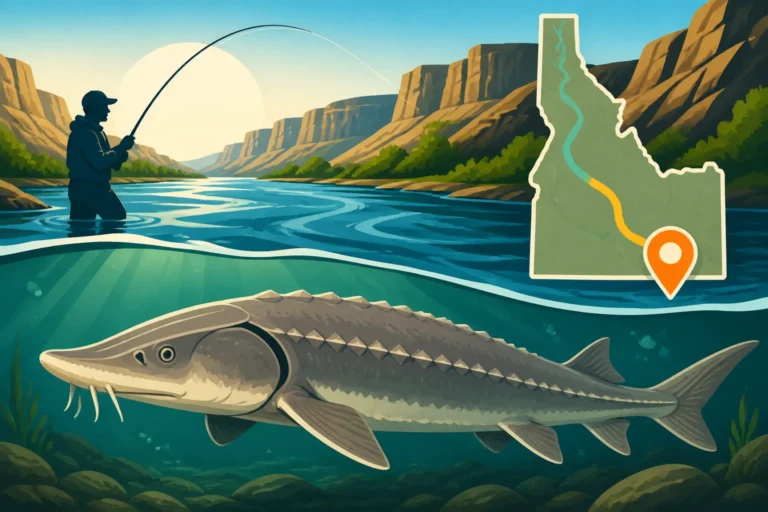
What truly sets the Snake River apart is its incredible diversity of fish. Imagine battling a prehistoric White Sturgeon, a true living fossil that can grow to over ten feet long and weigh hundreds of pounds, requiring heavy tackle and immense patience. These gentle giants, primarily caught and released to ensure their conservation, offer an unparalleled fight. Then, in the warmer lower sections, you'll find thriving populations of hard-fighting Smallmouth Bass and Largemouth Bass, offering fast-paced action, especially with topwater lures in the summer. Further upstream, particularly in the cooler, higher elevation reaches, the Snake transforms into a renowned trout fishery, holding Rainbow Trout, Brown Trout, and Cutthroat Trout. It’s truly amazing to think that one river system can host such a wide array of species, each providing a unique angling challenge. This diversity makes the Snake River a destination where you can literally fish for something different every day of the week. For those specifically chasing the big ones, Idaho Sturgeon Fishing Guide, is a must-read.
Different Sections, Different Experiences
The Snake River isn't just one river; it's a collection of distinct ecosystems, each with its own character and fishing appeal.
- Hells Canyon: This deep, rugged canyon stretch forms part of the border with Oregon and offers incredible fishing for Smallmouth Bass, Channel Catfish, and, of course, the massive White Sturgeon. Access here is often by jet boat, making it a true wilderness experience. The power of the river in this section is immense, and the fishing reflects that raw energy.
- Middle and Lower Snake (Southern Idaho): From the Twin Falls area down to the Owyhee River confluence, this section is famous for its warm-water species. It’s prime territory for Smallmouth Bass, especially around rocky structures, and Channel Catfish. This stretch is often more accessible, with numerous boat ramps and shore fishing opportunities, making it popular for recreational anglers.
- Upper Snake (Eastern Idaho): As you move upstream towards Wyoming and Yellowstone National Park, the Snake River becomes a classic cold-water trout fishery. Here, you'll find beautiful stretches for fly fishing, targeting native Cutthroat Trout and robust Rainbow Trout in picturesque settings. This region, especially near Idaho Falls and Rexburg, offers a completely different vibe, with calmer flows and breathtaking mountain backdrops. Knowing which section you're interested in is key to planning your trip and understanding what species you'll likely encounter. If your focus is on the bass and sturgeon, then Fishing the Snake River for Smallmouth Bass and Sturgeon, offers an in-depth look.
Unique Challenges and Rewards
Fishing the Snake River comes with its own set of challenges, but the rewards are immense. For Sturgeon fishing, the challenge lies in finding these elusive giants, rigging up heavy tackle, and then enduring a potentially long, grueling fight. For bass, it's about covering water and enticing aggressive strikes. In the trout sections, the challenge can be presentation and reading the subtle currents. Safety is always a consideration on a river of this magnitude, particularly in the deeper, faster sections of Hells Canyon, where powerful currents and unpredictable conditions demand respect and experience. Whether you're hiring a specialized sturgeon guide for an unforgettable battle, or casting from the bank for bass on a warm summer evening, the Snake River delivers a diverse and often thrilling fishing experience. The sheer size of the river means there’s always a new bend to explore, a new species to target, and a new adventure waiting, making it one of the most dynamic fishing destinations in Idaho.
| River Section | Primary Target Species | Best Fishing Seasons | Typical Fishing Style | Key Features |
|---|---|---|---|---|
| Lower Salmon | Steelhead, Chinook Salmon | Fall, Winter, Summer | Drift, Jet Boat, Fly Swing | Wild, remote canyon fishing for anadromous fish |
| Clearwater | Steelhead | Fall, Winter | Drift, Jet Boat, Fly Swing | World-class Steelhead fishery, often ice-free |
| Snake (Hells Canyon) | Sturgeon, Smallmouth Bass | Spring, Summer, Fall | Heavy Tackle, Lure, Bait | Deep canyon, huge sturgeon, strong bass population |
| Snake (Upper) | Cutthroat, Rainbow Trout | Spring, Summer, Fall | Fly Fishing, Spin Fishing | Classic Western trout river, scenic floats |
| Henry's Fork | Rainbow, Brown Trout | Spring, Summer, Fall | Technical Dry Fly, Nymphing | Legendary dry fly fishery, selective trout |
| South Fork Snake | Cutthroat Trout | Spring, Summer, Fall | Float Fishing, Fly Fishing | High numbers of native cutthroat, scenic floats |
| Boise River | Rainbow Trout, Whitefish | Year-round (urban sections) | Spin, Fly Fishing | Accessible urban fishing, stocked trout |
| St. Joe River | Westslope Cutthroat Trout | Summer, Early Fall | Fly Fishing (walk-wade) | Pristine wilderness, native cutthroat |
Henry's Fork of the Snake River: A Fly Fishing Paradise
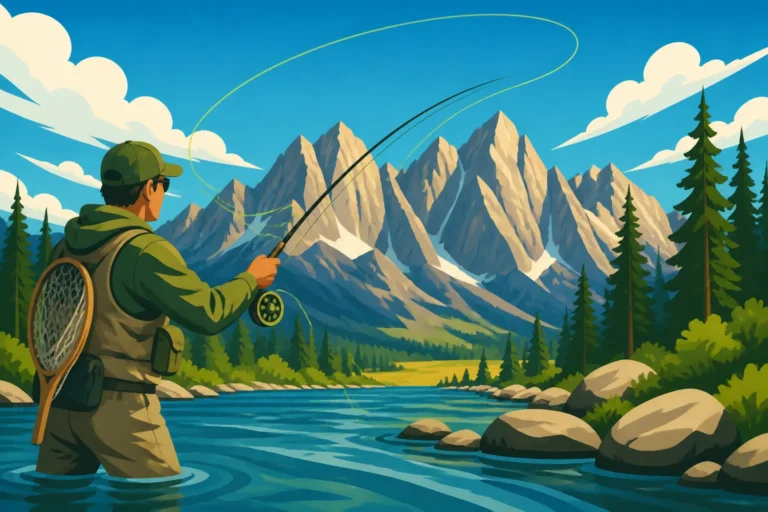
For many fly anglers, the Henry's Fork isn't just a river; it's a pilgrimage. This legendary tributary of the Snake River, located in Eastern Idaho near Island Park, holds a mythical status in the fly-fishing world. Known for its incredibly rich aquatic insect life and highly selective, large trout, it offers some of the most challenging yet rewarding dry fly fishing experiences you'll ever encounter. If you love the technical aspect of fly fishing, studying hatches, and presenting flies with precision, then the Henry's Fork is your ultimate classroom. When discussing Best Rivers for Fishing in Idaho, this one absolutely belongs in the pantheon.
The World-Renowned Dry Fly Fishery
What truly sets the Henry's Fork apart is its reputation as a world-renowned dry fly fishery. From the famous "Ranch" section below Harriman State Park to the Box Canyon and beyond, the river is teeming with aquatic insects like Green Drakes, Brown Drakes, Salmonflies, Caddis, and mayflies of various species. These abundant hatches provide consistent opportunities for trout to feed on the surface, creating those magical moments where large, wild Rainbow Trout rise deliberately to a well-presented dry fly. This isn't your average "chuck and chance it" fishing; it demands patience, keen observation, and meticulous fly selection and presentation. The reward, however, of fooling a notoriously picky Henry's Fork trout with a tiny dry fly is a feeling that stays with you long after your line is reeled in. It's a place where fly fishing truly becomes an art. If you're going to try your hand at this, understanding How to Fly Fish in Idaho, is a great starting point.
Technical Water and Selective Trout
The flip side of the Henry's Fork's incredible dry fly opportunities is its technical nature. The trout here are famously "educated" and incredibly selective. They see countless flies float over their heads daily, making them wary and discerning. This means that drag-free drifts, perfect presentations, and exact imitations of the natural insects are absolutely critical. Anglers often spend hours observing the water, identifying the specific insects hatching, and then meticulously choosing the right fly size, pattern, and tippet. The water itself often flows slowly and clearly, giving the trout ample time to inspect your offering. This can be frustrating for beginners, but for seasoned fly fishers, it's the ultimate test of skill and knowledge. Mastering the Henry's Fork is a badge of honor in the fly-fishing community, and it forces you to become a better angler, honing your skills in ways few other rivers can. To learn more about navigating this specific water, check out Fishing Henry's Fork for Fly Anglers.
Seasons and Essential Gear
The Henry's Fork fishes well throughout the warmer months, with specific hatches dictating the prime times for dry fly action.
- Spring (April-May): Look for early caddis and some mayfly hatches. Water levels can be high from runoff, making nymphing more productive in some sections.
- Summer (June-August): This is prime time for the famous Green Drake, Brown Drake, and Salmonfly hatches. The Ranch section is particularly famous during these months, though it requires specific regulations and advanced bookings at certain times.
- Fall (September-October): Mahoganies, October Caddis, and BWO (Blue Winged Olive) hatches provide excellent dry fly opportunities, often with fewer crowds.
Essential gear includes a sensitive 4-6 weight fly rod, a good selection of leaders and fine tippet (5x-7x is common), and a wide array of specific fly patterns to match the prevalent hatches. Polarized sunglasses are non-negotiable for spotting fish and reading the water. Due to the highly technical nature, many anglers opt to hire a local guide, who can provide up-to-the-minute hatch information, boat access, and expert instruction. Services like FishingBooker list reputable guides for the Henry's Fork, which can be an invaluable resource for a successful trip, especially for those new to this challenging river. Be prepared for delicate presentations and stealthy approaches, as the trout here are easily spooked.
South Fork of the Snake River: Abundant Cutthroat and Scenic Floats
Moving east from the main Stem of the Snake, the South Fork of the Snake River presents a stark yet beautiful contrast to the Henry's Fork. While it also offers incredible trout fishing, the South Fork is renowned for its prolific populations of native Yellowstone Cutthroat Trout and its stunning, float-friendly stretches, making it a favorite among both fly and spin anglers seeking a classic Western river experience.
Prolific Cutthroat Trout Fishery
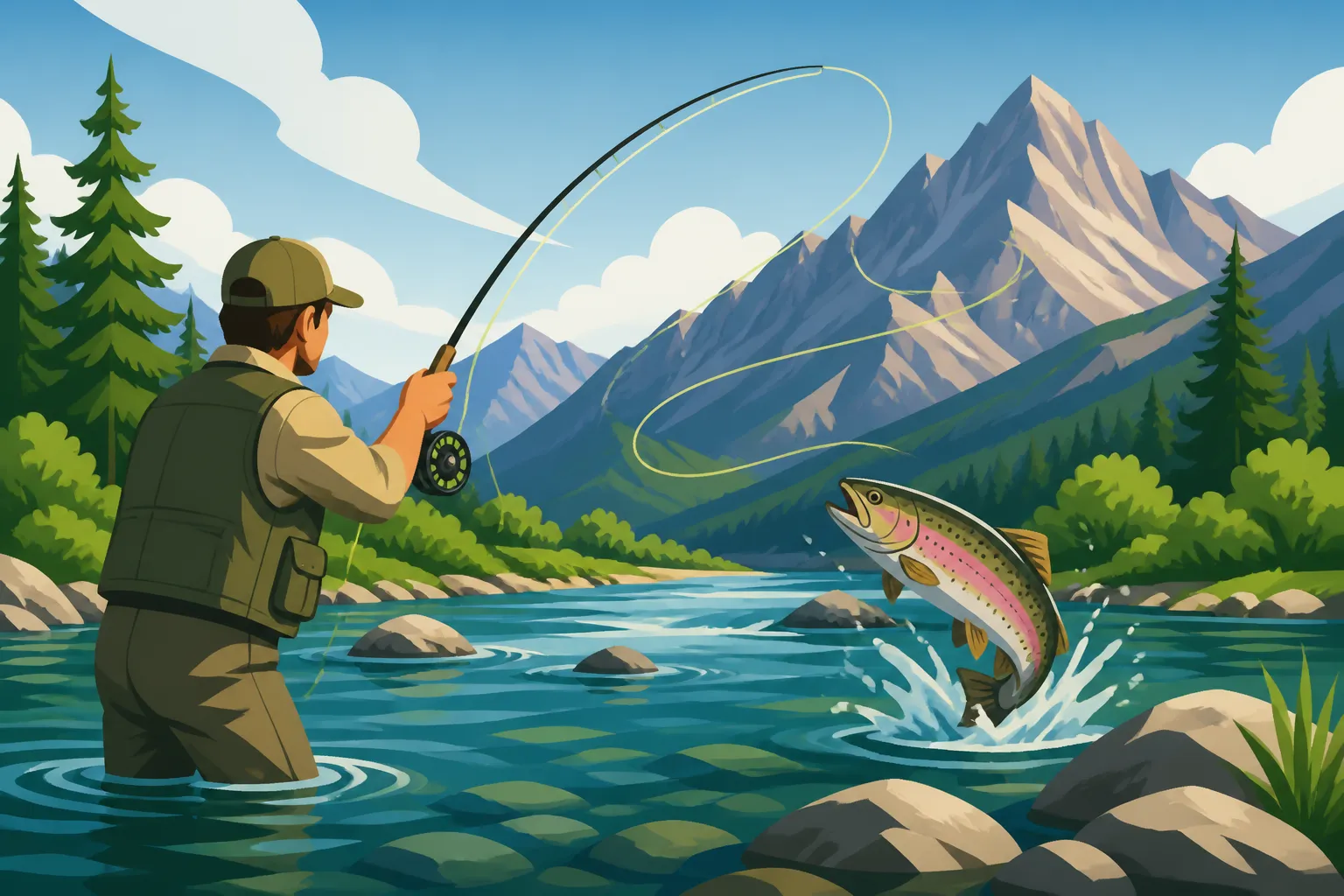
The South Fork of the Snake River is truly a gem for Cutthroat Trout. The river boasts an incredibly healthy population, with fish often exceeding 16-18 inches, and some reaching trophy size. While Rainbow and Brown Trout are also present, the Cutthroat are the stars of the show here. They are generally less selective than their Henry's Fork cousins, making them more forgiving for anglers, especially those just getting into fly fishing or who prefer spin fishing with lures. The abundance of these beautiful, native trout means that consistent action is often the norm, and it's not uncommon to have high-count days. Catching and releasing these fish, with their distinctive red "cut" marks under their jaw, is a deeply satisfying experience, connecting you to the wild heritage of Idaho's fisheries. The focus here is often on conservation, ensuring these native populations continue to thrive for future generations.
Floating and Wade Fishing Opportunities
One of the defining characteristics of the South Fork is its suitability for float fishing. The river's moderate current and numerous access points make it ideal for drift boats and rafts, allowing anglers to cover miles of pristine water, targeting fish holding in various seams, riffles, and pools. This also offers incredible scenery, as the river winds through canyons and wide-open valleys, surrounded by forested hills and dramatic vistas. There are ample opportunities for both wade fishing from gravel bars accessed during floats, or dedicated walk-wade trips in certain sections. While much of the river is best accessed by boat, there are some public access points for wade fishing, particularly in the upper reaches near Palisades Reservoir and below some of the popular put-ins and take-outs. Whether you're casting from a drift boat or carefully wading a productive riffle, the South Fork offers a classic Western fishing adventure. For those interested in extended trips, there are many guide services that offer multi-day float trips, providing an immersive experience on this beautiful waterway.
Planning Your South Fork Adventure
Planning a trip to the South Fork involves considering both the fishing and the logistical aspects of a float trip.
- Seasons: Fishing is excellent from spring through fall. Spring (April-May) can offer good nymphing as fish become active after winter. Summer (June-August) is prime for dry fly action, especially during prolific Salmonfly and Golden Stonefly hatches. Fall (September-October) provides excellent streamer fishing and BWO hatches, with fewer crowds.
- Access: Key put-in and take-out points include Palisades Dam, Spring Creek, Conant, Lorenzo, and Byington. Self-shuttling a vehicle is possible, but many float trips are arranged with guide services or shuttle companies.
- Gear: A 5 or 6-weight fly rod is versatile for the South Fork, suitable for both nymphing and dry fly presentations. Spin anglers will do well with light to medium action rods and a variety of spinners (Mepps, Panther Martin) or small soft plastics.
- Regulations: As always, ensure you have your Idaho Fishing License Guide, and check the specific regulations for the South Fork of the Snake River, as special rules regarding catch limits, gear, and fly restrictions can apply in certain sections to protect the native Cutthroat Trout.
The South Fork offers a less technical, more classic, high-volume trout fishing experience compared to the Henry's Fork, making it a fantastic choice for anglers of all skill levels who want to enjoy abundant fish and breathtaking scenery.
Boise River: Urban Angling Gem
When you think of exceptional fishing rivers, an urban waterway flowing right through the heart of a capital city might not be the first thing that comes to mind. But the Boise River defies expectations. This remarkable river, winding through Boise, Idaho, offers surprisingly good trout fishing and an incredibly convenient escape for city dwellers and visitors alike. It’s a testament to urban conservation efforts and proves that you don't always need to venture deep into the wilderness for a quality fishing experience.
Trout Fishing Within City Limits
Yes, you read that right – legitimate trout fishing just steps from downtown Boise! The Boise River is regularly stocked by the Idaho Department of Fish and Game with thousands of catchable-sized Rainbow Trout, particularly in the spring and fall. This consistent stocking, combined with a healthy population of wild Rainbow Trout, Brown Trout, and Mountain Whitefish, means there's almost always something biting. Imagine finishing work, grabbing your rod, and being on the water within minutes, casting to rising trout with the city skyline in the background. It's a unique blend of urban convenience and natural beauty. The river offers a diverse range of water types, from slow, deep pools to faster riffles and runs, providing varied holding lies for fish and different angling challenges. This accessibility makes it an absolute blessing for anglers living in or visiting the Treasure Valley.
Accessibility and Family-Friendly Spots
One of the biggest advantages of the Boise River is its unparalleled accessibility. The Boise Greenbelt, a paved pathway system, runs alongside much of the river through the city, offering countless entry points for wade fishing, bank fishing, or simply enjoying the scenery. This makes it incredibly family-friendly; you can bring a picnic, let the kids ride bikes, and still have easy access to fishing spots. There are numerous parks and designated fishing areas along its banks, such as those at Ann Morrison Park or Barber Park, which provide amenities like restrooms and picnic tables. For those with limited mobility, many sections of the Greenbelt offer flat, easy access to the water's edge. This ease of access and the likelihood of catching fish make the Boise River a fantastic place to introduce new anglers, especially kids, to the joys of fishing without the need for a long drive or specialized equipment. It's a place where lifelong fishing memories are made, often without leaving city limits. Idaho Fishing Rules for Kids and Families, provides further information about bringing the whole family.
Seasonal Considerations
The Boise River offers year-round fishing, though the best times depend on water conditions and stocking schedules.
- Spring (March-May): This is often a prime time, especially after the river is stocked. Water levels can rise with snowmelt (runoff), so paying attention to flow rates is important.
- Summer (June-August): Fishing can be good in the early mornings and evenings. The river is popular for floating and swimming during the day, which can impact fishing success. Look for deeper, cooler holes where trout might seek refuge from the heat and crowds.
- Fall (September-November): Another excellent period, with cooler temperatures, reduced recreational traffic, and often a boost from fall stocking efforts. Wild brown trout can become more active during this time as well.
- Winter (December-February): While slower, winter fishing can still yield results, especially on milder days. Nymphing in deeper pools is often productive.
It’s always a good idea to check the Idaho Fish and Game stocking schedule and the current river flows before heading out. A standard Idaho Fishing License Cost Guide, will cover your basic licensing needs here. The Boise River is an urban angling marvel, proving that great fishing isn't always miles away; sometimes, it's right in your backyard.
St. Joe River: Pristine Wilderness for Westslope Cutthroat
For those who crave solitude, stunning scenery, and the pursuit of native trout in a truly wild setting, the St. Joe River in Idaho's Panhandle is an absolute dream. Originating high in the Bitterroot Mountains, this incredible waterway flows through dense forests and vast wilderness areas before eventually emptying into Lake Coeur d'Alene. It's a river where the journey is as rewarding as the catch, offering a pristine fly-fishing experience for the beautiful Westslope Cutthroat Trout.
Native Cutthroat in a Wild Setting
The St. Joe River is most famous for its thriving population of native Westslope Cutthroat Trout. These vibrant, speckled fish are a testament to the river's ecological health and its protected status. Unlike many stocked fisheries, the St. Joe offers the pure joy of catching wild, stream-bred trout that are exquisitely adapted to their pristine environment. They're not typically huge fish, often ranging from 10 to 16 inches, but what they lack in size, they more than make up for in beauty, feistiness, and the sheer satisfaction of catching a true native. The St. Joe provides a crucial stronghold for this iconic Western species, and anglers here practice catch-and-release almost universally, ensuring these populations continue to flourish. The sense of being in a genuinely wild place, surrounded by towering pines and the sounds of nature, adds an unparalleled dimension to the angling experience.
Fly Fishing in Solitude
While some areas are accessible by vehicle, the true magic of the St. Joe often lies in its more remote stretches, accessed by hiking or floating. This rugged access naturally filters out some of the crowds, leading to an experience characterized by solitude and immersion in nature. The river is primarily a fly-fishing destination, with dry flies being particularly effective during the summer and early fall. Terrestrial patterns like hoppers, ants, and beetles, along with classic attractor patterns and mayfly imitations, can all entice strikes from hungry Cutthroat. The clear, cold water demands a stealthy approach and accurate casting, but the Cutthroat are generally eager to rise to a well-presented fly, making for exciting visual takes. Wade fishing is the predominant method here, allowing anglers to explore countless pockets, riffles, and runs at their own pace. Imagine spending a full day on the river, seeing more wildlife than people, and catching beautifully marked native trout—that's the St. Joe experience.
Access and Wilderness Etiquette
Accessing the St. Joe can range from relatively easy to quite challenging. The lower reaches of the river are more accessible via roads, particularly south of St. Maries. As you head further upstream, the road narrows and eventually becomes more primitive, leading into designated wilderness areas where motorized access is limited. Numerous campgrounds and forest service roads offer entry points for walk-wade fishing. For the most remote and pristine sections, backpacking or multi-day float trips are often the best options. When fishing the St. Joe, practicing strict wilderness etiquette is crucial: "Leave No Trace" principles are paramount. Pack out everything you pack in, minimize your impact on the delicate riparian zones, and always respect wildlife. Check current forest service regulations for any fire restrictions or special rules for wilderness travel. A valid Idaho Fishing License Guide, is always required. The St. Joe offers an authentic wild Idaho fishing experience, a place where you can truly disconnect from the modern world and connect with nature and its pristine native fish.
Disclaimer
Fishing regulations and conditions in Idaho can change frequently. While we strive to provide the most current and accurate information, it is your responsibility to consult the official Idaho Department of Fish and Game regulations and local advisories before planning any fishing trip. Always prioritize safety, respect private property, and practice ethical angling to preserve these precious resources for future generations.