What Idaho’s Sockeye Salmon Run Looks Like at Redfish Lake
It’s a uniquely Idahoan frustration: you hear whispers, see stunning photos of bright red fish, and everyone talks about the sockeye salmon run at Redfish Lake. But when exactly does this breathtaking natural phenomenon happen? How do you even know when to go, and what does it really look like? Many folks arrive hoping for a spectacle only to find quiet waters, feeling like they missed the memo. This guide aims to pull back the curtain, giving you a clear picture of Idaho's remarkable sockeye salmon run at Redfish Lake, from their epic journey to the best times and ways to witness it.
The Journey of Idaho's Sockeye Salmon: A True Epic
Imagine swimming thousands of miles, battling currents, climbing fish ladders, and navigating dams, all to return to the exact same mountain lake where you were born. That's the extraordinary life cycle of the sockeye salmon that grace Idaho's waters, particularly the famous Redfish Lake. It's a journey filled with peril and incredible instinct, truly an epic tale of survival.
From Ocean to High Mountain Lake: An Incredible Migration
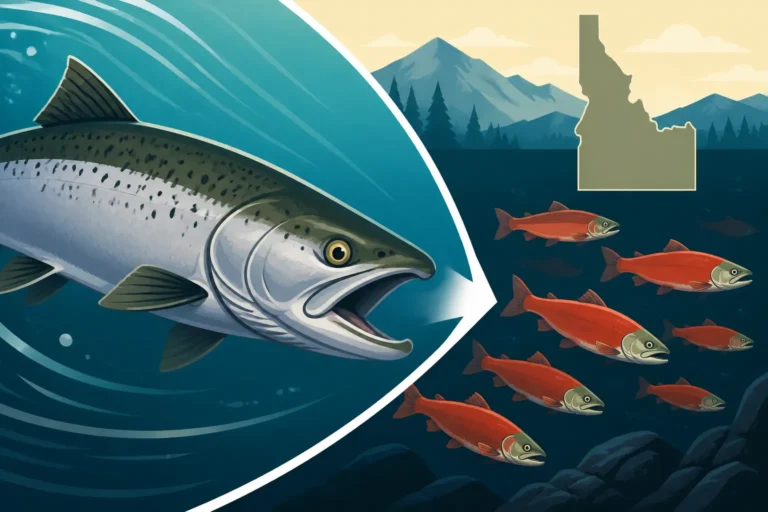
The sockeye salmon that return to Idaho are anadromous fish, meaning they hatch in freshwater, migrate to the ocean to grow, and then return to freshwater to spawn. For these particular sockeye, that "freshwater" is deep within Idaho's remote wilderness, specifically Redfish Lake in the Sawtooth Mountains. Their migration route is one of the longest and most challenging of any anadromous fish in the world. Starting in the Pacific Ocean, they swim up the Columbia River, then the Snake River, and finally the Salmon River, traveling over 900 miles and climbing more than 6,500 feet in elevation. It's an arduous journey, fraught with predators, changing water conditions, and the significant hurdles of multiple dams that require them to navigate fish ladders. It's no wonder that by the time they reach their destination, these fish are truly exhausted, but their primal drive to reproduce pushes them onward.
Why Redfish Lake? The Historical Spawning Grounds
Redfish Lake isn't just any lake; it's the ancestral spawning ground for a genetically unique population of sockeye salmon. The lake, nestled in the heart of the Sawtooth National Recreation Area, earned its name from the brilliant red color of the sockeye that historically returned there in massive numbers. For thousands of years, this pristine, high-elevation lake with its cold, clear waters and gravelly shores has provided the ideal environment for sockeye to complete their life cycle. The name "sockeye" itself comes from "sukk-egh," a Coast Salish term meaning "red fish." While their numbers have dwindled drastically over the last century due to human impacts, the lake remains an irreplaceable beacon for their survival. You can learn more about this connection in Why Redfish Lake Is Named for Sockeye Salmon.
Timing the Spectacle: When to Witness the Redfish Run
The idea of a "run" can conjure images of a single, defined event, but with sockeye salmon, it's more like a season. Knowing when to look is key to experiencing this natural wonder.
The Peak Season: Understanding the Sockeye's Schedule
While sockeye begin their journey much earlier in the year, the most visible part of their return to Redfish Lake typically occurs in the late summer and early fall. Usually, you'll start to see a significant number of fish in the lake and its tributaries from mid-August through September. The precise peak can vary year to year, influenced by factors like water temperatures in the rivers they travel and the specific timing of their maturity. Warmer river temperatures during migration can stress the fish and sometimes affect their numbers or arrival times. Conversely, a cooler, wetter summer might mean slightly earlier or more sustained activity. It's not a guaranteed "show" every single day, so flexibility and a bit of luck are always involved. The best advice is to plan for a window rather than a single date. For broader context on fishing seasons, check out Idaho Fishing Season Dates and Limits.
How to Track the Run: Resources for Anglers and Spectators
Since the timing can fluctuate, reliable, up-to-date information is your best friend. The Idaho Department of Fish and Game (IDFG) is the primary resource for tracking the sockeye run. They often provide updates on fish counts at various points along the migration route, including the number of sockeye that have successfully returned to Redfish Lake. Their website or local offices are excellent places to start. You might even find local businesses in areas like Stanley or Salmon, Idaho, who are keen observers and can offer real-time insights into what they're seeing on the water. While general news reports might cover the run once it's in full swing, for serious planning, direct biological updates are invaluable.
What You'll See: The Visuals of the Sockeye Salmon Run
The sockeye salmon run isn't just about fish in the water; it's a dramatic visual transformation and a testament to the powerful cycle of life and death. If you time it right, you'll witness a spectacle unlike any other.
The Iconic Red Color: Why Sockeye Turn Crimson
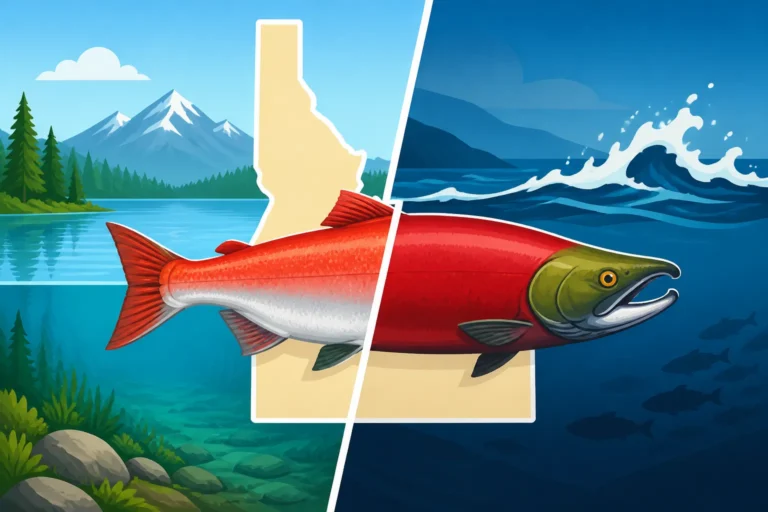
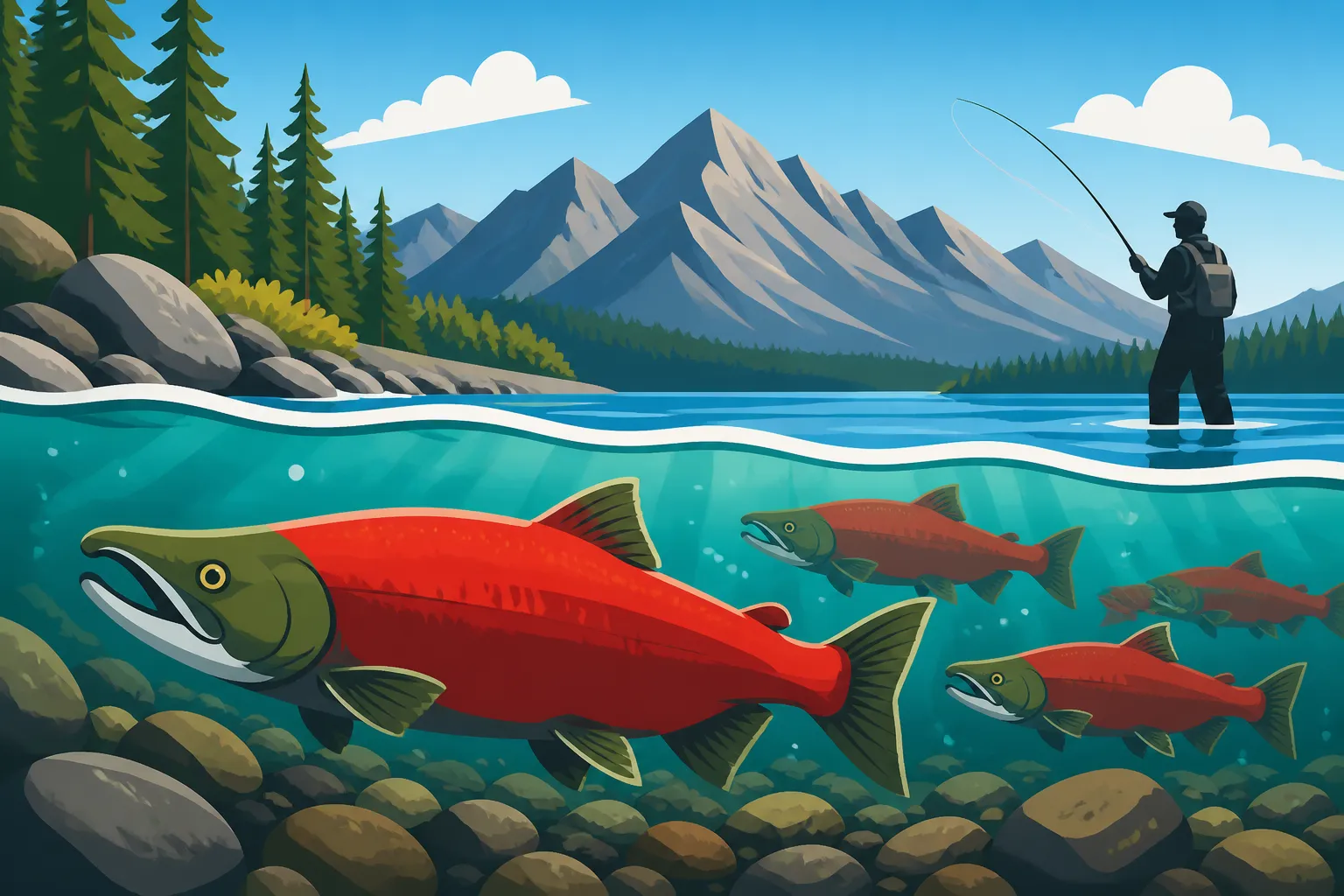
One of the most striking aspects of the sockeye run is their incredible color change. When sockeye are in the ocean, they have a silvery-blue back and white belly, a classic fish camouflage. However, as they transition from saltwater to freshwater and prepare to spawn, their bodies undergo a remarkable metamorphosis. They develop a brilliant, fiery red body and a green head. The males often develop a pronounced hump on their back and an elongated, hooked jaw (kype). This stunning coloration is a visual cue for mating, a vibrant signal to potential partners that they are ready to spawn. It's a short-lived but intense display, making them easily identifiable in the clear waters of Redfish Lake. This transformation is why they are so famously called "redfish."
Spawning Behavior and Nest Building: Witnessing Nature's Cycle
Once in the spawning areas—typically shallow, gravelly sections of the lake or its tributary streams—you'll observe fascinating behaviors. The female sockeye, often accompanied by one or more males, will begin to select a site for her nest, called a "redd." She uses her tail to fan and clear away silt and debris, creating a depression in the gravel. This is hard work, and you can sometimes see the physical toll it takes on their tails. After laying her eggs in the redd, the male will fertilize them, and she will then cover them with gravel. This process is repeated several times over a few days, with each female creating multiple redds. It's a vital, energy-intensive process, and you'll see pairs actively defending their redds from other fish. Witnessing this ancient ritual firsthand is a powerful reminder of nature's resilience. Understanding more about sockeye can be found in Idaho Sockeye Salmon and the Redfish Lake Run.
The Role of the Hatchery Program: A Helping Hand for Survival
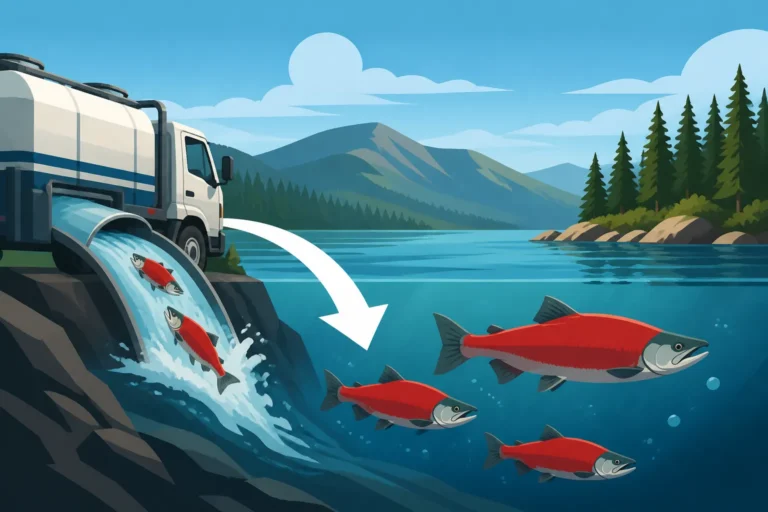
Given the drastically reduced numbers of wild sockeye returning to Redfish Lake, a crucial conservation effort is in place: the sockeye salmon hatchery program. This program is a lifeline for the species, working to recover and restore wild sockeye populations. Some adult sockeye returning to the lake are collected and taken to a hatchery. Here, their eggs and milt are carefully extracted and fertilized, and the resulting young salmon are raised in a controlled environment, protecting them from many of the early life threats they would face in the wild. Once they are smolts (young fish ready to migrate), they are released into the lake and its outflowing rivers, beginning their long journey to the ocean. Without these dedicated efforts, it's possible Idaho's sockeye might not exist today. This program allows future generations to witness this incredible run and learn about Are Idaho's Sockeye Salmon Endangered?.
Experiencing the Run: Best Viewing Spots and Etiquette
While spotting sockeye can be exciting, it’s important to do so responsibly to protect these fragile populations and preserve their habitat.
Prime Locations Around Redfish Lake
Redfish Lake offers several excellent vantage points for observing the sockeye salmon run. The most accessible areas are typically near the Redfish Lake Visitor Center and the various day-use areas along the lake's shores. Often, small tributary streams that feed into the lake are where you’ll see the most concentrated spawning activity, as these fish prefer the shallower, flowing water for redd building.
One of the best ways to observe without disturbing is to walk along the established trails near the shoreline, particularly those on the north and east sides of the lake, which often parallel smaller inlets. Keep an eye out for designated viewing platforms or interpretive signs, which are designed to provide good views while minimizing impact. Sometimes, local groups or the Forest Service will even have volunteers on hand during peak season to point out fish and answer questions. Remember, the fish will often be near the bottom, so clear, calm water and polarized sunglasses can greatly enhance your viewing experience. You might consider a small pair of binoculars from Amazon to get a closer look from a respectful distance. For general fishing information in the area, check out Fishing Redfish Lake in the Sawtooths.
Responsible Viewing: Respecting the Fish and Their Habitat
When you're out to witness the sockeye, it's paramount to remember that these fish are at a critical stage of their lives. They've endured an epic journey, and their last act is to reproduce. Any disturbance can impact their success.
Here are some key etiquette guidelines:
- Stay on Trails and Designated Paths: This protects the delicate shoreline and vegetation, preventing erosion that can harm spawning areas.
- Maintain a Respectful Distance: Never approach the fish directly or wade into spawning areas. Their energy is entirely focused on spawning, and any stress can be detrimental.
- No Touching or Harassing: This might seem obvious, but some people get overly excited. Do not try to touch, block, or interfere with the fish in any way. It's illegal and harmful.
- Keep Noise Levels Down: Loud noises can startle wildlife. Enjoy the quiet beauty of the Sawtooths.
- Leave No Trace: Pack out everything you pack in. Dispose of all trash properly.
- Leash Your Pets: Dogs, even well-behaved ones, can unintentionally harass wildlife or disturb spawning grounds. Keep them leashed and under control.
- Know the Regulations: While the sockeye are generally protected and catch-and-release only, it's always wise to be aware of Idaho Fishing Regulations Explained for the area you're visiting.
By following these simple rules, you contribute to the conservation of this incredible species and ensure that others can enjoy the spectacle for years to come. Remember, you're a guest in their natural habitat. To learn more about the unique fish species in the region, refer to Idaho Fish Species Guide.
| Aspect | Description |
|---|---|
| Peak Viewing Season | Mid-August through September, with specific timing varying annually based on water conditions and fish migration patterns. |
| Visual Transformation | Sockeye turn brilliant crimson red with green heads; males develop humped backs and hooked jaws (kypes) for mating displays. |
| Key Behaviors to Observe | Females creating "redds" (nests) in gravelly lake shores or tributary streams, males guarding redds, active spawning, and fish navigating shallow waters. |
| Best Viewing Locations | Near Redfish Lake Visitor Center, established shoreline trails, and smaller tributary inlets. Look for interpretive signs and viewing platforms. |
| Responsible Viewing | Stay on designated trails, maintain respectful distance, do not touch or harass fish, keep noise down, leave no trace, and leash pets. |
| Conservation Efforts | Redfish Lake sockeye are part of an intensive hatchery program to aid recovery; these efforts are crucial to the run's continued existence. |
Disclaimer
This article is for general informational purposes only and does not constitute professional advice. Laws, prices and regulations vary by location and change over time. Consult a qualified professional for guidance on your specific situation.