Where to Catch Walleye in Idaho
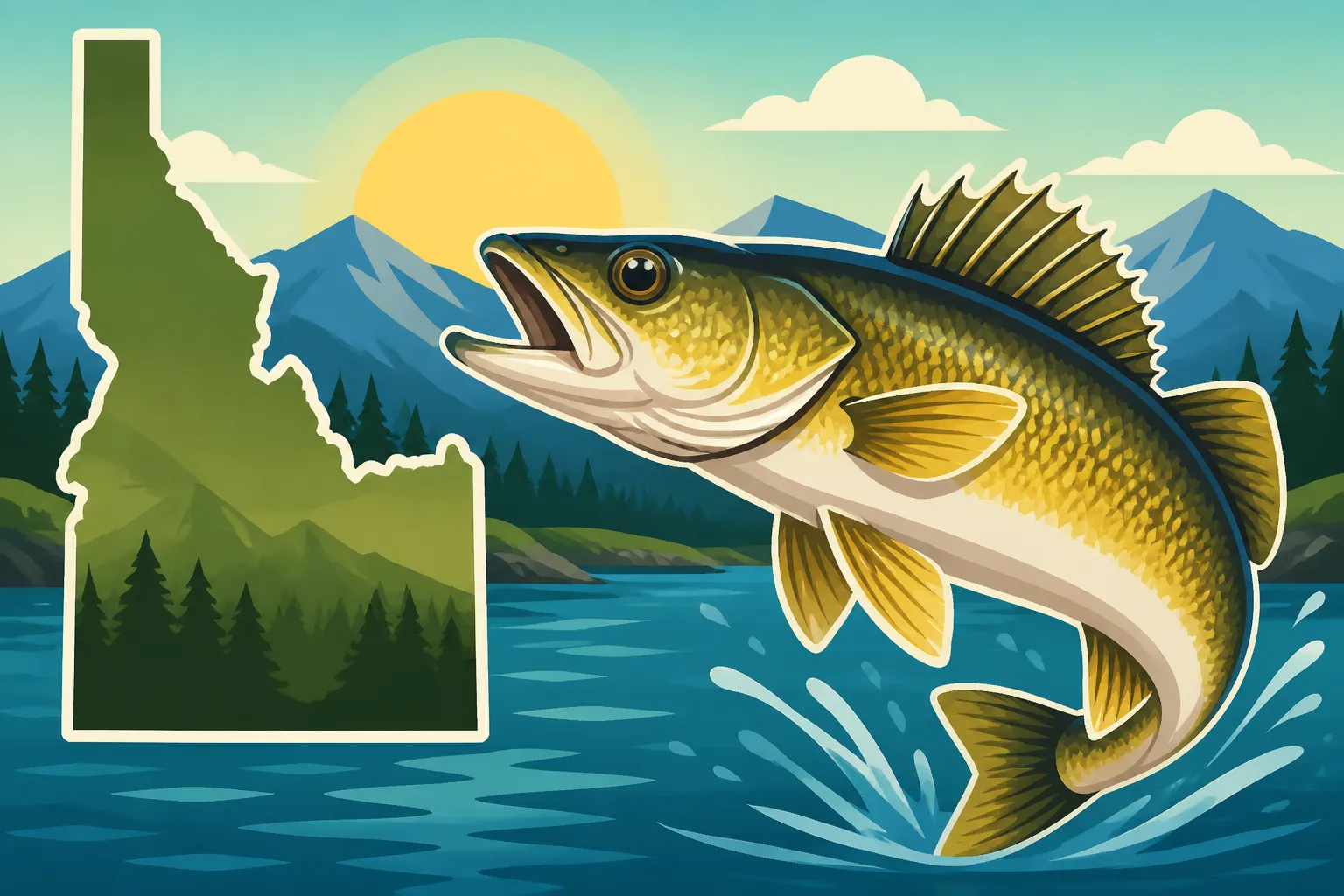
Trying to pin down exactly where to catch walleye in Idaho can feel a bit like searching for a needle in a haystack, especially if you're used to states where these toothy critters are practically swimming up to your boat. Many anglers get frustrated because walleye aren't as prevalent across the Gem State as other species, making it a real challenge to know where to even start. This comprehensive guide is here to cut through the confusion, revealing the prime locations where you can actually find walleye in Idaho and arming you with the knowledge you need for a successful trip.
The Quest for Walleye in Idaho: Why They're a Prize Catch
Walleye are one of those fish that anglers just love to target. They're notoriously challenging, put up a fantastic fight, and let's be honest, they're absolutely delicious on the dinner plate. But for those of us living or visiting Idaho, the quest for walleye can be particularly intriguing, precisely because they aren't found in every single lake or river. This scarcity makes catching one an even more rewarding experience.
Understanding Walleye Appeal and Their Elusive Nature
What is it about the walleye that makes us so eager to chase them? For starters, their eyes are specially adapted to low light conditions, giving them a distinct advantage at dawn, dusk, and even after dark. This means you often have to adjust your fishing schedule and techniques, which adds an exciting layer of strategy to the pursuit. They're also schooling fish, so when you find one, there's a good chance more are nearby. Their preference for deeper, cooler water, often near structure or drop-offs, means you're frequently engaging in more advanced tactics than simply casting from the bank. It's a true angler's fish, demanding skill, patience, and a bit of detective work.
Their elusive nature in Idaho, specifically, only heightens their appeal. In many Midwestern states, walleye are abundant, and anglers might take them for granted. Here in Idaho, however, each walleye caught is a testament to perseverance and understanding of local waters. It’s not just about the catch; it’s about the journey and the effort it takes to connect with these fascinating fish in a state known more for its trout and salmon.
Why Walleye Aren't as Widespread in Idaho
Unlike rainbow trout or cutthroat trout, which are native to many Idaho waters and extensively stocked, walleye are not native to Idaho. They were introduced to certain waters, primarily as a sport fish and to help manage other fish populations, particularly abundant perch in some reservoirs. However, their spread has been carefully managed, or in some cases, naturally limited.
Idaho Fish and Game (IDFG) has a pretty clear stance on non-native species, often preferring to protect and promote native fish where possible. While walleye provide a fantastic fishery in specific locations, their presence is not universally desired across all waterways due to potential impacts on native species or existing sport fisheries. This means you won't find them in every major reservoir or river system. Instead, their populations are concentrated in a few key areas where they have established themselves and are managed for sport fishing. Understanding this background helps explain why the "where" is so crucial for Idaho walleye anglers. It's not a matter of simply dropping a line anywhere; it's about knowing the specific waters where IDFG has either allowed or promoted their existence.
What Makes a Water Body Prime Walleye Habitat
So, if they're not everywhere, what kind of places do Idaho walleye call home? Walleye thrive in large, turbid, and relatively shallow lakes or reservoirs with plenty of structure. Think rocky points, submerged humps, weed beds, and gradual slopes leading to deeper water. These features provide ambush points for their prey, like small baitfish and perch, and offer protection from bright sunlight, which their sensitive eyes dislike.
They also prefer a specific temperature range, generally from 65-75 degrees Fahrenheit. In Idaho, this often means they're found in larger, nutrient-rich reservoirs that can support a healthy population of baitfish. Rivers with slow-moving sections, deep pools, and rock structure can also hold good numbers of walleye. Oxygen levels are also critical; they need well-oxygenated water, which is usually abundant in the areas they inhabit. When you're scouting for potential walleye spots, look for these characteristics: ample cover, good forage base, and water that offers both depth and turbidity. These are the ingredients for a thriving walleye community, and they're what you'll find in Idaho's best walleye fisheries.
Prime Walleye Hotspots in Idaho: Your Best Bets
Alright, let's get down to brass tacks. You want to catch walleye in Idaho, and you need to know where to go. While they aren't ubiquitous, there are definite strongholds where dedicated walleye anglers can find success. These are the spots where the walleye populations are established and managed, offering the most consistent opportunities.
Lake Walcott: The Unofficial Walleye Capital
If there's one place in Idaho that truly earns the title of "Walleye Capital," it's Lake Walcott. Located in southeastern Idaho, this reservoir on the Snake River is hands-down the most consistent and productive walleye fishery in the state. Anglers here regularly pull in good numbers of walleye, and it's where you'll find many local experts honing their skills.
Lake Walcott offers everything a walleye needs: vast expanses of water, significant structure from submerged timber and rocky outcroppings, and a rich forage base. The reservoir can be pretty turbid, which is perfect for walleye's light-sensitive eyes. Most anglers target the deeper channels, especially near the dam, or troll along the submerged river bends. It's a spot where you can really put your walleye fishing techniques to the test, from jigging to trolling. The consistent walleye population here makes it a magnet for those specifically chasing this species. You might even find some specialized gear like specific crankbaits or jigs that locals swear by, available at local tackle shops or even on Amazon. This is the destination you plan a trip around if walleye are your primary target.
Snake River Sections: Hidden Gems for Walleye Anglers
Beyond Lake Walcott, certain sections of the Snake River itself can hold surprising numbers of walleye. While not as concentrated as Walcott, these riverine environments offer a different challenge and reward. The Snake River is a vast system, and not all parts will be equally productive for walleye, but knowing which stretches to focus on can lead to fantastic results.
- Below American Falls Dam: The waters immediately downstream from American Falls Dam, which feeds Lake Walcott, can be excellent. Walleye often congregate here, particularly during certain times of the year, drawn by current breaks and available food. This stretch provides a dynamic river fishing experience, often requiring different approaches than reservoir fishing.
- Other Tributaries and Reservoirs: Further downstream, beyond Lake Walcott, segments of the Snake River and some of its smaller reservoirs might also harbor walleye. These spots tend to be less publicized and can offer a more solitary fishing experience. You'll need to do some scouting, perhaps consulting local bait shops or Idaho Fishing Regulation Brochure and Proclamation for specific rules, but the reward of finding an unpressured walleye hole can be immense.
- Idaho Power Company Waters: Idaho Power manages several dams and reservoirs along the Snake River, and some of these waters can develop walleye populations. These areas might not be widely known for walleye, but they are worth exploring. Always check current regulations and access points when planning to fish near any dam or power facility. For example, some anglers report incidental walleye catches in reservoirs further west along the Snake.
Fishing the Snake River for walleye often means adapting your techniques. Current, depth, and structure change more rapidly than in a static reservoir. Understanding how to Read Water on Idaho's Rivers will be key to success in these dynamic environments.
Other Potential (But Less Consistent) Walleye Waters
While Lake Walcott and specific Snake River sections are the main draws, a few other waters in Idaho have had walleye present at various times, though often with less consistent populations. These are more "bonus" waters, where you might encounter a walleye while targeting other species.
| Water Body | Primary Walleye Status | Notes |
|---|---|---|
| Lake Walcott | Primary Walleye Destination | Most consistent fishery, good numbers. |
| Snake River Below AF Dam | Strong Potential | Excellent in certain seasons, current-driven fishing. |
| CJ Strike Reservoir | Incidental/Limited | Walleye present but less common than bass/crappie. Requires specific targeting. |
| Brownlee Reservoir | Incidental/Rare | Occasional reports, but not a primary target species. |
| Blackfoot Reservoir | Incidental/Historical | Some historical reports, current status less clear or very low population. |
C.J. Strike Reservoir: This large reservoir on the Snake River, known for its excellent bass and crappie fishing, also has a small, scattered walleye population. They are not the primary target for most anglers here, but dedicated walleye hunters can sometimes find them, particularly in deeper areas. You'd need to adapt your usual Idaho Bass Fishing Guide techniques slightly to focus on walleye preferences.
Brownlee Reservoir: Another large Snake River reservoir, Brownlee, occasionally yields walleye, though they are considered rare catches compared to the smallmouth bass, crappie, and catfish that dominate this fishery. If you're fishing Brownlee, a walleye would be a pleasant surprise rather than a targeted catch for most.
It's crucial to remember that fish populations, especially non-native ones, can fluctuate. Always consult the most current Idaho Fishing Regulation Brochure and Proclamation from IDFG before heading out, as regulations, stocking efforts, and even species presence can change. These less consistent waters might not promise a full stringer of walleye, but they offer the excitement of a potential unexpected catch.
Gear Up for Walleye: Essential Tackle and Tactics
Chasing walleye, especially in Idaho where they can be a bit more elusive, really benefits from having the right tools for the job. You don't need a boatload of specialized gear, but equipping yourself with the basics designed for these cunning fish will dramatically improve your chances. Forget the generic trout setup; walleye demand something a little more robust and sensitive.
Recommended Rods, Reels, and Line for Walleye
When it comes to walleye, sensitivity is key, but so is the backbone to handle a good fight and heavier lures.
- Rods: A medium-light to medium-power spinning rod, typically 6'6" to 7'6" in length, is ideal. Look for a fast action tip. This combination gives you the sensitivity to detect subtle walleye bites – which can be incredibly light, especially in cold water – while still providing the power to set the hook and fight a decent-sized fish. For trolling, a medium-heavy rod around 7 to 8 feet with a moderate action is better for absorbing shock and keeping crankbaits running true. If you're a fan of Amazon, you'll find a wide array of excellent walleye-specific rods from brands known for their durability and sensitivity.
- Reels: A good quality spinning reel in the 2500-3000 size range will balance well with your medium-light rod. Ensure it has a smooth drag system, as walleye can make powerful runs, especially when hooked in current. For trolling, a baitcasting reel with a line counter can be invaluable for consistently hitting specific depths.
- Line: This is where many anglers get particular.
- Main Line: 8-10 lb test monofilament is a classic choice for its stretch, which can act as a shock absorber. However, many experienced walleye anglers prefer 10-20 lb braided line for its incredible sensitivity and lack of stretch, which helps detect those light bites and achieve solid hook sets.
- Leader: If using braid, always tie on a fluorocarbon leader (6-10 lb test). Fluorocarbon is virtually invisible underwater, abrasion-resistant, and doesn't stretch, giving you the best of both worlds: sensitivity from the braid and stealth from the fluoro. About 3-5 feet of leader is usually sufficient. Using swivels and snaps can help prevent line twist, especially when trolling or jigging.
Top Baits and Lures That Attract Walleye
Walleye are opportunistic feeders, but they do have preferences, and certain presentations are undeniably more effective. Having a diverse tackle box is a smart move.
- Jigs: Jigs are perhaps the most versatile walleye lure. From 1/8 oz to 1/2 oz, depending on depth and current, jigs tipped with live bait (like a shiner minnow or nightcrawler) or soft plastic grub tails are deadly. Colors like chartreuse, white, orange, and black are perennial favorites. Vertical jigging or pitching jigs to structure are classic techniques.
- Crankbaits and Stickbaits: These are trolling and casting staples. Shad-imitating crankbaits that dive to different depths are essential. Brands like Rapala, Berkley, and Bandit offer various models known for their walleye-attracting action. Experiment with colors, but natural baitfish patterns, firetiger, and chartreuse are often reliable. These are often bought in sets on Amazon to ensure a good range of options.
- Bottom Bouncers and Crawler Harnesses: When fishing deeper water or trolling, a bottom bouncer paired with a crawler harness (a spinner rig with beads and hooks, tipped with a nightcrawler) is a tried-and-true walleye getter. The bouncer keeps your bait near the bottom without snagging, and the spinner adds attraction.
- Live Bait: Don't underestimate the power of live bait for walleye.
- Minnows: Shiners, fatheads, or even small suckers are excellent, either on a jig, under a bobber, or trolled on a harness.
- Nightcrawlers: Fished on a crawler harness, a simple hook, or a jig, nightcrawlers are universally effective.
- Leeches: Often fantastic, especially in cooler water, leeches are a favorite for walleye, but sometimes harder to find in bait shops.
Remember, walleye are often sight feeders in clear water and scent feeders in murkier conditions. Combining scent (live bait, Gulp! products) with visual attraction (spinners, bright jigs) can be a winning strategy.
Techniques for Targeting Idaho Walleye Effectively
Knowing where to find them and what gear to use is great, but how you fish for them makes all the difference. Idaho's walleye fisheries often require specific tactics.
- Trolling: This is arguably the most popular and effective technique for covering water and finding walleye in large reservoirs like Lake Walcott. Use crankbaits, stickbaits, or bottom bouncers with crawler harnesses. Vary your speed, depth, and lure color until you find what's working. A good fish finder is invaluable for identifying structure and schools of baitfish, which often indicate walleye presence.
- Jigging: Vertical jigging is fantastic when you've located a school of walleye on your fish finder, often around submerged structure or drop-offs. Drop your jig directly over them and work it with subtle lifts and drops. Pitching jigs to shorelines or rocky points can also be effective, especially during low light.
- Casting Crankbaits/Stickbaits: During dawn, dusk, or overcast days, walleye will often move shallower to feed. Casting crankbaits or stickbaits to these shallower areas, particularly rocky points, weed edges, or rip-rap banks, can be highly productive. A slow, steady retrieve with occasional pauses often triggers bites.
- Slip Bobber Fishing: While less common for searching, if you know walleye are holding in a specific area, especially over weed beds or around standing timber, a slip bobber rig with a live minnow or nightcrawler can be incredibly effective. It presents your bait naturally at a precise depth.
- Understanding Current: On the Snake River, understanding current breaks and eddies is paramount. Walleye will often sit in slack water just out of the main current, waiting to ambush prey. Present your baits so they drift naturally into these holding zones. Idaho Fishing Techniques Guide delves into general approaches, but walleye specifically demand attention to detail in presentation.
No matter the technique, pay attention to the details: the subtle tap of a walleye bite, the depth at which fish are holding, and the forage they're feeding on. Adapting quickly to these variables is a hallmark of successful walleye angling.
Planning Your Idaho Walleye Trip: Tips for Success
A successful walleye trip to Idaho isn't just about showing up with a rod and reel; it's about strategic planning. From timing your visit to understanding the local rules and leveraging every resource available, a little preparation goes a long way in increasing your chances of landing that prized walleye.
Best Time of Year to Chase Walleye
Walleye fishing in Idaho can be good throughout the open water season, but certain times of the year offer peak opportunities.
- Spring (Pre-spawn and Spawn): This is often considered prime time. As ice melts and water temperatures rise into the 40s and low 50s, walleye become very active and move into shallower areas to spawn. They are often concentrated and aggressively feeding, making them easier to target. This period, typically from April into May, can offer some of the best fishing. However, fishing during the actual spawn can be challenging as fish are focused on reproduction, not feeding.
- Summer: During the warmer months, walleye retreat to deeper, cooler water. They'll often be found near thermoclines or deep structure during the day, moving shallower at dawn and dusk. Night fishing can be particularly effective in summer, as their low-light vision gives them an advantage. Trolling deeper diving crankbaits or fishing bottom bouncers becomes more critical.
- Fall: As water temperatures drop in autumn, walleye begin to feed heavily again, bulking up for winter. They often move back into shallower areas or onto points and humps during the day, making them accessible. This can be another fantastic time to fish, especially from late September through November, before ice forms.
- Winter (Ice Fishing): Where conditions allow, ice fishing for walleye can be excellent, particularly on Lake Walcott. Walleye remain active under the ice, often caught by jigging spoons or small jigs tipped with minnows. Always prioritize safety and check ice thickness before venturing out.
Ultimately, the Idaho Fishing Season Calendar can give you a broad overview, but consulting local bait shops or online forums for the specific body of water you plan to visit will provide the most accurate, up-to-the-minute information on walleye activity.
Navigating Regulations and Understanding Limits
Idaho's fishing regulations are designed to protect fish populations and ensure sustainable sport fishing. This is especially true for non-native species like walleye, where management strategies might differ from native trout species.
- Fishing License: First and foremost, you'll need an Idaho Fishing License Guide. Whether you're a resident or nonresident, an annual or a short-term license, make sure you have the appropriate permit. You can usually purchase these online through the IDFG website, at most sporting goods stores, or even at some convenience stores.
- Walleye-Specific Regulations: Pay close attention to the specific regulations for the water you're fishing. Walleye often have different bag limits and sometimes size restrictions compared to other species. For instance, in some waters, IDFG encourages harvest of walleye to manage populations, while in others, there might be more restrictive rules. These details are crucial for legal compliance.
- Catch Limits and Possession Limits: Be aware of both daily bag limits (how many you can keep in a 24-hour period) and possession limits (how many you can have on hand, including those at home or in your cooler). Exceeding these limits can result in hefty fines. The Idaho Catch Limits and Bag Limits Explained page is your go-to resource.
- Check the Proclamation: The Idaho Fishing Regulation Brochure and Proclamation is your bible. It's updated annually and details all the rules by specific water body. Don't rely on old information or hearsay. You can usually find a copy online or pick one up wherever fishing licenses are sold. For example, some parts of the Snake River might have very different rules than Lake Walcott.
Maximizing Your Chances: Local Knowledge and Resources
Even with the best gear and techniques, local knowledge is an undeniable advantage when chasing Idaho walleye.
- Bait and Tackle Shops: These are goldmines of information. Local shop owners and employees often know exactly what's biting, where, and on what. They can provide insights into recent patterns, water conditions, and even point you to less-known spots. Don't be shy; ask questions!
- Online Forums and Social Media Groups: Many Idaho-specific fishing forums and social media groups are active. While not every secret spot will be shared, you can often gather valuable information on general conditions, successful baits, and even connect with local anglers willing to share tips. Just remember to be respectful and contribute positively.
- IDFG Fish Stocking Reports: While walleye aren't usually "stocked" in the same way trout are, IDFG does monitor and manage walleye populations. Looking at Idaho Fish Stocking Reports Explained for the specific waters can sometimes provide clues about population health or management actions that might indirectly affect your fishing.
- Consider a Guide: If you're serious about learning the ropes or want to maximize your chances on a short trip, consider hiring a local guide. They know the water intimately, have the right equipment, and can teach you the nuances of Idaho walleye fishing. While this might be an investment, the knowledge gained can be invaluable for future trips.
- Study Maps and Sonar: Before you even leave home, spend time studying bathymetric maps of your chosen walleye lake or reservoir. Identify likely structure – humps, channels, points, drop-offs. If you have a boat and sonar, learn to use it effectively. A good fish finder will show you depth, bottom structure, and often fish schools, including walleye, giving you a huge advantage.
By combining diligent preparation with on-the-water adaptation and respect for local regulations, you'll greatly improve your odds of experiencing the thrill of catching walleye in Idaho. It might take a bit more effort than other species, but that's precisely what makes the reward so satisfying.
Disclaimer
This article is for general informational purposes only and does not constitute professional advice. Laws, prices and regulations vary by location and change over time. Consult a qualified professional for guidance on your specific situation.