Where to Catch Channel Catfish in Idaho
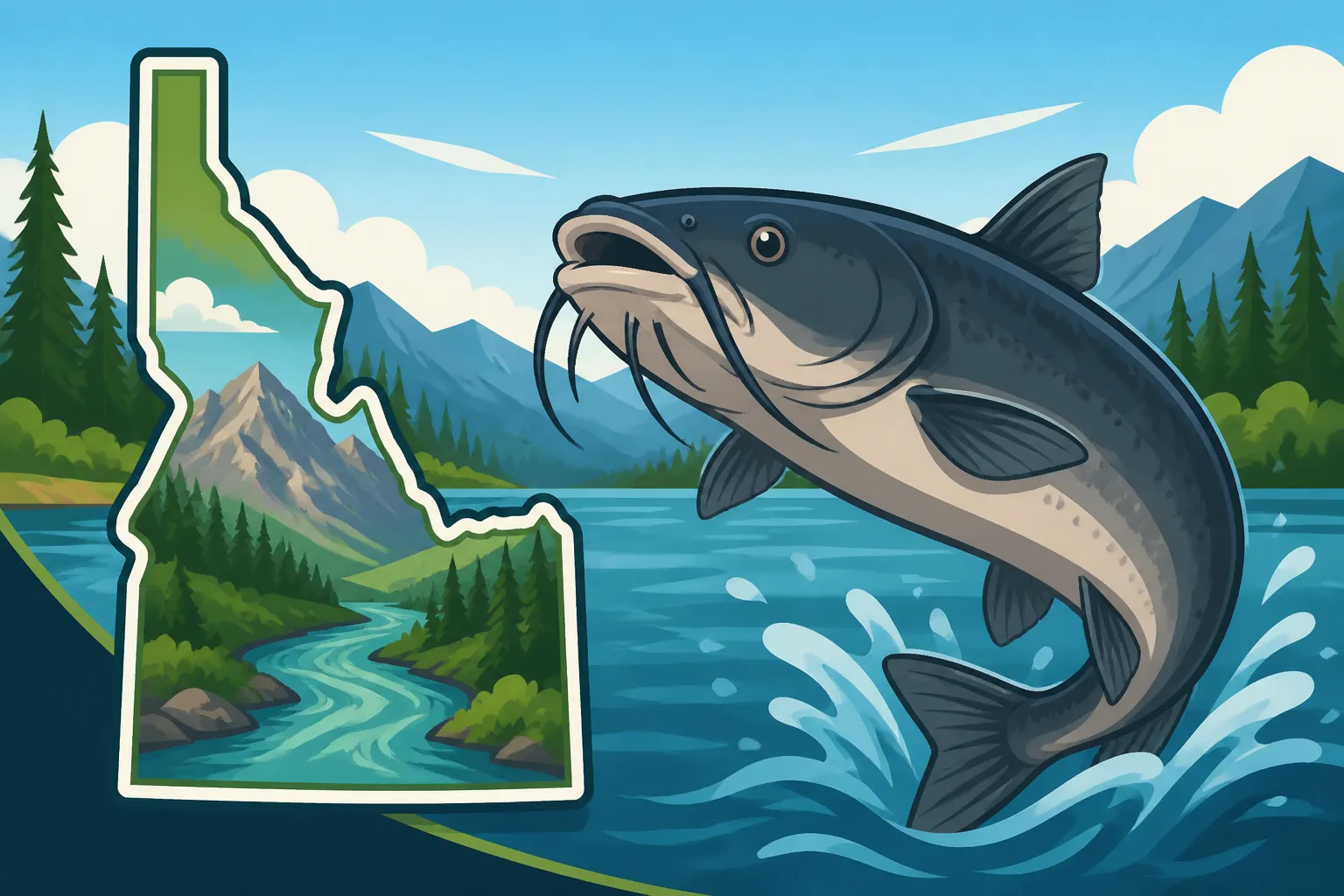
One of the most satisfying pursuits in Idaho fishing is targeting channel catfish. Many anglers, especially those new to the Gem State or coming from areas where "catfishing" is a primary activity, often wonder where these whiskered wonders hide in our often trout-centric waters. It can be frustrating to know they're out there but not know which murky bends or warm reservoir flats hold the real giants. This guide aims to clear up that confusion, offering insight into the best places across Idaho to hook into some impressive channel cats.
Understanding Idaho's Channel Catfish Preferences
Channel catfish are incredibly adaptable fish, but like all species, they have their preferred hangouts. Knowing what makes a spot appealing to a channel cat is your first step to finding them in Idaho. These aren't the cold-water dwellers that populate our pristine mountain streams; rather, they thrive in warmer, often slower-moving waters.
Ideal Habitat Conditions
Think warm. Really warm. Channel catfish love water temperatures that might make a trout cringe, often peaking in the 70s Fahrenheit. They also tend to favor murkier, turbid waters, which offer them both cover from predators and an abundance of invertebrate food. Structure is key, whether it's submerged timber, rock piles, or even muddy banks with overhanging vegetation. They’re masters of ambush, lurking in these spots, waiting for an easy meal to drift by. You won't typically find them in the crystal-clear, fast-flowing rivers of the high country. Instead, look for them in reservoirs, slow river bends, and even some pond systems. Their diet is incredibly varied, from insects and crustaceans to smaller fish and even vegetation, making them opportunistic feeders that can thrive in many environments, provided the water is warm enough.
Seasonal Movements and Feeding Habits
Channel cats are much more active in the warmer months, typically from late spring through early fall. As the water warms up after the long Idaho winter, they become more aggressive feeders. This means late May, June, July, and August are prime times. During the day, they often retreat to deeper, cooler holes or heavy cover, becoming more active feeders during the twilight hours of dawn and dusk, and often throughout the night, especially in shallower areas. This nocturnal tendency is a classic catfish trait, and savvy anglers often target them after the sun goes down. However, don't rule out daytime fishing, especially on cloudy days or if you're targeting deeper structure where they might feel more secure. They'll venture into shallower flats and humps to feed during these times, particularly if there's an abundance of baitfish or invertebrates.
Top Lakes and Reservoirs for Channel Catfish in Idaho
When it comes to reliably catching channel catfish in Idaho, our state's vast network of lakes and reservoirs, particularly those in the warmer, southern regions, are your best bet. These impoundments often provide the perfect blend of warm water, abundant food, and varied structure that catfish adore.
C.J. Strike Reservoir
C.J. Strike Reservoir, located in southwestern Idaho near Mountain Home, is arguably one of the state's premier channel catfish destinations. This massive reservoir, formed by the Snake and Bruneau Rivers, is known for its warm, nutrient-rich waters and extensive flats, coves, and submerged structure. Catfish here can grow to impressive sizes, with 5-10 pounders being common, and larger specimens up to 20 pounds not unheard of. Anglers often find success fishing the numerous coves and bays, especially those with muddy or silty bottoms and gradual drop-offs. The areas near the confluence of the Bruneau and Snake rivers are particularly productive, as are the warmer, shallower arms of the reservoir. For gear, a medium-heavy spinning or baitcasting setup is ideal, spooled with 15-20 pound test line. Common baits include cut bait (like pieces of carp or perch), chicken livers, and commercial stink baits. Many anglers find success fishing these baits on a Carolina rig or a simple slip-sinker rig right on the bottom. You can learn more about fishing this fantastic spot in our Fishing C.J. Strike Reservoir for Bass and Crappie guide, though it’s great for catfish too!
Lake Lowell
Another excellent option for channel catfish, especially for those in the Treasure Valley area, is Lake Lowell, just outside of Nampa. This shallow, warm-water lake is a fantastic place for families and beginners to target catfish. While not known for the behemoths found in C.J. Strike, Lake Lowell offers consistent action with plenty of eater-sized catfish (1-5 pounds). The lake is easily accessible with plenty of shore fishing opportunities, making it a popular choice. The entire lake is relatively shallow, and catfish can be found almost anywhere, but focusing on areas with submerged vegetation, brush piles, or even rocky riprap along the dam can be productive. Night fishing from the banks with lanterns is a very popular and effective method here. Standard bottom rigs with worms, chicken livers, or dough baits work wonderfully. For those looking for local spots, our guide on Fishing Lake Lowell Near Nampa delves deeper into what makes this spot so great.
Brownlee Reservoir
Stretching along the Idaho-Oregon border, Brownlee Reservoir is another juggernaut for warm-water species, including channel catfish. This massive impoundment on the Snake River boasts an incredible fishery. Brownlee is known for its sheer size and diverse habitat, from wide-open main lake areas to narrow canyon sections. Catfish here grow large and are abundant. The lower, warmer sections of the reservoir, particularly the many bays and coves with softer bottoms, are prime catfish territory. Targeting submerged timber and rocky points can also yield excellent results. Again, cut bait, chicken livers, and various stink baits are go-to choices. Given its size and productivity, Brownlee is a must-visit for serious catfish anglers. Before you head out, make sure you're up to date on Idaho Fishing Regulations Explained and Idaho Catch Limits and Bag Limits Explained.
Here's a quick comparison of these top channel catfish destinations:
| Reservoir | Location | Typical Catfish Size | Key Features | Best Baits | Access |
|---|---|---|---|---|---|
| C.J. Strike | SW Idaho | 5-15 lbs (up to 20+) | Large, warm, diverse structure, deep holes | Cut bait, chicken liver, commercial stink baits | Boat, Shore |
| Lake Lowell | Nampa, Treasure Valley | 1-5 lbs | Shallow, very warm, easy access, family-friendly | Worms, chicken liver, dough baits | Shore |
| Brownlee Reservoir | Idaho-Oregon Border | 5-15 lbs (up to 20+) | Massive, warm, diverse habitat, submerged timber | Cut bait, chicken liver, commercial stink baits | Boat, Shore |
River Systems for Channel Catfish Opportunities
While reservoirs often steal the spotlight for catfish, Idaho's major river systems, especially those with slower, warmer sections, can also be fantastic places to find channel catfish. These riverine environments offer a different challenge and a unique experience.
The Snake River
The Snake River, as it carves its way through southern Idaho, is a prime river system for channel catfish. From the C.J. Strike and Brownlee Reservoir sections mentioned above, both of which are essentially wide stretches of the Snake, down to its lower reaches, the river holds a strong population. Focus on areas with slower currents, deep pools, and eddy lines where food can collect. Look for stretches of the river that have muddy banks, submerged logs, or rock formations that break up the current. These are ideal ambush points for channel cats. The river's natural turbidity often provides the cover they prefer. Fishing the Snake River also presents opportunities for other species like smallmouth bass and sturgeon, so be prepared for diverse action. If you're exploring this waterway, check out our insights on Fishing the Snake River for Smallmouth Bass and Sturgeon for more context on this incredible river.
Other River Opportunities
Beyond the main stem of the Snake, you might find channel catfish in the lower reaches of some of its larger tributaries, particularly those that stay warmer and have less gradient. Rivers like the Boise River, especially the slower sections downstream of Lucky Peak Dam, or the lower Weiser River before it meets the Snake, can occasionally yield channel cats. These locations typically won't produce the same numbers or sizes as the major reservoirs or the Snake itself, but for local anglers seeking a convenient spot, they can be worth exploring. Always remember to check the specific regulations for any smaller river sections you plan to fish, as rules can vary. These smaller rivers might require a bit more scouting to find the ideal warm, slow, and deep pockets where catfish would hold up.
Tips for Targeting Channel Catfish in Idaho
Catching channel catfish in Idaho, whether in a sprawling reservoir or a quiet river bend, often comes down to a few fundamental techniques and an understanding of their behavior. It's not rocket science, but paying attention to the details can make a huge difference.
Best Baits and Rig Setups
Channel catfish are primarily scavengers and opportunistic predators, so strong-smelling baits are often the most effective.
- Cut Bait: Pieces of oily fish like carp, shad, or even smaller panfish, cut into strips or chunks, are incredibly effective. The scent trail they leave in the water is irresistible to hungry cats.
- Chicken Livers: A classic for a reason. They're bloody, smelly, and catfish love them. The downside is they can be soft and difficult to keep on the hook, but many anglers swear by them. You can find specialty hooks on Amazon designed to hold soft baits better.
- Commercial Stink Baits/Prepared Baits: There's a wide array of commercially available "stink baits," "dough baits," and "punch baits" specifically formulated for catfish. Brands like Catfish Charlie or Sonny's Super Sticky are popular. These are often easier to keep on the hook than chicken livers.
- Worms: Good old nightcrawlers can also catch catfish, especially smaller ones or when they're feeding on the bottom.
For rigs, a simple slip-sinker rig (often called a Carolina rig) is hard to beat. This involves threading an egg sinker onto your main line, followed by a bead (to protect the knot), and then tying on a swivel. To the other end of the swivel, attach a leader (12-24 inches) and your hook. This allows the fish to pick up the bait and run without feeling the weight of the sinker immediately. Circle hooks are highly recommended, especially if you plan on practicing catch and release, as they significantly reduce gut hooking. You can find a fantastic selection of these hooks and sinkers on Amazon. For a more general overview of bait options, check out our Best Bait and Lures for Idaho Fishing guide.
Time of Day and Season
As mentioned earlier, channel catfish are most active in warmer waters, making late spring through early fall the prime season. Within this window, the most productive times are often dawn, dusk, and throughout the night. During the hottest parts of the summer day, they'll often retreat to deeper, cooler water. Night fishing is a beloved tradition for many catfish anglers, offering cooler temperatures and often more aggressive bites as the fish move into shallower feeding grounds. Setting up camp by the lake or river, casting out your lines, and waiting for the tell-tale tug under the stars is an experience unique to catfishing. Even during the day, however, don't completely discount your chances, particularly if you're fishing shaded areas or deeper holes. For more seasonal insights, our Idaho Fishing Season Calendar can help you plan your trips.
Essential Gear and Techniques
Beyond bait and rigs, having the right gear can improve your success.
- Rods and Reels: Medium to medium-heavy action rods (7-9 feet) paired with sturdy spinning or baitcasting reels are ideal. You need enough backbone to handle a strong, fighting catfish and cast heavier weights.
- Line: Monofilament line in the 15-25 pound test range is a good all-around choice, offering knot strength and abrasion resistance.
- Bank Fishing Essentials: If you're fishing from shore, a sturdy rod holder or bank stick is a must. A headlamp or lantern is essential for night fishing. A cooler for keeping bait fresh and your catch on ice is also key. Many anglers also bring a comfortable chair and some bug spray. You can find a vast array of these practical items, from headlamps to specialized catfish rod holders, by browsing fishing supplies on Amazon.
- Boat Fishing: For those with boats, a fish finder can help locate deeper channels, structure, and schools of baitfish where catfish might be lurking. Anchoring upwind or upstream of a promising spot and allowing your scent trail to drift down to the fish can be very effective.
Remember that patience is a virtue when catfishing. Cast your lines, set your rods, and give the fish time to find your bait. Sometimes the bite is subtle, other times it's an unmistakable thud. Understanding the different Idaho Fishing Techniques Guide can broaden your approach to targeting various species, including catfish. Always be mindful of your surroundings, respect private property, and leave no trace behind. Idaho offers incredible channel catfish opportunities, and with a little knowledge and persistence, you'll be enjoying the thrill of landing these powerful fish. Before you head out, don't forget to secure your Idaho Fishing License Guide.
Disclaimer
This article is for general informational purposes only and does not constitute professional advice. Laws, prices and regulations vary by location and change over time. Consult a qualified professional for guidance on your specific situation.