Are Brook Trout Native to Idaho?
It's a common assumption that many of the fish we regularly catch in Idaho's beautiful streams and lakes are native to these waters. We see them thriving, so why wouldn't they be? But when it comes to the brook trout, that assumption can be quite a surprise for many anglers. This guide aims to clear up the confusion surrounding brook trout in Idaho, exploring their origins, their impact on our cherished native species, and how we, as responsible anglers, can play a part in managing their presence.
The Brook Trout's True Origins: A Misunderstood Migrant
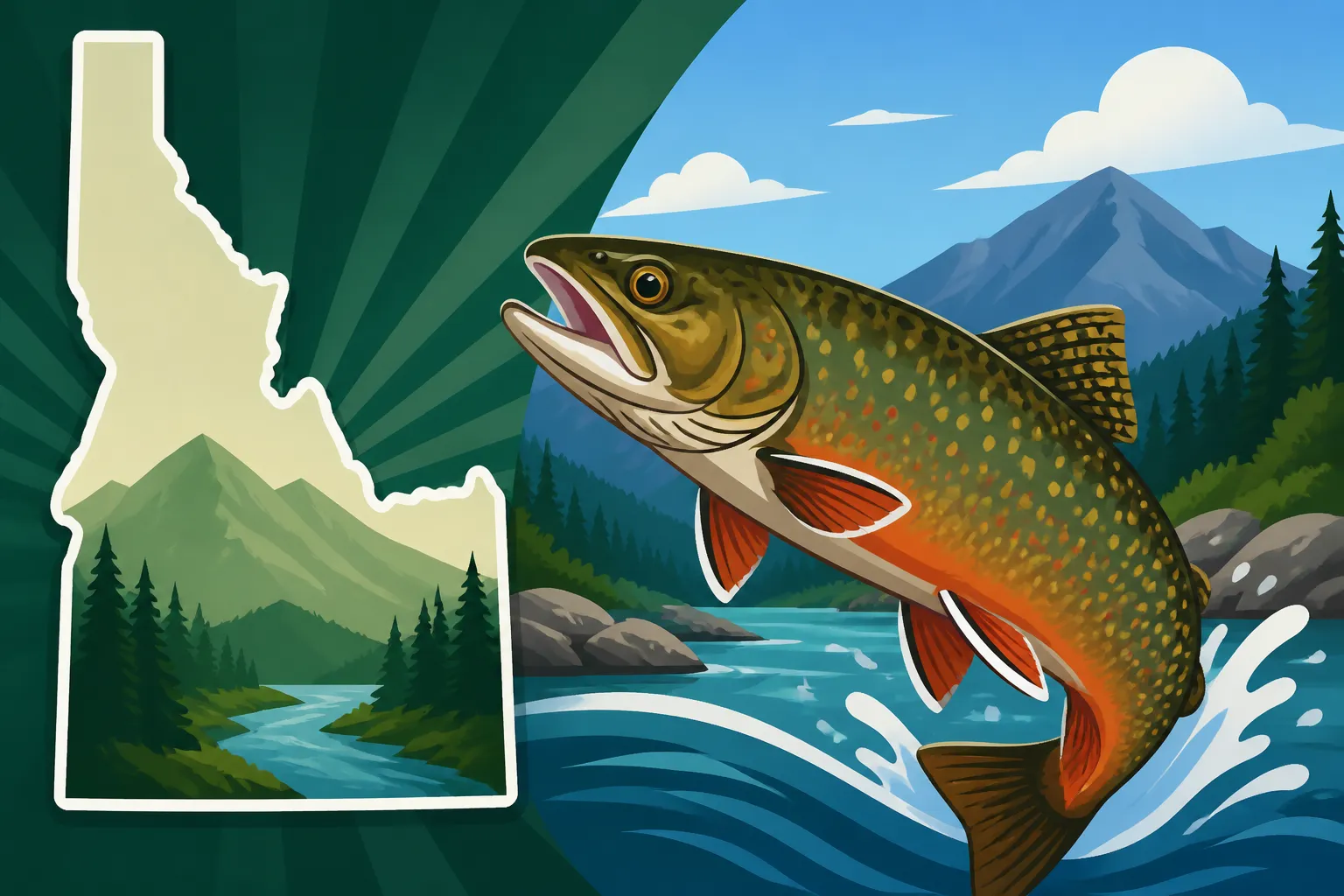
You've probably pulled a brightly colored brook trout out of a cold mountain stream in Idaho, admired its worm-like markings and vibrant fins, and just assumed it belonged there. It feels so natural, doesn't it? But here's where the story takes a turn: despite their widespread presence and beauty, brook trout are actually not native to the Gem State. This often comes as a shock, especially to those who have fished Idaho waters for years.
North American Roots, Not Idaho's Indigenous Waters
The brook trout, Salvelinus fontinalis, is indeed a native North American fish, but its indigenous range lies far to the east. Think of the cold, clear streams and lakes stretching from the Appalachian Mountains north through New England and across much of eastern Canada. That's their original stomping ground. They are perfectly adapted to those environments, just as Idaho's native fish are perfectly adapted to ours.
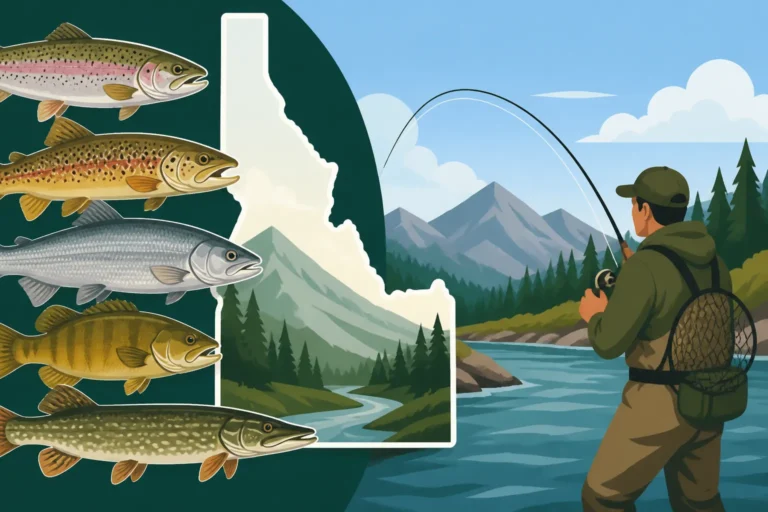
Idaho's true native trout species include the Westslope Cutthroat Trout, Yellowstone Cutthroat Trout, Bull Trout, and in some areas, the Columbia Redband Trout. These are the fish that evolved here over millennia, shaping the delicate ecosystems of our rivers and lakes. When an angler pulls a brook trout from an Idaho stream, they're encountering a species that, while beautiful and a joy to catch, is essentially a long-distance traveler brought here by human hands. The confusion is understandable, though, because they've been here for so long that they feel like they belong.
Early Introductions and Why They Happened
So, if brook trout aren't native, how did they become such a common sight in Idaho? The answer lies in the history of fisheries management and the desire to provide abundant angling opportunities. Beginning in the late 19th and early 20th centuries, many states, including Idaho, actively introduced non-native fish species for various reasons.
Brook trout were a popular choice for stocking because they possess several traits that made them ideal for early fish culture programs. They are relatively easy to raise in hatcheries, grow quickly, and are quite hardy, capable of surviving and reproducing in a wide range of cold-water habitats. They also provide excellent sport fishing, eagerly taking flies and lures, and are known for their vibrant colors and delicious taste. The idea was simple: introduce a popular game fish into waters that might not have supported large populations of native species, or to augment existing fisheries, thereby boosting recreational fishing opportunities for a growing population of anglers. Early on, the ecological impacts of these introductions weren't fully understood, or at least weren't prioritized over the immediate benefit of creating more fishing opportunities. It was a different era of thinking about conservation, driven more by resource utilization than ecological balance. Many of the fish you pursue today, like rainbow trout in some waters, were also introduced for similar reasons.
Impact on Idaho's Native Trout: A Delicate Balance Upset
While the introduction of brook trout was well-intentioned, it hasn't come without consequences for Idaho's original aquatic inhabitants. The presence of a non-native species, even one as charismatic as the brook trout, can create significant challenges for native fish, often upsetting the natural balance that has evolved over thousands of years. It’s a classic ecological dilemma: one species' gain can be another's struggle.
Competition for Food and Space
Imagine a small mountain stream, a perfect home for native Westslope Cutthroat Trout. Now, introduce a new, aggressive neighbor: the brook trout. Both species vie for the same limited resources—insect larvae, small crustaceans, and other aquatic invertebrates. Brook trout are often more aggressive feeders and can outcompete native cutthroat, especially in smaller streams and headwater areas. They tend to establish themselves quickly and can form dense populations, rapidly consuming available food sources.
This competition isn't just about food; it's also about prime habitat. Brook trout are highly efficient at utilizing spawning grounds and preferred holding lies, often pushing native trout into less ideal areas. This becomes particularly problematic in smaller, less productive streams where resources are already scarce. Over time, the native species can become stressed, their growth rates can decline, and their overall population numbers can dwindle, creating a very real struggle for survival against their introduced counterparts. Think of it like trying to share a small kitchen with a new roommate who always gets to the fridge first and takes up all the counter space!
Hybridization and Genetic Concerns
One of the most insidious impacts of brook trout on Idaho's native fish, particularly the cutthroat trout, is the risk of hybridization. While brook trout and cutthroat are different species, they can sometimes interbreed where their populations overlap. The result is a hybrid offspring, often referred to as a "splake" (though true splake are usually a brook trout/lake trout cross, similar hybrids can occur with cutthroat). These hybrids are often sterile or have reduced reproductive success, meaning they can't effectively pass on their genes or contribute to a healthy, self-sustaining population.
The real danger here is the dilution of the native cutthroat gene pool. As more hybridization occurs, the unique genetic makeup of Idaho's native cutthroat populations—the very genes that allow them to thrive in these specific environments—can be compromised. This is a huge concern for conservationists because once genetic purity is lost, it's incredibly difficult, if not impossible, to restore. Protecting the distinct genetic strains of fish like the Westslope Cutthroat Trout in Idaho is paramount for the long-term health of our ecosystems.
Predation and Ecosystem Changes
Beyond competition and hybridization, brook trout can also directly prey on the eggs and fry (young fish) of native species. While all trout are opportunistic feeders, dense populations of brook trout in a system can significantly impact the survival rates of vulnerable native fish at their earliest life stages. Imagine a nursery for native fish, suddenly inundated with hungry, established brook trout. It's an uphill battle for the young ones.
Furthermore, brook trout can alter the overall structure of aquatic communities. By becoming a dominant species in certain areas, they can change the balance of invertebrates and other small aquatic life, indirectly impacting other animals that rely on those same food sources, from birds to other fish species. It’s a ripple effect throughout the ecosystem. Understanding these complex interactions is why regulations often encourage anglers to target and keep non-native species, especially in sensitive native trout waters. For those interested in learning more about the intricacies of native fish conservation, exploring topics like Idaho Fish Species Guide can offer deeper insights.
Managing Brook Trout in Idaho: Conservation Efforts and Angler's Role
Given the challenges posed by non-native brook trout, Idaho Fish and Game (IDFG) has implemented various management strategies designed to protect and restore native fish populations. But it's not just up to the wildlife agencies; as anglers, we have a crucial role to play in these efforts. Our actions on the water can directly contribute to the health and future of Idaho's native fisheries.
"Creel Limits" and Management Strategies
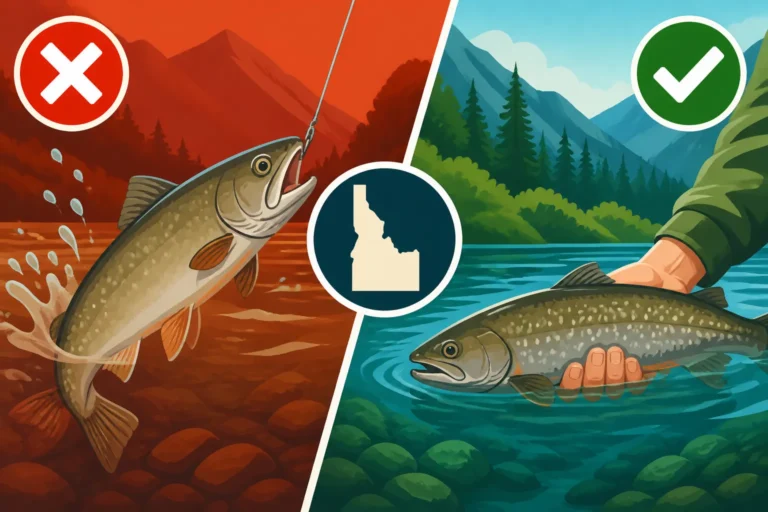
You've probably seen fishing regulations that seem to encourage the harvest of brook trout, often with very liberal or even "no limit" rules in specific waters. This isn't just about providing more fish for your dinner plate; it's a strategic conservation tool. By encouraging anglers to keep brook trout, especially in waters where they overlap with native cutthroat or bull trout, IDFG aims to reduce the brook trout population density. This lessens their competitive pressure on native species, giving the indigenous fish a better chance to thrive.
The management approach often depends on the specific water body and the native species present. In some high mountain lakes, where brook trout can quickly overpopulate and stunt, liberal limits might be in place. In other streams critical for Idaho Cutthroat Trout Fishing Guide or Idaho Bull Trout Fishing, aggressive harvest of brook trout is actively encouraged to tip the ecological scales back in favor of the natives. Always check the current Idaho Fishing Regulations Explained for the specific water body you're fishing, as these rules can vary significantly from one stream or lake to another. It's an incredibly important habit to adopt.
Anglers as Stewards: Catch-and-Keep Recommendations
This is where you, the angler, become a vital part of conservation. When fishing in waters where brook trout are prevalent and native species are a concern, consider actively participating in catch-and-keep for brook trout. Many anglers, myself included, often practice catch-and-release out of habit for all fish. However, with brook trout in Idaho, sometimes the most responsible thing you can do for the ecosystem is to keep your catch.
It can feel counterintuitive at first, especially if you're used to releasing everything. But by removing brook trout from sensitive native habitats, you're directly helping to reduce competition and predation on our precious native fish. This practice is a tangible way to contribute to the health of Idaho's aquatic ecosystems. Always be sure to correctly identify your catch before deciding whether to keep it, as accidentally keeping a native species where it's protected would defeat the purpose. For those considering a specific goal, understanding Best Fish to Eat from Idaho Waters often includes brook trout due to their abundance in many areas.
Identifying Brook Trout vs. Native Species
Correct identification is absolutely critical when deciding whether to keep a brook trout, especially since native species like cutthroat and bull trout are often protected by stricter regulations, including mandatory catch-and-release in some areas. Mistaking one for the other can lead to serious consequences for both the fish and your wallet. Investing in a good waterproof field guide or getting familiar with key features before you head out is a smart move. Many excellent guides can be found on sites like Amazon, providing visual aids that are immensely helpful.
Here's a quick comparison of key identification features to help you distinguish between brook trout and some of Idaho's native trout species:
| Feature | Brook Trout (Salvelinus fontinalis) | Westslope/Yellowstone Cutthroat Trout (Oncorhynchus clarkii) | Bull Trout (Salvelinus confluentus) |
|---|---|---|---|
| Pectoral/Pelvic/Anal Fins | White leading edge, often followed by a black stripe (white-black-red) | No white leading edges | No white leading edges |
| Spots | Small, pale (yellow, red with blue halo) spots on a dark body | Small, dark spots, concentrated towards tail, sparse on front of body | Light spots (yellow, orange, red) on a dark body (no blue halos) |
| Tail | Slightly forked or squared | Slightly forked | Slightly forked to square |
| Mouth | Relatively large mouth, extends beyond eye | Relatively small mouth, usually not past eye | Very large mouth, extends well beyond eye |
| Red Slash | No red "slash" mark under jaw | Distinct red or orange "slash" mark under jaw | No red "slash" mark under jaw |
| Body Color | Often dark green/brownish with distinctive "worm tracks" (vermiculations) on back | Brass-yellow to olive green with reddish hues, often iridescent | Dark olive-green to blue-gray, with light spots |
Remember that variations can occur, and lighting conditions can affect how colors appear. When in doubt, it's always best to release the fish unharmed, especially if you suspect it might be a protected native species. Your careful identification is a vital component of successful fisheries management. Learning How to Tell a Hatchery Steelhead from a Wild One in Idaho provides another example of why knowing fish characteristics is so important.
The story of the brook trout in Idaho is a fascinating one, a testament to human intervention, the adaptability of fish, and the complex challenges of ecological balance. By understanding their non-native status and the impact they have on our native species, we can become more informed and responsible anglers, truly acting as stewards of Idaho's incredible aquatic resources. So next time you're out on the water, take a moment to appreciate the beauty of every fish you catch, and make an informed decision that supports the long-term health of our cherished Idaho fisheries.
Disclaimer
This article is for general informational purposes only and does not constitute professional advice. Laws, prices and regulations vary by location and change over time. Consult a qualified professional for guidance on your specific situation.