Where Westslope Cutthroat Trout Are Native in Idaho
It's incredibly frustrating when you're trying to understand the nuances of Idaho's incredible fisheries, especially when it comes to identifying native species and knowing where they truly belong. Many anglers, myself included, often wonder where the true wild, native fish live, distinct from their stocked or hybridized cousins. This comprehensive guide is here to shed light on exactly where Westslope Cutthroat Trout are native in Idaho, exploring their ancestral waters and the critical role they play in the state's natural heritage.
Getting to Know the Westslope Cutthroat Trout
Before we dive into their specific haunts, let's take a moment to truly appreciate the Westslope Cutthroat Trout. These aren't just any trout; they're a symbol of Idaho's pristine wilderness, a resilient species that has called these waters home for millennia. Understanding their characteristics and history helps us appreciate why their native range is so important to preserve.
What Makes a Westslope a Westslope?
When you see a Westslope Cutthroat, you'll often notice a fish of understated beauty. They typically display a yellowish-green to bronze body, often fading to a lighter belly. Their most distinctive feature, and the one that gives them their name, is the brilliant red or orange "cutthroat" slash found under their jaw, though this can vary in intensity. Unlike some other cutthroat subspecies, Westslopes tend to have smaller, more numerous spots, concentrated towards their tail and often less prominent on their main body. These spots are usually irregular in shape and scattered rather than uniformly patterned. They are also generally smaller than some of their other cutthroat cousins, often topping out at 12-18 inches in pristine stream environments, though some lake-dwelling populations can grow larger. Their smaller size and subtle coloration make them perfectly adapted to the cold, clear, often oxygen-rich waters of Idaho's higher elevation streams and rivers. You can often find a good Idaho Cutthroat Trout Fishing Guide that delves into these nuances.
Beyond their looks, Westslopes are known for their feisty fight on a light line and their opportunistic feeding habits, readily taking both dry flies and nymphs. They are a sensitive indicator species, meaning their presence in good numbers often signifies a healthy, intact aquatic ecosystem. They need clean, cold water, complex habitat with plenty of cover, and access to spawning grounds, making them vulnerable to habitat degradation. When you're outfitting for a trip to chase these fish, you might find that specialized lightweight gear is often recommended, and many anglers source specific fly patterns or ultralight rods from retailers like Amazon to ensure they have the right tools for these delicate fish.
The "Native" Distinction in Idaho's Waters
The term "native" isn't just a fancy label; it carries profound ecological significance. A native fish species is one that naturally occurs in a particular ecosystem without human intervention, evolving over countless generations to thrive in its specific environment. For Westslope Cutthroat Trout, being native to certain Idaho waters means they were there long before European settlement, forming a fundamental part of the region's aquatic biodiversity. This distinction is crucial because introduced species, whether intentionally stocked or accidentally released, can compete with native fish for food and habitat, and, perhaps most significantly, they can hybridize.
Hybridization, especially with introduced Rainbow Trout, is one of the biggest threats to the genetic purity of Westslope Cutthroat. When these two species interbreed, the unique genetic makeup of the native cutthroat becomes diluted, potentially leading to a loss of traits essential for their long-term survival in their specific native habitats. This is why conservation efforts often focus on protecting genetically pure native populations, sometimes even in relatively small, isolated drainages. It's a complex puzzle, and understanding the Difference Between Westslope and Yellowstone Cutthroat Trout can further highlight these critical distinctions. Knowing whether you're catching a true native or a hybridized fish can sometimes be tricky, but observing the spot patterns and jaw slash carefully can offer clues.
Tracing the Ancestral Waters: Where Westslopes Call Home in Idaho
Idaho is a big state, and while cutthroat trout are found in many places, the truly native Westslope populations have specific strongholds. These are the places where they have thrived for centuries, shaping the ecosystems around them.
North Idaho: The Heart of Westslope Territory
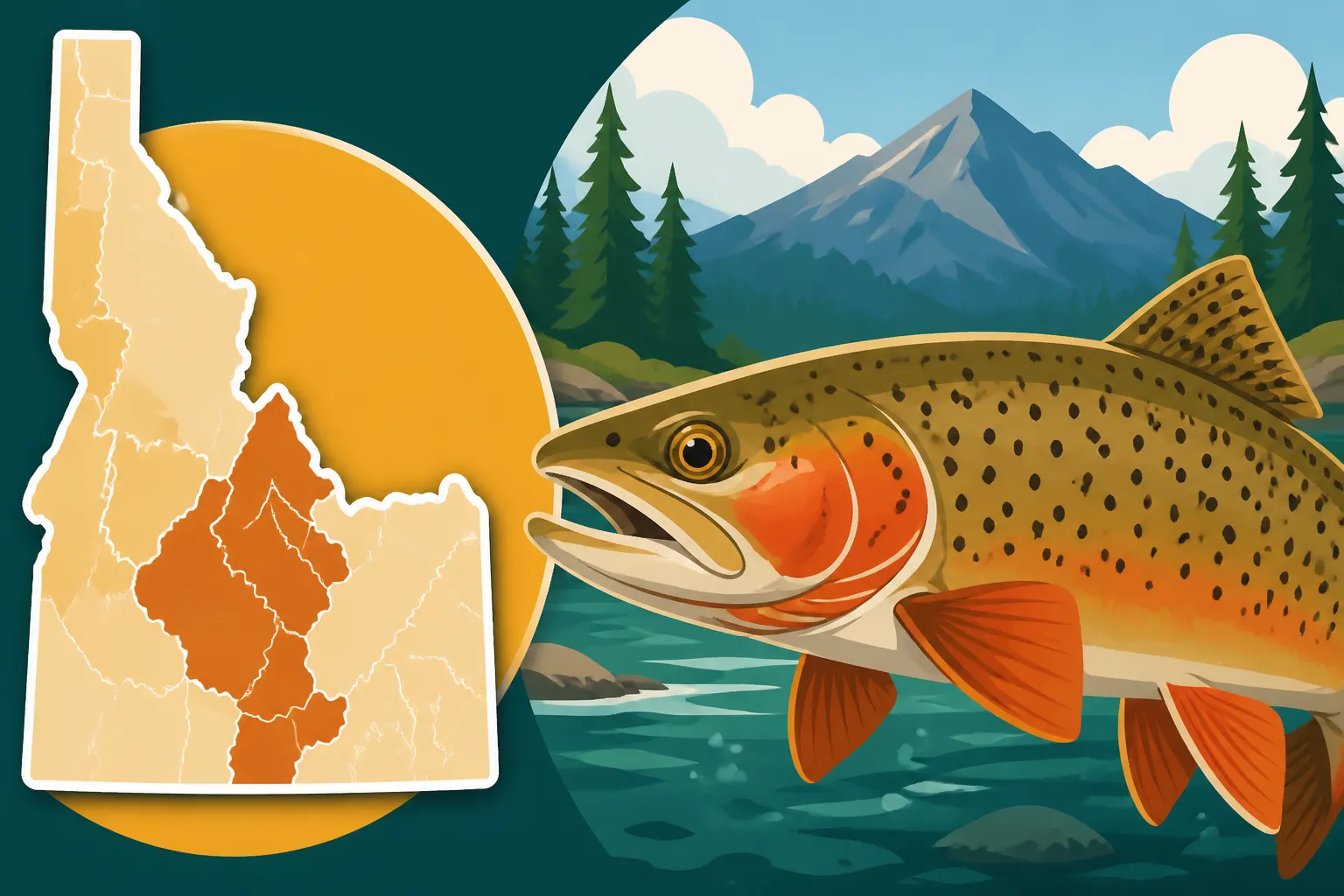
If you're looking for the historical heartland of Westslope Cutthroat Trout in Idaho, your gaze should immediately turn northward. The vast, interconnected drainages of northern and central Idaho provide some of the most robust and genetically pure populations of Westslopes anywhere. This region's rugged mountains, dense forests, and countless clear streams have acted as a sanctuary, allowing these fish to persist relatively undisturbed compared to other areas.
The Clearwater River drainage stands out as a prime example. From the main stem to its myriad tributaries like the Selway and Lochsa rivers, these waters are synonymous with Westslope Cutthroat. You'll find them in abundance in the high mountain lakes and smaller feeder creeks that eventually flow into these larger rivers. This system provides critical spawning grounds and diverse habitats, from fast-flowing riffles to deep, cool pools. Similarly, the Salmon River drainage, particularly its upper and middle reaches, is another historical stronghold. While famous for steelhead and Chinook, the Salmon's headwaters and many of its pristine tributary streams are teeming with native Westslopes. Exploring the Fishing the Salmon River for Steelhead and Chinook can provide a broader context of this rich river system.
Further north, the St. Joe River system, often called "The Joe," is renowned as one of the finest cutthroat fisheries in the state, boasting a healthy, native Westslope population. Its relatively undisturbed nature and extensive network of cold-water tributaries make it ideal habitat. Even Lake Coeur d'Alene, while known for its larger introduced Chinook and Kokanee, has native Westslopes in its tributary streams. These northern river systems, with their wild, roadless areas and designated wilderness, provide the undisturbed conditions essential for the long-term survival of these iconic fish. Anglers often research the specific regulations for these pristine waters, as many of them have catch-and-release rules or require specialized gear to protect the native fish.
Central Idaho and Beyond: Pockets of Persistence
While North Idaho is the epicenter, Westslope Cutthroat Trout populations, both native and introduced, extend into other parts of the state, particularly central Idaho. Here, their presence is often more localized, found in specific high-elevation drainages or isolated pockets that have resisted the impacts of development and the introduction of non-native species.
The upper Salmon River drainage, stretching into the Sawtooth and White Cloud mountains, is another crucial area. Here, you'll find Westslopes in stunning alpine lakes and crystal-clear mountain streams. These fish are often smaller, but their brilliant colors reflect the vibrant, clean environments they inhabit. While the lower and middle sections of the Salmon River see more diverse fish populations, the headwater areas offer excellent opportunities to encounter these native beauties. Many of these remote locations are covered in guides like Fishing High Mountain Lakes in the Sawtooths. Similarly, some tributaries of the Payette and Boise River systems in the central mountains also host native Westslope populations, typically in their headwater reaches where water temperatures remain cold and habitat disturbance is minimal.
However, in these more central and southern areas, the threat of hybridization with introduced Rainbow Trout is often more pronounced. Centuries of stocking rainbows into Idaho's waters have led to widespread interbreeding, making truly genetically pure Westslope Cutthroat increasingly rare outside of their core northern strongholds. This makes finding and protecting these isolated pure populations even more critical for the overall health of the species. Anglers looking to explore these areas should always consult the latest Idaho Fishing Regulation Brochure and Proclamation to understand specific rules for each drainage, as regulations are often tailored to protect these sensitive native populations. It’s a delicate balance, and the Idaho Department of Fish and Game works hard to manage these fisheries, sometimes with specific catch-and-release provisions or gear restrictions in native cutthroat waters.
Conservation and the Future of Idaho's Native Cutthroat
The survival of the Westslope Cutthroat Trout in Idaho is not a given; it's a continuous effort that relies on robust conservation strategies, diligent management, and informed angler participation. Preserving these native fish is about more than just fishing; it's about safeguarding Idaho's natural heritage.
Key River Systems and Drainages
To underscore the importance of specific native Westslope Cutthroat Trout strongholds, let's highlight a few areas where their populations are particularly valued and protected:
- The St. Joe River and its tributaries: This system in the Idaho Panhandle is often cited as one of the best examples of a healthy, predominantly native Westslope Cutthroat fishery. The river and its feeder creeks are managed to minimize impacts from development and maintain pristine water quality, allowing cutthroat to thrive. Anglers here often experience exceptional dry fly fishing for these eager fish.
- The Selway and Lochsa Rivers: These federally designated Wild and Scenic Rivers, flowing into the Clearwater, represent vast, unroaded wilderness areas that are critical for genetically pure Westslopes. Access can be challenging, often requiring hiking or floating, which helps to maintain their wild character. The solitude and beauty of these areas, combined with the chance to catch native cutthroat, make them bucket-list destinations for many.
- The Middle Fork of the Salmon River: Another renowned Wild and Scenic River, the Middle Fork and its tributaries are a bastion for native Westslope Cutthroat. This iconic wilderness river, often floated by rafters and anglers, offers incredible opportunities to fish for these trout in a truly wild setting. Guides who lead trips into this area, often purchased through services found on Amazon or direct, emphasize catch-and-release to protect these precious resources. More information can be found in a Fishing the Middle Fork of the Salmon River guide.
- High-elevation lakes and streams in the Sawtooth National Recreation Area: While more fragmented, the numerous alpine lakes and feeder streams in areas like the Sawtooths, White Clouds, and Frank Church-River of No Return Wilderness contain vital populations. These often isolated waters act as natural refugia, protecting Westslopes from hybridization and other downstream pressures. Fishing these spots often requires significant hiking and backcountry skills.
These areas are living laboratories, demonstrating how healthy ecosystems can sustain native fish. Their continued health depends on careful land management, responsible recreation, and a deep respect from all who visit.
The Role of Conservation and Angler Responsibility
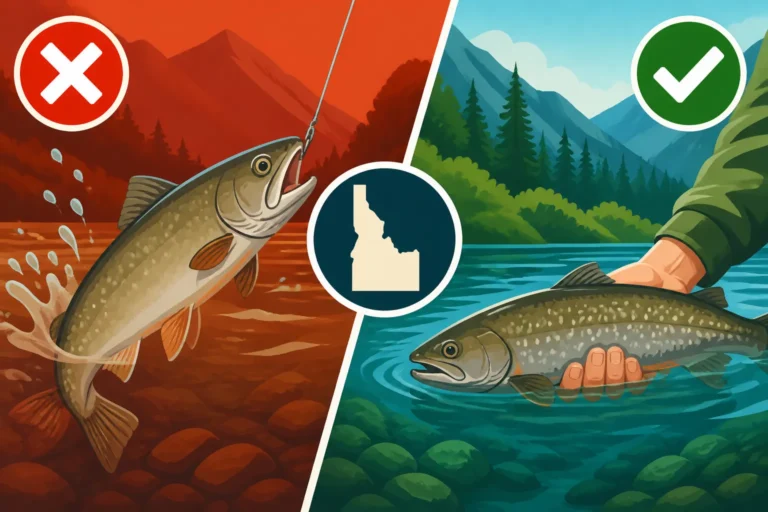
Conservation of Westslope Cutthroat Trout is a multi-faceted endeavor. Idaho Fish and Game actively works to manage these populations through habitat restoration projects, careful regulation of harvest (often favoring catch-and-release), and monitoring genetic purity. For example, in many native cutthroat waters, only barbless hooks are allowed, and all cutthroat must be immediately released unharmed. Understanding these specific rules is paramount for any angler. You can always check the Idaho Fishing Regulations Explained for the latest details.
As anglers, we have a profound responsibility to be part of the solution. This includes:
- Strictly Adhering to Regulations: Know the rules for the specific waters you're fishing. If it's a catch-and-release water, practice proper fish handling techniques to ensure the fish's survival.
- Identifying Your Catch: Learn to distinguish Westslope Cutthroat from other trout species, especially Rainbow Trout, to avoid accidentally harvesting a protected fish or misidentifying a hybrid. Tools like specialized waterproof field guides, often available on Amazon, can be invaluable for quick identification on the water.
- Minimizing Impact: Use light tackle, avoid over-fighting fish, keep them in the water as much as possible for photos, and release them gently. Be mindful of stream banks and riparian vegetation.
- Reporting Violations: If you witness poaching or illegal activity, report it to Idaho Fish and Game.
- Supporting Conservation Efforts: Many local and national organizations are dedicated to trout habitat conservation. Supporting their work, through donations or volunteering, directly contributes to the future of these native fish.
The challenges are real: habitat loss due to development, climate change impacting water temperatures and flows, and the persistent threat of hybridization. However, with continued effort and an informed, ethical angling community, we can ensure that future generations will still have the privilege of pursuing native Westslope Cutthroat Trout in their ancestral Idaho waters.
Embracing the Pursuit: Ethical Angling for Westslope Cutthroat
Fishing for Westslope Cutthroat Trout isn't just about catching fish; it's about connecting with a pristine environment and participating in a tradition that respects the wildness of Idaho. It requires a specific mindset and an approach that prioritizes the well-being of these native inhabitants.
Best Practices for Targeting Native Cutthroat
When you're heading out to fish in known Westslope Cutthroat country, especially in the more remote or specially regulated waters, adjusting your approach makes all the difference. These fish, while often eager, thrive in sensitive ecosystems, and minimizing your impact is crucial.
First off, gear selection matters. Light rods and lines are not just for sport; they help protect the fish. A 2-5 weight fly rod or ultralight spinning gear with fine leader is often ideal. Barbless hooks are practically a non-negotiable in many native cutthroat waters, and they significantly reduce stress and injury to the fish upon release. If your hooks aren't barbless, simply crimp down the barb with pliers. Many anglers even pre-tie their leaders with barbless hooks before heading out, a practice easily done with hooks sourced from reputable brands, often found on Amazon.
Techniques should also focus on low impact. Fly fishing is particularly popular for Westslopes, as they often rise readily to dry flies in summer. Nymphing can be effective in deeper runs. If using spinning gear, small inline spinners or spoons with barbless hooks are good choices. Avoid heavy baits or anything that might be ingested deeply, as it increases the risk of mortality. Focus on stealthy approaches, as these fish can be wary in clear, shallow waters. Wading gently, wearing natural colors, and casting accurately from a distance will increase your chances of success and reduce spooking the fish. Consider how guides manage their clients in these areas; often a Wade Trip Guide Cost in Idaho will factor in the delicate nature of these fisheries.
Finally, fish handling is paramount. Once you've hooked a Westslope, land it quickly and gently. Keep the fish in the water as much as possible. If you need a photo, do it swiftly, supporting the fish horizontally with wet hands. Avoid squeezing, dropping, or dragging the fish through gravel. Use needle-nose pliers or hemostats to remove the barbless hook quickly. The goal is for the fish to swim away strong, ready to spawn and contribute to future generations. Remember, the experience of being in their native habitat is often as rewarding as the catch itself.
The Rewarding Pursuit of a True Idaho Native
There's a special kind of satisfaction that comes from catching a native Westslope Cutthroat Trout in its rightful home. It's not just about the size of the fish, which might be modest, but about the purity of the experience. These are fish that have never seen a hatchery truck, whose lineage stretches back through countless wild Idaho winters and summers.
When you're standing on the bank of a clear, cold stream, surrounded by towering pines, and a Westslope rises to your fly, it's a moment of connection. You're not just casting a line; you're participating in a living history, touching a piece of Idaho's wild heart. The vibrant colors of a native cutthroat, the bright red slash under its jaw, and the subtle spotting are all testament to its resilience and adaptability in a truly wild environment. This feeling is different from catching a stocked trout; it carries a deeper sense of respect and accomplishment. Many anglers specifically seek out these wild fish, drawn by the challenge and the profound joy of being in such pristine, untamed places. It truly is a unique Idaho Fishing Experience that leaves a lasting impression.
This pursuit often takes you to places of incredible natural beauty – remote wilderness areas, high mountain valleys, and forests where the air is crisp and the only sounds are the rustle of leaves and the rush of water. These are the places that define Idaho, and the Westslope Cutthroat Trout is an integral part of that definition. Every ethical release is a small victory, a contribution to the ongoing story of this magnificent native fish.
| Feature | Westslope Cutthroat Trout (Native) | Rainbow Trout (Commonly Introduced) |
|---|---|---|
| Native Range | Pacific Northwest, including much of North/Central Idaho | Pacific Coast drainages, widely introduced globally |
| Appearance | Yellowish-green to bronze, small irregular spots, distinct red/orange slash under jaw | Silvery-green to blue-green, iridescent pink lateral band, fine black spots all over |
| Spotting | Smaller, more numerous, concentrated towards tail | More uniform, larger, spread over entire body/fins |
| "Cutthroat" Mark | Prominent red/orange slash under jaw (hence the name) | Absent (some hybrids may show faint coloration) |
| Habitat | Cold, clear, clean mountain streams, rivers, high-alpine lakes | Diverse, adaptable to various water bodies, including warmer lakes/rivers |
| Conservation Status | Focus on protecting genetic purity, vulnerable to hybridization | Widespread, often stocked for sport fishing |
Disclaimer
This article is for general informational purposes only and does not constitute professional advice. Laws, prices and regulations vary by location and change over time. Consult a qualified professional for guidance on your specific situation.