Does Lake Coeur d’Alene Get Stocked with Kokanee?
It's a question I hear all the time from folks heading out to one of Idaho's most iconic lakes: "Does Lake Coeur d'Alene get stocked with Kokanee?" It’s a perfectly valid question, especially when you’re used to other fisheries that rely heavily on hatchery releases to keep the angler happy. There's a lot of chatter out there, and it can be confusing to figure out exactly what's happening beneath the surface. This guide is here to cut through the confusion and explain the real story behind Lake Coeur d'Alene's vibrant Kokanee population and how it thrives.
The Truth About Lake Coeur d'Alene's Kokanee Population
When you think of a productive fishery, it’s easy to assume that constant stocking by state agencies is the secret sauce. For many species in countless lakes and rivers, that's absolutely true. Idaho Fish and Game does a fantastic job of managing and enhancing fisheries through strategic stocking programs, making sure there are plenty of fish for everyone to enjoy. However, Lake Coeur d'Alene's Kokanee population operates a little differently than some might expect, relying more on nature's rhythm than regular hatchery trucks.
Are Kokanee Stocked in Lake Coeur d'Alene?
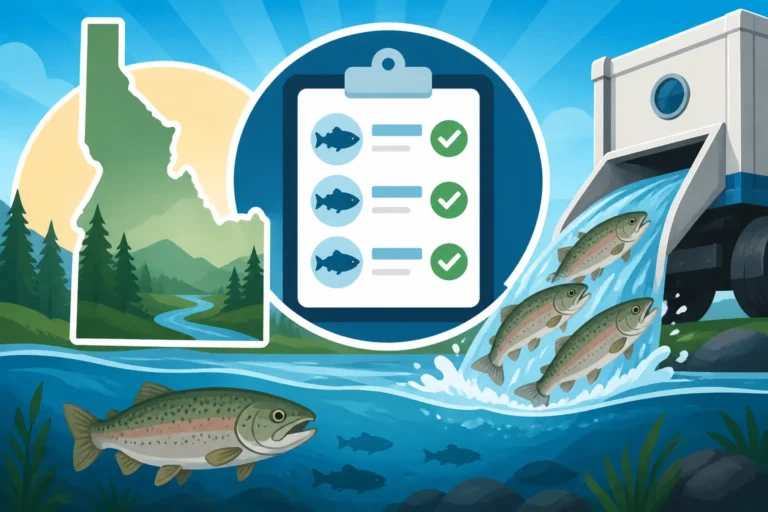
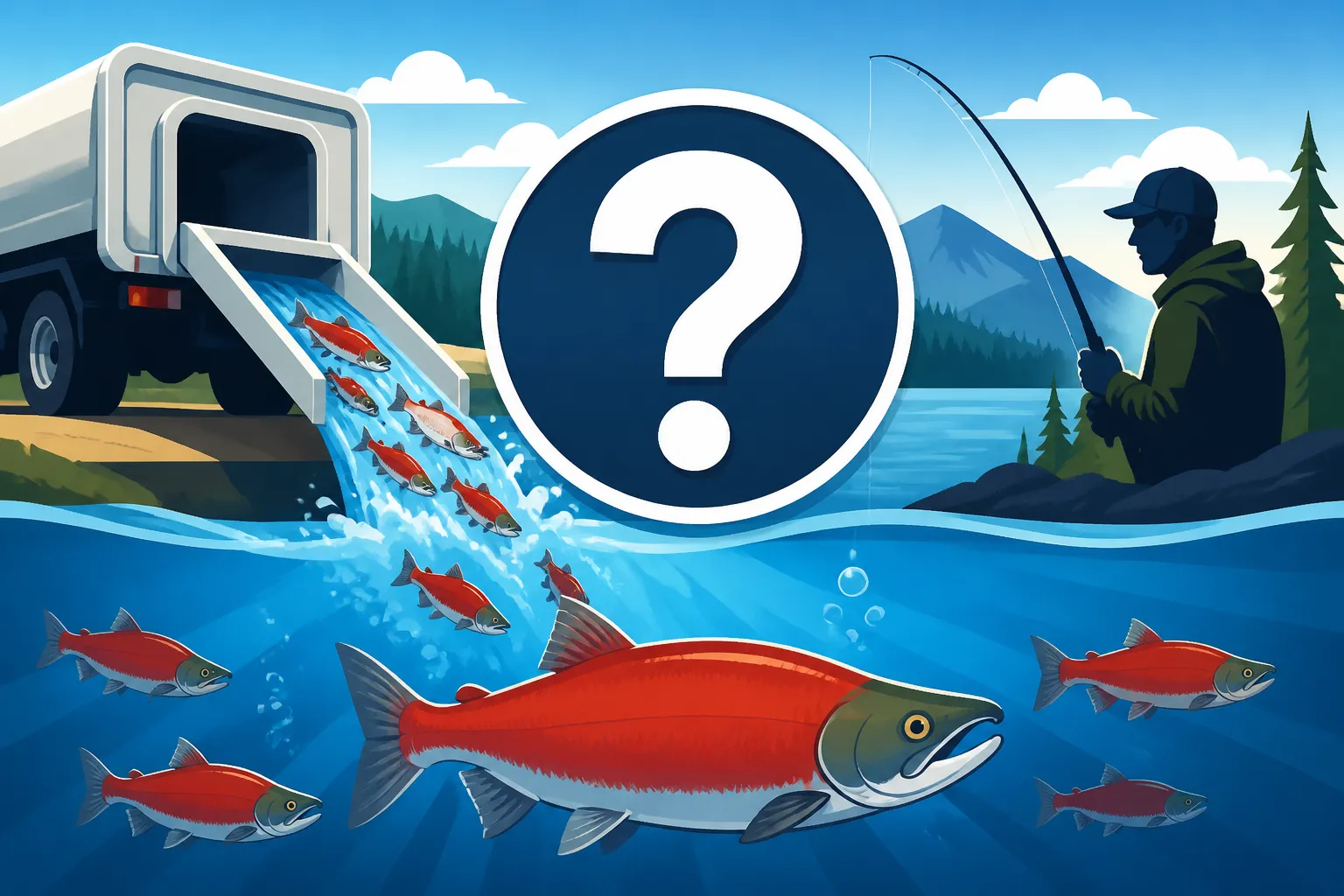
Here’s the straightforward answer, and it might surprise some: for the most part, Kokanee in Lake Coeur d'Alene are not regularly stocked by the Idaho Department of Fish and Game. Unlike, say, many of the small community ponds or some reservoirs that receive annual rainbow trout plants, the Kokanee in Lake Coeur d'Alene maintain a largely self-sustaining population. This means they are naturally reproducing, a testament to the health and vitality of the lake's ecosystem and the surrounding tributary streams.
This can be a bit of a head-scratcher for anglers who’ve fished other areas where Kokanee are routinely planted. You might have heard about Kokanee being stocked in various high mountain lakes or smaller reservoirs around the state, and that's absolutely true for those specific locations. It's easy to then assume the same management strategy applies to a large, popular lake like Coeur d'Alene. However, each body of water has its unique characteristics, and management strategies are tailored to fit. The goal is always the healthiest, most sustainable fishery possible, and sometimes, that means letting nature take the lead.
While historical records might show occasional stocking efforts decades ago during different management philosophies or to establish initial populations, the contemporary approach for Lake Coeur d'Alene's Kokanee focuses on supporting and monitoring the wild population. This hands-off approach, in terms of direct Kokanee plants, speaks volumes about the quality of the habitat and the success of past conservation efforts. It's a prime example of a fishery that, given the right conditions, can thrive without constant human intervention in the form of stocking.
How Lake Coeur d'Alene's Ecosystem Manages Kokanee Naturally
The secret to Lake Coeur d'Alene's self-sustaining Kokanee population lies in its robust natural spawning system. Kokanee, being a landlocked form of sockeye salmon, require specific conditions to successfully reproduce. They typically spawn in gravelly stream beds of tributaries that feed into the lake, or sometimes on suitable shorelines or shoals within the lake itself, particularly where there's good water flow and clean gravel. Lake Coeur d'Alene is fortunate to have several such tributaries and areas that provide excellent spawning habitat.
During the late summer and fall, mature Kokanee undertake their incredible spawning migrations, often turning a brilliant red as they prepare to deposit their eggs. These fish will journey up the various streams and rivers flowing into Lake Coeur d'Alene, finding the ideal spots to complete their life cycle. The eggs hatch in the gravel, and the fry emerge in the spring, making their way downstream to the main body of the lake where they will grow and mature, eventually contributing to the next generation. This entire process is a powerful demonstration of a healthy, functioning aquatic ecosystem.
Beyond spawning, the entire food web within Lake Coeur d'Alene plays a critical role in managing the Kokanee population. While anglers often focus on catching these delicious fish, Kokanee are also a vital forage species for larger predators. Notably, the stocked Chinook salmon in Lake Coeur d'Alene rely heavily on Kokanee as a food source, which naturally influences the Kokanee numbers year to year. It's a complex dance of predator and prey, where the health of one population directly impacts the other. How Chinook Salmon Control Idaho's Kokanee Population This intricate balance helps regulate the population without the need for additional stocking, ensuring that the Kokanee numbers remain within the lake's carrying capacity, providing both a food source for predators and a robust fishery for anglers.
The Delicate Balance: Chinook Salmon and Kokanee
Understanding the dynamic relationship between Chinook salmon and Kokanee is absolutely key to grasping the management philosophy of Lake Coeur d'Alene. It's not just about one species in isolation; it's about the intricate web of life that makes the lake such a productive and fascinating place to fish. This predator-prey relationship is a cornerstone of the lake's ecological balance, and it’s intentionally managed to create a unique fishing experience.
The Interplay of Predator and Prey in Lake Coeur d'Alene
Unlike Kokanee, Chinook salmon are regularly stocked in Lake Coeur d'Alene. These powerful, ocean-going salmon, adapted to a landlocked existence, are introduced specifically to create a trophy fishery and to help manage the Kokanee population. Think of it like a natural, wild buffet for the Chinook. Their primary diet consists of the abundant Kokanee, which provides them with the rich protein and fat they need to grow to impressive sizes, making Lake Coeur d'Alene famous for its big Chinook.
This means that the number of Kokanee available to anglers can fluctuate based on how many Chinook are in the system, and how successful those Chinook have been at finding food. If there's a particularly strong year class of Chinook, or if they grow exceptionally large, they're going to consume more Kokanee. This can lead to years where Kokanee numbers seem a bit lower for anglers, sparking those very questions about whether stocking is occurring. It’s understandable to feel a bit frustrated when your favorite Kokanee spots aren’t producing like they once did, and it’s natural to wonder if the fish simply aren’t there.
However, this isn't a sign of neglect, but rather a reflection of a deliberate management strategy. The Idaho Department of Fish and Game carefully monitors these populations. They track the health of the Kokanee, their natural reproduction success, and the growth rates of the Chinook. If Kokanee numbers dip too low due to predation or poor spawning years, the department can adjust the number of Chinook stocked in subsequent years to allow the Kokanee to rebound. It's a continuous, careful balancing act, aiming to provide both a fantastic Kokanee fishery and a thrilling Chinook fishery. This delicate balance creates a dynamic environment that keeps anglers on their toes and makes every year a little different.
Management Strategies for a Balanced Fishery
The goal of fisheries managers isn't simply to stock as many fish as possible. Instead, it's about fostering a healthy, resilient ecosystem that supports a variety of species and provides sustainable fishing opportunities for everyone. For Lake Coeur d'Alene, this means managing the relationship between Chinook and Kokanee to prevent either species from overwhelming the other or the lake's resources. It's a complex challenge that requires a lot of data and careful consideration.
Fishery biologists employ a variety of tools to keep tabs on the health of both populations. They conduct extensive surveys using nets, sonar, and electrofishing to estimate population sizes, age structures, and overall health of the Kokanee. They also monitor the growth and condition of the Chinook salmon, looking for indicators of whether there’s enough forage available. Anglers also play a crucial role by reporting their catches and observations, which helps supplement the scientific data. This collective information is vital for making informed decisions about stocking rates for Chinook and setting regulations. You can often find summaries of these efforts in annual reports or even in localized Idaho Fish Stocking Reports Explained that detail efforts across the state.
Regulations, such as daily bag limits and size restrictions for both Kokanee and Chinook, are another critical component of this management strategy. Idaho Kokanee Bag Limits are set not just to ensure fair distribution among anglers, but also to protect the spawning population of Kokanee and to manage the harvest pressure on Chinook. For instance, if Kokanee numbers are strong, bag limits might be more generous, whereas if a particular year class is struggling, limits might be reduced to give the population a chance to recover. This proactive approach ensures that the lake can continue to provide fantastic fishing for years to come, without depleting its natural resources. It’s a testament to the dedication to maintaining a vibrant and diverse fishery, recognizing that a healthy ecosystem benefits all its inhabitants, including the anglers.
What Anglers Need to Know About Kokanee Fishing in Lake Coeur d'Alene
Since Lake Coeur d'Alene's Kokanee are primarily a naturally reproducing population, and their numbers are influenced by factors like Chinook predation and natural spawning success, anglers need to adjust their expectations and strategies a bit compared to a stocked fishery. It’s a dynamic environment, and understanding these shifts can significantly improve your success on the water.
Adapting Your Approach to a Dynamic Population
The first thing to remember is that Kokanee populations, especially those that are wild and self-sustaining, can fluctuate from year to year. You might have a banner year where Kokanee are abundant and easy to find, followed by a year where they seem a little harder to come by. This isn't necessarily a sign of a problem, but rather the natural ebb and flow of a wild population influenced by spawning success, environmental conditions, and predator pressure. For instance, a tough winter or a very successful Chinook year can impact the number of Kokanee available.
To stay on top of these dynamics, it’s crucial to do a bit of homework before you head out. Don't just rely on last year's intel. Check local fishing reports from bait shops, online forums, and the Idaho Fish and Game website. These resources often provide valuable insights into current conditions, including anecdotal evidence of Kokanee numbers and sizes. For example, knowing the Average Kokanee Size on Lake Coeur d'Alene This Year can help you gauge the health of the population and what kind of tackle might be most effective. Are the fish larger, indicating fewer but healthier fish, or smaller and more numerous, suggesting a strong recruitment year?
When you’re out on the water, having the right gear is also paramount. Kokanee are notorious for being finicky biters, and they often school up at specific depths. Trolling is a hugely popular and effective method for targeting them. A good downrigger setup is almost essential for reaching those precise depths where Kokanee are feeding. You'll want to experiment with various lures, dodgers, and baits. Many anglers swear by small hoochies or wedding rings tipped with corn. If you're looking to stock up on some of these specialized items, many options are readily available through retailers like Amazon, ensuring you have the right gear for the job. Mastering How to Troll for Kokanee on Lake Coeur d'Alene involves patience and a willingness to adjust your depth, speed, and lure choices until you find what the fish are keying in on.
Best Practices for Sustainable Kokanee Fishing
As anglers, we all have a responsibility to contribute to the health and longevity of our fisheries. For Lake Coeur d'Alene’s naturally reproducing Kokanee, ethical angling practices are even more important. It ensures that future generations can enjoy the same fantastic fishing experiences we do. This goes beyond just following the rules; it's about being a thoughtful steward of the resource.
First and foremost, always adhere strictly to the published regulations. This includes understanding the daily bag limits and possession limits. These aren’t arbitrary numbers; they are carefully determined by fisheries managers to ensure sustainable harvest and protect the overall population health. Ignoring these limits can have a detrimental impact, especially on a self-sustaining fishery. Always carry your Idaho Fishing Regulations Explained brochure or have the current rules accessible on your phone, and make sure you know your Idaho Kokanee Bag Limits before you cast a line.
If you’re practicing catch-and-release, especially for smaller fish or those you’re not targeting, handle the Kokanee with extreme care. Minimize their time out of the water, use wet hands to avoid removing their protective slime coat, and revive them gently before release. This increases their chances of survival and allows them to continue their growth and potentially contribute to future spawning runs. Finally, always be mindful of spawning areas. If you encounter Kokanee staging in tributary mouths or shallow areas during their spawning season (typically late summer/fall), it's best to leave them undisturbed. Allowing them to complete their natural reproduction cycle is critical for the long-term health of the entire fishery. Supporting the natural processes of Lake Coeur d'Alene’s Kokanee ensures that this incredible resource remains vibrant for years to come.
Common Misconceptions and Clarifications
It's completely normal to have questions and even some misconceptions when it comes to fisheries management. With so many different lakes, rivers, and species across Idaho, and varied approaches to maintaining fish populations, it can be tough to keep everything straight. Let's clear up a couple of common points of confusion regarding Kokanee in Lake Coeur d'Alene.
Why Some Lakes Get Stocked and Coeur d'Alene Doesn't
One of the biggest reasons for confusion is that Kokanee are indeed stocked in many other Idaho lakes and reservoirs. So, why the difference for Lake Coeur d'Alene? It boils down to the specific ecological conditions and management goals for each body of water. Some lakes simply don't have adequate natural spawning habitat – perhaps the tributaries are too small, too warm, or have too much silt. In these cases, stocking is necessary to create or sustain a Kokanee fishery. These can often be "put-and-take" fisheries, designed to provide immediate angling opportunities.
For instance, a smaller reservoir that gets heavily fished, or a high mountain lake with limited natural spawning streams, might receive annual Kokanee plants to keep angler success rates high. The fish stocked into these waters provide a great recreational opportunity that wouldn't exist otherwise. Lake Coeur d'Alene, however, possesses a robust network of clean, gravelly tributaries and suitable lakebed areas that allow for successful natural reproduction. When a fishery can sustain itself naturally, it's generally considered a more robust and desirable situation, as it reduces reliance on hatchery operations and helps maintain the genetic integrity of the wild population. It also means that resources can be directed to other waters where stocking is truly essential.
It’s also important to consider the broader ecosystem. Lake Coeur d'Alene is a large, complex system with multiple interacting species. The presence of the stocked Chinook salmon, which predate on Kokanee, adds another layer of complexity. In this environment, an over-reliance on stocking Kokanee could throw the entire system out of balance, potentially leading to issues with disease, competition, or an unsustainable food web. Therefore, the decision not to stock Kokanee in Lake Coeur d'Alene is a deliberate, science-based choice aimed at maintaining a healthy, self-sustaining, and balanced fishery.
Distinguishing Kokanee from Sockeye Salmon
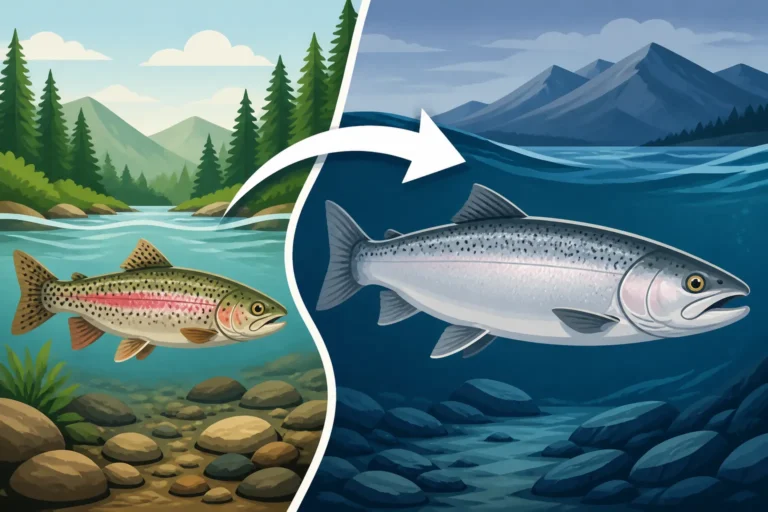
Another point of frequent confusion revolves around the identity of Kokanee themselves. Many anglers hear "Kokanee" and "sockeye salmon" and wonder if they're completely different fish, or perhaps just different names for the same thing. The truth is, they're inextricably linked. Kokanee are, in essence, landlocked sockeye salmon. This means they are the same species, Oncorhynchus nerka, but Kokanee complete their entire life cycle in freshwater, never migrating to the ocean. Difference Between Kokanee and Sockeye Salmon
The term "sockeye salmon" typically refers to the anadromous form, meaning they hatch in freshwater, migrate to the ocean to feed and grow, and then return to freshwater to spawn. Famous sockeye runs occur in places like Alaska and parts of Canada, and even in Idaho's Redfish Lake. Kokanee, on the other hand, spend their entire lives within a lake system. They've adapted to this freshwater-only existence, foregoing the long ocean migration. This is precisely Why Kokanee Are Called Landlocked Sockeye.
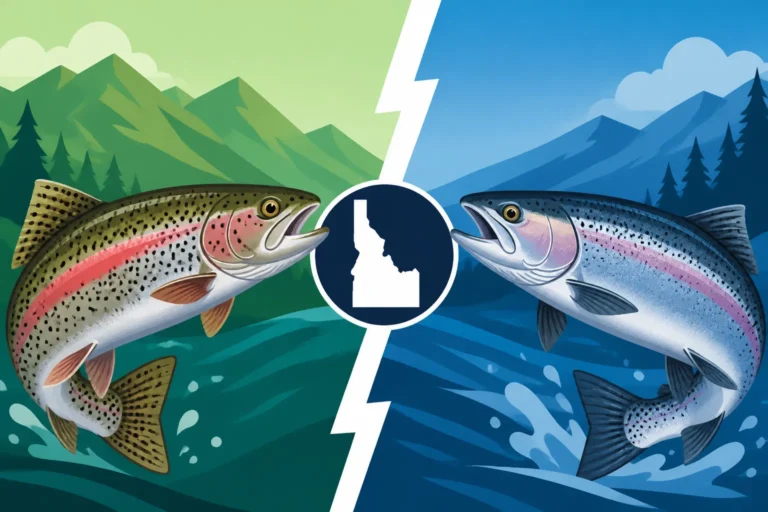
You can often tell the difference in their appearance, especially during spawning. While both species turn a vibrant red, true sockeye returning from the ocean are typically much larger and more intensely colored. Kokanee are generally smaller, often topping out at around 12-18 inches in Lake Coeur d'Alene, though larger ones are certainly caught. The key takeaway for Lake Coeur d'Alene is that the Kokanee you're catching are part of a naturally reproducing population that lives its entire life cycle right there in the lake and its tributaries. They are not ocean-run sockeye, which have a completely different migratory pattern and are managed under different regulations and conservation statuses. Understanding this genetic and ecological connection helps to appreciate the unique nature of Lake Coeur d'Alene's Kokanee fishery.
| Feature | Naturally Reproducing Kokanee (e.g., Lake Coeur d'Alene) | Stocked Kokanee (e.g., other Idaho lakes) |
|---|---|---|
| Origin of Fish | Primarily from successful natural spawning in tributaries/lakebed | Hatchery-raised fish released into the lake |
| Population Fluctuation | Can vary significantly year to year based on natural factors (spawning success, predation) | More stable due to consistent stocking, but still influenced by environment |
| Genetic Diversity | Generally higher due to natural selection and varied spawning success | Can be more limited depending on hatchery breeding practices |
| Ecological Balance | Integral part of the natural food web, with predator-prey dynamics | Primarily for angler harvest, may have less impact on larger ecosystem balance |
| Management Focus | Habitat protection, predator management (e.g., Chinook), monitoring natural trends | Production targets, angler satisfaction, mitigating impacts of heavy harvest |
| Angler Experience | Requires adapting to natural population cycles, more of a "hunt" | Often more predictable numbers, "put-and-take" opportunities |
Disclaimer
This article is for general informational purposes only and does not constitute professional advice. Laws, prices and regulations vary by location and change over time. Consult a qualified professional for guidance on your specific situation.