Where Smallmouth Bass Are Most Common in Idaho
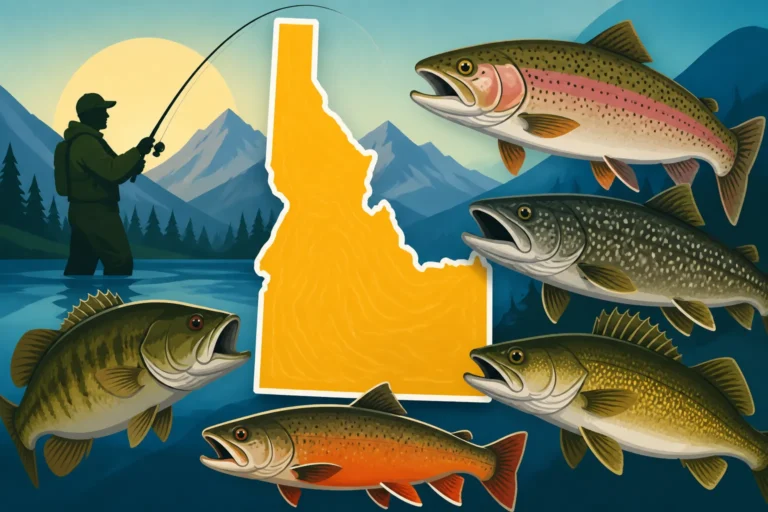
For many anglers exploring Idaho's vast waterways, the quest often centers on trout or the revered steelhead. But if you're overlooking smallmouth bass, you're missing out on some truly explosive action and incredibly fun fishing. These feisty bronzebacks have carved out quite a niche in the Gem State, and knowing where to find them can turn a good fishing trip into a truly unforgettable one. This guide is all about pinpointing those hotspots, giving you the lowdown on where smallmouth bass are most common in Idaho.
Understanding Smallmouth Bass in Idaho
Smallmouth bass are incredible game fish, known for their aggressive strikes and acrobatic fights. Unlike their largemouth cousins, smallmouth often prefer cooler, clearer water with rocky bottoms and a bit of current, making many of Idaho's rivers and reservoirs ideal homes for them.
A Brief History of Smallmouth in the Gem State
You might be surprised to learn that smallmouth bass aren't native to Idaho. They were introduced, like many other popular game fish, to diversify fishing opportunities. Over the decades, they've adapted remarkably well to certain environments, particularly in the warmer, rockier sections of some of our major river systems and many reservoirs. This introduction has created a fantastic fishery, providing anglers with another exciting option beyond the traditional trout and salmon. If you're curious about how these feisty fish made their way here, you might enjoy diving into How Smallmouth Bass Got into Idaho Rivers for the full story.
Once established, they quickly proliferated, finding abundant food sources and suitable spawning grounds. This success story means that today, many stretches of Idaho's rivers and large reservoirs boast healthy, self-sustaining populations of smallmouth bass. It's a testament to their adaptability and the richness of Idaho's aquatic ecosystems that these introduced species have become such a beloved part of the angling scene. They've certainly added a thrilling dimension to our state's fishing offerings.
Why Smallmouth Thrive in Certain Idaho Waters
Smallmouth bass are picky about their real estate, and Idaho happens to have a lot of properties that fit their bill perfectly. They absolutely love rocky riverbeds, ledges, submerged boulders, and gravelly points in reservoirs. These structures provide excellent ambush points for their prey – crawfish, minnows, and aquatic insects – and also offer protection from stronger currents. The warmer water temperatures of Idaho's lower elevation rivers and reservoirs during the summer months are also crucial, allowing them to feed actively and grow quickly.
Clear to slightly stained water is usually preferred, as it helps them spot prey and also indicates healthier water quality, which is essential for a robust ecosystem. When you find these elements – rocky structure, moderate currents, slightly warmer water, and good clarity – you're usually in a prime smallmouth zone. Think of it as their ideal neighborhood, complete with all the amenities for a thriving population.
Identifying Smallmouth Bass
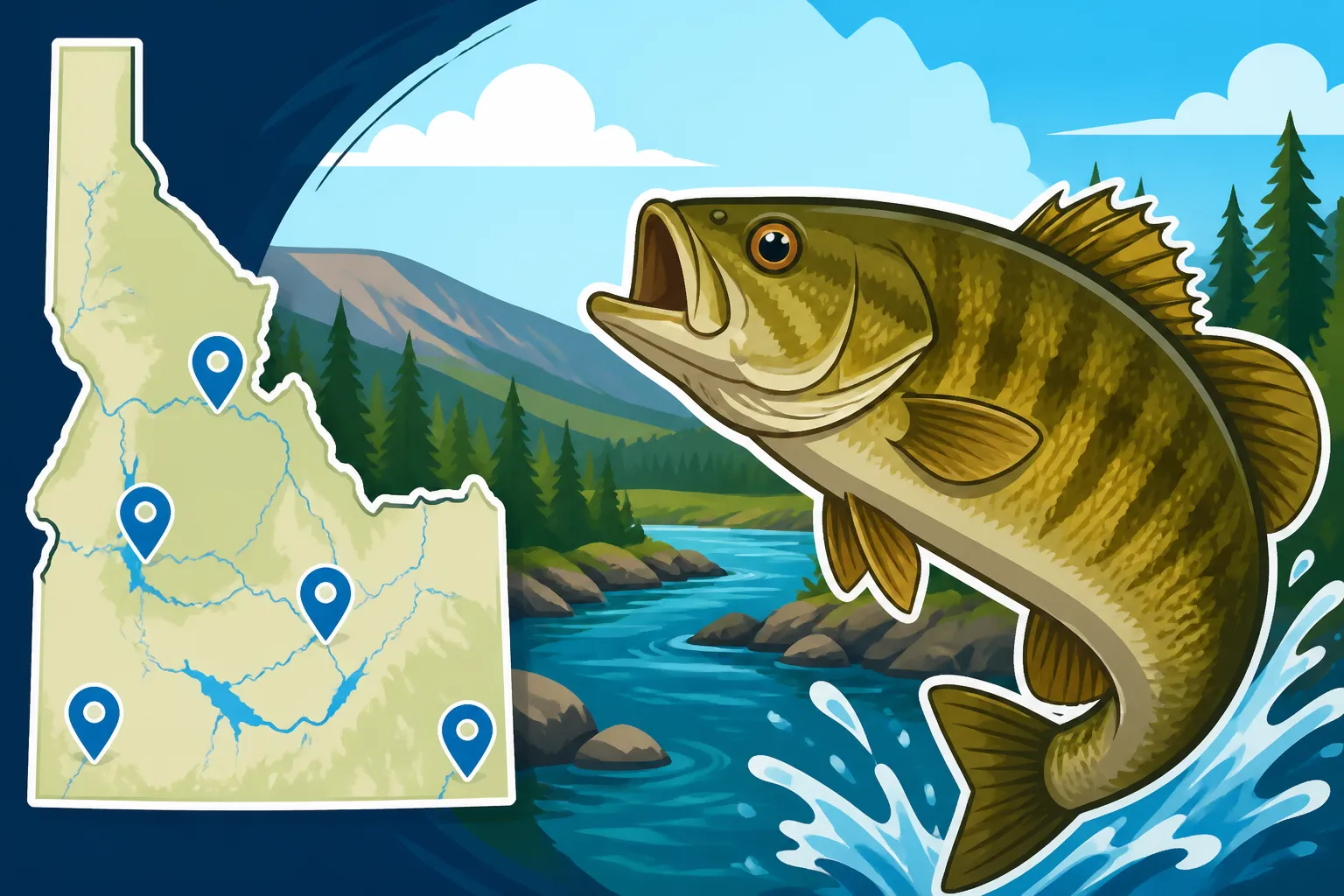
Distinguishing a smallmouth bass from a largemouth can be pretty straightforward once you know what to look for, but it's important for anglers to be able to tell the difference. Smallmouth bass typically have a more streamlined, torpedo-shaped body with vertical bars or blotches on their sides, often described as having a "bronze" coloration, which gives them their nickname "bronzeback." Their dorsal fin is distinctly separated, appearing as two fins.
The most defining characteristic is their mouth: when closed, the jawbone of a smallmouth bass does not extend beyond the back of their eye. In contrast, a largemouth bass's jaw extends well past the eye. Smallmouth also tend to have reddish eyes. Being able to identify your catch not only satisfies curiosity but also helps ensure you're complying with specific regulations for each species, which can sometimes vary. For a deeper dive into the species found here, our Idaho Fish Species Guide is a great resource.
Prime Smallmouth Bass Habitats Across Idaho
When it comes to smallmouth bass, Idaho offers a fantastic array of locations. From powerful rivers to expansive reservoirs, these fish have found a way to thrive in diverse environments. Knowing these key locations is the first step to a successful smallmouth outing.
The Mighty Snake River System
Without a doubt, the Snake River and its major tributaries are the undisputed champions for smallmouth bass fishing in Idaho. From the Hells Canyon section down through the lower Snake into southwestern Idaho, this river system offers miles upon miles of prime habitat. The diverse structure, from basalt cliffs and rocky points to gravel bars and current seams, creates an ideal environment. The Snake River boasts impressive numbers and some truly trophy-sized smallmouth, often exceeding 3-4 pounds.
Areas like the stretch below C.J. Strike Reservoir, the waters around Brownlee and Oxbow reservoirs (which are essentially wide spots in the river), and even further upstream in the Snake River Canyon are renowned. Anglers frequently target these areas with success, whether from a boat or by strategically accessing the bank. Many dedicated bass anglers consider the Snake River their go-to spot for consistent smallmouth action. If you're specifically targeting these areas, our guide on Fishing the Snake River for Smallmouth Bass and Sturgeon offers more specific tips.
The sheer length and varied conditions of the Snake River mean that smallmouth bass can be found in a wide range of settings. Whether you prefer fishing swift currents around large boulders or more placid backwaters near rocky shorelines, the Snake has a spot for you. The key is to look for those classic smallmouth hideouts: areas with a good mix of current, rock, and depth changes. These sections provide both feeding lanes and protection, making them magnets for hungry bronzebacks.
Popular Reservoirs for Smallmouth Action
While rivers are king, Idaho's numerous reservoirs also provide fantastic smallmouth bass fishing, often offering easier access for boaters and shore anglers alike. These impoundments, especially those with significant rocky shoreline and structure, mimic the preferred river environments of smallmouth.
Some of Idaho's best smallmouth bass reservoirs include:
- C.J. Strike Reservoir: This is a smallmouth haven, especially the rocky points, coves, and submerged humps throughout the reservoir. It's famous for both numbers and size. The bass here often key in on crawfish and various baitfish. It's a consistent producer for many anglers.
- Dworshak Reservoir: Located in northern Idaho, Dworshak is a deep, clear reservoir that holds some absolutely giant smallmouth bass. While challenging to fish due to its depth and vastness, the rewards can be immense. Look for rocky cliffs, ledges, and submerged timber.
- Lake Lowell: Near Nampa, this reservoir provides excellent smallmouth opportunities, particularly in the spring and fall. Its rocky dikes and submerged channels are prime targets.
- Anderson Ranch Reservoir: This central Idaho reservoir has a solid smallmouth population, especially in its lower reaches and around rocky banks.
- Lucky Peak Reservoir: Close to Boise, Lucky Peak offers convenient smallmouth fishing, particularly around its rocky shorelines and submerged features. It’s a great spot for an after-work trip.
These reservoirs often require different tactics than river fishing, with an emphasis on covering water and using electronics to locate structure. For a broader overview of Idaho's reservoirs, check out Best Reservoirs for Fishing in Idaho.
| Reservoir | Primary Location | Key Features for Smallmouth | Best Time to Fish | Common Baits/Lures |
|---|---|---|---|---|
| C.J. Strike Reservoir | Southwest Idaho | Rocky points, coves, ledges | Spring, Summer, Fall | Jigs, Tubes, Crankbaits |
| Dworshak Reservoir | North Central Idaho | Deep rocky cliffs, ledges, timber | Summer, Fall | Drop Shots, Jigs, Swimbaits |
| Lake Lowell | Southwest Idaho (near Nampa) | Rocky dikes, submerged channels | Spring, Fall | Spinnerbaits, Wacky Worms |
| Anderson Ranch Reservoir | Central Idaho | Rocky banks, submerged humps | Summer, Fall | Grubs, Tubes, Small Crankbaits |
| Lucky Peak Reservoir | Southwest Idaho (near Boise) | Rocky shorelines, riprap, humps | Spring, Summer, Fall | Jigs, Plastic Worms, Jerkbaits |
Lesser-Known Rivers and Tributaries
Beyond the massive Snake, many other Idaho rivers and even smaller tributaries hold fantastic, albeit sometimes overlooked, smallmouth bass populations. These spots can offer a more intimate fishing experience and often less angler pressure.
- The Clearwater River: While famous for steelhead and Chinook salmon, the lower stretches of the Clearwater River, especially below Lewiston, have excellent smallmouth fishing. Look for rocky sections and current breaks.
- The Salmon River: Similar to the Clearwater, the Salmon River, particularly its lower sections as it approaches the Snake, can hold good numbers of smallmouth in rocky, warmer areas.
- Boise River: Believe it or not, the lower Boise River as it flows towards the Snake can produce smallmouth, especially in areas with rocky banks and deeper pools.
- Payette River: The lower Payette River also contributes to the smallmouth fishery, offering stretches of rocky habitat favored by these bass.
These smaller or less-publicized waters are often best explored by floating in a drift boat or kayak, allowing you to cover water and hit those secluded pockets of smallmouth heaven. Always remember to check local regulations, as rules can vary even within different sections of the same river system. For an idea of the breadth of river fishing in Idaho, take a look at our Best Rivers for Fishing in Idaho guide. Exploring these hidden gems can lead to some truly rewarding experiences, away from the crowds that often flock to the more well-known destinations.
Seasonal Movements and Best Times to Fish
Understanding the seasonal behavior of smallmouth bass is absolutely crucial for consistent success. These fish are highly influenced by water temperature, which dictates their feeding patterns, spawning activities, and general location.
Spring Spawning and Aggressive Bites
Spring is arguably one of the most exciting times to target smallmouth bass in Idaho. As water temperatures begin to rise, typically into the high 40s and 50s (Fahrenheit), smallmouth emerge from their deeper wintering grounds and move towards shallower, sun-exposed areas. This pre-spawn period is characterized by aggressive feeding as they pack on calories for the upcoming spawn. They'll readily hit a variety of lures, making it a prime time for active anglers.
Once water temperatures reach the low to mid-60s, smallmouth begin their spawning rituals. They'll fan out nests in gravelly or rocky areas, often in shallower water, and become highly protective. During this time, they'll strike anything perceived as a threat to their eggs or fry. While tempting, it's often best practice to minimize targeting actively spawning fish to ensure the health of the population. After the spawn, they remain in shallower water for a while, guarding their young, before eventually transitioning into their summer patterns. If you're looking for general seasonal advice, our Best Time of Year to Fish in Idaho article offers a great overview.
Summer Patterns and Deep Water Tactics
As the Idaho summer heats up and water temperatures climb, smallmouth bass often move to deeper, cooler water. This doesn't mean they disappear; it just means you need to adjust your tactics. In rivers, they'll congregate in deeper pools, around submerged boulders, and in the shade of overhanging banks. In reservoirs, they'll seek out offshore humps, deep rock piles, and submerged timber, often suspending over structure.
During this time, slower presentations and baits that imitate crawfish or larger baitfish become more effective. Techniques like drop-shotting, Carolina rigging, or fishing deep-diving crankbaits are excellent for reaching these fish. Early mornings and late evenings can also be prime times when smallmouth might move shallower to feed under lower light conditions. Don't be afraid to fish vertical structure in deeper water; smallmouth often stack up along ledges and cliff faces. For more specific insights into this period, check out Summer Fishing in Idaho.
Fall Feeds Before Winter Slumber
Fall offers another fantastic window for smallmouth bass fishing, as temperatures begin to cool and the fish once again enter an aggressive feeding phase. They know winter is coming, and they'll actively gorge themselves on available prey, often moving shallower than their mid-summer haunts, but not quite as shallow as the pre-spawn. This can be a great time for topwater action in the mornings and evenings, as they chase baitfish.
As water temperatures continue to drop, they'll eventually retreat to their wintering holes – deep, protected areas where they can conserve energy. This transition period, usually from late September through November, can offer some of the biggest smallmouth of the year, as they're at their heaviest and most active. Look for them around deeper rock piles, current seams, and the mouths of tributaries that feed into larger rivers or reservoirs.
Essential Gear and Techniques for Idaho Smallmouth
You don't need a boatload of specialized gear to catch smallmouth bass in Idaho, but having the right tools for the job can make all the difference. Their aggressive nature means they'll hit a variety of lures, but some are definitely more effective than others.
Rods, Reels, and Line for River Smallmouth
For river smallmouth, a versatile setup is key. I generally recommend a medium to medium-heavy spinning rod, around 6'6" to 7' in length. This offers enough backbone to handle feisty bass in current but still provides the sensitivity needed for lighter presentations. A good quality spinning reel in the 2500-3000 size range, spooled with 8-10 pound test fluorocarbon or monofilament line, is a solid choice. Fluorocarbon is less visible underwater and more abrasion-resistant, which is a huge plus when fishing around rocks. If you're using braid (which offers excellent sensitivity), be sure to add a fluorocarbon leader. You can find many excellent options for these setups on Amazon, whether you're looking for a complete combo or individual components.
For those who prefer baitcasting setups, a similar medium-heavy rod with a high-speed reel (7.0:1 gear ratio or higher) spooled with 12-15 pound fluorocarbon or a braid-to-fluoro leader setup is ideal for throwing heavier jigs, crankbaits, or spinnerbaits in stronger currents. The Idaho Fishing Techniques Guide delves into broader fishing strategies that can be adapted for smallmouth.
Top Lures and Baits That Fool Idaho Smallmouth
Smallmouth bass are opportunistic predators, but they have a particular fondness for anything that resembles a crawfish or a small baitfish. Having a selection of these go-to baits in your tackle box will put you in a good position.
- Jigs: Tube jigs (especially in green pumpkin or brown colors), football jigs, and hair jigs are deadly. Tip them with a small plastic craw or grub for added appeal. Dragging and hopping these along rocky bottoms is incredibly effective.
- Crankbaits: Medium-diving crankbaits in crawfish patterns or shad imitations are excellent for covering water and eliciting reaction strikes. Look for those that run 5-10 feet deep.
- Spinnerbaits & Chatterbaits: These are fantastic for fishing around submerged wood or rocky areas, especially when bass are actively chasing baitfish. White, chartreuse, and natural baitfish colors work well.
- Soft Plastics: Grubs, small plastic worms (especially wacky-rigged), and creature baits are versatile. Fishing them on a jig head or Texas-rigged can be incredibly effective, especially in clear water or when fish are finicky.
- Topwater Lures: Poppers, walk-the-dog style baits, and prop baits can provide explosive surface strikes, particularly during low-light conditions in spring and fall.
Having a good selection of these can be easily acquired from retailers like Amazon, ensuring you're ready for any smallmouth scenario. For more specific recommendations, our Best Lures for River Smallmouth Bass article is a must-read.
Bank Fishing vs. Boat Fishing Strategies
Both bank fishing and boat fishing can be highly productive for smallmouth in Idaho, but each requires a slightly different approach.
Bank Fishing: If you're limited to fishing from shore, focus on areas with readily accessible rocky points, riprap banks, and bridge abutments. These structures often hold smallmouth close to the bank. Casting parallel to the shore, working lures slowly along the bottom, and targeting eddy currents are key strategies. Portable gear is your friend here – a backpack with a few tackle boxes, a net, and maybe a small cooler is all you need. Always be mindful of private property and public access points.
Boat Fishing (Drift Boat, Kayak, Powerboat): Fishing from a boat offers unparalleled access and versatility.
- Drift Boats/Kayaks: These are fantastic for navigating rivers, allowing you to quietly drift through prime smallmouth habitat, casting to eddies, seams, and structure. You can cover a lot of water and target spots inaccessible from shore. Many anglers prefer this method for a truly immersive experience on the river.
- Powerboats: On larger reservoirs and the wider sections of the Snake River, a powerboat allows you to quickly move between different spots, access offshore structure, and use electronics to locate fish. Trolling motor control for subtle boat positioning is a huge asset.
Regardless of your chosen method, understanding the water you're fishing – current, depth, structure – is paramount. Don't be afraid to experiment with different lures and techniques until you find what the smallmouth are biting on that particular day. For anglers focusing on river techniques, How to Fish for Smallmouth Bass on the Snake River offers excellent, detailed advice.
Disclaimer
This article is for general informational purposes only and does not constitute professional advice. Laws, prices and regulations vary by location and change over time. Consult a qualified professional for guidance on your specific situation.