What Idaho’s Record Cutthroat Trout Weighed
For many Idaho anglers, the dream isn't just catching a fish; it's landing a true leviathan, especially when it comes to our iconic cutthroat trout. There's a certain magic to these native fish, a wild spirit that resonates with the rugged beauty of our state. The pursuit of a record-breaking cutthroat isn't just about the numbers; it's about the challenge, the pristine waters, and the sheer awe of holding a magnificent creature. This guide will dive deep into the legendary status of Idaho's record cutthroat trout, exploring its weight, the species behind it, and what makes these fish so special for those of us who cherish Idaho's waterways.
The Legendary Weight: Idaho's Cutthroat Trout Record
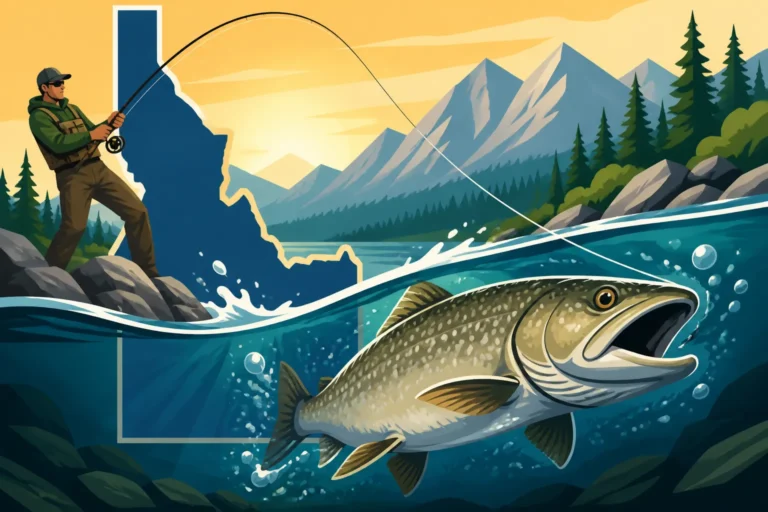
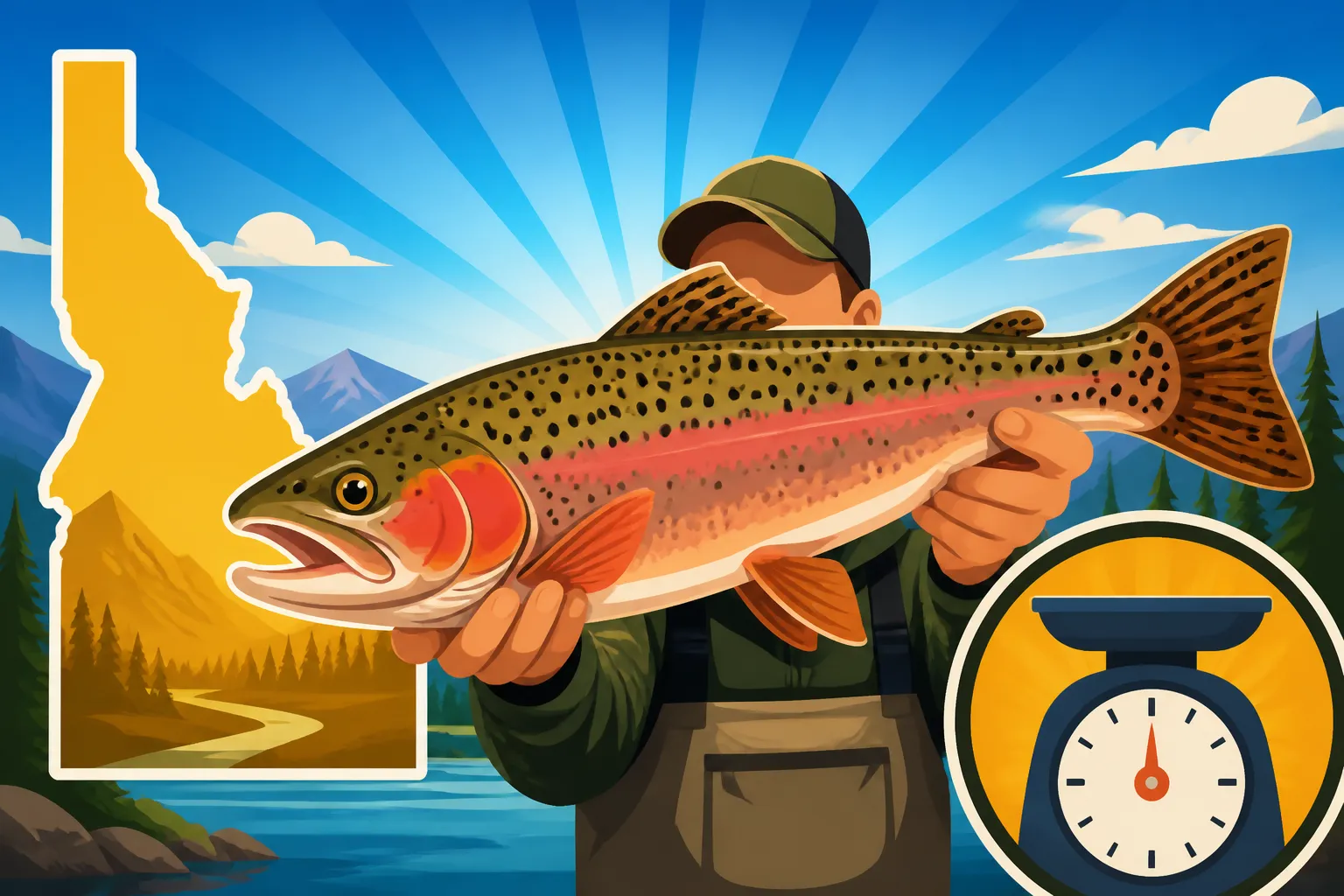
When you talk about Idaho's record cutthroat trout, you're entering a realm of angling legend. This isn't just any fish; it represents a pinnacle of natural growth, perfect habitat, and perhaps a touch of angler skill and luck. For those wondering about the sheer size a cutthroat can attain in Idaho's waters, the official state record stands at an impressive 18 pounds, 14 ounces.
Just think about that for a moment. Nearly 19 pounds! Most anglers would be absolutely thrilled with a two or three-pound cutthroat, a respectable fish that puts a good bend in the rod. But an 18-pounder? That's a fish of a lifetime, a true monster that has survived countless seasons, outsmarted predators, and grown to an incredible size. It's the kind of fish that fuels campfire stories for generations and becomes a benchmark for what's possible in our wild rivers and high mountain lakes. This record-setting fish wasn't just big; it was a testament to the health and richness of its environment. It takes a perfect storm of conditions – abundant food, minimal predation, clear, cold water, and perhaps a genetic predisposition for growth – to produce a fish of that magnitude. When you consider the average size of most trout, this record truly highlights the potential hidden within Idaho's diverse aquatic ecosystems. It’s a weight that commands respect and inspires future generations of anglers to dream big.
Understanding Idaho's Cutthroat Species and Their Habitats
Idaho is home to two primary subspecies of native cutthroat trout, each with its own characteristics and preferred habitats: the Westslope Cutthroat Trout and the Yellowstone Cutthroat Trout. Understanding these species is crucial to appreciating the potential for trophy-sized fish and where such a record might have originated.
Westslope Cutthroat Trout in Idaho
The Westslope Cutthroat Trout ( Oncorhynchus clarkii lewisi) is native to northern and central Idaho, thriving in the clear, cold streams and rivers of the Panhandle and Salmon River drainages. These fish are generally smaller than their Yellowstone cousins, typically reaching sizes of 10 to 18 inches, with larger individuals pushing past 20 inches in ideal conditions. However, in pristine, nutrient-rich environments with ample forage, they can surprise you with their growth potential. They are often characterized by their slender bodies, smaller spots that are more concentrated toward the tail, and that tell-tale red or orange slash under their jaw that gives the cutthroat its name.
Westslope cutthroat are highly adapted to their stream environments, often found in riffles, runs, and pools where they can ambush insects and small baitfish. Their diet is diverse, including aquatic and terrestrial insects, as well as small fish. The health of their populations is a strong indicator of the overall ecological well-being of these river systems. Catching a large Westslope cutthroat often involves stealth and precision, especially in the clear waters they inhabit. Their survival depends on their wariness, making them a challenging and rewarding target for anglers who appreciate wild, native fish. You'll find these beauties in places like the St. Joe River and throughout the Clearwater National Forest. For more detail, you can check out Westslope Cutthroat Trout in Idaho.
Yellowstone Cutthroat Trout in Idaho
The Yellowstone Cutthroat Trout (Oncorhynchus clarkii bouvieri) inhabits the eastern and southeastern parts of Idaho, particularly within the Snake River Plain and Yellowstone River drainage. These cutthroat are generally larger and more robust than Westslopes, with a reputation for growing to impressive sizes, especially in lake environments. They tend to have larger, more irregularly shaped spots that are evenly distributed over their body, and a vibrant orange-red slash beneath their jaw. It's often the Yellowstone subspecies that accounts for the truly enormous cutthroat records, as their genetics and the productivity of their native lake habitats allow for greater growth.
Their diet can be incredibly varied, shifting from insects to leeches, sculpins, and even small rodents or amphibians in larger lake systems. This broader diet, combined with the deeper, more stable environments of lakes, allows them to pack on significant weight. The Yellowstone cutthroat is a strong, tenacious fighter, offering an exhilarating challenge on the line. Famous waters like Henry's Fork and various reservoirs in eastern Idaho are known for their strong Yellowstone cutthroat populations. If you're keen to learn more, take a look at Yellowstone Cutthroat Trout in Idaho. The record 18-pound, 14-ounce cutthroat trout was indeed a Yellowstone Cutthroat, a testament to the potential of this subspecies in Idaho's fertile waters.
Chasing Trophy Cutthroat: Tactics and Considerations
So, you're inspired by that monster 18-pound, 14-ounce record and you're dreaming of your own trophy cutthroat? It's an ambitious goal, but that's what makes fishing so exciting! While replicating a state record is incredibly rare, targeting large cutthroat is absolutely achievable with the right approach, patience, and a bit of knowledge. It's about understanding their habits, their preferred feeding patterns, and, most importantly, respecting these magnificent fish.
Understanding Prime Habitat and Feeding Behavior
Big cutthroat, whether Westslope or Yellowstone, are apex predators in their respective environments. They don't get massive by being careless. They typically hold in areas that offer both cover and a consistent food supply. For river-dwelling cutthroat, this means deep pools, undercut banks, current seams, and areas around large structure like submerged logs or boulders. In lakes, they'll patrol drop-offs, weed lines, submerged points, and inlets/outlets where baitfish or insects are concentrated.
Timing is also crucial. Large cutthroat often feed more aggressively during low-light conditions, such as dawn and dusk, or on overcast days. They can be incredibly selective, especially in heavily pressured waters like parts of Henry's Fork. What they're feeding on can change daily, even hourly, from tiny midges to large stoneflies, or from small minnows to leeches. Observing what's hatching or present in the water is key. Sometimes, the largest fish will be lurking just outside the main feeding lanes, waiting for an easy meal to drift into their strike zone, rather than expending energy in heavy currents.
Gear and Techniques for Big Cutthroat
When targeting larger cutthroat, you'll want to step up your gear slightly from your standard trout setup.
- Rods: For fly fishing, a 5 or 6-weight rod with a medium-fast action is usually sufficient for rivers, while a 6 or 7-weight might be better for larger lake cutthroat or when casting big streamers. For spin fishing, a medium-light to medium power rod, 6 to 7 feet long, will give you the backbone needed to handle a larger fish while still being sensitive enough for subtle bites.
- Reels: A reliable reel with a smooth drag system is non-negotiable. For an unexpected leviathan, you'll need that drag to work flawlessly. Consider something from a reputable brand that you can trust under pressure. You can find excellent options on Amazon that will stand up to the test.
- Line: Opt for a slightly heavier tippet or leader than you might usually use for trout, especially if you're throwing larger flies or lures. Fluorocarbon leader material can be incredibly effective due to its invisibility underwater.
- Lures & Flies:
- Fly Fishing: For Westslope cutthroat in rivers, try dry flies like Royal Wulffs, Parachute Adams, or large stimulators during hatches. Nymphs like Prince Nymphs, Hare's Ears, and stonefly patterns are also highly effective. For larger lake-dwelling Yellowstone cutthroat, big streamers like Woolly Buggers, Sculpzillas, or articulated patterns that imitate baitfish can be deadly. Terrestrial patterns like hoppers and chernobyl ants work wonders in late summer. For insights on what to throw, check out Best Flies for Cutthroat Trout.
- Spin Fishing: Small spoons, spinners (like Panther Martins or Mepps), and minnow-imitating crankbaits are excellent choices. Soft plastics rigged on a jig head, mimicking sculpins or leeches, can also entice larger fish. If allowed, bait such as worms or salmon eggs can be very effective in certain situations, but always check regulations first.
- Catch and Release: For trophy fish, particularly native cutthroat, ethical catch and release practices are paramount. Use barbless hooks, minimize handling time, keep the fish in the water as much as possible for photos, and ensure a strong, healthy release. These large, older fish are vital to the health and genetics of the population.
Remember to always consult the current Idaho fishing regulations brochure for specific rules on Idaho Catch Limits and Bag Limits Explained and Idaho Fishing Season Dates and Limits for the waters you plan to fish. Some areas have special regulations, including catch-and-release only rules or specific gear restrictions, designed to protect these precious resources.
Comparing Cutthroat Subspecies and Their Trophy Potential
To give you a clearer picture of the trophy potential for each subspecies, here's a brief comparison:
| Feature | Westslope Cutthroat Trout | Yellowstone Cutthroat Trout |
|---|---|---|
| Typical Size Range | 10-18 inches (up to 24+ inches in prime conditions) | 12-24 inches (up to 30+ inches in prime conditions) |
| Primary Habitat | Cold, clear mountain streams and rivers in Northern/Central Idaho | Lakes, rivers, and reservoirs in Eastern/Southeastern Idaho |
| Growth Potential | Good, but generally slower and smaller than Yellowstone | Excellent, especially in productive lake environments |
| Record Fish Likelihood | Less common for state records due to smaller average size | Highly likely for state records due to larger growth potential |
| Spotting Pattern | Smaller spots, concentrated towards tail | Larger, more irregular spots, evenly distributed |
| Diet | Primarily insects, small baitfish | Insects, leeches, sculpins, baitfish, varied |
This table illustrates why the record cutthroat was a Yellowstone Cutthroat. Their environment and genetic makeup allow for truly massive growth, making them the target for those seeking the largest native trout in Idaho.
Conservation and the Future of Idaho's Cutthroat Fishery
The existence of a nearly 19-pound cutthroat trout record isn't just a testament to one incredible fish; it's a powerful indicator of the health and potential of Idaho's wild waters. These fish are more than just a trophy; they are a keystone species in many of our ecosystems, and their continued well-being is crucial for the future of Idaho fishing.
Why Conservation Matters for Cutthroat
Native cutthroat trout populations face numerous challenges today, from habitat degradation due to development and altered water flows to competition and hybridization with introduced species like rainbow trout. When you look at a record fish, you're looking at a survivor, a testament to healthy water quality, intact riparian areas, and a balanced ecosystem. These fish contribute to the genetic diversity and resilience of their species. Losing these strong, robust genes means a weaker population overall.
Conservation efforts focus on protecting and restoring critical cutthroat habitat, managing water resources sustainably, and controlling invasive species. By ensuring clean, cold water, natural stream flows, and plenty of cover, we allow these fish the best chance to not only survive but thrive and grow to their impressive potential. These efforts benefit not just the cutthroat but the entire aquatic food web and the many other species that rely on healthy rivers and lakes. It's about preserving a legacy for future generations, ensuring that the magic of landing a wild, native cutthroat remains a possibility.
Anglers' Role in Protecting Idaho's Cutthroat
As anglers, we play a vital role in cutthroat conservation. Our practices on the water directly impact these populations. Here are some ways we can all contribute:
- Respect Regulations: Always know and follow the specific regulations for the water you're fishing. These rules, which you can find in the official Idaho Fishing Regulation Brochure, are in place to protect fish populations, especially sensitive native species.
- Practice Catch and Release: For large, native cutthroat, especially in waters with strong wild populations, ethical catch and release is paramount. These older, larger fish are the primary spawners and contributors to the next generation. Using proper techniques helps ensure their survival. Items like a good quality rubber landing net, easily found on Amazon, can minimize harm to the fish's protective slime coat.
- Minimize Stress: Handle fish gently, keep them in the water as much as possible, and revive them properly before release. Avoid fishing during extreme temperatures when fish are already stressed.
- Clean, Drain, Dry: Help prevent the spread of aquatic invasive species by cleaning your gear thoroughly between fishing locations.
- Support Conservation Groups: Many local and national organizations are dedicated to conserving cold-water fisheries. Supporting their work, whether through donations or volunteering, makes a real difference.
- Educate Others: Share your knowledge and passion for cutthroat conservation with fellow anglers and outdoor enthusiasts. The more people understand the importance of these fish, the better our chances of protecting them.
The thrill of pursuing trophy cutthroat is intertwined with the responsibility of preserving them. Imagine a world where such a magnificent record couldn't exist because we failed to protect our wild places. It's a sobering thought. But by working together, respecting our resources, and appreciating the intrinsic value of every fish, we can help ensure that Idaho continues to produce not only record-breaking fish but thriving, healthy ecosystems for generations to come. Your next cast could connect you with a fish that has beaten the odds for years, a true testament to Idaho's wild heritage.
Disclaimer
This article is for general informational purposes only and does not constitute professional advice. Laws, prices and regulations vary by location and change over time. Consult a qualified professional for guidance on your specific situation.