Idaho Fish Species You’ve Probably Never Heard Of
It’s easy to get caught up in the pursuit of Idaho’s classic game fish—the big trout, the hard-fighting steelhead, or the mighty sturgeon. Most anglers, myself included, often focus on these marquee species, sometimes overlooking the fascinating and diverse aquatic life that also calls our beautiful state home. But if you take a moment to look closer, Idaho's waters hold a treasure trove of lesser-known fish, many of which play vital roles in the ecosystem, even if they never end up on your dinner plate or your trophy wall. This guide is all about shining a light on those unsung heroes of Idaho's rivers and lakes, helping you discover the unique fish species you've probably never heard of.
Beyond the Usual Suspects: Why Some Fish Stay Out of the Limelight
When we think about fishing in Idaho, our minds naturally gravitate toward the iconic species. We dream of battling a Snake River sturgeon, casting dries to a selective trout on Henry's Fork, or chasing chrome steelhead up the Salmon or Clearwater rivers. It’s a completely understandable focus, given the incredible sport fishing opportunities these species provide. However, Idaho's aquatic tapestry is far richer than just these popular targets. The reasons some fish remain less known are varied, often stemming from a combination of their habitat, size, and perceived sporting value.
Habitat and Elusiveness
Many of Idaho’s lesser-known fish species simply don’t hang out in places where anglers typically target them, or they're just incredibly good at staying hidden. Some prefer the deep, cold, dark reaches of our larger lakes, rarely venturing into shallow waters where they might encounter humans. Others are masters of camouflage, blending seamlessly with rocky riverbeds or dense aquatic vegetation. Think about a tiny dace darting through the pebbles of a crystal-clear mountain stream; unless you're specifically looking for it, you might never even notice it's there. The remoteness of some of their habitats also contributes to their obscurity. Not every angler is bushwhacking miles into the backcountry to find a tiny, isolated pool that might hold a unique minnow species.
Then there's the natural shyness or specific environmental needs of some fish. They might be nocturnal, only active when most anglers are sleeping, or they might prefer turbid, slow-moving waters that aren't typically high on a trout angler's list. Their elusive nature makes them difficult to observe, let alone catch, reinforcing their status as "unknowns" to the casual observer.
Size and Sporting Value
Let's be honest, a lot of what drives our angling pursuits is the thrill of the fight and the potential for a substantial catch. Many of Idaho's obscure fish species are simply small, sometimes only a few inches long. While a six-inch cutthroat trout can still put up a respectable fight on light tackle, a two-inch minnow, no matter how beautiful, isn't going to get the heart pumping in the same way. These fish are rarely targeted as game fish because they don't offer the same kind of "sporting value" that a big bass or a feisty rainbow trout does.
Because they aren't considered game fish, they often fall under the radar of general regulations and angler focus. There's less public information about them, fewer people actively seeking them out, and thus, less common knowledge circulating in the fishing community. This doesn't mean they aren't interesting or important; it simply means their appeal lies in their ecological role and unique characteristics rather than their fighting prowess. For those of us who appreciate all aspects of Idaho's aquatic ecosystems, learning about these smaller species opens up a whole new dimension of appreciation.
Conservation Status and Protection
Another significant reason some fish species remain obscure is their conservation status. Some are rare, threatened, or even endangered, leading to strict protections that prohibit or heavily restrict fishing for them. For instance, while certain sturgeon are famously catch-and-release, other lesser-known species might be so rare that even accidental catch could be problematic. When a fish species is under such protection, it's deliberately not promoted as an angling target, which naturally keeps it out of the common discourse among recreational fishermen.
These conservation efforts are crucial for maintaining biodiversity and protecting fragile populations. For instance, understanding the Native vs Introduced Fish Species in Idaho helps us appreciate the delicate balance of our ecosystems. While we might not be casting a line for these protected species, their presence is a strong indicator of healthy habitat, and knowing about them helps us appreciate the broader conservation efforts in our state. It's a reminder that not every fish story ends with a photo op, and sometimes the best way to interact with a species is to simply be aware of its existence and its vital role.
Diving Deep into Idaho's Obscure Aquatic Inhabitants
Now, let's pull back the curtain on some of these often-overlooked fish species that grace Idaho's waters. While you might not specifically target them, knowing they're there, silently going about their lives, adds a rich layer to your understanding of our state's incredible biodiversity.
Mountain Whitefish
Perhaps the "least obscure" of the obscure, the Mountain Whitefish ( Prosopium williamsoni) is still often misunderstood or overlooked by many anglers, frequently mistaken for a sucker or a trash fish. But for those who know, this native fish is a true gem of Idaho's cold, clear rivers.
Description and Habitat: Mountain Whitefish have a torpedo-shaped body, generally silver to olive-brown on top, fading to white on their belly. They have small, distinct mouths that are subterminal (meaning they open downwards), ideal for feeding off the bottom. Unlike trout, they have larger scales and a smaller, more pointed head. They typically range from 10 to 20 inches in length, though larger specimens are certainly caught.
You'll find Mountain Whitefish in the colder, cleaner stretches of many of Idaho's prominent rivers, often sharing water with trout. Think of places like the upper Snake River, the Salmon River, the Clearwater, and the Payette. They prefer well-oxygenated water with gravel and cobble bottoms, making them perfectly suited for the fast-flowing, pristine environments Idaho is known for. They are very sensitive to water quality, so their presence is a good sign of a healthy river system.
Why They're Overlooked: Many anglers dismiss Mountain Whitefish, either because they're not a trout, or due to a misconception about their eating quality (which is actually quite good, earning them the nickname "the whitefish trout" in some circles). Others simply aren't aware of how fun they can be to catch. They tend to be bottom feeders, making them less prone to striking flashy lures or rising to dry flies, which means they're often accidentally caught while targeting trout.
Fishing Tips: If you want to specifically target Mountain Whitefish, think small and subtle. They feed on aquatic insects, small crustaceans, and even tiny fish eggs. Small nymphs, wet flies, or tiny jigs tipped with a piece of worm are often effective. Look for them in slower-moving runs, riffles, and deeper pools, especially behind rocks or other structure where food might accumulate. They put up a surprisingly strong fight on light tackle, making them a fun target, especially during times when trout might be less active. And yes, What Mountain Whitefish Taste Like is often a pleasant surprise for those who give them a chance! For more insights, consult an Idaho Fishing Techniques Guide.
Peamouth
Moving into slightly more obscure territory, we encounter the Peamouth (Mylocheilus caurinus). This fish is a fascinating member of the minnow family, but definitely not what most people picture when they hear "minnow."
Description and Habitat: The Peamouth is a slender, silvery fish with a distinctive mouth — small, somewhat downturned, and often appearing almost pursed, hence the name "peamouth." They can grow up to 14 inches long, which is quite large for a minnow, though most are smaller. Their bodies are typically silver with a darker back, and during spawning season, males can develop a striking red stripe along their sides.
You'll find Peamouth in a variety of habitats, including slow-moving rivers, streams, and lakes, particularly in the northern and western parts of Idaho. They prefer areas with aquatic vegetation and often form schools. They are omnivores, feeding on a wide range of items from insects and crustaceans to algae and detritus. Lake Coeur d'Alene, Lake Pend Oreille, and parts of the Spokane River system are known to host healthy populations.
Why They're Obscure: The Peamouth isn't a targeted game fish. Anglers rarely set out to catch them, and they aren't known for spectacular fights or large sizes that appeal to most sport fishermen. They are more often encountered accidentally or used as bait for larger predatory fish. Their prevalence as a forage species rather than a direct target keeps them out of the angler's spotlight.
Role in Ecosystem: Despite their obscurity to anglers, Peamouth play a crucial role in their ecosystems. They are an important food source for larger fish like trout, bass, and pike, helping to transfer energy up the food web. Their schooling behavior can also be a vital part of the food chain, offering a concentrated meal for predators. Observing a school of Peamouth can be quite a sight, especially during their colorful spawning runs.
Leopard Dace
Get ready for truly tiny and wonderfully unique. The Leopard Dace (Rhinichthys falcatus) is a small, native Idaho fish that exemplifies the subtle beauty of our lesser-known aquatic inhabitants.
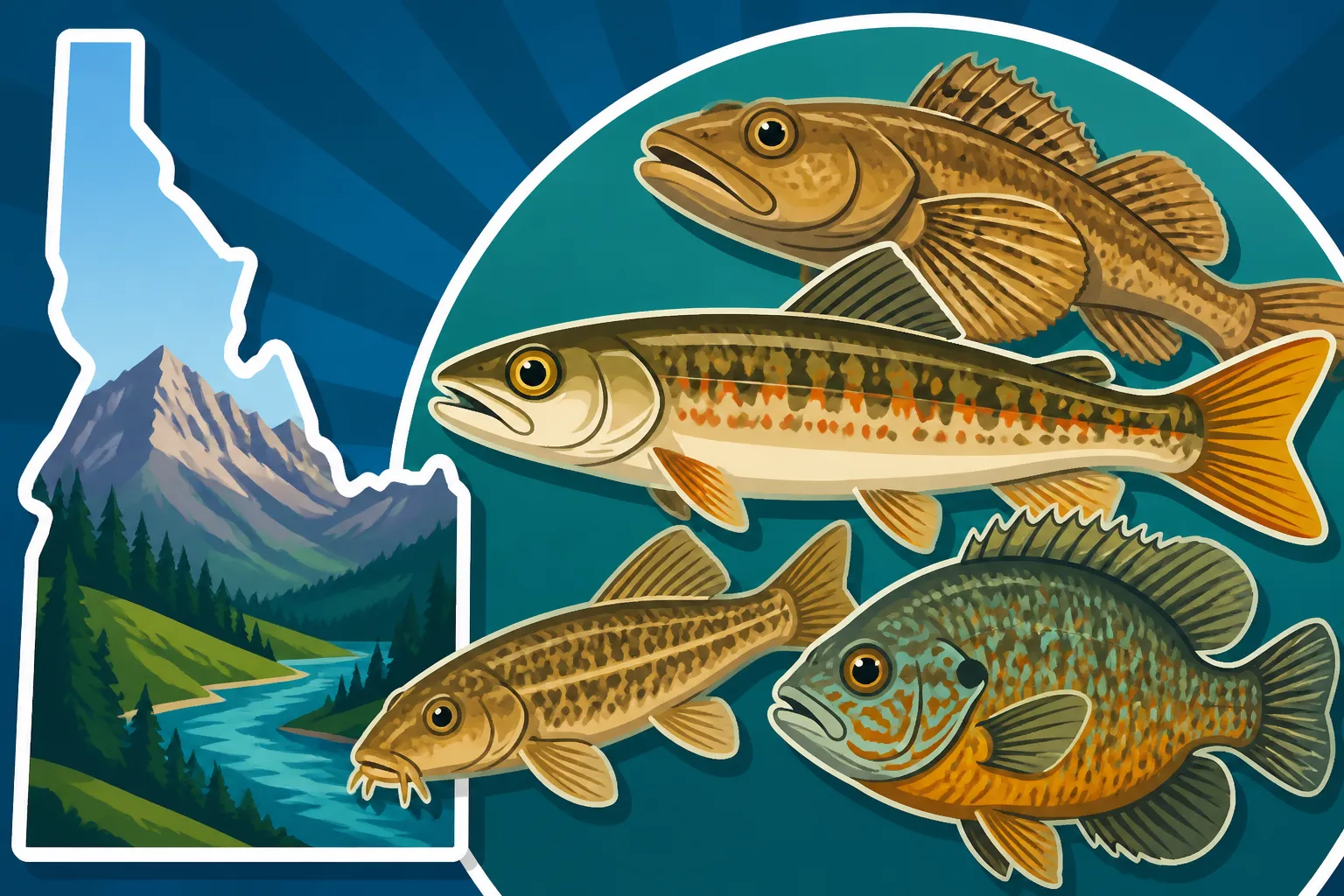
Description and Habitat: As its name suggests, the Leopard Dace is characterized by a series of dark spots and blotches along its olive-brown body, creating a camouflage pattern reminiscent of a leopard. They are small, typically only reaching about 3-4 inches in length, with a slender body and a relatively small mouth.
These little dynamos are native to the Columbia River basin, which includes much of Idaho. They prefer clear, cool, fast-flowing streams and small rivers, often found in riffles and runs over gravel and cobble bottoms. They are strong swimmers for their size, capable of holding their own in moving water. You might find them in smaller tributaries of larger rivers in central and northern Idaho.
Why They're Obscure: Their diminutive size is the primary reason the Leopard Dace rarely registers on an angler's radar. They are simply too small to be considered a game fish by any stretch of the imagination. Unless you are specifically conducting a biological survey or actively looking for micro-fish, you are unlikely to encounter one, let alone attempt to catch it. They aren't found in most Best Fishing Spots in Idaho lists because they aren't what most people are seeking.
Conservation Concerns: While not federally listed, local populations of Leopard Dace can be vulnerable to habitat degradation. Issues like sedimentation from logging or agricultural runoff, stream diversion, and changes in water flow can severely impact these sensitive fish. Their presence is often a good indicator of stream health, as they require clean, clear, and well-oxygenated water. Appreciating these tiny creatures helps us understand the importance of preserving even the smallest components of our aquatic ecosystems.
Bear Lake Sculpin
Now, for a truly specialized, and somewhat peculiar, fish: the Bear Lake Sculpin (Cottus extensus). This species is not just obscure; it's endemic, meaning it's found only in one specific place on Earth—Bear Lake, which straddles the Idaho-Utah border.
Description and Habitat: The Bear Lake Sculpin is a small, bottom-dwelling fish with a large head, broad pectoral fins, and a body that tapers toward the tail. Its skin is mostly scaleless, and it's typically mottled brown or gray, providing excellent camouflage against the lakebed. They rarely exceed 6 inches in length. They are uniquely adapted to the deep, cold, oligotrophic (nutrient-poor) waters of Bear Lake. You won't find them anywhere else. They typically live at depths, often in rocky areas, staying close to the substrate.
Why They're Special (and Obscure): The Bear Lake Sculpin is a testament to evolution and adaptation. It's one of four fish species found only in Bear Lake, having evolved in isolation since the last ice age. Its extreme specialization to this unique environment makes it incredibly interesting from a biological perspective. However, its deep-water habitat and small size mean it is virtually unknown to recreational anglers. You'd need specialized equipment to even attempt to find one, and there are no regulations for angling them as they are not a target species.
Role as Forage Fish: Despite their obscurity, Bear Lake Sculpin are incredibly important. They form a critical part of the food web in Bear Lake, serving as a primary food source for larger game fish like the native Bear Lake Cutthroat Trout and Lake Trout, which are much sought after by anglers. Without these sculpin, the trophy fish that draw anglers to Bear Lake wouldn't have the robust food supply they need to thrive. This highlights how often the unseen species are the foundation upon which more popular fisheries are built.
Redside Shiner
While many consider shiners simply as baitfish, the Redside Shiner (Richardsonius balteatus) is a beautiful and energetic species that, like the Peamouth, often goes unappreciated for its own merits.
Description and Habitat: The Redside Shiner is a slender, often iridescent fish with silver sides, a darker back, and during spawning, a prominent, vibrant red or orange stripe running along its flanks. This color can be quite striking and adds to its appeal. They typically grow to about 4-6 inches, though some can reach up to 7 or 8 inches.
Redside Shiners are widespread throughout western North America, including much of Idaho. They thrive in a variety of aquatic environments, from small streams and rivers to larger lakes and reservoirs. They prefer clear to moderately turbid water and are often found in schools, darting through riffles, pools, and near aquatic vegetation. They are quite adaptable.
Why They're Obscure: Similar to other smaller species, the Redside Shiner is not considered a sport fish. It's more commonly known as bait, particularly for bass and larger trout. Most anglers won't actively try to catch them. However, they are lively and beautiful fish, and catching them on ultra-light tackle can be surprisingly fun, especially for kids or beginners.
How They Can Be Caught (for fun): If you're looking for a non-traditional challenge, or just want to introduce a child to fishing with guaranteed bites, targeting Redside Shiners can be enjoyable. Use tiny hooks (size 12-16) with small pieces of worm, bread, or even specialized micro-jigs. Fish them in clear, shallow areas of streams or lakes where you see schools of small fish. They'll readily strike, offering a chance to appreciate their vibrant colors up close before a gentle release. Just remember to check Idaho Fishing Regulations Explained for any rules regarding bait use, as Idaho Waters with No Bait Allowed exist. Sometimes, an afternoon spent catching these little beauties with simple gear on a sunny day is just as rewarding as landing a lunker. Consider looking for ultralight gear on Amazon to specifically target these smaller, fun species.
Pygmy Whitefish
Lastly, let's explore the Pygmy Whitefish (Prosopium coulterii), a fascinating, small relative of the Mountain Whitefish that lives a secretive life in Idaho's deeper, colder waters.
Description and Habitat: True to its name, the Pygmy Whitefish is indeed small, rarely exceeding 6 inches in length. It has a slender, silvery body, similar in shape to a miniature Mountain Whitefish, with relatively large scales for its size. Its mouth is small and terminal (at the very front of the head).
This species is found in deep, cold, pristine lakes in the northern parts of Idaho, particularly within the Columbia River drainage. Think of deep, clear glacial lakes where cold water persists year-round. They are primarily bottom dwellers, often found at considerable depths, preferring rocky or gravel substrates. Their preference for these deep, cold environments makes them particularly elusive.
Why They're Elusive: The Pygmy Whitefish is perhaps the most difficult to encounter on this list for a typical angler. They live in deep water, far from the surface and shoreline, and their small size means they aren't attracted to most standard fishing tackle. They are rarely, if ever, caught by recreational anglers. Their existence is primarily known through scientific surveys and specialized sampling methods.
Ecological Niche: Despite their hidden lives, Pygmy Whitefish are important components of the deep-water ecosystems they inhabit. They likely serve as a forage base for larger, predatory fish like Lake Trout and Bull Trout that share their cold, deep habitats. Their presence also indicates a very high level of water quality and pristine conditions in these specific lakes, as they are quite sensitive to environmental changes. They represent the quiet, unseen foundation of Idaho's deep-water fisheries.
The Hidden Value: Why These Fish Matter to Idaho's Ecosystems
It might seem like a lot of fuss for fish you'll likely never cast a line for, but understanding and appreciating these lesser-known species is incredibly important. They are not just biological curiosities; they are integral parts of the complex web of life in Idaho's waters.
Food Web Contributions
Every single fish, no matter how small or seemingly insignificant, plays a role in the intricate food web. These obscure species often form the base or a critical mid-level link in the chain. The Redside Shiner provides sustenance for larger trout and bass. The Bear Lake Sculpin fuels the growth of trophy cutthroat and lake trout in Bear Lake. Tiny aquatic insects are consumed by these smaller fish, which are then consumed by larger fish, birds, and even mammals. Without these foundational species, the entire structure of the ecosystem could falter, directly impacting the game fish we love to pursue. It's a prime example of how interconnected everything is.
Imagine a towering skyscraper. While the penthouses and executive suites (our trophy game fish) get all the attention, it's the unseen foundation and intricate network of pipes and wires (our lesser-known species) that truly make the building stand. Disrupt one, and the whole structure is at risk.
Indicator Species
Many of these specialized fish species act as "indicator species." This means their health, population size, and even their presence or absence can tell scientists a great deal about the overall health and quality of their habitat. For example, the Leopard Dace's need for clean, clear, fast-flowing water means that a healthy population suggests the stream it inhabits is relatively pristine and free from pollution or excessive sedimentation.
When populations of these sensitive species decline or disappear, it's a red flag that something is amiss in the environment, even if the more resilient game fish populations haven't shown immediate signs of distress. By monitoring these species, biologists can get an early warning signal about environmental problems, allowing for intervention before more widespread damage occurs. This is vital for the long-term health of all Idaho Fish Species Guide.
Biodiversity: The Richness They Add to Idaho's Natural Heritage
Biodiversity, simply put, is the variety of life in an ecosystem. Idaho is incredibly rich in biodiversity, and these lesser-known fish contribute significantly to that richness. Each species represents a unique evolutionary path, a distinct set of adaptations, and a piece of the biological puzzle that makes Idaho special. Losing even one species, no matter how small, diminishes that richness and resilience.
Protecting these species and their habitats is about more than just ensuring a healthy fishery for anglers; it's about preserving Idaho's natural heritage for future generations. It's about recognizing that every living thing has inherent value and plays a part in the grand scheme of nature. As anglers, we are often on the front lines of observing these environments, and being aware of the full spectrum of life within them only deepens our connection to the water. Understanding Idaho's State Fish Explained is one thing, but appreciating the tiny, unseen wonders is another level of connection.
How Anglers Can Appreciate Idaho's Lesser-Known Fish (Even if You Don't Catch Them)
So, how can you, as an angler, appreciate these hidden denizens of Idaho's waters? It starts with curiosity and a commitment to responsible outdoor practices. You might not actively pursue them, but your actions can certainly impact their continued existence.
Education and Awareness
The first step is simply learning about them. This article is a start! Pick up a good field guide to Idaho's fish species, or check out the Idaho Department of Fish and Game's resources. The more you know about the diverse life beneath the surface, the more you’ll appreciate the complexity and beauty of our aquatic ecosystems. You might find some excellent identification guides on Amazon to carry with you on your next trip. Understanding How Often Idaho Fishing Rules Change can also help ensure you're always informed about the broader aquatic environment.
Talk to local experts, read scientific reports (if you're really keen!), and simply pay more attention when you're out on the water. That "sucker" you saw darting away might have been a Mountain Whitefish, or that flash of silver a Peamouth. A heightened awareness makes every fishing trip an opportunity for discovery, transforming it from a mere hunt for game fish into a broader exploration of nature.
Ethical Angling Practices
Whether you're targeting a trophy trout or accidentally hook a small shiner, practicing ethical angling is paramount. This means:
- Minimizing Impact: Always pack out what you pack in, avoid disturbing riparian zones, and be mindful of your footprint.
- Proper Catch and Release: If you do accidentally catch a non-target species, handle it gently and release it quickly. Learn proper techniques for minimizing stress on fish.
- Adhering to Regulations: Understand and follow all Idaho Fishing Regulations Explained, including Idaho Catch Limits and Bag Limits Explained and any specific rules for certain waters. Even if a fish isn't a game species, there might be regulations related to its handling or protection.
- Protecting Habitat: Advocate for clean water, healthy stream banks, and responsible land management. The habitat that sustains game fish also sustains these smaller, lesser-known species.
Exploring Diverse Waters
While the pursuit of popular species is exciting, consider occasionally venturing into waters that might not be renowned for trophy fish but are rich in biodiversity. Explore a small, clear mountain stream, or a quiet backwater slough. You might not land a record-breaker, but you could observe a fascinating array of minnows, dace, and other small fish that call those places home.
This shift in perspective can make your fishing experiences even more rewarding, deepening your connection to Idaho's natural world. You might discover a new appreciation for the subtle beauty and vital roles of these Idaho fish species you've probably never heard of, making every moment on the water a little more magical. Don't forget your Idaho Fishing License Guide even for these exploratory trips. A Idaho Fishing Season Calendar can also help you plan visits to different waters at different times of the year, potentially revealing different species.
Disclaimer
This article is for general informational purposes only and does not constitute professional advice. Laws, prices and regulations vary by location and change over time. Consult a qualified professional for guidance on your specific situation.