Red Flags to Watch for When Booking a Fishing Charter
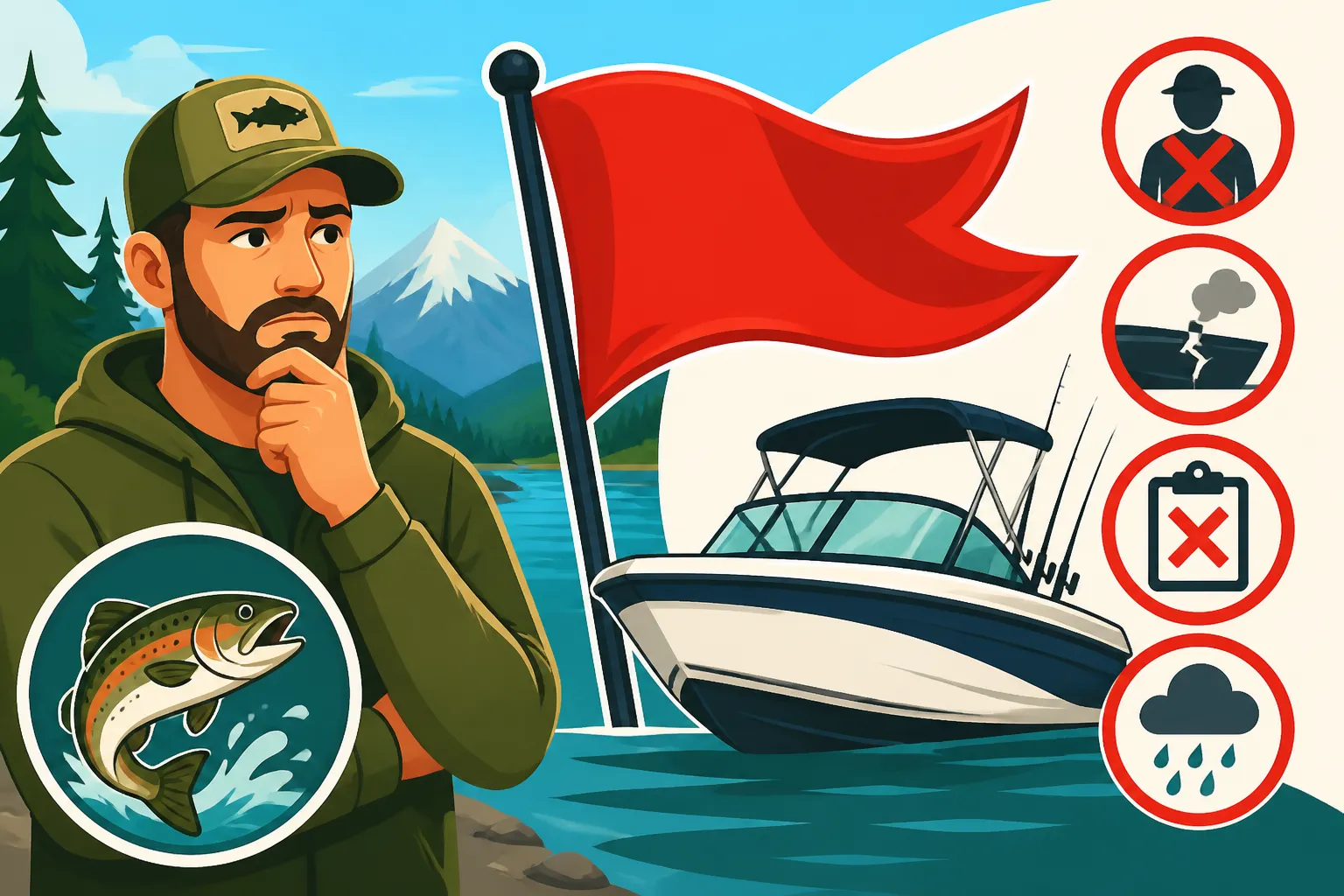
Oh, the sheer joy and anticipation of planning an Idaho fishing trip! You've got that perfect river bend in mind, or maybe a serene lake, and the thought of hooking into a feisty steelhead or a massive sturgeon is enough to keep you up at night. Often, to make that dream a reality, especially for those bigger adventures or when you’re exploring new waters, booking a fishing charter or guide is the way to go. But let’s be honest, the excitement can quickly turn to dread if you end up with a less-than-stellar experience. It's incredibly frustrating to invest your hard-earned money and precious vacation time into a trip that falls flat because of a dodgy guide. This guide is all about helping you navigate the booking process and spot those crucial red flags before you commit, ensuring your Idaho fishing adventure is everything you dreamed of.
Questionable Communication and Professionalism
One of the first, and often most telling, indicators of a potentially problematic fishing charter or guide service is how they communicate with you right from the start. Think of it like a first impression – if it's messy or unclear, it rarely gets better once you're on the water. A professional guide understands that their reputation begins long before you even cast a line, starting with clear, timely, and polite interactions.
Slow or Unresponsive Communication
You send an email, make a call, or fill out an inquiry form, full of excitement about your potential trip. Then… silence. Or maybe you get a reply days, even a week later, with a super brief, almost dismissive answer. This is a massive red flag. Reputable Idaho fishing guides are typically busy, especially during peak seasons, but they value your business and understand that prompt communication builds trust. They should, at the very least, acknowledge your inquiry within a reasonable timeframe, usually 24-48 hours, and ideally, offer a clear timeline for a more detailed response if they can't provide one immediately.
Consider a scenario: You're trying to book a Idaho Steelhead Fishing Guides trip for next fall, which is prime season. You email three different guides on a Monday morning. Two get back to you by Tuesday afternoon with availability, detailed pricing, and answers to your initial questions. The third one? You hear nothing until Friday evening, and it's just a one-liner: "Yeah, got some openings in October." Which one are you more inclined to trust with your hard-earned cash and precious fishing time? That lack of urgency and detail often translates into their on-the-water service as well. It’s not just about speed; it's about showing they care about your business from the get-go.
Lack of Clarity or Detail in Responses
Even if a guide responds quickly, the quality of their response matters immensely. If you ask about specific target species, fishing techniques, what's included in the price, or cancellation policies, and you get vague, evasive, or overly simplistic answers, that should raise an eyebrow. A good guide should be eager to share details about their operation, their boats, their experience, and what you can realistically expect. They should be able to clearly articulate their plan for the day, even if it's flexible due to weather or fish movement.
For instance, if you ask about a Snake River Fishing for Smallmouth Bass and Sturgeon trip and the guide just says, "We fish the Snake, catch bass," without mentioning specific stretches, typical fishing methods, or the crucial catch-and-release rules for sturgeon, it's a concern. You want to feel like they know their stuff and are happy to inform you, not like they're trying to gloss over details. This clarity is especially important when you're trying to understand things like What's Included in an Idaho Guided Fishing Trip – you don't want surprises when you show up.
Unprofessional Demeanor
This might seem obvious, but if you encounter rudeness, impatience, or a generally dismissive attitude from a guide or their booking agent during your initial contact, walk away. Immediately. No matter how good their reputation might seem otherwise, if they can't be polite and professional when they're trying to earn your business, imagine how they'll behave when they already have it. Fishing trips are supposed to be enjoyable, relaxing, and often involve long hours in close quarters with your guide.
You want someone who is enthusiastic, patient, and genuinely interested in making your trip a success. If they're cutting you off, making you feel stupid for asking questions, or generally giving off bad vibes, it's a sign that the entire experience could be tainted by their personality. Trust your gut on this one. You’re paying for a service, and professionalism is a non-negotiable part of that.
Vague or Misleading Information
Beyond communication style, pay close attention to the content of the information shared. A reputable guide will be upfront and transparent about all aspects of the trip, from pricing to what fish you'll actually be targeting. Anything less than full disclosure should make you wary.
Hidden Fees and Unclear Pricing
This is one of the biggest frustrations for anglers. You see an attractive price advertised, only to find out later that it doesn't include half of what you thought. A major red flag is when a charter doesn't provide a clear, itemized breakdown of costs upfront. This could include bait, tackle, licenses, processing fees, fuel surcharges, or even gratuity (though tipping is usually separate). You should never have to guess what the final bill will be.
Here’s a quick comparison to illustrate the point:
| Clear Pricing Example | Vague Pricing Example |
|---|---|
| Full-Day Steelhead Trip: $600 (up to 2 anglers) | Steelhead Trip: $600 |
| Includes: Boat, guide, tackle, bait, non-alcoholic drinks, snacks. | Includes: Fishing |
| Not Included: Idaho Fishing License Guide, Idaho Salmon and Steelhead Permit, gratuity, fish processing. | Extra Costs: Bait, tackle, gas, "other fees." |
| Deposit: 50% required. Full payment 14 days prior. | Payment: We'll sort it out. |
See the difference? The "Vague Pricing" example leaves you wide open for unexpected charges. Always ask for a comprehensive breakdown, including any potential additional costs like an Idaho Access and Depredation Fee Explained if you’re fishing certain federal lands. Don't be shy about asking direct questions about all-in costs. A professional guide will appreciate your thoroughness. This is a great opportunity to use resources like Idaho Fishing Guide Cost Guide to understand typical rates and ensure you're getting a fair and transparent deal.
Ambiguous Trip Details
What exactly are you signing up for? If the charter's description of a trip is overly generic or lacks specifics about what you'll be doing, where, and for how long, that's a problem. For example, if you're booking a Lake Coeur d'Alene Fishing for Kokanee and Chinook trip, you should expect to know if you'll be trolling, jigging, what depths they typically fish, and what time the trip starts and ends. "Fishing Lake Coeur d'Alene" isn't enough.
A good guide will tell you: "We'll be on the water from 7 AM to 3 PM, primarily trolling with downriggers for kokanee and chinook salmon. We'll focus on the north end of the lake, near Harrison, depending on current reports." This kind of detail not only helps you prepare but also demonstrates the guide's expertise and careful planning. You want to understand the Idaho Fishing Season Dates and Limits for your target species and ensure the guide is operating within them.
Overly Broad or Generic Website Content
Many guides rely on their websites or online profiles to attract clients. If a charter's online presence, whether it's their own site or a listing on a platform like FishingBooker, uses extremely generic language that could apply to any fishing destination, rather than specific Idaho details, be cautious. You should see photos of their boat, their clients with Idaho-specific fish, and references to local landmarks, rivers, or lakes.
If their "About Us" section talks generally about "beautiful rivers and abundant fish" without mentioning the Salmon River, the Clearwater, Henry's Fork, or specific Idaho fish species like Westslope Cutthroat or Snake River Sturgeon, it suggests they might not be deeply rooted in the Idaho fishing scene. This isn't just about local pride; it's about whether they truly understand the unique challenges and opportunities of fishing Idaho's diverse waters. You should see content that screams "Idaho!" not just "generic fishing."
Lack of Transparency or Credentials
The foundation of a good guide-client relationship is trust, and transparency about credentials, experience, and legal standing is paramount. Any reluctance to share this information is a significant red flag.
Missing or Unverifiable Licenses and Permits
Fishing guides in Idaho, like in most states, are required to hold specific licenses and permits. This often includes a guide license from the Idaho Outfitter and Guide Licensing Board, as well as potentially specific permits for operating on federal lands, or for certain types of waters. If a guide is vague about their licensing, or you can't find any proof, that's a serious problem. It’s not just about legality; it’s about safety and accountability.
An unlicensed guide might not be insured, and they might not be up-to-date on Idaho Fishing Regulations Explained or even basic safety protocols. Always verify their credentials. You can often check with the state's outfitter and guide licensing board or other relevant agencies. Asking about Idaho Fishing Guide Licensing Requirements directly is a smart move. Without proper licensing, you're putting yourself at risk and supporting an operation that isn't playing by the rules.
Scarcity of Real Reviews or Testimonials
In today's digital age, genuine reviews are gold. If a charter has no online reviews, or only a handful of suspiciously glowing ones that all sound the same, that should make you pause. Similarly, if all their testimonials are decades old, it doesn't give you a current picture. Look for a healthy number of recent reviews across various platforms – their own website, Google, social media, and dedicated booking sites like FishingBooker.
When reading reviews, look for specifics. Do people mention the guide by name? Do they talk about the type of fish caught, the scenery, the boat, or the guide's teaching style? Generic comments like "great trip" are less helpful than "Captain John was fantastic, helping my son land his first rainbow trout on the Boise River, and his knowledge of the local hatches was incredible." Pay attention to how the guide responds to criticism, if any exists, as well. A professional guide will often address negative feedback constructively. This is a crucial step in How to Find a Reputable Fishing Guide and Reading Reviews Before Booking a Fishing Guide.
No Proof of Insurance
Imagine an accident on the water – a slip, a fall, an equipment malfunction. Accidents happen, even with the most careful guides. If your guide doesn't carry liability insurance, you could be left high and dry, both medically and financially, if something goes wrong. A reputable guide will have insurance to protect both themselves and their clients. It's a sign of a professional operation that takes safety and responsibility seriously.
Don't hesitate to ask if they are fully insured and if they can provide proof. If they hem and haw, or say it's "not necessary," consider that a flashing red light. Your safety should be their top priority, and insurance is a fundamental aspect of that commitment. This ties into the broader topic of Idaho Fishing Guide Tipping and Etiquette – a professional, insured guide deserves your trust and respect.
Unfamiliarity with Local Regulations
Idaho has complex and sometimes very specific fishing regulations, which can vary significantly from one body of water to another, and even by section of the same river. For example, Idaho Trout Limits by Water can be different depending on whether you're on the main stem of a river or a tributary. A guide who seems hazy on current Idaho Fishing Regulations Explained, bag limits, size restrictions, or special regulations for certain species (like Idaho Sturgeon Fishing Rules or Idaho Barbless Hook Requirements in certain waters) is a huge liability.
This isn't just about potentially getting a ticket; it's about ethical fishing and conservation. A good guide is a steward of the resource and will be a walking encyclopedia of the current rules. If they brush off a question about, say, Idaho Catch Limits and Bag Limits Explained, or seem unsure about how to identify a hatchery vs. wild steelhead (which has legal implications for retention), that's a major cause for concern.
Unrealistic Promises or Guarantees
Fishing is called fishing, not catching, for a reason. While a great guide significantly increases your chances, it's ultimately still fishing. Be wary of anyone making promises that sound too good to be true.
Guaranteed Catch Rates or Record-Breaking Fish
Any guide who guarantees you'll catch a certain number of fish, or promises you a trophy-sized lunker on every trip, is probably exaggerating or outright misleading you. While some guides specialize in waters known for big fish (like Priest Lake Fishing for Trophy Lake Trout), they should always frame it with realism. Fishing success depends on countless variables: weather, water conditions, fish mood, skill of the angler, and sheer luck.
A truly ethical and experienced guide will talk about opportunities, likelihood, and best chances. They'll tell you they'll work hard to put you on fish, share their knowledge, and provide the best possible experience, but they won't guarantee a specific outcome. If a guide promises "fish in the cooler every time!" or "you WILL break a state record!" consider it a strong indication that they're more interested in booking the trip than in providing an honest service. Remember What to Expect on a Guided Idaho Fishing Trip – it's about the entire experience, not just a promise of a huge catch.
Downplaying Safety Concerns
Safety should always be the guide's number one priority. If you inquire about safety protocols, life vests, emergency equipment, or how they handle adverse weather, and they seem dismissive or brush off your concerns ("Oh, we never have problems," or "Just tough it out!"), that's a huge red flag. This is especially true for trips on larger bodies of water like Fishing Lake Coeur d'Alene or fast-moving rivers like the Salmon.
A professional guide will openly discuss their safety measures, show you where the life jackets are, explain their first aid kit, and have a clear plan for bad weather or emergencies. They will not take unnecessary risks and will prioritize your well-being above all else. If they act like safety questions are an annoyance, imagine how they'd react in a real emergency. This is a topic you absolutely should cover when asking Questions to Ask Before Booking a Fishing Guide.
Pressure Tactics for Booking
"Book now or lose your spot forever!" "This is the last opening this season at this price!" While guides do have limited availability, especially for prime dates, high-pressure sales tactics should always make you suspicious. A reputable guide will provide information, answer your questions, and give you reasonable time to make a decision without making you feel forced into a booking.
These tactics often go hand-in-hand with other red flags, suggesting that the guide might struggle to book trips organically based on their reputation and service alone. Take your time, compare options, and if you feel pressured, it's usually a sign to look elsewhere. You want to feel confident and comfortable with your choice, not rushed and regretful. And always be clear on their Cancellation and Weather Policies for Idaho Fishing Guides before you put down a deposit.
Disclaimer
This article is for general informational purposes only and does not constitute professional advice. Laws, prices and regulations vary by location and change over time. Consult a qualified professional for guidance on your specific situation.