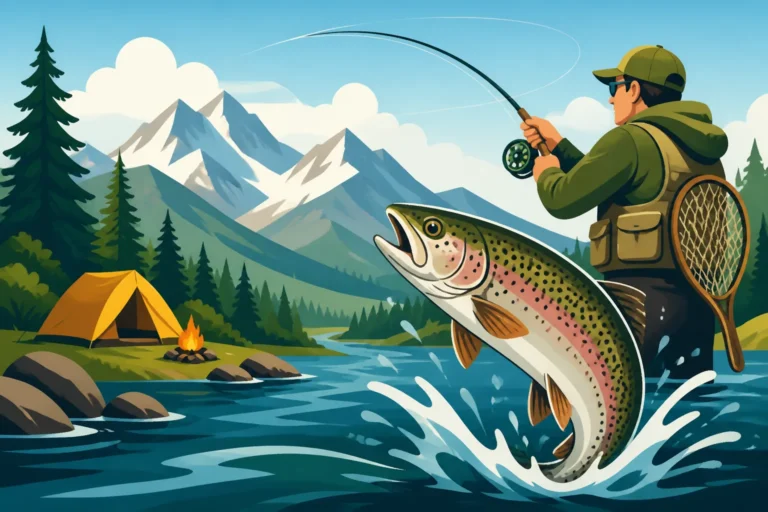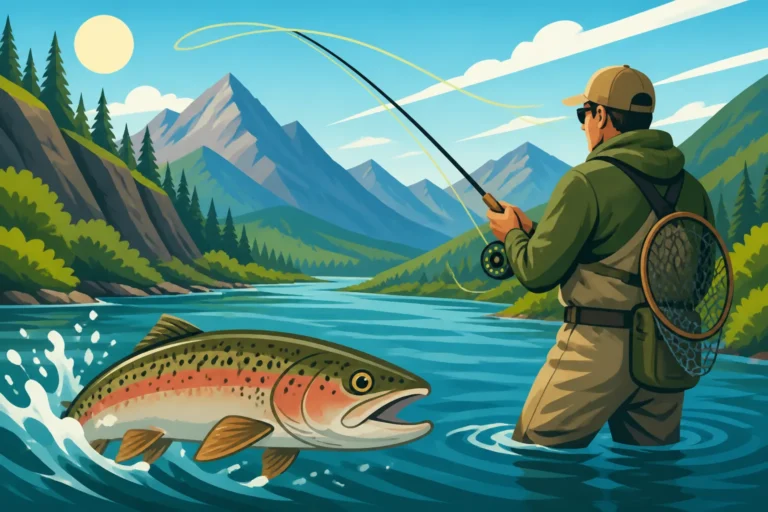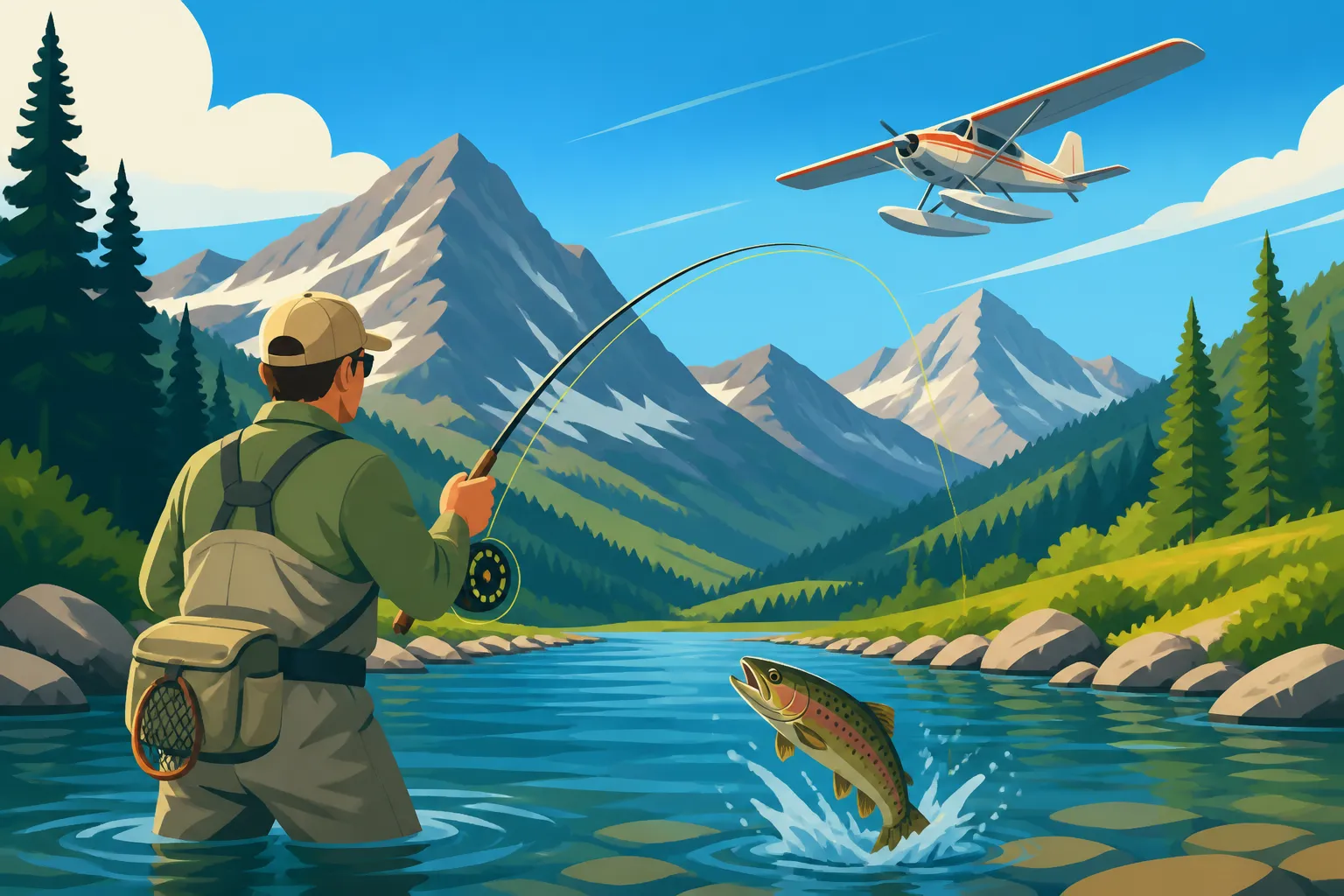
Fly-In Fishing Trips in Idaho’s Backcountry
There's a special kind of angler out there who dreams of truly untouched waters, fish that have rarely seen a human, and the profound quiet of a wilderness so vast it swallows your worries whole. But let's be honest, getting to those places in Idaho's vast backcountry can feel like an impossible puzzle – how do you even reach those hidden gems? This comprehensive guide is here to unravel the mystery of fly-in fishing trips in Idaho's backcountry, offering you the ultimate roadmap to experiencing some of the most remote and rewarding angling adventures the Gem State has to offer.
What Exactly is a Fly-In Fishing Trip in Idaho's Backcountry?
For many, the word "backcountry" conjures images of grueling hikes with heavy packs, pushing deep into the wilderness over days. While that's certainly one way to experience Idaho's remote beauty, a fly-in fishing trip offers a unique, often faster, and incredibly scenic alternative. It's about trading your hiking boots for airplane wings, soaring over breathtaking landscapes to reach waters that are simply inaccessible by road.
The Lure of Remote Wilderness Access
Imagine this: you're sitting in a small bush plane, the engine a steady hum, watching the rugged peaks of Idaho's wilderness unfold beneath you. Roads vanish, towns become specks, and soon, all you see is an endless tapestry of forest, granite, and shimmering rivers. Then, the pilot points to a tiny, meticulously maintained dirt strip carved into a meadow, or a pristine high-mountain lake, and you realize that's your destination. This is the magic of fly-in access.
It’s about escaping the crowds, the constant drone of traffic, and the feeling that every good spot is already taken. You want to cast your line into a stream where the only footprints are from deer or elk, or into a lake where the biggest ripple might just be a rising trout, not a wake from a motorboat. That's the promise of a fly-in trip. It's an opportunity to truly disconnect, to immerse yourself in the natural world without the constant reminders of civilization. These are often waters where the fish are less pressured, making for a more eager bite and a more authentic angling experience that feels like stepping back in time.
Common Destinations and Fish Species
Idaho's backcountry is dominated by vast wilderness areas like the Frank Church-River of No Return Wilderness, the Selway-Bitterroot Wilderness, and numerous national forests. Within these pristine landscapes lie countless rivers, streams, and alpine lakes that are prime for fly-in access.
Think about the headwaters of the iconic Middle Fork of the Salmon River, known for its pristine waters and abundant cutthroat trout. Or perhaps the remote reaches of the Selway River, another jewel of the wilderness system. Then there are the countless high mountain lakes nestled in granite cirques, teeming with eager trout.
When it comes to the fish you'll encounter, these remote waters are often the stronghold of native species. You'll primarily be targeting various species of trout, including the beautiful Westslope Cutthroat Trout and Yellowstone Cutthroat Trout, both prized for their vibrant colors and willingness to rise to a well-presented fly. Rainbow trout and Brook trout are also common residents in many of these high-elevation lakes and streams. It's crucial to remember that some waters, especially those hosting species like the protected Bull Trout, will be strictly catch-and-release, often with barbless hook requirements. Always consult the latest Idaho Fishing Regulations Explained and local area rules before you go. The joy here isn't just about the catch, but the wildness of the fish and the purity of their habitat.
Planning Your Fly-In Fishing Adventure: Logistics and Preparation
Embarking on a fly-in fishing trip isn't something you decide to do on a whim. It requires meticulous planning, a good understanding of logistics, and careful preparation. Unlike a drive-up fishing trip, your plane has strict weight limits, and forgetting a crucial piece of gear isn't a simple run to the nearest store.
Finding a Reputable Air Charter and Outfitter
This is perhaps the most critical step in planning your fly-in adventure. You're entrusting your safety, and the success of your trip, to these professionals. You need an experienced pilot who knows Idaho's backcountry airstrips and weather patterns like the back of their hand. These airstrips can be short, sometimes sloped, and often present unique challenges that require specialized bush pilot skills.
Many of these air charter services also operate as full-service outfitters, meaning they can arrange much more than just the flight. They might provide guided fishing, complete camp setups, food, and all the necessary permits. This can be a huge advantage, especially if you're new to backcountry fly-in trips or want to maximize your fishing time rather than worrying about logistics. When looking for an outfitter, ask about their safety record, their experience with fishing groups, and what specific services are included in their packages. Word-of-mouth recommendations are golden in this niche, but online platforms like FishingBooker can also be a great starting point for finding reputable services and comparing options, often listing client reviews that give insight into an outfitter's reliability and expertise. You might want to check out our Idaho Fishing Guides and Charters Directory for a general overview, and then delve deeper into how to specifically How to Book a Fishing Guide in Idaho for these specialized trips. If you're eyeing a multi-day float and fish on a specific river, a dedicated service like the Middle Fork of the Salmon River Fishing Outfitters would be your go-to.
Essential Gear for Backcountry Fly-In Fishing
"Pack light, but pack smart" is the mantra for fly-in trips. Every pound counts due to airplane weight restrictions, so multi-use items and compact gear are your best friends.
- Fishing Gear: Think packable. A multi-piece fly rod or spinning rod that breaks down easily is essential. Bring reels spooled with appropriate line weights for trout (usually 3-6wt for fly fishing). A selection of flies or lures that mimic local insects and baitfish is crucial. Consider a small, lightweight tackle box or fly box. Don't forget nippers, forceps, and extra leaders/tippet. For a deeper dive into what to pack, our Idaho Fishing Gear Guide by Season can offer valuable insights, and you'll find more specific advice in What Gear to Pack for a Sawtooth Backcountry Fishing Trip which translates well to other backcountry areas.
- Camping Gear: If you're going self-supported, every item must be lightweight. A compact tent, a warm sleeping bag rated for the expected nighttime lows (even summer nights can be chilly at elevation), and an inflatable sleeping pad are key. A small, efficient cooking system (stove, fuel, pot, utensils) is also necessary.
- Clothing: Layers are paramount. Temperatures can fluctuate wildly from morning to midday to evening. Include moisture-wicking base layers, insulating mid-layers (fleece or puffy jacket), and a waterproof/breathable outer shell. A wide-brimmed hat, sunglasses, and sturdy, broken-in hiking boots are non-negotiable.
- Safety and Navigation: This is the wilderness, folks, so preparation is key. A comprehensive first-aid kit, a reliable navigation system (GPS device with downloaded maps, plus a physical map and compass as backup), and a personal locator beacon (PLB) or satellite communication device (like a Garmin inReach or SPOT) are highly recommended. Bear spray may be advisable depending on your location and the season, as you're sharing the wilderness with plenty of wildlife. Water filters or purification tablets are also a must.
Permits, Licenses, and Regulations
Before you even start packing, make sure all your legal ducks are in a row. Fishing in Idaho requires an Idaho Fishing License Guide, which you'll need to purchase before your trip. Depending on the specific area you're flying into, you might also need additional permits. For example, some wilderness areas require a self-issued permit for overnight stays, and major river systems like the Middle Fork of the Salmon often have highly competitive lottery systems for float permits. Your outfitter can usually help clarify and acquire these.
Beyond general rules, many remote backcountry waters have specific regulations designed to protect sensitive native fish populations. This might include special bag limits (often reduced or zero for certain species), size restrictions, or gear restrictions like mandatory single, barbless hooks. It's not uncommon for sections of a river to be catch-and-release only for specific species, especially for Bull Trout. Always, always check the current Idaho Catch Limits and Bag Limits Explained and the specific regulations for the water bodies you plan to fish. You'll find these details in the Idaho Fishing Seasons and Rules brochure, available online. Being knowledgeable and compliant isn't just about avoiding a fine; it's about being a responsible steward of these fragile, pristine environments.
The Experience: From Takeoff to Trout on the Line
Once all the planning is done and the bags are packed, the real adventure begins. A fly-in fishing trip is more than just catching fish; it's an immersive experience that starts the moment your feet leave the ground.
The Thrill of the Flight and Wilderness Landing
There's something incredibly exhilarating about taking off in a small plane, often from a small regional airport or even a private strip, knowing you're headed deep into the wild. The views are simply unparalleled – winding rivers like silver ribbons, vast forests stretching to the horizon, and snow-capped peaks guarding hidden valleys. It's a perspective of Idaho you just can't get from the ground.
The landing is often as memorable as the flight itself. Backcountry airstrips are rarely paved, often just well-maintained dirt or grass, and some are tucked into surprisingly tight spaces or even on river bars. The precision and skill of the bush pilots who navigate these landings are truly impressive. Stepping out of the plane, the first thing that hits you is the silence, broken only by the whisper of the wind, the distant call of a bird, or the gurgle of a nearby stream. That immediate sense of isolation and utter immersion in nature is what many travelers crave, and it’s what truly defines the start of a fly-in fishing trip. The feeling of being miles from anywhere, with nothing but your camp and the wild ahead, is a profound sense of freedom.
Daily Life and Fishing Strategies in the Backcountry
Life in a backcountry camp is a return to basics. You'll set up your tent, maybe string up a tarp for communal cooking, and organize your gear. Days are generally spent exploring the local waters, whether it's the main river flowing past your camp, smaller feeder creeks, or hiking to a nearby alpine lake.
Fly fishing often reigns supreme in these clear, clean mountain waters, as fish are typically eager to rise to a well-presented dry fly during a hatch. How to Fly Fish in Idaho will provide a good foundation. You’ll be wading small streams, casting into riffles, pools, and undercut banks. For high-mountain lakes, shore casting or using a lightweight pack raft can be effective. How to Fish for Cutthroat Trout in Mountain Streams specifically can give you an edge in targeting these beautiful native fish. Don’t be afraid to experiment with different patterns; sometimes a classic Parachute Adams or Elk Hair Caddis is all you need, while other times a stimulator or nymph pattern might be more effective.
The fishing here can be incredibly rewarding. While the fish might not always be trophy-sized, their wildness, pristine environment, and often eagerness to bite make every catch special. You'll learn to move quietly, to read the water for subtle signs of feeding fish, and to truly appreciate the delicate ecosystem you're a part of. Be prepared for variable weather; sunny mornings can give way to afternoon thunderstorms, so layers and rain gear are essential, as discussed earlier.
Embracing the Solitude and Challenge
One of the greatest gifts of a fly-in trip is the opportunity for true solitude. Away from cell service and the constant demands of modern life, you're truly unplugged. This offers a unique chance to reconnect with nature, with your fishing companions, or simply with yourself. The vastness of the wilderness can be incredibly humbling and remarkably restorative.
There's also a rewarding challenge to these trips. You're often self-sufficient, responsible for your own camp, cooking, and navigation (if not fully guided). This fosters a sense of accomplishment that a roadside trip simply can't match. Every fish caught feels earned, every meal cooked over a campfire tastes better, and every sunset over a remote mountain range is more vibrant. It's about living simply, in tune with the rhythms of the natural world, and appreciating the incredible beauty and wildness that Idaho still holds. You'll encounter wildlife, breathtaking scenery, and moments of quiet contemplation that will stay with you long after you've flown back to civilization.
Important Considerations for a Successful Trip
A successful fly-in fishing trip means not only catching fish but also having a safe, enjoyable, and environmentally responsible adventure. A few final points of planning can make all the difference.
Best Time of Year for Fly-In Fishing
The timing of your trip is crucial and largely depends on the specific elevation and location you plan to visit. Generally, the prime window for fly-in fishing in Idaho's backcountry runs from late spring through early fall.
- Late Spring (May-June): This can be a beautiful time, but higher elevations might still have significant snowpack, limiting access to some lakes and trails. Rivers might be high and muddy from snowmelt runoff. However, lower elevation streams and rivers often start to clear and warm, with good early season hatches. It's a transition period, so checking conditions is vital. You can learn more about this in our general guide to Best Time of Year to Fish in Idaho.
- Summer (July-August): This is typically the most popular time. Snow has usually melted from all but the highest peaks, and mountain lakes are accessible. Water levels on rivers are usually lower and clearer, and insect hatches are in full swing, offering fantastic dry fly opportunities. The weather is generally more stable, though afternoon thunderstorms are always a possibility in the mountains. This is When Idaho's High Mountain Lakes Open Up After Winter is a good time to visit.
- Early Fall (September-Early October): Many seasoned backcountry anglers love this window. The crowds thin out, the weather is often crisp and cool, and the fall foliage can be stunning. Fish are actively feeding before winter sets in. However, temperatures can drop significantly, and early snowfalls are possible, especially at higher elevations, which could impact airstrip access or make camping less comfortable.
Always communicate with your chosen air charter or outfitter about the optimal timing for your specific destination and target species. They will have the most up-to-date knowledge of conditions.
Safety and Emergency Preparedness
While the allure of remote wilderness is strong, it comes with inherent risks. Being prepared for emergencies is not just smart; it's essential. You are often miles, or even days, from any form of conventional rescue.
- Communication: As mentioned, a satellite communication device (like a Garmin inReach or SPOT) is almost mandatory. Cell service is non-existent in the deep backcountry. These devices allow you to send SOS signals, text messages to loved ones (often for a fee), and receive weather updates.
- Medical: Beyond a comprehensive first-aid kit, consider taking a wilderness first-aid course. Know how to treat common injuries, snake bites, hypothermia, and how to stabilize someone for an extended period if help is delayed. Carry any personal medications in waterproof containers.
- Wildlife: You are in their home. Learn about local wildlife (bears, moose, mountain lions) and how to react to encounters. Store food properly in bear-resistant containers or hung from trees. Carry bear spray and know how to use it safely.
- Navigation: While guides handle navigation, if you're going self-supported, proficient navigation skills using a map, compass, and GPS are critical. Always leave a detailed itinerary with a trusted contact who knows when to expect you back and what to do if you don't check in.
Minimizing Your Impact: Leave No Trace
The privilege of fishing in Idaho's pristine backcountry comes with a profound responsibility: to leave it as you found it, or better. Adhere strictly to Leave No Trace principles.
- Plan Ahead and Prepare: This includes knowing regulations, packing properly, and preparing for hazards.
- Travel and Camp on Durable Surfaces: Stick to established trails and campsites. If camping in an undeveloped area, choose a durable spot away from water sources.
- Dispose of Waste Properly: Pack out everything you pack in, including all trash, food scraps (even biodegradable ones), and fishing line. Human waste should be buried in catholes at least 200 feet from water, trails, and campsites, or packed out in waste bags where required.
- Leave What You Find: Do not take "souvenirs" like rocks, plants, or historical artifacts. Preserve the past.
- Minimize Campfire Impacts: Use established fire rings where allowed, keep fires small, and ensure they are completely extinguished. In many backcountry areas, open fires are restricted or prohibited. Consider a lightweight stove instead.
- Respect Wildlife: Observe from a distance, never feed animals, and store your food securely.
- Be Considerate of Other Visitors: While solitude is a goal, if you do encounter others, yield to hikers, and keep noise levels down.
These principles ensure that future generations can enjoy the same wild, untouched fishing experiences that you seek in Idaho's incredible backcountry.
| Feature | Guided Fly-In Trip | Self-Supported Fly-In Trip |
|---|---|---|
| Experience Level | Great for all, especially beginners or those seeking ease | Requires significant backcountry and fishing experience |
| Logistics Handled By | Outfitter (flights, camp, food, permits, fishing spots) | Angler (booking flight, all gear, food, permits, navigation) |
| Gear Provided | Often includes fishing gear, camp, boats, cooking items | Angler provides everything, adhering to weight limits |
| Cost | Generally higher due to comprehensive service | Potentially lower, primarily flight cost and personal gear |
| Focus | Maximizing fishing time, comfort, local knowledge | Self-reliance, adventure, personal exploration |
| Safety Net | Professional guide, satellite communication, emergency plan | Solely responsible for personal safety and emergency plan |
Disclaimer
This article is for general informational purposes only and does not constitute professional advice. Laws, prices and regulations vary by location and change over time. Consult a qualified professional for guidance on your specific situation.