Is an Idaho Fishing License Required for Catch and Release?
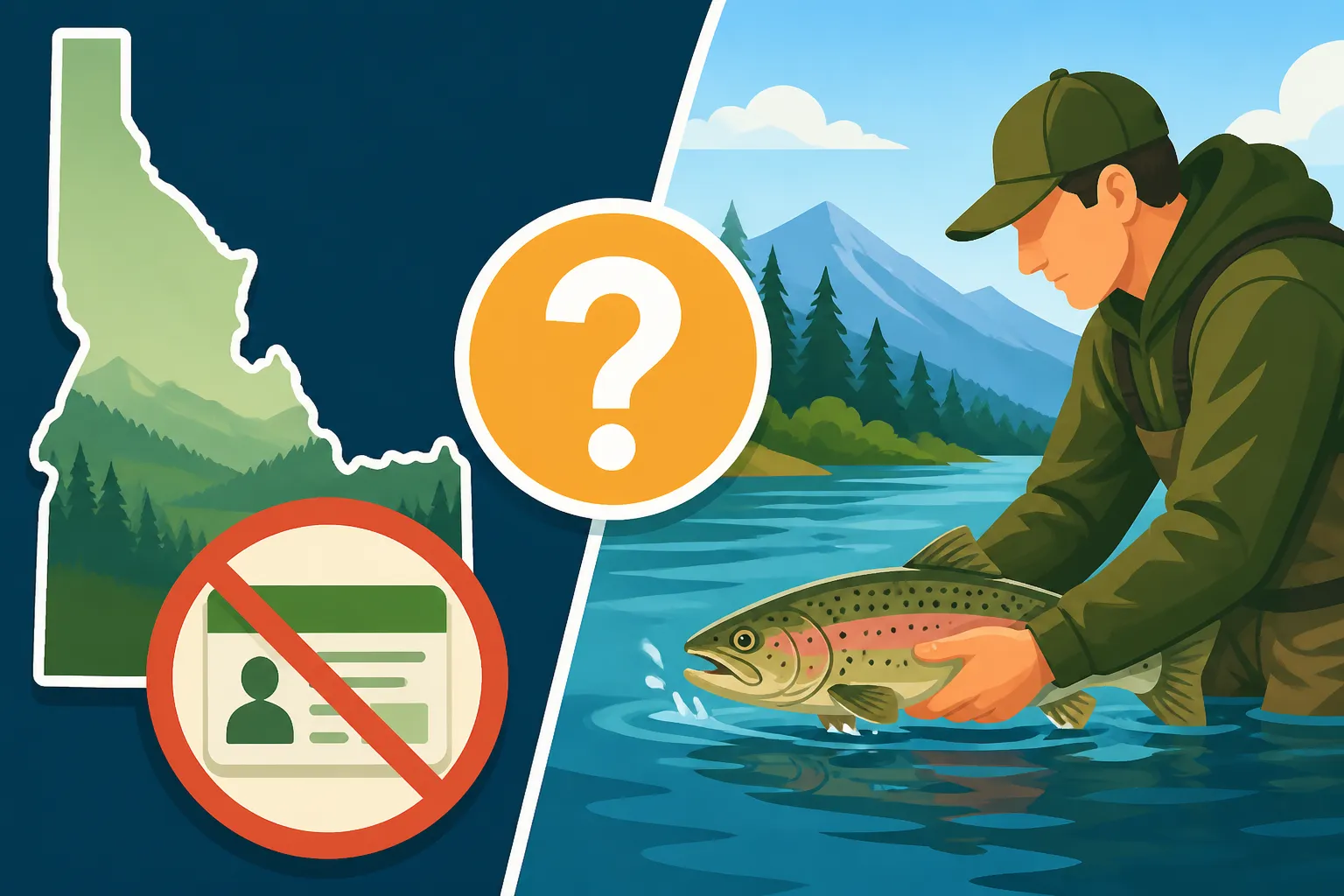
It’s a really common question, and honestly, a point of confusion for so many folks who just want to enjoy Idaho's incredible fishing opportunities: "Do I really need a fishing license if I'm just planning to catch and release? I mean, I'm not even taking anything home!" The short answer, which might feel a little frustrating if you were hoping for a loophole, is almost always a resounding yes. This guide is here to clear up that confusion, explain the why behind the rules, and make sure you're fully prepared for your next angling adventure in the Gem State.
Understanding Idaho's Fishing License Basics for All Anglers
Let's cut right to the chase because this is where a lot of misunderstandings happen. When you step out to fish anywhere in Idaho, the expectation is that you have a valid fishing license. It’s not just about what you do with the fish once you catch it; it’s about the act of fishing itself.
The Fundamental Rule: License First, Fish Second
Imagine packing up your gear – your favorite spinning rod, a tackle box brimming with shiny lures, maybe even that new pair of waders you ordered from Amazon – and heading out to a pristine Idaho river or lake. You're dreaming of that tug on the line, the thrill of the fight, and the satisfying release of a healthy fish back into the water. What you might not be thinking about is the little piece of paper, or digital record, that makes it all legal.
The Idaho Department of Fish and Game (IDFG) manages and conserves our state's aquatic resources. This isn't just about ensuring there are fish for dinner; it's about protecting entire ecosystems, monitoring fish populations, and maintaining the incredible biodiversity that makes Idaho a fishing paradise. Every single time you cast a line into public waters, or even some private ones that connect to public systems, you're engaging with a managed resource. Your fishing license fee is the primary way this vital work gets funded. It pays for fish stocking programs, habitat restoration projects, scientific research, and yes, even the enforcement officers who ensure everyone is playing by the rules. So, whether you plan to keep a trophy trout for dinner or gently release every fish you hook, you're still benefiting from and participating in a system that requires funding to sustain itself. Thinking of it as a contribution to the health of the fishery can help shift perspective; it's less about permission to keep and more about permission to participate.
Who Needs a License in Idaho?
Idaho has pretty clear guidelines on who needs to carry a fishing license. Generally speaking, anyone age 14 or older needs a valid license to fish in Idaho waters. This applies whether you're a resident who's lived here your whole life or a nonresident visiting for a weekend getaway.
For adults, there’s no getting around it. If you’re 14 years old or more, you must have a license on your person (or readily accessible digitally) while fishing. This threshold means that a lot of teenagers, who might feel like they're still "kids," actually fall under the adult license requirement. It's a key age to remember, especially if you're planning a family trip. For those younger than 14, the rules are a bit more flexible, which we'll dive into later. But for everyone else, the mandate is clear. It doesn't matter if you're targeting smallmouth bass in the Snake River, casting for cutthroat in a high mountain lake, or trying your luck at steelhead on the Clearwater River – the license is your entry ticket. Missing this crucial step can lead to fines and a less-than-pleasant encounter with an enforcement officer, which is definitely not the memory you want to make on your fishing trip.
The Catch-and-Release Question: Dispelling the Myths
Many anglers, especially those new to a state's regulations or those coming from areas with different rules, often wonder if catch-and-release fishing somehow exempts them from needing a license. It’s a logical thought: if you're not keeping anything, what's the harm? However, Idaho's regulations, like those in most states, don't see it that way.
Why Catch and Release Still Requires a License
The act of fishing, whether you intend to keep a fish or not, inherently impacts the fishery. Every time you cast a line, you're interacting with the ecosystem. Even with the best intentions and careful handling, there's always a small chance of what's known as "delayed mortality" – a fish might swim away seemingly fine but succumb to stress or injury later. Plus, your presence on the water, the time you spend targeting fish, and the specific locations you choose all contribute to fishing pressure.
Idaho's regulations focus on the activity itself. The law states that to "take, attempt to take, or possess" fish, you need a license. "Attempt to take" is the key phrase here. If you're casting a line, you are attempting to take a fish, regardless of whether you plan to release it or not. The license ensures that even catch-and-release anglers are contributing to the conservation efforts that keep those fish populations healthy enough to be caught and released in the first place. Think of it like buying a park pass: you need it to enter and enjoy the park, even if you’re just hiking and not "taking" anything from it. The license helps manage the resource so it's there for everyone, now and in the future.
The "What If I Don't Keep Anything?" Fallacy
This is perhaps the most persistent myth out there. People often reason, "If I'm not putting a fish in my cooler, then it's as if I never fished at all, right?" Unfortunately, that line of thinking won't fly with an IDFG conservation officer. From a regulatory standpoint, the moment your hook is in the water, you are actively fishing. Your intent to release the fish doesn't change the fact that you are engaged in an activity that the state regulates.
Consider this scenario: You're out on Lake Coeur d'Alene, enjoying the crisp morning air, and you hook into a beautiful kokanee salmon. You fight it, bring it to the boat, admire its vibrant colors, and then gently release it. An IDFG officer observes this entire process. To them, you have successfully "attempted to take" and "taken" a fish, even if you immediately released it. Without a valid license, you would be in violation of the regulations. The rules are designed to be straightforward for enforcement and to ensure consistent funding for fish and wildlife programs. It's much simpler, and more effective for conservation, to require a license for the act of fishing itself, rather than trying to determine an angler's intent to harvest after the fact. It ensures that the millions of dollars needed annually to manage Idaho's fisheries are collected from all who benefit from and interact with them.
Exceptions to the Rule: When a License Isn't Needed
While the general rule is "license required," there are a few very specific situations where you might not need one to fish in Idaho. These exceptions are usually put in place to encourage participation, particularly among youth, or to offer special opportunities.
Idaho Free Fishing Day
One of the most heartwarming exceptions to the license rule is Idaho's Free Fishing Day. This is an annual event, typically held on the second Saturday in June, where both residents and nonresidents can fish Idaho's public waters without a license. It's a fantastic initiative by the IDFG designed to introduce new anglers, especially families and children, to the joys of fishing without the initial hurdle of purchasing a license.
This day is a perfect opportunity to get the kids out, try a new spot, or just enjoy the simple pleasure of fishing. While you don't need a license, all other fishing rules and regulations, such as bag limits, length limits, and gear restrictions, still apply. So, if you're planning to participate, make sure you still check the current Idaho Fishing Regulation Brochure and Proclamation for the waters you intend to fish. It's a day about fostering a love for the outdoors, and many local communities even host special fishing events, clinics, and derbies to celebrate. Just remember, it's one day out of the year, so don't mistake it for a year-round exemption!
Fishing on Private Property
This is another area ripe for confusion. The question of whether you need a license to fish on private property in Idaho depends heavily on the specifics of that property and its water sources. If you are fishing in a pond or lake that is entirely on private land, has no inlet or outlet connecting to public waters, and has never been stocked with public (IDFG-raised) fish, then technically, no license is required. This is rare.
Most private ponds or streams in Idaho either have some connection to a public waterway, even if it's just during high water, or they have been stocked by the IDFG at some point. Once state-raised fish are introduced, or if the water has a direct connection to public fishing waters, it generally falls under IDFG jurisdiction, and a license becomes necessary. The safest bet, if you're ever in doubt about a private water body, is to assume a license is required or contact the IDFG directly for clarification. It's much better to be safe than sorry, especially since most private property landowners want to ensure their guests are compliant with state laws to protect their own interests and the resource.
Youth Anglers Under 14
Idaho genuinely wants to encourage young people to get into fishing, and this is reflected in the regulations for youth anglers. Children under the age of 14 are generally exempt from needing a fishing license to fish in Idaho. This is a wonderful benefit for families, making it easier and more affordable to introduce kids to the sport.
However, there are a couple of important caveats. While kids under 14 don't need a license, they must still abide by all other fishing rules and regulations, including bag limits, size restrictions, and gear requirements. For instance, if the daily bag limit for trout on a particular stream is six, your 10-year-old is still limited to six, even without a license. Additionally, if a youth angler is fishing for certain species that require specific permits or tags, like salmon or steelhead, they may still need to acquire those specific permits, even if the base fishing license isn't required. For detailed information, it’s always best to consult the "Idaho Fishing Regulations for Kids and Families" section in the current IDFG rule book. It’s a fantastic way for families to enjoy the outdoors together without the added cost of multiple licenses, but always double-check the specifics.
The Importance of Licensing for Idaho's Fisheries
It’s easy to see a fishing license as just another fee, another hoop to jump through before you can hit the water. But for states like Idaho, those license fees are the absolute lifeblood of fisheries management and conservation. They fund the very programs that keep our lakes and rivers teeming with fish, ensuring that future generations can enjoy the same incredible angling experiences we do today.
Funding Conservation and Management
When you purchase an Idaho fishing license, whether it's an annual resident license or a short-term nonresident option, you're directly contributing to the health and sustainability of Idaho's fish populations. This isn't theoretical money that disappears into a bureaucratic black hole; it's precisely how the Idaho Department of Fish and Game operates.
These funds support a wide array of critical activities. A significant portion goes towards fish stocking programs, where millions of trout, kokanee, and other species are raised in hatcheries and released into lakes and rivers across the state. This helps maintain robust populations, especially in heavily fished areas or waters where natural reproduction is limited. But it's not just about stocking. Your license fees also fund vital habitat restoration projects, like improving stream banks, removing invasive species, and ensuring water quality – efforts that benefit not just fish but the entire aquatic ecosystem. Beyond that, research and monitoring are ongoing, with biologists studying fish populations, disease, and environmental impacts to make informed management decisions. Without the consistent revenue from license sales, these essential functions would grind to a halt, and the quality of Idaho's fishing would rapidly decline. So, even if you’re only planning to catch and release, your contribution is undeniably crucial for maintaining the fisheries you enjoy.
Supporting Enforcement and Sustainable Practices
Beyond direct conservation work, license sales also fund the enforcement arm of the IDFG – the conservation officers who patrol our rivers, lakes, and backcountry areas. These officers aren't just there to check licenses and issue citations; they play a critical role in educating anglers, preventing poaching, and ensuring that everyone adheres to regulations designed for sustainable fishing.
Think about it: without enforcement, how would bag limits, size restrictions, or season closures be upheld? These rules are put in place based on scientific data to protect vulnerable fish populations, especially during spawning periods or when numbers are low. For instance, the careful management of steelhead and Chinook salmon runs on the Clearwater and Salmon rivers, which often involve specific seasons, catch record card requirements, and Idaho Steelhead Bag Limits, relies heavily on the ability to monitor and enforce. Your license supports the presence of these officers, whose work ensures that resources are not overfished and that illegal activities don't undermine the efforts of responsible anglers and conservationists. Ultimately, a strong licensing system backed by effective enforcement creates a level playing field, encourages ethical angling behavior, and protects the long-term health of Idaho’s diverse aquatic environments, making sure those catch-and-release opportunities exist for years to come.
Navigating Idaho's Licensing Options (Even for Catch and Release)
Alright, so we've established that generally, yes, you need a license even for catch and release. Now, let's talk about the practical side of things: what kind of license do you need, and how do you get one? Idaho offers a range of options designed to fit different needs, whether you're a local or just passing through.
Different License Types for Your Needs
Idaho offers a variety of fishing licenses, ensuring there’s an option for almost every angler, no matter how long or often you plan to fish. Understanding these can help you choose the most cost-effective and convenient solution for your catch-and-release adventures.
- Annual Licenses: These are the most common choice for residents and nonresidents who plan to fish regularly throughout the year. An Idaho Resident Annual Fishing License or an Idaho Nonresident Annual Fishing License covers you from January 1st through December 31st of the calendar year it's purchased for. If you plan more than a couple of fishing trips, this is usually the best value.
- Daily or Short-Term Licenses: For visitors or residents who only plan a quick trip, options like the Idaho One-Day Fishing License are incredibly convenient. You can purchase these for specific durations, which are perfect if you're just looking to spend a single weekend on a specific river like the Boise River or explore a lake for a day or two. You can even add additional days to a single-day license if your plans extend.
- Combination Licenses: If you're an avid outdoors person who enjoys both hunting and fishing, an Idaho Combination Hunting and Fishing License can offer a consolidated and often more economical choice.
- Special Permits and Stamps: Remember that some species, particularly migratory ones like steelhead and Chinook salmon, require additional permits on top of your base fishing license. For instance, if you're planning a trip to target these magnificent fish, you'll need an Idaho Salmon and Steelhead Permit even if you intend to release them all. Always check the regulations for your target species!
How to Purchase Your Idaho Fishing License
Getting your Idaho fishing license is fortunately very straightforward these days, with several convenient options available. The IDFG has made it easier than ever to ensure you're compliant before you even hit the water.
- Online: This is by far the easiest and quickest method. You can purchase your license directly from the IDFG website at any time, day or night. Just visit their licensing portal, select the license type you need, pay with a credit card, and you can often print a temporary license right at home or save a digital copy to your phone. This instant access means you can decide to go fishing on a whim and be legal in minutes.
- Sporting Goods Stores and Vendors: Many local businesses across Idaho are authorized IDFG license vendors. You can find licenses at places like Cabela's, Black's Creek, or even smaller local tackle shops and grocery stores. This is a great option if you prefer an in-person transaction, want to ask questions, or are already picking up some last-minute bait or tackle. Many of these vendors can also provide valuable local fishing reports or advice. You can often find a full list of authorized vendors on the IDFG website.
- IDFG Offices: If you happen to be near an Idaho Department of Fish and Game regional office, you can purchase your license there during business hours. This might be less convenient for most people, but it’s an option if you need to speak with staff about specific regulations or have more complex licensing questions.
Before you buy, it’s a good idea to quickly verify your residency status if you're an Idaho local, as nonresident licenses are significantly more expensive. Once purchased, always keep your license with you when fishing – either the physical card or a clear digital image on your phone.
Here’s a quick summary of when a license is and isn't typically required:
| Scenario | Fishing License Required? | Notes |
|---|---|---|
| Catch and Release Fishing | YES | The act of fishing itself requires a license, regardless of intent to harvest. |
| Angler Age 14 and Older | YES | Applies to both residents and nonresidents. |
| Angler Under Age 14 | NO | Exempt from basic fishing license, but specific permits (e.g., Salmon/Steelhead) may still be required. All other regulations (limits, gear) apply. |
| Idaho Free Fishing Day | NO | Annual event, typically the second Saturday in June. All other regulations (limits, gear) still apply. |
| Fishing on Private Property | USUALLY YES | If the water is connected to public waters, or has been stocked by IDFG, a license is likely required. Rarely exempt if 100% private, self-contained, and never stocked by state. Always verify. |
| Targeting Salmon/Steelhead | YES | Requires a base fishing license plus the specific Salmon/Steelhead Permit, even for catch and release. |
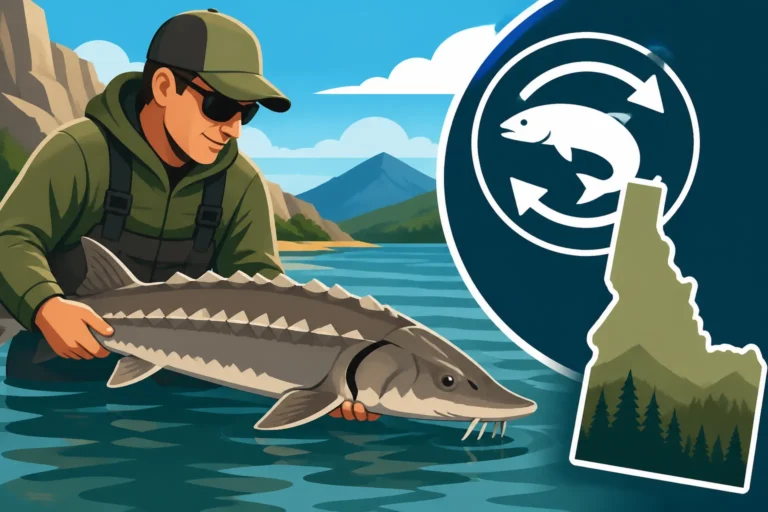
| Fishing for Sturgeon | YES | Requires a base fishing license. Sturgeon fishing is catch-and-release only in Idaho, demonstrating that the "no harvest" intent doesn't negate the license requirement. You'll also need to follow Idaho Sturgeon Fishing Rules which require barbless hooks. |
| Fishing Derbies/Contests | YES | Unless specifically held on Free Fishing Day, a valid license is required for all participants over 14. |
No matter your plans for your catch, securing the proper Idaho fishing license is a simple yet crucial step to ensure you're fishing legally and contributing to the conservation of Idaho's stunning aquatic resources. It means more fish for everyone, now and in the future.
Disclaimer
Please remember that fishing regulations can change. While this guide provides current and accurate information based on available data, it is always your responsibility to consult the most recent Idaho Fishing Seasons and Rules brochure published by the Idaho Department of Fish and Game before heading out. This ensures you are fully compliant with all current laws and regulations.