How to Get to a Fly-In Fishing Lodge in Idaho
Dreaming of escaping the hustle, the crowded access points, and the cell service that just won't quit? Idaho's vast wilderness calls to many of us, but often, the most pristine, fish-filled waters lie deep within areas inaccessible by road. This creates a unique challenge for anglers, but also an incredible opportunity: the fly-in fishing lodge. If you've ever wondered how on earth people actually get to these remote havens, you're not alone. This comprehensive guide will pull back the curtain, detailing everything from understanding the unique landscape to packing smart, ensuring your journey to an Idaho fly-in fishing lodge is as smooth as a glass-calm mountain lake at dawn.
Understanding Idaho's Remote Backcountry and Fly-In Access
Idaho is a land of incredible contrasts, from desert plains to towering peaks. But it's the sheer scale of its wilderness that truly sets it apart, offering fishing experiences that are simply unmatched. Getting to these secluded spots requires a special approach, one that often involves small aircraft, skilled pilots, and a sense of adventure.
Why Fly-In Lodges Exist in Idaho
Idaho boasts some of the largest, most contiguous wilderness areas in the Lower 48, most notably the Frank Church-River of No Return Wilderness. This immense expanse of mountains, forests, and roaring rivers is largely roadless by design, preserving its wild character. This means many of the state's most coveted fishing locations—pristine stretches of rivers like the Middle Fork of the Salmon, high-mountain lakes teeming with trout, and tucked-away tributaries—are simply out of reach for anyone driving a vehicle. Imagine miles upon miles of untouched riverbanks, where the only tracks you'll see belong to deer, elk, or maybe a bear. That's the allure, and that's why fly-in lodges aren't just a luxury; they're often the only way to access these incredibly remote, productive waters. They offer a gateway to a level of solitude and natural beauty that's increasingly rare in our modern world.
These lodges are strategically positioned near these phenomenal fishing grounds, providing a comfortable base camp with hot meals and a warm bed after a long day of casting. They leverage the unique geography, turning what might seem like an obstacle into the very essence of the adventure.
The Role of Small Aircraft and Airstrips
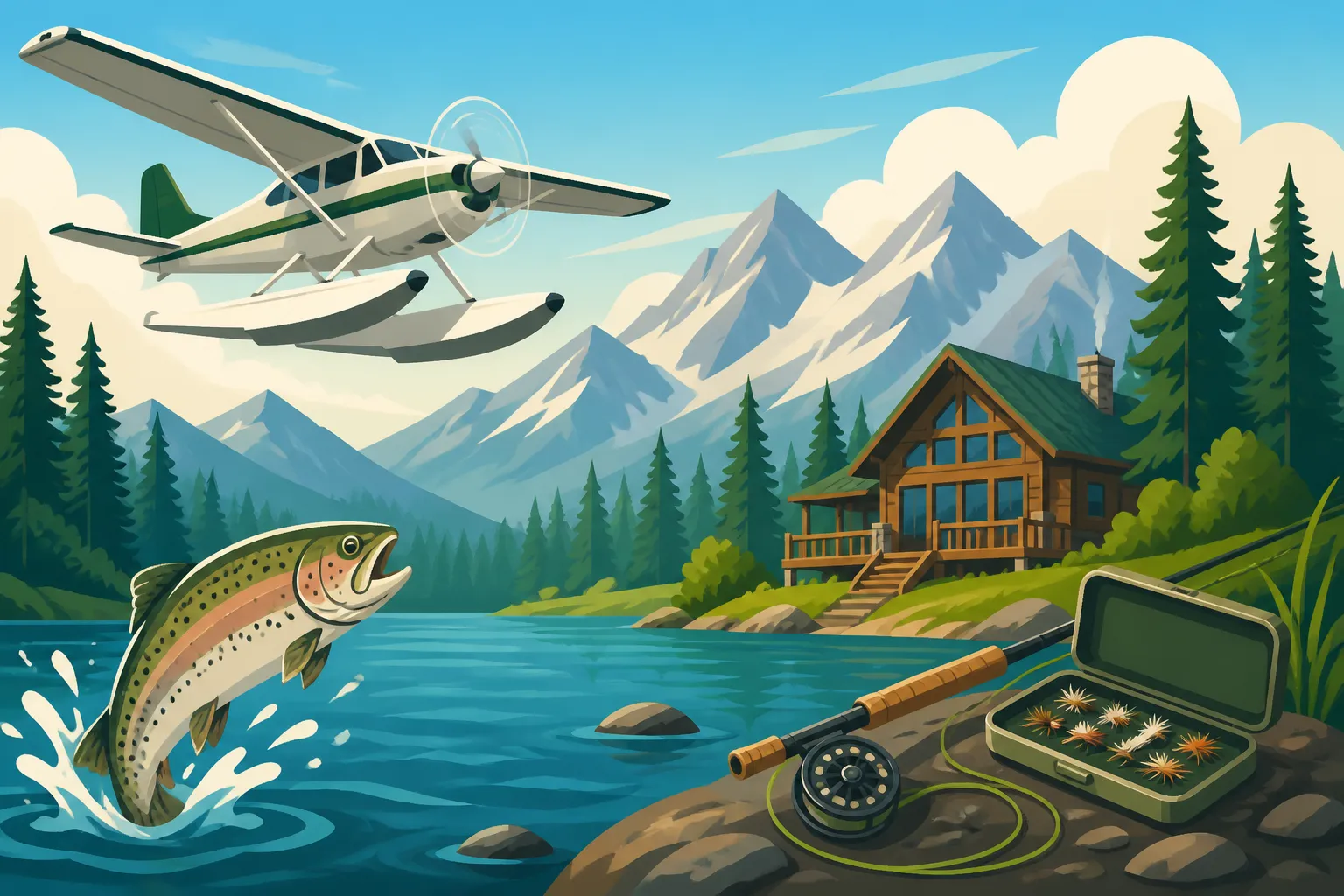
The backbone of fly-in access in Idaho's backcountry is the network of small aircraft and rustic airstrips. Forget commercial jets and bustling terminals; we're talking about bush planes, typically single-engine aircraft like Cessnas or Otters, piloted by individuals with specialized skills in mountain flying and short-field landings. These planes are designed to operate from incredibly short, often unimproved strips of land, which can be grass, gravel, or even packed dirt. Many of these airstrips are legacies of early forest service operations or mining camps, now meticulously maintained by local communities and the state to facilitate access for recreationists and outfitters.
The pilots flying into these remote locations aren't just pilots; they're experts in navigating unpredictable mountain weather, assessing landing conditions, and handling aircraft in challenging environments. They understand the nuances of density altitude, crosswinds, and the contours of the terrain in a way that goes far beyond standard flight training. Safety is paramount, and these seasoned professionals are the unsung heroes who make these remote adventures possible. Seeing the world from the window of one of these small planes, flying low over vast wilderness, is an unforgettable part of the experience itself. It provides an immediate and breathtaking sense of the scale of the Idaho wilderness you're about to immerse yourself in.
Choosing Your Fly-In Lodge and Booking Your Trip
Deciding to embark on a fly-in fishing adventure is the first exciting step, but navigating the options and making the right choice for your trip requires a bit of homework. Not all lodges are created equal, and understanding what you're looking for can make all the difference.
Researching Reputable Lodges and Outfitters
When it comes to remote fly-in lodges, reputation is everything. You're entrusting your adventure, and a significant investment, to these operators, so thorough research is crucial. Start by exploring online resources; many lodges have excellent websites showcasing their facilities, fishing opportunities, and testimonials. Word-of-mouth is another fantastic avenue – talk to friends, fellow anglers, or even local fly shops that specialize in Idaho trips. They often have firsthand experience or strong recommendations.
When you're sifting through options, consider a few key factors. Does the lodge specialize in the type of fishing you're most interested in? Some might be pure fly-fishing havens, while others cater to a broader range of techniques. What species do they primarily target? Are you dreaming of Idaho Steelhead Fishing Guide, or is it the elusive cutthroat trout in high mountain streams that calls to you? Look for outfitters with a long history of operation and a clear commitment to sustainable practices. Platforms like FishingBooker can be really helpful here, as they often aggregate information on various lodges and guides, complete with angler reviews that offer genuine insights into what you can expect. Don't hesitate to contact the lodges directly with specific questions about their guides' experience, safety protocols, and what sets them apart. Always confirm that they, and any associated air service, hold all necessary state and federal licensing.
Understanding Package Options and Inclusions
Fly-in fishing lodges typically offer a range of package options, and understanding what's included (and what's not) is vital for budgeting and managing expectations. Many offer "all-inclusive" packages, which genuinely aim to cover almost everything once you arrive at your departure airstrip. These often include:
- Round-trip airfare from a designated departure point (like McCall or Salmon) to the lodge's airstrip.
- Lodging in cabins or comfortable rooms.
- All meals, which are usually hearty and delicious, often featuring fresh, local ingredients.
- Guided fishing – typically a professional guide per 1-2 guests, often with boats or rafts.
- Basic fishing gear (rods, reels, waders), though many experienced anglers prefer to bring their own.
Then there are "semi-inclusive" or "lodging-only" options, where you might pay for your flights and guided days separately. This can offer more flexibility but requires more coordination on your part.
What's often not included, even in "all-inclusive" packages:
- Idaho fishing licenses and special permits (like an Idaho Salmon and Steelhead Permit). You'll need to acquire these yourself before your trip.
- Gratuities for guides and lodge staff. Tipping is customary and appreciated in the industry.
- Alcoholic beverages (though some might include a limited selection).
- Personal items and specialized fishing tackle beyond the basics.
Be sure to clarify every detail with the lodge before booking. The Idaho Fishing Guide Cost Guide can give you a general idea of pricing structures, but direct communication with your chosen lodge is the best way to understand their specific offerings.
Booking Your Flights – Separate or Integrated
This is a critical logistical point for any fly-in adventure. Some of the larger, more established lodges operate their own private air charter services. This means your flight to and from the lodge is seamlessly integrated into your package, and the lodge handles all the coordination. This is often the most convenient option, as they are intimately familiar with their airstrip, the weather patterns, and managing passenger and cargo loads for their specific aircraft.
However, many excellent lodges partner with independent air charter companies. In this scenario, you'll often book your fishing package with the lodge, and then the lodge will either book your flight on your behalf with their preferred air service, or they will provide you with the contact information for the charter company, and you'll arrange and pay for the flight separately.
Advantages of Integrated Air Service:
- Simpler booking process.
- Closer coordination between pilot and lodge on arrival/departure times, especially if weather causes delays.
- Often more flexible with last-minute changes if conditions require.
Advantages of Independent Air Charter:
- Potentially more choices of departure points (e.g., you might be able to fly from McCall, Boise, or Salmon depending on the operator).
- Can sometimes allow for custom flight arrangements if you have specific needs.
Regardless of which model your lodge uses, always clarify who is responsible for booking the flight and ensure all details are confirmed well in advance. You'll typically depart from a smaller regional airport in Idaho, such as McCall, Salmon, or Stanley, which are gateways to the backcountry. These smaller towns have the necessary infrastructure and the specialized air services needed for flying into the wilderness.
The Journey: From Home to the Heart of Idaho's Wilderness
The actual travel days, from your doorstep to the remote airstrip, are an integral part of the fly-in lodge experience. It’s a transition from the everyday world to a truly wild one, and knowing what to expect can ease any travel jitters.
Getting to Your Departure Point
Unless you're lucky enough to live in one of Idaho's gateway towns, your journey will likely involve a few stages. Most out-of-state travelers will fly into a major airport like Boise (BOI) or Spokane (GEG), which serve as primary hubs. From there, you'll need to arrange onward travel to your specific air charter departure point, which could be a town like McCall, Salmon, or Stanley.
- Connecting Flights: Some smaller towns have regional airports with commuter flights from Boise, which can save a long drive. Check with your lodge or air charter company for recommended routes.
- Driving: Renting a car is a popular option. Idaho's scenic highways offer beautiful drives, but be aware that some of these gateway towns are still a few hours' drive from major airports. For instance, the drive from Boise to McCall is incredibly scenic but takes about 2.5-3 hours.
- Overnight Stays: It's often advisable to plan for an overnight stay in your departure town the night before your scheduled backcountry flight. This buffers against any travel delays, allows you to relax, gather any last-minute essentials, and ensures you're fresh for an early morning flight. Most backcountry flights depart early to take advantage of calmer morning air.
- Shuttle Services: Some lodges or air charter companies may offer shuttle services from larger cities or airports, or they can recommend local transport providers. Always inquire about these options during the booking process.
Remember, this part of the journey is about slowly unwinding and preparing for the wilderness immersion. Enjoy the drive, the small-town charm, and the anticipation building as you get closer to your adventure.
The Backcountry Flight Experience
This is where the real adventure begins! Stepping into a small bush plane is a different experience than boarding a commercial airliner. First and foremost, you'll notice the strict adherence to weight restrictions. These planes have limited capacity, and every pound counts, from your luggage to your body weight. Your lodge or air charter company will provide precise limits, often in the range of 25-50 pounds per person for all your gear. This isn't arbitrary; it's a critical safety measure for mountain flying and landing on short, unimproved strips. Pack wisely, leaving non-essentials behind.
Once airborne, prepare for an unparalleled scenic flight. You'll typically fly relatively low, offering breathtaking views of Idaho's rugged mountains, deep river canyons, and pristine forests. It's a fantastic opportunity to see the vastness of the Idaho Fishing Spots You Can Only Reach by Boat or by hiking. Have your camera ready, but also take a moment to simply absorb the panoramic beauty. The flight itself can range from 20 minutes to over an hour, depending on the lodge's location.
The landing is often the most exciting part. Bush pilots are incredibly skilled at precision landings on short, sometimes sloped, airstrips. It might be a little bumpy, but it's all part of the unique experience. Upon arrival, you'll be greeted by lodge staff or your guides, who will help you unload and settle in. You've officially arrived in the heart of Idaho's wilderness! This feeling of remoteness, of being truly disconnected from the outside world, is one of the greatest rewards of a fly-in trip.
Life at a Fly-In Lodge
Once you've touched down and settled into your fly-in lodge, a different rhythm of life takes over. Most days revolve around the fishing. Expect early mornings, often starting with a hearty breakfast before heading out with your guide. The focus is entirely on the water, the fish, and the incredible natural surroundings. You'll spend your days exploring different stretches of river or secluded lake coves, learning about the local ecosystem, and honing your angling skills.
Meals are a highlight at most lodges. After a full day on the water, returning to a delicious, home-cooked meal, often served family-style, is incredibly satisfying. It's a time to share stories of the day's catches, laugh with your fellow anglers, and unwind. Evenings might involve tying flies, swapping fishing tales, or simply enjoying the peaceful quiet under a blanket of stars, far from any light pollution.
One of the most profound aspects of a fly-in lodge experience is the forced disconnect from technology. Cell service is non-existent, and Wi-Fi, if available, is usually limited to emergencies or very slow. Embrace it! This is your chance to truly unplug, recharge, and reconnect with nature and the people around you. It's not just a fishing trip; it's an immersion into a lifestyle where the wild dictates the pace, and the camaraderie with your guides and fellow guests often forms lasting memories. Whether you're targeting Idaho Cutthroat Trout Fishing Guide in a high-alpine lake or chasing Idaho Chinook Salmon Fishing Guide on a powerful river, the experience is about more than just the fish; it's about the journey and the unique environment.
Practical Considerations and Packing Essentials
Preparing for a fly-in fishing trip is a little different from a typical road-accessible excursion. The remote nature and limited carrying capacity of small aircraft mean that smart packing and thorough preparation are absolutely essential.
Weight Restrictions and Packing Smart
As touched on before, this is the golden rule for fly-in trips. Bush planes have strict weight limits, often in the range of 25 to 50 pounds per person, including your carry-on items. Exceeding this can lead to uncomfortable choices at the airstrip – either paying for extra flights (if available and expensive) or leaving cherished gear behind.
Here’s how to pack smart:
- Prioritize Essentials: Focus on layered clothing (synthetics and wool are your friends), essential fishing tackle, personal medications, and toiletries.
- Layer, Don't Overpack: Idaho weather can be unpredictable, even in summer. Instead of bulky items, pack layers that you can add or remove as conditions change. Think thermal base layers, a fleece, and a waterproof/windproof outer shell.
- Choose Multi-Purpose Items: Can that one shirt work for fishing and dinner? Can your hiking boots double as camp shoes?
- Soft-Sided Luggage: Duffel bags are almost universally preferred over hard-sided suitcases. They conform better to odd storage spaces in small planes.
- Fishing Gear: Many lodges provide rods and reels, but if you bring your own, consider multi-piece travel rods. For flies or lures, only bring what you realistically need for the species and conditions you anticipate. What to Bring on a Guided Idaho Fishing Trip provides a good general list, but always confirm with your specific lodge.
Packing Essentials Checklist (Example):
| Category | Item | Notes |
|---|---|---|
| Clothing | Layered System (Base, Mid, Outer) | Quick-drying synthetics/wool, waterproof/windproof shell |
| Fishing Waders & Boots | Neoprene or breathable, appropriate for water temps | |
| Hat & Sunglasses | Sun protection is crucial | |
| Camp/Casual Clothes | Lightweight, comfortable evening wear | |
| Fishing Gear | Rod(s) & Reel(s) (Travel) | Confirm lodge provides or bring your own |
| Tackle Box/Fly Box | Limited selection of proven flies/lures | |
| Leaders, Tippet, Line | Appropriate for target species | |
| Net | Some lodges provide, check first | |
| Personal | Toiletries (travel size) | Biodegradable options where possible |
| Medications | Any prescriptions, pain relievers, allergy meds | |
| Sunscreen & Insect Repellent | High SPF, DEET or natural alternatives | |
| Small First-Aid Kit | Blister treatment, antiseptic wipes, bandages | |
| Camera | Extra batteries/memory card (no charging in some remote spots) | |
| Water Bottle (reusable) | Stay hydrated | |
| Headlamp/Flashlight | Essential for dark nights | |
| Documents | Fishing License & Permits | Idaho Resident Annual Fishing License or Idaho Nonresident Annual Fishing License and any necessary stamps. Carry copies! |
| ID, Lodge Confirmation | Important for travel | |
| Cash | For tips and small purchases |
Licenses, Permits, and Regulations
Even though you're headed to a super remote area, you are still required to comply with all Idaho fishing laws. This means you absolutely must purchase an Idaho Fishing License Guide and any necessary permits before you arrive at the lodge. You can't just pick one up in the wilderness.
- Standard License: A general Idaho fishing license is your baseline. Ensure you get the correct type (resident vs. nonresident, annual vs. short-term).
- Special Permits: If you plan to target specific species like Salmon or Steelhead, you will need additional permits or stamps, such as the Idaho Salmon and Steelhead Permit. Similarly, for Sturgeon, there are specific Idaho Sturgeon Fishing Rules and catch record card requirements.
- Regulations: The rules can change, even within different sections of the same river. It's crucial to review the current Idaho Fishing Regulations Explained brochure or proclamation before your trip. Your lodge or guide will be intimately familiar with the local rules, but it's always good practice to have a general understanding yourself. Pay close attention to bag limits, season dates, and any special restrictions on tackle or bait in specific waters. Don't forget, Idaho Fishing Permits and Stamps Explained can cover various species and access needs, so confirm what you need for your chosen adventure.
You can often purchase licenses online through the Idaho Fish and Game website, or at sporting goods stores and vendors throughout the state. It's wise to do this well in advance and print out a physical copy to carry with you, as well as keeping a digital copy on your phone.
Safety and Emergency Preparedness
While the appeal of Idaho's wilderness is its untamed nature, that also means you'll be far from immediate medical or emergency services. Fly-in lodges and their guides are well-prepared for these realities, but it’s wise for you to be too.
- Guide Expertise: Trust your guides. They are professionals with extensive experience in the backcountry. Listen to their instructions regarding river safety, wildlife encounters, and weather changes.
- Communication: Lodges and guides typically carry satellite phones, radios, or other devices for emergency communication. Don't expect your personal cell phone to work.
- Personal First-Aid: While guides have extensive first-aid kits, a small personal kit for minor cuts, blisters, and your specific medications (allergy meds, EpiPens, insulin, etc.) is highly recommended. Ensure any critical medications are in a waterproof bag and easily accessible.
- Environmental Awareness: Be aware of your surroundings. This includes watching for wildlife (bears, moose, rattlesnakes), knowing how to dress for rapidly changing mountain weather, and staying hydrated.
- Physical Fitness: Many fly-in trips involve some walking, wading, and potentially navigating uneven terrain. A reasonable level of fitness will enhance your enjoyment and safety.
- Insurance: Consider travel insurance that covers emergency medical evacuation, just in case. It provides peace of mind when you're far from conventional medical facilities.
A fly-in fishing trip to Idaho is truly an unforgettable adventure, offering access to some of the most beautiful and productive waters in the country. With careful planning and an appreciation for the wild, you'll be well on your way to making memories that will last a lifetime. Best Fishing Spots in Idaho are often found tucked away in these hard-to-reach places, waiting for those willing to take the flight.
Disclaimer
This article is for general informational purposes only and does not constitute professional advice. Laws, prices and regulations vary by location and change over time. Consult a qualified professional for guidance on your specific situation.