Best Fly-In Fishing Lodges in Idaho
Dreaming of escaping the everyday hustle and casting your line in waters so remote they feel untouched? It's a fantasy many of us anglers share, but the logistics of reaching these pristine Idaho wilderness spots can feel overwhelming. This guide is here to unravel the mystery of fly-in fishing lodges in Idaho, helping you discover how to turn that remote angling dream into a breathtaking reality.
What Makes Fly-In Fishing Lodges So Special in Idaho?
Idaho, with its vast wilderness areas, offers some of the most spectacular, least-pressured fishing opportunities in the lower 48. But let's be honest, getting to those truly remote spots often requires more than just a truck and a boat ramp. That's where fly-in fishing lodges come into their own, offering an unparalleled blend of adventure, comfort, and direct access to incredible fishing that few ever experience. They’re not just about catching fish; they're about the entire journey and the profound connection to nature that comes with it.
The Allure of Remote Wilderness Access
Imagine this: no roads, no crowds, just the whisper of the wind through pine trees, the rush of a crystal-clear river, and the anticipation of a tug on your line. Fly-in lodges unlock parts of Idaho that are otherwise incredibly difficult, if not impossible, to reach for most anglers. We’re talking about vast tracts of protected wilderness, where the fish haven't seen much more than a natural predator. This isolation means healthier fish populations, often larger specimens, and a fishing experience that feels genuinely wild and untamed. It's an opportunity to truly disconnect from modern life and reconnect with the raw beauty of the natural world, all while pursuing your passion for fishing.
The air charter part of the journey is an adventure in itself. Flying over miles of rugged, forested mountains and deep canyons offers a perspective on Idaho's grandeur that ground travel simply can't provide. You see the veins of rivers winding through wilderness, the glint of remote lakes, and the sheer scale of the landscape. It sets the stage for an unforgettable trip, building anticipation long before you even touch down on a remote airstrip or a placid lake. This unique mode of transport is precisely what makes these locations so special and their fishing so untouched.
Beyond Just Fishing: The Lodge Experience
While the fishing is undoubtedly the main draw, the experience at an Idaho fly-in lodge extends far beyond the riverbanks. These aren't just tents in the woods; many offer a surprising level of comfort and hospitality after a long day of casting. Picture cozy cabins, hearty, delicious meals prepared by talented cooks, and the camaraderie of fellow anglers sharing stories by a crackling fire. It’s a complete package designed to make your wilderness adventure as comfortable and enjoyable as possible.
Many lodges operate with a strong emphasis on guided trips. You'll often find experienced, local guides who know the waters like the back of their hand, intimately familiar with the best spots, the most effective techniques, and the current conditions. They provide not just transportation and expertise, but also a wealth of local knowledge about the ecosystem, wildlife, and history of the area. This level of personalized service elevates the trip, ensuring that even if you're exploring new waters, you're doing so with the best possible chance of success and a deeper appreciation for your surroundings. They handle the tricky navigation, the boat operation, and even offer tips and tricks to improve your angling skills.
Key Regions for Fly-In Fishing Adventures in Idaho
Idaho is a state defined by its mountains and rivers, and some of its most iconic fishing experiences are hidden deep within its vast wilderness areas, accessible primarily by air. These regions offer distinct fishing opportunities and breathtaking scenery that are truly unique.
The Frank Church-River of No Return Wilderness
The "Frank Church," as it's often called, is one of the largest contiguous wilderness areas in the lower 48 states, encompassing over 2.3 million acres. Its heart is carved by the Salmon River, the "River of No Return," famous for its rugged canyons and incredible anadromous fish runs. This is prime territory for fly-in lodges, as road access is severely limited. Anglers fly into remote airstrips like those at Bernard Creek, Moose Creek, or other small backcountry strips situated along the river or its tributaries.
The fishing here is legendary. You can target migrating Idaho Steelhead Fishing Guide and Idaho Chinook Salmon Fishing Guide during their respective seasons, experiencing the thrill of battling these powerful ocean-going fish in a truly wild setting. Beyond the anadromous species, the tributaries and high-country lakes within the Frank Church Wilderness hold healthy populations of native Idaho Cutthroat Trout Fishing Guide, offering exceptional dry-fly fishing opportunities throughout the summer months. The remoteness ensures that these fish are often less wary and more willing to strike, providing an unforgettable angling challenge in an unparalleled setting.
The Selway-Bitterroot Wilderness and Surrounding Areas
Another immense wilderness area, the Selway-Bitterroot, straddles the Idaho-Montana border and is another fantastic locale for fly-in access. While perhaps not as famous for its salmon and steelhead as the Frank Church, the Selway-Bitterroot is an absolute paradise for those seeking pristine trout fishing. The Selway River, a designated Wild and Scenic River, is the centerpiece, offering incredible opportunities for native Westslope Cutthroat Trout.
Lodges and backcountry camps here are often smaller, focusing on a more intimate wilderness experience. Access is typically via bush planes landing on designated strips within or adjacent to the wilderness boundary. The fishing tends to be more about high numbers of aggressive, wild trout, often willing to rise to a well-presented dry fly. Beyond the main river, numerous high-elevation lakes and smaller creeks within the wilderness hold hungry cutthroat and rainbow trout, providing endless exploration for adventurous anglers who prefer wading and hiking to drift boat fishing. The sheer beauty of the rugged mountains and dense forests provides a stunning backdrop to every cast.
Other High Mountain Lake Access Points
Beyond these massive wilderness strongholds, Idaho is dotted with countless high mountain lakes, many of which are only accessible by a long, arduous hike or, you guessed it, a short scenic flight. These smaller, more localized fly-in opportunities exist across various mountain ranges, including the Sawtooths, White Clouds, and other parts of the Boise National Forest. While these might not involve multi-day float trips down major rivers, they offer incredible chances for secluded fishing.
These fly-in trips often involve landing on a remote lake or a nearby airstrip, then hiking a short distance to your chosen fishing spot or a pre-set camp. The target species in these waters are almost exclusively various trout species, including Cutthroat, Rainbow, Brook, and sometimes even Golden Trout. The experience is about pristine alpine environments, breathtaking scenery, and the satisfaction of catching wild trout in waters that see very little human pressure. It's perfect for those seeking a more focused, shorter-duration remote fishing adventure, often emphasizing solitude and direct connection with the high-country ecosystem.
What to Look for in an Idaho Fly-In Fishing Lodge
Choosing the right fly-in fishing lodge in Idaho is a bit like picking your dream adventure – there are so many fantastic options, but the "best" one really depends on what you're looking for. It's crucial to consider the kind of fishing you want, the level of comfort you expect, and the overall experience you hope to have.
Choosing the Right Fish Species and Water Type
Idaho offers a diverse range of fishing experiences, and fly-in lodges are no exception. Before you even start browsing, ask yourself what fish species really gets your heart racing. Are you dreaming of the powerful pull of a Idaho Steelhead Fishing Guide on the Salmon River, the acrobatic jumps of a native Idaho Cutthroat Trout Fishing Guide in a high alpine lake, or the sheer size of a Idaho Chinook Salmon Fishing Guide making its epic journey upstream? Different lodges specialize in different species and waters.
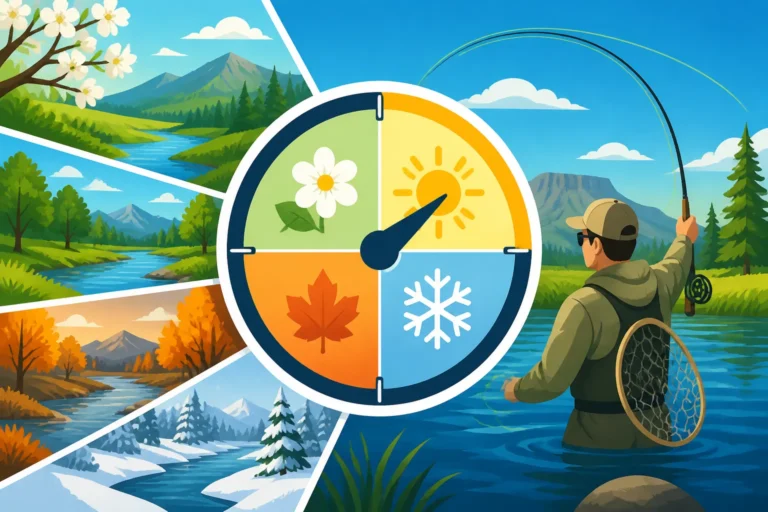
For instance, lodges on the Salmon River are often geared towards anadromous species, with guides who are experts in techniques like spey casting or jet boat fishing. These trips are often about big water, big fish, and high adventure. If you're more inclined towards delicate dry-fly presentations for wild trout in smaller streams or lakes, you'd look for lodges tucked into the headwaters or near those high-country lakes mentioned earlier. Consider the time of year too; steelhead and salmon runs are seasonal, while trout fishing in high mountain lakes is typically a summer affair. Sites like FishingBooker can be incredibly helpful here, as they often categorize lodges by target species and location, making it easier to filter for your perfect match.
Lodge Amenities, Inclusions, and Guide Expertise
The "lodge experience" can vary wildly, even among fly-in operations. Some are truly rustic, offering basic cabins and shared facilities, while others are surprisingly luxurious, complete with gourmet meals, private baths, and all the comforts of home, just deep in the wilderness. It's vital to understand what's included in the package. Most fly-in lodges are all-inclusive, covering your air transport from a staging point, all meals, lodging, and guided fishing. However, always confirm what gear is provided (rods, reels, waders) versus what you need to bring yourself.
The expertise of the guides is paramount on a fly-in trip. These are the folks who know the river currents, the fish habits, and the safest routes through the wilderness. Don't hesitate to ask about their experience, particularly with the species you want to target and the specific waters you'll be fishing. A good guide can make or break your trip, turning a challenging day into a rewarding one. They are also your wilderness safety net, so their experience and professionalism are non-negotiable. Look for lodges that pride themselves on their long-term guide staff and their deep knowledge of the local ecosystem.
Logistics and Booking Your Wilderness Escape
Booking a fly-in fishing trip isn't like booking a hotel room; it requires careful planning, often well in advance. Air charter slots are limited, especially during peak seasons for specific fish runs, so securing your spot several months, or even a year, ahead of time is often necessary. Understand the staging area where your bush plane will depart from – this might be a regional airport like Boise, McCall, or Salmon, Idaho. You’ll need to arrange your travel to and from this point.
Trip lengths typically range from 3-day/2-night adventures to week-long excursions, depending on the remoteness and the specific fishing opportunities. Be sure to clarify cancellation policies, especially regarding weather delays for flights, as mountain flying can be impacted by conditions. Platforms like FishingBooker can be an excellent resource for finding reputable lodges, comparing their offerings, and understanding availability. They often provide detailed descriptions of what each lodge offers, helping you make an informed decision for your How to Book a Fishing Guide in Idaho adventure. Remember to check references and read reviews from previous guests to get a full picture of what to expect.
Preparing for Your Fly-In Fishing Trip: Essential Tips
A fly-in fishing trip to Idaho's wilderness is an adventure of a lifetime, but like any backcountry excursion, it requires thoughtful preparation. Being well-equipped and well-informed ensures a safe, successful, and truly enjoyable experience.
Gear Considerations for Remote Fishing
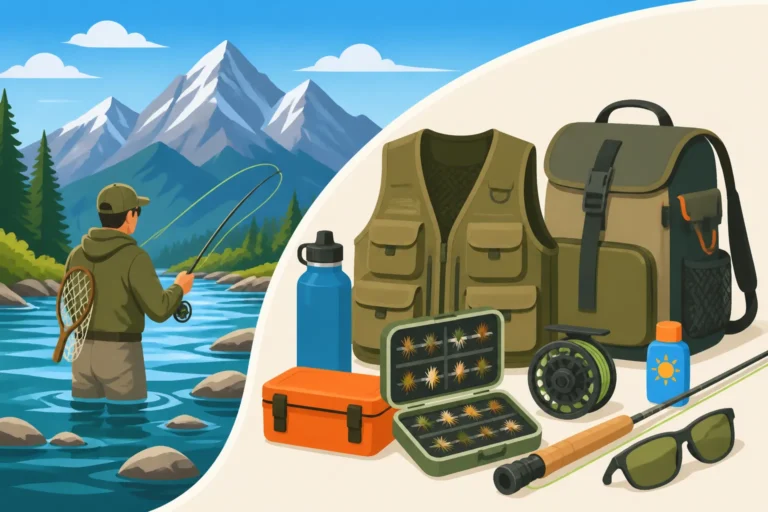
When you're flying into a remote location, space and weight are often at a premium on the bush plane. This means being strategic about your gear. Think lightweight, versatile, and absolutely essential. For fly-fishing, consider a multi-piece rod (like a 4 or 6-piece) that packs down easily. Depending on your target species, you might need a heavier setup for Idaho Steelhead Fishing Guide or salmon, and lighter rods for trout. Always pack rain gear – a good quality, breathable rain jacket and pants are non-negotiable, as mountain weather can change on a dime. Layers are your best friend; mornings can be chilly, even in summer, while midday can be quite warm.
Footwear is crucial. Sturdy, comfortable wading boots if you'll be in the river, and comfortable hiking shoes for exploring the banks or trails are a must. Don't forget essentials like polarized sunglasses, a wide-brimmed hat, sunscreen, insect repellent (especially in early summer), and a compact first-aid kit. While some lodges provide basic gear, having your preferred rod, reel, and tackle can make a big difference in your confidence and success. Always check with your specific lodge about what they provide and what they recommend you bring.
Licensing and Regulations for Wilderness Waters
This is a big one. Fishing in Idaho's wilderness is a privilege, and it comes with responsibilities, especially regarding conservation. You will absolutely need an Idaho Fishing License Guide to fish in Idaho, and for specific species like salmon and steelhead, you'll need additional permits, such as the Idaho Salmon and Steelhead Permit. These permits are critical for tracking harvest and managing these precious fisheries.
It's not enough just to have the license; you need to understand the Idaho Fishing Regulations Explained for the specific waters you'll be fishing. Wilderness areas, and particularly those with sensitive native populations, often have special regulations regarding catch limits, bait restrictions (many remote trout streams are fly-fishing only or artificial lures only), and even catch-and-release requirements for certain species or sizes. Wild steelhead, for example, often must be released unharmed. Your guides will be an invaluable resource for navigating these rules, but it’s always a good practice to familiarize yourself with the Idaho Fishing Regulation brochure beforehand. Ignorance of the law is never an excuse, and violations can lead to hefty fines and even loss of fishing privileges.
Physical Preparedness and Wilderness Awareness
While some fly-in trips involve mostly boat-based fishing, others, especially those targeting high mountain lakes or smaller streams, might involve some hiking over uneven terrain. Being in reasonable physical condition will greatly enhance your enjoyment and safety. You don't need to be an Olympic athlete, but the ability to walk a few miles over rough ground with your gear is beneficial.
Wilderness awareness is also key. You’ll be in bear country, so understanding basic bear safety protocols (e.g., proper food storage, carrying bear spray, knowing how to react if you encounter one) is important. Respecting wildlife and the natural environment is paramount. This means practicing "Leave No Trace" principles: pack out everything you pack in, minimize your impact, and leave the wilderness as pristine as you found it. Your guides will go over safety briefings, but a little pre-trip research on wilderness etiquette and animal encounters will go a long way. Ultimately, these remote areas offer some of the Best Rivers for Fishing in Idaho precisely because they are wild and untamed.
Comparing Idaho Fly-In Lodge Experiences
To help you visualize the different types of fly-in fishing experiences available in Idaho, here's a general comparison table. Keep in mind that specific lodge offerings will vary, so always consult individual lodge websites or resources like FishingBooker for detailed information.
| Feature | Remote River Lodge (e.g., Frank Church) | High Mountain Lake Camp (e.g., Sawtooths) | Rustic Wilderness Lodge (e.g., Selway) |
|---|---|---|---|
| Primary Access | Bush plane to airstrip, then jet boat | Bush plane to lake or nearby airstrip | Bush plane to airstrip, short walk |
| Target Species | Steelhead, Chinook Salmon, Cutthroat Trout | Cutthroat, Rainbow, Brook Trout | Westslope Cutthroat, Rainbow Trout |
| Fishing Style | Drift boat, jet boat, wade fishing | Wade fishing, float tube | Wade fishing, small stream fly fishing |
| Typical Trip Length | 4-7 days | 2-4 days | 3-6 days |
| Comfort Level | Moderate to High (cabins, hot showers) | Basic to Moderate (tents, rustic cabins) | Moderate (cabins, shared facilities) |
| Guide Ratio | Often 2 anglers per guide | Often 2-3 anglers per guide | Often 2-3 anglers per guide |
| Inclusions | Flights, meals, lodging, guided fishing | Flights, meals, lodging, guided fishing | Flights, meals, lodging, guided fishing |
| Physical Demands | Moderate (some walking, boat handling) | Moderate (hiking to fishing spots) | Moderate (some hiking, wading) |
| Best Season | Spring/Fall (Steelhead/Salmon), Summer (Trout) | Summer (late June-Sept) | Summer (July-Sept) |
This table provides a snapshot, but each lodge has its own unique character. Whether you're looking for an adrenaline-pumping Idaho Steelhead Fishing Guide trip or a serene high-country fly-fishing escape, there's an Idaho fly-in lodge waiting to make your dreams a reality. Remember to check out comprehensive booking platforms that list numerous Best Fishing Guides in Idaho to help narrow down your choice.
The Unforgettable Experience of a Fly-In Fishing Trip
There's something uniquely profound about a fly-in fishing trip in Idaho. It's more than just a vacation; it's an immersion. The moment that small plane lifts off, leaving the paved roads and the everyday behind, you enter a different world. A world where the primary soundtrack is the river's flow, the rustle of leaves, and the occasional call of a raptor circling overhead. You start to feel the rhythms of the wilderness, and it has a way of resetting your internal clock.
The fishing itself becomes secondary, in a way, to the overall experience. While battling a powerful steelhead or carefully presenting a dry fly to a rising cutthroat is incredibly exhilarating, it's the sum of the parts that truly leaves a lasting impression. It’s sharing stories and laughter with your guides and fellow anglers around a campfire, feeling the warmth of a morning coffee as the mist rises from the river, and falling asleep to the absolute silence of the backcountry. These are the moments that stick with you long after the last cast.
Such trips often represent a significant investment, making the decision of which lodge and guide to choose even more critical. Understanding the Idaho Fishing Guide Cost Guide is important, but remember you're paying for expertise, access, logistics, and an unparalleled level of service in a truly remote setting. Guides are not just there to put you on fish; they are skilled backcountry professionals, chefs, storytellers, and often, your best chance at understanding the complex ecosystems you're visiting. Their dedication to safety and to providing an exceptional experience is what truly elevates these trips from a simple fishing excursion to a deeply memorable adventure.
For many, a fly-in trip is a once-in-a-lifetime endeavor, a bucket-list item that delivers far more than just fish in the net. It's a chance to see parts of Idaho that few ever witness, to test your skills against truly wild fish, and to reconnect with nature on a level that's increasingly rare. Whether you're an experienced angler or someone looking for an adventurous introduction to wilderness fishing, Idaho's fly-in lodges offer an escape that you won't soon forget. So, start dreaming, start planning, and get ready for an adventure in the heart of Idaho's wild.
Disclaimer
This article is for general informational purposes only and does not constitute professional advice. Laws, prices and regulations vary by location and change over time. Consult a qualified professional for guidance on your specific situation.