Fly Fishing Guides in Island Park
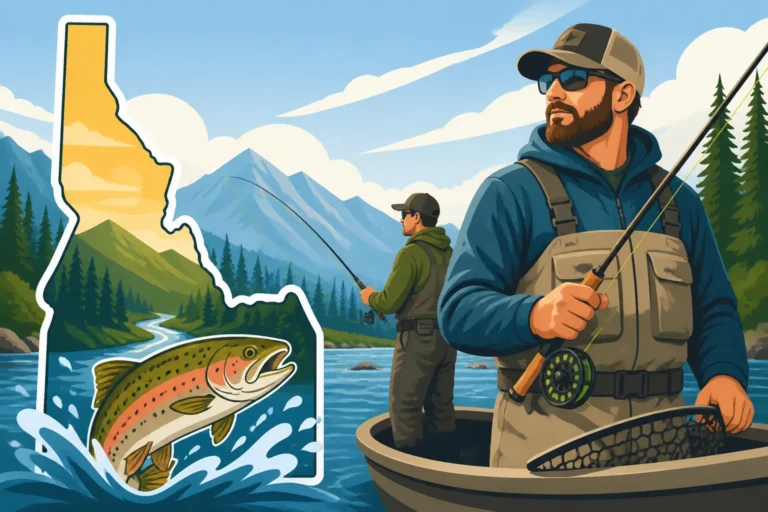
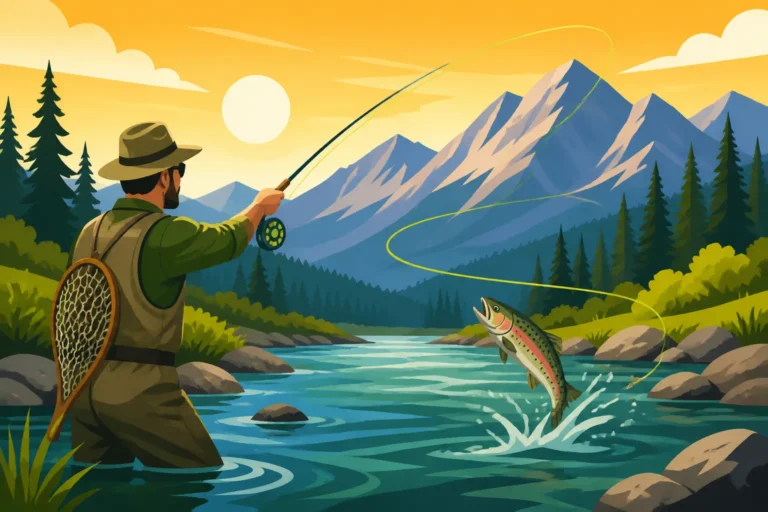
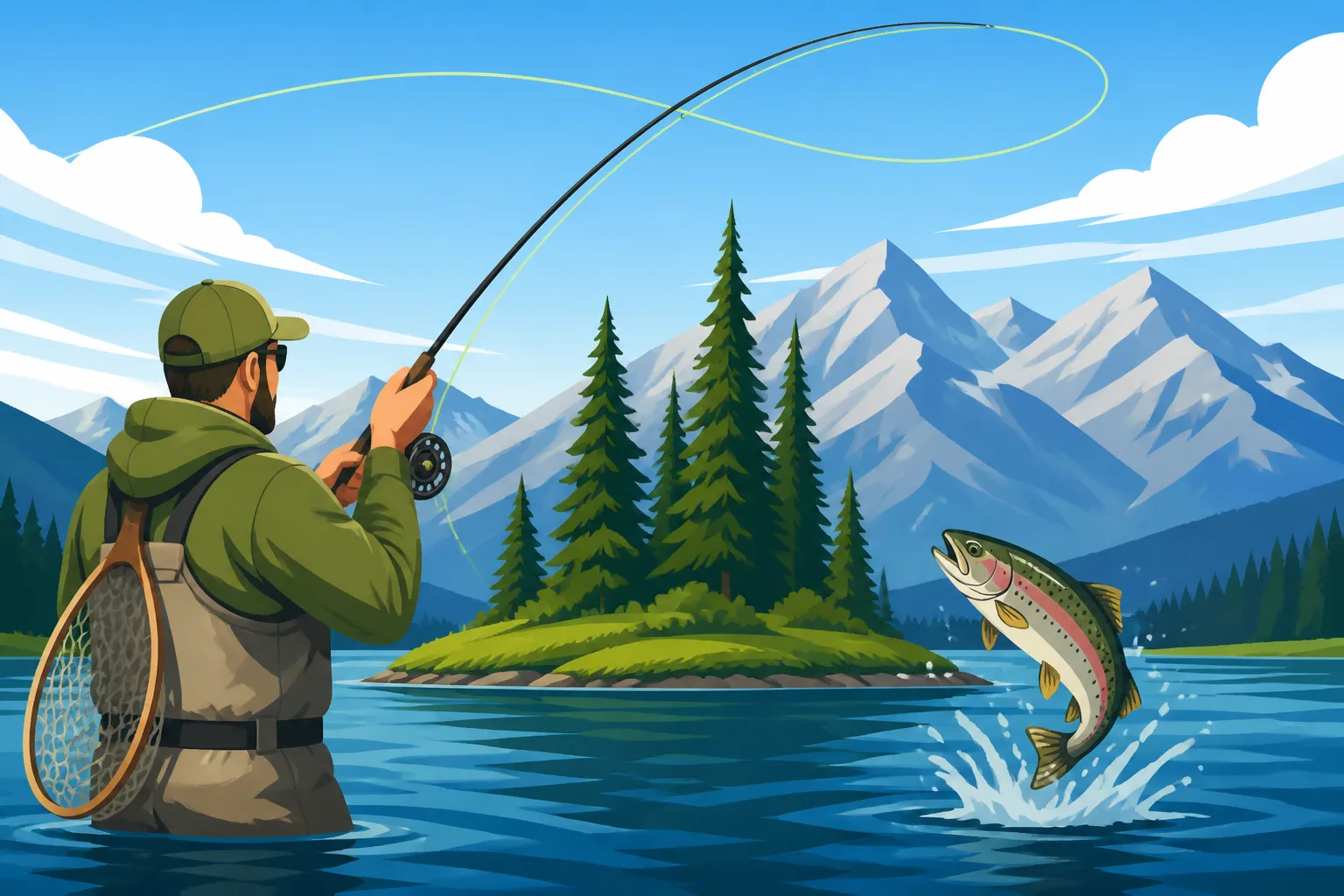
Stepping onto the banks of the Henry's Fork in Island Park, it's easy to feel a mix of excitement and intimidation. This isn't just any river; it's a legendary fly fishing destination, known for its incredibly selective trout and challenging waters. For many anglers, both seasoned and novice, trying to tackle such an iconic fishery without local expertise can be a recipe for frustration. This guide will walk you through everything you need to know about finding and making the most of a fly fishing guide in Island Park, ensuring your trip is not just successful, but truly unforgettable.
Island Park: A Fly Fishing Paradise (and Why it Needs a Guide)
Island Park, Idaho, is more than just a gateway to Yellowstone; it's a world-renowned fly fishing destination, primarily thanks to the magnificent Henry's Fork of the Snake River. Anglers flock here from all over the globe, eager to test their skills against some of the most challenging and rewarding trout in the West. But what makes it so special, and why is a guide often considered almost essential for a truly fulfilling experience?
The Legendary Henry's Fork
The Henry's Fork isn't just a river; it's an institution in the fly fishing world. It flows out of Big Springs, a massive spring creek, and winds its way through diverse landscapes, offering a variety of fishing experiences. This river is famous for its large, wild rainbow trout and brown trout that grow big and strong on an incredibly rich insect diet. However, these fish are also notoriously "educated." They've seen every fly pattern, every drift, and every angler mistake imaginable. This means presentation, fly selection, and understanding the subtleties of the water are paramount. Without years of experience on these specific waters, it's incredibly difficult to consistently fool these wary trout. A local guide has spent countless hours studying these waters, understanding the fish behavior, and knowing exactly what conditions require which approach.
Imagine standing on the "Ranch" section of the Henry's Fork, a broad, slow-moving expanse of water where trout rise delicately, barely breaking the surface. The air might be thick with tiny Tricos or larger PMDs. You see fish rising, but your fly, seemingly perfect, is ignored time and time again. This is where the local knowledge of an Island Park fly fishing guide truly shines. They can spot the subtle differences in a natural drift, identify the exact insect the fish are keying on, and even suggest a casting angle you might never consider. For a deeper dive into the area's overall fishing scene, you can check out Best Fishing Spots in Idaho.
Diverse Water and Selective Trout
Beyond the iconic Ranch, the Henry's Fork offers a mosaic of water types, each with its own character and challenges. You have the powerful, freestone-like currents of Box Canyon, the meandering pockets of the Harriman State Park (often referred to as the "Ranch"), and the more accessible, yet still productive, lower river sections. Each stretch demands different techniques, tackle, and even a different mindset.
Consider the Box Canyon, for instance. It's a fast-flowing, technical nymphing paradise where guides often use specialized drift boats to navigate its turbulent waters, helping anglers get flies down deep to hungry fish. Then you have the slower, glassy waters of the Harriman Ranch, where dry fly fishing dominates during prolific hatches. Here, stealth, precise casting, and delicate presentations are key. The trout here are famously selective, often refusing anything but the most perfect imitation of the natural insects. Trying to switch between these wildly different styles and understand the nuances of each section without guidance can be overwhelming. A guide, however, knows these waters like the back of their hand, understands the seasonal hatches, and can put you on the right water at the right time, with the right flies and techniques, for the best chance at success.
Finding Your Perfect Island Park Fly Fishing Guide
Once you've decided that a guided trip is the way to go – and trust me, for a place like Island Park, it often is – the next step is finding the right guide. This isn't just about finding someone with a boat and a net; it's about finding a personality, a teacher, and an expert who can elevate your experience and truly unlock the secrets of the Henry's Fork.
What Makes a Great Guide?
A great Island Park fly fishing guide isn't just an excellent angler; they are an expert communicator, a patient teacher, and a passionate conservationist. First and foremost, look for guides with deep, demonstrable knowledge of the Henry's Fork and surrounding waters. This means they understand the river's flows, the countless insect hatches, the trout's behavior under various conditions, and the specific techniques required for each section. They should be able to articulate why they're choosing a particular fly, why you're fishing a certain section, and how to read the water.
Beyond their fishing prowess, a guide's personality is key. You'll be spending a full day, sometimes more, with this person. Look for someone who is patient, encouraging, and genuinely enthusiastic about teaching and sharing their passion. If you're a beginner, you'll want someone who can break down complex casting mechanics or knot tying into easy-to-understand steps. If you're experienced, you'll appreciate a guide who can offer new insights and fine-tune your existing skills. Also, consider their commitment to safety and ethical fishing practices. A good guide prioritizes the well-being of the fish and the river, adhering to all regulations and promoting catch-and-release, especially for the river's larger, wild trout. For more information on general guide services, check out Idaho Fly Fishing Guide Services.
Researching and Booking Your Adventure
The best way to find a guide is often through recommendations. Ask fellow anglers who have fished the Henry's Fork, check online forums, or contact local fly shops in Island Park or nearby towns like West Yellowstone. Many reputable guides and outfitters operate out of this area, offering a range of services from wade trips to drift boat excursions. Websites and booking platforms can also be incredibly helpful. For instance, platforms like FishingBooker allow you to browse multiple guides, compare their offerings, read reviews from past clients, and see their availability all in one place. This can be a fantastic resource, especially for those who are new to the area or prefer to plan their trip entirely online.
When you contact a potential guide or outfitter, don't hesitate to ask questions. Inquire about their experience on the Henry's Fork, their typical guiding style, what gear is provided (flies, rods, reels), and what you should bring. Discuss your own skill level and what you hope to achieve during the trip – whether it's catching a trophy trout, learning new techniques, or simply enjoying the beautiful scenery. Being upfront about your expectations will help the guide tailor the experience to you. It's also wise to inquire about their cancellation policy, especially given that weather or river conditions can sometimes impact fishing plans. Booking well in advance, particularly for peak season (late spring through fall), is highly recommended as the best guides fill up quickly.
Exploring Island Park Guided Trip Options
Island Park's diverse waters lend themselves to various fly fishing approaches, and guides offer different trip formats to match. Understanding these options will help you choose the adventure that best suits your preferences, skill level, and budget.
Wade Trips vs. Drift Boat Excursions
Two primary types of guided trips dominate the Island Park fly fishing scene: wade trips and drift boat trips. Each offers a distinct experience and access to different parts of the river.
Wade Trips:
On a wade trip, you and your guide will typically travel by vehicle to various access points along the river. From there, you'll don your waders and boots and physically enter the water or fish from the bank. Wade trips are fantastic for focused, intimate fishing. They allow you to slow down, thoroughly explore specific runs, riffles, and pools, and concentrate on precise casting and presentation. If you love the feeling of being immersed in the river, reading the water up close, and methodically working a section, a wade trip is an excellent choice. They are often less expensive than drift boat trips and can be perfect for anglers who want to spend time perfecting their casting or nymphing techniques in a smaller area. They also provide fantastic opportunities for photography, as you're often closer to the scenery. Many guides specializing in the more technical spring creek sections, like portions of the Harriman Ranch, often conduct wade trips due to the slow currents and need for stealth. To understand potential costs, you can look into Wade Trip Guide Cost in Idaho.
Drift Boat Trips:
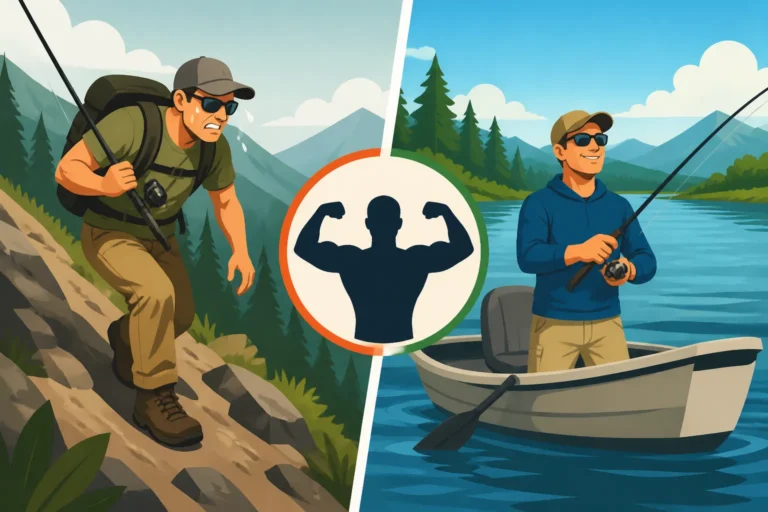
Drift boat trips involve floating down a section of the river in a specially designed boat, with your guide at the oars. This option allows you to cover significantly more water than a wade trip, accessing stretches that are otherwise difficult or impossible to reach. From the comfort of the boat, you can cast to various holding lies, target fish along banks, or fish different types of water as you drift. Drift boat trips are ideal for experiencing longer stretches of the Henry's Fork, such as Box Canyon or the lower river. They are often preferred by anglers who want a more relaxed experience, those with physical limitations, or anyone looking to maximize their opportunities to encounter fish across varied habitats. Your guide will expertly position the boat, providing you with optimal casting angles and drifts. They're also great for those days when a particular hatch is happening over a wide area, allowing you to follow the action. If you're curious about the investment for this type of trip, you might find information on Drift Boat Guide Cost in Idaho.
| Trip Type | Primary Benefit | Ideal For | Typical Access | Cost |
|---|---|---|---|---|
| Wade Trip | Intimate, focused fishing; skill development | Anglers who enjoy being in the water; learning precise techniques; budget-conscious | Bank access, exploring specific runs and pools | Generally lower |
| Drift Boat Trip | Cover more water; access remote stretches; comfortable | Anglers wanting to see more of the river; those with mobility concerns; targeting diverse water types | River sections navigable by boat (e.g., Box Canyon, lower Henry's Fork) | Generally higher |
Tailoring Your Trip to Your Skill Level and Desired Experience
Island Park guides are incredibly versatile and can customize trips to suit anglers of all experience levels. If you're a complete beginner, don't worry! Many guides specialize in teaching fundamental casting techniques, knot tying, and river etiquette. They'll often start you with simpler setups and focus on the basics, helping you build confidence before tackling the more challenging aspects of Henry's Fork fishing. They can transform a potentially intimidating experience into a rewarding learning adventure, often leading to that magical first trout on a fly.
For intermediate or advanced anglers, a guide can refine existing skills, introduce new techniques, or help you target specific species or hatches. Perhaps you want to master dry fly fishing during a challenging Trico hatch, or learn the subtle art of nymphing in fast water. Guides can also provide invaluable insight into the specific flies and presentations currently working, saving you countless hours of trial and error. Some guides even offer specialty trips focusing on specific fish, like larger brown trout, or particular techniques, like streamer fishing during specific times of the year. Discuss your goals openly with your guide during booking; they are there to help you achieve the kind of experience you're dreaming of.
Preparing for Your Guided Fly Fishing Trip
A guided trip is meant to be relaxing and educational, but a little preparation on your part can make a big difference in the overall experience. Knowing what to bring, understanding licensing requirements, and setting realistic expectations will ensure you're ready for whatever the Henry's Fork throws your way.
Essential Gear and What Your Guide Provides
Most reputable Island Park fly fishing guides provide a significant amount of the necessary fishing gear, which is a huge benefit, especially if you're traveling light or don't own specialized equipment. Typically, this includes high-quality fly rods and reels, a selection of flies tailored to the current conditions and hatches, and sometimes even waders and boots (though it's always a good idea to confirm this in advance, especially regarding sizing). They'll also have all the necessary tippet, leaders, and indicators. This means you don't need to stress about having the exact right size leader or the perfect imitation fly pattern.
However, there are still essential personal items you'll need to bring to ensure your comfort and safety on the water. Think in layers for clothing, as mountain weather can change rapidly; moisture-wicking base layers, fleece or wool for warmth, and a good waterproof/windproof outer shell are crucial. Other must-haves include a wide-brimmed hat, polarized sunglasses (non-negotiable for spotting fish and protecting your eyes from errant hooks), sunscreen, and insect repellent. A small backpack for personal items, a water bottle, and any personal medications are also important. Even if your guide provides waders, many anglers prefer to use their own for comfort and fit, so check with your guide beforehand.
Navigating Licenses, Permits, and Expectations
Before you even think about casting a line, you'll need to make sure you're legally prepared. Everyone fishing in Idaho, regardless of age or residency, generally needs an Idaho fishing license. This is a crucial requirement, and your guide will remind you, but it's ultimately your responsibility to obtain one before your trip. You can usually purchase these online through the Idaho Fish and Game website, at local sporting goods stores, or at some fly shops in Island Park. Make sure you understand the different license options, such as annual or short-term licenses, and choose the one that fits your trip duration. For comprehensive information, refer to the Idaho Fishing License Guide or learn How to Buy an Idaho Fishing License.
Beyond licenses, it's vital to have realistic expectations. While Island Park offers incredible fishing, it's not a guarantee that you'll catch a trophy fish every cast. Fishing is called fishing, not catching, for a reason! The Henry's Fork is known for its challenging nature, and success often comes from patience, precise execution, and a bit of luck. Go into the trip with an open mind, ready to learn, and prepared to enjoy the entire experience—the stunning scenery, the wildlife, the camaraderie with your guide, and the quiet beauty of the river. Focus on improving your skills and understanding the water, and the fish will often follow.
Making the Most of Your Guided Day on the Water
Your guided fly fishing trip in Island Park is an investment, not just financially, but in your experience and learning. To truly maximize its value, it's important to engage actively, respect your guide's expertise, and embrace the entire journey.
Learning and Interacting with Your Guide
Think of your guide as a walking encyclopedia of the Henry's Fork. They are a trove of knowledge about entomology, hydrology, fish behavior, and local history. Don't be shy – ask questions! "Why are we using this fly?" "What's the best way to mend in this current?" "How do you spot fish in water like this?" A good guide loves to teach and share their passion. The more you engage, the more you'll learn, and the more rewarding your experience will be. Pay attention to their instructions on casting, drifting, and presentation. Even subtle adjustments can make a huge difference in fooling those selective Henry's Fork trout.
Beyond the fishing, take the opportunity to connect with your guide on a personal level. Many guides are fascinating individuals with incredible stories and a deep connection to the natural world. Conversations about local wildlife, conservation efforts, or the unique culture of Island Park can enrich your day far beyond just the fish count. Remember, a successful guided trip isn't just measured by the number or size of fish caught, but by the knowledge gained, the skills improved, and the memories created. A platform like FishingBooker often allows you to filter guides by their specialization or teaching style, which can help ensure you find someone who aligns with your learning goals.
Beyond the Catch: Conservation and Local Insight
While catching fish is undoubtedly a highlight, a guided trip offers so much more. Your guide is often a passionate advocate for the river's health and the future of its fishery. They will emphasize responsible angling practices, such as proper catch-and-release techniques to minimize stress on the fish. You'll likely learn about the delicate ecosystem of the Henry's Fork, the importance of protecting its unique hatches, and the conservation efforts underway to preserve this incredible resource for future generations. This ecological insight adds a profound layer of appreciation to your day on the water.
Finally, remember to acknowledge your guide's hard work and expertise. A typical way to do this is with a gratuity at the end of the trip, reflecting their effort, patience, and the quality of the experience they provided. If you're wondering about the customary amount, you can find helpful advice in articles like Idaho Fishing Guide Tipping and Etiquette. Leaving with a deeper understanding of the river, improved skills, and a refreshed spirit is a testament to a successful guided adventure in Island Park.
Disclaimer
This article is for general informational purposes only and does not constitute professional advice. Laws, prices and regulations vary by location and change over time. Consult a qualified professional for guidance on your specific situation.