Best Season to Book an Idaho Fishing Guide
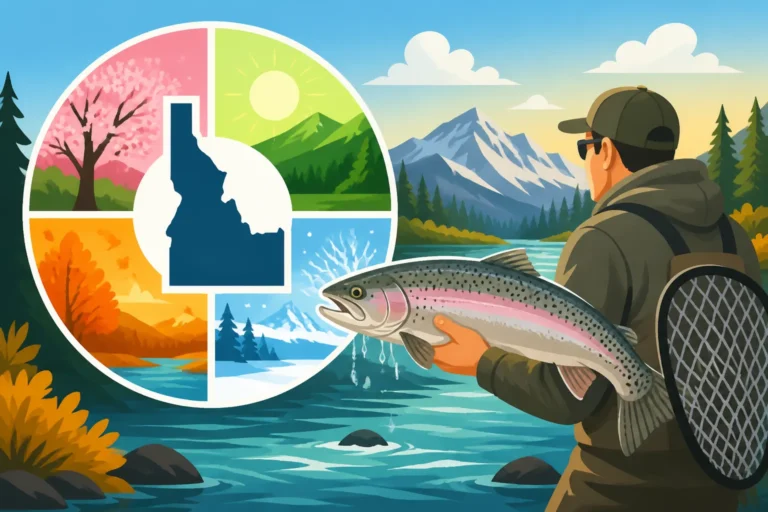
Planning a fishing trip to Idaho can feel like a delicious puzzle, especially when trying to figure out the absolute best time to go with a guide. You want to hit that sweet spot where the fish are biting, the weather's agreeable, and you get the experience you're dreaming of, whether it's battling a powerful steelhead or patiently pursuing a wary trout. This comprehensive guide will break down Idaho's fishing seasons, helping you understand when different opportunities truly shine and how to time your booking for an unforgettable guided adventure.
Spring: Thawing Waters and Steelhead Runs
Spring in Idaho is a season of transition, a wild mix of melting snow, rising rivers, and the raw energy of returning fish. While the weather can be a bit of a gamble, it offers some truly spectacular, and often intense, fishing opportunities, especially for those seeking the ultimate challenge.
The Rush of Runoff and Steelhead
As winter's grip loosens, typically from March through May, Idaho's rivers begin to swell with snowmelt. This period, often called "runoff," can make fishing challenging due to high, turbid water, but it's also prime time for steelhead, especially on iconic rivers like the Clearwater and Salmon. These incredible ocean-run rainbow trout push upstream, and while the conditions demand skill and patience, the reward of hooking into one of these powerful fish is unparalleled. Guided trips are particularly invaluable during this time, as local experts know how to navigate the high water safely, where to find the fish in the currents, and which specific techniques, like drift fishing or running plugs, will entice a bite in challenging conditions. You'll want to review How to Fish for Steelhead in Idaho before you go.
Navigating the unpredictable nature of spring runoff requires a guide who lives and breathes these rivers. They monitor flow rates and clarity daily, knowing precisely which sections might be fishing well or which side channels offer a temporary reprieve from the main current's fury. They'll have the heavy-duty gear and specialized drift boats or jet boats needed to put you on the fish, ensuring both your safety and your best chance at success. Without a guide, a spring steelhead trip can quickly become frustrating, as knowing where not to fish is often as important as knowing where to cast.
Beyond the main stem rivers, some smaller tributaries might clear up earlier in the spring, offering brief windows of opportunity for steelhead before the larger rivers become fishable. Water temperature is a critical factor, and guides are constantly watching for the subtle changes that trigger fish movement and feeding. Expect highly variable weather, from warm, sunny days to cold rain or even late snow. Layering up and having proper waterproof gear is essential for your comfort and enjoyment on these demanding, yet potentially incredibly rewarding, trips.
Early Season Trout Opportunities
While steelhead often steal the spring spotlight, other fishing opportunities arise as the snow recedes. In the lower elevation rivers and lakes, rainbow and cutthroat trout begin to become more active as water temperatures climb into their preferred feeding zones. These early season trout often face less fishing pressure than their summer counterparts, offering a more peaceful experience.
Focus can shift to smaller streams or the calmer sections of larger rivers where the runoff isn't as severe. Stillwaters, especially those that ice out early, can provide excellent fishing for hungry trout eager to feed after a long winter. Small spinners, worms, or even early dry fly patterns on a calm evening can be effective. These trips are often more relaxed and can be a fantastic option for those looking to ease into the fishing season or introduce younger anglers to the sport.
Booking a guided trip in early spring for trout can be a great way to explore waters you might not know well, giving you a head start on the season. Guides can point you to sheltered coves on lakes or quiet bends in rivers that are already holding active fish. It’s a good time to hone your casting skills or learn new techniques without the intensity or pressure of peak season crowds, and often at a slightly lower guide rate.
Lake Warm-Up and Bass Prospects
As spring progresses into late May and early June, Idaho's larger lakes and reservoirs like Coeur d'Alene, Dworshak, and Brownlee start to warm significantly. This warming trend triggers increased activity for species like bass, crappie, and perch, especially as they move into shallower waters for their pre-spawn and spawning periods.
For bass anglers, this is an exciting time as both smallmouth and largemouth bass become more accessible and aggressive. Guides specializing in lake fishing will know the prime coves, rocky points, and submerged structures where bass are staging. You might find success with jigs, crankbaits, or even early topwater presentations on warmer days. Similarly, crappie and perch schools can be found in abundance, offering fast action that’s perfect for a fun day on the water, especially for families.
If river conditions are still challenging due to heavy runoff, focusing on a guided lake trip can be an excellent alternative. It provides a reliable option to get out on the water and catch fish, offering a different kind of challenge and reward compared to the swift currents of the rivers. These trips are often conducted from comfortable boats, providing a stable platform for fishing and enjoying the scenic beauty of Idaho's vast lakes.
Summer: Sun-Drenched Days and Abundant Fish
Summer in Idaho, typically from June through August, is arguably the most popular time for guided fishing trips. The weather is generally warm and stable, access to remote waters is at its peak, and a wide variety of fish species are actively feeding across the state's diverse aquatic landscapes.
Prime Time for High Mountain Lakes and Rivers
July and August are magical months when Idaho's high country truly opens up. The trails to stunning alpine lakes in areas like the Sawtooths and the Frank Church Wilderness are clear of snow, offering unparalleled fly fishing for eager cutthroat and rainbow trout. These remote, pristine waters are a backpacking angler's dream, but even for day trips, a guide can help you navigate the terrain, understand the specific insect hatches, and put you on fish in these often-underfished gems.
For river anglers, classic waters like the Henry's Fork and the South Fork of the Snake River are in full swing. Hatches of caddis, mayflies, and stoneflies are prolific, creating incredible dry fly fishing opportunities that draw anglers from around the world. Wading or drift boat trips are common, and a guide's expertise in reading water, identifying insects, and placing your fly precisely is invaluable. While these rivers can draw crowds, a good guide knows the less-pressured stretches and the subtle techniques needed to fool wary trout. You might want to check out How to Fly Fish Henry's Fork for more insights.
These trips often require specific gear, including waders, and a willingness to be active, whether wading a river or hiking to a mountain lake. Guided trips often include all necessary fly fishing equipment and instruction, making them ideal for both seasoned fly anglers and those looking to learn. The scenery alone is worth the trip, with towering peaks, lush forests, and crystal-clear waters providing an unforgettable backdrop to your fishing adventure.
Trophy Trout and Kokanee in the Big Lakes
Idaho's massive lakes become playgrounds for anglers in the summer. Lake Pend Oreille is famous for its massive Kamloops rainbow trout, while Priest Lake holds behemoth Mackinaw (lake trout). Lake Coeur d'Alene is a hotspot for kokanee salmon and trophy Chinook salmon. These species often require specialized deep-water trolling techniques, and this is where a guided charter truly shines.
Guides on these large lakes come equipped with high-tech sonar, downriggers, and a vast arsenal of lures and baits. They spend countless hours on the water, understanding the depths where fish are holding, the specific trolling speeds that trigger bites, and the preferred forage of these elusive giants. For example, How to Troll for Kokanee on Lake Coeur d'Alene is a technique best learned from an experienced local. A guided trip vastly increases your chances of connecting with a trophy-sized fish that would otherwise be incredibly difficult to find on your own.
Summer is also peak season for family-friendly charters on these lakes. The stable weather and comfortable boat rides make it an enjoyable experience for all ages, regardless of fishing experience. Many guides offer half-day or full-day trips that combine serious fishing with scenic tours, providing a relaxing yet exciting day on the water with the chance of landing a truly memorable fish.
Bass and Panfish Action
For those who enjoy warmer water species, summer delivers phenomenal action on Idaho’s numerous reservoirs and smaller lakes. C.J. Strike, Cascade, Brownlee, and other bodies of water become hotspots for smallmouth and largemouth bass, as well as an abundance of crappie, perch, and bluegill.
Bass fishing can be explosive, with topwater lures, plastic worms, and spinnerbaits drawing aggressive strikes in the mornings and evenings. During the heat of the day, guides will target deeper structures or shaded areas where bass retreat. Panfish, on the other hand, often provide continuous action throughout the day, making them an excellent target for beginners or anglers looking for high catch rates. Jigs, live bait, or small spinners are usually all you need to fill a cooler with delicious fillets.
These guided trips are generally less technical than fly fishing for trout or deep-water trolling, making them very accessible for all skill levels. They offer a relaxed atmosphere, often with plenty of casting and reeling, perfect for a fun day outdoors. Many guides offer specialized bass or panfish trips, focusing on these species specifically for anglers looking for that kind of action.
Fall: Vibrant Colors and Renewed Fishing Frenzy
Autumn in Idaho is a stunning season, painting the landscape in hues of gold and crimson. As the summer crowds thin and the air turns crisp, the fishing often experiences a renewed burst of activity. Cooler water temperatures invigorate many species, and for some, it marks the beginning of important spawning runs.
Steelhead's Second Act and Salmon
Just as the leaves begin to turn, typically from September through November, Idaho experiences its fall steelhead run. These powerful fish begin their journey up rivers like the Clearwater and Salmon once again, following a different migratory pattern than their spring counterparts. This can be an incredible time to target steelhead, often with slightly more stable river conditions than in spring runoff. Fall Chinook salmon also make their appearance on some rivers, though their seasons are typically very short and tightly regulated, requiring careful attention to Idaho Chinook Salmon Fishing Guide.
Guided trips during the fall steelhead season are highly sought after. Guides understand the intricacies of the fall runs, knowing where fish might be holding as water levels and temperatures fluctuate. The advantage of going with a guide during this time is not just their knowledge of the fish, but also their ability to adapt to changing conditions and to utilize proven techniques for fall steelhead, which can differ from spring methods. The reduced number of anglers on the water compared to certain peak spring days can also provide a more intimate fishing experience.
Expect cooler temperatures and be prepared for potential rain or early snow, especially as November approaches. The serene beauty of the autumn landscape, combined with the thrill of hooking a powerful steelhead, makes fall a favorite season for many experienced anglers. Many guides focus exclusively on these fall runs, and their expertise is invaluable for maximizing your chances.
Big River Trout Fishing
As the intense summer sun fades, the big trout rivers like the Henry's Fork and the South Fork of the Snake undergo a transformation. Water temperatures become ideal, and trout, sensing the approaching winter, often feed aggressively to build up reserves. This post-summer feeding frenzy can lead to some truly exceptional trout fishing, with fish often less selective than in the height of summer.
Streamer fishing can be particularly effective in the fall, as trout respond to larger, baitfish-imitating patterns. Some species may begin their spawning rituals, making them more visible and aggressive (though ethical anglers will always avoid targeting spawning fish on their redds). The absence of recreational floaters and inner tubers means a quieter river, enhancing the overall experience. A guide can help you pinpoint these actively feeding fish and employ the most effective strategies for the season. Idaho Fishing Techniques Guide will give you a good overview.
The crisp air and stunning fall colors add another layer of enjoyment to these trips. It’s a time for quiet reflection and focused fishing, often rewarded with encounters with larger, more robust trout. Many guides consider fall their favorite season for trout fishing, precisely because of the combination of ideal conditions, active fish, and peaceful surroundings.
Crisp Air and Solitude
One of the undeniable perks of booking a guided trip in the fall is the sheer beauty and tranquility of the Idaho landscape. The vibrant fall foliage, particularly in the river canyons and around the lakes, is simply breathtaking. Beyond the visual appeal, the cooler temperatures and decreasing daylight hours naturally lead to fewer anglers on the water compared to the bustling summer months.
This reduction in crowds translates to a more serene and often more productive fishing experience. You’ll find less pressure on the fish and more elbow room to cast your line. For anglers who prioritize solitude and a peaceful connection with nature, fall is an unparalleled choice. Guides often have more flexibility in choosing prime spots without worrying about other boats or waders already occupying them.
If you're seeking a blend of excellent fishing, stunning scenery, and a calmer atmosphere, booking your guided trip in the fall is a fantastic option. Platforms like FishingBooker can help you browse guide availability during this popular, yet less crowded, season, allowing you to secure a reputable guide who specializes in these rewarding autumn adventures.
Winter: Icy Landscapes and Unique Opportunities
Winter in Idaho, from December through February, transforms the state into a snowy wonderland. While many anglers pack away their gear, this season offers unique and often surprisingly productive fishing experiences, especially for those willing to brave the cold or explore the world of ice fishing.
Ice Fishing Adventures
For many, winter fishing means one thing: ice fishing. North Idaho lakes like Priest Lake, Payette Lake, and Lake Pend Oreille, along with large reservoirs like Cascade Reservoir, typically freeze over, creating vast, accessible fishing grounds. This is a truly unique way to experience fishing, where anglers set up shelters, drill holes, and target species like perch, crappie, rainbow trout, and even kokanee through the ice.
Guided ice fishing trips are an excellent option for both beginners and experienced anglers. Guides provide all the specialized equipment, including heated ice shelters, augers, flasher units (fish finders), and tackle designed for ice fishing. They'll also know the safest ice conditions and the best spots to set up for different species, often moving several times throughout the day to find the most active schools. If you've never tried it, a guide makes it comfortable and productive. You can learn more about How to Ice Fish in Idaho with an expert.
Imagine spending a cozy day in a warm hut, watching your line dance on a sonar screen as fish approach, then feeling that distinctive tug. It's a social and relaxed form of fishing, perfect for families or groups looking for a memorable winter outdoor activity. Guides prioritize safety above all else, constantly monitoring ice thickness and conditions to ensure a worry-free outing.
Open Water Steelhead in Select Rivers
Even in the dead of winter, a few of Idaho's major rivers, particularly the lower reaches of the Clearwater and Salmon, continue to hold steelhead. During milder spells or in specific thermal pockets, these anadromous fish can still be caught on open water. It’s a testament to the resilience of both the fish and the dedicated anglers who pursue them.
Winter steelhead fishing is not for the faint of heart; it's cold, demanding, and requires immense patience. However, the rewards can be significant, often with much less pressure from other anglers compared to the spring or fall runs. Guides who specialize in winter steelhead are truly hardened professionals, intimately familiar with river conditions, fish behavior in cold water, and the most subtle presentation techniques to elicit a strike.
A guided winter steelhead trip means you'll have a heated boat, hot coffee, and an expert who knows precisely where to focus efforts when conditions are at their most challenging. It's an opportunity for a truly solitary and focused pursuit, connecting with Idaho's wild rivers in their quietest season. Just be prepared for layers, hand warmers, and the ultimate winter fishing adventure.
Planning for Next Year
While actively fishing might be limited for some in winter, this season presents a fantastic opportunity for planning and booking your guided trips for the upcoming year. Many of the most sought-after guides for prime spring steelhead, summer high-country trout, or fall salmon runs get booked up months in advance.
Winter is typically the slowest time for guides, meaning they often have more availability to chat, discuss options, and help you meticulously plan your ideal trip. You can secure those coveted dates, especially if your trip coincides with opening weekends, major hatches, or specific holiday periods. Take advantage of this quieter period to research guides, read reviews, and solidify your plans. How to Book a Fishing Guide in Idaho is something you can definitely get a head start on in the off-season.
Consider booking an exploratory trip or a half-day outing during the winter months, if open water is available, to get a feel for a guide or a particular section of river. This can be a smart way to establish a relationship and ensure a good fit before committing to a larger trip later in the year. Many people use platforms like FishingBooker during these colder months to browse and reserve their spots well in advance, taking the stress out of last-minute bookings.
Factors Influencing Your Decision Beyond Just the Calendar
While the changing seasons dictate a lot about Idaho's fishing opportunities, your personal preferences and goals play an equally critical role in determining the "best" time to book a guide. It's not just about when the fish are biting, but when the experience aligns with what you want.
Target Species
The most fundamental question you need to ask yourself is: "What fish do I really want to catch?" Idaho is incredibly diverse, offering everything from powerful steelhead and Chinook salmon to trophy lake trout, elusive native cutthroat, feisty smallmouth bass, and abundant panfish. Each of these species has optimal seasons when they are most active, accessible, and numerous.
For example, if your dream is to battle a hard-fighting steelhead, you'll be looking at spring or fall on rivers like the Clearwater or Salmon. If landing a massive lake trout from Priest Lake is your goal, then summer is often prime, requiring specific deep-water tactics. If it's the artistry of fly fishing for wild trout on famed spring creeks like the Henry's Fork, then late spring through fall will be your window. Consulting a resource like Idaho Fish Species Guide can help you narrow down your priorities.
Guides often specialize in certain species or types of fishing. Don't book a guide known for bass fishing in July if your heart is set on spring steelhead. Clearly communicating your target species to potential guides is crucial for ensuring they are the right fit and available during the prime season for your desired catch. This single factor often dictates the entire timing of your guided trip.
Fishing Style and Experience Level
Your preferred fishing style and current experience level are also major considerations. Are you a seasoned fly angler seeking technical challenges, or a beginner looking for a relaxed spin-fishing trip with plenty of action? These preferences can greatly influence which season and even which waters are best suited for you.
For instance, the challenging conditions of spring steelhead fishing or the technical dry fly angling on Henry's Fork might be exhilarating for experienced anglers but overwhelming for a novice. Conversely, a summer lake charter targeting kokanee or bass can offer consistent action and a more relaxed learning environment for beginners or families. Some guides even specialize in Idaho Fishing Guides for Fly Fishing Lessons, often in calmer waters and seasons.
A good guide will tailor the trip to your skill level, but being honest about your abilities and expectations will help them recommend the best time and location for you. If you're new to fishing, warmer months with more forgiving conditions might be ideal. If you're chasing a specific trophy or pushing your skills, a guide can help you tackle more demanding seasons and techniques.
Crowd Avoidance vs. Peak Action
Another important factor is your tolerance for crowds. Idaho's most popular fishing destinations and prime seasons can draw a significant number of anglers. If you're seeking solitude and a wilderness experience, you might need to adjust your timing or your chosen fishing spot.
Peak season, such as summer for many lakes and popular trout rivers, often means sharing the water with more boats and other anglers. Spring and fall steelhead runs on the Clearwater or Salmon Rivers, while incredible, can also be very popular. If avoiding crowds is a priority, consider the shoulder seasons (late spring, early fall) or booking a trip to more remote, less accessible waters, which often require a guide for safe and efficient travel.
While peak action often coincides with peak crowds, a skilled guide can often steer you away from the busiest spots, even during the most popular times. They know the hidden pockets, the lesser-known access points, or the timing strategies that allow for a more peaceful experience. It's a trade-off, and deciding which is more important to you – guaranteed peak action or a tranquil outing – will help you choose the ideal season.
Booking Logistics: Timing Your Guide Reservation
Once you've zeroed in on your ideal season and target species, the final, crucial step is the actual booking process. Timing your reservation correctly can make all the difference between securing your dream trip and missing out entirely.
When to Book in Advance
This is perhaps the single most critical piece of advice for booking an Idaho fishing guide: the best guides, especially for prime dates and specific species, get booked up months, sometimes even a year, in advance. If you have your heart set on a specific guide, a particular river's opening weekend, a major hatch, or a peak steelhead run, waiting until a few weeks before your desired trip will almost certainly lead to disappointment.
For popular summer trout trips, fall steelhead, or multi-day wilderness floats, booking 6-12 months out is not uncommon. Spring steelhead dates can also fill up 4-6 months ahead of time. Don't underestimate the demand for skilled and reputable guides in Idaho. Using platforms like FishingBooker can give you a good idea of a guide's availability, but even there, prime slots disappear quickly. The sooner you can commit to dates, the better your chances of securing your first choice. You can also explore How to Book a Fishing Guide in Idaho for more details.
Consider booking your trip as soon as you know your travel plans. If you have a group or specific requirements, even more lead time is advisable. Booking well in advance not only secures your spot but also often allows for more detailed planning with your guide, ensuring everything is perfectly set for your adventure.
Finding the Right Guide
Finding the right guide is about more than just availability; it's about finding the right fit for your personality, experience level, and fishing goals. Start by researching guides who specialize in your chosen species and fishing style. Many guides have websites or profiles on booking platforms, showcasing their expertise and typical trips.
Look for reviews and testimonials, ask for word-of-mouth recommendations, and don't hesitate to call potential guides to chat. A good guide will be happy to discuss your expectations, answer your questions, and offer advice. This conversation is key to ensuring you're comfortable with them and that they understand what you hope to get out of the trip. Checking out Best Fishing Guides in Idaho might give you some starting points.
Remember, a guide is more than just someone who puts you on fish; they are your instructor, your local expert, your safety officer, and often a storyteller. The relationship you build, even for a single day, can significantly enhance your overall experience. Choose someone with whom you feel a good rapport, who is passionate about their craft, and who prioritizes your enjoyment and safety.
Flexibility and Weather Considerations
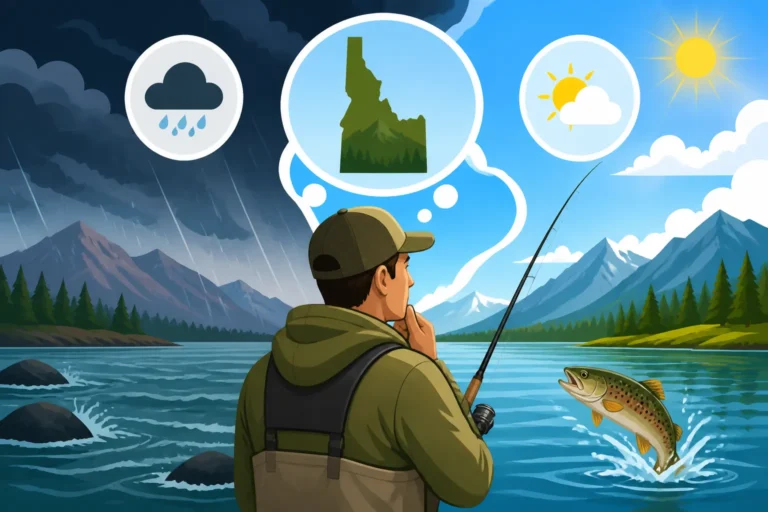
Idaho's weather is famously dynamic and can change rapidly, especially in the mountains and river canyons. Rivers can rise or fall quickly due to rain or dam operations, and lake conditions can shift with strong winds. Ice conditions for winter fishing require constant monitoring. This means flexibility can be a huge asset when planning a guided trip.
Always discuss the guide's cancellation and rescheduling policies before booking. A reputable guide will always prioritize your safety and a quality experience, and may need to reschedule if conditions become unsafe or unproductive. Understanding their policy for weather-related changes is crucial. Some guides might offer to move your trip to a different section of river or even a different type of water (e.g., a lake instead of a river) if conditions dictate. Knowing about Idaho Fishing Guide Cancellation Policies can save you headaches.
While you should book well in advance for prime dates, having some flexibility in your travel dates, if possible, can be beneficial. Sometimes, a last-minute cancellation opens up a coveted slot, or a sudden change in weather creates unexpectedly perfect conditions. Being able to jump on such an opportunity can lead to an incredible, spontaneous adventure. Ultimately, working closely with your guide and trusting their local expertise will lead to the most successful and enjoyable Idaho fishing experience.
| Season | Primary Target Species | Typical Conditions | Pros for Guided Trip | Cons for Guided Trip |
|---|---|---|---|---|
| Spring (Mar-May) | Steelhead, Rainbow Trout, Bass (late) | Cold, often wet, high/turbid rivers (runoff) | Peak steelhead runs, early season trout, fewer lake crowds | Unpredictable weather, challenging river conditions |
| Summer (Jun-Aug) | Trout (fly fishing), Kokanee, Chinook, Bass, Panfish | Warm, sunny, clear rivers (post-runoff), warm lakes | Access to high country, diverse species, family-friendly | Crowds on popular waters, hot weather |
| Fall (Sep-Nov) | Steelhead, Trophy Trout, Chinook Salmon | Cool, crisp, colorful foliage, stable rivers | Fall steelhead, aggressive trout, beautiful scenery, less crowded | Shorter daylight, variable weather (can turn cold) |
| Winter (Dec-Feb) | Ice Fishing (Perch, Trout), Steelhead (open water) | Cold, snowy, frozen lakes, low/clear rivers | Unique ice fishing experience, solitary open-water steelhead | Extreme cold, limited open-water options, travel challenges |
Disclaimer
This article is for general informational purposes only and does not constitute professional advice. Laws, prices and regulations vary by location and change over time. Consult a qualified professional for guidance on your specific situation.