How to Fish a High Mountain Lake in the Sawtooths
There's a special kind of magic that calls to anglers in Idaho, a whisper from the rugged peaks and ancient glaciers leading to the pristine, shimmering waters of a high mountain lake in the Sawtooths. But let's be real, turning that dream into a successful fishing trip isn't as simple as casting a line in your local pond. These remote, often challenging environments demand a different approach, a unique blend of preparation, technique, and respect for nature. This guide is here to unravel the mysteries of fishing Idaho's high mountain lakes, equipping you with the knowledge to make your alpine angling adventure a rewarding one.
Planning Your Sawtooth High Mountain Lake Adventure
Before you even think about tying on a fly or lure, the most crucial part of fishing Idaho's high mountain lakes is the planning. These aren't roadside fisheries; they often require significant hiking, careful navigation, and self-sufficiency. Ignoring the preparation phase is a recipe for frustration, or worse, a dangerous situation in the backcountry.
Choosing the Right Lake and Time of Year
The Sawtooth Wilderness and surrounding areas are dotted with hundreds of high mountain lakes, each with its own character and fishing potential. Some are easily accessible with a moderate hike, while others demand strenuous multi-day treks. Research is your best friend here. Look for lakes known to hold fish – often cutthroat trout, rainbow trout, and brook trout are found in these waters. Factors like elevation, depth, and the presence of inlet/outlet streams can significantly influence fish populations and activity. Remember, the higher the elevation, the shorter the fishing season; many lakes aren't ice-free until late June or even July.
Understanding the seasonal windows is paramount. Early season, right after ice-out, can be fantastic as hungry fish become active. Mid-summer sees consistent insect hatches, offering excellent dry fly opportunities. As fall approaches, fish often feed aggressively to prepare for winter. However, always be mindful of weather shifts; an idyllic summer day can quickly turn into a high-altitude hailstorm. You'll also need to be aware of the specific regulations for the Sawtooth National Recreation Area, which can sometimes differ from general statewide rules. Consulting the current Idaho Fishing Regulations Explained is always a good first step, especially regarding Idaho Fishing Season Dates and Limits.
Essential Gear for Backcountry Success
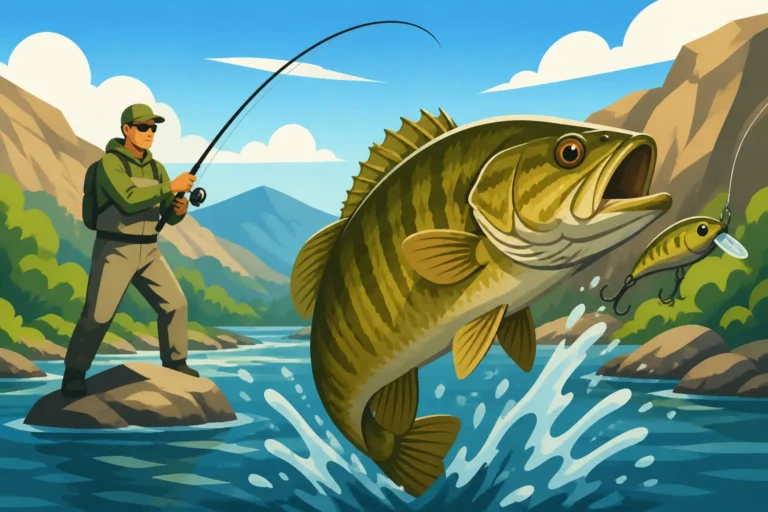
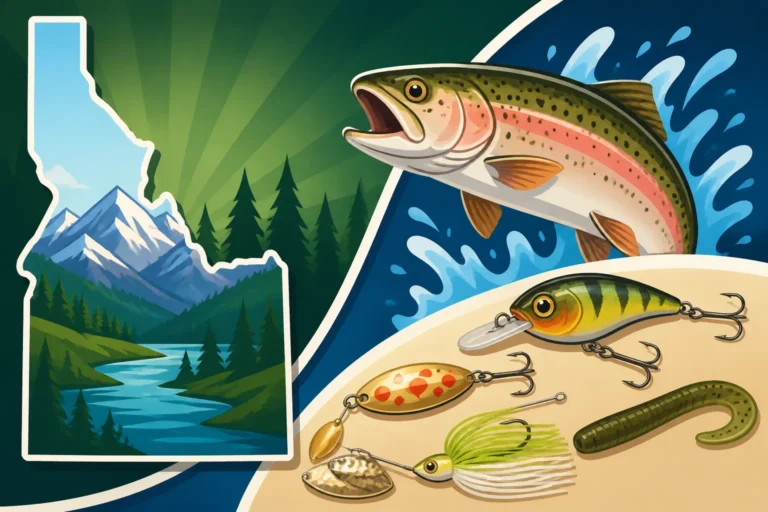
Packing correctly for a high mountain lake trip is a delicate balance. You need enough gear to be safe and effective, but every ounce counts when you're hauling it uphill for miles. Your primary fishing setup should be versatile. A lightweight 4-5 weight fly rod is perfect for most high-lake trout, while a light spinning rod with a fast action can also be highly effective. Don't forget a sturdy reel with appropriate line weight, leader, and tippet. A small selection of flies (dry flies, nymphs, small streamers) or lures (spinners, small spoons) is essential.
Beyond fishing gear, wilderness essentials are non-negotiable. This includes navigation tools (map, compass, GPS, or a reliable app on your phone), a first-aid kit, water purification, sun protection (hat, sunglasses, high-SPF sunscreen), and extra layers of clothing, even in summer. High altitudes mean temperatures can drop quickly, and afternoon thunderstorms are common. Comfortable hiking boots are a must, as are trekking poles for stability on steep or uneven terrain. Many experienced anglers find that sourcing specialized, lightweight gear from retailers like Amazon can make a significant difference in pack weight and overall comfort on the trail. For a more exhaustive list, you might find our guide on What Gear to Pack for a Sawtooth Backcountry Fishing Trip invaluable.
| Item Type | Category | Specific Examples | Notes |
|---|---|---|---|
| Fishing Gear | Rod & Reel | Lightweight Fly Rod (4-5 wt) or Spin Rod (light action) | Choose based on preference; pack light and durable. |
| Line & Leader | Floating fly line, 4X-6X tippet; 4-6 lb mono/fluoro for spin | Clear, low-visibility lines often best for clear alpine waters. | |
| Flies/Lures | Dry flies (Adams, Caddis), Nymphs (Prince, Pheasant Tail), Streamers (Woolly Bugger); Spinners (Rooster Tail, Panther Martin), Small Spoons | Focus on smaller sizes and natural colors. | |
| Accessories | Nippers, forceps, small net (rubberized for fish safety), floatant, split shot, small tackle box | Keep it compact and functional. | |
| Navigation | Tools | Topographic map, compass, GPS device/app | Know how to use them, even with digital aids. |
| Safety/First Aid | Essentials | Comprehensive first-aid kit, emergency shelter (tarp/bivy), fire starter, whistle, headlamp | Crucial for unexpected situations; know basic wilderness first aid. |
| Hydration | Water Filter/Purifier | Sawyer Squeeze, SteriPEN, purification tablets | Never rely on untreated water in the backcountry. |
| Sun Protection | Wearables | Wide-brimmed hat, sunglasses, long-sleeve shirt | High elevation means intense UV exposure. |
| Clothing | Layers | Moisture-wicking base, insulating mid-layer (fleece/puffy), waterproof/windproof outer shell | Weather changes rapidly; avoid cotton. |
| Footwear | Hiking Boots | Broken-in, waterproof hiking boots | Ankle support and good traction are key. |
| Misc. | Food | High-energy, non-perishable snacks and meals | Pack enough for your trip duration plus an extra day. |
| Bear Canister/Bag | For food storage, if required/recommended | Check local regulations; protect your food from wildlife. | |
| Trash Bag | For all waste, including fish guts | Practice strict Leave No Trace principles. |
Mastering High Mountain Lake Fishing Techniques
Fishing high mountain lakes isn't just about getting there; it's about understanding how these unique environments influence trout behavior. The clear, cold water, limited food sources, and often skittish fish mean you'll need to adapt your approach from what might work on larger, lower-elevation rivers or lakes.
Fly Fishing Strategies for Alpine Trout
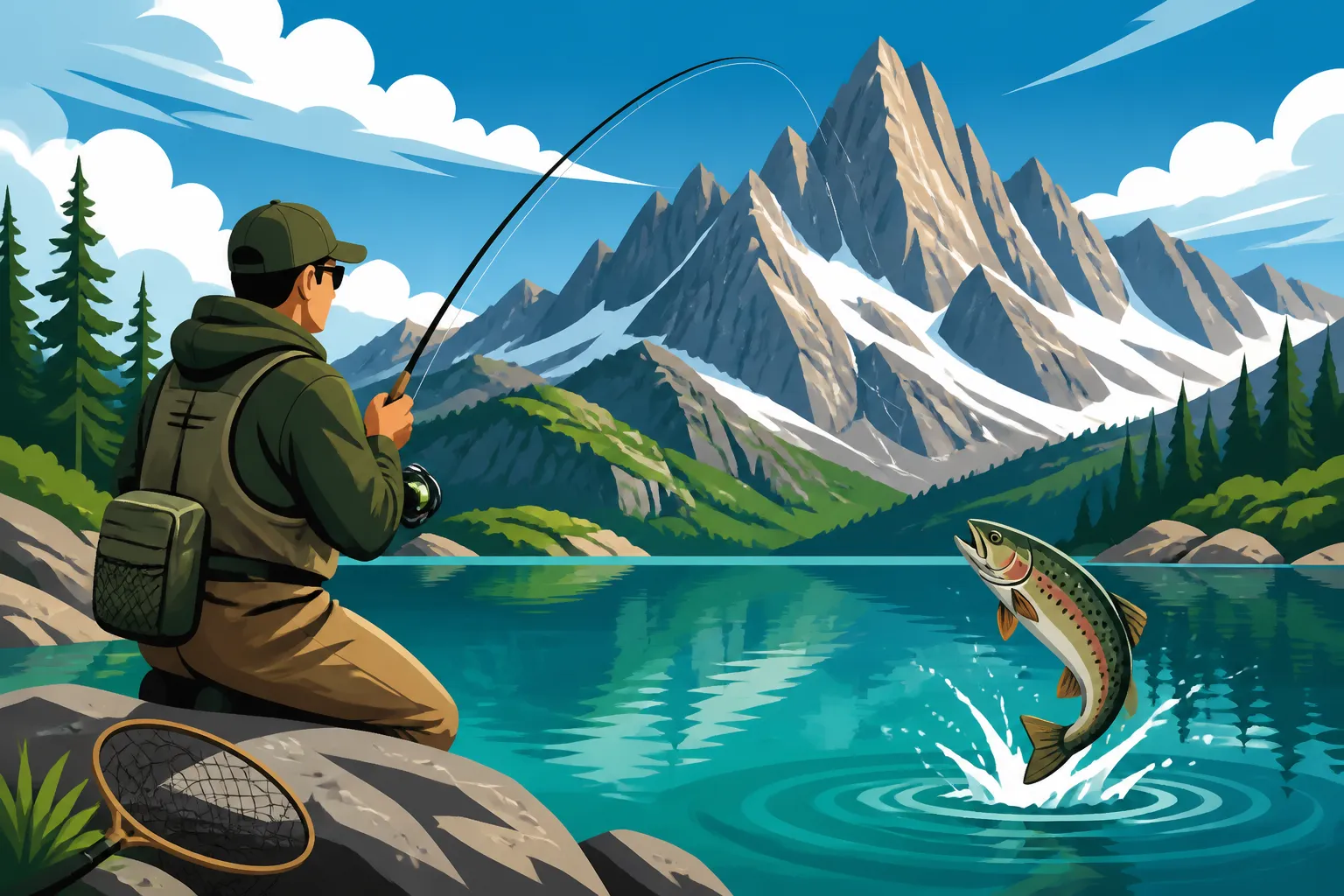
Fly fishing in the Sawtooth high country is an incredibly rewarding experience, offering a chance to target some truly wild and beautiful fish. Presentation is often more important than fly pattern, given the clear water and educated trout. Dry flies are a go-to, especially during hatches of midges, caddis, or mayflies. Look for rising fish and try to match the size and color of the naturals. Parachute Adams, Royal Wulff, and various caddis patterns are usually safe bets. Remember that alpine trout can be incredibly wary; a stealthy approach and accurate cast are key to not spooking them.
When fish aren't rising, nymphing can be very effective. Small bead-head nymphs like a Prince Nymph or a Pheasant Tail Nymph fished under a strike indicator, or even on a dry-dropper rig, can entice trout holding deeper. Streamers, like a small Woolly Bugger, can also be deadly, especially when stripped along drop-offs or near submerged structure. The key is often to use lighter tippet (5X or 6X) to ensure a natural drift and reduce visibility. If you're looking to brush up on your overall fly fishing knowledge before heading out, our How to Fly Fish in Idaho guide offers excellent foundational tips. Consider also diving into Best Flies for Cutthroat Trout to refine your selection.
Spin Fishing Approaches for High Lakes
For those who prefer spin fishing, high mountain lakes offer fantastic opportunities, and sometimes it can even be more effective than fly fishing, especially on windy days or when covering larger expanses of water from shore. The most important rule here is small and subtle. Trout in these clear, often nutrient-poor lakes aren't usually chasing large, flashy presentations. Tiny spinners, typically size 0 or 1, in natural colors like silver, gold, or black, are often irresistible. Brands like Rooster Tail or Panther Martin are popular choices and can be found easily on Amazon. Cast them out, let them sink a bit, and retrieve slowly, varying your speed until you find what triggers a strike.
Small spoons, like a Kastmaster or a Daredevil, can also work well, particularly if you're trying to reach deeper fish or need to cast a long distance. Tipping your lure with a small piece of worm, powerbait, or even a salmon egg can sometimes make all the difference, though always check regulations to ensure bait is allowed in your chosen lake. Often, these lakes are catch-and-release only, or have specific bait restrictions. Again, a stealthy approach is vital. Avoid stomping along the shoreline and keep your shadow off the water. For more general advice on tackle, refer to our Best Bait and Lures for Idaho Fishing article.
Understanding High Mountain Lake Trout Behavior
The trout in Idaho's high mountain lakes are often distinct from their lower-elevation cousins. They're typically wild, wary, and highly adapted to their harsh, beautiful environment. Knowing a bit about their behavior can drastically improve your success rate.
Reading the Water and Identifying Holding Patterns
High mountain lakes, with their crystal-clear water, offer an incredible advantage: you can often see the fish! However, this clarity also means they can see you. When approaching a lake, take your time. Scan the water for signs of life – rising fish, subtle dimples, or even the flash of a trout darting away. Focus on areas where food or cover is concentrated. This often includes rocky points, submerged boulders, drop-offs, or the confluence of an inlet stream. The edges of weed beds, if present, are also prime locations, as they provide both cover and insect habitat.
Trout in these colder waters tend to be more sensitive to light and temperature. During bright, sunny days, they'll often hold in deeper water or seek refuge in shaded areas or under overhanging banks. In the early morning or late evening, as light fades, they'll move into shallower water to feed. Observing the lake for a few minutes before casting can reveal these patterns. Pay attention to changes in depth and current near inlet and outlet streams, as these areas concentrate oxygen and food. For specific information on the species you might encounter, our Idaho Cutthroat Trout Fishing Guide and Idaho Rainbow Trout Fishing Guide are great resources.
Impact of Weather and Elevation on Fish Activity
Weather plays an enormous role in high mountain fishing. Cloud cover can be your friend, offering diffuse light that makes fish less skittish and encourages them to feed more actively throughout the day. Windy conditions, while challenging for casting, can also break up the water's surface, providing cover for both fish and angler, and dislodging terrestrial insects into the lake. However, extreme wind can make fishing nearly impossible and create dangerous conditions on the water if you're using a float tube. If you're considering using a float tube, it's worth checking out our guide on How to Fish from a Float Tube on Mountain Lakes.
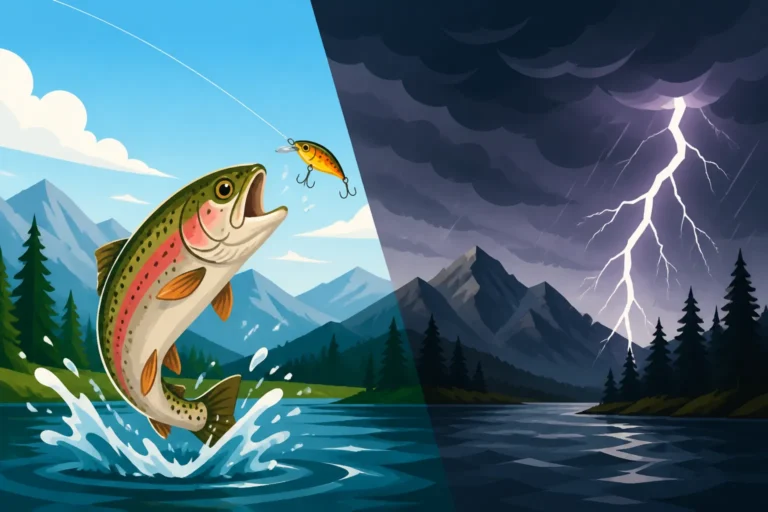
Elevation also means thinner air and more intense UV radiation, which affects both you and the fish. The water is often very cold, meaning fish have a slower metabolism and may have shorter, more intense feeding windows. A sudden drop in temperature, especially if a storm rolls in, can shut down the bite completely. Conversely, a warm, stable day following a period of cold weather can trigger a strong feeding frenzy. Always be prepared for rapid weather changes and know when Idaho's High Mountain Lakes Open Up After Winter and when to expect the Best Time to Fish Idaho's High Mountain Lakes Before They Freeze for optimal timing.
Leave No Trace Principles and Safety in the Sawtooths
Fishing in the Sawtooth high country is a privilege, and with that comes a responsibility to protect these fragile ecosystems. Beyond the fishing itself, ensuring your safety and minimizing your impact on the environment are paramount.
Protecting the Fragile Alpine Ecosystem
The Sawtooth Wilderness and the high mountain lakes within it are delicate environments. Practicing Leave No Trace principles isn't just a suggestion; it's essential for preserving these pristine areas for future generations. This means packing out everything you pack in – and we mean everything, including fish guts, leftover food scraps, and even biodegradable waste like orange peels. Bury human waste at least 200 feet from water sources and trails, and use catholes. Avoid building large fires; instead, use a lightweight stove for cooking.
When fishing, handle trout as little as possible, especially if you plan to release them. A rubberized net minimizes damage to their protective slime coat. If you are keeping fish, clean them away from the lake shore, and consider burying the entrails deeply away from campsites and water to prevent attracting wildlife. Stick to established trails whenever possible to minimize erosion, and camp in designated areas or on durable surfaces like rock or bare dirt. Your visit should leave no trace that you were ever there.
Navigating the Backcountry Safely
The beauty of the Sawtooths comes with inherent risks. Proper preparation for backcountry travel is just as important as your fishing strategy. Always tell someone your itinerary: where you're going, your planned route, and when you expect to return. This is crucial in case of an emergency. Pack enough food and water for your trip, plus an emergency reserve. A reliable water filter or purification tablets, easily found on Amazon, are non-negotiable.
Weather can change dramatically and quickly in the mountains. Be prepared for sun, rain, wind, and even snow, regardless of the season. Carry layers, including a waterproof and windproof outer shell. Familiarize yourself with basic first aid and carry a well-stocked kit. Cell service is virtually nonexistent in most high mountain areas, so don't rely on your phone for communication or navigation alone. A satellite messenger device can be a lifesaver in an emergency. Being self-sufficient and knowing your limits are key to a safe and enjoyable trip into Idaho's majestic high mountain fishing paradise.
Disclaimer
Please note that fishing regulations and conditions can change. Always consult the latest Idaho Fish and Game regulations and local wilderness area guidelines before heading out. This guide is for informational purposes only and should not replace official sources or professional advice.